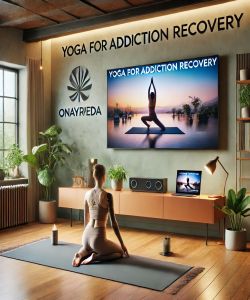
Overview of Yoga for Addiction Recovery
Yoga for Addiction Recovery constitutes a formidable, non-pharmacological, complementary modality designed to support individuals navigating the complex path of recovery from substance and behavioural dependencies. It is not a panacea nor a standalone cure, but rather a structured somatic and psychological discipline that integrates physical postures (asana), breath regulation (pranayama), meditation, and mindfulness to re-establish the crucial connection between mind and body, a connection frequently severed by the trauma of addiction. This practice operates on the fundamental principle that addiction is a multifaceted malady, affecting not only cerebral function and emotional states but also the physical self, where stress, trauma, and cravings are stored and manifested. By systematically engaging the body, yoga provides a tangible, immediate pathway to influence the nervous system, empowering individuals to move from a state of chronic hyper-arousal or hypo-arousal towards a state of regulated equilibrium. It directly addresses the physiological underpinnings of craving, anxiety, and anhedonia by fostering interoception—the awareness of internal bodily states. This heightened self-awareness equips the individual with the capacity to identify triggers and respond with conscious, regulated action rather than compulsive reaction. As a discipline rooted in self-observation without judgement, it cultivates the resilience, self-compassion, and emotional tolerance essential for sustaining long-term sobriety. It is a rigorous practice of self-reclamation, providing a structured framework within which individuals can safely explore their inner landscape, process difficult sensations, and build a robust foundation for a life free from dependency. This methodical approach facilitates the development of new, healthier coping mechanisms, replacing the destructive patterns of addiction with restorative, life-affirming practices that support enduring psychological and physiological well-being.
What is Yoga for Addiction Recovery?
Yoga for Addiction Recovery is a specialised, trauma-informed application of yogic principles and practices specifically tailored to address the unique physiological, psychological, and emotional challenges inherent in recovery from addiction. It is a somatic therapy that functions as a critical adjunct to conventional treatment modalities such as psychotherapy, counselling, and mutual-help groups. Its primary objective is to facilitate healing by directly targeting the dysregulated nervous system and fractured mind-body connection that are hallmarks of addictive disorders. This is not merely a physical exercise regime; it is a holistic discipline that integrates several core components to foster profound self-regulation and emotional resilience. It provides a structured and safe environment for individuals to reconnect with their physical selves, learning to tolerate discomfort, manage cravings, and process stored trauma through mindful movement and breath.
The practice is built upon several key pillars:
Asana (Physical Postures): These are employed not for acrobatic achievement but to build physical strength, release stored tension from the body's tissues, and cultivate a sense of stability and grounding. The focus is on creating a safe and embodied experience.
Pranayama (Breathwork): This is the cornerstone of the practice. Specific breathing techniques are taught to directly influence and regulate the autonomic nervous system, enabling individuals to shift from a state of stress and anxiety (sympathetic activation) to one of calm and rest (parasympathetic activation). This provides an immediate tool to manage acute cravings and emotional distress.
Meditation and Mindfulness: These components train the mind to observe thoughts and feelings without immediate reaction. This practice of detached observation creates a crucial space between stimulus (a trigger or craving) and response, empowering the individual to make conscious choices rather than succumbing to compulsive behaviour.
Trauma-Informed Approach: All elements are delivered through a lens of trauma-sensitivity. This means prioritising participant safety, offering choices, and avoiding any language or physical adjustments that could be re-traumatising. The instructor's role is to create an environment of unconditional positive regard, fostering trust and self-empowerment.
Who Needs Yoga for Addiction Recovery?
Individuals in Early Recovery: Those in the initial, volatile stages of sobriety require immediate, effective tools for managing acute withdrawal symptoms, intense cravings, and overwhelming emotional dysregulation. Yoga provides a structured, somatic strategy to ground them in the present moment and regulate a highly agitated nervous system, offering a non-pharmacological means of finding stability.
Persons Seeking Relapse Prevention: For individuals who have achieved a period of sobriety but remain vulnerable to relapse, this practice is indispensable. It cultivates heightened interoceptive awareness, enabling them to recognise the subtle physiological and emotional cues that precede a craving or a potential relapse, and provides them with the breathwork and mindfulness techniques to navigate these high-risk moments constructively.
Those with Co-Occurring Mental Health Disorders: Addiction frequently coexists with conditions such as anxiety, depression, and post-traumatic stress disorder (PTSD). Yoga for Addiction Recovery is specifically designed to address the somatic symptoms of these disorders, helping to alleviate the hypervigilance of PTSD, the anhedonia of depression, and the chronic tension of anxiety, thereby treating the integrated whole of the individual’s condition.
Individuals Who Feel Disconnected from Their Bodies: Addiction fosters a profound sense of disembodiment and alienation from one's physical self. This practice is essential for those who experience their body primarily as a source of pain or shame. It offers a safe and methodical pathway back into the body, transforming it from an object of neglect into a source of wisdom, strength, and resilience.
Participants in Residential or Outpatient Treatment Programmes: Integration of yoga into clinical treatment programmes is a necessity for a holistic approach. It provides clients with a practical, embodied skill set that complements and reinforces the cognitive work undertaken in therapy, ensuring they leave treatment not only with intellectual insights but also with tangible tools for self-regulation.
Family Members and Support Networks Affected by Addiction: Whilst the primary focus is the individual with the dependency, the principles of mindfulness, emotional regulation, and stress reduction are profoundly beneficial for family members. It equips them to manage their own stress and respond to their loved one’s recovery journey from a place of greater calm and stability.
Origins and Evolution of Yoga for Addiction Recovery
The application of yoga as a therapeutic intervention for addiction recovery is a modern synthesis, yet its foundational principles are deeply rooted in ancient yogic philosophy. The origins lie in classical yoga, as codified in texts like Patanjali's Yoga Sutras over two millennia ago. These texts were not concerned with physical fitness but with the cessation of mental fluctuations (chitta vritti nirodha)—the very same cognitive and emotional turmoil that characterises the addictive mind. The Sutras outline a systematic path for achieving mental clarity and self-mastery, focusing on ethical precepts, physical discipline, breath control, and meditation as tools to quiet the mind and transcend suffering. This ancient framework provides the philosophical bedrock for understanding addiction not merely as a moral failing or a disease of compulsion, but as a profound state of mental and spiritual disquiet.
The evolution of yoga into a specific modality for addiction recovery began in the latter half of the 20th century, coinciding with yoga's proliferation in the West and a growing understanding of addiction as a complex biopsychosocial disorder. Pioneers in the fields of somatic psychology and holistic health began to recognise the limitations of purely talk-based therapies, which often failed to address the deep-seated physiological and nervous system dysregulation caused by substance misuse and associated trauma. They saw in yoga a powerful, embodied practice that could directly access and soothe the parts of the brain and body where the scars of addiction are held. Early programmes began to integrate simple postures, breathing exercises, and meditation into traditional recovery settings, observing marked improvements in clients' emotional regulation and ability to cope with stress.
In recent decades, this evolution has accelerated and formalised, heavily influenced by advancements in neuroscience and trauma research. The understanding of concepts like neuroplasticity and the function of the vagus nerve has provided a scientific rationale for yoga's effectiveness, moving it from the realm of "alternative" therapy into that of an evidence-informed, complementary treatment. This has led to the development of specific, trauma-informed yoga protocols, such as Trauma-Sensitive Yoga (TSY) and Yoga of 12-Step Recovery (Y12SR). These modern iterations are meticulously designed to be safe and empowering for vulnerable populations. They emphasise choice, interoception, and self-regulation over perfect physical form, ensuring that the practice is a tool for healing and reclamation, not another source of pressure or failure. The evolution continues, with a growing body of research validating its efficacy and cementing its place as an indispensable component of comprehensive, modern addiction treatment.
Types of Yoga for Addiction Recovery
Trauma-Informed Yoga (TIY): This is less a style and more a specific, foundational approach that must underpin all yoga for recovery. It prioritises creating a safe environment where the participant has complete agency over their body and experience. Language is invitational ("if you like," "an option is"), physical adjustments are typically omitted, and the focus is on interoception—noticing internal sensations—rather than achieving an external aesthetic form. Its primary objective is to empower individuals to reclaim a sense of safety within their own bodies, a critical step in healing from the trauma that often co-occurs with addiction.
Hatha Yoga: This is a foundational and slower-paced style, making it exceptionally suitable for beginners and those in early recovery. Hatha focuses on holding basic postures (asanas) for several breaths, providing ample time to explore physical sensations and cultivate stability. This deliberate pace helps to build focus, concentration, and a strong mind-body connection without overwhelming a dysregulated nervous system. It teaches the fundamental principles of alignment and breath in a clear, accessible manner.
Restorative Yoga: This practice utilises props such as bolsters, blankets, and blocks to support the body completely in passive, gentle poses held for extended periods. Its purpose is purely therapeutic: to activate the parasympathetic nervous system (the "rest and digest" response) and deactivate the chronic stress response (sympathetic activation) that is rampant in addiction. It is a profoundly healing practice for soothing anxiety, alleviating physical tension, and training the body and mind to experience deep relaxation, a state often inaccessible to those in recovery.
Viniyoga: This is a highly adaptable and therapeutic approach that tailors the practice to the unique needs and physical condition of the individual. The principle is that the yoga practice must fit the person, not the other way around. A Viniyoga instructor trained in addiction recovery would modify postures, breathing techniques, and sequences to address specific issues such as chronic pain, anxiety, or low energy, making it a highly personalised and effective modality.
Yoga of 12-Step Recovery (Y12SR): This is a specialised hybrid model that explicitly combines the somatic practices of yoga with the cognitive principles of 12-Step programmes like Alcoholics Anonymous or Narcotics Anonymous. A typical Y12SR session involves a 12-Step-based discussion or meeting, followed by a themed yoga and meditation practice. This powerful combination directly links the spiritual and psychological work of the steps with the physical and emotional experience in the body, creating a holistic and integrated path to recovery.
Benefits of Yoga for Addiction Recovery
Enhanced Interoceptive Awareness: Cultivates a heightened sensitivity to the body's internal signals, enabling individuals to identify and respond to the subtle physiological precursors of cravings, anxiety, and emotional distress before they become overwhelming. This moves them from a state of compulsive reaction to one of conscious, empowered choice.
Down-Regulation of the Stress Response: Directly engages the parasympathetic nervous system through controlled breathing (pranayama) and restorative postures. This systematically reduces levels of the stress hormone cortisol and calms the hyper-aroused state of the nervous system, which is a key driver of addictive behaviour and relapse.
Increased Distress Tolerance: The practice of holding challenging physical postures in a mindful way trains the individual to remain present and breathe through physical and emotional discomfort. This skill is directly transferable to life off the mat, building the psychological resilience needed to tolerate the discomfort of cravings and difficult life situations without resorting to substance use.
Improved Executive Functioning: The focus and concentration required in yoga and meditation practices have been shown to strengthen the prefrontal cortex, the part of the brain responsible for impulse control, decision-making, and emotional regulation. This helps to repair the neurological damage caused by chronic substance misuse.
Processing of Stored Trauma and Emotions: Addiction is frequently rooted in unresolved trauma. Yoga provides a safe, somatic pathway to access and release traumatic stress and suppressed emotions that are held in the body's tissues and nervous system, facilitating a deeper level of healing than talk therapy alone can often achieve.
Cultivation of Self-Compassion and Non-Judgement: The core yogic principle of observing one's experience without judgement helps to dismantle the patterns of shame, guilt, and self-loathing that fuel the cycle of addiction. It fosters a relationship with the self that is based on acceptance and kindness, which is fundamental to lasting recovery.
Establishment of a Healthy, Non-Destructive Routine: The discipline of a regular yoga practice provides structure and a positive ritual. It replaces the destructive rituals of substance use with a life-affirming activity that promotes physical health, mental clarity, and spiritual connection, building a strong foundation for a new way of life.
Core Principles and Practices of Yoga for Addiction Recovery
Ahimsa (Non-Harming): This is the paramount principle. In the context of addiction recovery, it extends beyond physical non-violence to encompass non-harming in thought and action towards oneself. The practice is an exercise in self-compassion, encouraging individuals to move away from self-destructive behaviours and internal narratives of shame and guilt. On the mat, it means honouring the body’s limits, avoiding injurious ego-driven postures, and cultivating a gentle, accepting inner dialogue.
Satya (Truthfulness): This principle demands rigorous honesty with oneself. Addiction thrives in denial and self-deception. The yoga mat becomes a space for radical truthfulness, where individuals confront their physical sensations, emotional states, and mental patterns without pretence. This practice of being truthful with one's present-moment experience builds the capacity for the broader honesty required for a successful recovery journey.
Mindfulness and Presence: The core practice is to anchor awareness firmly in the present moment, using the breath and bodily sensations as focal points. This directly counteracts the addictive mind's tendency to dwell in past regrets or future anxieties. By continuously returning attention to the 'here and now', individuals learn to interrupt the obsessive thought patterns that lead to cravings and relapse.
Pranayama (Conscious Breath Regulation): This is the most direct and powerful tool for self-regulation. The practice involves specific breathing techniques designed to influence the autonomic nervous system. Techniques like Ujjayi (Victorious Breath) or Sama Vritti (Box Breathing) are employed to calm an agitated system, energise a lethargic one, and provide an immediate, tangible anchor during moments of intense craving or emotional turmoil.
Interoception (Sensing the Internal Landscape): A central aim is to cultivate the ability to feel and interpret internal bodily sensations. Addiction numbs this capacity. The practice systematically guides attention inward, asking "What do I feel right now?". This re-establishes the mind-body communication pathway, enabling individuals to recognise and respond to their needs—for rest, for nourishment, for calm—in a healthy manner, rather than misinterpreting all discomfort as a signal for substance use.
Agency and Choice: Every aspect of a trauma-informed recovery practice is based on empowering the individual. Language is invitational, never commanding. Options and modifications are always offered. This practice is a direct antidote to the powerlessness experienced in active addiction, consistently reinforcing the message that the individual is in control of their own body and their own choices.
Online Yoga for Addiction Recovery
Unparalleled Accessibility and Anonymity: Online platforms dismantle significant barriers to entry. Individuals in remote locations, those with mobility issues, or those constrained by demanding schedules can access high-quality, specialised instruction that would otherwise be unavailable. Furthermore, the inherent privacy of practicing from one's own home provides a crucial layer of anonymity, which can be essential for those who feel shame or stigma associated with seeking help for addiction, encouraging participation where a public class would be prohibitive.
Creation of a Controlled, Safe Environment: The individual has absolute control over their practice space. They can regulate the lighting, temperature, and sound, and ensure complete privacy, free from the potential triggers or social anxieties of a public studio. This control is paramount in trauma-informed care, as it fosters the deep sense of safety required for vulnerable individuals to engage in the somatic work of processing difficult emotions and sensations.
Consistency and Routine Reinforcement: Online accessibility facilitates the establishment of a consistent daily or weekly practice, which is fundamental to building new, healthy habits and reinforcing recovery. The ability to join a session with minimal logistical effort removes common excuses for avoidance. This regularity helps to rewire the brain and nervous system, embedding the skills of self-regulation and mindfulness into the individual's default mode of operation.
Access to Highly Specialised Instructors: The online format transcends geographical limitations, allowing participants to connect with instructors who possess specific, advanced qualifications in trauma-informed yoga and addiction recovery. This ensures that the guidance received is not generic but is precisely tailored to the unique physiological and psychological needs of this population, which is a level of specialisation often unavailable in local community studios.
Cost-Effectiveness and Resource Management: Engaging with online programmes can present a more financially viable option compared to private instruction or specialised studio memberships. This reduces financial stress, a significant trigger for many in recovery. It allows individuals to allocate their resources more effectively across the full spectrum of their recovery needs, including therapy, nutrition, and housing, ensuring the yoga practice supports, rather than burdens, their overall recovery plan.
Yoga for Addiction Recovery Techniques
Step One: Establishing a Grounded Presence (Centring): Begin in a stable, comfortable seated or standing position. Deliberately feel the points of contact between your body and the surface supporting you—the feet on the floor, the sit bones on a cushion. Actively press down into this support. Close your eyes if it feels safe to do so. The objective is to shift awareness from the chaotic external world and internal mental chatter to the simple, undeniable reality of the physical body in the present moment. This is the foundational act of anchoring.
Step Two: Initiating Conscious Breath Awareness (Pranayama Foundation): Without changing the breath, simply observe its natural rhythm. Notice the sensation of the air entering and leaving the nostrils. Notice the subtle rise and fall of the chest and abdomen. This non-judgmental observation is the first step in reclaiming the breath as a tool. After several cycles, begin to gently elongate the exhalation, making it slightly longer than the inhalation. This action directly stimulates the vagus nerve and begins to activate the parasympathetic (calming) nervous system response.
Step Three: Engaging in Mindful, Repetitive Movement (Somatic Regulation): From a tabletop position on all fours, begin to move through Cat-Cow poses (Marjaryasana-Bitilasana). Inhale to arch the spine and lift the gaze; exhale to round the spine and release the head. Synchronise the movement precisely with the breath. The repetitive, rhythmic motion is deeply soothing for a dysregulated nervous system. The focus is not on the shape, but on the internal sensations of the spine moving and the breath flowing. This technique teaches the direct link between breath, body, and mental state.
Step Four: Utilising a Grounding Posture for Stability (Asana for Safety): Transition into Child’s Pose (Balasana). Bring the knees wide, the big toes to touch, and fold the torso forward, resting the forehead on the mat or a block. This posture is inherently safe and self-soothing. It reduces external sensory input and encourages introspection. Focus on breathing into the back of the body. This pose serves as a reliable 'safe space' that can be returned to at any point during the practice if feelings of overwhelm arise.
Step Five: Practicing Detached Observation (Mindfulness Integration): Conclude by lying in a supported relaxation pose (Savasana). The final technique is to lie still and practice observing any thoughts, emotions, or physical sensations that arise without attaching to them, judging them, or needing to react. Acknowledge their presence as one might acknowledge clouds passing in the sky. This practice builds the crucial mental muscle of non-reactivity, creating the space between stimulus and response that is the essence of recovery.
Yoga for Addiction Recovery for Adults
Yoga for Addiction Recovery, when applied to adults, is a sophisticated and potent intervention that addresses the deeply ingrained neurological and behavioural patterns consolidated over years, or even decades, of substance misuse. For the adult, addiction is often intricately woven into their identity, career, relationships, and core belief systems. The practice must therefore be more than a simple stress-reduction technique; it must be a comprehensive system for deconstructing a dysfunctional way of being and building a new, resilient foundation for a mature life. It directly confronts the adult challenge of chronic nervous system dysregulation, providing a tangible, somatic method to manage the immense pressures of adult responsibilities—financial stress, professional demands, and familial obligations—which are powerful relapse triggers. The physical discipline of asana helps to rebuild a body often weakened by neglect, whilst the mental discipline of meditation and pranayama repairs the executive functions of the brain, such as impulse control and long-term planning, which are critical for navigating adult life successfully. It offers a private, internal laboratory where adults can safely explore and process complex emotions like shame, grief, and anger, which they may have suppressed for years. This practice fosters the radical self-honesty and self-responsibility that are the hallmarks of mature adulthood and sustained recovery. It empowers adults to move beyond the adolescent coping mechanisms of avoidance and instant gratification, cultivating instead the profound inner resources of patience, distress tolerance, and self-compassion required to build a meaningful and sober life of purpose and integrity.
Total Duration of Online Yoga for Addiction Recovery
The standard and professionally accepted duration for a single, focused session of Online Yoga for Addiction Recovery is precisely 1 hr. This timeframe is not arbitrary; it is a deliberately structured duration designed to maximise therapeutic benefit whilst respecting the practical constraints of attention span and nervous system capacity, particularly for individuals in the challenging environment of recovery. A session of 1 hr allows for a complete and unhurried therapeutic arc. It provides sufficient time to begin with essential grounding and centring exercises, move through a mindful sequence of physical postures (asana) designed to release physical tension and regulate the nervous system, and then transition into crucial breathwork (pranayama) and meditation practices. Critically, this duration also includes adequate time for a concluding period of deep relaxation (savasana), which is imperative for integrating the physiological and psychological shifts that have occurred. A shorter session would feel rushed, potentially preventing the participant from fully accessing the calming state of the parasympathetic nervous system. A significantly longer session, conversely, risks mental fatigue and physical over-exertion, which can be counterproductive and even triggering for a vulnerable individual. The 1 hr structure is therefore the optimal container, robust enough to facilitate meaningful somatic and psychological work, yet concise enough to be sustainably integrated into a daily or weekly recovery regimen without becoming an overwhelming burden. It represents a focused, powerful commitment to self-care and healing.
Things to Consider with Yoga for Addiction Recovery
Engaging with Yoga for Addiction Recovery demands careful and informed consideration of several critical factors to ensure both safety and efficacy. Foremost among these is the imperative to recognise that this practice is a complementary modality, not a panacea or a replacement for primary clinical treatment. It must be integrated into a comprehensive recovery plan that includes professional therapeutic support, such as counselling, psychotherapy, or medical oversight. The selection of an instructor is of paramount importance; it is non-negotiable that the practitioner possess not only a credible yoga certification but also specialised, advanced training in trauma-informed principles and addiction recovery. A lack of this specific expertise can lead to practices that are inappropriate, ineffective, or, in the worst case, re-traumatising. One must also consider the potential for intense emotional and physical releases. The somatic nature of yoga can unlock suppressed trauma and difficult emotions, and it is essential to have a robust support system in place outside of the yoga session to process these experiences. Furthermore, the individual must be prepared to confront the phenomenon of 'spiritual bypassing'—the misuse of spiritual practices to avoid dealing with unresolved psychological issues. The goal is to integrate and process difficult feelings, not to transcend or ignore them. Finally, a realistic and patient mindset is crucial. Progress is not linear; the journey involves advances and setbacks. An unwavering commitment to consistent practice, paired with self-compassion and an understanding of the long-term nature of healing, is fundamental to deriving lasting benefit.
Effectiveness of Yoga for Addiction Recovery
The effectiveness of Yoga for Addiction Recovery as a complementary therapeutic modality is substantial and grounded in compelling psychophysiological evidence. Its potency lies in its unique, integrated approach that simultaneously addresses the neurological, physiological, and psychological dimensions of addiction. On a neurobiological level, the practice has been demonstrated to exert a powerful regulatory influence on the systems most affected by substance misuse. The combination of mindful movement, controlled breathing, and meditation helps to balance the autonomic nervous system, down-regulating the chronically activated sympathetic (fight-or-flight) response and strengthening the parasympathetic (rest-and-digest) response. This leads to a measurable reduction in cortisol levels and a decrease in the physiological symptoms of stress and anxiety, which are primary drivers of relapse. Furthermore, consistent practice is associated with an increase in GABA, a key inhibitory neurotransmitter that promotes calmness and is often deficient in individuals with addictive disorders. It enhances prefrontal cortex activity, improving executive functions like impulse control and emotional regulation, which are severely compromised in active addiction. From a psychological standpoint, its effectiveness is rooted in its ability to cultivate interoception—the awareness of internal bodily states. This renewed mind-body connection empowers individuals to recognise and tolerate cravings and difficult emotions without resorting to compulsive behaviours. It systematically builds distress tolerance and fosters a non-judgemental self-awareness, dismantling the toxic cycles of shame and self-loathing that perpetuate addiction. When integrated within a comprehensive treatment framework, its effectiveness in reducing relapse rates, improving mental health outcomes, and enhancing overall quality of life is unequivocal.
Preferred Cautions During Yoga for Addiction Recovery
A rigorous and uncompromising approach to safety is non-negotiable when undertaking Yoga for Addiction Recovery. It is imperative that participants remain hyper-vigilant against the tendency towards physical overexertion or competitive striving. The objective is internal regulation, not the achievement of aesthetically perfect postures; pushing the body into pain is a counter-therapeutic act that reinforces harmful patterns of self-punishment and disassociation. A critical caution concerns the potential for sudden and intense emotional or somatic releases, as the practice can unlock deeply held trauma. Participants must be prepared for this possibility and must have access to qualified therapeutic support outside the yoga session to process such experiences safely. The practice must never be used as a tool for 'spiritual bypassing'—the act of using spiritual concepts or practices to avoid confronting unresolved emotional issues, psychological wounds, and unfinished developmental tasks. This is a subtle but dangerous form of denial. Furthermore, extreme caution must be exercised in the selection of instructors. Participation with an instructor who lacks specific, formal training in trauma-informed yoga and addiction is a significant risk and must be avoided. Such instructors may inadvertently use language, physical adjustments, or sequences that are triggering or re-traumatising. The environment must be one of absolute emotional and physical safety, where the participant feels complete agency and control, with the freedom to modify or opt out of any part of the practice without question. Failure to adhere to these cautions transforms a potentially healing modality into a potential source of further harm.
Yoga for Addiction Recovery Course Outline
Module 1: Foundations of Embodiment and Breath
Introduction to Trauma-Informed Principles: Safety, Choice, and Agency.
Establishing a Grounded Presence: Techniques for Centring and Anchoring.
Core Pranayama (Breathwork) I: Introduction to Diaphragmatic Breathing and Extended Exhalation for Nervous System Regulation.
The Principle of Ahimsa (Non-Harming) in Practice.
Module 2: Cultivating Stability and Strength
Asana for Grounding: Standing Poses and Foundational Alignment.
Building Interoceptive Awareness: Learning to Track Internal Sensations.
Core Strength as a Metaphor for Inner Resilience.
The Principle of Satya (Truthfulness) on the Mat.
Module 3: Managing Cravings and Emotional Dysregulation
Mindfulness of Sensation: Working with Discomfort and Urges.
Core Pranayama (Breathwork) II: Techniques for Managing Acute Anxiety and Cravings (e.g., Box Breathing).
Restorative Yoga: Activating the Parasympathetic Nervous System for Deep Calm.
Introduction to Mindful Self-Compassion.
Module 4: Processing and Releasing Stored Tension
Hip-Opening and Heart-Opening Sequences for Emotional Release.
Techniques for Safely Discharging Somatic Stress.
Working with Boundaries: Physical and Energetic.
The Role of Surrender and Non-Attachment (Ishvara Pranidhana).
Module 5: Integration and Relapse Prevention
Developing a Sustainable Home Practice.
Creating a Personalised 'Somatic Toolkit' for High-Risk Situations.
Meditation for Impulse Control and Enhanced Self-Awareness.
Integrating Yogic Principles into Daily Life for Long-Term Recovery.
Detailed Objectives with Timeline of Yoga for Addiction Recovery
Initial Phase (First Period of Engagement):
Objective 1: Establish a consistent practice schedule, attending a minimum of two structured sessions per week to build routine and discipline.
Objective 2: Demonstrate proficiency in basic diaphragmatic breathing and the ability to consciously lengthen the exhalation to induce a calming effect on the nervous system.
Objective 3: Identify and articulate at least three distinct physical sensations within the body during practice, thereby initiating the development of interoceptive awareness.
Objective 4: Master one designated grounding posture (e.g., Child's Pose) to be used as a self-regulation tool during moments of perceived overwhelm.
Mid-Phase (Sustained Period of Practice):
Objective 1: Independently initiate a brief (five-minute) breath awareness practice daily, demonstrating the integration of skills beyond the formal session.
Objective 2: Exhibit the capacity to remain present with moderate physical discomfort in a challenging posture for at least five full breaths without disassociating, thereby increasing distress tolerance.
Objective 3: Articulate the connection between a specific emotional state (e.g., anxiety) and its corresponding physical manifestation (e.g., tightness in the chest), showing an advanced level of mind-body integration.
Objective 4: Successfully employ a chosen pranayama technique (e.g., Box Breathing) to de-escalate a moment of real-world stress or craving, and report on the outcome.
Advanced Phase (Integration and Autonomy):
Objective 1: Design and execute a short, personalised home yoga sequence to address specific daily needs (e.g., for energy, for calm), demonstrating autonomy in practice.
Objective 2: Consistently apply principles of mindfulness and non-judgemental observation to internal experiences (thoughts, emotions) both on and off the yoga mat.
Objective 3: Demonstrate a sophisticated understanding of personal triggers and the ability to proactively use somatic tools to maintain equilibrium before reaching a crisis point.
Objective 4: Articulate a clear personal philosophy on how the principles of yoga (e.g., ahimsa, satya) directly support their long-term recovery strategy and relational well-being.
Requirements for Taking Online Yoga for Addiction Recovery
A Secure, High-Speed Internet Connection: The connection must be stable and robust enough to stream live video without interruption. Technical disruptions can sever the therapeutic connection and create unnecessary frustration, which is counterproductive to the goals of the practice.
A Functional Electronic Device: A laptop, tablet, or desktop computer with a functional webcam and microphone is mandatory. The webcam must be enabled so the instructor can ensure the participant's safety and provide necessary verbal guidance. A smartphone is not a preferred device due to its small screen size and instability.
A Private and Confidential Space: The participant must secure a space where they will be completely undisturbed for the entire duration of the session. This space must be private, free from the possibility of intrusion by family members, colleagues, or pets. Confidentiality and safety are paramount.
An Uncluttered and Safe Practice Area: The physical space must be clear of furniture, sharp objects, and any other potential hazards. There must be sufficient room to extend the arms and legs fully in all directions without obstruction. A yoga mat is a standard requirement for providing cushion and grip.
Appropriate, Non-Restrictive Attire: Clothing must allow for a full and comfortable range of motion. It should be modest and practical, not distracting to the self or others.
Unwavering Commitment to Punctuality and Presence: Participants are required to log in several minutes before the scheduled start time to resolve any technical issues. Once the session begins, they are expected to remain present and engaged, with all other applications, notifications, and potential distractions disabled.
Willingness to Engage with Honesty and Self-Responsibility: The participant must enter the practice with a genuine commitment to the process. This includes a willingness to be honest with oneself about physical and emotional limits and to take full responsibility for one's own safety and experience by following guidance and utilising offered modifications.
Things to Keep in Mind Before Starting Online Yoga for Addiction Recovery
Before commencing an online yoga practice for addiction recovery, it is imperative to adopt a mindset of rigorous self-discipline and realistic expectation. You must understand unequivocally that this is not a passive pursuit of relaxation, but an active, and at times arduous, engagement with the self. It is essential to discard any preconceived notions of what yoga 'should' look like, particularly those derived from social media, which often depict hyper-flexible or acrobatic feats. The focus here is entirely internal—on sensation, breath, and the cultivation of mental resilience. Be prepared for the experience to be profoundly non-linear; there will be sessions that feel powerful and liberating, and others that feel frustrating or emotionally turbulent. This is an expected and necessary part of the healing process. You must commit to the practice with the same seriousness as any other aspect of your clinical recovery plan, recognising that consistency is more valuable than intensity. It is crucial to establish a firm boundary around your scheduled practice time, treating it as a non-negotiable appointment with your well-being. Finally, enter this work with a spirit of radical self-compassion. The practice will inevitably reveal areas of physical tension, emotional pain, and mental resistance. The objective is not to judge or eradicate these experiences, but to meet them with steady, unwavering, and compassionate attention. This disciplined yet kind approach is the very foundation upon which a sustainable recovery is built.
Qualifications Required to Perform Yoga for Addiction Recovery
The qualifications required to guide individuals through Yoga for Addiction Recovery are stringent and multifaceted, extending far beyond a standard yoga teaching certificate. The instructor must be a highly specialised professional, equipped to handle the complex and sensitive nature of this work. A foundational, non-negotiable requirement is a minimum certification as a Registered Yoga Teacher (RYT), preferably at the 500-hour level, from a recognised governing body. This ensures a comprehensive understanding of asana, anatomy, and yogic philosophy. However, this is merely the starting point. The critical, distinguishing qualifications are:
Specialised Certification in Trauma-Informed or Trauma-Sensitive Yoga: The practitioner must have completed an extensive, in-depth training programme specifically in trauma-informed yoga. This education is paramount, as it provides the essential knowledge of how trauma affects the brain and nervous system, and equips the instructor with the skills to create a safe, choice-based environment that avoids re-traumatisation.
Advanced Training in Yoga for Addiction and Recovery: The instructor must hold a specific certification in yoga for addiction recovery. Programmes like Y12SR (Yoga of 12-Step Recovery) or other similarly focused trainings provide the specific language, thematic understanding, and somatic techniques tailored to the unique challenges of addiction, cravings, and relapse prevention.
Demonstrable Professional Experience: The instructor must possess significant, verifiable experience working directly with vulnerable populations, specifically individuals in recovery or those with a history of trauma. Theoretical knowledge is insufficient; practical, hands-on experience is essential for navigating the unpredictable dynamics of this work with competence and integrity.
Professional Indemnity Insurance and First Aid Certification: The instructor must maintain current professional liability insurance that explicitly covers this type of specialised work. A valid certification in First Aid and CPR is also a standard professional requirement, ensuring the ability to respond to any physical emergencies.
An instructor lacking this complete constellation of qualifications is not equipped to provide this service safely or effectively.
Online Vs Offline/Onsite Yoga for Addiction Recovery
Online
The online modality for Yoga for Addiction Recovery offers distinct advantages centred on accessibility, anonymity, and environmental control. Its primary strength lies in its capacity to transcend geographical and logistical barriers, providing access to highly specialised, trauma-informed instructors who may not be available locally. This is particularly crucial for individuals in remote areas or those with mobility or transportation challenges. The online format provides a significant degree of privacy and anonymity, which can be a critical factor for individuals who are not yet comfortable or feel it is unsafe to participate in a public, in-person group setting due to the stigma associated with addiction. It empowers the participant to have complete control over their environment—regulating lighting, sound, and temperature to create a space that feels genuinely safe and conducive to deep inner work. This eliminates the potential for external triggers that may be present in a public studio. Furthermore, the convenience of practicing from home can foster greater consistency, a cornerstone of building the new habits that support long-term recovery. It demands, however, a higher degree of self-discipline and a stable technological setup.
Offline/Onsite
Offline, or onsite, yoga for addiction recovery provides an entirely different set of benefits, primarily rooted in direct human connection and community. The physical presence of a qualified instructor allows for more nuanced observation and immediate, personalised verbal cues that can be more difficult to convey through a screen. The instructor can more readily perceive the subtle energetic and physical shifts in the room, adjusting the practice in real-time to meet the group's needs. The greatest advantage of the offline setting is the element of sangha, or community. Practicing within a group of peers who share a similar journey can powerfully dismantle the sense of isolation that is so pervasive in addiction. This shared experience fosters a sense of belonging, mutual support, and collective energy that can be profoundly healing and motivating. There are no technological barriers or potential for digital distractions, allowing for a more complete immersion in the practice. However, it requires physical travel, may offer less anonymity, and the participant has less control over the sensory environment of the studio space. The choice between online and offline is not a matter of superiority, but a strategic decision based on individual needs, resources, and the specific stage of one's recovery journey.
FAQs About Online Yoga for Addiction Recovery
Question 1. What if I am not flexible?
Answer: Flexibility is not a prerequisite; it is a potential outcome. Yoga for Addiction Recovery focuses on internal sensation and stability, not on achieving extreme ranges of motion. All postures can and will be modified to suit your body.
Question 2. Do I need any previous yoga experience?
Answer: No. These programmes are designed to be accessible to absolute beginners. The focus is therapeutic, not performative.
Question 3. Must I have my camera on during the session?
Answer: Yes. For your safety, the instructor must be able to see you to provide appropriate guidance and ensure you are not practicing in a way that could cause injury. It is a mandatory requirement for responsible instruction.
Question 4. What happens if my internet connection fails?
Answer: You should attempt to rejoin the session as quickly as possible. Most instructors understand that technical issues occur and will readmit you. It is your responsibility to ensure you have the most stable connection possible.
Question 5. Is this a replacement for therapy or a 12-Step programme?
Answer: Absolutely not. This is a complementary practice designed to support, not replace, primary clinical treatment and recovery programmes. It is an adjunct, not a substitute.
Question 6. Can the practice trigger difficult emotions or memories?
Answer: Yes, it is possible. The practice is designed to help you process stored emotions. This is why it is critical to have a robust support system, such as a therapist or sponsor, in place outside of the sessions.
Question 7. What style of yoga is used?
Answer: The style is typically a slow, mindful, trauma-informed approach, often incorporating elements of Hatha and Restorative yoga. It is not aggressive or fast-paced.
Question 8. Do I need special equipment?
Answer: A yoga mat is essential. Other items like cushions, blankets, or blocks can be helpful for support and are often recommended, but household items can frequently be used as substitutes.
Question 9. How is this different from a regular online yoga class?
Answer: The language, pacing, and selection of postures are entirely different. The practice is trauma-informed, invitational, and focused on nervous system regulation and interoception, not on fitness or achieving complex poses.
Question 10. Is everything I share confidential?
Answer: The instructor is bound by professional ethics to maintain confidentiality. However, you must ensure your own practice space is private to protect your confidentiality from your end.
Question 11. What if I have physical injuries or limitations?
Answer: You must disclose any injuries to the instructor before the session begins. They will provide specific modifications to ensure your safety.
Question 12. Is there any religious component to the practice?
Answer: No. While yoga has roots in Eastern philosophy, these sessions are presented in a secular, therapeutic context focused on psychology and physiology. They are spiritual, not religious.
Question 13. What if I feel overwhelmed during a session?
Answer: You are encouraged to take a grounding posture, such as Child's Pose, at any time. You have complete agency and are free to rest or stop whenever you need to.
Question 14. Will this help with my sleep?
Answer: Many participants report significant improvements in sleep quality, as the practice helps to calm the nervous system and reduce the hypervigilance that often disrupts sleep in recovery.
Question 15. Can I participate if I am on medication?
Answer: Yes, but it is always advisable to consult with your medical doctor before beginning any new physical practice to ensure it is appropriate for your specific health situation.
Question 16. How long before I notice any benefits?
Answer: Many individuals report feeling a sense of calm and grounding immediately after their first session. More profound and lasting changes in emotional regulation and distress tolerance develop with consistent practice over time.
Conclusion About Yoga for Addiction Recovery
In conclusion, Yoga for Addiction Recovery stands as an indispensable and powerful somatic discipline within a modern, integrated framework for treating addictive disorders. It is not a peripheral or alternative indulgence but a core complementary therapy, rigorously grounded in the principles of neuroscience, trauma-informed care, and contemplative practice. Its unique efficacy lies in its direct and methodical engagement with the dysregulated nervous system and the fractured mind-body relationship that lie at the epicentre of the addictive experience. By systematically equipping individuals with tangible tools for self-regulation, distress tolerance, and interoceptive awareness, it moves the process of healing beyond the purely cognitive realm and into the felt reality of the body. This practice directly addresses the physiological underpinnings of cravings, anxiety, and anhedonia, fostering a profound sense of agency and empowerment where there was once powerlessness. It methodically dismantles the patterns of self-harm and disassociation, replacing them with rituals of self-compassion and embodied presence. As a structured, evidence-informed modality, Yoga for Addiction Recovery provides a robust pathway for individuals not merely to abstain from a substance or behaviour, but to fundamentally reclaim their physical and emotional sovereignty, thereby building a resilient and sustainable foundation for a life of enduring freedom and well-being.