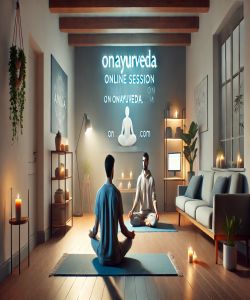
Overview of Yoga For Anxiety
Anxiety is a prevalent issue in today's fast-paced world, affecting millions of individuals across different age groups. While medical treatments and therapy remain the most common approaches, alternative methods like yoga have gained significant attention for their holistic benefits. Yoga for Anxiety focuses on reducing stress, calming the mind, and improving overall mental health through structured postures, breathing exercises, and meditation techniques. This practice has been recognized for its ability to enhance mindfulness and promote emotional resilience.
Yoga for Anxiety integrates ancient traditions with modern scientific insights to create a balanced approach toward mental well-being. Unlike other interventions, it requires no medication and has no side effects when practiced correctly. Individuals struggling with anxiety often experience an overactive nervous system, leading to heightened stress responses. Through yoga, the body learns to regulate the parasympathetic nervous system, which helps in lowering cortisol levels, the primary stress hormone.
The effectiveness of yoga in anxiety management is backed by various studies, showing significant improvements in individuals who practice regularly. By incorporating breathing exercises (pranayama), physical postures (asanas), and relaxation techniques, yoga offers a structured way to address the root causes of anxiety. Moreover, online platforms like www.onayurveda.com provide accessible courses, allowing individuals to practice from the comfort of their homes. With structured sessions available at convenient time slots, yoga for anxiety can easily be incorporated into daily routines.
Enrolling in a guided yoga session ensures that individuals receive expert supervision and personalized recommendations based on their specific anxiety levels. Whether practiced in a group setting or one-on-one, yoga for anxiety has proven to be a sustainable and effective approach for long-term mental well-being. The consistency of practice is crucial to experience noticeable benefits, making online platforms a great resource for individuals seeking structured guidance.
On www.onayurveda.com, the online yoga for anxiety program is designed to cater to beginners as well as experienced practitioners. With multiple sessions available throughout the week, individuals can choose a schedule that best fits their lifestyle. The program includes guided meditation, relaxation techniques, and expert-led yoga sessions, ensuring a comprehensive approach to anxiety management.
Yoga for anxiety is not just a temporary relief method but a lifestyle change that can significantly improve one's mental health and overall well-being. By incorporating it into daily life, individuals can develop resilience against stress and anxiety, leading to a more balanced and harmonious existence.
What are Yoga For Anxiety?
Yoga for anxiety refers to a specialized form of yoga practice that focuses on alleviating stress, reducing anxious thoughts, and promoting emotional balance. This practice combines gentle physical movements, controlled breathing techniques, meditation, and mindfulness exercises to help regulate the nervous system and enhance overall well-being. Unlike general yoga, which may focus on flexibility or fitness, yoga for anxiety is designed to calm the mind, ease tension in the body, and cultivate a deep sense of inner peace.
Anxiety often manifests as restlessness, racing thoughts, muscle tension, and difficulty concentrating. Yoga for anxiety addresses these symptoms by promoting relaxation and mindfulness. Techniques such as deep belly breathing (diaphragmatic breathing), alternate nostril breathing (Nadi Shodhana), and progressive muscle relaxation help activate the parasympathetic nervous system, which counteracts the fight-or-flight response triggered by anxiety.
In an online format, yoga for anxiety sessions on www.onayurveda.com provide guided instructions from experienced instructors, making it easy for participants to follow along from the comfort of their homes. These sessions cater to all levels, from beginners to advanced practitioners, ensuring that everyone can benefit from the therapeutic effects of yoga. By incorporating this practice into daily life, individuals can experience a greater sense of calm, improved focus, and enhanced emotional resilience
Who Needs Yoga For Anxiety
Yoga for anxiety is beneficial for individuals from all walks of life who experience stress, tension, or overwhelming emotions. Anxiety can affect anyone, regardless of age, profession, or lifestyle, and yoga provides a natural, holistic approach to managing its symptoms. Whether you experience occasional worry or chronic anxiety, yoga can help in restoring emotional balance and mental clarity.
Who can benefit from yoga for anxiety?
- Working Professionals – Long hours, deadlines, and workplace stress can lead to burnout and anxiety. Yoga helps professionals manage stress and improve focus.
- Students – Academic pressure, exams, and future uncertainties can cause anxiety among students. Yoga promotes relaxation and enhances concentration.
- Parents and Caregivers – Managing family responsibilities can be overwhelming. Yoga provides a sense of calm and self-care.
- Individuals with Generalized Anxiety Disorder (GAD) – Those struggling with persistent worry can use yoga as a supportive therapy alongside medical treatment.
- Individuals with Sleep Disorders – Anxiety often disrupts sleep patterns. Yoga helps regulate the nervous system, improving sleep quality.
- People Experiencing Life Transitions – Whether it's a job change, relocation, or personal loss, yoga helps in emotional adjustment and mental resilience.
Origins and Evolution of Yoga For Anxiety
Yoga for anxiety has its roots in ancient Indian traditions, dating back over 5,000 years. Yoga, derived from the Sanskrit word “Yuj,” means union—signifying the connection between mind, body, and soul. While yoga has traditionally been practiced for spiritual enlightenment and physical well-being, its therapeutic benefits for mental health, particularly anxiety, have gained significant recognition in modern times.
Historically, yoga was developed by sages and yogis who observed the effects of breath control, meditation, and movement on the mind and body. Ancient texts such as the Patanjali Yoga Sutras and Hatha Yoga Pradipika describe techniques to regulate emotions, cultivate inner peace, and calm the nervous system. The Bhagavad Gita, another foundational text, emphasizes the importance of self-discipline and mindfulness in overcoming mental distress.
With time, different schools of yoga, including Hatha Yoga, Raja Yoga, and Kundalini Yoga, have contributed to anxiety management techniques. In the modern era, scientific studies support the effectiveness of yoga in reducing stress hormones and enhancing mental resilience. Medical professionals and therapists increasingly recommend yoga as a complementary practice for anxiety and emotional well-being.
Online platforms like www.onayurveda.com make these time-tested techniques accessible to everyone. The structured sessions focus on breathing exercises, mindfulness meditation, and gentle movements that help individuals manage anxiety effectively. By integrating these ancient practices into daily life, people can experience long-lasting emotional stability and improved overall well-being.
Types of Yoga For Anxiety
Yoga for anxiety incorporates various styles, each offering unique benefits to help calm the mind, relax the body, and restore emotional balance. Different individuals may respond better to specific types of yoga, depending on their stress levels, physical abilities, and personal preferences. Here are some of the most effective types of yoga for managing anxiety:
Hatha Yoga – A gentle and slow-paced form of yoga that focuses on controlled breathing and basic postures. It is ideal for beginners looking to reduce stress and enhance relaxation.
Yin Yoga – This style involves holding poses for an extended period, allowing deep muscle relaxation and emotional release. It promotes mindfulness and is excellent for individuals dealing with chronic anxiety.
Restorative Yoga – Using props like cushions and blankets, restorative yoga encourages deep relaxation and stress relief. It is designed to calm the nervous system and help release tension from the body.
Kundalini Yoga – A dynamic form of yoga that combines breathwork, chanting, and movement to release stored energy and reduce anxiety. It is particularly effective for individuals looking to balance their emotions.
Vinyasa Yoga – A more active form of yoga that involves flowing movements synchronized with breath. It helps reduce stress by promoting physical activity while enhancing mental clarity.
Pranayama (Breathwork Yoga) – Breathing techniques such as Nadi Shodhana (alternate nostril breathing) and Bhramari (humming bee breath) help regulate the nervous system and calm anxious thoughts.
Sessions on www.onayurveda.com include a combination of these yoga styles, guided by experienced instructors to ensure participants receive the most effective techniques for managing anxiety. With consistent practice, individuals can find the right type of yoga that best suits their needs, leading to lasting relief from stress and emotional imbalances.
Benefits of Yoga For Anxiety
Yoga for anxiety offers a holistic approach to mental and emotional well-being, providing a natural and effective way to manage stress and anxious thoughts. Regular practice of yoga can bring numerous physical, mental, and emotional benefits, helping individuals regain control over their thoughts and emotions.
Reduces Stress Hormones – Yoga helps lower cortisol levels, the hormone responsible for stress, promoting a sense of calm and relaxation.
Enhances Emotional Stability – Mindfulness and breathing techniques in yoga help regulate emotions, reducing mood swings and emotional turbulence.
Improves Sleep Quality – Anxiety often disrupts sleep patterns, but yoga relaxes the nervous system, making it easier to fall and stay asleep.
Boosts Self-Awareness and Mindfulness – Yoga encourages self-reflection and mindfulness, allowing individuals to recognize triggers and develop healthier coping mechanisms.
Strengthens the Nervous System – Techniques like pranayama (breathing exercises) activate the parasympathetic nervous system, counteracting the effects of chronic stress.
Increases Energy and Vitality – While anxiety can drain energy, yoga helps restore balance, increase focus, and improve overall vitality.
Promotes Physical Relaxation – Gentle movements and stretches relieve muscle tension caused by stress, improving flexibility and body awareness.
Online yoga sessions on www.onayurveda.com provide structured guidance, making it easy for individuals to experience these benefits from the comfort of their homes. By incorporating yoga into daily routines, individuals can achieve lasting relief from anxiety and lead a more balanced, stress-free life.
Core Principles and Practices of Yoga For Anxiety
Yoga for anxiety is based on fundamental principles that help regulate the mind, body, and emotions. These principles guide individuals toward a state of balance and relaxation, reducing anxiety and promoting overall well-being.
1. Breath Awareness (Pranayama) – Controlled breathing techniques, such as deep belly breathing and alternate nostril breathing, help calm the nervous system and reduce stress responses.
2. Mindfulness and Meditation – Practicing mindfulness and meditation cultivates present-moment awareness, helping individuals detach from anxious thoughts and focus on the now.
3. Gentle Physical Movements (Asanas) – Slow, controlled yoga postures help release tension from the body, improve circulation, and promote a sense of relaxation.
4. Relaxation Techniques – Practices like Yoga Nidra (yogic sleep) guide individuals into a deep state of relaxation, reducing mental and physical stress.
5. Emotional Regulation – Yoga encourages self-awareness and self-compassion, allowing individuals to recognize and manage emotional triggers effectively.
6. Consistency and Routine – Regular yoga practice is essential for long-term anxiety management. Establishing a consistent routine helps reinforce positive habits and emotional stability.
7. Holistic Lifestyle Approach – Yoga is not just a physical practice; it involves adopting a balanced lifestyle that includes healthy nutrition, stress management techniques, and self-care.
Sessions on www.onayurveda.com integrate these core principles to ensure participants receive a well-rounded approach to anxiety relief. By following these principles, individuals can cultivate a sense of calm, enhance emotional resilience, and improve their overall quality of life.
Online Yoga For Anxiety
Online yoga for anxiety provides a convenient and accessible way to practice yoga from the comfort of home. With increasing stress levels in modern life, online yoga platforms offer guided sessions tailored to help individuals manage anxiety effectively. These virtual classes eliminate geographical barriers, making it easier for people with busy schedules, mobility issues, or social anxiety to incorporate yoga into their daily routines.
Online sessions on www.onayurveda.com are structured to provide expert-led guidance, interactive sessions, and personalized approaches for individuals at all levels. Whether you are a beginner or an experienced practitioner, online yoga for anxiety ensures that you receive step-by-step instruction to achieve mental and emotional well-being.
Key Features of Online Yoga for Anxiety:
- Live and Recorded Sessions: Participants can join live classes for real-time interaction with instructors or access recorded sessions at their convenience.
- Expert-Led Guidance: Certified yoga instructors provide proper techniques, ensuring safe and effective practice.
- Flexible Timing: With multiple time slots available, individuals can choose sessions that fit their schedules.
- Personalized Approach: Programs are tailored to individual needs, offering modifications and variations for different experience levels.
- Community Support: Engaging with a like-minded community enhances motivation and consistency in practice.
Online yoga for anxiety on www.onayurveda.com is designed to help individuals build resilience, reduce stress, and achieve inner peace through structured, high-quality virtual sessions. With regular practice, participants can experience lasting relief from anxiety and improved emotional well-being.
Yoga For Anxiety Techniques
Yoga for anxiety includes a variety of techniques that help calm the nervous system, reduce stress, and promote mental clarity. These techniques incorporate physical postures, breathing exercises, meditation, and relaxation methods, all aimed at managing anxiety effectively.
Breathing Techniques (Pranayama)
- Nadi Shodhana (Alternate Nostril Breathing): Balances energy flow and calms the mind.
- Bhramari (Humming Bee Breath): Soothes the nervous system and reduces stress.
- Diaphragmatic Breathing (Belly Breathing): Slows down the heart rate and promotes relaxation.
Yoga Postures (Asanas) for Anxiety Relief
- Child’s Pose (Balasana): Helps release tension and promotes a sense of security.
- Forward Bend (Uttanasana): Reduces stress and soothes the nervous system.
- Seated Forward Bend (Paschimottanasana): Calms the mind and relieves anxiety symptoms.
- Legs-Up-the-Wall Pose (Viparita Karani): Improves circulation and relieves stress.
Meditation and Mindfulness
- Guided Meditation: Helps individuals focus their thoughts and cultivate awareness.
- Body Scan Meditation: Encourages deep relaxation by bringing attention to different parts of the body.
- Mantra Meditation: Uses affirmations or calming sounds to shift focus from anxious thoughts.
Relaxation Techniques
- Yoga Nidra (Yogic Sleep): A guided deep relaxation technique that helps release accumulated stress.
- Progressive Muscle Relaxation: Involves tensing and relaxing different muscle groups to ease physical tension.
Yoga For Anxiety for Adults
Adults often experience anxiety due to work stress, financial pressures, personal responsibilities, and lifestyle changes. Yoga provides an effective and natural way to manage anxiety by promoting relaxation, emotional balance, and mental clarity. Unlike medications or conventional therapies, yoga helps individuals regulate their stress response holistically, reducing anxiety without side effects.
How Yoga Benefits Adults with Anxiety:
- Reduces Work-Related Stress – Yoga techniques like pranayama (breath control) and mindfulness meditation help adults cope with workplace stress, improving focus and productivity.
- Enhances Emotional Resilience – Regular yoga practice strengthens emotional stability, making it easier to handle challenges without feeling overwhelmed.
- Improves Sleep Patterns – Many adults struggle with anxiety-related insomnia. Yoga practices such as Yoga Nidra and deep breathing exercises promote restful sleep.
- Supports Physical Health – Anxiety often leads to physical symptoms like muscle tension, headaches, and fatigue. Yoga postures (asanas) help relieve tension and restore energy levels.
- Boosts Self-Confidence – Practicing yoga fosters self-awareness and self-acceptance, reducing self-doubt and anxious thoughts.
Total Duration of Online Yoga For Anxiety (1Hr per day)
Online yoga for anxiety is designed as a structured program to provide long-term benefits through consistent practice. The total duration of the course is 58 days, with 34 active session days, ensuring a gradual yet effective approach to managing anxiety.
Course Schedule:
- Total Duration: 58 Days
- Total Sessions: 34 Days
- Session Frequency: 4 Days per Week (Sunday, Tuesday, Thursday, Saturday)
- Session Length: 1 Hour per Session
- Timing Slots:
- 6:00 - 7:00 AM
- 8:00 - 9:00 AM
- 5:00 - 6:00 PM
- 7:00 - 8:00 PM
- Total Slots: 40 (Maximum 10 participants per slot)
Things to Consider With Yoga For Anxiety
Before starting yoga for anxiety, it is important to understand key factors that can enhance the effectiveness of the practice. Yoga is a holistic discipline, and making mindful choices can help maximize its benefits while ensuring a safe and enjoyable experience.
1. Consistency is Key – Practicing yoga regularly, at least four times a week, helps reinforce relaxation techniques and stress management skills. Sporadic practice may not yield significant results.
2. Choose the Right Type of Yoga – Different styles of yoga offer varying benefits. If you have high levels of anxiety, gentle styles like Hatha, Yin, or Restorative Yoga are recommended over fast-paced styles like Power Yoga.
3. Create a Calm Environment – Find a quiet and comfortable space to practice. Dimming the lights, using a yoga mat, and playing soft background music can enhance relaxation.
4. Focus on Breath Control – Pranayama (breathing exercises) is one of the most effective tools for anxiety relief. Deep belly breathing, alternate nostril breathing, and slow exhalations help regulate the nervous system.
5. Avoid Overexertion – Yoga is meant to calm the mind, not stress the body. Listen to your body and avoid pushing yourself into difficult postures that cause discomfort or tension.
6. Practice Mindfulness and Meditation – Being present in the moment can help prevent anxious thoughts from taking over. Guided meditation, Yoga Nidra, and mantra chanting can deepen relaxation.
7. Stay Hydrated and Maintain a Balanced Diet – Eating light and staying hydrated before yoga sessions can improve focus and prevent discomfort during practice.
8. Seek Professional Guidance – Joining structured online sessions on www.onayurveda.com ensures that you receive expert guidance tailored to your needs, reducing the risk of injury and improving anxiety management.
Effectiveness of Yoga For Anxiety
Yoga has been scientifically proven to be an effective method for managing anxiety, offering both short-term relief and long-term emotional resilience. By combining physical movement, breath control, and mindfulness techniques, yoga directly influences the nervous system, reducing stress and promoting a sense of inner peace.
How Yoga Helps Reduce Anxiety:
- Activates the Parasympathetic Nervous System – Yoga encourages relaxation by shifting the body from a stress-induced "fight or flight" response to a calm "rest and digest" state.
- Reduces Cortisol Levels – Studies show that regular yoga practice lowers the production of cortisol, the stress hormone, leading to reduced anxiety symptoms.
- Enhances GABA Levels – Gamma-aminobutyric acid (GABA) is a neurotransmitter that helps calm the nervous system. Yoga has been linked to increased GABA levels, improving mood and reducing anxious thoughts.
- Promotes Mindfulness and Present Awareness – Practicing yoga helps individuals detach from intrusive thoughts and focus on the present moment, reducing excessive worry.
- Improves Sleep Quality – Anxiety often leads to sleep disturbances. Yoga helps relax the body and mind, making it easier to fall asleep and experience restful nights.
- Encourages Emotional Regulation – Yoga fosters self-awareness, allowing individuals to recognize anxiety triggers and develop healthier coping mechanisms.
Preferred Cautions During Yoga For Anxiety
While yoga is a safe and effective practice for managing anxiety, certain precautions should be taken to ensure a positive experience. Awareness of these cautions can help prevent discomfort, injuries, or unintended stress while practicing yoga.
1. Avoid Overexertion – Yoga should not feel like a strenuous workout. For anxiety relief, gentle and restorative styles are recommended rather than intense or fast-paced movements.
2. Listen to Your Body – Do not force yourself into uncomfortable postures. Each individual’s flexibility and endurance vary, so it’s important to move at your own pace.
3. Maintain Proper Breathing – Breathwork (Pranayama) is key to anxiety management. Avoid holding your breath or engaging in rapid breathing patterns that may increase stress levels.
4. Stay Hydrated but Avoid Heavy Meals Before Practice – Drinking water before and after practice is important, but consuming heavy meals right before yoga may cause discomfort. A light snack is preferable.
5. Create a Comfortable Space – Practicing in a quiet, stress-free environment can enhance relaxation. Avoid distractions such as loud noises or bright lighting.
6. Be Mindful of Medical Conditions – Individuals with specific health conditions (e.g., high blood pressure, dizziness, or respiratory issues) should modify poses or consult a yoga instructor before practicing.
7. Practice Regularly but Avoid Burnout – While consistency is important, forcing yourself to practice when physically or mentally exhausted can be counterproductive. Balance is key.
8. Seek Professional Guidance – Joining guided sessions on www.onayurveda.com ensures you are practicing yoga correctly, reducing the risk of strain or injury while maximizing anxiety relief benefits.
Yoga For Anxiety Course Outline
The Yoga for Anxiety course on www.onayurveda.com is designed to provide a structured, step-by-step approach to managing anxiety through yoga. This course includes guided sessions focusing on breath control, relaxation techniques, and mindful movement. While the course does not follow a module-based structure, it ensures a well-balanced experience for all participants.
What to Expect in the Course:
- Introduction to Yoga for Anxiety – Understanding anxiety and how yoga helps in stress management.
- Breathing Techniques (Pranayama) – Learning controlled breathing exercises like Nadi Shodhana (Alternate Nostril Breathing) and Bhramari (Humming Bee Breath) to calm the mind.
- Gentle Yoga Poses (Asanas) – Practicing specific postures to release tension, improve posture, and restore emotional balance.
- Mindfulness and Meditation Practices – Incorporating guided meditation and body awareness techniques to reduce anxious thoughts.
- Relaxation Methods – Techniques like Yoga Nidra and Progressive Muscle Relaxation to deepen relaxation.
- Developing a Personal Yoga Routine – Learning how to integrate yoga into daily life for long-term anxiety relief.
- Live Interactive Sessions – Opportunities for real-time interaction with expert instructors for personalized guidance.
- Post-Practice Reflection – Encouraging self-awareness and journaling to track emotional progress.
Requirements for Taking Online Yoga For Anxiety
Practicing online yoga for anxiety on www.onayurveda.com does not require advanced skills or prior experience. However, there are a few essential requirements to ensure a smooth and effective learning experience.
Basic Requirements:
- Stable Internet Connection – Since sessions are conducted online, a reliable internet connection is necessary for uninterrupted practice.
- A Comfortable and Quiet Space – Choose a calm and distraction-free environment to practice yoga without disturbances.
- Yoga Mat or Soft Surface – Using a yoga mat provides comfort and stability during poses and meditation.
- Comfortable Clothing – Wear loose, breathable clothing that allows easy movement and relaxation.
- Device for Online Access – A laptop, tablet, or smartphone with a functional camera and microphone is required for interactive sessions.
Mental and Physical Readiness:
- Commitment to Regular Practice – The program is structured for four days per week to ensure consistent progress.
- Openness to Mindfulness and Meditation – Yoga is a holistic approach; willingness to practice breathwork and meditation enhances results.
- Understanding of Personal Limits – While yoga is gentle, listening to your body and avoiding overexertion is important.
Optional but Recommended:
- A Water Bottle for Hydration – Staying hydrated before and after practice supports relaxation.
- Journal for Reflection – Keeping track of thoughts and emotions can enhance self-awareness and progress monitoring.
- Headphones for Better Audio – Using headphones can improve focus and help eliminate background noise during online sessions.
Things to Keep in Mind Before Starting Online Yoga For Anxiety
Before beginning an online Yoga for Anxiety program on www.onayurveda.com, there are a few important factors to consider to ensure a smooth and effective experience.
1. Set Realistic Expectations
- Yoga is a gradual process; significant changes in anxiety levels may take time.
- The key is consistency—practicing regularly will lead to noticeable improvements.
2. Choose a Suitable Time Slot
- Online sessions are available at different times, including morning and evening slots.
- Select a time that aligns with your daily routine for maximum effectiveness.
3. Create a Dedicated Practice Space
- Find a quiet, comfortable space where you won’t be disturbed during sessions.
- Ensure the area has enough ventilation and soft lighting for a relaxed atmosphere.
4. Stay Hydrated but Avoid Heavy Meals
- Drink water before and after yoga, but avoid consuming heavy meals right before practice.
- A light snack like fruit or nuts is acceptable if needed.
5. Use Proper Yoga Gear
- A non-slip yoga mat provides comfort and stability.
- Wear loose, breathable clothing that allows free movement.
6. Maintain a Distraction-Free Environment
- Turn off mobile notifications to stay focused during sessions.
- If possible, inform family members to avoid interruptions.
7. Follow the Instructor’s Guidance
- Avoid skipping steps or modifying poses without proper knowledge.
- Listen to the instructor’s cues on breathing and posture alignment.
8. Listen to Your Body
- Yoga should feel relaxing, not painful.
- Stop immediately if you feel discomfort or dizziness, and seek guidance from the instructor.
9. Be Patient with Yourself
- Anxiety relief through yoga is a journey; progress will come with practice.
- Some days may feel easier than others, which is completely normal.
Average Pricing Per Session for Online and Onsite Yoga For Anxiety
The cost of Yoga for Anxiety sessions varies depending on whether they are conducted online or onsite. Online sessions generally offer more flexibility and affordability, while onsite sessions provide in-person guidance and a community atmosphere.
- Total Duration: 58 Days
- Total Sessions: 34 Days
- Sessions Per Week: 4 Days
- Session Length: 1 Hour
- Total Price: INR 4450
- Price Per Session: INR 131
- Total Available Slots: 40 (Maximum 10 participants per slot)
Online sessions offer structured guidance with expert instructors, allowing participants to practice from the comfort of their homes. With affordable pricing and flexible scheduling, it is an ideal option for those seeking anxiety relief through yoga.
Onsite Yoga for Anxiety Pricing (General Market Estimate)
Onsite classes vary based on location, instructor expertise, and class size. On average:
- Single Drop-in Class: INR 200 - INR 500 per session
- Monthly Subscription (8-12 Classes): INR 2000 - INR 5000
- Personal One-on-One Sessions: INR 800 - INR 2000 per session
Onsite sessions may provide hands-on adjustments and direct interaction with instructors, but they are generally higher in cost compared to online alternatives.
Online vs. Onsite – Which One to Choose?
- Choose Online Yoga if you prefer flexibility, affordability, and the ability to practice from home.
- Choose Onsite Yoga if you prefer face-to-face interaction, personalized corrections, and a studio environment.
With structured online sessions available at a reasonable cost on www.onayurveda.com, individuals can experience high-quality Yoga for Anxiety training without geographical limitations.
Qualifications Required to Perform Yoga For Anxiety
Practicing Yoga for Anxiety does not require formal qualifications, as anyone can benefit from this holistic approach. However, for those who wish to teach Yoga for Anxiety, specific certifications and experience are essential to ensure safe and effective guidance.
For Practitioners (Anyone Interested in Yoga for Anxiety)
- No prior experience is needed to practice yoga for anxiety.
- A willingness to learn and commit to regular sessions is sufficient.
- Following instructor guidance and listening to your body is key to a successful practice.
For Instructors (Teaching Yoga for Anxiety)
To teach Yoga for Anxiety, an instructor should have:
- Basic Yoga Certification – A 200-hour Yoga Teacher Training (YTT) from a recognized institution such as Yoga Alliance, Indian Yoga Association, or any certified yoga school.
- Advanced Yoga Training (Optional but Recommended) – A 300-hour or 500-hour YTT provides deeper knowledge of yoga philosophy, anatomy, and teaching techniques.
- Specialized Training in Therapeutic Yoga – Certifications in Yoga Therapy or Mindfulness-Based Stress Reduction (MBSR) enhance an instructor’s ability to guide individuals with anxiety.
- Experience in Breathwork and Meditation – Instructors should have a solid understanding of pranayama (breathing techniques) and meditation practices tailored for anxiety relief.
- Knowledge of Mental Health Considerations – While yoga instructors are not therapists, a basic understanding of mental health conditions helps in guiding students safely.
- CPR and First Aid Training – Though not mandatory, having CPR certification is beneficial, especially for in-person yoga sessions.
Where to Learn Yoga for Anxiety?
- Online platforms like www.onayurveda.com provide structured training sessions guided by certified instructors.
- Yoga teacher training schools offer in-depth certifications for those interested in becoming instructors.
Online Vs Offline/Onsite Yoga For Anxiety
When choosing between online and onsite Yoga for Anxiety, it's important to consider factors such as accessibility, affordability, interaction, and personal preference. Both options have unique benefits, and the right choice depends on an individual's lifestyle and needs.
Pros:
- Convenience & Flexibility – Practice from home without commuting.
- Affordable Pricing – Online sessions are generally more cost-effective.
- Multiple Time Slots – Choose a time that suits your schedule.
- Recorded Sessions Available – Some platforms offer access to past sessions.
- Expert Guidance from Anywhere – Learn from certified instructors without location restrictions.
Cons:
- Limited Personal Interaction – Instructors may not be able to provide hands-on corrections.
- Potential Distractions at Home – Requires discipline to maintain focus.
Onsite/Offline Yoga for Anxiety
Pros:
- In-Person Interaction – Instructors can correct postures physically.
- Social Experience – Practicing with a group can increase motivation.
- Structured Environment – Fewer distractions than practicing at home.
Cons:
- Higher Costs – Studio or private sessions are generally more expensive.
- Fixed Schedule – Less flexibility in session timing.
- Travel Required – Commuting may be inconvenient for some individuals.
Which One Should You Choose?
With expert-led online sessions available on www.onayurveda.com, individuals can receive high-quality yoga training for anxiety without geographical limitations. The structured, guided sessions ensure a balanced and effective approach to stress management.
FAQs about Online Yoga For Anxiety
Below are some frequently asked questions (FAQs) about online Yoga for Anxiety to help participants understand the program and its benefits.
1. Can yoga really help with anxiety?
Yes, yoga is a scientifically proven method to manage anxiety. It activates the parasympathetic nervous system, reduces cortisol (stress hormone) levels, and promotes relaxation through breathwork, meditation, and gentle movement.
2. Do I need prior experience to join online Yoga for Anxiety sessions?
No, beginners can join the program without any prior yoga experience. Sessions on www.onayurveda.com are structured to accommodate all skill levels.
3. How long does it take to see results from yoga for anxiety?
Results vary from person to person. Some participants feel immediate relaxation after a single session, while long-term benefits, such as reduced stress and emotional stability, typically appear within a few weeks of consistent practice.
4. What is the duration and schedule of the online program?
- Total Duration: 58 Days
- Total Sessions: 34 Days
- Schedule: 4 Days a Week (Sunday, Tuesday, Thursday, Saturday)
- Session Length: 1 Hour per Session
5. What equipment do I need for online sessions?
- A yoga mat
- A stable internet connection
- A quiet practice space
- A device (laptop, tablet, or smartphone) to join live sessions
6. Can I choose my preferred time slot?
Yes, online sessions on www.onayurveda.com offer multiple time slots, including morning and evening options.
7. Are the sessions live or recorded?
Live sessions are conducted with expert instructors, allowing real-time guidance. Some recorded sessions may also be available for review.
8. Can I practice yoga if I have medical conditions?
If you have any existing medical conditions, consult your healthcare provider before starting. Instructors can also provide modified postures for specific needs.
9. What is the cost of the program?
- Total Price: INR 4450
- Price Per Session: INR 131
- Total Slots Available: 40 (Maximum 10 participants per slot)
10. How do I enroll in the online Yoga for Anxiety program?
You can register for the program through www.onayurveda.com by selecting your preferred time slot and completing the enrollment process.
With structured sessions and expert guidance, online Yoga for Anxiety provides a convenient and effective approach to stress relief and emotional well-being.
Conclusion about Yoga For Anxiety
Yoga for Anxiety is a natural, holistic, and effective approach to managing stress, reducing anxious thoughts, and improving overall emotional well-being. Through a combination of breath control (Pranayama), mindful movement (Asanas), and relaxation techniques (Meditation and Yoga Nidra), yoga helps regulate the nervous system and create a sense of inner peace.
Unlike medication-based treatments, yoga provides a sustainable and side-effect-free method for dealing with anxiety. Scientific studies support its effectiveness in lowering cortisol levels, increasing GABA (a neurotransmitter linked to relaxation), and promoting mindfulness. With consistent practice, individuals can cultivate self-awareness, emotional resilience, and a positive mindset.
The online Yoga for Anxiety program on www.onayurveda.com makes it easy for individuals to practice from the comfort of their homes. With a structured 58-day schedule, flexible time slots, and expert guidance, participants can experience long-term relief from anxiety. The affordability of the program (INR 4450 total) ensures that yoga remains accessible to everyone seeking a natural approach to stress management.
By integrating yoga into daily life, individuals can break free from the cycle of anxiety and lead a more balanced, stress-free, and fulfilling life. Whether you are a beginner or an experienced practitioner, yoga offers tools that empower you to take control of your mental and emotional health.