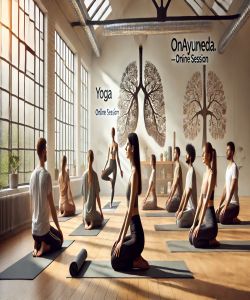
Overview of Yoga for Asthma
Asthma is a chronic respiratory condition that affects millions of people worldwide, causing breathing difficulties, wheezing, and shortness of breath. While medications are essential for managing severe asthma, complementary therapies like yoga have gained popularity for their natural and holistic benefits. Yoga for Asthma focuses on improving lung function, enhancing breath control, and reducing stress—one of the primary triggers of asthma attacks. Through a combination of pranayama (breathing techniques), asanas (yoga postures), and meditation, yoga provides a non-invasive and effective way to strengthen the respiratory system.
Unlike conventional treatments that rely on medications such as inhalers and steroids, yoga aims to improve overall lung capacity and oxygen intake through controlled breathing exercises. Specific postures help open the chest and strengthen the diaphragm, making breathing easier. Over time, practicing yoga for asthma may reduce the frequency and intensity of attacks, allowing individuals to rely less on medication.
At Onayurveda.com, we offer structured online yoga programs designed specifically for individuals with asthma. These sessions are led by experienced yoga instructors who guide participants through gentle yet effective techniques that enhance lung function. With flexible time slots and personalized instruction, our online yoga sessions provide an accessible and convenient way to incorporate yoga into daily life.
Yoga is not just a physical practice but a lifestyle that promotes overall well-being. By incorporating yoga into asthma management, individuals can experience better control over their breathing, increased energy levels, and improved quality of life. Whether you are new to yoga or an experienced practitioner, our online yoga program for asthma is designed to help you achieve better respiratory health in a safe and structured manner.
What is Yoga for Asthma?
Yoga for Asthma is a specialized form of yoga that focuses on enhancing lung function, improving breath control, and reducing stress-related asthma triggers. Asthma is a chronic condition characterized by airway inflammation, leading to difficulty in breathing. Traditional treatments involve medications, inhalers, and lifestyle adjustments, but yoga offers a natural and complementary approach to managing symptoms.
This practice incorporates a combination of controlled breathing techniques (pranayama), gentle yoga postures, and relaxation exercises to strengthen the respiratory system. Unlike general yoga, which focuses on full-body flexibility and strength, Yoga for Asthma prioritizes breath awareness and lung expansion. Techniques like Anulom Vilom (Alternate Nostril Breathing), Bhramari (Humming Bee Breath), and Ujjayi Breathing help improve airflow and reduce airway constriction. These techniques can gradually increase lung capacity and reduce breathlessness, making it easier for individuals to manage their symptoms.
Yoga for Asthma is suitable for individuals of all ages, from children to older adults. Since stress and anxiety can often trigger asthma attacks, yoga also includes meditation and mindfulness techniques to promote relaxation. Regular practice can lead to fewer asthma episodes, improved lung efficiency, and a greater sense of well-being.
At Onayurveda.com, our online Yoga for Asthma sessions provide structured guidance to help participants practice safely and effectively. Our experienced instructors ensure that every technique is performed correctly, minimizing any risk of strain or discomfort. With consistent practice, individuals can experience long-term benefits, including better breath control, reduced dependency on medication, and enhanced overall health. If you are looking for a natural way to support your asthma management, incorporating yoga into your routine can be a transformative step.
Who Needs Yoga for Asthma?
Yoga for Asthma is beneficial for anyone experiencing breathing difficulties, frequent shortness of breath, or asthma-related symptoms. While asthma affects people of all ages, some individuals are more prone to severe symptoms than others. Yoga for Asthma is particularly helpful for:
- Individuals with mild to moderate asthma: People who experience occasional breathing issues can benefit from yoga techniques that strengthen the lungs and improve oxygen intake.
- Those who frequently experience stress-related asthma attacks: Anxiety and stress are common asthma triggers. Yoga promotes relaxation and helps regulate the nervous system, reducing the likelihood of stress-induced flare-ups.
- Children with asthma: Practicing yoga from an early age can improve lung development and teach children effective breathing techniques to manage symptoms.
- Elderly individuals with respiratory issues: As lung function naturally declines with age, yoga can help older adults maintain strong and healthy lungs.
- Athletes and fitness enthusiasts with exercise-induced asthma: Yoga helps improve endurance and breathing efficiency, reducing the chances of asthma attacks during physical activity.
- People who rely heavily on inhalers and medications: While yoga is not a substitute for medical treatment, it can complement traditional therapies, potentially reducing dependence on medication over time.
Yoga for Asthma is a natural and holistic approach to improving respiratory health. It teaches individuals how to control their breath, enhance lung function, and adopt a healthier lifestyle. Whether you are looking for an alternative therapy or an additional tool to manage asthma, yoga provides a safe and effective solution.
At Onayurveda.com, our online Yoga for Asthma program is designed to accommodate different levels of experience. Whether you are a beginner or an advanced yoga practitioner, our structured sessions will guide you toward better respiratory health. Our expert instructors focus on personalized guidance, ensuring that you practice safely and effectively.
Origins and Evolution of Yoga for Asthma
The connection between yoga and respiratory health dates back thousands of years. Yoga originated in ancient India as a practice aimed at achieving physical, mental, and spiritual well-being. One of its core elements, pranayama (breath control), has been used for centuries to improve lung function and enhance overall vitality.
The relationship between yoga and asthma became more widely recognized in the 20th century when medical research began exploring the benefits of breath control for respiratory conditions. Studies found that certain yoga techniques, particularly those involving controlled breathing, could improve lung efficiency, reduce airway inflammation, and promote better oxygen circulation. As a result, Yoga for Asthma gained popularity as a complementary therapy to traditional medical treatments.
In modern times, scientific studies have validated the effectiveness of yoga for respiratory conditions. Medical professionals and therapists now recommend yoga as an adjunct treatment for asthma, highlighting its benefits in improving breathing patterns, reducing stress-induced symptoms, and increasing lung capacity.
With the rise of digital platforms, Online Yoga for Asthma has become more accessible. At Onayurveda.com, our structured online yoga courses allow individuals to practice from the comfort of their homes. With expert guidance and flexible scheduling, our program ensures that individuals can incorporate yoga into their daily routine with ease.
Types of Yoga for Asthma
There are various types of yoga practices that can help individuals with asthma. These techniques focus on breath control, relaxation, and chest expansion to promote better respiratory health. Some of the most effective yoga types for asthma include:
- Pranayama (Breath Control): This includes breathing techniques such as Anulom Vilom (Alternate Nostril Breathing), Bhastrika (Bellows Breath), and Ujjayi Breathing. These techniques strengthen the respiratory muscles and improve oxygen flow.
- Hatha Yoga: A gentle form of yoga that combines breathing exercises with simple postures. It is ideal for individuals with asthma who need a slow and controlled practice.
- Restorative Yoga: This type of yoga focuses on deep relaxation and slow movements, making it effective for reducing stress-induced asthma attacks.
- Yin Yoga: A slow-paced style of yoga that focuses on deep stretching and relaxation, helping to release tension in the chest and improve breath control.
- Vinyasa Yoga (Modified): A dynamic form of yoga that involves fluid movements synchronized with breath. For asthma patients, a modified version with a slower pace can be beneficial.
Benefits of Yoga for Asthma
Yoga offers numerous benefits for individuals with asthma, providing both physical and mental health improvements. Some of the key benefits include:
- Improved Lung Function: Regular practice of breathing techniques strengthens respiratory muscles and enhances lung capacity, making it easier to breathe.
- Reduced Asthma Symptoms: Yoga helps reduce wheezing, shortness of breath, and coughing by promoting better oxygen circulation and airway relaxation.
- Lower Stress Levels: Since stress is a common asthma trigger, yoga’s emphasis on mindfulness and relaxation helps minimize anxiety and emotional distress.
- Enhanced Breathing Control: Pranayama techniques improve breathing efficiency, allowing individuals to control their breath during an asthma attack.
- Strengthened Immune System: Yoga promotes overall health, boosting immunity and reducing the risk of respiratory infections that may trigger asthma.
- Better Posture: Many asthma sufferers have poor posture, which restricts lung expansion. Yoga corrects posture and opens the chest for improved breathing.
- Increased Energy Levels: Practicing yoga helps individuals feel more energized and reduces fatigue associated with asthma.
- Reduced Dependence on Medication: While yoga is not a replacement for medical treatment, many practitioners report needing their inhalers less frequently after incorporating yoga into their routine.
Core Principles and Practices of Yoga for Asthma
Yoga for Asthma is based on core principles that focus on breath control, posture correction, relaxation, and mindfulness. Unlike general yoga practices, Yoga for Asthma specifically aims to improve lung function, reduce airway inflammation, and help individuals develop better breathing patterns. The key principles and practices of Yoga for Asthma include:
-
Breath Awareness and Control:
Breath control, or pranayama, is the foundation of Yoga for Asthma. Techniques such as Anulom Vilom (Alternate Nostril Breathing), Kapalabhati (Cleansing Breath), Bhastrika (Bellows Breath), and Ujjayi (Victorious Breath) help clear the airways, strengthen the diaphragm, and increase oxygen intake. By practicing these breathing techniques regularly, individuals can reduce breathlessness and improve overall lung capacity.
-
Chest-Opening Yoga Postures:
Certain yoga poses, such as Bhujangasana (Cobra Pose), Setu Bandhasana (Bridge Pose), and Ustrasana (Camel Pose), help expand the chest and improve lung function. These poses promote better airflow and strengthen the intercostal muscles (muscles between the ribs), making it easier for individuals with asthma to breathe.
-
Relaxation and Stress Reduction:
Since stress and anxiety are common asthma triggers, Yoga for Asthma includes deep relaxation techniques such as Shavasana (Corpse Pose) and guided meditation. These techniques help lower cortisol levels (stress hormones) and keep the nervous system calm, preventing stress-induced asthma attacks.
-
Mindfulness and Meditation:
Mindfulness practices, such as focusing on the breath and being aware of bodily sensations, help individuals manage asthma symptoms more effectively. Meditation enhances emotional stability, reduces anxiety, and improves overall well-being.
Online Yoga for Asthma
The rise of digital platforms has made Online Yoga for Asthma more accessible than ever. Individuals can now practice guided yoga sessions from the comfort of their homes, receiving expert instruction without the need to travel. Online yoga is particularly beneficial for people with asthma, as it allows them to practice in a controlled indoor environment, minimizing exposure to outdoor allergens and pollutants.
At Onayurveda.com, our online Yoga for Asthma program offers:
- Structured Sessions: Our sessions follow a well-organized plan, ensuring gradual progress in improving lung capacity and breathing efficiency.
- Flexible Scheduling: With multiple time slots available (6:00-7:00 AM, 8:00-9:00 AM, 5:00-6:00 PM, 7:00-8:00 PM), participants can choose a schedule that fits their lifestyle.
- Expert Guidance: Our certified yoga instructors specialize in yoga for respiratory health, ensuring that each practice is safe and effective.
- Interactive Learning: Unlike pre-recorded videos, our sessions are live and interactive, allowing participants to ask questions and receive real-time feedback.
- Personalized Modifications: Every individual has unique needs. Our instructors offer modifications and adaptations to ensure that each participant can practice comfortably.
Advantages of Online Yoga for Asthma:
- Convenience: No need to travel—practice from home.
- Safe Environment: Minimize exposure to external allergens and pollutants.
- Personalized Attention: Small group sizes ensure that every participant receives individual guidance.
- Affordability: Online yoga is often more cost-effective than in-person classes.
Yoga for Asthma Techniques
Yoga for Asthma includes a variety of techniques that strengthen the lungs, open up the airways, and improve breath control. The most effective techniques include:
-
Diaphragmatic Breathing:
- This technique helps individuals use their diaphragm more efficiently while breathing, reducing strain on the chest muscles.
- How to practice: Lie down and place one hand on your chest and the other on your abdomen. Breathe deeply, ensuring that your abdomen rises while your chest remains still.
-
Anulom Vilom (Alternate Nostril Breathing):
- Enhances oxygen intake, calms the nervous system, and improves lung efficiency.
- How to practice: Close one nostril, inhale deeply through the other nostril, then switch nostrils and exhale. Repeat for a few minutes.
-
Bhastrika Pranayama (Bellows Breath):
- Clears the airways and increases oxygen supply to the lungs.
- How to practice: Inhale deeply through the nose and exhale forcefully, repeating this process in a rhythmic manner.
-
Bhujangasana (Cobra Pose):
- Opens the chest and strengthens the respiratory muscles.
- How to practice: Lie on your stomach, place your hands under your shoulders, and gently lift your chest while keeping your lower body grounded.
-
Setu Bandhasana (Bridge Pose):
- Improves lung function and posture.
- How to practice: Lie on your back, bend your knees, and lift your hips while keeping your feet and shoulders on the floor.
Yoga for Asthma for Adults
Asthma affects millions of adults worldwide, making it difficult to perform daily activities and engage in physical exercise. Many adults rely on inhalers and medications to manage their symptoms, but Yoga for Asthma offers a natural and holistic approach to improving respiratory health. Through breath control techniques, gentle yoga postures, and relaxation methods, adults can strengthen their lungs, reduce stress-related asthma attacks, and enhance overall well-being.
Why Should Adults Practice Yoga for Asthma?
- Stress Reduction: Many adults experience stress-related asthma symptoms. Yoga helps calm the nervous system, lower cortisol levels, and reduce anxiety, which can help prevent asthma flare-ups.
- Improved Lung Function: Regular practice of pranayama (breathing exercises) and chest-opening postures strengthens respiratory muscles, making breathing easier.
- Better Posture: Poor posture can restrict lung expansion, leading to shallow breathing. Yoga corrects posture, ensuring better airflow and oxygen intake.
- Reduced Medication Dependency: While yoga is not a replacement for medical treatment, consistent practice may reduce the frequency of asthma attacks and lower the need for inhalers.
- Increased Physical Endurance: Many adults with asthma struggle with physical activities. Yoga helps improve stamina and lung capacity, making it easier to stay active.
Recommended Yoga Techniques for Adults with Asthma
- Anulom Vilom (Alternate Nostril Breathing): Balances oxygen intake and relaxes the mind.
- Bhastrika Pranayama (Bellows Breath): Strengthens lung muscles and clears airways.
- Bhujangasana (Cobra Pose): Expands the chest and improves lung function.
- Setu Bandhasana (Bridge Pose): Opens the chest and enhances oxygen circulation.
Total Duration of Online Yoga for Asthma (1 Hour per Day)
The Online Yoga for Asthma program at Onayurveda.com is structured to ensure gradual improvement in lung function and breath control. Each session lasts 1 hour and is designed to help participants develop a consistent and effective yoga practice.
Program Schedule:
- Total Duration: 58 Days
- Total Sessions: 34 Sessions (4 days per week)
- Days: Sunday, Tuesday, Thursday, Saturday
- Time Slots: 6:00-7:00 AM, 8:00-9:00 AM, 5:00-6:00 PM, 7:00-8:00 PM
- Total Slots Available: 40 (10 people per slot)
- Price Per Session: INR 132
- Total Price for Course: INR 4480
Each session includes:
- Breathing Techniques (Pranayama): Focus on strengthening the lungs and improving airflow.
- Yoga Postures: Specific asanas to open the chest, improve lung expansion, and enhance respiratory function.
- Relaxation & Meditation: Helps manage stress, a common asthma trigger.
- Guided Instructions: Expert-led sessions to ensure safe and effective practice.
Things to Consider With Yoga for Asthma
Before starting a Yoga for Asthma practice, it is important to consider certain factors to ensure safe and effective results. Here are some key points to keep in mind:
1. Consult a Doctor First
While yoga is beneficial for asthma, it is essential to consult a doctor before starting a new practice, especially if you have severe or uncontrolled asthma. Your doctor can provide guidance on how to incorporate yoga safely.
2. Choose the Right Environment
Practicing yoga in a clean, well-ventilated area is crucial. Avoid dusty or polluted environments that can trigger asthma symptoms. If practicing outdoors, ensure that pollen levels are low.
3. Start with Gentle Breathing Exercises
Avoid intense or forceful breathing techniques in the beginning. Start with slow and controlled pranayama techniques, such as Anulom Vilom and Bhramari, before progressing to more advanced practices.
4. Avoid Overexertion
If you feel breathless or dizzy during a yoga session, take a break. Do not push your body beyond its limits. Focus on slow, deep breathing and gradual progress.
5. Keep an Inhaler Nearby
Even though yoga helps reduce asthma symptoms over time, always keep your inhaler within reach in case of an emergency.
At Onayurveda.com, our Online Yoga for Asthma program provides a structured and safe learning environment. Our instructors ensure that each participant practices within their comfort level, making yoga a beneficial and stress-free experience.
Effectiveness of Yoga for Asthma
Yoga has been scientifically proven to be an effective complementary therapy for asthma. While it is not a cure, regular practice can significantly improve lung function, breathing efficiency, and overall quality of life.
1. Studies Supporting Yoga for Asthma
- A study published in the Journal of Asthma found that practicing yoga for 6 weeks improved lung function and reduced asthma symptoms in participants.
- Another study in the International Journal of Yoga showed that pranayama techniques helped increase lung capacity and decrease breathlessness in asthma patients.
2. Key Benefits Observed in Practitioners
- Fewer asthma attacks due to improved lung strength and reduced airway inflammation.
- Less reliance on medication as breathing techniques help manage symptoms naturally.
- Improved oxygen circulation, leading to increased energy levels and better endurance.
- Better stress management, which reduces the chances of stress-induced asthma attacks.
Yoga helps asthma sufferers by teaching them how to control their breath, making them less dependent on external aids like inhalers. Onayurveda.com offers a structured Online Yoga for Asthma program that helps participants experience these benefits through guided sessions with certified instructors.
Preferred Cautions During Yoga for Asthma
While yoga is highly beneficial for asthma, it is important to practice with caution to avoid discomfort or worsening of symptoms. People with asthma have sensitive airways, and incorrect breathing techniques or strenuous postures may lead to breathlessness or discomfort. Here are some important precautions to keep in mind when practicing Yoga for Asthma:
1. Avoid Overexertion
Asthma patients should practice yoga gently and avoid excessive strain on the lungs. Rapid or forceful breathing exercises, such as Kapalabhati (Skull Shining Breath), should be approached with caution and only under expert supervision. Overexertion can trigger shortness of breath, so it is recommended to start slowly and progress gradually.
2. Breathe Through the Nose
Nasal breathing is crucial during yoga practice as it helps filter, humidify, and regulate air temperature before it enters the lungs. Mouth breathing can lead to dryness and irritation in the airways, increasing the risk of an asthma attack. If nasal breathing becomes difficult, take a break and practice slow, controlled breaths.
3. Avoid Extreme Temperature Conditions
Practicing yoga in very cold, hot, or humid environments can trigger asthma symptoms. It is best to practice in a well-ventilated, comfortable indoor setting to ensure smooth breathing.
4. Keep an Inhaler Nearby
Even though yoga helps improve lung function over time, asthma symptoms can still arise unexpectedly. It is essential to always have an inhaler within reach during practice to manage any sudden breathing difficulties.
5. Choose the Right Postures
Certain yoga poses can help expand the lungs and open up the chest, while others may be too intense for people with asthma. It is recommended to focus on gentle, chest-opening postures like:
- Bhujangasana (Cobra Pose)
- Setu Bandhasana (Bridge Pose)
- Sukhasana (Easy Pose) with Deep Breathing
Yoga for Asthma Course Outline
The Online Yoga for Asthma program at Onayurveda.com follows a well-structured approach to ensure effective learning and gradual improvement in lung function. Each session is designed to help participants develop a deeper awareness of their breath, strengthen their respiratory system, and improve overall well-being.
Key Focus Areas of the Course:
-
Breathing Techniques (Pranayama):
- Learning fundamental breath control exercises to increase lung capacity and enhance oxygen circulation.
- Techniques covered: Anulom Vilom, Bhastrika, Ujjayi, and Diaphragmatic Breathing.
-
Yoga Postures (Asanas) for Asthma:
- Chest-opening postures that promote better airflow and lung expansion.
- Gentle stretches to reduce tightness in the chest and back muscles.
-
Relaxation and Meditation:
- Guided meditation and mindfulness techniques to reduce stress-induced asthma symptoms.
- Deep relaxation exercises like Shavasana (Corpse Pose) and Yoga Nidra (Yogic Sleep).
-
Lifestyle and Dietary Recommendations:
- Tips on nutrition, hydration, and environmental factors that affect asthma symptoms.
- Guidance on daily breathing exercises for long-term asthma management.
-
Progress Monitoring:
- Participants track their progress and improvements in breathing patterns and lung function over the duration of the course.
- Instructors provide feedback and adjustments to improve individual results.
Detailed Objectives with Timeline of Yoga for Asthma
The Online Yoga for Asthma program at Onayurveda.com is structured to achieve progressive and measurable improvements over time. Below is the detailed timeline and objectives for the course:
Week 1-2: Foundation Phase
- Introduction to Yoga for Asthma and understanding the importance of breath control.
- Learning basic pranayama techniques (Anulom Vilom, Ujjayi Breathing) to improve lung capacity.
- Practicing gentle stretching and chest-opening postures to enhance airflow.
- Implementing relaxation techniques to reduce stress-induced asthma triggers.
Week 3-4: Strengthening Phase
- Refining breathing techniques for better oxygen intake and lung efficiency.
- Introducing more advanced yoga postures like Setu Bandhasana (Bridge Pose) and Bhujangasana (Cobra Pose).
- Enhancing endurance with mild, slow-paced yoga sequences.
- Developing a daily routine for breathwork and relaxation exercises.
Week 5-6: Progression Phase
- Practicing longer sessions of controlled breathing and deep relaxation.
- Monitoring improvements in breath control, stamina, and asthma symptoms.
- Learning techniques to manage emergency breathing situations using yoga.
- Personalized instructor feedback for refining techniques and improving overall practice
Requirements for Taking Online Yoga for Asthma
Before enrolling in an Online Yoga for Asthma program, it is essential to ensure that you have the right setup and mindset for a safe and effective practice. Unlike in-person yoga sessions, online classes require some preparation to create an optimal environment at home. Here are the key requirements for taking Online Yoga for Asthma at Onayurveda.com:
1. A Quiet and Well-Ventilated Space
- Choose a clean, dust-free area with good airflow and natural light.
- Ensure that the space is free from allergens like smoke, pet hair, or strong scents that could trigger asthma symptoms.
2. A Stable Internet Connection
- Online yoga classes require a good internet connection to ensure smooth video streaming and uninterrupted learning.
- If possible, use a laptop or tablet with a larger screen for better visibility.
3. Comfortable Yoga Gear
- Wear breathable, loose-fitting clothes to allow for unrestricted movement and comfortable breathing.
- Use a non-slip yoga mat for support, especially during standing and balancing postures.
4. Essential Props for Support
- Keep a cushion or yoga block nearby for added comfort during seated poses.
- A small towel and water bottle should be kept handy to stay hydrated.
5. Commitment and Consistency
- Yoga for Asthma requires regular practice to experience long-term benefits.
- Participants should be dedicated to completing the full 58-day program and following the instructor’s guidance.
At Onayurveda.com, our Online Yoga for Asthma sessions are structured to be accessible and easy to follow. Whether you are a beginner or experienced in yoga, our instructors provide personalized guidance to ensure a safe and comfortable experience.
Things to Keep in Mind Before Starting Online Yoga for Asthma
Before beginning Online Yoga for Asthma, it is important to consider a few key factors to ensure a safe, effective, and enjoyable experience. Here are some important things to keep in mind:
1. Understand Your Asthma Condition
- Before starting yoga, consult your doctor to understand the severity of your asthma and any specific precautions you need to take.
- If you have severe asthma or frequent attacks, inform your yoga instructor so they can adjust the practice accordingly.
2. Choose the Right Time for Practice
- The best time to practice yoga is early in the morning or in the evening when the air is fresh and your body is relaxed.
- Avoid practicing yoga right after meals. Wait at least 2 hours after eating before starting a session.
3. Listen to Your Body
- Do not push yourself beyond your comfort zone. If you feel dizzy, breathless, or fatigued, take a break.
- Avoid any poses that cause discomfort in the chest or difficulty in breathing.
4. Avoid Sudden Temperature Changes
- Practicing yoga in extreme hot or cold environments can trigger asthma symptoms. Ensure that your room is at a moderate, comfortable temperature.
5. Keep an Inhaler Nearby
- Even though yoga helps strengthen lung function over time, always have your inhaler within reach in case of an emergency.
Average Pricing Per Session for Online and Onsite Yoga for Asthma
The cost of Yoga for Asthma can vary depending on whether you choose online or onsite classes. At Onayurveda.com, we aim to make yoga accessible and affordable while providing high-quality instruction.
1. Online Yoga for Asthma Pricing
- Total Duration: 58 Days
- Total Sessions: 34 (4 sessions per week)
- Session Duration: 1 Hour
- Total Price: INR 4480
- Price Per Session: INR 132
2. Onsite Yoga for Asthma Pricing (In-Person Classes)
- The cost of in-person yoga classes can vary depending on location, instructor experience, and studio facilities.
- On average, onsite Yoga for Asthma sessions range from INR 250-500 per session.
- Many yoga studios charge monthly fees, which can range from INR 5000-10000 per month.
Comparison: Online vs. Onsite Yoga for Asthma
| Feature |
Online Yoga (Onayurveda.com) |
Onsite Yoga |
| Cost per session |
INR 132 |
INR 250-500 |
| Convenience |
Practice from home |
Travel required |
| Personalized Guidance |
Yes (small groups) |
Yes (but depends on class size) |
| Time Flexibility |
Multiple slots available |
Fixed schedules |
| Risk of Exposure (Pollution, Allergens) |
Low |
Higher |
Online yoga is a more affordable and flexible option, especially for those who prefer to practice in a comfortable and controlled home environment. At Onayurveda.com, our online sessions provide expert-led instruction at an accessible price, ensuring that everyone can benefit from Yoga for Asthma.
Qualifications Required to Perform Yoga for Asthma
While anyone can practice Yoga for Asthma, it is recommended to learn from a certified yoga instructor who understands the needs of asthma patients. If you are considering teaching Yoga for Asthma, certain qualifications are necessary:
1. Certification in Yoga Training
- To teach yoga, instructors should complete a Certified Yoga Teacher Training Program (200-hour or 500-hour Yoga TTC) from a recognized institution.
- Specialized courses in therapeutic yoga or yoga for respiratory health are highly beneficial.
2. Knowledge of Pranayama and Breathing Techniques
- Instructors should have a deep understanding of breathing techniques (pranayama) that help asthma patients.
- Techniques such as Anulom Vilom, Bhastrika, and Ujjayi breathing require careful instruction to ensure safety.
3. Experience with Therapeutic Yoga
- Teaching Yoga for Asthma requires experience in therapeutic yoga, which focuses on healing and symptom management.
- Instructors should know how to modify postures and breathing exercises for different levels of asthma severity.
4. Basic Understanding of Respiratory Health
- A good instructor should have basic knowledge of asthma, its triggers, and how different yoga techniques can help manage symptoms.
- This ensures that yoga is taught in a way that is safe, effective, and supportive for individuals with asthma.
Online vs. Offline/Onsite Yoga for Asthma
Choosing between online and offline (onsite) Yoga for Asthma depends on personal preferences, lifestyle, and accessibility. Both options offer benefits, but online yoga has become increasingly popular due to its convenience, affordability, and safety for individuals with asthma.
1. Convenience and Accessibility
- Online Yoga for Asthma:
- Available from the comfort of home, reducing travel time and exposure to allergens/pollutants.
- Flexible scheduling with multiple time slots at Onayurveda.com.
- Ideal for individuals with busy schedules or mobility restrictions.
- Onsite Yoga for Asthma:
- Requires traveling to a yoga studio, which may not be convenient for all.
- Exposure to environmental factors like dust, pollen, and pollution, which can trigger asthma symptoms.
- Some individuals prefer in-person guidance for a more hands-on approach.
2. Cost and Affordability
- Online Yoga:
- More affordable, with prices at INR 132 per session on Onayurveda.com.
- No extra costs for travel or yoga studio memberships.
- Onsite Yoga:
- Can be twice as expensive, with fees ranging from INR 250-500 per session.
- Additional costs for commuting, yoga mats, and studio fees.
3. Personalized Attention
- Online Yoga:
- Live, interactive sessions ensure personal attention and real-time corrections.
- Small group sizes at Onayurveda.com allow customized guidance based on asthma severity.
- Onsite Yoga:
- Some group classes may have larger student-to-teacher ratios, making it harder to receive individualized instruction.
4. Safety for Asthma Patients
- Online Yoga:
- Eliminates the risk of exposure to allergens, pollutants, and extreme weather conditions.
- Allows individuals to adjust their environment for better breathing conditions.
- Onsite Yoga:
- Potential exposure to dust, strong fragrances, or overcrowded spaces, which can be asthma triggers.
Final Verdict:
For individuals with asthma, Online Yoga for Asthma on Onayurveda.com provides the best balance of convenience, affordability, and personalized guidance. However, those who prefer in-person instruction can still benefit from offline yoga classes. The key is to choose an option that aligns with personal comfort and health needs.
FAQs About Online Yoga for Asthma (Q&A)
Q1: Can yoga cure asthma permanently?
A: Yoga cannot cure asthma permanently, but it can significantly reduce symptoms, improve lung function, and decrease the frequency of asthma attacks. Consistent practice helps strengthen the respiratory system and promotes better breath control.
Q2: Is online yoga as effective as in-person yoga for asthma management?
A: Yes! Online Yoga for Asthma, especially with live instruction on Onayurveda.com, provides expert guidance, personalized corrections, and the flexibility to practice from home—reducing exposure to asthma triggers like pollution and allergens.
Q3: How long does it take to see improvements with Yoga for Asthma?
A: Many participants notice improvements within 4-6 weeks of regular practice. However, long-term benefits are best achieved with consistent practice over several months.
Q4: Which yoga postures are best for asthma patients?
A: The best poses include:
- Bhujangasana (Cobra Pose) – Expands the chest and improves airflow.
- Setu Bandhasana (Bridge Pose) – Enhances lung capacity.
- Sukhasana (Easy Pose) with Deep Breathing – Calms the mind and regulates breathing.
Q5: Is it safe to do yoga if I have severe asthma?
A: Yes, but individuals with severe asthma should consult a doctor before starting. It’s important to practice gentle, controlled breathing techniques and avoid overexertion.
Q6: What precautions should I take before starting Yoga for Asthma?
A:
- Practice in a clean, well-ventilated space.
- Start with gentle breathing exercises before moving to advanced techniques.
- Keep your inhaler nearby in case of emergencies.
- Avoid practicing in extreme temperatures.
Q7: How does pranayama help with asthma?
A: Pranayama (breathing techniques) like Anulom Vilom, Ujjayi, and Bhramari improve lung function, increase oxygen supply, and reduce airway inflammation, making it easier to breathe.
Q8: What is the duration of the Online Yoga for Asthma program?
A: The Online Yoga for Asthma program at Onayurveda.com is a 58-day course with 34 sessions (1 hour per session, 4 days per week).
Q9: Can children practice Yoga for Asthma?
A: Yes! Children with asthma can benefit from gentle breathing exercises and simple yoga poses. However, they should practice under the guidance of a trained instructor.
Q10: How much does Online Yoga for Asthma cost?
A: The total course fee at Onayurveda.com is INR 4480 for 34 sessions (INR 132 per session), making it an affordable and effective option.
Conclusion About Yoga for Asthma
Yoga for Asthma is an effective, natural, and holistic approach to managing asthma symptoms and improving overall respiratory health. Through breathing exercises (pranayama), yoga postures (asanas), and relaxation techniques, individuals with asthma can strengthen their lungs, enhance oxygen intake, and reduce their reliance on medications. While yoga is not a cure for asthma, it plays a significant role in reducing the frequency and severity of asthma attacks, leading to better long-term management of the condition.
At Onayurveda.com, our Online Yoga for Asthma program is designed to provide structured, expert-led sessions that cater to individuals with different levels of asthma. The program follows a progressive approach, focusing on:
- Pranayama techniques such as Anulom Vilom, Bhastrika, and Ujjayi breathing, which help open airways and improve lung function.
- Chest-opening yoga postures like Bhujangasana (Cobra Pose), Setu Bandhasana (Bridge Pose), and Ustrasana (Camel Pose) to enhance oxygen flow.
- Relaxation and meditation practices to help manage stress-related asthma triggers.
- A structured 58-day plan, ensuring steady progress in breathing efficiency and overall wellness.
One of the biggest advantages of Online Yoga for Asthma is that it allows individuals to practice from the comfort of their homes, minimizing exposure to pollutants, allergens, and external triggers. The flexibility in timing and affordability makes it accessible to everyone looking for a long-term, sustainable way to improve their asthma symptoms.
If you or a loved one is looking for a safe and effective way to manage asthma naturally, join the Online Yoga for Asthma program at Onayurveda.com today. Our certified instructors provide personalized guidance, real-time corrections, and expert advice to ensure that you practice yoga safely and effectively. Take control of your respiratory health with yoga and experience the freedom of better breathing!