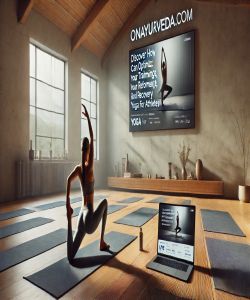
1. Overview of Yoga for Athletes
Yoga for Athletes represents a paradigm shift from the generalised, often spiritually-suffused application of the discipline to a highly specific, performance-oriented methodology. It is a systematic and rigorous adjunct to conventional athletic training, engineered to fortify an athlete’s physical and mental capabilities. This is not a recreational pursuit; it is a strategic tool designed to elicit tangible, measurable improvements in performance, resilience, and career longevity. The practice meticulously deconstructs traditional yogic postures, breathwork, and concentration techniques, reapplying them through the uncompromising lens of sports science, biomechanics, and exercise physiology. Its primary mandate is to address the unique physical imbalances, repetitive strain patterns, and intense psychological pressures inherent in elite sport. By focusing on functional mobility over extreme flexibility, core stability over superficial strength, and controlled respiratory function over passive relaxation, it directly targets the foundational pillars of athletic excellence. It serves as a powerful prophylactic against injury by correcting muscular asymmetries and enhancing proprioceptive awareness, thereby enabling the body to withstand greater training loads. Concurrently, it cultivates mental fortitude, training the athlete to maintain unwavering focus and emotional regulation under the extreme duress of competition. In essence, Yoga for Athletes is a non-negotiable component of a holistic, elite training programme, providing the critical elements of recovery, structural integrity, and mental conditioning that are frequently neglected in sport-specific training, yet are indispensable for achieving and sustaining peak performance. It is the intelligent athlete’s mechanism for optimising the human machine.
2. What is Yoga for Athletes?
Yoga for Athletes is a specialised, functional application of yogic principles, systematically adapted to meet the rigorous demands of athletic performance and recovery. It deliberately strips away the esoteric and aesthetic goals often associated with general yoga, focusing instead on pragmatic outcomes: injury prevention, enhanced mobility, improved respiratory efficiency, and heightened mental acuity. It is not a standalone fitness system but an integrated, complementary discipline designed to augment an athlete’s primary training regimen. The practice is predicated on a deep understanding of sports-specific biomechanics, targeting the muscle groups and movement patterns most relevant to a particular sport. For instance, a marathon runner’s session will emphasise hip flexor release and hamstring lengthening, whereas a rugby player’s will focus on shoulder girdle stability and spinal mobility.
The core components of this discipline are meticulously curated for athletic application:
- Targeted Asana (Physical Postures): Postures are selected and modified to directly address common athletic issues such as muscular imbalances, tight fascia, and joint compression. The objective is not to achieve a perfect pose but to use the posture as a diagnostic and corrective tool to improve functional range of motion and build stability in end-range positions.
- Performance-Oriented Pranayama (Breath Control): Breathing techniques are taught not for spiritual transcendence but as a potent physiological tool. Athletes learn to manipulate their breathing to upregulate the nervous system for competition, downregulate it for recovery, and improve carbon dioxide tolerance for greater endurance and stamina.
- Applied Mindfulness and Concentration (Dharana): Mental training is a cornerstone of the practice. Athletes are trained to cultivate an unwavering focus, manage performance anxiety, and maintain composure under pressure. This is achieved through guided concentration exercises integrated within the physical practice, teaching the mind to remain stable and clear amidst physical exertion and discomfort.
3. Who Needs Yoga for Athletes?
-
Endurance Athletes: Individuals competing in disciplines such as long-distance running, cycling, and triathlon place immense, repetitive strain on a limited set of muscle groups. This inevitably leads to significant muscular imbalances, shortened hip flexors, and tight hamstrings. Yoga provides the essential counterbalance, lengthening these overused muscles, improving stride and pedal stroke efficiency, and promoting the structural integrity required to withstand high-volume training with a reduced risk of overuse injuries like IT band syndrome or plantar fasciitis.
-
Strength and Power Athletes: Weightlifters, powerlifters, and field athletes who focus on explosive, maximal-effort movements require exceptional joint stability and mobility to safely generate force. Yoga develops this by enhancing mobility in the hips, shoulders, and thoracic spine, allowing for deeper squats, more efficient overhead presses, and a reduced likelihood of injury from technical failure. It also builds foundational core strength, which is critical for transferring force through the kinetic chain.
-
Team Sport and Agility Athletes: Participants in football, rugby, basketball, and tennis must execute rapid, multi-directional movements. Their training demands a combination of strength, speed, and proprioceptive awareness. Yoga for Athletes hones this by improving balance, coordination, and body awareness, enabling quicker changes of direction and a more intuitive sense of positioning. It directly addresses the tight groins, hips, and shoulders common in these sports, reducing the risk of strains and sprains.
-
Athletes in Injury Rehabilitation: For those recovering from injury, this discipline provides a controlled, low-impact environment to rebuild strength, restore range of motion, and correct the neuromuscular compensations that may have contributed to the initial injury. It serves as a critical bridge between formal physiotherapy and a full return to sport-specific training, ensuring the athlete returns stronger and more resilient than before.
-
Athletes Seeking a Mental Edge: Any serious competitor, regardless of sport, can gain a significant advantage through the mental conditioning components. The practice trains the mind to remain focused and composed under immense pressure, regulate the physiological stress response, and improve interoception—the ability to sense the body’s internal state. This translates directly to better decision-making, clutch performance, and overall psychological resilience.
4. Origins and Evolution of Yoga for Athletes
The conceptual framework for what is now termed ‘Yoga for Athletes’ is not a modern invention but rather an evolution, a purposeful refinement of ancient practices through the rigorous filter of contemporary sports science. The origins of yoga itself are deeply rooted in ancient Indian philosophy, with foundational texts like Patanjali's Yoga Sutras outlining a comprehensive system for mental and spiritual discipline. The physical postures, or asanas, which form the basis of modern practice, were a component of Hatha yoga, originally intended to prepare the body for prolonged periods of meditation. The emphasis was on purification and control, not athletic enhancement.
A significant shift occurred in the 20th century with the global dissemination of yoga by influential teachers such as B.K.S. Iyengar. His pioneering work was revolutionary in its intense focus on precise anatomical alignment, the use of props to support and deepen postures, and the therapeutic application of yoga for treating physical ailments. Iyengar's methodical, biomechanically-aware approach inadvertently laid the critical groundwork for yoga's future application in a performance context. By systematising the physical practice and emphasising anatomical integrity over abstract spiritual goals, he made yoga accessible and relevant to a Western audience increasingly interested in physical health and wellbeing, including athletes.
The final stage of its evolution began in the late 20th and early 21st centuries, as elite sports organisations and forward-thinking coaches began to search for holistic methods to gain a competitive edge. Recognising that relentless physical training often led to burnout, injury, and mental fatigue, they started to integrate yoga not as a gentle alternative but as a potent training supplement. Sports science provided the empirical validation, demonstrating yoga’s measurable benefits on flexibility, respiratory function, and nervous system regulation. This led to the development of specialised programmes that stripped yoga of its non-essential elements and tailored it directly to the needs of the athlete. The practice evolved from a niche, counter-cultural activity into a mainstream, evidence-based training tool, now considered an indispensable component in the regimens of professional athletes and teams across the globe, valued for its capacity to build a more resilient, efficient, and mentally formidable competitor.
5. Types of Yoga for Athletes
-
Vinyasa Yoga: This is a dynamic, fluid style where movement is synchronised with breath. For athletes, Vinyasa is exceptionally effective for developing cardiovascular endurance, muscular stamina, and dynamic flexibility. The continuous flow between postures challenges balance and coordination, mimicking the constant motion of many sports. It is best utilised to improve work capacity and promote full-body integration, ensuring that strength and flexibility are developed in a functional, interconnected manner.
-
Hatha Yoga: Hatha is a foundational style characterised by a slower pace and the holding of static postures for several breaths. This approach is invaluable for athletes needing to learn precise anatomical alignment and build isometric strength. It provides the time and space to meticulously correct form, activate specific muscle groups, and cultivate a deeper mind-body connection. It is the ideal starting point for athletes new to yoga, establishing the core principles of stability and control.
-
Yin Yoga: Unlike muscle-focused (yang) styles, Yin Yoga targets the body's deep connective tissues—ligaments, tendons, and fascia—through long-held passive floor poses. For athletes, this is a critical practice for increasing joint mobility, particularly in the hips, pelvis, and lower spine, areas prone to stiffness from repetitive impact and movement. It is a powerful tool for improving long-term flexibility and preventing the fascial restrictions that can lead to chronic pain and injury.
-
Restorative Yoga: This practice is a form of active recovery. It utilises props like bolsters, blankets, and blocks to completely support the body in gentle, comfortable poses held for extended periods. Its primary objective is to downregulate the sympathetic (fight-or-flight) nervous system and activate the parasympathetic (rest-and-digest) response. For athletes, this is an indispensable tool for accelerating recovery between intense training sessions, improving sleep quality, and mitigating the cumulative effects of physical and mental stress.
-
Iyengar Yoga: Named after its founder, B.K.S. Iyengar, this style is defined by its rigorous emphasis on precise alignment and the extensive use of props. For athletes, particularly those in rehabilitation or with specific biomechanical issues, Iyengar yoga is unparalleled. It allows for the meticulous isolation and correction of muscular imbalances and postural faults, making it an extremely effective and safe method for rebuilding functional movement patterns post-injury.
6. Benefits of Yoga for Athletes
-
Enhanced Functional Mobility and Flexibility: Systematically increases the active range of motion in key athletic joints, such as the hips, shoulders, and thoracic spine. This is not flexibility for its own sake, but functional mobility that translates directly to a more efficient stride, a more powerful swing, and a reduced risk of muscle strains.
-
Superior Core Strength and Stability: Develops deep, intrinsic core musculature that is fundamental for transferring force between the upper and lower body. A stable core provides a solid foundation for all athletic movements, improving power output, balance, and protecting the spine from injurious loads.
-
Optimised Respiratory Control and Efficiency: Trains the diaphragm and accessory respiratory muscles, improving breathing mechanics under load. Advanced breath control (Pranayama) techniques enhance carbon dioxide tolerance and oxygen uptake, leading to increased stamina, delayed fatigue, and better management of exertion during competition.
-
Accelerated Physical Recovery and Injury Prophylaxis: Promotes downregulation of the nervous system, facilitating the body’s natural repair processes. By addressing and correcting muscular imbalances, improving joint health, and increasing proprioceptive awareness, it acts as a powerful preventative measure against common overuse and acute injuries.
-
Heightened Mental Fortitude and Concentration: Cultivates the ability to maintain unwavering focus amidst physical discomfort and external distractions. The practice of holding challenging postures trains the mind to remain calm and composed under pressure, a skill that is directly transferable to high-stakes competitive environments.
-
Improved Balance, Proprioception, and Coordination: Poses that challenge stability enhance the body’s proprioceptive feedback loop—the sense of its position in space. This leads to improved neuromuscular control, more agile and precise movements, and a significantly reduced risk of falls or joint sprains from awkward landings.
-
Regulation of the Autonomic Nervous System: Teaches athletes to consciously shift from a sympathetic (stress-response) state to a parasympathetic (recovery) state. This ability to manage physiological arousal is critical for optimising post-training recovery, improving sleep quality, and preventing the negative effects of chronic overtraining and competitive anxiety.
7. Core Principles and Practices of Yoga for Athletes
-
Purpose-Driven Asana (Physical Postures): Every posture is executed not for aesthetic achievement but for a specific biomechanical purpose. The focus remains steadfastly on functional outcomes—such as releasing the hip flexors to improve running gait or stabilising the scapula for a more powerful throw. Modifications are not viewed as concessions but as intelligent adaptations to target specific muscle groups or to work around an athlete’s unique anatomy and injury history, ensuring every movement serves the primary goal of performance enhancement.
-
Pranayama as a Physiological Tool: Breath control is stripped of its mystical connotations and is wielded as a pragmatic instrument for physiological regulation. Athletes are trained in specific techniques to modulate their autonomic nervous system: down-regulating with extended exhales for recovery, and up-regulating with powerful, rhythmic breathing to prime the body for exertion. The breath becomes a conscious mechanism for managing energy, controlling heart rate, and maintaining composure under intense physical stress.
-
Uncompromising Anatomical Precision: There is zero tolerance for sloppy alignment or biomechanically unsound movement. Each pose is approached with a rigorous understanding of anatomy to maximise its intended benefit while eliminating any risk of injury. This principle demands that the athlete develop profound body awareness (interoception), learning to distinguish between the productive stress of a deep stretch and the warning signal of sharp, injurious pain.
-
The Principle of Sthira and Sukha (Effort and Ease): This core tenet is applied directly to athletic performance. It is the practice of finding the equilibrium between maximal effort and unnecessary tension. Athletes learn to engage only the muscles required for a specific task while relaxing all others. This conserves energy, improves efficiency of movement, and prevents the muscular rigidity that often leads to fatigue and injury. It is the very definition of controlled power.
-
Integration of Mindful Concentration (Dharana): The practice is a moving meditation, demanding complete mental presence. The athlete is trained to anchor their focus on the physical sensations of the pose and the rhythm of the breath. This cultivates an unwavering concentration that is directly transferable to competition, enabling the athlete to block out external distractions, manage performance anxiety, and remain fully engaged in the present moment, which is where peak performance occurs.
8. Online Yoga for Athletes
-
Unrivalled Scheduling Autonomy and Integration: The online format eradicates the logistical constraints of time and travel. Athletes operating within demanding, often unpredictable training and competition schedules can access elite-level instruction at any time and from any location. This allows for the seamless integration of yoga into their regimen—whether for a pre-training activation session, a post-competition recovery flow, or a dedicated mobility day—without compromising other critical training components.
-
Access to Elite, Sport-Specific Expertise: Geographical limitations are rendered irrelevant. An athlete is no longer restricted to local instructors who may lack specialised knowledge. The online domain provides direct access to world-class coaches who possess a deep, nuanced understanding of an athlete’s specific sport, its biomechanical demands, and its common injury patterns. This ensures the instruction is not generic but precisely tailored to their performance needs.
-
A Controlled and Repeatable Training Environment: Practising in a familiar, private space eliminates the distractions and social pressures of a public class. This fosters a state of deep focus, allowing the athlete to concentrate solely on the technical execution of movements and the internal sensations of their body. It also facilitates consistency, as the environment remains constant, enabling the precise repetition required to master techniques and ingrain new, superior movement patterns.
-
-Data-Driven Customisation and Progress Monitoring: Premier online platforms offer a level of personalisation that is difficult to achieve in a group setting. Programmes can be filtered by objective (e.g., hip mobility, thoracic spine release), duration, and intensity. Furthermore, the digital format allows athletes to meticulously log their sessions, track perceived improvements, and provide feedback, enabling the programme to be dynamically adapted to their evolving needs and progress over time.
-
Cultivation of Absolute Self-Accountability: The absence of a physically present instructor demands a higher level of discipline and self-awareness from the athlete. This is not a disadvantage but a significant benefit. It forces the individual to take complete ownership of their practice, to learn to listen intently to their body’s signals, and to master the art of self-correction. This heightened proprioception and autonomy is a powerful asset that translates directly to greater intelligence and self-regulation in their primary sport.
9. Yoga for Athletes Techniques
-
Phase 1: Dynamic Neuromuscular Activation (5-10 Minutes): The session commences not with passive stretching but with dynamic movements synchronised with breath to prepare the nervous system and musculature for work.
- Step 1: Cat-Cow (Marjaryasana-Bitilasana): On all fours, inhale to arch the spine (Cow), and exhale to round the spine (Cat). Repeat 10-15 times. This articulates the vertebral column, warms the spinal erectors, and connects breath to movement.
- Step 2: Sun Salutation A (Surya Namaskar A) - Modified: Perform 3-5 rounds at a controlled pace. Focus on integrating breath with each transition: inhale to lengthen, exhale to fold or lower. This elevates heart rate and establishes a full-body warming pattern.
-
Phase 2: Targeted Mobility and Stabilisation (15-20 Minutes): This phase addresses specific athletic needs, focusing on creating stability in conjunction with mobility.
- Step 3: Downward-Facing Dog (Adho Mukha Svanasana) to Plank (Phalakasana) Flow: From Downward-Facing Dog, inhale forward into a high Plank pose, engaging the core. Exhale back to Downward-Facing Dog. Repeat 8-10 times. This builds shoulder stability and core endurance while dynamically stretching the posterior chain.
- Step 4: Crescent Lunge (Anjaneyasana) with Thoracic Rotation: From a low lunge position, place one hand on the floor and rotate the torso, reaching the other arm to the ceiling. Hold for 5 breaths. This opens the hip flexors of the back leg while mobilising the thoracic spine.
-
Phase 3: Deep Static Holds for Tissue Release (10-15 Minutes): This section uses longer, more passive holds to target deep fascia and habitual tension patterns.
- Step 5: Pigeon Pose (Eka Pada Rajakapotasana): Hold for 1-2 minutes per side, breathing deeply into the outer hip of the front leg. This releases deep external rotators like the piriformis, critical for runners and field athletes.
- Step 6: Saddle Pose (Supta Virasana) or Supported Bridge Pose (Setu Bandhasana): Choose one pose to open the quadriceps and hip flexors. Hold for 2-3 minutes, using blocks for support to ensure no joint pain is present.
-
Phase 4: Parasympathetic Downregulation and Recovery (5-10 Minutes): The final phase is non-negotiable for recovery.
- Step 7: Legs-Up-The-Wall Pose (Viparita Karani): Lie on the back with legs resting vertically against a wall for 3-5 minutes. This promotes lymphatic drainage and initiates a relaxation response.
- Step 8: Diaphragmatic Breathing in Savasana: Lie flat on the back. Place one hand on the belly. Inhale for a count of four, feeling the belly rise. Exhale for a count of six, feeling it fall. Continue for 5 minutes to complete the session.
10. Yoga for Athletes for Adults
The application of yoga for adult athletes is a highly strategic endeavour, fundamentally different from its use with younger, more malleable bodies. For the mature athlete, the practice must be approached with surgical precision, prioritising longevity and sustainable performance over the pursuit of extreme ranges of motion. The primary objectives are to mitigate the cumulative damage of years of high-impact training and to future-proof the body against age-related decline.
-
Counteracting Chronic Imbalances and Repetitive Strain: Adult athletes invariably present with deeply ingrained postural and movement patterns forged over thousands of hours of sport-specific activity. Yoga serves as the essential corrective tool, systematically identifying and unwinding these asymmetries. The focus is on releasing chronically tight tissues, such as the hip flexors in cyclists or the pectoral muscles in swimmers, while simultaneously activating and strengthening their underused antagonists to restore musculoskeletal equilibrium.
-
Prioritising Joint Health and Connective Tissue Integrity: With age, joint cartilage and connective tissues naturally lose some of their pliability and resilience. The practice for adult athletes therefore emphasises techniques that safely load and hydrate these tissues. Yin and Restorative styles are particularly crucial, as they apply gentle, prolonged stress to the fascia and ligaments, stimulating cellular repair and helping to maintain the synovial fluid that lubricates the joints.
-
Advanced Mental Conditioning and Recovery Optimisation: The adult athlete possesses a mature capacity for focus and introspection, which can be leveraged for profound mental benefits. The mindfulness component of yoga becomes a powerful tool for managing the pressures of competition, career, and life outside of sport. Furthermore, the emphasis on downregulating the nervous system through breathwork and restorative poses is non-negotiable, as the mature body’s recovery processes are less robust and require more deliberate support.
-
Intelligent Adaptation and Modification: The adult athlete must approach the practice with zero ego. The use of props such as blocks and straps is not a sign of weakness but of intelligence, allowing for precise alignment and the avoidance of joint strain. The intensity of practice must be judiciously modulated to align with daily energy levels and the overall training load, ensuring that yoga serves as a net positive, enhancing recovery rather than contributing to fatigue.
11. Total Duration of Online Yoga for Athletes
The standard and most effective total duration for a dedicated online Yoga for Athletes session is rigorously structured to be 1 hr. This timeframe is not arbitrary; it is a calculated duration designed to achieve comprehensive physiological and neurological objectives without inducing fatigue that could compromise an athlete's subsequent training or recovery. A session shorter than this period risks being superficial, failing to adequately warm the tissues or provide sufficient time for the nervous system to downregulate effectively. Conversely, a session that extends significantly beyond this mark can become counterproductive, depleting energy reserves and potentially leading to a loss of focus and an increased risk of injury from sloppy execution. Within this one-hour framework, a precise and non-negotiable structure is implemented. The initial phase is dedicated to a dynamic warm-up and neuromuscular activation, preparing the body for the demands to follow. The central, most substantial portion of the session focuses on the main work, whether that be targeted mobility drills, stability exercises, or dynamic flows. The final, critical phase is allocated to a controlled cool-down, incorporating static holds and, most importantly, parasympathetic nervous system stimulation through specific breathing techniques and restorative postures. This deliberate allocation of time ensures that every minute serves a distinct purpose, from priming the body for performance to actively accelerating its recovery processes. The 1 hr duration provides the necessary container to address mobility, stability, and mental focus with the depth and precision required by a serious athlete, making it the optimal investment of time for maximal return.
12. Things to Consider with Yoga for Athletes
Engaging with Yoga for Athletes demands a disciplined and intelligent approach, far removed from the casual mindset of a general fitness class. It is imperative for the athlete to recognise this practice as a supplementary tool, not a replacement for their primary strength, conditioning, and sport-specific training. Its purpose is to enhance and balance, not to substitute. The athlete must consciously abandon the competitive, goal-oriented mentality that serves them in their sport; in yoga, striving to push past physical limits or comparing oneself to others is a direct path to injury and undermines the entire purpose of the exercise, which is focused on internal awareness and control. The selection of an instructor is a critical decision. A generic yoga teacher is insufficient; one must seek a qualified professional with demonstrable expertise in both yoga and sports science, who understands the unique biomechanical stresses of the athlete's chosen discipline. Furthermore, a clear distinction must be made between the productive discomfort of a muscle being stretched and the sharp, debilitating signal of joint or ligamentous pain. Ignoring this distinction is a non-negotiable error. Finally, the athlete must manage expectations. Progress in mobility and stability is incremental and requires unwavering consistency. There are no immediate transformations; the benefits are cumulative, forged through disciplined, regular practice. Approaching this discipline without considering these factors is to engage in a potentially counterproductive, and even dangerous, activity. When approached with the requisite seriousness and intelligence, however, it becomes a powerful catalyst for performance and longevity.
13. Effectiveness of Yoga for Athletes
The effectiveness of Yoga for Athletes is not a matter of anecdotal evidence or esoteric belief; it is grounded in established principles of physiology, biomechanics, and neuroscience. Its efficacy stems from its multi-faceted impact on the athlete's entire system. Physiologically, the practice directly enhances performance by optimising respiratory mechanics. Training the diaphragm and intercostal muscles through pranayama leads to a more efficient breathing pattern, improving V̇O2 max and increasing tolerance to carbon dioxide, which in turn delays the onset of fatigue. Biomechanically, its effectiveness is rooted in the systematic correction of muscular imbalances and the improvement of functional range of motion. By lengthening chronically tight muscles and activating their weakened antagonists, the practice restores proper joint centration and movement mechanics. This not only reduces the risk of overuse injuries but also allows for a more efficient transfer of force through the kinetic chain, resulting in greater power output. Furthermore, the constant challenge to balance and stability in various postures refines the body’s proprioceptive and neuromuscular control, leading to superior agility, coordination, and reaction time. Neurologically, the practice trains the athlete to consciously regulate their autonomic nervous system. This ability to shift from a high-stress, sympathetic state to a restorative, parasympathetic state is crucial for accelerating recovery, improving sleep quality, and managing performance anxiety. The focused concentration required during practice builds mental resilience, enabling the athlete to maintain composure and clarity of thought under the extreme pressure of competition. In sum, its effectiveness is comprehensive, simultaneously building a more physically robust, biomechanically efficient, and mentally resilient athlete.
14. Preferred Cautions During Yoga for Athletes
The practice of Yoga for Athletes must be approached with an unwavering commitment to discipline and self-preservation. Any deviation from a cautious and intelligent methodology will inevitably lead to injury, thereby negating its intended purpose. The absolute, non-negotiable prohibition is against pushing through sharp, shooting, or electric pain. This sensation is a definitive signal of neural or joint impingement, and to ignore it is an act of profound ignorance that will result in damage. The athlete’s ego, a valuable asset in competition, must be completely suppressed on the yoga mat. The practice is not a contest. Attempting to force the body into a deeper expression of a pose to match an instructor or a preconceived image is a guaranteed path to torn muscles and sprained ligaments. Particular vigilance is required to avoid hypermobility, especially in athletes with naturally greater flexibility. Flexibility without corresponding stability is a liability. Therefore, every mobility-focused exercise must be counter-balanced with strength and stabilisation work to ensure robust joint integrity. Athletes with a history of specific injuries, such as shoulder dislocations or disc issues, must be hyper-aware of contraindications and must not hesitate to modify or completely avoid poses that place stress on vulnerable areas. The mantra must be: adapt the pose to the body, never force the body to the pose. Failure to adhere to these cautions transforms a potent tool for performance enhancement into a significant and unnecessary risk. Discipline is not optional; it is the prerequisite for safe and effective practice.
15. Yoga for Athletes Course Outline
-
Module 1: Foundational Principles and Breath Mechanics: This initial module establishes the non-negotiable groundwork. It covers the core principles of alignment, the distinction between muscular engagement and tension, and the critical difference between discomfort and pain. The primary focus is on mastering diaphragmatic breathing as a tool for core stability and nervous system regulation, forming the foundation for all subsequent work.
-
Module 2: Core Stabilisation and Spinal Integrity: This section moves beyond superficial abdominal work to target the deep intrinsic muscles of the core, including the transverse abdominis, multifidus, and pelvic floor. Athletes learn to create and maintain a stable lumbo-pelvic region through a series of static and dynamic exercises, which is essential for protecting the spine and efficiently transferring force during athletic movements.
-
Module 3: Hip Mobility and Gluteal Activation: This module directly addresses one of the most common areas of restriction and dysfunction in athletes. It employs a systematic approach to unlock the hip flexors, adductors, and deep external rotators. Crucially, this newfound mobility is paired with targeted exercises to ensure powerful and correct activation of the gluteal muscles, the primary engine for athletic power.
-
Module 4: Shoulder Girdle Stability and Thoracic Mobility: Focus shifts to the upper body, addressing the health of the shoulder complex. Athletes are taught to stabilise the scapulae on the ribcage, a critical skill for all throwing, swimming, and overhead movements. This is complemented by techniques to improve mobility in the thoracic spine, which directly impacts shoulder function and rotational power.
-
Module 5: Dynamic Flow for Endurance and Proprioception: This module integrates the principles from previous sections into Vinyasa-style sequences. These flows are designed to challenge cardiovascular endurance, muscular stamina, and proprioceptive awareness. The transitions between postures are as important as the postures themselves, training coordination, balance, and the ability to maintain form under fatigue.
-
Module 6: Advanced Recovery and Nervous System Downregulation: The final module provides athletes with the tools for proactive recovery. It focuses on restorative and yin yoga techniques to release deep fascial tension and stimulate the parasympathetic nervous system. Athletes learn specific protocols to accelerate recovery post-training, improve sleep quality, and manage the cumulative stress of a competitive season.
16. Detailed Objectives with Timeline of Yoga for Athletes
-
Weeks 1-4: Foundational Competency and Neuromuscular Adaptation.
- Objective: To establish a consistent weekly practice and master the correct anatomical alignment in ten foundational postures (e.g., Downward-Facing Dog, Plank, Warrior II). The athlete will demonstrate proficient use of diaphragmatic breathing, maintaining a steady rhythm during static holds.
- Timeline & Measurable Outcome: By the end of week 4, the athlete must be able to hold foundational poses for 30-60 seconds without compromising form or breath control. They will exhibit a clear understanding of modifying poses using props to maintain structural integrity.
-
Weeks 5-8: Enhancement of Functional Mobility and Core Endurance.
- Objective: To achieve a measurable increase in active range of motion in the primary joints relevant to their sport, specifically the hips and thoracic spine. Concurrently, the objective is to significantly improve core endurance and stability.
- Timeline & Measurable Outcome: By the end of week 8, there will be an observable improvement in the depth and quality of their squat and lunge patterns. The athlete will be able to maintain a perfect plank pose for a sustained period and execute rotational core movements with control, demonstrating enhanced lumbo-pelvic stability.
-
Weeks 9-12: Performance Integration and Recovery Optimisation.
- Objective: To seamlessly integrate the principles of breath control and mental focus into sport-specific training and competition. The athlete will also implement a consistent post-training recovery protocol using restorative yoga techniques.
- Timeline & Measurable Outcome: By the end of week 12, the athlete will report a lower perceived rate of exertion during high-intensity drills and a noticeable reduction in delayed onset muscle soreness (DOMS). They will demonstrate the ability to use specific breathing techniques to manage heart rate and anxiety in pressure situations.
-
Weeks 13-16: Mastery of Advanced Techniques and Autonomy.
- Objective: The athlete will progress to more complex dynamic sequences and arm balances that challenge strength, balance, and coordination. The overarching goal is to develop the autonomy to self-diagnose areas of restriction and apply appropriate corrective yoga techniques independently.
- Timeline & Measurable Outcome: By the end of week 16, the athlete will be able to construct and lead themselves through a personalised 30-minute maintenance and mobility session. They will display mastery of integrating breath and movement in complex Vinyasa flows without compromising alignment.
17. Requirements for Taking Online Yoga for Athletes
-
Uninterruptible High-Speed Internet Connectivity: A stable, high-bandwidth connection is non-negotiable. Any buffering, lagging, or disconnection compromises the integrity of the session, disrupts focus, and poses a safety risk if an instruction is missed during a critical transition. A wired Ethernet connection is strongly preferred over Wi-Fi to ensure absolute stability.
-
Dedicated and Safe Physical Space: The athlete must secure a training area with sufficient, unobstructed space to perform all movements without risk of collision or injury. The floor surface must be flat, stable, and non-slip. This space must be considered a professional training environment, free from all domestic or professional distractions for the entire duration of the session.
-
Mandatory Professional-Grade Equipment: A high-quality, non-slip yoga mat is the absolute minimum. In addition, two firm foam or cork yoga blocks and one yoga strap are considered essential, not optional. These are professional tools required for modifying postures, ensuring correct alignment, and preventing injury. Attempting the practice without them is an unacceptable compromise of safety and efficacy.
-
Appropriate Digital Hardware: A device with a large, clear screen (laptop or tablet preferred over a smartphone) is required to see the instructor’s demonstrations with sufficient detail. The device must have a high-quality, functioning camera positioned to provide the instructor with a full-body view of the athlete, enabling essential real-time form correction. A functional microphone is also mandatory for clear communication.
-
Absolute Commitment to Uninterrupted Time: The scheduled session time must be treated with the same sanctity as a one-on-one coaching appointment or a competitive event. The athlete must ensure they will not be interrupted by colleagues, family members, or digital notifications. This commitment to a sealed, focused environment is a prerequisite for achieving the mental and physical objectives of the practice.
-
Medical Clearance for Strenuous Physical Activity: The athlete must possess a pre-existing clean bill of health or explicit clearance from a qualified medical professional or physiotherapist to engage in yoga and mobility work, particularly if they have a history of significant injury. This is a matter of personal accountability and non-negotiable due diligence.
18. Things to Keep in Mind Before Starting Online Yoga for Athletes
Before embarking on an online Yoga for Athletes programme, it is imperative to recognise that this modality demands a level of personal accountability and self-discipline that far exceeds that required in an in-person setting. The absence of a physically present instructor to provide hands-on adjustments means the onus of safety falls squarely upon the athlete. This necessitates the cultivation of an acute sense of interoception—the ability to listen intently to the body’s internal signals and to distinguish definitively between the productive stress of muscular engagement and the injurious warning of joint or nerve pain. The digital environment is saturated with unqualified instructors; therefore, rigorous due diligence is non-negotiable. The athlete must verify that the chosen programme is designed and led by a certified professional with specific, verifiable credentials in both yoga and sports science. One must commit to creating a sanitised, professional training environment, completely free from the distractions of mobile devices, emails, and household interruptions. To treat the session as a casual workout is to fundamentally misunderstand its purpose and to compromise its benefits. The athlete must also perform an honest and uncompromising self-assessment of their current physical limitations and be prepared to use modifications judiciously and without ego. The online format is a powerful tool for those who possess the maturity and discipline to take absolute ownership of their practice. For those who do not, it is an inefficient and potentially hazardous endeavour.
19. Qualifications Required to Perform Yoga for Athletes
The instruction of Yoga for Athletes is a specialised discipline that demands a level of qualification substantially beyond that of a standard yoga teacher. To be deemed competent to guide the highly-tuned physical systems of athletes, an instructor must possess a robust, multi-disciplinary skill set. The baseline qualification is insufficient; a truly qualified professional is a hybrid expert, blending deep knowledge of yogic tradition with a firm grounding in modern sports science. Failure to meet these stringent criteria renders an instructor unsuitable and potentially dangerous in a high-performance environment. The non-negotiable qualifications include:
-
Advanced Yoga Teacher Certification: An initial 200-hour certification is merely the entry point. A credible instructor must hold an advanced certification (e.g., a 500-hour RYT or an equivalent senior-level qualification from a reputable lineage). This demonstrates a comprehensive understanding of asana, pranayama, anatomy, and the philosophical underpinnings of the practice.
-
Formal Education in Sports Science or a Related Field: A degree or diploma in Kinesiology, Exercise Physiology, Biomechanics, or Sports Science is critical. Alternatively, extensive and verifiable certification in these areas is acceptable. This knowledge is essential to understand the specific stresses, movement patterns, and physiological demands of different sports, allowing for the intelligent adaptation of yoga techniques.
-
Specialised Certification in Yoga for Athletes: The instructor must have undertaken specific, advanced training focused on the application of yoga within an athletic context. This type of certification equips them with the knowledge to design sport-specific programmes, address common athletic injuries, and communicate effectively using language that resonates with a performance-oriented mindset.
-
Demonstrable Practical Experience with Athletes: Theoretical knowledge is useless without proven application. A qualified instructor must have a verifiable track record of working directly with individual athletes or teams. This experience ensures they can translate theory into practice, manage different athletic temperaments, and adapt sessions to accommodate training cycles and competition schedules. Without this comprehensive and integrated expertise, an individual is simply a yoga teacher, not a qualified Yoga for Athletes professional.
20. Online Vs Offline/Onsite Yoga for Athletes
Online
The primary advantage of the online modality is its unparalleled logistical efficiency. It eradicates geographical barriers, granting athletes access to a global pool of elite, sport-specific instructors who would otherwise be inaccessible. This is a decisive factor for those seeking highly specialised guidance. Furthermore, it offers absolute scheduling flexibility, allowing yoga to be seamlessly integrated into complex training, travel, and competition timetables. From a financial standpoint, online programmes are typically a more cost-effective solution, eliminating travel and reducing overheads. The online environment also fosters a high degree of autonomy and self-awareness, as the athlete is compelled to take greater ownership of their alignment and to listen more intently to their body’s feedback without the safety net of immediate hands-on correction. The principal drawback is this very lack of physical intervention. Nuanced alignment cues and tactile adjustments, which can be critical for both safety and efficacy, are impossible to deliver. This places a significant burden of responsibility on the athlete to practise with discipline and integrity to avoid injury.
Offline/Onsite
The defining strength of offline, in-person instruction lies in the direct, unmediated connection between the instructor and the athlete. The ability of a qualified coach to provide immediate, hands-on adjustments is invaluable for refining alignment, preventing injury, and deepening the athlete's understanding of a posture. This tactile feedback can accelerate learning and correct ingrained, faulty movement patterns that may not be visible on camera. An onsite session, whether one-on-one or in a small group, also provides a focused, contained environment free from the potential distractions of a home or hotel setting. The energy and accountability of a shared physical space can be highly motivating. However, the offline model is inherently limited by geography, restricting an athlete’s choice of instructor to those within their immediate vicinity. It is also significantly less flexible, demanding adherence to a fixed schedule and location, and typically involves a greater financial investment due to higher overheads and travel considerations.
21. FAQs About Online Yoga for Athletes
Question 1. Is online yoga as effective as an in-person class?
Answer: It can be, provided the athlete possesses a high degree of self-discipline and the instructor is an expert in providing clear, precise verbal cues. Effectiveness is contingent on user accountability.
Question 2. Is it safe to practise without an instructor physically present?
Answer: It is safe only if you commit to listening to your body, never pushing into sharp pain, and using modifications without ego. Safety is your direct responsibility.
Question 3. What equipment is absolutely essential?
Answer: A professional non-slip mat, two firm blocks, and a strap. These are not optional; they are mandatory tools for safe and effective practice.
Question 4. How do I choose a qualified online instructor?
Answer: Scrutinise their credentials. They must have advanced yoga certifications and a verifiable background in sports science or extensive experience working with athletes in your specific discipline.
Question 5. Can online yoga replace my regular stretching routine?
Answer: It does more than replace it; it upgrades it. It integrates dynamic mobility, stability, and breath control, making it a far more comprehensive tool than simple static stretching.
Question 6. How often should I practise?
Answer: Consistency is key. Two to three targeted sessions per week is a robust benchmark for tangible results.
Question 7. What if I have a pre-existing injury?
Answer: You must obtain clearance from a medical professional first. You are then responsible for communicating this to your instructor and for diligently applying all necessary modifications.
Question 8. How do I stay motivated when practising alone?
Answer: Treat it as a non-negotiable part of your professional training schedule, not a hobby. Discipline, not motivation, is the driver of progress.
Question 9. Will this practice make me too flexible and lose power?
Answer: No. Yoga for Athletes develops functional, stable mobility, not hypermobility. It balances flexibility with strength, which enhances power output.
Question 10. What is the ideal time of day to practise?
Answer: This depends on your goal. A dynamic session can be used for pre-training activation. A restorative session is best post-training or before sleep to accelerate recovery.
Question 11. Can I do this in a hotel room while travelling?
Answer: Yes. This is a primary benefit of the online format. Ensure you have adequate space and your essential equipment.
Question 12. What if I cannot perform a certain pose?
Answer: This is irrelevant. The objective is not to perform the pose, but to use the attempt to achieve a specific physiological benefit. Use the prescribed modification.
Question 13. Will I get feedback on my form?
Answer: In a live online class, yes. The instructor will correct your form via the camera. In pre-recorded programmes, you must rely on self-correction based on precise cues.
Question 14. Is this practice suitable during my peak competition phase?
Answer: Yes, but the focus must shift entirely to recovery and mental preparation, using shorter, restorative sessions. High-intensity yoga should be reserved for the off-season.
Question 15. How long until I see results?
Answer: You will feel immediate neuromuscular and mental benefits after the first session. Tangible, lasting improvements in mobility and stability will be evident within 4-6 weeks of consistent practice.
Question 16. Is there a risk of it conflicting with my strength training?
Answer: No, it is complementary. It improves the quality of movement and recovery, which will enhance your strength training outcomes.
22. Conclusion About Yoga for Athletes
In conclusion, Yoga for Athletes must be definitively understood not as a remedial or alternative practice, but as an essential, science-backed pillar of a modern, elite athletic training programme. Its integration is a strategic imperative for any athlete serious about maximising physical potential, mitigating injury risk, and extending the longevity of their professional career. The discipline’s methodical focus on enhancing functional mobility, building profound core stability, and optimising respiratory mechanics provides direct, measurable improvements in performance. It systematically addresses the biomechanical imbalances and repetitive strain patterns that are the inevitable by-products of high-volume, sport-specific training, thereby serving as the most effective form of prehabilitation available. Beyond the purely physical, its rigorous training in concentration and nervous system regulation forges a level of mental fortitude and resilience that is indispensable for success under the extreme pressures of competition. It is the critical link that unifies the body and mind, creating a more efficient, durable, and composed competitor. To neglect this modality is to leave a significant, exploitable gap in one’s training. For the intelligent athlete, embracing a disciplined Yoga for Athletes practice is no longer a choice; it is a non-negotiable component of the relentless pursuit of peak performance