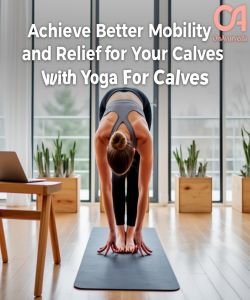
1. Overview of Yoga For Calves
Yoga for Calves is a highly specific and disciplined physical practice designed to target the musculature of the lower leg, primarily the gastrocnemius and soleus muscles, as well as the associated Achilles tendon. This is not a superficial or casual stretching routine; it is a structured methodology that integrates principles of classical Hatha yoga with modern kinesiological understanding to restore function, build resilience, and enhance performance. The practice employs a curated selection of asanas (postures), both static and dynamic, to methodically lengthen constricted muscle fibres, release myofascial tension, and improve neuromuscular control. It addresses the common yet debilitating issues of calf tightness, which can precipitate a cascade of biomechanical problems, including plantar fasciitis, Achilles tendonitis, and knee and hip instability. By focusing intently on this often-neglected area, practitioners cultivate a foundation of stability and flexibility that supports all weight-bearing activities, from elite athletics to daily ambulation. This is a practice of precision, demanding conscious engagement and correct alignment to unlock its profound benefits. It is therefore positioned as an essential, non-negotiable component of any serious physical conditioning or rehabilitation programme, providing a strategic advantage in injury prevention and the pursuit of optimal physical integrity. The uncompromising focus on the lower leg transforms what might be perceived as a minor detail into a cornerstone of holistic bodily strength and fluid movement, underscoring the yogic principle that attention to the specific parts is imperative for the health of the whole.
2. What are Yoga For Calves?
Yoga for Calves is a targeted application of yogic science aimed at improving the health, flexibility, and strength of the lower leg muscles. It is a systematic regimen that moves beyond generic stretching to provide a comprehensive conditioning programme for the gastrocnemius, soleus, and peroneal muscles, along with the Achilles tendon. The practice is not a distinct style of yoga in itself, but rather a specialised focus area that can be integrated within various yogic traditions, including Hatha, Vinyasa, and Yin. Its core identity lies in the deliberate selection and modification of asanas to isolate and work the calf complex with precision and intent.
This specialised practice incorporates several key elements:
- Targeted Asanas: Postures are chosen specifically for their ability to stretch and strengthen the calves. Classic examples include Adho Mukha Svanasana (Downward-Facing Dog) with ankle flexion, Utthita Parsvakonasana (Extended Side Angle Pose) to work the calf of the extended leg, and modifications of forward folds like Paschimottanasana to isolate the posterior chain.
- Myofascial Release: Techniques often include the use of props such as foam rollers or massage balls in conjunction with yogic principles to break down adhesions and knots within the muscle fascia, restoring tissue pliability.
- Proprioceptive Training: Poses that challenge balance and stability, such as Vrksasana (Tree Pose) or Garudasana (Eagle Pose), are employed to enhance the nervous system's awareness and control of the ankle and lower leg, which is critical for injury prevention.
- Pranayama (Breath Control): Conscious, controlled breathing is integral. It facilitates deeper stretches by calming the nervous system, which reduces the stretch reflex, and ensures adequate oxygenation of the muscle tissue during engagement.
- Dynamic and Static Approaches: The practice utilises a balance of dynamic movements, such as 'pedalling the feet' in Downward-Facing Dog to warm up the muscles, and long-held static stretches, characteristic of Yin yoga, to work on the deeper connective tissues.
Ultimately, Yoga for Calves is a functional and therapeutic discipline, engineered to counteract the stresses placed on the lower legs by both sedentary lifestyles and intense athletic activity, thereby optimising biomechanical efficiency.
3. Who Needs Yoga For Calves?
- Athletes and Runners: Individuals engaged in high-impact or endurance sports such as running, cycling, football, and basketball place immense repetitive strain on their calf muscles. This practice is non-negotiable for them to counteract muscle shortening, prevent overuse injuries like shin splints and Achilles tendonitis, and accelerate post-activity recovery, ensuring muscular longevity and peak performance.
- Sedentary Professionals and Office Workers: Those who spend prolonged periods sitting often develop shortened, weak calf muscles and poor circulation in the lower extremities. A dedicated calf-focused yoga regimen is essential to reverse these effects, alleviating stiffness, reducing the risk of deep vein thrombosis, and correcting postural imbalances that originate from the lower body.
- Individuals with Plantar Fasciitis or Achilles Tendinopathy: Tight calf muscles are a primary contributor to these painful and persistent conditions. A structured yoga protocol is a critical therapeutic intervention, designed to lengthen the gastrocnemius-soleus complex and reduce the tensile load on the plantar fascia and Achilles tendon, providing significant and lasting relief.
- Wearers of High-Heeled Footwear: Habitual use of high heels forces the foot into a state of plantar flexion, causing chronic shortening and tightening of the calf muscles and Achilles tendon. This practice is imperative to restore the natural length and function of these tissues, mitigating the long-term damage and pain associated with such footwear choices.
- Ageing Adults: As individuals age, they naturally lose muscle mass and flexibility, increasing their risk of falls and mobility issues. Strengthening and stretching the calves through yoga is fundamental to maintaining ankle stability, proprioception, and a balanced gait, which are all crucial for preserving independence and an active lifestyle.
- Dancers and Performing Artists: Professionals in disciplines that demand exceptional ankle articulation and strength, such as ballet and contemporary dance, require this practice. It helps to build balanced muscular development, enhance the aesthetic line of the leg, and crucially, prevent career-threatening injuries in a highly demanding physical environment.
4. Origins and Evolution of Yoga For Calves
The concept of "Yoga for Calves" as a distinct, named discipline is a modern development, born from the intersection of classical yoga, contemporary sports science, and therapeutic physical culture. Its origins, however, are deeply rooted in the ancient traditions of Hatha yoga. The foundational postures that form the core of any calf-focused routine are not new; asanas such as Adho Mukha Svanasana (Downward-Facing Dog), Paschimottanasana (Seated Forward Bend), and various lunges have existed for centuries. Within classical texts like the Hatha Yoga Pradipika, the emphasis was on global purification of the body and the movement of prana (life force), rather than the targeted isolation of specific muscle groups for biomechanical purposes.
The evolution from a holistic practice to a specialised application began in the twentieth century, as yoga was introduced to the West and scrutinised through the lens of anatomy and physiology. Pioneers like B.K.S. Iyengar revolutionised the understanding of asana with his meticulous emphasis on alignment and the use of props. His work demonstrated how subtle adjustments in a pose could shift its focus to different parts of the body, laying the intellectual groundwork for targeting areas like the calves with unprecedented precision. This anatomical approach allowed practitioners and teachers to deconstruct traditional postures and understand their specific effects on the musculoskeletal system.
The final stage of its evolution was driven by the rise of modern fitness culture and sports medicine from the late twentieth century onwards. As researchers and physical therapists recognised the critical role of calf flexibility and strength in athletic performance and injury prevention, they began to look towards established disciplines like yoga for effective, low-impact solutions. They extracted and adapted specific yogic techniques, reframing them within a clinical or performance-oriented context. This synthesis resulted in the curated, highly intentional programmes now recognised as "Yoga for Calves," which blend ancient postures with a contemporary, evidence-based understanding of how to condition the lower leg for optimal health and function. It represents the intelligent adaptation of an ancient art to meet the specific demands of modern life.
5. Types of Yoga For Calves
- Restorative and Yin-Based Calf Work: This type focuses on deep, passive stretching. Postures are held for extended periods, typically several minutes, to move beyond the superficial muscle and influence the deeper connective tissues (fascia). Props such as bolsters, blocks, and straps are used extensively to support the body, allowing the calf muscles to release tension without active effort. An example is a supported 'Waterfall' pose (Viparita Karani) with feet flexed against a wall, or a long-held calf stretch using a strap. This approach is profoundly therapeutic for chronic tightness and recovery.
- Dynamic Vinyasa Flow for Calves: This approach integrates calf conditioning into a continuous, flowing sequence of movements synchronised with the breath. It builds strength, endurance, and flexibility simultaneously. Sequences are designed to move the ankle through its full range of motion. For instance, flowing from a high lunge (Anjaneyasana) to a straight-leg pyramid pose (Parsvottanasana) dynamically stretches and contracts the calf, while 'pedalling' the feet in Downward-Facing Dog serves as a rhythmic, active stretch that also improves circulation.
- Alignment-Focused (Iyengar-Inspired) Calf Practice: Precision and anatomical detail are the hallmarks of this type. The objective is to achieve optimal biomechanical alignment to ensure the calf muscles are stretched and strengthened safely and effectively. It involves meticulous instruction and the use of props to modify poses for individual needs. A classic example is using a block under the ball of the foot in Trikonasana (Triangle Pose) to intensify and control the stretch in the gastrocnemius of the front leg.
- Athletic and Performance-Oriented Calf Conditioning: This type is specifically engineered for athletes to enhance performance and prevent injury. It combines traditional asanas with principles of sports conditioning. The focus is on building eccentric strength (the muscle lengthening under load), power, and proprioception. It might include variations like rising onto the balls of the feet in Utkatasana (Chair Pose) or performing controlled heel drops off a yoga block to load the Achilles tendon and calf muscles safely. This is a functional, goal-oriented application of yoga.
6. Benefits of Yoga For Calves
- Enhanced Flexibility and Range of Motion: Consistent practice systematically lengthens the gastrocnemius and soleus muscles, which are notoriously prone to tightness. This directly improves ankle dorsiflexion, a critical component for functional movements like squatting, lunging, and walking, thereby restoring natural and efficient biomechanics.
- Significant Injury Prevention: Tight calves are a primary causal factor in a host of debilitating injuries, including plantar fasciitis, Achilles tendonitis, shin splints, and even knee pain due to altered gait mechanics. By maintaining calf pliability and strength, this practice acts as a powerful prophylactic measure against such conditions.
- Improved Athletic Performance: For athletes, especially runners and cyclists, supple and strong calves are essential for power generation and shock absorption. Yoga for Calves improves muscular elasticity and endurance, leading to a more efficient stride, powerful push-off, and reduced muscle fatigue during performance.
- Accelerated Muscle Recovery: The combination of active stretching and controlled breathing techniques increases blood flow to the lower leg muscles. This enhanced circulation delivers vital oxygen and nutrients while flushing out metabolic waste products like lactic acid, significantly reducing post-exercise soreness and speeding up tissue repair.
- Increased Proprioception and Balance: Many calf-focused postures, particularly single-leg balancing poses, challenge and refine the body's neuromuscular communication. This heightens proprioceptive awareness in the feet and ankles, leading to improved stability, coordination, and a reduced risk of trips and falls.
- Alleviation of Chronic Pain and Discomfort: Individuals suffering from general leg heaviness, cramps, or pain stemming from poor posture or footwear choices will find substantial relief. The practice releases deep-seated myofascial tension, corrects imbalances, and alleviates the chronic stress placed on the lower leg structures.
- Enhanced Circulation: The dynamic contraction and relaxation of the calf muscles during practice act as a 'second heart,' actively pumping venous blood from the lower extremities back towards the heart. This is particularly beneficial for sedentary individuals and can help mitigate risks associated with poor circulation.
7. Core Principles and Practices of Yoga For Calves
- Unyielding Focus on Alignment: Correct anatomical alignment is paramount. In any calf stretch or strengthening pose, the knee must track directly over the ankle, and the foot must be positioned correctly to avoid placing undue stress on the knee or ankle joints. Misalignment not only negates the benefit but actively courts injury. This principle demands precision in every posture.
- Integration of Pranayama (Breath Control): The breath is the mechanism for unlocking tension. A long, controlled exhalation is used to deepen a stretch, as it signals the parasympathetic nervous system to relax the muscle's stretch reflex. Inhaling prepares the body, while exhaling releases the muscle. Practice without conscious breath control is mere mechanical stretching and is vastly less effective.
- The Principle of Gradual Progression (Ahimsa): The practitioner must respect the body's current limitations. The aim is to approach the edge of sensation, not to force past it into pain. Progress is achieved through consistency over time, not through aggressive, singular efforts which inevitably lead to micro-tears and setbacks. This requires discipline and patience.
- Duality of Engagement: Gastrocnemius and Soleus: A comprehensive practice must intelligently target both major calf muscles. The gastrocnemius (the upper, larger muscle) is primarily stretched with a straight leg. The soleus (a deeper, lower muscle) is isolated and stretched when the knee is bent. A failure to address both muscles results in an incomplete and imbalanced practice.
- Use of Props for Precision and Depth: Props such as yoga blocks, straps, and walls are not crutches for the inexperienced but tools for the precise practitioner. A strap allows for controlled extension in a seated forward bend; a block under the forefoot intensifies a stretch; a wall provides stability for deep, static holds. Their use is a sign of intelligent practice.
- Active Engagement, Not Passive Hanging: Even in deep stretches, the practice demands muscular intelligence. This involves actively pressing through the heel to lengthen the calf, or engaging the opposing muscles (the shin muscles) to encourage the calf to release—a concept known as reciprocal inhibition. This transforms a passive stretch into an active, neurological release.
- Consistency as the Agent of Change: The benefits of Yoga for Calves are cumulative. Sporadic practice will yield minimal, temporary relief. A disciplined, consistent routine, even if brief, is the only method to create lasting change in the muscle tissue and neuromuscular patterns. It must be integrated as a non-negotiable part of a regular wellness regimen.
8. Online Yoga For Calves
- Unrivalled Accessibility and Convenience: The primary advantage of an online format is the elimination of geographical and logistical barriers. Practitioners can access expert instruction from any location with an internet connection, removing the need for travel time and adherence to a rigid studio schedule. This allows for the seamless integration of practice into demanding personal and professional lives.
- Absolute Privacy and a Judgement-Free Environment: Practising in the privacy of one's own home removes the potential for self-consciousness or comparison that can arise in a group setting. This fosters a more introspective and focused practice, where the individual can concentrate fully on their body's sensations and needs without external distraction or perceived pressure.
- Self-Paced Learning and Repetition: Online platforms provide the ability to pause, rewind, and re-watch instructions. This is critically important for mastering the precise alignment required for effective and safe calf work. A practitioner can repeat a complex instruction or a challenging sequence as many times as necessary to achieve comprehension and correct execution, a luxury not afforded in a live class.
- Access to Highly Specialised Instruction: The digital marketplace allows individuals to seek out instructors who possess specific expertise in anatomy, therapeutic yoga, or sports conditioning related to the lower legs. This transcends the limitations of local studio offerings, providing access to a global pool of elite specialists whose knowledge is tailored precisely to the practitioner's goals.
- Consistent Practice On-Demand: The availability of pre-recorded sessions and flexible live-stream schedules empowers the practitioner to maintain consistency. Whether one needs a quick ten-minute stretch in the morning or a full recovery session after a workout, the practice is available on demand, which is the key determinant for achieving long-term results.
- Customisation of the Practice Environment: The practitioner has complete control over their environment. They can select the lighting, temperature, and sound that is most conducive to their concentration and relaxation. This ability to create a personalised sanctuary for practice enhances the overall experience and its mental benefits.
9. Yoga For Calves Techniques
- Technique One: Adho Mukha Svanasana (Downward-Facing Dog) with Pedal Pumping
- Step 1: Begin on hands and knees in a tabletop position. Ensure wrists are directly under shoulders and knees are under hips.
- Step 2: Exhale, tuck your toes, and lift your hips up and back, forming an inverted 'V' shape with your body. Keep your hands shoulder-width apart and feet hip-width apart.
- Step 3: Actively press the floor away with your hands, lengthening your spine. Initially, keep the knees generously bent to prioritise spinal length.
- Step 4: Inhale. As you exhale, slowly press your right heel towards the floor, feeling a deep stretch in the right calf. The left knee remains bent. Hold for one full breath cycle.
- Step 5: Inhale and lift the right heel. Exhale and press the left heel towards the floor, bending the right knee.
- Step 6: Continue this "pedalling" motion rhythmically and deliberately for several breath cycles, alternating heels. This provides a dynamic, controlled stretch to both the gastrocnemius and soleus.
- Technique Two: Modified Parsvottanasana (Pyramid Pose) at a Wall
- Step 1: Stand facing a wall, approximately one arm's length away.
- Step 2: Place the ball of your right foot onto the wall at skirting-board level, keeping your heel firmly on the floor. Your foot should be at a forty-five-degree angle.
- Step 3: Ensure your right leg is completely straight, but do not hyperextend the knee. Keep your hips square to the wall.
- Step 4: Gently lean your hips forward towards the wall until you feel a distinct and intense stretch along the back of your right calf. Use your hands on the wall for support and balance.
- Step 5: Hold this static position for at least five deep, controlled breaths. To target the soleus muscle, introduce a micro-bend into the right knee while maintaining the forward lean.
- Step 6: Carefully step back, and repeat with the left foot. This technique provides a highly targeted and adjustable stretch.
10. Yoga For Calves for Adults
A dedicated Yoga for Calves practice is an essential, non-negotiable component of maintaining physical autonomy and quality of life for adults. As the body ages, it is subject to a natural decline in tissue elasticity and muscle mass, a process known as sarcopenia. The calf muscles, critical for propulsion, balance, and venous return, are particularly vulnerable to age-related shortening and weakening. This leads to a cascade of negative consequences: a shortened, shuffling gait, diminished ankle stability, and a significantly increased risk of falls, which can have catastrophic health implications. Furthermore, decades of lifestyle choices, be it prolonged sitting in an office environment or the cumulative impact of recreational activities, create deep-seated patterns of tension and imbalance in the lower legs. A structured yoga regimen directly confronts these issues. It employs precise, low-impact techniques to methodically restore flexibility to the gastrocnemius-soleus complex, breaking down fascial adhesions that limit movement. Simultaneously, it builds functional strength and, crucially, enhances proprioception—the body's awareness of its position in space. By re-educating the neuromuscular pathways controlling the ankle and foot, it improves balance and reaction time. This practice is not merely about stretching; it is a strategic intervention to preserve mobility, ensure stability, and safeguard independence throughout the adult years, making it a fundamental pillar of intelligent, long-term self-care. It is a proactive measure against the predictable decline of physical function.
11. Total Duration of Online Yoga For Calves
The optimal and professionally recommended total duration for a comprehensive online Yoga for Calves session is 1 hr. This specific timeframe is not arbitrary; it is structured to ensure that every essential component of a safe and effective practice is addressed with the necessary depth and attention. A session of 1 hr allows for a logical and unhurried progression through distinct phases, each critical for achieving maximum benefit and minimising risk. The initial phase is dedicated to a thorough warm-up, involving gentle dynamic movements to increase blood flow to the lower legs and prepare the muscles and joints for more intensive work. The main body of the practice, which constitutes the largest portion of the hour, can then be fully developed. This segment is long enough to incorporate a balanced sequence of both dynamic strengthening postures and deep, static stretches targeting the gastrocnemius and soleus muscles individually. It provides ample time for precise alignment cues, proprioceptive challenges, and, if required, the integration of props. Rushing these elements would be counterproductive. The final phase of the 1 hr session is reserved for a proper cool-down, including counter-poses and gentle stretches to neutralise the body, followed by Savasana (Corpse Pose) for nervous system integration and muscular relaxation. A shorter duration would necessitate compromising one or more of these vital stages, leading to a superficial practice with a higher potential for injury. Therefore, the 1 hr structure is the standard for a complete, therapeutic, and transformative experience.
12. Things to Consider with Yoga For Calves
Before embarking on any Yoga for Calves regimen, a number of critical factors must be rigorously considered to ensure both safety and efficacy. Foremost is an honest assessment of one's current physical condition and medical history. Individuals with acute injuries, such as muscle tears or recent surgery on the ankle, knee, or foot, must abstain from practice until they have received explicit medical clearance. Those with chronic conditions like deep vein thrombosis, severe circulatory issues, or neurological disorders affecting the lower limbs must consult a medical professional to understand the specific contraindications and necessary modifications. The principle of 'no pain' is not a suggestion but a strict rule; a clear distinction must be made between the sensation of a deep, productive stretch and the sharp, signalling pain of potential tissue damage. It is also imperative to acknowledge that muscular imbalances are rarely isolated. Calf tightness is often linked to weakness or tightness in the hamstrings, hips, or even the lower back. A truly effective practice, therefore, should not be myopically focused on the calves alone but must exist within a broader context of holistic bodily awareness and balanced conditioning. The choice of instructor or programme is another crucial consideration, demanding due diligence to ensure they possess a profound understanding of anatomy and biomechanics, not just a superficial familiarity with yoga postures. An unqualified guide can do more harm than good, making practitioner discernment a key component of a successful outcome.
13. Effectiveness of Yoga For Calves
The effectiveness of Yoga for Calves is unequivocal and grounded in fundamental principles of physiology and biomechanics. When practised with precision and consistency, its impact is both profound and multifaceted. The regimen's primary efficacy lies in its ability to systematically address the viscoelastic properties of muscle and connective tissue. Through sustained, controlled stretches, the practice induces 'creep,' a physiological phenomenon where the fascia and muscle fibres gradually lengthen, breaking down restrictive adhesions and restoring pliability. This is not a temporary elongation but a lasting structural change that improves the range of motion at the ankle joint, particularly dorsiflexion. This enhanced flexibility directly reduces the tensile strain on the Achilles tendon and plantar fascia, providing a direct, mechanistic pathway for alleviating and preventing common overuse injuries. Furthermore, the practice is highly effective in a neuromuscular context. By combining stretching with strengthening and balancing postures, it refines proprioceptive feedback from the lower leg to the brain, improving coordination, stability, and the body's ability to react to unexpected changes in terrain. The integrated use of pranayama (breath control) enhances effectiveness by down-regulating the sympathetic nervous system, which mitigates the body's natural stretch reflex and allows for a deeper, safer release of muscular tension. Its effectiveness is therefore not a matter of conjecture but a direct result of applying targeted physical stress and conscious awareness to induce specific, positive adaptations in the musculoskeletal and nervous systems.
14. Preferred Cautions During Yoga For Calves
It is imperative to approach Yoga for Calves with an uncompromising attitude towards safety, as improper practice can exacerbate existing conditions or create new injuries. Any sensation of sharp, shooting, or electrical pain is an absolute and immediate signal to cease the posture; this is distinct from the acceptable discomfort of a deep muscle stretch and indicates nerve impingement or tissue damage. Practitioners with a history of ankle instability or ligament laxity must exercise extreme caution, avoiding any movements that push the joint beyond its stable range. Hyperextension of the knee during straight-leg calf stretches is a common and dangerous error that must be actively prevented by maintaining a micro-bend in the joint, especially for those with joint hypermobility. Individuals with circulatory disorders, including varicose veins or a history of blood clots, must seek medical advice before beginning, as certain postures could potentially dislodge a clot or place undue pressure on compromised veins. Do not engage in a deep stretching routine when the muscles are cold; a preliminary warm-up consisting of light dynamic movement is non-negotiable to increase tissue temperature and elasticity. Finally, the "more is better" mentality is a direct path to injury. Overstretching can cause microscopic tears in the muscle fibres or Achilles tendon, leading to inflammation and a significant setback. Progress is built on intelligent, consistent, and patient application, not on aggressive force. Adherence to these cautions is not optional; it is a prerequisite for a safe and sustainable practice.
15. Yoga For Calves Course Outline
- 1: Foundational Principles and Anatomy
- Introduction to the anatomy of the lower leg: gastrocnemius, soleus, and Achilles tendon.
- Core principles of safe stretching: alignment, breath control (Pranayama), and distinguishing productive sensation from pain.
- Introduction to foundational posture: Adho Mukha Svanasana (Downward-Facing Dog) with a focus on heel placement and spinal alignment.
- 2: Static Stretching for Deep Release
- Mastering postures for targeting the gastrocnemius (straight-leg stretches).
- Techniques for isolating the soleus muscle (bent-knee stretches).
- Introduction to prop usage: employing walls, blocks, and straps to deepen and support static holds for myofascial release. Poses include Wall Calf Stretch and Seated Forward Bend with Strap.
- 3: Dynamic Sequences for Strength and Flexibility
- Learning Vinyasa-style flows that integrate calf conditioning.
- Focus on dynamic movements like 'pedal pumping' and transitions between lunges and straight-leg poses.
- Building muscular endurance and improving circulation through rhythmic, breath-synchronised movement.
- 4: Building Stability and Proprioception
- Introduction to balancing postures to enhance neuromuscular control of the ankle joint.
- Practice of Vrksasana (Tree Pose) and Utthita Hasta Padangusthasana (Extended Hand-to-Big-Toe Pose) with modifications.
- Techniques for strengthening stabiliser muscles in the feet and lower legs to prevent injury.
- 5: Advanced Techniques and Integration
- Exploring more challenging postures that demand calf flexibility and strength, such as Malasana (Garland Pose) with flat feet.
- Introduction to eccentric strengthening exercises using props (e.g., heel drops off a yoga block).
- Developing a personalised daily maintenance routine and integrating calf awareness into all physical activities.
- 6: Recovery and Restoration
- Utilising restorative postures like Viparita Karani (Legs-Up-the-Wall Pose) for passive recovery and fluid drainage.
- Techniques for post-workout or post-activity calf care to reduce soreness and accelerate healing.
- Final review and consolidation of all principles for a lifelong, self-sufficient practice.
16. Detailed Objectives with Timeline of Yoga For Calves
- Weeks 1-2: Foundational Establishment
- Objective: To establish a consistent practice schedule and master the fundamental principles of alignment and breath control. The practitioner will learn to safely execute 3-4 core calf stretches, such as Downward-Facing Dog and a basic Wall Stretch, and to differentiate between productive stretching sensations and harmful pain.
- Timeline: By the end of week two, the practitioner must be able to hold foundational poses with correct form for at least 30 seconds without instructor guidance.
- Weeks 3-4: Measurable Increase in Flexibility
- Objective: To achieve a noticeable and measurable increase in static calf flexibility and ankle range of motion (dorsiflexion). The practitioner will begin incorporating props to deepen stretches and will learn to differentiate between stretches for the gastrocnemius and the soleus.
- Timeline: By the end of the first month, a tangible reduction in daily calf tightness should be apparent, particularly upon waking or after periods of sitting.
- Month 2: Development of Functional Strength and Endurance
- Objective: To move beyond passive stretching and build active strength and endurance in the calf muscles. The focus will shift to include dynamic sequences and balancing postures that challenge the neuromuscular system.
- Timeline: By the end of the second month, the practitioner will demonstrate improved balance and control in single-leg poses and will notice enhanced endurance in the lower legs during activities like walking or climbing stairs.
- Month 3: Integration and Advanced Application
- Objective: To integrate the practice into a holistic understanding of body mechanics and begin exploring more advanced postures. The practitioner will be able to self-diagnose tightness and apply the appropriate techniques for relief.
- Timeline: By the end of the third month, the practitioner should be able to perform a self-guided, 20-minute calf-focused routine and will have the knowledge to modify their practice based on daily needs, such as pre- or post-athletic activity.
- Month 4 and Beyond: Autonomous Mastery and Injury Prevention
- Objective: To achieve a state of autonomous practice where calf maintenance is an ingrained habit. The practitioner will possess a deep understanding of how to use this practice as a primary tool for long-term injury prevention and performance optimisation.
- Timeline: After four months, the incidence of calf-related issues like cramps or minor strains should be significantly reduced, and the practitioner will have the confidence and competence to maintain lower leg health indefinitely.
17. Requirements for Taking Online Yoga For Calves
- A Reliable High-Speed Internet Connection: This is the most fundamental requirement. A stable and robust connection is non-negotiable to ensure the live or pre-recorded video stream is uninterrupted, clear, and free from buffering. Lag or poor video quality will compromise your ability to follow crucial alignment cues in real-time.
- A Suitable Viewing Device: A device with a screen large enough to clearly see the instructor's demonstrations is essential. A laptop or tablet is far superior to a mobile phone, as it allows for better observation of the subtle yet critical details of foot and leg positioning. The device must be positioned so that it is easily visible from your mat.
- Adequate and Unobstructed Physical Space: You must have sufficient clear floor space to perform all movements without risk of collision with furniture or walls. A minimum area should allow you to lie down flat with your arms and legs extended fully in all directions. The space must be private and free from interruptions.
- A Non-Slip Yoga Mat: This is a mandatory piece of equipment for safety. Practising on a slippery surface like a polished floor or a rug is hazardous and increases the risk of falls and injury. A quality yoga mat provides the necessary grip and a stable foundation for all standing and balancing postures.
- Appropriate Attire: Wear clothing that allows for a full and unrestricted range of motion. It should be neither too baggy, as it can obscure your view of your own alignment, nor too restrictive. The fabric should be breathable and comfortable. Bare feet are required to ensure proper grip and sensory feedback from the mat.
- Essential Yoga Props: While some sessions may be possible without them, a set of basic props is highly recommended for an effective practice. This includes at least one yoga strap (or a substitute like a belt) and two yoga blocks. These tools are not crutches; they are essential for modifying postures, ensuring correct alignment, and accessing deeper, safer stretches.
18. Things to Keep in Mind Before Starting Online Yoga For Calves
Before commencing an online Yoga for Calves programme, it is imperative to adopt a mindset of disciplined self-reliance and acute self-awareness. Unlike an in-person class, there is no instructor present to provide hands-on adjustments or immediate, personalised feedback on your alignment. The onus of responsibility for safe practice rests squarely on you. You must therefore commit to listening intently to verbal cues and observing visual demonstrations with unwavering focus. It is crucial to cultivate an internal sense of your body's limits and to resist the ego-driven temptation to push into positions that mimic the instructor's but cause you pain. The screen shows an ideal, not a mandate. You must be prepared to create and defend a dedicated practice space, free from the distractions of household activities, pets, and digital notifications, as a fragmented focus is a direct route to ineffective practice and potential injury. Furthermore, you must be your own motivator. The convenience of online access is a double-edged sword; it requires a higher degree of personal discipline to show up consistently on your mat. Acknowledge that progress will be incremental and specific to your own body. Do not measure your success against the image on the screen, but against your own starting point and the tangible sensations of reduced tightness and improved function in your own lower legs. This internalised, disciplined approach is the prerequisite for success in the online yoga environment.
19. Qualifications Required to Perform Yoga For Calves
The performance of instructing Yoga for Calves demands a level of qualification that extends significantly beyond a basic yoga teaching certificate. While a foundational credential is a necessary starting point, it is wholly insufficient on its own for guiding others in such a targeted and therapeutically potent practice. The instructor must possess a demonstrably deep and nuanced understanding of functional anatomy and biomechanics, specifically related to the lower kinetic chain. This is not a superficial familiarity but a working knowledge of the interplay between the gastrocnemius, soleus, peroneal muscles, Achilles tendon, plantar fascia, and their connection to the mechanics of the knee and hip.
An appropriately qualified instructor will typically hold credentials that validate this specialised knowledge. The absolute baseline is:
- Registered Yoga Teacher (RYT) 200/500: This certification from a recognised body like Yoga Alliance indicates foundational training in asana, pranayama, and teaching methodology.
However, a superior and more trustworthy instructor will augment this with further, more specific qualifications, such as:
- Advanced Certifications in Anatomy or Kinesiology: Specialised training that focuses explicitly on the musculoskeletal system, movement patterns, and injury prevention.
- Training in Therapeutic or Restorative Yoga: These modalities emphasise modification, prop usage, and a gentle, healing-oriented approach, which is critical for working with individuals who have pain or chronic tightness.
- Experience or Certification in Sports Medicine or Physical Therapy: An instructor with a background in these clinical fields brings an invaluable, evidence-based perspective to the practice, ensuring techniques are not only effective but also impeccably safe.
Ultimately, the key qualification is the proven ability to translate complex anatomical knowledge into clear, precise, and safe instructions for a diverse range of bodies. A practitioner must demand this level of expertise.
20. Online Vs Offline/Onsite Yoga For Calves
Online
The online modality for Yoga for Calves offers unparalleled convenience and autonomy. Its primary advantage is the elimination of all geographical and temporal constraints, allowing the practitioner to access specialised instruction from any location and at any time that suits their schedule. This fosters consistency, a key driver of results. The privacy of one's own space is another significant benefit, creating a non-intimidating environment where the individual can focus entirely on their internal sensations without the distraction or self-consciousness of a group setting. This is particularly beneficial for beginners or those working through injuries. Furthermore, the digital format allows for infinite repetition; a practitioner can pause, rewind, and re-watch complex instructions on alignment or technique until they are fully understood and correctly embodied. This self-paced learning is a powerful tool for mastery that is unavailable in a live class. The financial aspect, while not discussed in terms of price, is inherently different due to the removal of travel and studio overheads. The main drawback, however, is the lack of direct, physical feedback. The practitioner must rely solely on verbal cues and their own proprioception, placing a high demand on self-awareness and discipline to ensure safety and correct form.
Offline/Onsite
The offline, or onsite, experience in a studio provides distinct advantages rooted in direct human interaction and a shared environment. The most critical benefit is the presence of a qualified instructor who can provide immediate, hands-on adjustments. This physical guidance can correct subtle misalignments that a practitioner might not perceive on their own, dramatically increasing both the safety and efficacy of a posture. The instructor can also offer real-time verbal cues tailored specifically to what they are observing in the practitioner's body. The group setting fosters a sense of community and shared energy (sangha), which can be highly motivating for many individuals. It creates a dedicated space and time for practice, free from the potential distractions of home life, reinforcing the ritual of the discipline. Access to a wide array of studio-provided props is another practical benefit. The primary limitations are the rigidity of the class schedule, the time and effort required for travel, and the potential for a less personalised experience in a larger class. The practitioner must conform to the pace and level of the group, which may not always be perfectly aligned with their individual needs on a given day.
21. FAQs About Online Yoga For Calves
Question 1. Is this practice suitable for absolute beginners? Answer: Yes, provided the online course is specifically designated for beginners and moves at a slow, instructional pace with a heavy emphasis on foundational alignment.
Question 2. How often must I practise to see results? Answer: For tangible results, a consistent practice of at least three to four sessions per week is recommended. Consistency is more important than duration.
Question 3. Can this practice help with shin splints? Answer: Yes, by stretching the calf muscles, it can help alleviate the tension on the shin bone that contributes to medial tibial stress syndrome, but it must be done gently and as part of a comprehensive recovery plan.
Question 4. Do I need to be flexible to start? Answer: No. The purpose of the practice is to develop flexibility. You start from your current physical state.
Question 5. What if I feel sharp pain during a pose? Answer: You must immediately and carefully ease out of the posture. Sharp pain is a signal of potential injury and must not be ignored.
Question 6. Are props like blocks and straps mandatory? Answer: While not strictly mandatory, they are highly recommended as they ensure safer alignment and allow for a more effective, deeper practice.
Question 7. Can I do this if I have a knee injury? Answer: You must consult a medical professional first. Many poses can be modified, but medical clearance is essential.
Question 8. Will this make my calves bulky? Answer: No. This practice focuses on lengthening and toning the muscles, promoting a lean, functional physique, not hypertrophy.
Question 9. How do I know if I am doing the poses correctly online? Answer: Listen intently to alignment cues, use a mirror if possible to check your form, and prioritise bodily sensation over visual appearance.
Question 10. Is this effective for runners? Answer: It is exceptionally effective and should be considered an essential component of any serious runner's training regimen for injury prevention and performance enhancement.
Question 11. Can I practise this after a workout? Answer: Yes, it is an excellent post-workout routine as the muscles are already warm, allowing for a deeper and more effective stretch.
Question 12. What is the difference between stretching the gastrocnemius and the soleus? Answer: The gastrocnemius is stretched with a straight leg, while the deeper soleus muscle is targeted when the knee is bent.
Question 13. Can online yoga for calves help with plantar fasciitis? Answer: It is a primary therapeutic tool for plantar fasciitis, as tight calves are a major contributing factor to the condition.
Question 14. Should my heels touch the floor in Downward-Facing Dog? Answer: Not necessarily. The goal is to lengthen the spine and stretch the calves, not to force the heels down at the expense of proper alignment.
Question 15. What if I only have 15 minutes? Answer: A short, focused routine is far better than no routine. A 15-minute session can be highly effective for maintenance.
Question 16. Is breath control really that important? Answer: It is fundamental. Controlled breathing calms the nervous system, allowing the muscles to release tension more effectively and safely.
22. Conclusion About Yoga For Calves
In conclusion, Yoga for Calves must be understood not as a peripheral or optional adjunct to a fitness regimen, but as a fundamental and strategic discipline for cultivating physical integrity. It is a precise and powerful methodology for addressing the often-neglected yet biomechanically critical structures of the lower leg. The practice transcends mere stretching, offering a sophisticated system for enhancing flexibility, building functional strength, refining proprioceptive awareness, and dramatically reducing the risk of a cascade of common and debilitating injuries. Its principles are grounded in an intelligent synthesis of ancient yogic wisdom and modern anatomical science, demanding a committed and mindful approach from the practitioner. Whether engaged in online for its convenience and privacy or onsite for its hands-on guidance, the objective remains the same: the systematic restoration and optimisation of the calf complex. The consistent and correct application of these techniques provides a decisive advantage for athletes seeking performance gains, offers profound relief for those suffering from chronic tightness, and serves as a vital tool for maintaining mobility and stability throughout life. It is, therefore, an uncompromisingly practical and essential investment in one's own long-term health, performance, and physical autonomy. The mastery of this specific area yields benefits that radiate throughout the entire body, reinforcing the core yogic tenet that holistic strength is built upon the integrity of each individual part.