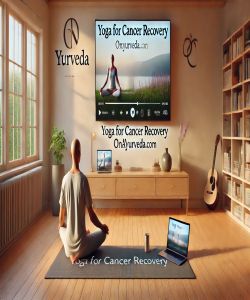
1. Overview of Yoga for Cancer Recovery
Yoga for Cancer Recovery constitutes a highly specialised, evidence-informed discipline designed to support individuals navigating the profound physiological and psychological challenges inherent in cancer diagnosis, treatment, and survivorship. It is not a curative modality but a rigorously structured complementary therapy that operates in synergy with conventional oncology care. The practice is meticulously adapted to address the unique and often debilitating side effects of surgery, chemotherapy, radiation, and hormonal therapies, including persistent fatigue, lymphoedema, peripheral neuropathy, compromised immune function, and diminished musculoskeletal integrity. Beyond the physical sphere, this yogic protocol directly confronts the significant emotional and mental burdens of a cancer journey, such as anxiety, depression, and a loss of bodily autonomy. It mandates a therapeutic environment wherein participants can safely re-engage with their bodies, fostering a renewed sense of control and resilience. The core of this discipline is the strategic integration of modified physical postures (asanas), controlled breathing techniques (pranayama), and meditative practices, all of which are selected and sequenced to promote homeostatic balance, reduce allostatic load, and enhance overall quality of life. This is not general-purpose yoga; it is a clinical application demanding profound anatomical knowledge, oncological awareness, and an unwavering commitment to participant safety. The ultimate objective is to empower individuals, providing them with a robust toolkit of self-regulation strategies that facilitate a more managed and dignified recovery process, thereby transforming the survivorship trajectory from one of mere existence to one of intentional, reclaimed wellbeing. The framework is built upon principles of compassionate self-awareness, somatic re-education, and the methodical restoration of function, ensuring that each practice is both therapeutic and profoundly empowering for those it serves.
2. What are Yoga for Cancer Recovery?
Yoga for Cancer Recovery represents a formalised system of adaptive yoga methodologies specifically engineered to mitigate the adverse effects associated with cancer and its rigorous treatment regimens. This discipline fundamentally diverges from standard yoga classes by prioritising therapeutic outcomes over athletic or aesthetic achievement. It is a complementary intervention, designed to be integrated alongside, and never in place of, primary oncological care. The practice is characterised by its cautious and evidence-based approach, employing gentle movements, restorative postures, and mindful breathing to address specific cancer-related symptoms.
Its core components are:
- Modified Asanas (Postures): Physical postures are carefully selected and adapted to accommodate surgical sites, medical devices such as ports, compromised bone density, and limited ranges of motion. The focus is on safe, gentle stretching, improving circulation, and restoring strength without inducing strain or fatigue.
- Targeted Pranayama (Breathing Techniques): Breathing exercises are central to the practice. They are employed to regulate the autonomic nervous system, thereby reducing stress and anxiety, improving sleep quality, and enhancing vital lung capacity, which can be diminished by certain treatments.
- Mindfulness and Meditation: These practices are integral for managing the psychological sequelae of a cancer diagnosis. They equip individuals with tools to navigate fear, uncertainty, and emotional distress, fostering mental clarity and a greater sense of inner calm and control.
- Somatic Awareness: A primary goal is to help individuals reconnect with their bodies in a positive and non-judgemental manner. This process of somatic re-education is crucial for rebuilding trust in a body that may feel alienated by disease and aggressive medical intervention.
In essence, Yoga for Cancer Recovery is a clinical application of yogic science. It is a bespoke programme, tailored to the individual's specific diagnosis, treatment phase, and physical capabilities, delivered by highly trained instructors with a deep understanding of oncology.
3. Who Needs Yoga for Cancer Recovery?
- Newly Diagnosed Individuals: Those recently diagnosed with cancer who require immediate tools to manage the initial shock, anxiety, and psychological distress whilst preparing for the rigours of forthcoming treatments. This provides a foundational support system from the outset.
- Patients Undergoing Active Treatment: Individuals actively receiving chemotherapy, radiation, immunotherapy, or hormonal therapy. The practice is specifically adapted to mitigate common and severe side effects such as nausea, extreme fatigue, peripheral neuropathy, and 'chemo brain'.
- Post-Surgical Patients: Individuals recovering from oncological surgeries, including mastectomy, lumpectomy, or reconstructive procedures. The protocol focuses on gently restoring range of motion, managing scar tissue, and addressing postural imbalances without compromising healing.
- Individuals with Lymphoedema Risk or Diagnosis: Patients who have undergone lymph node removal or radiation require specialised movements designed to stimulate the lymphatic system safely, reducing the risk or managing the symptoms of lymphoedema.
- Cancer Survivors in Post-Treatment Phase: Individuals who have completed active treatment but continue to experience long-term or late-onset side effects. This includes persistent fatigue, joint stiffness, anxiety about recurrence, and challenges with body image.
- Patients with Advanced or Metastatic Cancer: Those living with cancer as a chronic condition. Yoga provides a crucial palliative tool to enhance quality of life, manage chronic pain, improve sleep, and maintain a degree of physical function and mental fortitude.
- Caregivers and Family Members: Whilst the focus is on the patient, caregivers who are experiencing profound stress, anxiety, and burnout can also benefit significantly from the stress-reduction and resilience-building techniques taught within this framework.
- Individuals Seeking to Reclaim Bodily Autonomy: Patients who feel a profound sense of disconnection from or betrayal by their bodies. The practice offers a safe and structured pathway to rebuild a positive and trusting relationship with their physical self.
4. Origins and Evolution of Yoga for Cancer Recovery
The genesis of Yoga for Cancer Recovery is not rooted in a single revelatory moment but is the product of a gradual, considered evolution from ancient yogic philosophy to a modern, evidence-based therapeutic modality. The foundational principles of yoga, originating in India millennia ago, have always emphasised the integration of mind, body, and spirit to achieve a state of balance and wellbeing. However, the direct and specialised application of these principles within an oncological context is a relatively recent development, emerging primarily in the late twentieth century.
This evolution was catalysed by a paradigm shift in Western medicine towards a more holistic, patient-centred model of care. As survival rates for many cancers improved, the focus of oncology expanded beyond mere disease eradication to encompass the comprehensive quality of life of the survivor. This created a fertile ground for complementary therapies that could address the profound and often unmanaged side effects of aggressive cancer treatments. Early pioneers, often yoga teachers with personal or familial experience of cancer, began to cautiously adapt traditional yoga practices for this vulnerable population. They recognised that a standard yoga class was not only inappropriate but potentially harmful for individuals with compromised immune systems, surgical wounds, and extreme fatigue.
The initial phase involved empirical adaptation: modifying postures to avoid pressure on ports and tumours, introducing props for support, and emphasising restorative and gentle sequences. As the practice gained anecdotal support, it attracted the attention of the medical and research communities. This marked the second, more rigorous phase of its evolution. Clinical trials and formal studies began to investigate the quantifiable benefits of yoga for cancer patients, examining its impact on specific biomarkers, fatigue levels, sleep quality, and psychological distress. This body of research provided the empirical validation necessary for the discipline to gain credibility and acceptance within mainstream oncology centres and hospitals. The evolution continues today, with increasing specialisation, the development of formalised training curricula for instructors, and a deeper integration into standard cancer survivorship care plans, solidifying its status as a serious, therapeutic discipline.
5. Types of Yoga for Cancer Recovery
The discipline of Yoga for Cancer Recovery is not monolithic; it comprises several specialised styles, each meticulously adapted to meet the distinct needs of individuals at different stages of their cancer journey. The selection of a specific type is a clinical decision, contingent upon diagnosis, treatment protocol, physical limitations, and energy levels.
- Restorative Yoga: This is the most gentle form, prioritising profound rest and nervous system regulation. It involves holding passive, fully supported postures for extended periods, using a significant number of props such as bolsters, blankets, and blocks. The objective is not to stretch or strengthen but to create the conditions for deep relaxation, reduce stress hormone levels, and combat severe fatigue. It is exceptionally well-suited for individuals in active treatment or with very limited energy reserves.
- Gentle Hatha Yoga: This type involves slow, deliberate movements synchronised with the breath. Postures are modified to ensure safety and stability, avoiding any deep twists, strong backbends, or inversions. The focus is on gradually improving flexibility, enhancing circulation, and gently rebuilding an awareness of the body. It serves as an ideal bridge from the purely restorative phase to more active practice.
- Adaptive Vinyasa Yoga: A more dynamic form, this is reserved for individuals who are further along in their recovery and have regained a foundational level of strength and stamina. The 'flow' between postures is slow and exceptionally mindful. All movements are carefully curated to be safe for those with, for example, bone metastases or lymphoedema risk. It aims to build strength, improve cardiovascular health, and enhance confidence in movement.
- Chair Yoga: This modality makes the practice accessible to individuals who cannot stand for long periods or get down to the floor. All postures, breathing exercises, and meditations are performed whilst seated on a chair or using a chair for support. It is an invaluable tool for maintaining joint mobility, circulation, and muscle tone, particularly for older adults or those with significant balance issues or weakness.
6. Benefits of Yoga for Cancer Recovery
- Systematic Reduction of Cancer-Related Fatigue: Directly counteracts the profound and persistent fatigue that is a hallmark side effect of nearly all cancer treatments, improving energy levels and daily functioning through gentle movement and restorative practices.
- Enhanced Management of Anxiety and Depression: Provides robust, evidence-based techniques for regulating the autonomic nervous system. The integration of mindful breathing and meditation demonstrably lowers levels of psychological distress, fear of recurrence, and depressive symptoms.
- Improved Sleep Quality and Duration: Addresses treatment-related insomnia and disturbed sleep patterns. Restorative postures and calming pranayama practices help to reset the body's natural sleep-wake cycles, leading to more restful and rejuvenating sleep.
- Restoration of Physical Function and Mobility: Safely and effectively improves range of motion, flexibility, and balance, which are often compromised by surgery, radiation, and inactivity. This is critical for regaining independence and performing daily activities.
- Strengthening of Musculoskeletal Integrity: Employs modified, weight-bearing postures to help mitigate the loss of bone density (osteopenia/osteoporosis) and muscle mass (sarcopenia) that can result from certain cancer therapies, particularly hormonal treatments.
- Effective Pain and Symptom Management: Offers non-pharmacological strategies for managing chronic pain, peripheral neuropathy, and joint stiffness. The practice increases body awareness, allowing individuals to work with, rather than against, physical discomfort.
- Stimulation of the Lymphatic System: Incorporates specific, gentle movements designed to promote lymphatic drainage, which is crucial for reducing the risk and managing the symptoms of lymphoedema, a common consequence of lymph node removal.
- Re-establishment of Bodily Autonomy and Trust: Empowers individuals to reconnect with their bodies in a safe and positive context, rebuilding the sense of control and trust that is often shattered by a cancer diagnosis and its invasive treatments. This fosters a more positive body image.
- Augmented Overall Quality of Life: The cumulative effect of these physical and psychosocial benefits is a significant and measurable improvement in the individual's overall quality of life during and after cancer treatment.
7. Core Principles and Practices of Yoga for Cancer Recovery
- Primum Non Nocere (First, Do No Harm): This is the absolute, guiding principle. Every posture, breathwork technique, and instruction is filtered through a rigorous safety lens, considering contraindications related to surgical sites, medical devices, bone density, lymphoedema risk, and immune suppression. The practice must prevent injury and avoid exacerbating existing conditions.
- Bespoke Adaptation and Modification: There is no one-size-fits-all protocol. The practice must be tailored to the individual's unique cancer type, treatment history, current physical capacity, and energy level. This necessitates the extensive use of props (bolsters, blocks, blankets, chairs) to support the body and modify postures to make them accessible and therapeutic.
- Emphasis on Interoception and Somatic Awareness: The practice actively cultivates interoception—the ability to sense the internal state of the body. Participants are guided to listen to their body's signals, honouring messages of fatigue or discomfort. This re-establishes a safe and trusting relationship with a body that may feel alien or untrustworthy post-diagnosis.
- Breath as the Primary Tool: Pranayama (conscious breathing) is central, not ancillary. It is used as a powerful tool to down-regulate the sympathetic nervous system (the 'fight or flight' response) and activate the parasympathetic nervous system (the 'rest and digest' response). This directly combats anxiety, improves sleep, and manages pain.
- Focus on Function, Not Form: The aesthetic achievement of a posture is irrelevant. The sole focus is on the therapeutic function of the practice—whether that is to release tension, improve circulation, gently stretch a specific area, or calm the mind. The internal experience is privileged over the external appearance.
- Integration of Rest and Restoration: The protocol mandates the inclusion of restorative postures and periods of deep rest. It recognises that for this population, rest is not passive but an active and vital component of healing. This directly addresses the pervasive cancer-related fatigue.
- Empowerment and Self-Regulation: The ultimate goal is to equip individuals with a toolkit of self-care practices they can use independently. The practice empowers them to take an active role in managing their symptoms and wellbeing, fostering a sense of agency and control in a situation that often feels disempowering.
8. Online Yoga for Cancer Recovery
- Unparalleled Accessibility and Convenience: The online format removes significant logistical barriers to participation. Individuals who are immunocompromised, experiencing profound fatigue, or lack transport can access high-quality, specialised instruction from the safety and comfort of their own homes, eliminating the physical and emotional strain of travel.
- Access to Specialised Expertise: Geographic location ceases to be a limiting factor. An online platform grants individuals in remote or underserved areas access to highly qualified Yoga for Cancer Recovery instructors who possess the necessary oncological knowledge—expertise that is unlikely to be available in their local community.
- Enhanced Privacy and Psychological Safety: For many, the prospect of practising in a group setting whilst navigating the physical and emotional changes of cancer treatment is daunting. The privacy of an online session allows individuals to engage fully without fear of judgement or comparison, fostering a greater sense of psychological safety.
- Personalised Environment and Control: Participants can control their own environment—adjusting lighting, temperature, and sound to their personal preference. They can use their own props and have immediate access to their own facilities, creating a bespoke setting that maximises comfort and minimises stress.
- Consistency and Routine Maintenance: Active treatment schedules are often gruelling and unpredictable. The flexibility of online sessions, including access to recorded classes, allows for greater consistency in practice. An individual can participate when they feel able, thereby maintaining a beneficial routine even during challenging treatment cycles.
- Cost and Energy Efficiency: Online participation eliminates costs and energy expenditure associated with commuting, parking, and preparing for an external class. This preserves precious financial and physical resources, which can be redirected towards other aspects of recovery and wellbeing.
- Safe Practice for the Immunocompromised: For individuals with neutropenia or who are otherwise severely immunocompromised, attending an in-person group class presents a significant risk of infection. The online modality provides a sterile, risk-free environment, ensuring that the practice supports health without introducing new threats.
9. Yoga for Cancer Recovery Techniques
- Step 1: Centring and Breath Awareness: The session commences in a comfortable, supported seated or reclined position. The initial instruction is to bring awareness inward, away from external distractions. The participant is guided to observe the natural rhythm of their breath without attempting to change it, establishing a baseline of somatic presence and mental quietude.
- Step 2: Gentle Diaphragmatic Breathing (Pranayama): The focus shifts to conscious breath control. The practitioner is instructed to engage in deep, diaphragmatic breathing. This involves inhaling slowly through the nose to expand the belly, and exhaling fully to draw the navel back towards the spine. This technique is fundamental for activating the parasympathetic nervous system and reducing stress.
- Step 3: Mindful Warm-up Movements: A series of slow, deliberate movements are introduced to gently warm the joints and muscles. This may include gentle neck rolls (avoiding full circles), shoulder shrugs and circles, and wrist and ankle rotations. All movements are synchronised with the breath and performed well within a comfortable range of motion.
- Step 4: Adapted Asanas (Postures) with Prop Support: A sequence of modified yoga postures is undertaken. For example, a Cat-Cow stretch may be performed seated in a chair. A supported Bridge Pose will use a bolster under the sacrum to alleviate strain. A gentle twist will be open, not compressed, to protect surgical sites. Each posture is entered and exited with extreme mindfulness and held for only a few breaths initially.
- Step 5: Restorative Posture Integration: A key restorative pose, such as Supported Child's Pose or Legs-Up-The-Wall (Viparita Karani) with bent knees, is integrated into the sequence. The body is completely supported by props (bolsters, blankets) and the posture is held for several minutes to facilitate deep rest, reduce fatigue, and calm the nervous system.
- Step 6: Savasana (Corpse Pose) with Full Support: The practice concludes with Savasana. The participant lies on their back, but with bolsters under the knees to support the lower back and a blanket for warmth. This is not simply lying down; it is a conscious, guided relaxation technique designed to help integrate the benefits of the practice on a deep physiological and neurological level.
10. Yoga for Cancer Recovery for Adults
The application of Yoga for Cancer Recovery for adults is a sophisticated, non-negotiably cautious therapeutic intervention that must be executed with clinical precision. It operates on the foundational understanding that the adult body, when subjected to oncological treatment, becomes a uniquely fragile and complex system. The practice, therefore, is not about achieving flexibility or strength in the conventional sense; it is about the methodical re-establishment of function, the management of debilitating symptoms, and the restoration of psychological equilibrium. Every component of the practice is deliberately curated to address the adult-specific sequelae of cancer, such as hormonally induced joint pain from aromatase inhibitors, the risk of fracture from bone metastases or treatment-induced osteoporosis, and the profound existential anxiety that accompanies a mature understanding of mortality. Postures are deconstructed and rebuilt using props to ensure that compromised joints are never loaded and surgical sites are never strained. Breathing techniques are taught not as esoteric exercises but as pragmatic, neuro-scientifically validated tools for down-regulating a chronically hyper-aroused nervous system. For the adult participant, this yogic framework provides a structured, empowering pathway to reclaim a sense of agency over a body that has been medicalised and traumatised. It offers a dignified and respectful space to process the physical and emotional scars of treatment, fostering a resilience that is essential for navigating the long and often arduous road of survivorship. The practice is a serious, solemn commitment to enhancing quality of life, demanding maturity and self-awareness from the participant and profound expertise from the instructor.
11. Total Duration of Online Yoga for Cancer Recovery
The standard, professionally mandated duration for a single, live online Yoga for Cancer Recovery session is precisely 1 hr. This timeframe is not arbitrary; it is a clinically determined structure designed to maximise therapeutic benefit whilst meticulously preventing the onset of fatigue, a primary and debilitating symptom for this specific population. A session shorter than this duration would be insufficient to move a participant from a state of heightened sympathetic nervous system activity into the necessary parasympathetic state of 'rest and digest' where healing and restoration occur. It would not allow adequate time to properly sequence the essential components: initial centring and breathwork, gentle warm-ups, a core segment of mindfully adapted postures, a crucial restorative pose, and the final integrative relaxation of Savasana. Conversely, extending the session beyond the 1 hr mark poses a significant and unacceptable risk of over-taxing an already compromised system. It can deplete precious energy reserves, leading to post-exertional malaise and potentially setting back the individual's recovery. The 1 hr duration provides the optimal therapeutic window, ensuring the session is substantial enough to be effective in reducing stress, alleviating stiffness, and improving mood, yet concise enough to be energising rather than enervating. This specific duration respects the profound physiological limitations imposed by cancer and its treatments, making it the industry standard for safe and responsible practice. It is a container built on the principle of delivering the minimum effective dose for the maximum therapeutic outcome, prioritising participant safety and sustainable wellbeing above all else.
12. Things to Consider with Yoga for Cancer Recovery
Engaging with Yoga for Cancer Recovery demands a level of serious consideration far beyond that required for a general fitness programme. It is imperative to recognise this practice as a complementary therapeutic modality, not a replacement for or an alternative to conventional oncological care. Full and transparent communication with one's medical team—including oncologists, surgeons, and physiotherapists—is non-negotiable before commencing any practice. Medical clearance is not a mere formality but a critical safety checkpoint. One must rigorously assess the qualifications of the instructor, ensuring they possess certified, specialised training in oncology yoga, not just a standard yoga teacher certification. A deep understanding of cancer biology, treatment side effects, and contraindications is a mandatory prerequisite for any instructor in this field. Participants must be prepared to relinquish ego and ambition, as the core of this practice is self-compassion and listening to the body's signals. Progress is not measured by deeper stretches or more complex poses but by improved sleep, reduced anxiety, and a greater sense of wellbeing. It is also vital to consider the specific stage of the cancer journey. The needs of someone in active chemotherapy are profoundly different from those of a long-term survivor. The practice must be adapted accordingly, requiring constant self-assessment and honest communication with the instructor. Finally, one must approach this practice with realistic expectations. It is a powerful tool for symptom management and quality-of-life enhancement, but it is not a cure. Its value lies in its ability to support, sustain, and empower the individual through an exceptionally challenging experience.
13. Effectiveness of Yoga for Cancer Recovery
The effectiveness of Yoga for Cancer Recovery is firmly established through a substantial and growing body of rigorous scientific evidence, elevating it far beyond the realm of anecdotal wellness. Clinical research, published in peer-reviewed oncology and medical journals, has consistently demonstrated its quantifiable efficacy in mitigating a wide spectrum of treatment-related side effects. Its most pronounced and well-documented impact is on the reduction of cancer-related fatigue, a pervasive and debilitating symptom that often proves resistant to pharmacological intervention. Studies consistently show statistically significant improvements in energy levels and reductions in feelings of exhaustion among participants. Furthermore, the discipline has proven highly effective in managing the psychological sequelae of cancer. Randomised controlled trials have confirmed its ability to significantly decrease anxiety, depression, and mood disturbances, whilst simultaneously improving metrics of overall emotional wellbeing. The physiological benefits are equally well-supported; evidence points to improved sleep quality, reduced pain perception, enhanced physical functioning, and better management of joint stiffness. Importantly, its effectiveness extends to biomarkers, with research indicating positive modulations in inflammatory markers and cortisol levels, suggesting a direct impact on the body's stress response systems. The consensus within the integrative oncology community is that, when delivered by a qualified professional and appropriately adapted to the individual, Yoga for Cancer Recovery is a potent, evidence-based, non-pharmacological intervention that materially enhances the quality of life and resilience of individuals navigating the cancer continuum. Its effectiveness is not a matter of belief but a matter of established clinical fact.
14. Preferred Cautions During Yoga for Cancer Recovery
The practice of Yoga for Cancer Recovery is governed by a stringent set of non-negotiable cautions, and adherence is mandatory to ensure participant safety and prevent harm. A primary and absolute caution relates to any movement that could compromise the integrity of surgical sites or the placement of medical devices such as chemotherapy ports or peripherally inserted central catheters. Direct pressure, deep twisting, or over-stretching near these areas is strictly forbidden. Extreme caution must be exercised regarding bone health; individuals with bone metastases, or those with treatment-induced osteoporosis or osteopenia, must avoid any forward folds that place flexion pressure on the spine, as well as strong twists or any posture that carries a risk of falling. All movements must be slow, controlled, and supported. For individuals at risk of or diagnosed with lymphoedema, prolonged static holds that constrict the affected limb, or repetitive movements that could over-tax the lymphatic system, must be avoided. No blood pressure cuffs or tight clothing should be worn on the at-risk arm. Furthermore, individuals with a compromised immune system (neutropenia) must practise in a meticulously clean environment, and any group practice, even online, must be approached with an awareness of personal health status. Inversions, including poses like Downward-Facing Dog, are often contraindicated due to pressure changes and potential risks for those with brain metastases or specific circulatory issues. Above all, the most critical caution is internal: the participant must abandon any 'no pain, no gain' mentality and instead cultivate a profound sensitivity to the body's signals, immediately ceasing any movement that causes sharp pain, dizziness, or undue fatigue.
15. Yoga for Cancer Recovery Course Outline
1: Foundational Principles and Safety Protocols:
Introduction to the therapeutic framework of Yoga for Cancer Recovery.
Establishing the paramount importance of medical clearance and communication with one’s oncology team.
Core safety guidelines: understanding contraindications related to surgery, ports, bone integrity, and lymphoedema.
Instruction on the correct use of props (bolsters, blocks, blankets, chairs) for support and modification.
2: The Primacy of Breath (Pranayama):
Anatomy and physiology of respiration.
Techniques for diaphragmatic breathing to activate the parasympathetic nervous system.
Application of specific, gentle breathing exercises to manage anxiety, improve sleep, and reduce pain perception.
Breath synchronisation with movement (ujjayi breath is often contraindicated).
3: Gentle Mobilisation and Somatic Awareness:
Mindful, seated, and supine warm-up sequences for major joints.
Practices to cultivate interoception: learning to listen to and honour the body’s signals.
Introduction to gentle, modified asanas with a focus on restoring range of motion without strain.
4: Addressing Key Symptoms—Fatigue and a Compromised Nervous System:
The science of cancer-related fatigue and the role of restorative yoga.
Sequence of fully supported, restorative postures designed to promote deep rest and cellular repair.
Practices for nervous system regulation to combat 'chemo brain' and heightened stress states.
5: Managing Physical Side Effects—Stiffness, Scar Tissue, and Lymphatics:
Targeted, safe stretches for areas commonly affected by radiation and surgery (e.g., chest, shoulders).
Gentle movements to encourage healthy scar tissue formation and mobility.
Specialised sequences to safely stimulate lymphatic flow for individuals with or at risk for lymphoedema.
6: Rebuilding Strength and Confidence:
Introduction to safe, modified strengthening postures, often using a chair or wall for support.
Focus on rebuilding core stability and addressing postural imbalances.
Balance exercises to improve proprioception and reduce fall risk.
7: Integration and Self-Practice:
Combining techniques into a cohesive personal practice.
Developing a short, daily routine for ongoing self-care and symptom management.
Guided meditation and visualisation techniques for managing fear of recurrence and fostering resilience.
16. Detailed Objectives with Timeline of Yoga for Cancer Recovery
- Weeks 1-2: Foundational Safety and Nervous System Regulation:
- Objective: To establish a safe practice framework and initiate nervous system down-regulation.
- Actions: The participant will demonstrate correct use of props for support in all postures. They will master diaphragmatic breathing and be able to identify its calming effect. The focus is exclusively on safety, breath awareness, and gentle, seated movements. Success is measured by the ability to practise without pain or strain and a reported decrease in acute anxiety.
- Weeks 3-4: Cultivating Somatic Awareness and Gentle Mobility:
- Objective: To rebuild the mind-body connection and introduce gentle, full-body mobilisation.
- Actions: The participant will be guided through slow, mindful movements synchronised with breath, focusing on joint mobility. They will learn to identify and respect their body's limits. The objective is met when the participant can articulate sensations in their body and self-modify postures to avoid discomfort.
- Weeks 5-8: Targeted Symptom Management—Fatigue and Stiffness:
- Objective: To directly address cancer-related fatigue and treatment-induced stiffness.
- Actions: The participant will engage in structured restorative yoga sequences. They will learn specific, safe stretches for common areas of restriction (e.g., pectoral muscles post-mastectomy). Success is defined by subjective reports of improved energy levels and a measurable increase in range of motion in targeted joints.
- Weeks 9-12: Introduction to Gentle Strengthening and Balance:
- Objective: To safely begin rebuilding muscle tone and proprioceptive awareness.
- Actions: The participant will be introduced to modified, chair-based, or wall-supported strengthening poses (e.g., chair pose, wall plank). They will practise simple balance exercises. The objective is achieved when the participant reports a feeling of increased stability and can perform basic balance poses without significant instability.
- Ongoing (Post-12 Weeks): Integration and Empowerment for Long-Term Survivorship:
- Objective: To integrate the learned techniques into a sustainable self-care routine for long-term wellbeing.
- Actions: The participant will work with the instructor to design a short, personalised daily practice. They will deepen their meditation and mindfulness skills to manage long-term challenges like fear of recurrence. Success is demonstrated by the participant's confidence and ability to independently use these yogic tools to manage their physical and emotional health.
17. Requirements for Taking Online Yoga for Cancer Recovery
- Absolute Medical Clearance: Unconditional, explicit permission from the primary oncologist or treating medical team is the foremost requirement. This is not optional. The participant must confirm that their medical provider has approved their engagement in this specific, modified form of physical activity.
- Stable and Reliable Internet Connection: A high-speed internet connection is mandatory to ensure a clear, uninterrupted audio and video stream. A lagging or frequently disconnecting feed compromises safety, as the instructor cannot accurately observe the participant or provide timely guidance.
- Appropriate Technology and Setup: The participant must possess a device (laptop, tablet, or computer) with a functioning webcam and microphone. The camera must be positioned so the instructor has a full, clear view of the participant's entire body on their yoga mat.
- A Safe, Private, and Uncluttered Practice Space: A dedicated area large enough for a yoga mat with ample room to move the arms and legs freely is required. The space must be free of hazards and distractions to allow for full concentration and prevent injury.
- Possession of Essential Yoga Props: This is a non-negotiable requirement for safety and efficacy. The participant must have, at a minimum: a non-slip yoga mat, two yoga blocks, one firm bolster (or several firm pillows/cushions), and at least two blankets. A sturdy, armless chair is also highly recommended.
- Commitment to Transparent Communication: The participant must be willing and able to communicate openly and honestly with the instructor before and during the session. This includes disclosing any new symptoms, pain, fatigue levels, or concerns so that the practice can be modified appropriately in real-time.
- Capacity for Self-Responsibility: The online format necessitates a higher degree of personal responsibility. The participant must possess the maturity to listen to their own body, honour its limits, and not push into pain or exhaustion, even without the physical presence of an instructor.
18. Things to Keep in Mind Before Starting Online Yoga for Cancer Recovery
Before embarking on an online Yoga for Cancer Recovery programme, it is imperative to adopt a mindset of rigorous diligence and self-advocacy. This is not a casual fitness class; it is a therapeutic intervention undertaken in a remote setting, which places a greater onus of responsibility on the participant. You must first ensure that your chosen instructor is not merely a certified yoga teacher, but holds a specific, advanced qualification in Yoga for Cancer Recovery. Scrutinise their credentials and experience with an unwavering eye. Your technological setup is a critical component of your safety; test your camera angles, lighting, and internet stability beforehand to guarantee your instructor can see you clearly and provide essential corrections. The sanctity of your practice space is paramount. It must be a private, secure, and quiet sanctuary, free from the interruptions of family, pets, or work, as your full concentration is required to process instruction and listen to your body's feedback. You must be brutally honest with yourself and your instructor about your daily energy levels and physical sensations. The remote format means the instructor cannot read subtle non-verbal cues as easily; therefore, your verbal communication must be explicit and immediate if any discomfort, pain, or dizziness arises. Finally, you must mentally prepare to relinquish all preconceived notions of what yoga 'should' look like. This practice is about internal sensation and therapeutic benefit, not external form. Your commitment must be to compassionate self-care, not to performance.
19. Qualifications Required to Perform Yoga for Cancer Recovery
Delivering Yoga for Cancer Recovery is a profound responsibility that demands qualifications far exceeding those of a standard yoga instructor. The baseline requirement is an initial, foundational yoga teacher training certification (typically 200 hours or more), but this is merely the entry point and is, on its own, wholly insufficient. The critical, non-negotiable qualification is the successful completion of an advanced, specialised certification programme in Yoga for Cancer Recovery or Yoga for Oncology. These rigorous programmes must provide comprehensive, in-depth education on the following core subjects:
- Oncology and Cancer Biology: A detailed understanding of the pathophysiology of different cancers, the mechanisms of metastasis, and the common sites of disease.
- Cancer Treatment Modalities: In-depth knowledge of surgery, chemotherapy, radiation therapy, immunotherapy, and hormone therapy, including their specific and cumulative side effects. This includes understanding medical devices like ports and catheters.
- Lymphedema and Contraindications: Specialised, certified training in lymphedema awareness, risk-reduction protocols, and the absolute contraindications for at-risk individuals.
- Anatomy and Physiology for Special Populations: An advanced understanding of anatomy, specifically as it relates to a compromised body, including bone fragility (osteoporosis), joint instability, and scar tissue.
- Adaptive and Restorative Yoga: Mastery of posture modification using props, chair yoga techniques, and the principles and application of restorative yoga to manage profound fatigue and regulate the nervous system.
- Trauma-Informed Practice: Training in trauma-sensitive language and teaching methodologies is essential, recognising that a cancer diagnosis and its treatment are often deeply traumatic experiences.
Furthermore, a qualified professional will typically have significant, documented teaching experience with cancer patients and will be committed to ongoing professional development and staying abreast of current oncology research. They must operate within a strict ethical framework, always prioritising client safety and working in a manner that is complementary to the client’s medical care.
20. Online Vs Offline/Onsite Yoga for Cancer Recovery
Online
The online delivery of Yoga for Cancer Recovery offers distinct and compelling advantages, primarily centred on accessibility and safety. It eliminates all geographical and transportation barriers, granting individuals access to highly specialised instructors regardless of their location. This is particularly crucial for those in rural areas or with limited mobility. For the immunocompromised, the online format provides a sterile, infection-risk-free environment, which is a paramount concern during active treatment. It affords a level of privacy and comfort that cannot be replicated in a studio, allowing participants to fully engage without self-consciousness about hair loss, surgical scars, or emotional vulnerability. The participant has complete control over their environment, optimising it for personal comfort. However, the online model is not without its limitations. It is critically dependent on technology, and any failure in connectivity can disrupt the session. The primary disadvantage is the lack of hands-on, physical adjustments from the instructor, which can be invaluable for ensuring precise and safe alignment. This places a greater demand on the participant's own body awareness and the instructor's verbal cueing skills.
Offline/Onsite
The traditional, offline model of instruction provides a unique set of benefits. The instructor’s physical presence allows for immediate, tactile feedback and hands-on assists, which can help a participant find a safer or more effective version of a posture. This can be particularly reassuring for individuals who are new to yoga or are feeling anxious about movement. The onsite group setting can foster a powerful sense of community and shared experience among participants, reducing feelings of isolation that are common during a cancer journey. This peer support can be a significant therapeutic component in itself. The primary disadvantages of the offline model are logistical. It requires travel, which can be a significant drain on the limited energy reserves of someone in treatment. It presents a potential infection risk for those with compromised immune systems. Furthermore, access is limited by geography, and finding a qualified, specialised instructor locally can be a formidable challenge. The public nature of a class may also feel intimidating or uncomfortable for some individuals.
21. FAQs About Online Yoga for Cancer Recovery
Question 1. Is online yoga safe for me during chemotherapy? Answer: Yes, provided you have explicit clearance from your oncologist and are working with a certified Yoga for Cancer Recovery instructor who can provide appropriate modifications.
Question 2. What technology do I need? Answer: You require a stable internet connection and a device with a functioning webcam and microphone, such as a laptop or tablet.
Question 3. What if I do not have yoga props? Answer: Props are mandatory for safety. You must acquire a mat, blocks, a bolster, and blankets. Household items are often insufficient substitutes.
Question 4. How can the instructor correct me if they are not in the room? Answer: Instructors use precise verbal cues and visual demonstration. A clear camera view of your entire body is essential for them to provide real-time feedback.
Question 5. What if I feel too tired for the class? Answer: You must communicate this to your instructor. The practice will be adapted to be entirely restorative, or you may be advised to simply rest and listen.
Question 6. Are the classes live or recorded? Answer: Most programmes offer live, interactive classes for safety. Some may also provide recordings of those live sessions for later viewing.
Question 7. Do I need prior yoga experience? Answer: No. Yoga for Cancer Recovery is designed for complete beginners and is adapted to your specific condition.
Question 8. How is this different from a regular online yoga class? Answer: It is completely different. It is slower, gentler, and clinically focused on safety and symptom management for cancer, with all poses modified.
Question 9. What should I wear? Answer: Wear loose, comfortable clothing that does not restrict movement or constrict any part of the body, especially near ports or lymph node sites.
Question 10. Can I participate if I have lymphoedema? Answer: Yes, but only with a certified instructor who has specific training in lymphedema protocols and contraindications.
Question 11. What if I have balance issues? Answer: A sturdy, armless chair will be used for much of the practice to ensure your complete safety and stability.
Question 12. Will the class be physically demanding? Answer: No. The primary goal is to reduce fatigue and stress, not to induce physical strain. It is energising, not depleting.
Question 13. How long is a typical online session? Answer: The standard, safe duration is one hour to ensure therapeutic benefit without causing exhaustion.
Question 14. Is my privacy protected online? Answer: Reputable providers use secure platforms and have strict privacy policies to protect all participant information.
Question 15. Can this practice interfere with my treatment? Answer: When done correctly with medical clearance, it supports treatment by managing side effects. It does not interfere.
Question 16. What is the most important rule? Answer: Listen to your body. Never push into pain. Your internal wisdom is your primary guide.
22. Conclusion About Yoga for Cancer Recovery
In conclusion, Yoga for Cancer Recovery stands as a formidable and essential discipline within the landscape of modern integrative oncology. It is a robust, evidence-based modality that moves far beyond the generalised perceptions of yoga, asserting itself as a clinical application with specific, measurable therapeutic objectives. Its rigorous framework, built upon the non-negotiable principles of safety, adaptation, and somatic intelligence, provides a powerful antidote to the debilitating physical and psychological sequelae of a cancer diagnosis and its treatment. The practice is not a panacea, nor does it purport to be a cure; its value lies in its proven ability to systematically manage symptoms, regulate the nervous system, restore functional movement, and, most critically, return a profound sense of agency and control to the individual. It equips patients and survivors with a tangible toolkit for self-regulation, empowering them to take an active and dignified role in their own healing and recovery process. Whether delivered in an online or onsite format, the core mandate remains the same: to support the whole person with compassion and clinical precision. The integration of this specialised practice into a comprehensive cancer care plan is not a luxury but a logical and necessary step toward fostering a more resilient, manageable, and qualitatively enhanced survivorship journey. It is a testament to the power of integrating ancient wisdom with modern scientific validation to profoundly serve those facing one of life's most demanding challenges.