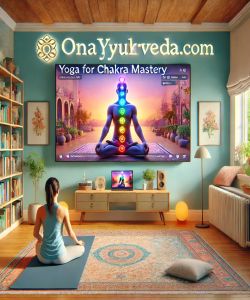
1. Overview of Yoga for Chakra Mastery
Yoga for Chakra Mastery constitutes a rigorous, disciplined approach aimed at harmonising the body's vital energy centres. This practice transcends mere physical exertion, delving into intricate methodologies designed to influence the subtle energy system theorised within yogic traditions. It is an undertaking demanding profound concentration and unwavering commitment. Mastery involves understanding the theoretical framework underpinning the chakras – their purported locations, attributes, and the specific methods employed to balance their energetic flow. The objective is to cultivate a state of internal equilibrium, addressing perceived blockages or imbalances through precise postures, breath control, meditative techniques, and focused intention. Engaging with this discipline necessitates a serious disposition, a readiness to confront internal resistances, and a dedication to systematic application of established protocols. It is not a casual pursuit but a formidable path requiring persistent effort and intellectual engagement with its foundational principles. Successful engagement necessitates a thorough grasp of the interplay between physical form, breath dynamics, and mental discipline, all directed towards achieving energetic coherence within the subtle anatomy. This formidable task demands a practitioner's full mental and physical resources.
2. What are Yoga for Chakra Mastery?
Yoga for Chakra Mastery comprises a distinct subset of yogic discipline specifically focused on the manipulation and harmonisation of the body's subtle energy centres, known as chakras. These are understood not as physical organs but as nodal points within a complex energetic matrix, governing specific psycho-spiritual functions. The practice integrates established yogic methodologies, including Asana (physical postures), Pranayama (breath control techniques), Mudra (hand gestures or body locks), Bandha (energetic locks), Mantra (sacred sound recitation), and Dhyana (meditation), all strategically applied. Each technique is selected and executed with the explicit intention of influencing the energetic state of particular chakras. The aim is to clear perceived energetic blockages, restore balance, and promote optimal energy flow throughout the system. This rigorous methodology requires a deep understanding of both the conventional yogic practices and the theoretical framework of the chakra system, demanding precise application rather than casual engagement. Mastery implies not just execution of techniques but a cultivated awareness of their effect on one's internal energetic landscape, fostering a state of internal coherence and vitality essential for higher yogic pursuits.
3. Who Needs Yoga for Chakra Mastery?
Individuals seeking to address perceived energetic imbalances or blockages impacting their physical, mental, or emotional well-being.
Those committed to exploring advanced yogic practices and the theoretical underpinnings of the subtle energy system.
Practitioners aiming to deepen their meditative states and cultivate heightened internal awareness.
Individuals requiring a structured approach to integrating physical discipline, breath control, and focused intention.
Those facing persistent challenges related to specific emotional states or behavioural patterns believed to correspond with particular chakra functions.
Practitioners aspiring to develop greater control over their internal energetic states and responses to external stimuli.
Individuals who recognise the necessity of rigorous, disciplined training for achieving profound personal development.
Those who have encountered limitations with purely physical or psychological approaches and seek a comprehensive energetic perspective.
Practitioners requiring a systematic method for aligning psycho-spiritual dimensions through specific energetic work.
Individuals committed to a long-term, dedicated path of self-exploration and internal harmonisation.
Those who acknowledge the imperative of addressing subtle energetic dynamics for holistic integration.
Practitioners seeking to cultivate a sense of internal power and resilience through energetic mastery.
Individuals preparing for or engaged in deeper meditative or contemplative practices that rely on energetic stability.
Those requiring a structured framework for applying yogic principles to perceived energetic disharmonies.
Practitioners who demand a rigorous and systematic approach to personal transformation rooted in ancient wisdom traditions.
4. Origins and Evolution of Yoga for Chakra Mastery
The concepts underlying Yoga for Chakra Mastery are deeply embedded within ancient Indian spiritual and philosophical traditions, predating codified yogic texts as they are commonly known today. The idea of subtle energy channels (nadis) and nodal points (chakras) is found in the Upanishads and Tantric scriptures, formidable texts that laid the groundwork for understanding the non-physical dimensions of human existence. These early texts described a complex energetic anatomy, outlining various chakras and their association with specific physiological and psychological states.
Over centuries, these theoretical frameworks were integrated into evolving yogic practices. While Hatha Yoga focused significantly on purifying the physical body and vital energy (prana), the Tantric path explicitly incorporated chakra meditation, visualisations, and specific practices designed to awaken and move energy through these centres, particularly focusing on Kundalini energy. Texts such as the Sat-Cakra-Nirupana provided detailed descriptions of the six primary chakras along the spinal column, becoming authoritative guides for practitioners.
The evolution saw the adaptation of physical postures (asanas) and breath control (pranayama) initially developed for purification and vitality, repurposing them as tools to influence chakra energy directly. Specific postures were associated with stimulating certain chakras, and breath retention techniques (kumbhaka) were employed to build and direct energy. Mantra and Yantra (geometric diagrams) were also increasingly utilised as powerful adjuncts to focus the mind and amplify energetic effects.
In more recent history, as yogic practices disseminated globally, the focus on chakras became more systematised and integrated into various teaching methodologies. Modern interpretations often blend traditional practices with contemporary understanding of psychology and energy dynamics, though the core principles remain rooted in the ancient imperative of aligning the subtle energetic system for perceived spiritual and holistic well-being. This evolution represents a continuous process of refining and adapting profound ancient wisdom for contemporary application.
5. Types of Yoga for Chakra Mastery
- Kundalini Yoga: A potent and highly structured practice that specifically aims to awaken and move Kundalini energy, theorised to reside dormant at the base of the spine, upwards through the central channel (Sushumna) and through each chakra. It utilises dynamic postures, vigorous breath techniques, mantra, meditation, and specific sequences called Kriyas.
- Tantra Yoga: While a vast and complex tradition, Tantra historically provided the foundational theory and practice for working with chakras and nadis. Certain Tantric paths incorporate specific rituals, visualisations, mantra, and physical practices dedicated to purifying and activating the energetic centres. This is often distinct from modern interpretations of "Tantra".
- Hatha Yoga (Chakra Focused): Traditional Hatha Yoga provides the basis of physical postures and breath control. A chakra-focused approach selects and sequences specific asanas and pranayama techniques believed to stimulate particular chakras. It employs longer holds and heightened awareness directed towards the targeted energy centre during practice.
- Laya Yoga: Often associated with Kundalini Yoga, Laya Yoga emphasises the absorption of the mind in sound (Nada Yoga) or specific energy centres (chakras) to dissolve the sense of individual ego and merge with the divine. It involves deep meditative practices focused on internal energetic states.
- Bija Mantra Chanting: While not a complete 'type' of yoga in isolation, chanting specific Bija (seed) Mantras is a dedicated practice often integrated into chakra work. Each primary chakra has a corresponding Bija Mantra (e.g., LAM for Muladhara, VAM for Svadhisthana) believed to resonate with and activate that specific energy centre.
- Chakra Meditation & Visualisation: A non-physical approach involving focused concentration and visualisation techniques directed towards each chakra. This can be a standalone practice or integrated into physical yoga. It involves bringing awareness to the location, colour, element, and other attributes associated with each chakra.
- Integrated Chakra Flow: Many contemporary yoga styles incorporate sequences designed to flow through postures that progressively address each chakra from root to crown, often combined with corresponding breathwork, sounds, or visualisations throughout the sequence.
6. Benefits of Yoga for Chakra Mastery
Cultivates heightened awareness of the body's subtle energetic system.
Aids in identifying perceived energetic blockages or imbalances.
Promotes systematic harmonisation of internal energy flow.
Supports increased vitality and overall energetic levels.
Facilitates greater emotional equilibrium and stability.
Enhances mental clarity and focus through disciplined practice.
Strengthens the connection between physical, mental, and energetic states.
Develops resilience against external stressors through internal coherence.
Deepens meditative states by stabilising the energetic foundation.
Fosters a stronger sense of grounding and inner security.
Promotes balanced expression of creativity and emotional well-being.
Supports clear communication and authentic self-expression.
Cultivates self-acceptance and personal empowerment.
Facilitates the expansion of compassion and connection.
Supports the development of intuition and inner wisdom.
Aids in achieving perceived states of higher consciousness or spiritual insight.
Encourages integration of subtle energetic awareness into daily life.
Develops discipline and unwavering commitment to internal work.
Provides a structured framework for profound personal transformation.
Supports the dissolution of perceived energetic limitations.
Enhances the capacity for holding and directing vital energy.
Fosters a sense of alignment and integrity across all levels of being.
7. Core Principles and Practices of Yoga for Chakra Mastery
- Understanding the Energetic Body: A fundamental principle is the acceptance of a subtle energetic anatomy alongside the physical form, comprising nadis and chakras as vital components governing life force (prana).
- Chakra Specificity: Recognising each chakra's unique location, colour, element, Bija Mantra, psychological associations, and corresponding physical and energetic functions is paramount for targeted practice.
- Energetic Assessment: Developing the capacity to perceive or assess the state of one's own chakras, whether through physical sensations, emotional states, or intuitive insight, is crucial for directing the practice effectively.
- Targeted Asana: Selecting and performing specific physical postures known or believed to stimulate or open particular chakras, holding them with conscious awareness directed to the energy centre.
- Purposeful Pranayama: Utilising breath control techniques not merely for oxygenation but to generate, retain, and consciously direct vital energy (prana) towards or within specific chakras.
- Mantra Vibration: Employing the chanting or internal repetition of specific Bija Mantras associated with each chakra to generate sympathetic resonance and energetic activation within that centre.
- Focused Visualisation: Directing the mind's eye to visualise the location, colour, and symbol of a chakra, often envisioning energy flowing into or radiating from it, to strengthen connection and influence its state.
- Dhyana (Meditation): Practicing focused meditation upon individual chakras or the entire system, cultivating single-pointed concentration and allowing for the integration of energetic awareness.
- Bandhas and Mudras: Engaging energetic locks (Bandhas) and specific gestures (Mudras) to seal, direct, and concentrate energy flow, particularly along the central channel where chakras are located.
- Intention and Awareness: Maintaining clear intent for the practice and cultivating pervasive awareness of the subtle energetic sensations and shifts occurring within the body.
- Progressive Practice: Approaching chakra work systematically, often starting from the lower chakras and progressing upwards, respecting the interconnectedness and foundational nature of the lower centres.
- Integration and Consistency: Ensuring that the practices are integrated into a regular routine and applied consistently for sustained influence and long-term energetic harmonisation.
8. Online Yoga for Chakra Mastery
- Accessibility: Provides immediate access to expert instruction and structured programmes regardless of geographical location, removing barriers imposed by physical studio limitations.
- Flexibility: Allows practitioners to engage with the discipline according to their own schedule, facilitating consistent practice without the constraints of fixed class timings.
- Self-Paced Learning: Often permits individuals to progress through materials at a rate commensurate with their personal absorption and mastery of the concepts and techniques.
- Diverse Offerings: Presents a vast array of teaching styles and approaches, enabling practitioners to find an instructor or course format that resonates most effectively with their specific needs and disposition.
- Repetitive Practice: Facilitates the repeated review of instructions and demonstrations, which is crucial for mastering precise techniques in posture, breathwork, and visualisation.
- Controlled Environment: Allows the practitioner to create a personal, dedicated space conducive to focused internal work, free from external distractions often present in group settings.
- Cost Efficiency: Generally presents a more financially accessible pathway to rigorous training compared to traditional in-person retreats or intensive workshops.
- Anonymity: Can provide a level of privacy that some practitioners find beneficial, particularly when exploring sensitive personal or energetic issues.
- Resource Richness: Often includes supplementary materials such as guided meditations, visualisations, written explanations, and theoretical background not always available in a single class format.
- Global Community: Provides opportunities to connect with practitioners from diverse backgrounds, fostering a sense of shared endeavour in a global context.
- Direct Application: Enables immediate application of learned techniques within one's personal space, reinforcing integration into daily life.
- Accountability Structures: Many platforms offer built-in progress tracking or community forums that can support maintaining discipline and accountability.
9. Yoga for Chakra Mastery Techniques
- Chakra-Specific Asana: Execute physical postures meticulously, holding with deliberate awareness fixed upon the targeted chakra's location. Examples include Child's Pose or Squat for Muladhara, Warrior II or Pigeon for Svadhisthana, Navasana or Plank for Manipura, Anahatasana or Camel for Anahata, Fish Pose or Shoulderstand for Vishuddha, Headstand or meditation for Ajna, and Savasana or seated meditation for Sahasrara.
- Pranayama with Chakra Focus: Employ breath control techniques such as Ujjayi, Kapalabhati, or Nadi Shodhana, directing the inhaled and exhaled breath consciously towards a specific chakra or visualising energy moving through the chakras with each breath cycle.
- Bija Mantra Chanting: Loudly or silently repeat the specific seed sound associated with a chakra (LAM, VAM, RAM, YAM, HAM, AUM, OM) while focusing awareness on that energy centre, allowing the vibration to permeate the area.
- Chakra Visualisation: Close the eyes and clearly visualise the colour, shape (like a lotus), element, or associated deity/symbol of the chakra you are working with, seeing it glowing brightly or spinning rhythmically.
- Chakra Meditation: Sit in a stable meditative posture and systematically bring your undivided attention to each chakra point along the central channel, observing sensations, energy flow, or stillness within that area.
- Energy Sealing (Bandhas): Engage energetic locks such as Mula Bandha (root lock) or Uddiyana Bandha (abdominal lock) during postures or breathwork to consolidate and direct prana upwards towards the higher chakras.
- Mudra Application: Utilise specific hand gestures (Mudras), such as Gyan Mudra or Padma Mudra, believed to channel energy and support focus on particular energetic states or chakras.
- Spinal Breathing: Practice breathing techniques specifically designed to visualise and feel the breath or energy ascending and descending along the spinal column, activating or purifying the chakras along the path.
- Nyasa: A classical Tantric technique involving touching or placing the fingers on specific points on the body corresponding to chakra locations while reciting mantras or visualising energy.
- Shatkarma (Purification): Employ cleansing practices like Neti (nasal cleansing) or Kapalabhati (skull shining breath) as preparatory techniques to purify the physical and energetic channels, facilitating smoother energy flow to the chakras.
10. Yoga for Chakra Mastery for Adults
Yoga for Chakra Mastery presents a formidable discipline for adults seeking profound internal work and energetic harmonisation. Unlike practices solely focused on physical fitness, this approach demands a mature commitment to understanding and influencing the subtle energetic body, a concept often more accessible to individuals with developed introspection. Adults possess the cognitive capacity to grasp the complex theoretical framework of the chakras, their associations, and the specific intent required behind each technique. They also typically possess the discipline necessary for consistent practice, which is imperative for any tangible progress in subtle energy work. This path requires navigating potentially intense energetic shifts and emotional releases, which adults are generally better equipped to process. The demands of integrating focused breathwork, precise physical postures, intricate visualisations, and mantra recitation necessitate a level of concentration and self-awareness cultivated through adult life experience. For adults, the pursuit of chakra mastery often aligns with a deeper quest for holistic well-being, stress reduction, emotional intelligence, and spiritual exploration, providing a structured, potent methodology for addressing these multifaceted aspects of existence. This is an undertaking for the serious practitioner, demanding unwavering application and mental fortitude.
11. Total Duration of Online Yoga for Chakra Mastery
A comprehensive online programme focused on Yoga for Chakra Mastery typically mandates a significant commitment, though the structure is often delivered in modular components. While individual practice sessions might be structured around a specific duration, such as an intensive sequence focusing on a single chakra that could last approximately 1 hr, the complete mastery curriculum extends far beyond this. The overall duration required to fully absorb the theoretical knowledge, embody the techniques, and cultivate a consistent personal practice capable of influencing the entire chakra system spans a considerable period. This is not a short-term endeavour. Mastery necessitates sustained application over many months, often requiring repeated engagement with foundational principles and progressive layers of practice. The total duration is dictated by the depth of material covered, the frequency of engagement, and the individual practitioner's dedication to integrating complex physical, energetic, and meditative disciplines. It is an investment of time that reflects the profound nature of the undertaking, demanding patience and persistent effort rather than promising swift outcomes.
12. Things to Consider with Yoga for Chakra Mastery
Engaging with Yoga for Chakra Mastery demands careful consideration of several critical factors. Paramount is the necessity of undertaking this work with a qualified and experienced instructor who possesses a deep understanding of both yogic principles and the intricacies of the subtle energy system. Misapplication of techniques, particularly those involving powerful breathwork or energetic locks, can potentially lead to undesirable physiological or psychological effects. Furthermore, practitioners must approach this discipline with a stable mental disposition; it is not a substitute for necessary psychological or medical treatment but a complementary practice for those already possessing a baseline of well-being. The work often involves confronting deeply held emotional patterns linked to specific chakras, requiring a readiness to process such material responsibly. It is imperative to cultivate patience and relinquish expectations of immediate or dramatic results; subtle energy work is a gradual, cumulative process. Lastly, the philosophical and energetic concepts may challenge conventional worldviews, necessitating an open but discerning mind capable of integrating ancient perspectives without discarding rational assessment. This is a serious commitment demanding diligent preparation and informed engagement.
13. Effectiveness of Yoga for Chakra Mastery
The effectiveness of Yoga for Chakra Mastery is predicated upon consistent, disciplined application of its prescribed methods and the practitioner's capacity for subtle internal perception. While not subject to conventional scientific validation in the manner of pharmacological trials, the practice is held within its tradition to yield tangible results concerning energetic balance and psycho-spiritual well-being. Proponents assert that targeted asana, pranayama, meditation, and mantra techniques, when executed precisely and with focused intent, can positively influence perceived energy flow, alleviate blockages, and harmonise the functioning of the chakras. This is posited to manifest as improvements in physical vitality, emotional resilience, mental clarity, and a deeper connection to one's intuitive and spiritual dimensions. The effectiveness is fundamentally linked to the practitioner's commitment, sensitivity to internal states, and adherence to the system's principles. It is not a passive remedy but an active cultivation requiring persistent effort. Results are often subjective and experienced as shifts in subtle energetic states and corresponding changes in consciousness and behaviour, representing a profound internal undertaking rather than a superficial adjustment.
14. Preferred Cautions During Yoga for Chakra Mastery
Exercising significant caution during Yoga for Chakra Mastery is absolutely imperative. Practitioners must avoid forcing any technique or sensation, particularly concerning breath retention (kumbhaka) or attempting to rush energetic processes. Disregarding the body's signals or pushing beyond one's current capacity can be detrimental. It is crucial to approach practices involving potent energetic manipulation, such as intense pranayama or advanced Bandhas, under the direct supervision of a highly experienced and reputable teacher. Improper execution carries risks. Individuals with pre-existing physical or mental health conditions must consult qualified healthcare professionals before commencing such rigorous work. Those with unstable mental states, severe anxiety, or psychotic disorders should potentially avoid or undertake these practices with extreme caution and professional guidance, as energetic shifts can sometimes be destabilising. Avoid comparing personal progress to others; the energetic journey is unique to each individual, and frustration or striving based on external metrics is counterproductive. Listen intently to the body and mind, adjusting practice as needed, and prioritise safety and stability above perceived rapid progress. This is a demanding path requiring vigilance and responsible engagement.
15. Yoga for Chakra Mastery Course Outline
1: Foundations of Subtle Anatomy
Introduction to the concept of Nadis and Prana.
Theoretical framework of the Chakra system: history and significance.
Overview of the seven primary Chakras: location, element, colour, Bija Mantra, associations.
Establishing foundational yogic principles for energetic work.
2: Grounding and Stability (Muladhara Chakra)
Detailed study of Muladhara: attributes and functions.
Asanas for grounding and stability.
Pranayama techniques for root energy.
Muladhara Bija Mantra (LAM) practice.
Meditation and visualisation for the Root Chakra.
3: Flow and Creativity (Svadhisthana Chakra)
Detailed study of Svadhisthana: attributes and functions.
Asanas for hip opening and fluidity.
Pranayama techniques for sacral energy.
Svadhisthana Bija Mantra (VAM) practice.
Meditation and visualisation for the Sacral Chakra.
4: Power and Will (Manipura Chakra)
Detailed study of Manipura: attributes and functions.
Asanas for core strength and vitality.
Pranayama techniques for solar plexus energy.
Manipura Bija Mantra (RAM) practice.
Meditation and visualisation for the Solar Plexus Chakra.
5: Love and Compassion (Anahata Chakra)
Detailed study of Anahata: attributes and functions.
Asanas for chest opening and shoulder release.
Pranayama techniques for heart energy.
Anahata Bija Mantra (YAM) practice.
Meditation and visualisation for the Heart Chakra.
6: Communication and Expression (Vishuddha Chakra)
Detailed study of Vishuddha: attributes and functions.
Asanas for neck and throat.
Pranayama techniques for throat energy.
Vishuddha Bija Mantra (HAM) practice.
Meditation and visualisation for the Throat Chakra.
7: Intuition and Wisdom (Ajna Chakra)
Detailed study of Ajna: attributes and functions.
Asanas supporting focused awareness (e.g., forward folds).
Pranayama for the third eye area.
Ajna Bija Mantra (AUM) practice.
Meditation and visualisation for the Third Eye Chakra.
8: Consciousness and Connection (Sahasrara Chakra)
Detailed study of Sahasrara: attributes and functions.
Asanas and practices for stillness and transcendence (e.g., Headstand preparation, deep meditation).
Pranayama for crown energy.
Sahasrara Mantra (OM) practice.
Meditation and visualisation for the Crown Chakra.
9: Integration and Advanced Practice
Working with Bandhas and Mudras for chakra work.
Understanding and managing energetic shifts.
Developing a personal chakra sadhana (dedicated practice).
Integration of chakra awareness into daily life.
Exploring Kundalini energy introduction.
16. Detailed Objectives with Timeline of Yoga for Chakra Mastery
Establish Foundational Knowledge (Initial Period): Comprehend the theoretical model of the chakra system, including the names, locations, and basic attributes of the seven primary chakras. Understand the concepts of Prana and Nadis as the basis for energetic flow.
Develop Basic Energetic Sensitivity (Early Practice): Cultivate the ability to perceive subtle physical and energetic sensations associated with specific chakra locations through focused awareness during simple postures and breathwork.
Master Muladhara Chakra Techniques (Following Foundation): Execute core asanas, specific pranayama, Bija Mantra chanting, and visualisation techniques with precise intention directed towards grounding and stabilising the Root Chakra.
Master Svadhisthana Chakra Techniques (Following Muladhara Mastery): Execute core asanas, specific pranayama, Bija Mantra chanting, and visualisation techniques with precise intention directed towards enhancing flow and creativity via the Sacral Chakra.
Master Manipura Chakra Techniques (Following Svadhisthana Mastery): Execute core asanas, specific pranayama, Bija Mantra chanting, and visualisation techniques with precise intention directed towards cultivating power and will via the Solar Plexus Chakra.
Master Anahata Chakra Techniques (Following Manipura Mastery): Execute core asanas, specific pranayama, Bija Mantra chanting, and visualisation techniques with precise intention directed towards opening and balancing the Heart Chakra for love and compassion.
Master Vishuddha Chakra Techniques (Following Anahata Mastery): Execute core asanas, specific pranayama, Bija Mantra chanting, and visualisation techniques with precise intention directed towards clearing and activating the Throat Chakra for communication and expression.
Master Ajna Chakra Techniques (Following Vishuddha Mastery): Execute core asanas, specific pranayama, Bija Mantra chanting, and visualisation techniques with precise intention directed towards awakening intuition and wisdom via the Third Eye Chakra.
Master Sahasrara Chakra Techniques (Following Ajna Mastery): Engage in meditative and contemplative practices aimed at connecting with the Crown Chakra, focusing on consciousness and transcendence.
Integrate Bandhas and Mudras (Mid-Practice Onwards): Learn and apply energetic locks and gestures to enhance the effect of asana and pranayama on chakra energy flow.
Develop Systematic Chakra Balancing Practice (Ongoing): Establish a regular personal routine incorporating techniques for progressively working through or balancing the entire chakra system.
Cultivate Advanced Energetic Perception (Long-Term): Develop a refined sensitivity to the subtle energetic shifts, blockages, and flow within and between the chakras.
Achieve Energetic Harmonisation (Long-Term Goal): Experience a state of balanced and unhindered energy flow throughout the subtle system, leading to perceived improvements in overall well-being and consciousness.
Integrate Energetic Awareness (Continuous): Apply the insights and awareness gained through chakra practice to navigate daily life with greater resilience, clarity, and presence.
17. Requirements for Taking Online Yoga for Chakra Mastery
Stable Internet Connectivity: Essential for accessing course materials, participating in live sessions, and maintaining uninterrupted learning flow.
Suitable Device: A computer, tablet, or smartphone capable of supporting video playback and potentially interactive features is mandatory.
Dedicated Space: Requirement for a quiet, private area within the home or chosen location where practice can be undertaken without distraction or interruption.
Yoga Mat: A standard non-slip yoga mat is necessary for performing physical postures safely and comfortably.
Props (Optional but Recommended): Items such as blocks, straps, blankets, and bolsters can support modifications and enhance comfort during certain postures or prolonged meditation.
Commitment to Discipline: An absolute prerequisite is the mental fortitude and willingness to adhere to a consistent practice schedule and dedicate the necessary time and effort.
Openness to Subtle Concepts: A readiness to explore and engage with theoretical frameworks concerning energy, consciousness, and non-physical anatomy is necessary.
Basic Physical Fitness: While not requiring advanced athleticism, a foundational level of physical capacity to engage in basic yoga postures is beneficial.
Absence of Severe, Unmanaged Health Issues: Individuals with significant physical or mental health conditions should ensure they have appropriate medical clearance and support before undertaking this potentially intense practice.
Self-Motivation: Given the independent nature of online learning, a high degree of self-motivation to engage with materials and maintain practice regularity is paramount.
Ability to Follow Instructions Independently: Capacity to interpret and execute verbal and visual instructions without direct, immediate physical adjustment from an instructor.
Journal or Notebook: Useful for recording observations, insights, and tracking progress in subtle energetic perception.
18. Things to Keep in Mind Before Starting Online Yoga for Chakra Mastery
Before commencing an online programme in Yoga for Chakra Mastery, several fundamental considerations must be firmly established. It is imperative to recognise this undertaking as a rigorous discipline, not a superficial exercise. The online format demands a higher degree of self-discipline and accountability compared to in-person instruction; there is no external presence enforcing attendance or practice. Consequently, cultivate a robust internal motivation structure before you begin. Understand that working with subtle energy can sometimes elicit unexpected physical or emotional responses; a preparedness to navigate these potential shifts with patience and self-compassion is essential. Ensure your chosen online platform or instructor is reputable and qualified to teach this specific, nuanced aspect of yoga; superficial programmes can be misleading or even counterproductive. Be prepared to allocate consistent, dedicated time for practice, recognising that sporadic engagement will yield minimal results. This work is cumulative, demanding persistent effort over a sustained period. Finally, approach the theoretical concepts with both openness and a critical mind, integrating them into your own understanding and lived experience responsibly. This is a formidable commitment.
19. Qualifications Required to Perform Yoga for Chakra Mastery
Performing Yoga for Chakra Mastery, particularly when guiding others, mandates a level of qualification that extends significantly beyond basic yoga instruction. A foundational requirement is comprehensive training in traditional Hatha or Kundalini Yoga, providing a robust understanding of asana, pranayama, mantra, and meditation techniques. This must be supplemented by specialised, in-depth study specifically focused on the subtle energetic anatomy. Qualifications should therefore demonstrably include:
- Completion of a recognised, extensive yoga teacher training programme (typically exceeding a standard initial certification).
- Specialised advanced training or certification in subtle anatomy, including a detailed understanding of the chakra system, nadis, and prana vayus from a reputable tradition or lineage.
- Direct tutelage from experienced teachers or masters specifically knowledgeable in energetic practices.
- Significant personal practice history focused on chakra work, demonstrating experiential understanding beyond theoretical knowledge.
- A capacity for sensitive internal perception and the ability to articulate subtle energetic concepts clearly and responsibly to others.
- Ethical training regarding the scope of practice when working with energy and the importance of not making medical or psychological claims. This is a demanding field requiring profound personal embodiment and specialised knowledge transmitted through dedicated study and practice under qualified guidance.
20. Online Vs Offline/Onsite Yoga for Chakra Mastery
Online Undertaking Yoga for Chakra Mastery via an online format presents a distinct set of characteristics. It offers unparalleled accessibility and flexibility, allowing practitioners to engage with materials and practice sessions from virtually any location with internet connectivity. This removes geographical barriers and enables individuals to structure their learning around existing commitments, potentially facilitating greater consistency for those with demanding schedules. Online platforms often provide a wealth of resources, including recorded sessions, detailed guides, and supplementary theoretical content that can be revisited as needed, supporting self-paced learning and mastery of complex techniques through repetition. The environment is entirely within the practitioner's control, allowing for a dedicated, private space conducive to focused internal work. However, this format lacks the immediate, direct physical guidance and correction from an instructor, which is crucial for mastering precise alignment in postures and breathwork, particularly in techniques with energetic implications. It also diminishes the potent energetic field often cultivated within a group setting and the personal accountability fostered by regular physical attendance. Troubleshooting energetic or physical discomfort in real-time is also challenging.
Offline/Onsite The traditional offline or onsite approach to Yoga for Chakra Mastery, typically in a studio, retreat centre, or workshop setting, provides benefits absent in the online domain. Foremost is the invaluable direct interaction with a qualified instructor who can provide immediate physical adjustments, observe technique execution closely, and offer real-time guidance and support. The shared energetic space of a group practice can amplify the experience, providing collective support and a sense of community that can deepen engagement and accountability. Onsite intensives or retreats offer an immersive environment conducive to profound internal work, free from the distractions of daily life. Learning subtle energetic practices within a lineage or tradition is often more effectively transmitted through direct, personal contact with experienced teachers. However, offline options are constrained by geography, requiring travel and adherence to fixed schedules, which may not be feasible for everyone. The cost is typically higher, and the variety of available instructors and courses within a specific locality can be limited compared to the global reach of online offerings. The choice hinges on balancing the need for direct guidance and immersive experience against the imperatives of accessibility and flexibility.
21. FAQs About Online Yoga for Chakra Mastery
Question 1. What exactly are chakras in the context of this yoga practice? Answer: In this discipline, chakras are understood as vital energy centres or hubs within the subtle body, positioned along the central channel, each associated with specific physiological areas, psychological states, and energetic functions.
Question 2. Is prior yoga experience necessary to begin this online study? Answer: While some programmes may be suitable for dedicated beginners, a foundational understanding and experience with basic yoga postures and breathwork is generally highly beneficial for engaging effectively with the energetic aspects.
Question 3. Can perceived energetic blockages truly be cleared through these practices? Answer: The central premise of Yoga for Chakra Mastery is that disciplined application of specific techniques can indeed help to dissolve perceived energetic obstructions and restore harmonious flow within the subtle system.
Question 4. How long does it take to see results from practising online? Answer: Results are highly individual and depend entirely on the practitioner's consistency, dedication, and sensitivity to subtle changes. Significant shifts typically require sustained practice over a considerable period.
Question 5. Are there any physical postures involved in online chakra yoga? Answer: Yes, physical postures (asanas) are a fundamental component, selected and executed with specific attention to their impact on individual chakra locations and energetic flow.
Question 6. Is breathwork important in this type of yoga? Answer: Absolutely. Pranayama (breath control) is critical for generating, retaining, and directing vital energy (prana) to influence the state and flow of energy within the chakras.
Question 7. What is the role of meditation in chakra mastery? Answer: Meditation is crucial for cultivating focused awareness on the chakras, perceiving subtle energetic states, and integrating the effects of physical and breath practices.
Question 8. Can I practice if I have a health condition? Answer: Individuals with any health conditions must consult a qualified healthcare professional before commencing any new or intensive yoga practice, especially one involving subtle energy work.
Question 9. How do I know if an online instructor is qualified to teach chakra mastery? Answer: Look for instructors with extensive background in traditional yoga, specific advanced training in subtle anatomy and energetic practices, and a demonstrable depth of personal experience in this field.
Question 10. Is it safe to explore intense energetic practices online without direct supervision? Answer: Practices involving potent energetic manipulation should ideally be learned and initially undertaken under the direct supervision of an experienced teacher. Exercising extreme caution and seeking guidance is paramount.
Question 11. What equipment do I need for online chakra yoga? Answer: Essential requirements typically include a stable internet connection, a suitable device, a yoga mat, and a quiet space. Optional props like blocks or blankets can be beneficial.
Question 12. How often should I practice online for effectiveness? Answer: Consistency is key. Regular practice, ideally daily or several times a week, is necessary for cultivating energetic sensitivity and achieving tangible effects over time.
Question 13. Are online programmes as effective as in-person workshops? Answer: Effectiveness depends on the programme quality and individual commitment. Online offers flexibility and resources but lacks direct instructor interaction and the group energetic environment of in-person settings.
Question 14. Can working with chakras help with emotional issues? Answer: The practice is believed to influence the energetic centres associated with emotional states, potentially supporting greater emotional balance and resilience through harmonising energy flow.
Question 15. What are Bija Mantras and how are they used? Answer: Bija Mantras are specific seed sounds associated with each chakra, used through chanting or repetition to generate vibrational resonance believed to activate or purify the corresponding energy centre.
Question 16. Is online chakra mastery suitable for beginners? Answer: Some introductory online programmes are designed for beginners, but it is important to choose a course that starts with foundational principles and progresses gradually due to the subtle nature of the work.
Question 17. Will this practice align with any spiritual path? Answer: Chakra work is rooted in ancient spiritual traditions and can complement various spiritual paths, but its focus is on internal energetic harmonisation rather than adherence to specific religious dogma.
Question 18. How is visualisation used in online chakra yoga? Answer: Visualisation involves focusing the mind's eye on the chakra's location, colour, or symbol, often seeing energy flowing to it, as a means of directing intention and influencing the energetic state.
Question 19. Can online practice replace the need for a physical teacher? Answer: While online practice offers significant benefits, it typically complements rather than fully replaces the depth of learning and nuanced guidance possible through direct interaction with a seasoned in-person teacher.
22. Conclusion About Yoga for Chakra Mastery
Yoga for Chakra Mastery stands as a formidable and intricate discipline demanding unwavering commitment and precise application. It transcends the conventional understanding of yoga as merely physical exercise, venturing into the profound realms of subtle energetic anatomy and its influence on holistic well-being. This path requires a serious disposition, a readiness to engage with ancient theoretical frameworks, and the discipline to integrate rigorous physical, breath, and meditative techniques. Mastery is not a destination achieved through casual engagement but a continuous process cultivated through persistent effort and heightened internal awareness. The undertaking mandates patience, discernment, and a responsible approach to working with potentially powerful energetic forces. For those willing to commit to this demanding practice, the potential rewards, as asserted within its tradition, are significant, encompassing enhanced vitality, emotional equilibrium, mental clarity, and a deepened connection to one's inner landscape. This is a powerful methodology for serious practitioners seeking comprehensive internal harmonisation and profound self-exploration.