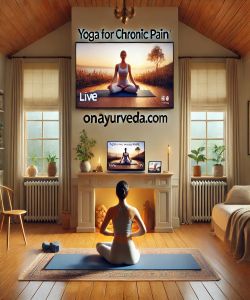
Overview of Yoga for Chronic Pain
Yoga for chronic pain represents a sophisticated, evidence-informed therapeutic intervention, fundamentally distinct from conventional fitness-oriented yoga practices. It operates as a robust mind-body modality engineered specifically to address the complex biopsychosocial mechanisms underpinning persistent pain conditions. This specialised discipline moves beyond mere physical postures to integrate deliberate breath control, meditative focus, and a profound cultivation of interoceptive awareness, thereby directly engaging with the central nervous system's processing of nociceptive signals. The core objective is not the aggressive pursuit of flexibility or strength, but the systematic re-education of the pain response, fostering neurological down-regulation and mitigating the debilitating cycle of pain, stress, and muscular tension. Practitioners are guided to explore movement within a framework of safety, self-compassion, and meticulous attention to somatic feedback, effectively transforming the body from a source of distress into an object of mindful inquiry. This approach empowers individuals with a tangible toolkit for self-regulation, enabling them to modulate their physiological and psychological reactions to pain. As a complementary strategy within an integrated pain management plan, it provides a non-pharmacological pathway to improved function, enhanced quality of life, and a restored sense of agency over one's own physical experience. It is not a passive treatment but an active, participatory process of reclaiming control, demanding discipline and consistency from the individual. The practice is predicated on the understanding that chronic pain is not simply a peripheral tissue issue but a complex condition of the nervous system, and therefore requires an intervention that addresses the entire human system—mind, breath, and body—in a cohesive and intelligent manner. This is a serious, structured discipline designed for tangible, sustainable outcomes in the management of long-term, debilitating pain.
What is Yoga for Chronic Pain?
Yoga for Chronic Pain is a highly specialised, therapeutic application of yogic principles and practices, meticulously adapted to meet the unique physiological and psychological needs of individuals living with persistent pain. It is fundamentally not a generalised fitness regimen but a targeted mind-body intervention. Its primary function is to interrupt the vicious cycle where pain causes stress, muscular guarding, and fear of movement, which in turn exacerbates pain. This is achieved through a multi-faceted approach that addresses the entire human system.
The practice is built upon a foundation of pain science, acknowledging that chronic pain is often a condition of a sensitised nervous system rather than ongoing tissue damage. Consequently, the techniques employed are designed to promote nervous system regulation, shifting it from a state of sympathetic "fight-or-flight" dominance to a parasympathetic "rest-and-digest" state. This is primarily facilitated through specific breathwork techniques, or Pranayama, which have a direct and measurable impact on autonomic function.
Physically, the practice eschews aggressive or complex postures (Asanas) in favour of gentle, mindful movements. The emphasis is placed squarely on interoception—the ability to sense the internal state of the body. Key components of this practice include:
Adapted Asana: Postures are modified with extensive use of props such as bolsters, blocks, and blankets to ensure the body is fully supported. This eliminates strain and allows for the gentle release of chronic muscular tension without triggering a pain response. The goal is safe exploration of movement, not achievement of a particular shape.
Targeted Pranayama: Breathing exercises are taught not for esoteric purposes but as a direct tool for pain and stress modulation. Techniques like diaphragmatic breathing are central to activating the vagus nerve and calming the nervous system.
Mindfulness and Meditation: Guided meditation, body scans, and focused attention are integrated throughout the practice. This trains the mind to observe sensations without immediate judgement or reaction, thereby altering the cognitive and emotional relationship with pain.
Pain Science Education: A critical component is educating the participant about the nature of their pain. Understanding concepts like central sensitisation helps to reduce the fear and catastrophising that often accompany chronic conditions, empowering the individual to engage more confidently with movement.
In essence, Yoga for Chronic Pain is a structured, educational, and experiential programme for recalibrating the nervous system and changing one's relationship with bodily sensations.
Who Needs Yoga for Chronic Pain?
Individuals with Chronic Musculoskeletal Conditions: This category includes persons diagnosed with chronic lower back pain, a leading cause of disability. It is equally imperative for those with persistent neck and shoulder tension, often exacerbated by sedentary lifestyles and occupational postures. Individuals suffering from degenerative conditions such as osteoarthritis and certain forms of rheumatoid arthritis (during non-acute phases) require this intervention to maintain joint mobility and manage associated pain.
Sufferers of Central Sensitisation Syndromes: Persons diagnosed with fibromyalgia, a condition characterised by widespread pain and heightened pain response to pressure, are prime candidates. This practice directly addresses the underlying nervous system dysregulation inherent in such conditions. It is also indicated for individuals with complex regional pain syndrome (CRPS) and other neuropathic pain states where the central nervous system's processing of pain is aberrant.
Individuals with Chronic Headaches and Migraines: Those experiencing tension-type headaches or chronic migraines will find the practice's focus on releasing cervical and thoracic tension, combined with nervous system down-regulation techniques, to be of significant utility in reducing the frequency and intensity of episodes.
Persons Recovering from Injury or Surgery: After the acute phase of healing is complete, individuals often face residual chronic pain, fear of re-injury, and restricted movement patterns. This specialised yoga provides a safe, graded-exposure methodology to gently reintroduce movement, rebuild bodily trust, and address compensatory muscular imbalances.
Individuals with Pain-Related Psychological Distress: This includes anyone whose chronic pain is co-morbid with anxiety, depression, or post-traumatic stress disorder (PTSD). The mindfulness and self-regulation components of the practice are critical for managing the emotional and psychological burden of living with constant or recurring pain, breaking the feedback loop between physical sensation and emotional suffering.
Those Seeking Non-Pharmacological Pain Management: Individuals who are unable to tolerate pain medication due to side effects, or those who actively seek to reduce their reliance on analgesics, require effective, evidence-informed self-management strategies. This practice provides a structured, sustainable, and empowering alternative or complement to conventional pharmaceutical approaches.
Individuals with Pelvic Pain Conditions: This encompasses chronic pelvic pain syndrome, endometriosis-related pain, and other conditions involving deep-seated tension in the pelvic floor and surrounding musculature. The gentle stretches and somatic awareness practices are essential for addressing these specific and often complex pain presentations.
Origins and Evolution of Yoga for Chronic Pain
The application of yoga as a specific intervention for chronic pain is a relatively modern development, yet its principles are rooted in ancient yogic philosophy and practice. Classical yoga, as codified in texts like the Yoga Sutras of Patanjali, was never intended as a mere physical exercise. Its primary objective was the cessation of mental fluctuations (citta vrtti nirodhah) and the alleviation of suffering (duhkha). This foundational aim of reducing suffering provides the philosophical bedrock upon which modern therapeutic yoga is built. The classical emphasis on mindfulness, breath regulation (Pranayama), and ethical precepts such as non-harming (Ahimsa) are directly translatable to a modern pain care context, encouraging self-compassion and a non-aggressive approach to the body.
The evolution from this ancient philosophical system to a targeted clinical modality began in the 20th century, largely in the West. As yoga gained popularity, pioneering teachers began to adapt the practice for individuals with physical limitations and health conditions. Figures like B.K.S. Iyengar, with his rigorous emphasis on anatomical alignment and the innovative use of props to support the body, laid the practical groundwork for making postures accessible and safe for those in pain. His work demonstrated that Asana could be modified to be restorative and therapeutic rather than purely athletic.
The most significant evolutionary leap occurred with the convergence of this adapted physical practice and modern biomedical science, particularly in the fields of neuroscience, psychology, and pain research. The paradigm shift in understanding chronic pain—from a purely structural, biomedical model to a complex biopsychosocial one—created the perfect intellectual climate for yoga's integration. Researchers and clinicians began to recognise that yoga's constituent parts directly addressed multiple facets of the chronic pain experience.
The development of Mindfulness-Based Stress Reduction (MBSR) by Jon Kabat-Zinn, which incorporates mindful yoga, provided a robust, evidence-based framework that validated the efficacy of mind-body practices in clinical settings. This paved the way for more specialised programmes. Contemporary Yoga for Chronic Pain is now a highly sophisticated discipline, informed by an understanding of central sensitisation, the autonomic nervous system, neuroplasticity, and the psychology of pain. It is no longer just "gentle yoga"; it is an evidence-informed, targeted intervention that integrates tailored movement, breathwork, and cognitive strategies specifically to recalibrate the nervous system and empower individuals to self-manage their condition effectively.
Types of Yoga for Chronic Pain
Restorative Yoga: This is a practice of profound passivity and deep relaxation. It utilises a wide array of props, including bolsters, blankets, blocks, and straps, to support the body in comfortable, gentle postures. Each pose is held for an extended duration, allowing the practitioner to release chronic tension without any muscular effort. The primary objective is to activate the parasympathetic nervous system (the "rest and digest" response), which counteracts the chronic stress state associated with persistent pain. It is an exceptionally safe starting point for individuals with high pain levels or fear of movement.
Therapeutic Hatha Yoga: This is a modified form of classical Hatha yoga, adapted with a clinical focus. The practice involves slow, deliberate movements synchronised with the breath. Poses are broken down into their constituent components to ensure precise, safe alignment and to cultivate deep body awareness (proprioception and interoception). The pace is measured, with ample time to transition between postures and observe somatic feedback. The emphasis is on stability, gentle mobility, and re-establishing a positive relationship with movement, rather than on achieving extreme ranges of motion.
Yin Yoga: This style targets the body's deep connective tissues, such as ligaments, bones, and joints, which are often implicated in chronic pain conditions. It involves long-held, passive floor-based poses that apply moderate, therapeutic stress to these tissues. By its nature, Yin yoga is a meditative practice that challenges the practitioner to remain still and breathe through discomfort, developing mental resilience and emotional regulation skills. It is highly effective for improving flexibility and joint health but requires careful guidance to distinguish between therapeutic stress and harmful strain.
Trauma-Informed Yoga (or Trauma-Sensitive Yoga): Recognising the strong correlation between trauma and chronic pain, this approach is foundational. The practice is based on principles of safety, choice, and empowerment. The instructor offers options rather than issuing commands, uses invitational language (e.g., "you might consider..." instead of "do this..."), and avoids physical adjustments. The focus is on creating a predictable and secure environment where the participant can explore sensation and movement at their own pace, re-establishing a sense of agency and safety within their own body. This is not a style in itself but an essential methodology applied to other forms.
Somatic Yoga: This modality emphasises internal physical perception and experience, drawing heavily from the work of somatic pioneers like Thomas Hanna. It involves extremely slow, subtle, and mindful movements designed to retrain the nervous system and release chronic, involuntary muscular contractions (sensory-motor amnesia). It is less about stretching muscles and more about re-patterning neuromuscular communication, making it exceptionally effective for addressing long-held tension patterns that contribute to pain.
Benefits of Yoga for Chronic Pain
Direct Modulation of the Nervous System: Systematically down-regulates the sympathetic nervous system ("fight-or-flight") and activates the parasympathetic nervous system ("rest-and-digest") through controlled breathing and relaxation techniques, thereby reducing the physiological stress response that amplifies pain.
Improved Neuroplasticity and Pain Reprocessing: Engages the brain in novel, safe movements and focused attention, which can help to rewire neural pathways associated with chronic pain. This process, known as central desensitisation, reduces the brain's learned pain response and perception of threat.
Enhanced Interoception and Proprioception: Cultivates a heightened awareness of internal bodily sensations (interoception) and the body's position in space (proprioception). This improved somatic literacy allows for better differentiation between harmful pain and non-threatening sensations, reducing fear-avoidance behaviours.
Reduction in Muscular Guarding and Tension: Utilises gentle, sustained stretches and mindful movement to release chronic muscular contractions. This directly addresses the physical component of the pain-tension cycle, improving tissue health and reducing localised discomfort.
Increased Functional Mobility and Strength: Safely and gradually improves range of motion in joints and builds foundational strength in supporting muscles. This enhances the ability to perform daily activities with greater ease and less pain, directly improving functional capacity and independence.
Mitigation of Pain Catastrophising: The mindfulness component trains the practitioner to observe thoughts and sensations without judgement. This cognitive skill is critical in breaking the habit of pain catastrophising—the tendency to ruminate on and magnify the threat value of pain—which is a key predictor of pain-related disability.
Improved Mood and Emotional Regulation: The practice has been demonstrated to increase levels of mood-regulating neurotransmitters like GABA and serotonin. It provides tangible skills for managing the anxiety, depression, and irritability that frequently co-occur with chronic pain.
Enhanced Sleep Quality: By reducing both physical discomfort and mental hyper-arousal, the practice promotes more restorative sleep. Improved sleep is critical for tissue repair, hormonal regulation, and effective pain processing.
Empowerment and Increased Self-Efficacy: Provides individuals with a proactive toolkit of self-management strategies. This fosters a sense of control and agency over their condition, shifting their role from that of a passive patient to an active participant in their own well-being.
Reduction in Pro-inflammatory Markers: Consistent practice has been linked to a decrease in systemic inflammation, a key physiological driver in many chronic pain conditions, including arthritis and fibromyalgia.
Core Principles and Practices of Yoga for Chronic Pain
Ahimsa (Non-Harming): This is the paramount principle. The practice commands absolute respect for the body's limits. Movement is explored with the explicit intention of avoiding any increase in pain or harm. The practitioner is rigorously trained to differentiate between the sensation of a gentle, therapeutic stretch and the sharp, warning signal of strain or injury. Pushing through pain is strictly prohibited; instead, the practitioner learns to retreat, modify, or rest.
Graded Exposure to Movement: The practice systematically and gradually reintroduces movement to a sensitised system. It begins with the smallest, safest, and most subtle movements, building confidence and demonstrating to the nervous system that movement is not inherently a threat. This directly counters the fear-avoidance cycle that perpetuates disability in chronic pain.
Pranayama (Breath Regulation) as a Neuromodulator: The breath is utilised as a primary, direct-access tool for regulating the autonomic nervous system. Specific techniques, particularly slow, diaphragmatic breathing, are taught to shift the body from a sympathetic (stress) state to a parasympathetic (rest and recovery) state. The breath becomes an anchor and a mechanism for managing pain flare-ups in real-time.
Cultivation of Interoception: The core practice involves developing a profound and nuanced awareness of internal bodily sensations. Through guided body scans and mindful attention during movement, practitioners learn to listen to the subtle signals of their body. This skill is critical for making intelligent, moment-to-moment decisions about how to move safely and effectively.
Emphasis on Stability over Flexibility: Unlike many conventional yoga classes, the primary physical goal is not to increase flexibility. Instead, the focus is on creating stability around major joints, particularly in the core, pelvis, and shoulder girdle. This provides a secure foundation from which to explore mobility, reducing the risk of instability-related pain.
Extensive Use of Props for Support: Props such as bolsters, blocks, blankets, and straps are not considered optional aids but essential tools of the practice. They are used to support the body, reduce load on sensitive tissues, and allow for the complete release of muscular tension, ensuring that the practice remains restorative and non-strenuous.
Mindfulness and Non-Judgemental Awareness: The practitioner is trained to observe all arising sensations—physical, mental, and emotional—with a neutral, non-reactive awareness. This cognitive skill decouples the raw physical sensation of pain from the secondary layer of emotional suffering, catastrophising, and negative self-talk that often accompanies it.
Pain Science Education: An integral part of the practice is the dissemination of up-to-date knowledge about the neuroscience of pain. Understanding concepts like central sensitisation and neuroplasticity empowers the individual, reduces fear, and provides a logical rationale for why the techniques being practised are effective.
Online Yoga for Chronic Pain
Unparalleled Accessibility: The online format removes significant geographical and logistical barriers. Individuals in remote locations, those with mobility impairments that make travel difficult, or those whose pain levels fluctuate unpredictably can access high-quality, specialised instruction from their own homes, ensuring consistency of practice which is critical for results.
Controlled and Secure Environment: The practitioner has absolute control over their environment. They can regulate the temperature, lighting, and sound to create a space that feels safe and conducive to relaxation. This eliminates the potential social anxiety or sensory overload of a public studio, which can be a significant stressor for individuals with a sensitised nervous system.
Enhanced Privacy and Reduced Self-Consciousness: Practising in private removes the element of comparison and self-judgement that can arise in a group setting. Individuals are free to move in a way that honours their body's unique needs without fear of being watched or not keeping up, fostering a more honest and introspective practice.
Self-Pacing and Agency: Online platforms, particularly those offering recorded sessions, allow the user to pause, rewind, and repeat instructions as needed. They can take unscheduled breaks or modify poses without disrupting a class flow, granting them ultimate agency over their practice and encouraging deep listening to their body's signals.
Reinforcement of Self-Reliance: The online modality necessitates a higher degree of personal responsibility. The practitioner must learn to interpret their own bodily feedback and make appropriate modifications without the immediate possibility of a hands-on adjustment. While a challenge, this cultivates a profound level of self-awareness and somatic intelligence, which is the ultimate goal of pain self-management.
Cost and Time Efficiency: Engaging online eliminates travel time and associated costs. This efficiency makes it more feasible to integrate the practice into a daily or weekly routine consistently, transforming it from an occasional appointment into a sustainable lifestyle component for long-term pain management.
Access to Niche Specialists: The digital landscape provides access to a global pool of highly qualified instructors who specialise specifically in yoga for chronic pain and pain science. This allows individuals to connect with genuine experts whose knowledge far exceeds that of a general yoga teacher, which is a non-negotiable requirement for a safe and effective practice.
Customisation of Props and Support: At home, the practitioner has access to a wide array of personal items—pillows, cushions, furniture—that can be used as props in addition to standard yoga equipment. This allows for a highly individualised and creative approach to supporting the body, ensuring maximum comfort and safety during the practice.
Yoga for Chronic Pain Techniques
Establish a Foundational Breath (Diaphragmatic Breathing): Begin in a supported position, either lying on your back with knees bent (Constructive Rest Posture) or seated comfortably with the spine supported. Place one hand on your chest and the other on your abdomen. Inhale slowly and deliberately through your nose, directing the breath deep into your belly so that the hand on your abdomen rises. The hand on your chest should remain relatively still. Exhale slowly, either through the nose or pursed lips, allowing the abdomen to gently fall. The primary objective is to make the exhalation slightly longer than the inhalation. Repeat this for several cycles, focusing solely on the physical sensation of the breath. This technique is the cornerstone for activating the parasympathetic nervous system.
Perform a Guided Body Scan (Somatic Tracking): Remaining in your comfortable position, systematically bring your attention to different parts of the body without moving them. Start with the toes of the right foot. Notice any and all sensations present—warmth, coolness, tingling, contact with the floor, or absence of sensation—without judgement. Slowly guide your awareness up through the right foot, ankle, lower leg, knee, and thigh. Repeat the process for the left leg, then move through the pelvis, abdomen, chest, back, arms, hands, neck, and head. The goal is not to change or fix any sensation, but simply to observe with neutral awareness, training the mind to become a precise and impartial observer of somatic data.
Engage in Gentle, Breath-Synchronised Movement (Cat-Cow Pose): Come onto your hands and knees, with hands directly under your shoulders and knees under your hips. If this is uncomfortable, place a blanket under your knees. As you inhale, gently drop your belly towards the floor and lift your gaze slightly, creating a concave curve in your spine (Cow Pose). As you exhale, press into your hands, round your spine up towards theceiling, and tuck your chin towards your chest (Cat Pose). The movement must be dictated by the rhythm of your breath, not the other way around. Keep the movements small and entirely within a pain-free range. This safely mobilises the spine and teaches the crucial skill of linking breath to movement.
Utilise a Supported Posture for Passive Release (Supported Child's Pose): Place a bolster or a stack of firm pillows lengthwise in front of you. Kneel on the floor with your big toes touching and knees wide apart. Fold forward from your hips, lowering your torso onto the bolster. Turn your head to one side and let your arms rest on the floor. Ensure you feel fully supported by the props, with no muscular strain. Remain in this position for several minutes, focusing on your diaphragmatic breath. This posture provides a gentle stretch for the hips and lower back while promoting a profound sense of safety and relaxation, allowing deep-seated tension to release passively.
Yoga for Chronic Pain for Adults
The application of yoga for chronic pain in the adult population is a critical and highly relevant intervention, addressing the specific physiological and psychosocial challenges that accumulate over a lifetime. For adults, chronic pain is often not an isolated symptom but is interwoven with age-related degenerative changes, occupational strain, previous injuries, and the cumulative effects of stress. A specialised yoga practice for this demographic is therefore not a generic wellness activity but a targeted strategy for managing complex, multifactorial conditions. It directly confronts the physical realities of reduced joint mobility, decreased muscle mass, and changes in connective tissue by offering safe, sustainable methods to maintain and improve functional capacity. The emphasis is squarely on preserving independence in activities of daily living, rather than achieving athletic feats. Gentle, supported movements help to lubricate joints, while stability-focused postures work to counteract muscular atrophy and protect vulnerable areas like the spine and hips. Crucially, the practice provides adults with a non-pharmacological means of pain management, a significant consideration given the potential for adverse effects and polypharmacy in this population. It empowers them with self-regulation skills, using breathwork and mindfulness to modulate the nervous system's response to pain signals, which can become sensitised over years of persistent discomfort. This addresses the significant psychological burden of chronic pain, including the associated anxiety, depression, and social isolation that can severely impact an adult's quality of life. The practice fosters a renewed sense of bodily trust and agency, transforming the individual from a passive recipient of treatment into an active manager of their own health and well-being, a fundamental shift that is essential for long-term resilience and vitality in adulthood.
Total Duration of Online Yoga for Chronic Pain
The standard and professionally recommended total duration for a single online session of yoga for chronic pain is precisely 1 hr. This specific timeframe is not arbitrary; it is a clinical determination based on the unique requirements of a nervous system sensitised by persistent pain. A session of this length allows for a meticulously structured and paced experience that avoids overwhelming or fatiguing the participant, which could otherwise exacerbate symptoms. The 1 hr duration is strategically allocated to encompass all non-negotiable components of a therapeutic practice. It provides sufficient time for an initial grounding phase, where guided breathing and a body scan calm the nervous system and shift the participant's focus inward. This is followed by a period of gentle, mindful warm-ups to prepare the body for movement safely. The central portion of the 1 hr session is dedicated to the core practice of adapted, prop-supported postures and somatic explorations, allowing for unhurried transitions and deep internal listening without the pressure of a compressed schedule. Critically, this duration reserves a substantial segment at the end for an extended cool-down and a deep relaxation practice, such as a guided meditation or yoga nidra. This final restorative phase is imperative for integrating the benefits of the practice, consolidating nervous system regulation, and ensuring the participant concludes the session in a state of calm, rather than activation. A shorter session would necessitate rushing these crucial elements, while a longer one risks physical and cognitive fatigue, thereby undermining the therapeutic objectives. Therefore, the 1 hr container is the optimal duration to deliver a safe, comprehensive, and effective therapeutic dose.
Things to Consider with Yoga for Chronic Pain
Engaging with yoga for chronic pain demands a serious, well-informed, and cautious approach; it is a therapeutic intervention, not a casual recreational activity. The absolute first consideration, and one that is non-negotiable, is to secure formal clearance from a qualified medical professional, such as a general practitioner, physiotherapist, or pain specialist. This ensures that the practice is appropriate for your specific diagnosis and that there are no underlying contraindications. Following this, the selection of a properly qualified instructor is of paramount importance. A standard yoga teacher is insufficient; one must seek an individual with advanced, specialised training in therapeutic yoga, pain science, and trauma-informed methodologies. It is imperative to investigate their credentials and experience rigorously. Furthermore, one must manage expectations with stark realism. Yoga is not a panacea or an instantaneous cure; it is a long-term self-management strategy that requires unwavering consistency and profound patience. Progress is often non-linear, characterised by periods of advancement alongside potential setbacks or flare-ups. The practitioner must be prepared to cultivate a mindset of self-compassion and persistence. It is also critical to understand that the goal is not to eliminate pain entirely but to change one's relationship to it, reduce its intensity and impact, and improve overall function and quality of life. The initial phases of the practice may even bring a heightened awareness of discomfort as one learns to listen more closely to the body's signals. This requires a commitment to working with the body, not against it, respecting its messages and adapting the practice accordingly, a discipline that forms the very core of this powerful modality.
Effectiveness of Yoga for Chronic Pain
The effectiveness of yoga as a therapeutic modality for chronic pain is robustly established, operating through a sophisticated synergy of physiological, neurological, and psychological mechanisms. Its efficacy is not rooted in a single action but in its comprehensive, multi-system approach that directly aligns with the contemporary biopsychosocial model of pain. Physiologically, the practice systematically reduces the markers of stress and inflammation that are known to drive and perpetuate many chronic pain states. Gentle, sustained movements improve circulation, enhance joint lubrication, and release chronic muscular hypertonicity, thereby addressing the physical contributors to discomfort and improving functional mobility. Neurologically, its impact is profound. Through controlled breathwork and mindfulness, the practice directly modulates the autonomic nervous system, shifting it away from a dominant, pain-amplifying sympathetic state towards a restorative parasympathetic state. This process of down-regulation, combined with the introduction of novel, safe sensory inputs through mindful movement, actively participates in the retraining of the central nervous system. This can lead to central desensitisation, a process whereby the brain's learned, hypersensitive response to pain is gradually diminished. Psychologically, yoga for chronic pain is highly effective in dismantling the cognitive and emotional cycles that exacerbate suffering. It equips individuals with tangible skills to manage pain catastrophising, reduce fear-avoidance behaviours, and mitigate the anxiety and depression that so often accompany chronic conditions. By fostering interoceptive awareness and a non-judgemental observation of sensation, it fundamentally alters an individual's relationship with their pain, transforming it from an overwhelming threat into a manageable sensory experience. Consequently, its effectiveness is measured not merely by a reduction in pain scores, but by marked improvements in physical function, emotional well-being, and overall quality of life.
Preferred Cautions During Yoga for Chronic Pain
Adherence to a strict set of cautions during the practice of yoga for chronic pain is not merely advisable; it is imperative for safety and therapeutic efficacy. The practitioner must adopt a vigilant and uncompromisingly honest approach to their physical and sensory experience at all times. The cardinal rule is the absolute avoidance of sharp, stabbing, or radiating pain. Any movement that elicits such sensations must be ceased immediately and without hesitation. The guiding principle is to work within a range of sensation that can be described as a mild, therapeutic stretch, never crossing the threshold into outright pain. Furthermore, the concept of "no pain, no gain" is not only irrelevant but dangerously counterproductive in this context and must be completely discarded. One must rigorously resist any temptation to push the body into a deeper expression of a pose, particularly on days when one feels better. Consistency within a safe, conservative range is infinitely more valuable than sporadic overexertion. It is critical to pay meticulous attention to the instructor's alignment cues, as improper form can place undue stress on vulnerable joints and tissues, creating new problems or exacerbating existing ones. During a pain flare-up, the practice must be significantly modified or replaced entirely with purely restorative practices like breathwork or guided meditation. Attempting to "push through" a flare is a grave error that will invariably worsen the condition. Finally, the practitioner must cultivate a profound sense of self-trust, honouring the body's signals above any external instruction. If a movement or position feels intuitively wrong or unsafe, one has an absolute duty to oneself to modify or abstain from it, regardless of what the rest of the class may be doing. This self-advocacy is a non-negotiable component of a safe and sustainable practice.
Yoga for Chronic Pain Course Outline
Module 1: Foundational Principles and Somatic Awareness:
Introduction to Pain Science: Understanding the difference between acute and chronic pain; the concept of central sensitisation.
Core Principle of Ahimsa (Non-Harming): Establishing the practice of listening to the body and respecting its limits.
Mastering Foundational Breath: Intensive instruction in diaphragmatic breathing as a tool for nervous system regulation.
Practice: Guided body scans and constructive rest posture to cultivate interoceptive awareness.
Module 2: The Spine – Safety, Stability, and Gentle Mobility:
Anatomy of a Healthy Spine: Understanding neutral alignment and core support.
Breath-Synchronised Movements: Introduction to gentle spinal flexion and extension (Cat-Cow) and lateral flexion (Side Bends).
Practice: Exploration of supine and quadruped movements designed to safely mobilise the vertebral column without load. Focus on core muscle engagement for stability.
Module 3: Releasing the Hips and Pelvis:
The Role of the Pelvic Girdle in Posture and Pain: Understanding the connection between hip tension and lower back pain.
Proprioception and Grounding: Techniques to foster a sense of stability and connection to the ground.
Practice: Supported, long-hold postures targeting the musculature around the hips and pelvis, including supported reclined bound angle pose and gentle hip circles.
Module 4: The Neck and Shoulders – Deconstructing Tension:
Postural Habits and Upper Body Strain: Identifying common patterns of tension in the cervical and thoracic spine.
Techniques for Releasing Guarding: Mindful movements to de-couple neck and shoulder tension.
Practice: Gentle neck releases, scapular awareness exercises, and supported chest-opening postures to counteract the effects of chronic forward-posture.
Module 5: Building Resilience – Static Holds and Balance:
Introduction to Safe Strengthening: The importance of building muscular support around joints.
Mindful Static Engagement: Differentiating between muscular effort and strain.
Practice: Introduction to modified and supported standing postures (e.g., Mountain Pose, Warrior II against a wall) to build lower body stability and improve balance.
Module 6: Integration and Self-Management:
Developing a Personal Practice: Strategies for adapting learned techniques for daily use.
Managing Flare-Ups: Creating a 'toolkit' of breathwork, meditation, and gentle movements for high-pain days.
Practice: A full, integrated session combining all learned elements, followed by an extended deep relaxation (Yoga Nidra) to consolidate learning and promote profound rest.
Detailed Objectives with Timeline of Yoga for Chronic Pain
Phase 1: Foundation (Initial Sessions 1-4):
Objective: To establish a consistent and proficient practice of diaphragmatic breathing, demonstrating the ability to lengthen the exhalation consciously to induce a relaxation response.
Objective: To accurately perform a guided body scan, identifying and observing areas of tension and sensation without judgement or the need to react.
Objective: To master three foundational, fully supported restorative postures, demonstrating the ability to use props effectively to achieve a state of complete muscular release.
Objective: To articulate a basic understanding of the principle of 'Ahimsa' (non-harming) as it applies to movement and pain, and to demonstrate this by consistently working within a pain-free range.
Phase 2: Mobilisation and Integration (Mid-Point Sessions 5-8):
Objective: To successfully synchronise breath with gentle, dynamic movements, specifically demonstrating competence in Cat-Cow and gentle pelvic tilts, maintaining a smooth and continuous flow.
Objective: To demonstrate improved interoceptive awareness by being able to describe the subtle sensory changes within the body during and after a specific movement or posture.
Objective: To identify and begin to consciously release habitual muscular guarding patterns, particularly in the lower back, shoulders, and jaw, during both the practice and daily activities.
Objective: To execute modified, supported standing postures, such as Wall-Assisted Mountain Pose, maintaining stable alignment and balance for a designated duration.
Phase 3: Empowerment and Self-Management (Final Sessions 9-12):
Objective: To independently construct a short (15-20 minute) personal practice sequence using a minimum of five techniques learned during the course.
Objective: To develop and articulate a personalised 'flare-up plan', identifying at least two breathing techniques and two restorative postures to be used during periods of increased pain.
Objective: To demonstrate increased functional confidence by identifying a daily activity that has become easier or less painful as a result of the practice.
Objective: Upon completion, to exhibit a significant reduction in fear-avoidance behaviour, demonstrated by a willingness to engage in a wider range of gentle movements and a decreased score on a relevant pain catastrophising scale.
Requirements for Taking Online Yoga for Chronic Pain
Medical Clearance: A non-negotiable prerequisite. The individual must have consulted with and received explicit approval from a qualified healthcare professional (e.g., GP, physiotherapist, or pain specialist) to participate in this form of physical activity.
Stable Internet Connection: A reliable, high-speed internet connection is imperative to ensure uninterrupted audio and video streaming. Lag or disconnection can disrupt the flow of the class and, more critically, may cause the participant to miss important safety cues or instructions.
Appropriate Technology: The participant requires a device with a screen large enough to clearly see the instructor's demonstrations (e.g., a laptop, tablet, or smart television, not a smartphone). The device must have a functional camera and microphone, which must be positioned so the instructor can adequately observe the participant's alignment and form.
Dedicated and Safe Physical Space: A private, quiet, and clutter-free area is essential. The space must be large enough to accommodate a yoga mat with sufficient room to extend limbs in all directions without obstruction. The flooring should be stable and non-slip.
Essential Equipment: The participant must possess a standard yoga mat. Furthermore, access to a specific set of props is mandatory, not optional. This includes two yoga blocks, a firm bolster (or several dense pillows/cushions), at least one thick blanket, and a yoga strap (or a non-stretchy belt/scarf).
Commitment to Uninterrupted Participation: The individual must be able to dedicate the full session time without interruption from family members, pets, or work obligations. This is a therapeutic appointment and must be treated with the same level of commitment as an in-person clinical consultation.
Somatic Honesty and Self-Responsibility: The participant must possess the maturity and willingness to listen intently to their body's signals and to take full responsibility for modifying or abstaining from any movement that causes pain. In the online environment, self-regulation is paramount.
Basic Technological Competence: The individual must be comfortable using the specified online platform (e.g., Zoom), including the ability to manage their microphone and camera settings, and to communicate effectively with the instructor via the software.
Things to Keep in Mind Before Starting Online Yoga for Chronic Pain
Before embarking on an online yoga programme for chronic pain, it is imperative to approach the decision with rigorous diligence and a clear understanding of its inherent responsibilities. This is not a passive undertaking; it is an active engagement with a therapeutic process that places significant demands on the individual. The first and most critical step is to conduct thorough research into the credentials of the instructor or programme. A generic online yoga class is wholly inappropriate and potentially harmful. You must verify that the instructor possesses advanced, specific qualifications in yoga therapy, pain science, and anatomy, far exceeding a basic yoga teaching certificate. Do not proceed without this assurance. Secondly, the necessity of a pre-course consultation with your medical provider cannot be overstated; it is a mandatory safety protocol to rule out contraindications. Furthermore, you must honestly assess your capacity for self-discipline and somatic awareness. The online format, while convenient, removes the safety net of immediate, hands-on correction from an instructor. You alone are responsible for interpreting your body’s signals and respecting its limits. This requires a high degree of maturity and self-honesty. You must be prepared to invest in the required equipment—a mat, blocks, bolsters, and blankets are not optional accessories but essential tools for a safe and effective practice. Finally, you must calibrate your expectations. This practice is a gradual process of re-education for your nervous system, not a quick fix. Progress will be subtle and non-linear. You must commit to the process with patience, consistency, and a profound sense of self-compassion, understanding that you are undertaking a serious and transformative journey of self-management.
Qualifications Required to Perform Yoga for Chronic Pain
The qualifications required to safely and effectively deliver yoga for chronic pain are stringent and extend substantially beyond those of a standard yoga instructor. It is a specialised therapeutic field demanding a sophisticated, multi-disciplinary knowledge base. A basic 200-hour Yoga Teacher Training certificate is fundamentally insufficient and should be considered a mere prerequisite for entry into advanced study, not a qualification in itself. A credible instructor must possess a robust portfolio of advanced certifications and demonstrable experience. Key qualifications include:
Certified Yoga Therapist (C-IAYT): This is a primary indicator of advanced training. Certification from a body such as the International Association of Yoga Therapists (IAYT) requires the completion of an extensive, accredited programme (typically 800+ hours) that includes in-depth study of anatomy, physiology, pathophysiology, and the application of yogic techniques in a clinical, therapeutic context.
Specialised Training in Pain Care and Pain Science: The instructor must have completed dedicated coursework on the neuroscience of pain. This includes a thorough understanding of concepts like central sensitisation, the biopsychosocial model of pain, neuroplasticity, and the role of the autonomic nervous system. This knowledge is non-negotiable for designing safe and appropriate protocols.
Trauma-Informed or Trauma-Sensitive Yoga Certification: Given the high co-morbidity of trauma and chronic pain, this qualification is essential. It ensures the instructor is skilled in creating a safe, empowering environment, using invitational language, and avoiding potential triggers, which is critical for working with vulnerable populations.
Advanced Training in Anatomy and Biomechanics: A deep, functional understanding of the human body is imperative. The instructor must be able to analyse movement patterns, understand common pathologies, and provide precise, safe modifications for a wide range of physical conditions.
In addition to these formal qualifications, significant practical experience working with individuals with chronic pain in a one-to-one or small group setting is essential. The ability to demonstrate a clear understanding of professional boundaries, the scope of practice, and when to refer a client back to a medical professional is the hallmark of a true professional in this field.
Online Vs Offline/Onsite Yoga for Chronic Pain
Online
The primary advantage of the online modality is its supreme accessibility. It eradicates geographical barriers, providing access to highly specialised instructors who may be located anywhere in the world. This is particularly crucial for a niche field where local expertise may be lacking. It offers unparalleled convenience, eliminating travel time and allowing individuals with fluctuating pain levels or mobility issues to participate consistently from a controlled, secure home environment. This personal setting enhances privacy, which can lower the anxiety and self-consciousness often felt in a group studio, fostering a more introspective and non-comparative practice. The online format necessitates and cultivates a higher degree of self-reliance and interoceptive awareness, as the practitioner must learn to interpret their own body’s signals without the immediate potential for hands-on adjustments. This can accelerate the development of self-management skills. However, this lack of direct physical contact is also its main drawback. The instructor’s ability to observe subtle misalignments or signs of distress is limited by camera angles and video quality, introducing a greater element of risk if the practitioner is not highly attuned to their own body. Furthermore, the sense of community and shared experience present in an in-person class is significantly diminished.
Offline/Onsite
The defining benefit of offline, in-person instruction is the direct presence of the instructor. This allows for immediate, nuanced verbal feedback and, where appropriate and consented to, precise hands-on adjustments to ensure optimal alignment and safety. The instructor can more easily perceive non-verbal cues, such as a participant's breathing pattern or subtle guarding, and respond in real time. This direct oversight provides a significant layer of safety, particularly for beginners or those with complex conditions. The onsite environment fosters a tangible sense of community and shared purpose among participants, which can be a powerful antidote to the isolation that often accompanies chronic pain. Being in a dedicated space, free from domestic distractions, can also facilitate a deeper level of focus and immersion in the practice. The primary disadvantages are logistical. It requires travel, which may be difficult or painful for many potential participants. Class schedules are fixed, offering less flexibility than on-demand online content. The choice of qualified, specialised instructors is limited to one’s geographical area, and the cost of attending in-person sessions may be higher. The environment of a public studio may also be over-stimulating or intimidating for some individuals with a sensitised nervous system.
FAQs About Online Yoga for Chronic Pain
Question 1. Is it safe to do yoga for chronic pain online?
Answer: It is safe under strict conditions: you must have medical clearance, choose a highly qualified instructor with specific training in pain science, and commit to listening to your body and never pushing into pain.
Question 2. How is this different from a regular online yoga class?
Answer: It is fundamentally different. This is a therapeutic modality focused on nervous system regulation and gentle movement, using extensive props and pain science principles. It is not a fitness class.
Question 3. What if I can't do a certain pose?
Answer: There is no expectation to perform any pose perfectly. The instructor will offer multiple modifications and variations, and the core principle is to adapt the practice to your body, not force your body into a shape.
Question 4. Do I need special equipment?
Answer: Yes. A yoga mat, two blocks, a bolster (or firm pillows), and a blanket are considered essential, not optional, for a safe and effective practice.
Question 5. What if my pain gets worse during a session?
Answer: You must stop the movement immediately, rest in a comfortable position, and use the provided communication tools to inform the instructor. The principle of non-harming is paramount.
Question 6. How can the instructor help me if they aren't in the room?
Answer: A skilled online instructor provides exceptionally clear verbal cues and demonstrations. They will also watch you via your camera to offer specific verbal adjustments and guidance.
Question 7. Do I need to have my camera on?
Answer: Yes. For your safety, it is a mandatory requirement in any credible online therapeutic class so the instructor can observe your form and provide appropriate guidance.
Question 8. Can this practice cure my chronic pain?
Answer: It is not a cure. It is a powerful, evidence-informed self-management strategy to reduce pain, improve function, and enhance your quality of life.
Question 9. How long until I see results?
Answer: Progress is individual and often non-linear. Some people notice subtle shifts in their stress levels and body awareness within a few sessions, while more significant changes in pain and function require consistent practice over months.
Question 10. Is it suitable for absolute beginners?
Answer: Yes, this type of yoga is specifically designed to be a safe entry point to movement, making it ideal for those with no prior yoga experience.
Question 11. What if I have a major flare-up on a class day?
Answer: You should still attend if possible, but inform the instructor. You may be guided to do only breathwork and gentle meditation instead of physical movements.
Question 12. What type of pain conditions does it help with?
Answer: It is beneficial for a wide range, including lower back pain, fibromyalgia, arthritis, neuropathic pain, and tension headaches, because it targets the underlying nervous system dysregulation.
Question 13. Will I have to hold poses for a long time?
Answer: In some styles, like Restorative yoga, poses are held for extended periods but are completely supported by props to be effortless.
Question 14. Is there any chanting or spiritual talk?
Answer: Most modern, science-informed programmes focus on the practical, secular application of techniques. The language is typically grounded in anatomy, physiology, and neuroscience.
Question 15. Can I participate if I have significant mobility limitations?
Answer: Absolutely. A qualified instructor can adapt the entire practice to be done seated in a chair or even lying down.
Question 16. What is the most important part of the practice?
Answer: The breath. Learning to regulate your breathing is the most powerful tool you will acquire for managing your nervous system and pain response.
Conclusion About Yoga for Chronic Pain
In conclusion, Yoga for Chronic Pain must be recognised not as a gentle alternative to exercise but as a sophisticated and potent therapeutic discipline. It stands as a robust, non-pharmacological intervention that directly addresses the complex, multifaceted nature of persistent pain. By systematically integrating mindful movement, targeted breath regulation, and principles of modern pain neuroscience, it moves beyond merely addressing physical symptoms. Its fundamental purpose is to re-educate the nervous system, dismantle the debilitating cycles of fear and muscular guarding, and fundamentally alter the individual’s relationship with their bodily experience. The practice empowers individuals with tangible, lifelong skills for self-regulation, transforming them from passive sufferers into active agents in their own well-being. It is not a panacea, and it demands commitment, patience, and unwavering self-respect from the practitioner. However, when delivered by a properly qualified professional and approached with diligence, it offers a credible and sustainable pathway toward reduced pain, improved physical function, and a profound restoration of quality of life. It represents a critical component of any truly integrative and effective long-term pain management strategy, providing a method for individuals to reclaim a sense of control, safety, and trust within their own bodies. Its value lies in its capacity to treat the whole person, acknowledging the intricate connection between mind, body, and the experience of pain.