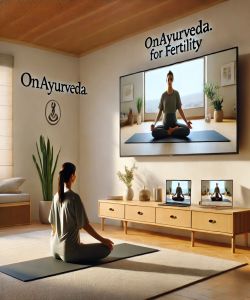
Overview of Yoga for Fertility
Yoga for Fertility is a highly specialised and systematic discipline engineered to support the reproductive and endocrine systems whilst mitigating the profound psychophysiological stress inherent in the pursuit of conception. It must not be misconstrued as a whimsical or alternative cure for infertility; rather, it is a robust, adjunctive methodology that operates in concert with, and in support of, conventional medical interventions. The practice employs a targeted selection of physical postures (asanas), controlled breathing techniques (pranayama), and deep meditative states to achieve its objectives. The fundamental premise is the deliberate regulation of the autonomic nervous system, shifting the body from a state of chronic stress, typified by the ‘fight-or-flight’ response, to a state of restorative calm, known as the ‘rest-and-digest’ response. This physiological shift is critical, as elevated cortisol levels associated with stress can directly interfere with the delicate hormonal cascade required for ovulation and implantation. Furthermore, the discipline focuses intently on increasing circulation to the pelvic region, nourishing the reproductive organs, and promoting optimal cellular function. It is a proactive, empowering practice that demands discipline, consistency, and a profound commitment to self-regulation, providing individuals with a tangible and structured framework to actively participate in their own reproductive health and well-being. This is not passive exercise; it is a strategic and intelligent application of ancient techniques to address a uniquely modern challenge, demanding respect for its rigour and a clear understanding of its purpose as a supportive, not substitutive, therapy.
What is Yoga for Fertility?
Yoga for Fertility is a targeted therapeutic modality that utilises the core components of classical yoga—asana, pranayama, and meditation—to specifically address the physiological and psychological challenges associated with infertility and conception. It is a prescriptive and evidence-informed approach, distinct from a general yoga class, which may include contraindicated movements. The practice is founded on the principle that chronic stress is a significant impediment to reproductive health, primarily through the dysregulation of the hypothalamic-pituitary-adrenal (HPA) axis, which in turn disrupts the hypothalamic-pituitary-gonadal (HPG) axis governing reproductive hormones. Therefore, every element within a Yoga for Fertility protocol is designed to down-regulate the sympathetic nervous system and activate the parasympathetic nervous system, thereby creating an internal environment more conducive to conception.
The primary components are:
Targeted Asanas (Postures): These are specific physical postures selected for their capacity to increase blood flow to the pelvic organs, including the ovaries and uterus. They also aim to release tension in the hips, lower back, and pelvic floor, areas where physical and emotional stress often accumulate. Poses that compress the abdominal region or create excessive internal heat are deliberately excluded.
Prescriptive Pranayama (Breathwork): Controlled breathing techniques are fundamental to the practice. They serve as a direct mechanism for influencing the autonomic nervous system, reducing heart rate, lowering blood pressure, and decreasing circulating stress hormones like cortisol. Techniques are chosen to be calming and grounding, rather than overly stimulating.
Guided Meditation and Visualisation: These mental practices are employed to quiet the incessant mental activity and anxiety that frequently accompany fertility challenges. They train the mind to focus, foster a sense of acceptance, and reduce the emotional toll of the process, empowering the participant to cultivate a state of mental resilience and calm.
Who Needs Yoga for Fertility?
Individuals Undergoing Assisted Reproductive Technology (ART): Those engaged in treatments such as In Vitro Fertilisation (IVF) or Intrauterine Insemination (IUI) require a robust system for managing the immense physical and emotional stress of the procedures. This practice provides a structured method for stress reduction, which is imperative for optimising the body’s response to treatment.
Individuals with a Diagnosis of Unexplained Infertility: When conventional medical diagnostics fail to identify a specific cause for infertility, the resulting psychological burden can be substantial. Yoga for Fertility offers a proactive tool to address potential underlying stress factors and improve overall systemic balance, providing a sense of agency and control.
Individuals with Hormonal Imbalances: Conditions such as Polycystic Ovary Syndrome (PCOS) or irregular menstrual cycles are often exacerbated by stress. The practice’s focus on regulating the endocrine system through nervous system calming and targeted physical postures makes it an essential complementary therapy for these individuals.
Individuals Seeking to Enhance Natural Conception: Couples or individuals aiming to conceive without medical intervention can utilise this practice to optimise their physiological and mental state. It serves to create the most receptive internal environment possible by enhancing pelvic circulation and minimising the negative impact of daily stressors on reproductive function.
Partners of Individuals on a Fertility Journey: The process of conception is a shared experience, and partners frequently endure significant stress and feelings of helplessness. Engaging in the practice, either jointly or independently, provides them with essential coping mechanisms and a means to actively support the process.
Individuals with Conditions Affecting Pelvic Health: Those with diagnoses such as endometriosis or uterine fibroids can benefit from the gentle, targeted postures designed to release tension and improve circulation within the pelvic basin, thereby managing symptoms and supporting organ health.
Anyone Experiencing Profound Emotional Distress Related to Conception: The emotional toll of trying to conceive, including feelings of grief, anxiety, and isolation, is a valid and significant health concern. This discipline provides a safe and structured container for processing these emotions and building resilience.
Origins and Evolution of Yoga for Fertility
The origins of Yoga for Fertility are not found in a single ancient text but represent a modern, specialised application of classical yogic principles to address a contemporary health crisis. The foundational practices themselves—asana, pranayama, meditation—are thousands of years old, codified in texts like the Yoga Sutras of Patanjali and further developed through Hatha Yoga traditions. These ancient systems were designed for broad purposes: spiritual enlightenment, mental clarity, and physical health. Their core tenet was the achievement of balance, or sattva, within the human system, a principle that remains central to the fertility-focused application today. The ancient yogis understood the profound connection between the mind, the breath, and the body’s physiological processes, including those governed by what we now term the endocrine and nervous systems.
The evolution of this general understanding into a specific, targeted discipline known as Yoga for Fertility occurred primarily in the late 20th and early 21st centuries. This development was catalysed by a confluence of factors. Firstly, the rise of modern reproductive medicine, such as IVF, brought the issue of infertility into sharper focus, but also highlighted the immense psychological stress these treatments imposed on individuals. Secondly, a growing body of scientific research began to empirically validate the long-held yogic assertion of the mind-body connection, specifically demonstrating the detrimental impact of the stress hormone cortisol on reproductive hormones like progesterone and oestrogen.
Recognising this nexus, pioneering yoga therapists and medical professionals began to systematically adapt and curate yogic techniques. They moved away from a one-size-fits-all approach, meticulously selecting postures that maximised pelvic blood flow whilst avoiding those that could be detrimental during specific phases of the menstrual cycle. They emphasised restorative and yin-style practices over more vigorous, heat-building styles. Breathing techniques were chosen specifically for their ability to activate the parasympathetic nervous system. Thus, Yoga for Fertility evolved from an intuitive application of ancient wisdom into a structured, evidence-informed complementary therapy, designed to work in synergy with medical science by optimising the patient’s internal environment.
Types of Yoga for Fertility
Restorative Yoga: This is arguably the most critical style for fertility support. It utilises props such as bolsters, blankets, and blocks to completely support the body in gentle, passive postures. Each pose is held for an extended duration, allowing for the deep release of muscular and fascial tension without any physical exertion. The primary objective is to trigger the parasympathetic nervous system response, profoundly reducing stress and cortisol levels, which is paramount for hormonal balance and creating a receptive uterine environment.
Hatha Yoga (Modified): A traditional and foundational style, Hatha yoga involves holding static postures with a focus on alignment and breath. For fertility purposes, a standard Hatha class must be significantly modified. The practice is slowed down, deep abdominal twists and intense core work are eliminated, and inversions may be adapted. Its value lies in its systematic approach to building body awareness and strength in a controlled, non-strenuous manner, improving circulation and stability.
Yin Yoga: Yin yoga targets the deep connective tissues—the ligaments, joints, and fascial networks—rather than the muscles. Poses are held for long periods, typically several minutes, with a focus on passive stretching. This style is exceptionally effective at releasing deep-seated tension in the hips, pelvis, and lower spine, areas directly connected to the reproductive organs. This release can improve energy flow (prana or qi) and circulation to the pelvic bowl, supporting organ function.
Slow Flow or Mindful Vinyasa (Adapted): A standard Vinyasa class is often too vigorous and heat-building for fertility support. However, an adapted ‘Slow Flow’ version can be beneficial, particularly during the follicular phase of the menstrual cycle. The practice links breath with movement in a slow, deliberate, and mindful sequence. The focus is on generating gentle warmth and circulation without elevating cortisol, ensuring the practice remains nurturing rather than depleting. All movements must be executed with supreme awareness to avoid strain.
Benefits of Yoga for Fertility
Systematic Stress Reduction: Directly mitigates the production of stress hormones such as cortisol and adrenaline, which are known to interfere with the hypothalamic-pituitary-gonadal (HPG) axis, thereby promoting a more stable and supportive hormonal environment for conception.
Enhanced Pelvic Circulation: Employs specific physical postures designed to increase targeted blood flow to the reproductive organs, including the ovaries and uterus. This improved circulation enhances oxygenation and nutrient delivery, optimising cellular function and the health of the uterine lining.
Regulation of the Autonomic Nervous System: Utilises controlled breathing (pranayama) and meditative techniques to consciously shift the body from the sympathetic (fight-or-flight) state to the parasympathetic (rest-and-digest) state, which is the physiological prerequisite for optimal reproductive function.
Improved Endocrine Function: By reducing stress and improving overall systemic balance, the practice supports the healthy functioning of the entire endocrine system. This contributes to more regular menstrual cycles and a better-regulated hormonal cascade necessary for ovulation and implantation.
Release of Physical Tension: Targets and releases chronic tension held in the hips, pelvis, and lower back. Such physical constrictions can impede blood flow and nerve function to the reproductive organs, and their release is therefore critical for optimising pelvic health.
Increased Body Awareness and Connection: Fosters a profound sense of connection to and awareness of one’s own body and its cycles. This empowers individuals to become more attuned to their physical signals, reducing feelings of alienation from their own reproductive processes.
Emotional Regulation and Resilience: Provides a structured framework for processing the intense emotions associated with fertility challenges, such as anxiety, grief, and frustration. It cultivates emotional resilience and provides effective coping mechanisms, reducing the psychological burden of the journey.
Empowerment and Agency: Offers a proactive and tangible set of tools that individuals can use to actively participate in their own well-being. This sense of control and agency is a powerful antidote to the feelings of helplessness that often accompany infertility.
Core Principles and Practices of Yoga for Fertility
Ahimsa (Non-Harming): This is the paramount principle. All practices must be executed with supreme gentleness and self-compassion. The body is to be regarded as an ally, not an obstacle. This means rigorously avoiding any posture, breath, or mindset that creates strain, pain, or internal conflict. Pushing the body to its limits is directly contraindicated; nurturing it is the sole objective.
Parasympathetic Dominance: The central operational goal is the deliberate activation of the parasympathetic nervous system (‘rest-and-digest’). Every technique, from the pace of movement to the type of breath, is selected for its ability to down-regulate the sympathetic nervous system (‘fight-or-flight’). This principle dictates the exclusion of overly stimulating or heat-building practices.
Cyclical Attunement: The practice is not static; it must be adapted to the specific phase of the individual’s menstrual cycle. The follicular phase may accommodate more gentle, flowing movements to build energy, whilst the luteal phase mandates profoundly restorative and grounding practices to support potential implantation. This intelligent attunement is non-negotiable.
Pelvic-Centric Asana Selection: Postures (asanas) are chosen with surgical precision for their effect on the pelvic region. The focus is on poses that create space in the hips and abdomen, release tension in the pelvic floor, and encourage unimpeded circulation to the ovaries and uterus. Deep twists, strong abdominal compression, and jarring movements are strictly forbidden.
Pranayama for Calming: Breathwork (pranayama) is a direct tool for nervous system regulation. Practices such as Nadi Shodhana (Alternate Nostril Breathing) and extended exhalations are employed to soothe the mind and body. Any breathing technique that is agitating or overly energising is discarded. The breath is the anchor for the entire practice.
Sankalpa (Intention Setting): Each session is initiated with the setting of a positive, present-tense intention. This practice shifts the mental focus from lack and frustration towards wholeness and acceptance. It is a powerful tool for reframing the psychological narrative surrounding fertility, fostering a mindset of receptivity.
Svadhyaya (Self-Study): The practice demands a deep and honest observation of one’s own physical and emotional state. It is a process of inquiry, encouraging the practitioner to become an expert in their own body and its signals. This self-awareness is critical for making appropriate modifications and honouring the body’s needs on any given day.
Online Yoga for Fertility
Unparalleled Accessibility: The online modality dismantles geographical barriers, providing access to highly specialised instructors who would otherwise be unreachable. Individuals in remote areas or those with demanding schedules can engage with expert-led programmes without the logistical constraints and time expenditure of travel, ensuring consistent participation.
Guaranteed Privacy and Anonymity: The fertility journey is an intensely personal and often private matter. An online platform offers a secure and anonymous environment where individuals can practise without the potential discomfort or self-consciousness of a public studio. This psychological safety is crucial for enabling the deep relaxation and vulnerability required for the practice to be effective.
Enhanced Consistency and Flexibility: Online programmes offer supreme flexibility, allowing participants to integrate the practice seamlessly into their lives and, critically, around the demanding schedules of medical treatments and appointments. The availability of recorded sessions ensures that a practice is never missed, fostering the consistency that is fundamental to achieving physiological benefits.
Creation of a Personalised, Safe Space: Practising from home empowers the individual to create their own sanctuary. They can control the environment—lighting, temperature, sound—to optimise comfort and minimise distractions. This personal control enhances the ability to surrender into a state of deep relaxation, which is the core objective of the practice.
Access to a Curated Community: Many online platforms include private, moderated forums or community groups. This provides a vital source of connection and peer support, mitigating the profound sense of isolation that often accompanies fertility challenges. It offers a space to share experiences with others who have a direct understanding, without the pressures of face-to-face interaction.
Cost and Resource Efficiency: By eliminating travel time, fuel costs, and often offering more competitive pricing than boutique studios, the online format presents a more financially sustainable option. This is a significant consideration for individuals already facing the substantial costs associated with fertility treatments.
Yoga for Fertility Techniques
Step One: Centring and Breath Awareness. Begin in a comfortable seated position, on a cushion or bolster to elevate the hips. The spine must be erect but not rigid. Close the eyes and bring all awareness inward. For several minutes, simply observe the natural rhythm of your breath without attempting to change it. This initial step disconnects you from external stressors and establishes a baseline of mindful presence, which is the foundation for the entire practice.
Step Two: Diaphragmatic Breathing (Belly Breathing). Place one hand on your chest and the other on your lower abdomen. Inhale slowly and deeply through the nose, directing the breath down into the belly so that the lower hand rises whilst the upper hand remains relatively still. Exhale slowly and completely, allowing the lower hand to fall. This technique is the primary tool for activating the parasympathetic nervous system. Perform for at least ten complete rounds.
Step Three: Gentle Pelvic Tilts. Lie on your back with your knees bent and feet flat on the floor, hip-width apart. On an exhalation, gently press your lower back into the floor, engaging the lower abdominal muscles. On an inhalation, create a small arch in your lower back. Repeat this slow, subtle movement in coordination with your breath. This technique gently mobilises the lumbar spine and sacrum, releasing tension and encouraging blood flow to the pelvic bowl.
Step Four: Supported Cobbler's Pose (Supta Baddha Konasana). Remain on your back. Bring the soles of your feet together and let your knees fall out to the sides. Place supportive props, such as bolsters or folded blankets, under each thigh and knee to ensure there is no muscular strain. This posture provides a gentle, passive opening for the hips and groin, increasing circulation to the reproductive organs. Rest here for a minimum of five minutes, focusing on deep diaphragmatic breathing.
Step Five: Legs-Up-The-Wall Pose (Viparita Karani). Sit sideways against a wall. Swing your legs up the wall as you lower your torso to the floor. Your sitting bones should be as close to the wall as is comfortable. This is a mild inversion that calms the nervous system and encourages lymphatic drainage. It is profoundly restorative. Remain for five to ten minutes.
Step Six: Final Relaxation (Savasana). Lie flat on your back, with a bolster under your knees to support the lower back. Cover yourself with a blanket. Allow the body to become completely heavy and release all effort. This is the most critical pose for integrating the benefits of the practice. Remain in absolute stillness for at least ten minutes, allowing the nervous system to fully absorb the restorative signals.
Yoga for Fertility for Adults
Yoga for Fertility is a discipline exclusively designed for the adult experience, addressing the unique convergence of physiological, psychological, and circumstantial pressures that define the adult journey towards conception. The practice presupposes a level of emotional maturity and self-awareness necessary to engage with its subtle yet profound techniques. For adults, the challenge of infertility is not an isolated biological event; it is interwoven with the complex tapestry of established lives, careers, financial pressures, and long-term partnerships. This discipline provides a sophisticated toolkit for navigating this complexity. It demands an adult capacity for introspection, requiring participants to turn inward and confront the deeply ingrained patterns of stress and anxiety that may be impeding their physiological processes. The physical postures are adapted for the adult body, focusing on releasing chronic tension accumulated over years in the hips, shoulders, and spine, and promoting circulation to organs whose function may be declining with age. Furthermore, the meditative and mindfulness components are not simple relaxation exercises; they are rigorous mental training programmes that empower adults to manage the high-stakes emotional volatility of hope and disappointment. It is a practice of radical self-responsibility, demanding a conscious and sustained commitment to modulating one's own nervous system, a skill imperative for adults managing the non-negotiable demands of modern life whilst navigating the profound, often painful, path of creating a family. It is therefore not merely a set of exercises but a comprehensive operating system for adult resilience in the face of one of life’s most significant challenges.
Total Duration of Online Yoga for Fertility
The total duration of any single online Yoga for Fertility session shall be precisely 1 hr. This temporal framework is not arbitrary; it is a meticulously structured allocation of time designed for maximum therapeutic efficacy and is considered non-negotiable. The 1 hr duration is strategically partitioned to ensure a comprehensive and balanced practice that safely prepares the body, delivers the core therapeutic intervention, and then allows for essential integration and recovery. An initial period is dedicated to grounding and gentle warm-ups, preparing the mind and musculature for the deeper work to follow and preventing any form of physical strain. The central, and largest, portion of the 1 hr session is devoted to the principal asanas and pranayama techniques specifically chosen for their impact on the nervous and endocrine systems. This section requires sufficient time to allow practitioners to move mindfully, hold restorative postures for the requisite duration, and fully engage with the breathwork. Abbreviating this core component would critically undermine the physiological objectives of the practice. The final segment of the 1 hr is reserved for a prolonged Savasana (final relaxation) and, potentially, a short, guided meditation. This cool-down and integration phase is arguably the most vital, as it is during this period of deep rest that the nervous system fully shifts into a parasympathetic state, allowing the benefits of the preceding practice to be consolidated. Therefore, the 1 hr duration is an indivisible unit, and any attempt to shorten it compromises the integrity and effectiveness of the entire therapeutic protocol.
Things to Consider with Yoga for Fertility
Engaging with Yoga for Fertility demands a sober and well-informed approach, free from magical thinking or unrealistic expectations. It is imperative to recognise this discipline as a supportive, complementary modality, not a substitute for professional medical diagnosis and treatment. Before commencing any practice, a full consultation with a qualified medical doctor or reproductive specialist is non-negotiable to rule out or address any underlying pathological conditions. The selection of an instructor is of paramount importance; one must seek out a teacher with specific, advanced certification in fertility yoga, not merely a general yoga instructor. Their expertise in the contraindications and necessary modifications for each phase of the menstrual cycle and for various medical protocols is critical to ensure safety and effectiveness. Practitioners must also cultivate a profound sense of internal awareness, or interoception, learning to distinguish between beneficial sensation and pain, and must be prepared to modify or cease any posture that causes discomfort. The emotional landscape of the fertility journey is volatile, and whilst yoga can be profoundly healing, it may also bring difficult emotions to the surface. It is therefore wise to have concurrent emotional support systems in place, such as therapy or counselling. Finally, one must relinquish the mindset of aggressive goal-achievement that pervades modern life. The practice is about surrender, acceptance, and nurturing, not about forcing an outcome. This mental shift is often the most challenging, yet most essential, component to embrace for the practice to yield its true benefits.
Effectiveness of Yoga for Fertility
The effectiveness of Yoga for Fertility must be understood through a precise and scientific lens, centred on its proven capacity to mitigate the primary barriers to conception rather than as a direct cure for infertility itself. Its principal and most documented effect is the profound and measurable reduction of chronic stress. Through the deliberate regulation of the autonomic nervous system via targeted breathwork and restorative postures, the practice directly down-regulates the production of cortisol. This is not a trivial outcome; elevated cortisol is known to suppress gonadotropin-releasing hormone (GnRH), which in turn disrupts the entire hormonal cascade necessary for ovulation, fertilisation, and successful implantation. By restoring a state of neuro-hormonal balance, the practice creates a physiological environment that is fundamentally more conducive to reproduction. Furthermore, its effectiveness is demonstrated through its impact on pelvic haemodynamics. The specific asanas employed are mechanically designed to increase arterial blood flow to the ovaries and uterus, enhancing oxygenation and nutrient delivery to these vital organs, which is critical for follicular development and the proliferation of a healthy endometrial lining. The psychological benefits—reduced anxiety, improved mood, and a greater sense of agency—are also key components of its effectiveness, as they improve a patient’s ability to cope with the rigours of medical treatments, leading to better adherence and a more positive overall experience. Therefore, its efficacy is not rooted in esoteric claims but in its tangible, evidence-informed ability to optimise the physiological and psychological state of the individual, thereby enhancing their reproductive potential.
Preferred Cautions During Yoga for Fertility
It is imperative that the practice of Yoga for Fertility is approached with the utmost caution and an unwavering commitment to bodily intelligence. This is not a domain for athletic ambition or for pushing through discomfort. Any posture that elicits sharp, pinching, or otherwise painful sensations must be abandoned immediately and without hesitation. Specifically, deep, closed twists that compress the abdominal and pelvic organs are to be strictly avoided, as they can restrict blood flow to the uterus. Similarly, intense abdominal work, such as traditional core exercises, is entirely contraindicated as it can create unnecessary tension and stress in the very region one is seeking to soothe. Overheating the body is detrimental; therefore, hot yoga styles and overly vigorous, heat-building Vinyasa flows are forbidden. The objective is to nurture, not to exhaust. During the luteal phase—the period after ovulation—the practice must become exceptionally gentle and grounding, eliminating all jarring movements, jumping, and deep forward folds that compress the abdomen, to create a stable and receptive environment for potential implantation. Practitioners undergoing IVF must adhere to even stricter protocols, particularly around the time of egg retrieval and embryo transfer, often requiring a temporary cessation of all but the most gentle breathing and meditation techniques, as directed by their medical team. Listening to the body is not a gentle suggestion; it is a non-negotiable command. Ignoring its signals is a dereliction of the core principles of this discipline and can be counterproductive to the ultimate goal.
Yoga for Fertility Course Outline
Module One: Foundations of Breath and Safety
Introduction to the parasympathetic nervous system.
Mastery of Diaphragmatic Breathing as the core regulatory tool.
Core principles: Ahimsa (non-harming) and Svadhyaya (self-study).
Identification of contraindicated movements and establishment of safe practice parameters.
Introduction to essential props and their correct usage for support.
Module Two: The Follicular Phase – Nurturing Growth
Understanding the hormonal landscape of the pre-ovulatory phase.
Asana sequences designed to gently stimulate the ovaries and build the uterine lining.
Focus on postures that create space in the pelvic bowl and enhance circulation.
Introduction to gentle, mindful flowing movements to build prana (life force energy).
Module Three: The Luteal Phase – Cultivating Receptivity
Adapting the practice for the post-ovulatory phase.
Exclusive focus on restorative and yin postures to support potential implantation.
Techniques for grounding and calming the nervous system.
Elimination of all stimulating or abdominal-compressing postures.
Introduction to Yoga Nidra (yogic sleep) for profound relaxation.
Module Four: Stress Reduction and Mental Resilience
Advanced pranayama techniques for anxiety management (e.g., Nadi Shodhana).
Guided meditation and visualisation practices for emotional regulation.
Techniques for managing the ‘two-week wait’ and coping with disappointment.
Development of a personal mindfulness practice for daily life.
Module Five: Integration and Sustained Practice
Creating a personalised daily and weekly practice schedule.
Principles of partner yoga and shared practices for couples.
Integrating fertility-supportive practices into daily lifestyle (nutrition, sleep).
Developing a long-term strategy for using yoga as a tool for lifelong well-being, irrespective of the outcome.
Detailed Objectives with Timeline of Yoga for Fertility
Weeks 1-2: Foundational Competency
Objective: To establish a non-negotiable daily practice of diaphragmatic breathing for a minimum of ten minutes. By the end of this period, the practitioner must be able to initiate a parasympathetic response consciously through breath alone.
Objective: To achieve proficient and safe execution of five foundational restorative postures (e.g., Supported Child's Pose, Supported Cobbler's Pose) using props correctly, holding each for a minimum of five minutes without strain.
Objective: To demonstrate a clear intellectual and practical understanding of all contraindicated movements and practice principles.
Weeks 3-4: Cyclical Adaptation
Objective: To correctly identify their current menstrual cycle phase and independently select and perform the appropriate style of practice (gently stimulating for follicular, deeply restorative for luteal) without instructor prompting.
Objective: To develop and maintain a written journal tracking physical and emotional responses to the practice, fostering deep self-awareness (Svadhyaya).
Weeks 5-8: Deepening the Mind-Body Connection
Objective: To master at least two specific pranayama techniques for active stress management (e.g., Nadi Shodhana, Bhramari) and be able to deploy them effectively in moments of acute anxiety outside of formal practice sessions.
Objective: To be able to sustain a state of mindful awareness throughout a full 1 hr practice, minimising mind-wandering and consistently anchoring attention to breath and bodily sensation.
Weeks 9-12: Autonomy and Integration
Objective: To confidently construct and lead oneself through a safe and effective 30-minute personal practice, appropriately adapted for the time of day and cycle phase.
Objective: To demonstrate a measurable reduction in self-reported stress and anxiety levels compared to baseline assessments taken at the start of the programme. The practitioner will have integrated the core principles into their daily life, using the techniques as a primary tool for self-regulation.
Requirements for Taking Online Yoga for Fertility
Unwavering Personal Commitment: The foremost requirement is a serious and disciplined commitment to consistent practice. Intermittent or casual engagement is insufficient and will not yield the desired physiological results. A dedicated time slot must be scheduled and protected from interruption.
A Stable and High-Speed Internet Connection: A reliable digital connection is non-negotiable. Technical failures, lagging video, or poor audio quality disrupt the flow of the class, prevent proper instruction, and can pull the practitioner out of a meditative state, negating the practice’s benefits.
A Suitable Electronic Device: A laptop, tablet, or computer with a screen large enough to clearly view the instructor’s demonstrations is mandatory. Attempting to follow on a small mobile phone screen compromises alignment and safety.
A Dedicated and Private Practice Space: The practitioner must designate a physical area that is clean, quiet, and free from all potential distractions. This includes family members, pets, and electronic notifications. This space must be large enough to accommodate a yoga mat and allow for full range of movement without obstruction.
Essential Yoga Equipment: The following items are not optional suggestions but required tools for a safe and effective practice: a non-slip yoga mat, two firm yoga blocks, a sturdy bolster (or several firm pillows), and at least two thick blankets. Restorative yoga, a core component, is impossible without adequate props.
Appropriate Attire: Clothing must be comfortable, non-restrictive, and allow for a full range of movement. It should not be so loose as to become entangled or obscure the body’s lines, which is important for self-assessment of alignment.
Medical Clearance: Prior to the first session, explicit clearance from a medical doctor or reproductive specialist is required, especially for individuals with pre-existing conditions or those undergoing active medical treatment cycles.
Things to Keep in Mind Before Starting Online Yoga for Fertility
Before embarking upon an online Yoga for Fertility programme, it is imperative to conduct a rigorous self-assessment and establish a resilient mindset. One must fundamentally understand that the digital medium necessitates a higher degree of self-discipline and personal accountability than an in-person class. The absence of a physically present instructor means there will be no hands-on adjustments to correct alignment; therefore, the responsibility for safe practice rests squarely on the individual. This requires a commitment to listening intently to verbal cues and cultivating an acute awareness of one’s own body to prevent injury. It is critical to prepare a dedicated, almost sacred, space for practice that is inviolable and free from the myriad distractions of the home environment. The temptation to multi-task or allow interruptions must be ruthlessly managed. Furthermore, one must set realistic expectations. This practice is a powerful tool for stress regulation and physiological support, but it is not a guarantee of pregnancy. Attaching a specific outcome to the practice creates pressure and undermines its primary benefit of stress reduction. The goal must be the practice itself: the cultivation of inner balance, resilience, and self-compassion. This internal shift in objective is the true prerequisite for success, ensuring that the journey provides value and strength regardless of the ultimate outcome. One must be prepared to be their own guide, guardian, and source of motivation.
Qualifications Required to Perform Yoga for Fertility
The performance and instruction of Yoga for Fertility demand a level of qualification that extends substantially beyond a standard yoga teacher certification. It is a specialised therapeutic modality, and entrusting it to an underqualified instructor is both irresponsible and potentially counterproductive. The absolute minimum baseline is a foundational 200-hour Yoga Teacher Training (YTT) certification, but this is merely the prerequisite to begin specialist training. The critical, non-negotiable qualifications are:
Advanced Certification in Fertility Yoga: The instructor must have completed a comprehensive, dedicated training programme in Yoga for Fertility from a reputable school or teacher. This training must cover reproductive anatomy and physiology, the endocrinology of the menstrual cycle, common causes of infertility, and the specific contraindications and modifications relevant to ART protocols like IVF.
Certification in Prenatal and Postnatal Yoga: A deep understanding of the full reproductive continuum is essential. Qualifications in prenatal yoga ensure the instructor is adept at working with the female body in a safe and knowledgeable manner, understanding the physiological shifts that occur even in early, unconfirmed pregnancy.
Verifiable Knowledge of Restorative and Yin Yoga: As these are the primary styles utilised, the instructor must have specific training and a profound understanding of the principles of the parasympathetic nervous system and how to elicit the relaxation response through prop-supported, passive postures.
Trauma-Informed Training: The fertility journey can be traumatic. A qualified instructor must have training in trauma-sensitive teaching, possessing the skills to create a safe, non-triggering environment and use language that is empowering and inclusive, avoiding potentially painful platitudes or assumptions.
Demonstrable Experience: Beyond certificates, the instructor must have substantial, verifiable experience working specifically with this demographic. They should be able to articulate a clear, intelligent methodology and provide testimonials or professional references.
An instructor without this specific constellation of advanced qualifications is not equipped to safely or effectively guide an individual through this sensitive and complex practice.
Online Vs Offline/Onsite Yoga for Fertility
Online
The online modality for Yoga for Fertility offers a distinct set of advantages rooted in accessibility and privacy. Its primary strength is the dissolution of geographical constraints, granting individuals access to elite, highly specialised instructors regardless of their physical location. This is of critical importance in a niche field where local expertise may be non-existent. The online format provides an unparalleled level of privacy and anonymity, creating a psychologically safe container for individuals navigating a deeply personal and often painful journey. This removes the potential social anxiety or comparative distress of a group studio setting. Furthermore, it offers supreme flexibility, allowing practitioners to seamlessly integrate sessions around the unpredictable and often demanding schedules of medical appointments and treatments. The ability to practise in a self-curated, controlled home environment can also enhance the capacity for deep relaxation, free from the logistical stresses of travel and the distractions of a public space. The primary limitation, however, is the lack of direct physical feedback; there are no hands-on adjustments from the instructor, demanding a higher degree of self-awareness and discipline from the participant to ensure safe alignment.
Offline/Onsite
The offline, or onsite, experience provides a different, yet equally valid, set of benefits, centred on community and direct instructor interaction. The most significant advantage is the presence of a qualified instructor who can provide immediate, tactile feedback and hands-on adjustments. This can be invaluable for learning correct alignment, deepening postures safely, and preventing injury, especially for those new to yoga. The energy of a shared physical space and the in-person connection with a community of individuals on a similar path can be profoundly validating and supportive, mitigating the deep sense of isolation that often accompanies fertility challenges. An onsite studio provides a dedicated sanctuary, physically removed from the responsibilities and potential stressors of the home or workplace, which can make it easier for some to mentally disengage and fully immerse themselves in the practice. The disadvantages lie in its logistical rigidity, requiring adherence to a fixed schedule and location, which can be difficult to manage alongside medical treatments. It also lacks the privacy of the online model, which may be a significant deterrent for some individuals.
FAQs About Online Yoga for Fertility
Question 1. Is this a replacement for medical treatment like IVF?
Answer: Absolutely not. Yoga for Fertility is a complementary, supportive modality designed to work alongside conventional medical treatment. It aims to reduce stress and optimise your body's response to medical intervention.
Question 2. I have never done yoga before. Is this suitable for me?
Answer: Yes. This practice is designed for all levels. The focus is on gentle, restorative movement and breath, not complex or athletic postures. A qualified instructor will guide you safely.
Question 3. Do I need to be flexible to start?
Answer: No. Flexibility is a result of the practice, not a prerequisite. The use of props like bolsters and blocks ensures the postures are accessible and supportive for every body type.
Question 4. Can my partner join the sessions?
Answer: Yes, and it is often encouraged. The stress of the fertility journey affects both partners, and practising together can be a powerful way to connect and support one another.
Question 5. Is it safe to practise during my period?
Answer: Yes, but the practice must be modified. A gentle, restorative practice is recommended, avoiding strong inversions or abdominal work. Always inform your instructor.
Question 6. How does this specifically help with fertility?
Answer: It primarily works by reducing stress hormones (cortisol) that interfere with reproductive hormones, and by increasing blood flow to the pelvic organs to improve their function.
Question 7. What if I get pregnant? Can I continue?
Answer: You should stop the fertility-specific practice and consult your doctor. Once cleared, you should transition to a dedicated prenatal yoga class.
Question 8. Is this practice only for women?
Answer: No. Men’s fertility is also significantly impacted by stress. The practice is highly beneficial for men to improve sperm quality and manage their own stress.
Question 9. What technology do I need for an online class?
Answer: You require a stable internet connection, a device with a clear screen (laptop or tablet recommended), and a functional camera and microphone.
Question 10. How is an online class different from just following a video?
Answer: A live online class provides real-time guidance, personalised modifications, and a sense of community. The instructor is present to ensure safety and answer questions.
Question 11. What if I have a specific condition like PCOS or Endometriosis?
Answer: The practice can be highly beneficial, but it is imperative you inform your instructor of your specific diagnosis so they can provide appropriate modifications.
Question 12. When in my cycle should I avoid the practice?
Answer: You do not need to avoid it entirely, but you must adapt it. The practice should be most gentle during the luteal phase (post-ovulation) and during menstruation.
Question 13. How soon can I expect to see results?
Answer: The primary result of stress reduction can be felt almost immediately. Physiological changes occur over time with consistent practice. There is no guaranteed timeline for conception.
Question 14. What if I find the class emotionally difficult?
Answer: This is a normal response, as the practice can release stored emotions. It is a sign the practice is working. Ensure you have adequate emotional support systems outside of the class.
Question 15. Are there any movements I should absolutely avoid?
Answer: Yes. Avoid deep abdominal twists, intense core work, overheating, and any posture that causes pain or sharp sensations.
Question 16. How long is a typical online session?
Answer: A standard session is structured to be one full hour to ensure adequate time for warm-up, core practice, and essential relaxation.
Question 17. Can I practise if I am undergoing IVF stimulation?
Answer: Yes, but with extreme caution and modifications. The practice must be exceptionally gentle, avoiding all twisting or pressure on the abdomen to protect the enlarged ovaries. Medical clearance is mandatory.
Conclusion About Yoga for Fertility
In conclusion, Yoga for Fertility stands as a formidable, evidence-informed discipline of self-regulation and physiological support, not as a speculative remedy. Its value is anchored in its scientifically validated capacity to systematically dismantle the deleterious effects of chronic stress on the reproductive system. By strategically employing targeted physical postures, controlled breathing, and deep states of meditation, it actively shifts the autonomic nervous system towards a state of parasympathetic dominance, thereby fostering the precise neuro-hormonal environment conducive to conception. This practice demands to be viewed not as a passive exercise class, but as a rigorous and intelligent training protocol that empowers individuals with a tangible sense of agency over their own well-being during a period often defined by powerlessness. It is a serious, adjunctive therapy that requires unwavering commitment, expert guidance, and a profound respect for the body’s innate wisdom. Whilst it makes no false promises of guaranteed outcomes, its role in optimising health, building resilience, and providing a sanctuary of calm amidst the turbulence of the fertility journey is incontrovertible. It is, therefore, an indispensable component of any comprehensive and holistic approach to enhancing reproductive health, commanding its place as a potent, proactive, and deeply transformative modality.