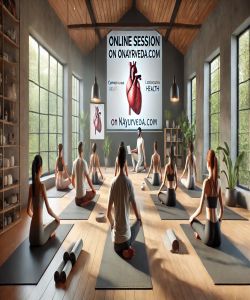
1. Overview of Yoga for Heart
Yoga for Heart constitutes a highly specialised and systematic methodology designed to support and enhance cardiovascular health through a meticulously curated integration of physical postures (asana), controlled breathing techniques (pranayama), and meditative practices (dhyana). This is not a generalised fitness regimen but a targeted therapeutic intervention aimed at mitigating the primary physiological and psychological factors that contribute to cardiac distress. Its fundamental premise rests upon the principle of autonomic nervous system regulation, actively shifting the body from a state of sympathetic dominance—characterised by the 'fight-or-flight' response, elevated heart rate, and increased blood pressure—to one of parasympathetic ascendancy, which promotes rest, recovery, and homeostatic balance. The physical postures selected are specifically chosen to improve circulation, enhance arterial flexibility, and gently stimulate the cardiovascular system without imposing undue strain. Asanas that promote chest opening, for instance, are employed to improve respiratory efficiency and thoracic capacity, directly benefiting cardiac function. Concurrently, pranayama techniques work to lower resting heart rate, improve oxygen saturation in the blood, and reduce the physiological markers of stress, such as cortisol levels. The meditative component addresses the critical mind-body connection, training the practitioner to manage stress, anxiety, and negative emotional patterns that are known to have a profoundly detrimental impact on heart health. Consequently, Yoga for Heart is a robust, holistic, and evidence-informed approach that addresses cardiovascular well-being not merely through physical exercise, but by fundamentally re-engineering the body’s response to both internal and external stressors. It is a rigorous discipline demanding precision and consistency, offering a powerful complementary strategy for the maintenance of a healthy heart and the management of cardiovascular risk factors. Its efficacy is contingent upon correct application and a commitment to its core principles of mindful movement, conscious breathing, and mental quietude.
2. What is Yoga for Heart?
Yoga for Heart is a specialised, therapeutic application of yogic principles and practices, engineered with the explicit objective of improving and maintaining cardiovascular health. It fundamentally differs from more dynamic or acrobatic forms of yoga by prioritising safety, stability, and the cultivation of physiological equilibrium over physical prowess. The practice is a tripartite system, meticulously integrating specific elements to yield a synergistic effect on the heart and circulatory system.
The first component is Asana, or physical postures. In this context, asanas are selected for their capacity to enhance circulation, reduce physical tension that can elevate blood pressure, and gently strengthen the heart muscle. Poses are typically modified to ensure they are accessible and safe, avoiding any positions that could cause a sudden spike in blood pressure or place excessive strain on the heart, such as strenuous inversions or prolonged, unsupported holds. The emphasis is on gentle chest-opening postures to improve lung capacity, restorative poses to calm the nervous system, and standing poses to build stamina in a controlled manner.
The second, and arguably most critical, component is Pranayama, the science of breath control. Specific breathing techniques are employed to directly influence the autonomic nervous system. Practices such as Dirga (Three-Part Breath) and Anulom Vilom (Alternate Nostril Breathing) are fundamental, proven to slow the heart rate, lower blood pressure, and shift the body into a parasympathetic state of 'rest and digest'. This conscious regulation of the breath is a direct mechanism for managing the body’s stress response, a key contributor to cardiovascular disease.
The third pillar is Dhyana, or meditation and relaxation. Techniques like Yoga Nidra (yogic sleep) and guided meditation are integral to the practice. These elements address the psychological dimension of heart health, helping to mitigate the effects of chronic stress, anxiety, and depression. By training the mind to remain calm and focused, practitioners can reduce the production of stress hormones like cortisol and adrenaline, which have a corrosive effect on the cardiovascular system over time.
3. Who Needs Yoga for Heart?
-
Individuals Diagnosed with Cardiovascular Conditions: Those with established diagnoses such as hypertension, coronary artery disease, or a history of cardiac events must consider this practice. It serves as a meticulously controlled, low-impact complementary therapy designed to manage symptoms, reduce physiological stress, and improve overall cardiac function, strictly under the guidance and with the explicit approval of their consulting cardiologist.
-
Persons with Identifiable Cardiac Risk Factors: Individuals presenting with precursors to heart disease, including but not limited to, high cholesterol, pre-hypertension, metabolic syndrome, or a strong family history of cardiac illness. This practice provides a proactive, preventative framework to mitigate these risks by addressing underlying factors like stress and sedentary behaviour.
-
Professionals in High-Stress Environments: Executives, emergency service workers, and any individuals subjected to chronic occupational stress are prime candidates. The relentless activation of the sympathetic nervous system in such roles is a direct antecedent to cardiovascular strain. This yoga offers a potent antidote, systematically training the body’s stress-response mechanism towards a state of calm and resilience.
-
Sedentary Individuals Seeking a Safe Entry to Physical Activity: For those whose lifestyles are characterised by prolonged inactivity, commencing a vigorous exercise programme can be hazardous. Yoga for Heart offers a graduated and safe method to reintroduce movement, improve circulation, and build foundational strength and flexibility without shocking the cardiovascular system.
-
Individuals Experiencing Symptoms of Chronic Stress and Anxiety: Those who manifest the physical symptoms of prolonged psychological distress, such as palpitations, breathlessness, and persistent tension, require this intervention. The practice directly targets the physiological roots of these symptoms by regulating the autonomic nervous system and downregulating the production of stress hormones.
-
Post-Cardiac Rehabilitation Patients: Following the completion of a formal, medically supervised rehabilitation programme, this practice serves as an ideal long-term strategy for maintenance. It reinforces the principles of mindful movement and stress management, empowering individuals to continue their recovery and sustain a heart-healthy lifestyle independently and safely.
4. Origins and Evolution of Yoga for Heart
The conceptual framework of Yoga for Heart does not originate from a single ancient text or a specific, named tradition but is a modern, therapeutic synthesis derived from the classical principles of Hatha Yoga. Its evolution is a direct response to the burgeoning understanding of cardiovascular disease in the 20th and 21st centuries, and the corresponding scientific investigation into the mind-body connection. Historically, traditional yogic practices have always espoused benefits for overall vitality and longevity, with classical texts like the Hatha Yoga Pradipika detailing practices of pranayama and asana intended to purify the body’s systems, including the circulatory system. However, these were part of a broader spiritual and physical discipline, not specifically codified for cardiac pathology.
The evolution towards a specialised 'Yoga for Heart' began in earnest in the latter half of the 20th century, propelled by pioneering figures who sought to bridge the gap between ancient yogic wisdom and contemporary medical science. Influential teachers and physicians began to deconstruct traditional yoga, isolating the components most relevant to cardiovascular health and stripping away more esoteric or physically demanding elements. They meticulously analysed the physiological effects of specific asanas, pranayama techniques, and meditative states on blood pressure, heart rate variability, and arterial stiffness. This period marked a critical shift from a generalised wellness practice to a targeted, evidence-informed therapeutic intervention.
Further development was significantly influenced by landmark research studies that began to provide empirical validation for yoga's efficacy in managing hypertension and reducing stress. As the medical community increasingly acknowledged the role of chronic stress as a major contributor to heart disease, the stress-reducing aspects of yoga—particularly its ability to modulate the autonomic nervous system and lower cortisol levels—became a central focus. This led to the formalisation of specific protocols and sequences. The practice evolved to explicitly exclude contraindicated postures, such as strenuous inversions, and to emphasise restorative poses, gentle movements, and deep, controlled breathing. The modern iteration of Yoga for Heart is therefore a highly refined and safety-conscious discipline, shaped by clinical insights and a sophisticated understanding of cardiac physiology, representing a successful integration of ancient practice with modern therapeutic need.
5. Types of Yoga for Heart
-
Restorative Yoga: This is a foundational type for cardiac care. It involves the use of props such as bolsters, blocks, and blankets to support the body in gentle, passive postures. The objective is to eliminate muscular effort, allowing the body to release deep-seated tension. For the heart, this practice is paramount as it triggers the parasympathetic nervous system, leading to a significant reduction in heart rate, blood pressure, and cortisol levels. Poses like Supported Bridge Pose (Setu Bandhasana) and Supported Reclining Bound Angle Pose (Supta Baddha Konasana) gently open the chest area without strain, improving respiratory function and promoting a state of profound relaxation.
-
Gentle Hatha Yoga: This approach utilises basic, classical yoga postures in a slow, mindful, and controlled manner. The focus is on precise alignment and breath coordination to ensure safety and maximise therapeutic benefit. Transitions between poses are deliberate, and holds are sustained only as long as comfort allows. It helps to improve circulation, enhance flexibility in the spine and major joints, and build foundational strength without exerting undue stress on the cardiovascular system. Contraindicated poses, such as deep backbends or strong inversions, are strictly avoided or significantly modified.
-
Chair Yoga: An essential and highly accessible variant, particularly for individuals with limited mobility, balance issues, or those in the initial stages of recovery. The chair provides stable support, allowing the practitioner to perform a wide range of modified asanas, including spinal twists, gentle stretches, and strengthening exercises. This type ensures that the benefits of improved circulation, joint mobility, and breath-work are available to those who cannot safely practice on a mat, making it an inclusive and effective option for cardiac rehabilitation.
-
Pranayama-Focused Practice: While breath-work is integral to all types, a practice can be structured to prioritise pranayama techniques specifically. Sessions are dedicated to the mastery of calming and balancing breathing exercises such as Alternate Nostril Breathing (Anulom Vilom), Bee Breath (Bhramari), and Diaphragmatic Breathing. This type directly targets the autonomic nervous system, providing a powerful, non-physical tool for managing hypertension, arrhythmia, and the physiological response to stress.
6. Benefits of Yoga for Heart
-
Regulation of Blood Pressure: The consistent practice of specific pranayama (breathing techniques) and restorative asanas (postures) has been demonstrated to activate the parasympathetic nervous system, directly counteracting the body's stress response. This physiological shift leads to vasodilation and a reduction in both systolic and diastolic blood pressure.
-
Lowering of Resting Heart Rate: Through controlled, slow breathing and meditative practices, the discipline trains the cardiovascular system to operate more efficiently. This results in a lower resting heart rate, indicating that the heart muscle is stronger and does not need to work as strenuously to circulate blood.
-
Improvement in Heart Rate Variability (HRV): Enhanced HRV is a key indicator of cardiovascular health and resilience. The mindful and calming nature of the practice improves the body's ability to adapt to stressors, which is reflected in a healthier and more adaptable variation in the time interval between heartbeats.
-
Reduction in Stress and Anxiety: The meditative components and focus on the mind-body connection directly address the psychological triggers of cardiovascular strain. By mitigating the production of stress hormones such as cortisol and adrenaline, the practice reduces the chronic physiological burden on the heart.
-
Enhanced Blood Circulation: The combination of gentle dynamic movements and static postures improves the efficiency of blood flow throughout the body. This ensures that oxygen and essential nutrients are delivered more effectively to all tissues, including the heart muscle itself, whilst also aiding in the removal of metabolic waste products.
-
Increased Lung Capacity and Respiratory Efficiency: A core focus on diaphragmatic breathing and chest-opening postures leads to improved lung function. This enhancement in respiratory efficiency ensures better oxygenation of the blood, reducing the workload on the heart.
-
Management of Cholesterol Levels: Whilst an indirect benefit, the practice contributes to a healthier lifestyle that supports the management of blood lipid profiles. The reduction in stress and encouragement of mindful eating habits can positively influence levels of LDL and HDL cholesterol.
-
Improved Endothelial Function: Gentle physical activity and stress reduction can enhance the function of the endothelium, the thin membrane lining the inside of the heart and blood vessels. Healthy endothelial function is crucial for regulating blood clotting, blood pressure, and vascular tone.
7. Core Principles and Practices of Yoga for Heart
-
Ahimsa (Non-Harming): This is the paramount principle. All practices must be conducted with an unwavering commitment to safety and self-compassion. The practitioner is rigorously instructed to avoid pain, strain, and breathlessness. Movements are initiated with profound body awareness, and any posture or technique that causes discomfort or adverse symptoms is to be immediately modified or abandoned. The ego-driven pursuit of a 'perfect' pose is rejected in favour of therapeutic integrity.
-
Breath-Centric Movement (Vinyasa Krama): Every movement is inextricably linked to the breath. The breath initiates and guides the physical action, ensuring a slow, deliberate, and mindful pace. This synchronicity prevents the sudden exertion that can be dangerous for a compromised cardiovascular system and transforms the practice from mere physical exercise into a meditative flow that calms the nervous system.
-
Prioritisation of Pranayama: Controlled breathing is not an adjunct but a central practice. Techniques are specifically selected for their down-regulating effects on the autonomic nervous system. The core practices include Dirga (Three-Part Breath) to maximise diaphragmatic movement and lung capacity, and Anulom Vilom (Alternate Nostril Breathing) to balance the nervous system and induce a state of calm. These are not optional extras; they are fundamental to achieving the desired physiological outcomes.
-
Emphasis on Restorative Postures: The practice heavily utilises supported, passive postures (asanas) to promote deep relaxation and recovery. Props such as bolsters, blocks, and blankets are not aids for beginners but essential tools for all practitioners to facilitate the release of chronic tension and to trigger the relaxation response. Savasana (Corpse Pose), often guided, is a non-negotiable component of every session.
-
Exclusion of Contraindicated Asanas: There is a strict proscription of postures that could elevate blood pressure or place undue strain on the heart. This includes strenuous inversions (like Headstand or Shoulderstand), deep, unsupported backbends, and any practice involving forceful or rapid breathing (like Bhastrika). Safety supersedes all other considerations.
-
Cultivation of Mindful Awareness (Dharana): The practitioner is continuously guided to maintain a non-judgemental awareness of internal physical and emotional sensations. This practice of interoception is crucial for recognising the body's signals and for managing the mental and emotional patterns, such as anxiety and anger, that negatively impact heart health.
8. Online Yoga for Heart
-
Unparalleled Accessibility: The online format dismantles geographical and logistical barriers. Individuals in remote locations, those with mobility constraints, or those recovering from cardiac procedures can access specialised instruction from their own homes. This eliminates the stress and physical exertion associated with travel, which is a critical consideration for this specific demographic.
-
Controlled, Private Environment: Practising within one's own space provides a sanctuary free from the perceived pressures or self-consciousness of a group studio setting. This privacy is essential for fostering the deep introspection and relaxation required for the practice to be effective. It allows the individual to focus entirely on their internal experience without external distractions or comparisons.
-
Consistency and Repetition: Online platforms typically offer recorded sessions, granting the practitioner the ability to repeat classes as often as necessary. This capacity for repetition is fundamental for mastering the subtle techniques of pranayama and for building a consistent, daily routine, which is imperative for achieving long-term cardiovascular benefits.
-
Pacing and Self-Regulation: The online environment empowers the user to take complete control of their practice. They can pause the instruction to rest, rewind to clarify a technical point, or choose to end a session early if they feel any discomfort. This autonomy is vital in a therapeutic context where self-monitoring and adherence to the principle of non-harming (Ahimsa) are paramount.
-
Access to Niche Specialisation: The digital realm provides access to highly qualified instructors who specialise specifically in cardiac yoga, a field that may not be represented by local, in-person studios. This ensures that the instruction received is safe, appropriate, and based on a deep understanding of cardiovascular contraindications and therapeutic protocols.
-
Cost and Time Efficiency: By removing the need for commuting and often offering a more competitive pricing structure than physical studios, online yoga presents a more efficient use of both financial resources and time. This lowered barrier to entry encourages sustained, long-term engagement with the practice, which is critical for its efficacy.
9. Yoga for Heart Techniques
-
Step One: Initial Centring and Breath Awareness. Commence in a comfortable seated or supine position. Close the eyes and consciously release any overt physical tension in the jaw, shoulders, and hands. Direct all attention to the natural rhythm of the breath without attempting to change it. Observe the inhalation and the exhalation for several cycles. This initial phase is non-negotiable; it establishes a baseline of calm and shifts focus inward, preparing the nervous system for the practice ahead.
-
Step Two: Diaphragmatic Breathing (Dirga Pranayama). Place one hand on the abdomen and the other on the chest. Inhale slowly through the nose, directing the breath first into the abdomen, feeling it expand, then into the rib cage, and finally into the upper chest. Exhale slowly and completely, feeling the chest, ribs, and abdomen gently contract. The primary objective is to engage the diaphragm fully, which stimulates the vagus nerve and activates the parasympathetic nervous system. Perform for at least ten complete, unhurried cycles.
-
Step Three: Gentle Joint Mobilisation (Pawanmuktasana Series). Methodically and gently move through a series of joint rotations, starting with the ankles and progressing upwards through the knees, hips, spine, shoulders, wrists, and neck. Each movement must be synchronised with the breath—for example, inhaling as a limb is lifted and exhaling as it is lowered. This sequence improves circulation and lubricates the joints without elevating the heart rate.
-
Step Four: Modified and Supported Asana Practice. Execute a short sequence of carefully selected postures. This must include a gentle, supported chest-opener like Supported Fish Pose (Matsyasana) with a bolster, to enhance respiratory capacity. Incorporate a gentle spinal twist, such as Seated Spinal Twist (Ardha Matsyendrasana) performed without force, to stimulate circulation. Conclude the asana portion with a restorative forward bend like Supported Child's Pose (Balasana) to calm the mind. Each pose must be held for several breaths, prioritising stability and ease over depth.
-
Step Five: Final Relaxation in Savasana (Corpse Pose). Lie flat on the back with limbs slightly apart, ensuring the body is warm and completely comfortable, using props for support under the knees or head as required. Systematically release control over the body and the breath, allowing the full weight of the body to rest on the floor. Remain in this state of passive awareness for a minimum of ten minutes. This final step is critical for integrating the physiological benefits of the practice and allowing the nervous system to enter a state of deep rest.
10. Yoga for Heart for Adults
Yoga for Heart for adults is a precisely calibrated and mature practice, fundamentally distinct from general fitness yoga. It is engineered to address the specific physiological and psychological challenges pertinent to adult cardiovascular health, including the cumulative effects of chronic stress, sedentary lifestyles, and age-related changes in the circulatory system. The practice mandates a sober, intelligent approach, prioritising therapeutic benefit over aesthetic form. Adults engaging in this discipline are not students seeking flexibility or strength as primary goals, but rather practitioners implementing a strategic health intervention. The methodology is therefore characterised by a profound emphasis on safety, with strict adherence to modifications and contraindications. For example, individuals with hypertension are rigorously instructed to avoid any posture that places the head below the heart or any breath-holding techniques. The adult practitioner is taught to cultivate a highly developed sense of interoception—the ability to sense the internal state of the body—enabling them to self-regulate with precision and avoid overexertion. The techniques employed are sophisticated in their subtlety; the focus is not on complex postures but on the nuanced control of the breath (pranayama) to directly modulate autonomic nervous system function, and the consistent application of mindfulness to dismantle ingrained patterns of stress and reactivity. This discipline demands patience and consistency, acknowledging that its benefits accrue gradually over time, reinforcing the adult capacity for long-term commitment to a health-preserving regimen. It is, in essence, a form of proactive self-care and disease management, empowering adults with a robust toolkit to actively participate in the stewardship of their own cardiac well-being. It requires a mindset of responsibility and a willingness to engage with the subtle, yet powerful, interplay between mind, breath, and cardiovascular physiology.
11. Total Duration of Online Yoga for Heart
The prescribed total duration for an effective and safe online Yoga for Heart session is rigorously structured to be precisely 1 hr. This one-hour timeframe is not an arbitrary allocation but a deliberately calibrated period designed to encompass all essential therapeutic components without inducing fatigue or placing undue stress on the cardiovascular system. The 1 hr duration allows for a methodical and unhurried progression through the distinct phases of the practice, each of which is critical for achieving the desired physiological and psychological outcomes. A typical session within this 1 hr framework is meticulously segmented: it commences with an initial period of centring and breath awareness, transitions into gentle warm-ups and joint mobilisation, proceeds to a core segment of carefully selected and modified asanas, dedicates a significant portion to specific pranayama techniques, and culminates in a non-negotiable period of deep relaxation or guided meditation. Rushing through these stages would compromise both safety and efficacy. Shortening the 1 hr duration would necessitate the omission of a critical component, such as adequate relaxation, thereby nullifying the practice’s stress-reducing benefits. Conversely, extending the session significantly beyond 1 hr could lead to physical or mental fatigue, which is counterproductive for individuals managing cardiac health. Therefore, the 1 hr duration represents an optimal balance, providing sufficient time for the nervous system to transition into a parasympathetic state and for the physiological benefits to be integrated, whilst remaining accessible and sustainable for regular, consistent practice. This specific duration is a cornerstone of the established protocol for this therapeutic modality.
12. Things to Consider with Yoga for Heart
Engaging in Yoga for Heart demands a level of sober consideration far exceeding that of a general fitness activity. It is imperative, first and foremost, to secure explicit medical clearance from a qualified cardiologist or general practitioner. This is not a mere formality but a critical prerequisite to ensure that the practice is appropriate for one's specific cardiac condition and to be made aware of any individual contraindications. One must rigorously vet the qualifications of the instructor, ensuring they possess specialised training in cardiac yoga or yoga therapy, not just a standard teaching certificate. A generic instructor may lack the nuanced understanding of physiology and pathology required to provide safe guidance. The nature of the practice itself must be scrutinised; it must unequivocally prioritise gentle movements, supported postures, and calming breath-work. Any programme that promotes vigorous flows, competitive environments, or heated rooms must be summarily rejected as inappropriate and potentially hazardous. The practitioner must also cultivate a profound sense of personal responsibility and body awareness. The principle of 'Ahimsa' (non-harming) must be the guiding directive, meaning that one must be prepared to modify or completely omit any posture that causes strain, dizziness, or shortness of breath, irrespective of the instructor's cues. Finally, consistency is the key determinant of efficacy. Sporadic engagement will yield negligible results. This practice must be viewed not as a temporary intervention but as a long-term, integrated component of a comprehensive cardiovascular health management strategy, requiring a steadfast and disciplined commitment.
13. Effectiveness of Yoga for Heart
The effectiveness of Yoga for Heart as a complementary therapy for cardiovascular health is substantial and well-documented, predicated on its capacity to address the multifaceted aetiology of heart disease. Its efficacy is not rooted in a single mechanism but in a synergistic triad of physiological regulation, physical conditioning, and psychological modulation. Physiologically, its most potent effect lies in the down-regulation of the sympathetic nervous system—the body's 'fight or flight' response. Through consistent practice of controlled pranayama (breathing techniques) and deep relaxation, the practice robustly stimulates the parasympathetic nervous system, leading to clinically significant reductions in resting heart rate, blood pressure, and circulating levels of stress hormones like cortisol, all of which are primary contributors to cardiac strain. Physically, the carefully selected asanas (postures) provide gentle, low-impact conditioning. They improve arterial flexibility, enhance blood circulation, and increase respiratory efficiency through chest-opening movements, all without imposing the high-impact stress of more vigorous exercise regimes. This measured physical activity helps manage weight and improve metabolic markers. Psychologically, the meditative and mindful components are profoundly effective in mitigating the chronic anxiety, depression, and hostility that are independent risk factors for cardiovascular events. By training the mind to respond to stressors with equanimity rather than reactivity, the practice dismantles the behavioural and emotional patterns that are detrimental to heart health. Therefore, the effectiveness of Yoga for Heart is not a matter of conjecture; it is a direct consequence of its holistic and integrated approach, which simultaneously calms the nervous system, conditions the body, and fortifies the mind against the very factors that precipitate and exacerbate cardiac disease.
14. Preferred Cautions During Yoga for Heart
It is imperative that the practice of Yoga for Heart be approached with a heightened state of vigilance and an unwavering adherence to specific, non-negotiable cautions. The foremost directive is the absolute prohibition of any movement or breathing technique that induces strain, pain, dizziness, or shortness of breath. The practitioner must cultivate an acute sense of interoception and respond immediately to any adverse internal signal by ceasing the activity and resting. Any posture that places the head below the level of the heart, such as full forward folds or traditional inversions, must be strictly avoided by individuals with hypertension or other specific cardiac conditions, as these can cause a dangerous and sudden increase in intracranial and blood pressure. Similarly, any form of breath retention (kumbhaka) or rapid, forceful breathing (such as Bhastrika or Kapalbhati) is contraindicated and must be completely omitted from the practice, as these techniques can place an abrupt and severe strain on the cardiovascular system. Practitioners must ensure they remain adequately hydrated and practise in a temperate, well-ventilated environment; heated or excessively humid rooms are to be avoided at all costs. It is crucial to move slowly and deliberately, especially when transitioning from a supine or seated position to standing, to prevent orthostatic hypotension or dizziness. Finally, this practice must never be viewed as a substitute for prescribed medical treatment or medication. It is a complementary therapy, and any decision to alter a medically supervised treatment plan must be made in direct consultation with the presiding physician. Disregarding these cautions is not merely unwise; it is a direct threat to one's well-being.
15. Yoga for Heart Course Outline
-
Module 1: Foundational Principles and Safety Protocols
- Introduction to the philosophy of Yoga for Heart.
- The paramount principle of Ahimsa (non-harming) in practice.
- Detailed overview of absolute contraindications (inversions, breath retention).
- Establishing a baseline: Mindful body and breath awareness.
- Instruction on proper use of props for support and safety.
-
Module 2: The Science of Breath (Pranayama)
- Physiology of the autonomic nervous system.
- Mastery of Diaphragmatic Breathing (Three-Part Breath).
- Technique and application of Anulom Vilom (Alternate Nostril Breathing).
- Introduction to calming breaths: Bhramari (Bee Breath) and Ujjayi (Victorious Breath).
- Integrating breath with gentle movement.
-
Module 3: Foundational Asana for Cardiac Health
- Focus on stability: Tadasana (Mountain Pose) and modifications.
- Gentle mobilisation: The Pawanmuktasana series for joint health.
- Seated postures for spinal health and grounding (e.g., Sukhasana).
- Safe forward folds with support to prevent blood pressure spikes.
- Introduction to restorative postures: Supported Balasana (Child's Pose).
-
Module 4: Therapeutic Asana for Circulation and Respiration
- Gentle, supported chest-opening postures: Supported Matsyasana (Fish Pose).
- Safe spinal twists for detoxification and mobility: Seated and supine variations.
- Restorative backbends: Supported Setu Bandhasana (Bridge Pose).
- Legs-Up-the-Wall Pose (Viparita Karani) as a safe, passive inversion.
-
Module 5: The Practice of Deep Relaxation
- The physiological importance of Savasana (Corpse Pose).
- Techniques for systematic relaxation of the body.
- Introduction to the principles and practice of Yoga Nidra (Yogic Sleep).
- Guided meditation techniques for stress and anxiety reduction.
-
Module 6: Integration and Lifestyle
- Structuring a personal daily practice.
- Mindfulness techniques for off-the-mat application in daily life.
- Principles of yogic diet and lifestyle in support of heart health.
- Review of all principles and techniques for safe, independent practice.
16. Detailed Objectives with Timeline of Yoga for Heart
-
Weeks 1-2: Establishment of Foundational Safety and Breath Awareness.
- Objective: To establish a profound understanding of personal physical limitations and safety protocols. The practitioner will master the technique of diaphragmatic breathing, demonstrating the ability to engage the diaphragm correctly to calm the nervous system. The primary goal is to shift from chest-dominant, shallow breathing to deep, abdominal breathing as a default state. The practitioner will be able to identify and avoid all contraindicated movements.
-
Weeks 3-4: Integration of Breath with Gentle Movement.
- Objective: To synchronise every physical movement with the rhythm of the breath, ensuring a slow, deliberate, and mindful pace. The practitioner will master a basic sequence of joint-freeing exercises (Pawanmuktasana) and simple, supported seated and supine postures. The timeline objective is to eliminate any instance of breath-holding during physical exertion and to maintain a steady, calm breath throughout the entire practice.
-
Weeks 5-6: Development of Restorative Practice and Stress Regulation.
- Objective: To become proficient in setting up and utilising props (bolsters, blocks, blankets) to facilitate deep rest in restorative postures. The practitioner will be able to independently hold supported poses like Setu Bandhasana and Viparita Karani for extended periods, actively invoking the relaxation response. The primary objective is to develop the skill of consciously down-regulating the nervous system.
-
Weeks 7-8: Mastery of Core Pranayama and Introduction to Meditation.
- Objective: To achieve competence and confidence in the independent practice of Anulom Vilom (Alternate Nostril Breathing) for a sustained duration. The practitioner will also be introduced to basic concentration and meditation techniques, aiming to sustain focus on a single point (such as the breath) for several minutes. This phase aims to build mental resilience against stress.
-
Weeks 9-10: Building Sustainable Stamina and Flow.
- Objective: To link foundational postures into a gentle, continuous flow, maintaining breath synchronicity and physiological stability throughout. The practitioner will be able to complete a 30-minute sequence of safe standing, seated, and supine poses without experiencing breathlessness or a significant heart rate spike. The focus is on building cardiovascular endurance in a controlled manner.
-
Weeks 11-12: Consolidation and Independent Practice.
- Objective: To consolidate all learned skills into a cohesive, independent personal practice. The practitioner will be able to design and execute a safe and balanced 1-hour session, incorporating appropriate warm-ups, asana, pranayama, and relaxation. The final objective is practitioner autonomy and the confident integration of the practice into a long-term, daily health regimen.
17. Requirements for Taking Online Yoga for Heart
-
Absolute Medical Clearance: The foremost and non-negotiable requirement is written clearance from a qualified medical professional, preferably a cardiologist. This documentation must confirm that participation in a gentle, modified yoga programme is safe and appropriate for the individual's specific health status.
-
A Stable and High-Speed Internet Connection: The online delivery of instruction is contingent upon a reliable internet service. An unstable or slow connection will disrupt the flow of the class, lead to missed safety cues from the instructor, and cause significant frustration, which is counterproductive to the practice's stress-reducing goals.
-
A Suitable Electronic Device: A laptop, tablet, or desktop computer with a sufficiently large screen is required. Attempting to follow instruction on a small smartphone screen is inadequate, as it prevents clear visibility of the instructor’s demonstrations of alignment and posture, thereby increasing the risk of incorrect and unsafe practice. The device must also have a functional camera and microphone.
-
A Dedicated, Unobstructed, and Quiet Practice Space: The practitioner must allocate a specific area for their practice that is free from clutter, furniture, and potential hazards. This space must be large enough to accommodate a yoga mat and allow for full, unimpeded movement of the limbs. It must also be a private, quiet environment, free from interruptions from family members, pets, or background noise.
-
Essential Yoga Equipment: The practitioner must procure the necessary props before commencing the course. This is not optional. The minimum required equipment includes a non-slip yoga mat, two firm yoga blocks, a sturdy bolster, and at least one thick blanket. These props are essential for safety, support, and the effective execution of restorative postures.
-
Commitment to Uninterrupted Participation: The practitioner must commit to attending each session in its entirety, free from distractions. This means silencing all notifications, informing household members not to interrupt, and treating the online session with the same focus and respect as an in-person appointment. Multitasking is strictly prohibited.
18. Things to Keep in Mind Before Starting Online Yoga for Heart
Before commencing any online Yoga for Heart programme, a rigorous and honest self-assessment is imperative. This is not a passive activity to be consumed; it is an active therapeutic engagement that demands discipline and self-awareness. It is crucial to understand that the instructor, being remote, cannot provide physical adjustments or intervene directly if you are performing a posture incorrectly or unsafely. The onus of responsibility for self-monitoring and adherence to the principle of non-harming (Ahimsa) rests entirely upon you, the practitioner. You must be prepared to listen intently to your body's signals and to prioritise its messages over the instructor's general guidance. The temptation to push beyond your limits, which may be present in a group setting, must be completely eradicated in this solitary context. Furthermore, you must evaluate your technological competence and environment. A frustrating battle with a poor internet connection or inadequate equipment will only serve to elevate stress levels, defeating the very purpose of the practice. It is essential to establish a dedicated, sanctified space for your practice—a zone free from the intrusions of work, family, and daily anxieties. This discipline is a long-term commitment, not a quick fix. You must be mentally prepared to engage consistently and patiently, understanding that its profound benefits unfold gradually over weeks and months, not in a single session. This is a serious undertaking for your health, and it must be approached with the gravity and preparation it deserves.
19. Qualifications Required to Perform Yoga for Heart
The performance and instruction of Yoga for Heart demand qualifications that extend far beyond a standard yoga teacher training certificate. The instructor must possess a robust and specialised skill set, grounded in a deep understanding of both yogic therapy and cardiac physiology. A foundational requirement is an advanced certification, typically designated as RYT-500 or higher, from a recognised yoga alliance, but this is merely the starting point. The critical qualification is specialised, postgraduate-level training in Yoga Therapy or a specific certification in 'Yoga for the Cardiac and Cancer Patient' or a similar, medically-focused modality. Such programmes provide essential education in:
- Cardiovascular Anatomy and Pathology: A thorough understanding of the heart's function, common cardiac conditions (e.g., hypertension, coronary artery disease, arrhythmia), and the physiological mechanisms of these diseases.
- Contraindications and Modifications: The ability to identify and rigorously apply absolute contraindications for specific conditions. This includes knowing which postures, breathing techniques, and practices are potentially harmful and how to modify every aspect of the practice for individual needs, such as post-surgical recovery or pacemaker implantation.
- Autonomic Nervous System Regulation: In-depth knowledge of how specific asanas, and particularly pranayama techniques, influence the sympathetic and parasympathetic nervous systems to reduce stress and lower blood pressure.
- Trauma-Informed and Accessible Instruction: Training in creating a safe, non-competitive, and supportive environment. The instructor must be skilled in using invitational language and offering multiple options for every posture to ensure the practice is accessible to individuals with varying levels of mobility and health.
Furthermore, substantial, verifiable experience working with clients with cardiovascular conditions is not just preferred; it is essential. A credible instructor should be able to demonstrate a history of safe and effective teaching within a clinical or therapeutic context, often in collaboration with medical professionals. This is not a field for novice teachers; it is a specialisation for seasoned professionals with a serious commitment to therapeutic application.
20. Online Vs Offline/Onsite Yoga for Heart
Online
The primary advantage of the online modality for Yoga for Heart is its unparalleled accessibility and control. It removes geographical constraints, allowing individuals to access highly specialised instructors who may not be available locally. For those with mobility issues or in post-operative recovery, the ability to practice in the safety and comfort of one's own home is a decisive benefit, eliminating the stress and physical exertion of travel. The online environment affords the practitioner complete autonomy; they can control their environment, manage the pace of the class by pausing or rewinding, and maintain absolute privacy, which can be crucial for a practice that requires deep introspection. However, this modality is not without its significant drawbacks. The most critical is the absence of direct, hands-on feedback from the instructor. Subtle misalignments or unsafe practices may go unnoticed, placing the entire burden of safety and self-monitoring on the individual. This requires a high degree of body awareness and self-discipline. Furthermore, it is contingent upon reliable technology and lacks the tangible sense of community and shared energy found in a group setting.
Offline/Onsite
The defining strength of offline, in-person instruction is the immediate and personalised supervision provided by a qualified instructor. The teacher can offer real-time verbal cues and physical adjustments, ensuring that postures are performed safely and effectively, which is of paramount importance for a cardiac population. The dedicated studio environment fosters a sense of community and shared purpose, which can be highly motivating and supportive. It eliminates technological distractions and provides a structured, focused space solely for practice, with all necessary props readily available. The primary disadvantages are logistical. Onsite classes are bound by a fixed schedule and location, which may be inconvenient or inaccessible for many. The need to travel can add a layer of stress and physical demand that may be counterproductive. For some, the group environment can also induce feelings of self-consciousness or a subtle pressure to keep up, which runs contrary to the introspective and non-competitive ethos of therapeutic yoga.
21. FAQs About Online Yoga for Heart
Question 1. Is online Yoga for Heart safe for absolute beginners?
Answer: Yes, provided the course is explicitly designed for beginners and you have secured medical clearance. A reputable instructor will offer clear, step-by-step guidance.
Question 2. What technology is essential for participation?
Answer: A reliable internet connection, a device with a screen larger than a smartphone (laptop or tablet), and a functional webcam and microphone.
Question 3. Must I have my camera on during the session?
Answer: It is strongly recommended. An instructor cannot provide any safety feedback or guidance without being able to see your posture and alignment.
Question 4. What if I have a serious heart condition like congestive heart failure?
Answer: You must obtain explicit, detailed approval from your cardiologist. The practice is often beneficial but must be tailored to your specific limitations.
Question 5. What are the essential props I need to purchase?
Answer: A non-slip yoga mat, two foam or cork yoga blocks, one firm rectangular bolster, and one or two thick blankets. These are not optional.
Question 6. How is this different from a generic "gentle yoga" class online?
Answer: It is a specialised, therapeutic protocol with a specific focus on cardiovascular physiology, rigorously excluding contraindicated poses and prioritising breath-work for nervous system regulation.
Question 7. Can this practice help lower my blood pressure?
Answer: Clinical evidence suggests that consistent practice, particularly of pranayama and relaxation, can contribute significantly to the management of hypertension.
Question 8. What if I am not flexible at all?
Answer: Flexibility is not a prerequisite. The practice uses props to support the body, and the goal is therapeutic benefit, not achieving deep stretches.
Question 9. How often should I practice to see benefits?
Answer: Consistency is more important than duration. A short, daily practice of 20-30 minutes is more effective than one long session per week.
Question 10. Are there any breathing techniques that should be avoided?
Answer: Absolutely. Any technique involving breath-holding (kumbhaka) or rapid, forceful breathing (Bhastrika, Kapalbhati) must be strictly avoided.
Question 11. What should I do if I feel dizzy or unwell during a class?
Answer: Stop immediately. Lie down in a comfortable position and rest. If the feeling persists, seek medical advice. Inform your instructor at the earliest opportunity.
Question 12. Can this practice replace my cardiac medication?
Answer: No. It is a complementary therapy and must never be considered a substitute for prescribed medical treatment. Never alter your medication without consulting your doctor.
Question 13. Will I lose weight with this type of yoga?
Answer: While not a high-calorie-burning activity, it supports weight management by reducing stress (which can lead to weight gain) and encouraging a mindful, healthier lifestyle.
Question 14. Is there an ideal time of day to practice?
Answer: The ideal time is when you can practice consistently and without interruption. Many find the morning sets a calm tone for the day, while others prefer the evening to unwind.
Question 15. Can I practice if I have a pacemaker?
Answer: Yes, but with specific modifications and medical clearance. Certain arm and chest movements may need to be adjusted to avoid interference with the device.
Question 16. What if I miss a live online class?
Answer: Many online programmes offer recordings of the live sessions, allowing you to catch up at a time that is convenient for you.
22. Conclusion About Yoga for Heart
In conclusion, Yoga for Heart represents a formidable and highly sophisticated discipline, meticulously engineered as a complementary therapeutic strategy for the management and prevention of cardiovascular disease. It is not a panacea, nor is it a casual fitness pursuit, but rather a rigorous, evidence-informed system that leverages the profound interplay between mind, breath, and physiology. Its strength lies in its holistic approach, simultaneously addressing the mechanical, neurological, and psychological factors that contribute to cardiac distress. By systematically down-regulating the body's chronic stress response, improving circulatory and respiratory efficiency through safe, targeted postures, and cultivating a resilient and mindful mental state, it provides individuals with a powerful tool for proactive self-regulation. The practice demands unwavering commitment, respect for its safety protocols, and a mature understanding that its benefits are cumulative, built upon the bedrock of consistent and disciplined application. When undertaken with the requisite seriousness and under qualified guidance, Yoga for Heart stands as a valid and potent adjunct to conventional medical care, empowering individuals to assume a central, active role in the stewardship of their own cardiac health. It is a testament to the successful integration of ancient wisdom with modern scientific understanding, offering a robust pathway not merely to survival, but to an enhanced quality of life and sustained well-being