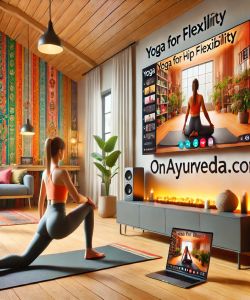
Overview of Yoga for Hip Flexibility
Yoga for Hip Flexibility is a highly specialised and systematic discipline engineered to restore and enhance the functional range of motion within the pelvic girdle. This practice is not an arbitrary collection of stretches but a precise, anatomically informed methodology that targets the intricate network of muscles, ligaments, and connective tissues surrounding the complex ball-and-socket hip joints. Its primary objective is to deconstruct chronic tension patterns and correct musculoskeletal imbalances that are endemic in modern society, largely resultant from prolonged sedentary behaviour and repetitive athletic activities. The discipline moves far beyond simplistic notions of "stretching," employing a sophisticated blend of sustained static holds (asanas), dynamic mobilisation sequences, and focused breath control (pranayama) to re-educate neuromuscular pathways and remodel fascial tissues. It serves as a potent, non-invasive intervention for a myriad of physical complaints, most notably chronic lower back pain, which is frequently a direct symptom of hip immobility. By systematically lengthening shortened hip flexors, releasing tension in deep external rotators, and activating dormant gluteal muscles, the practice restores pelvic neutrality, thereby improving overall posture and biomechanical efficiency. For athletes, it is a critical component of performance enhancement and injury prevention, unlocking greater power and agility. For the general adult population, it is a fundamental requirement for maintaining long-term functional independence and mitigating the degenerative effects of ageing. It is, in essence, a rigorous form of physical conditioning focused on reclaiming the structural integrity and inherent mobility of the body’s central axis.
What is Yoga for Hip Flexibility?
Yoga for Hip Flexibility is a targeted, anatomically precise discipline designed to systematically increase the functional range of motion in and around the hip joints. It is a focused methodology that employs yogic postures (asanas) and principles as tools to achieve specific physiological outcomes within the pelvic region. This practice transcends general stretching by isolating the complex network of tissues that govern hip movement. This includes the hip flexors (psoas, iliacus), extensors (gluteus maximus, hamstrings), adductors (inner thighs), abductors (gluteus medius and minimus), and the deep external rotators (including the piriformis). The core of the practice involves a sophisticated application of biomechanical principles. It utilises sustained passive holds, characteristic of Yin Yoga, to apply gentle, prolonged stress to the dense connective tissues—fascia, ligaments, and tendons—which encourages them to remodel and lengthen over time. This is complemented by dynamic sequences, common in Vinyasa, that build heat, improve circulation, and develop active, controlled mobility. A fundamental component is the integration of pranayama, or controlled breathing. Deep, diaphragmatic breathing is used to activate the parasympathetic nervous system, which signals safety to the body and allows muscles to release their chronic holding patterns. This is not a pursuit of hypermobility, which can lead to instability, but rather the restoration of optimal, pain-free movement. It is a corrective and therapeutic practice aimed at undoing the cumulative damage of sedentary lifestyles and repetitive stress, thereby alleviating associated ailments like lower back pain, improving posture, and enhancing overall physical performance by ensuring the body’s primary power centre functions with maximal efficiency.
Who Needs Yoga for Hip Flexibility?
Sedentary Professionals and Office Workers: Individuals who are subjected to prolonged periods of sitting are primary candidates. This static posture forces the hips into a state of constant flexion, leading to adaptively shortened and tightened hip flexor muscles (psoas and iliacus) and deactivated, weakened gluteal muscles. This imbalance creates an anterior pelvic tilt, a direct precursor to chronic lower back pain, sacroiliac joint dysfunction, and significant mobility deficits that impact everyday movement.
Athletes and Fitness Enthusiasts: Participants in nearly every sport—including running, cycling, weightlifting, martial arts, and dance—require optimal hip mobility for peak performance and injury prevention. Tight hips restrict power generation, limit agility, shorten stride length, and inhibit full depth in movements like squats. This immobility forces compensation from the lumbar spine and knees, making it a leading cause of hamstring strains, groin pulls, and iliotibial band syndrome.
Individuals with Chronic Lower Back Pain: A substantial percentage of non-specific lower back pain is not a spinal issue in origin but a direct symptom of hip immobility. When the hips cannot move through their intended range of motion, the lumbar spine is forced to compensate, leading to excessive wear and tear on the vertebral discs and surrounding musculature. This practice directly addresses the root cause by restoring proper pelvic mechanics.
The Ageing Population: As individuals age, a natural decrease in soft tissue elasticity and joint lubrication occurs, leading to stiffness and reduced mobility. A targeted yoga practice is an essential tool for maintaining functional independence, improving balance, and reducing the risk of falls. It ensures the ability to perform fundamental daily activities such as walking, climbing stairs, and rising from a seated position is preserved.
Individuals with Postural Deviations: Those presenting with common postural faults, such as anterior pelvic tilt, hyperlordosis (excessive lower back arch), or functional leg length discrepancies, require this practice as a corrective intervention. It works to systematically lengthen the chronically tight muscles and strengthen their weakened antagonists, thereby restoring a neutral, more efficient alignment of the pelvis and spine.
Practitioners of General Yoga: Yogis seeking to advance their practice and safely execute more complex asanas—such as full splits (Hanumanasana), Lotus Pose (Padmasana), or deep backbends—must first establish a foundation of profound hip openness. Attempting such postures without the requisite mobility is a direct path to injury, particularly to the knees and sacroiliac joints.
Origins and Evolution of Yoga for Hip Flexibility
While the term "Yoga for Hip Flexibility" is a modern, functionally specific designation, its principles are deeply rooted in the classical traditions of Hatha yoga. The ancient yogic texts, such as the Hatha Yoga Pradipika, detailed numerous seated and floor-based postures (asanas) that inherently worked to open the pelvic region. The original intent, however, was not flexibility for its own sake. The primary purpose of these physical postures was to prepare the body for prolonged periods of seated meditation. Postures like Padmasana (Lotus Pose) and Siddhasana (Accomplished Pose) were considered essential for creating a stable, grounded foundation for pranayama (breath control) and deep states of concentration. Achieving these postures required a significant degree of hip openness, making hip flexibility a necessary byproduct of a spiritual pursuit rather than the explicit goal.
The evolution towards a more anatomically focused practice began in the 20th century with the transmission of yoga to the West. Pioneers such as B.K.S. Iyengar were instrumental in this shift. Iyengar’s meticulous emphasis on anatomical precision, alignment, and the use of props (such as blocks and straps) revolutionised the understanding of asana. He deconstructed traditional postures, making their biomechanical benefits accessible and safe for a wide range of bodies and physical limitations. His work laid the critical groundwork for a therapeutic and scientifically-informed approach to yoga, moving it from a purely esoteric practice to a respected modality for physical rehabilitation and conditioning.
The contemporary discipline of Yoga for Hip Flexibility represents the synthesis of this ancient lineage with modern scientific knowledge. The confluence of a largely sedentary modern culture, which has created an epidemic of hip-related dysfunction, and the advanced understanding of kinesiology and sports science has created a specific demand for targeted mobility work. Modern instructors now draw upon classical asanas but teach them through the lens of biomechanics, focusing explicitly on their effect on specific muscle groups and fascial lines. The emergence of styles like Yin Yoga, developed by Paulie Zink and popularised by teachers like Paul Grilley and Sarah Powers, further specialised the practice, using long, passive holds to target the deep connective tissues around the hips. Today, the practice is a highly refined methodology, prescribed for both clinical rehabilitation and elite athletic optimisation, representing a full evolutionary journey from a meditative aid to a precise tool of physical science.
Types of Yoga for Hip Flexibility
Hatha Yoga: As the foundational practice from which most physical yoga styles originate, Hatha offers a deliberate and systematic approach. In a Hatha class focused on hip flexibility, postures are held for an extended duration, typically for five to ten deep breaths. This sustained holding provides the necessary time to focus on precise alignment within hip-opening asanas like Anjaneyasana (Low Lunge) or Gomukhasana (Cow Face Pose). This methodical pace allows for the gradual release of superficial muscular tension and provides a controlled, safe environment for practitioners to meticulously explore their personal range of motion without the pressure of a fast-moving sequence.
Yin Yoga: This is a passive, profound, and highly specialised practice for targeting the body's deep connective tissues—fascia, ligaments, and joint capsules—rather than the muscles. For achieving significant, lasting gains in hip flexibility, Yin is unparalleled. Postures such as Swan/Pigeon Pose or Frog Pose are held for long durations, typically three to five minutes or more, with the muscles fully relaxed. This prolonged, gentle stress stimulates the fascia to remodel and lengthen, leading to a substantial increase in passive range of motion and joint mobility. It bypasses muscular effort to work directly on the deeper, more restrictive tissues that are often the primary culprits in chronic hip tightness.
Vinyasa Flow: A dynamic and fluid style, Vinyasa synchronises each movement with an inhalation or an exhalation, creating a continuous, flowing sequence. A Vinyasa class designed for hip flexibility will intelligently weave together a series of hip-opening postures, such as lunges, Warrior poses (Virabhadrasana), and Triangle Pose (Trikonasana), into a seamless flow. This process generates internal heat, which makes the muscles more pliable and receptive to stretching. This style is excellent for developing not only passive flexibility but also active, functional range of motion, teaching the body to move with stability and control through its newly acquired openness.
Iyengar Yoga: This methodology is distinguished by its rigorous attention to anatomical detail and precise alignment. Iyengar yoga is an exceptionally effective and therapeutic modality for addressing hip immobility due to its intelligent use of props, including blocks, straps, bolsters, and blankets. These tools are not viewed as aids for beginners but as essential instruments for achieving optimal biomechanical positioning. A practitioner might use a strap to safely deepen a hamstring stretch in Supta Padangusthasana (Reclining Hand-to-Big-Toe Pose) or use blocks under the knees in Baddha Konasana (Bound Angle Pose) to ensure the stretch is targeted correctly in the adductors without straining other joints. This precision makes it ideal for working through specific limitations safely.
Benefits of Yoga for Hip Flexibility
Alleviation of Chronic Lower Back Pain: Directly addresses a primary cause of non-specific lower back pain by lengthening the hip flexor muscles. Tight hip flexors pull the pelvis into an anterior tilt, creating excessive compression and strain in the lumbar spine. Restoring pelvic neutrality through this practice decompresses the lower back, providing significant and lasting pain relief.
Enhanced Athletic Performance and Power Output: The hips are the central engine for most athletic movements. Increasing hip mobility allows for a greater and more efficient transfer of force through the kinetic chain. This translates to a longer running stride, a deeper and more powerful squat, higher kicks in martial arts, and increased agility, giving athletes a distinct competitive advantage.
Comprehensive Injury Prevention: Immobile hips force compensatory movement patterns in adjacent joints, primarily the knees and lumbar spine. This is a leading cause of injuries such as iliotibial band syndrome, patellofemoral pain, and hamstring strains. By restoring proper hip function, the practice mitigates the risk of these common and often debilitating compensatory injuries.
Improved Posture and Structural Alignment: The practice systematically corrects postural imbalances rooted in the pelvis. It facilitates a more neutral pelvic position by releasing chronically tight muscles and encouraging the activation of underused stabilising muscles like the glutes. This improves overall spinal alignment, reducing cumulative stress on the entire musculoskeletal system.
Increased Functional Range of Motion for Daily Life: Enhanced hip mobility directly improves quality of life by making everyday movements easier and more fluid. Activities such as bending to tie shoes, getting in and out of a car, climbing stairs, or rising from a low chair become less strenuous. For ageing individuals, this is critical for maintaining functional independence and reducing the risk of falls.
Release of Stored Physical and Emotional Tension: According to somatic principles, the dense musculature of the hip region is a common site for the physical manifestation of stored stress and emotional tension. The practice of holding deep, passive hip openers, combined with focused diaphragmatic breathing, can facilitate a profound physiological and psychological release, activating the parasympathetic nervous system and promoting a state of deep relaxation.
Deeper and Safer Access to Advanced Yoga Postures: For practitioners of yoga, sufficient hip mobility is a non-negotiable prerequisite for safely attempting more advanced asanas. It provides the foundational openness required for postures like full splits, lotus pose, and deep backbends, protecting the knee and sacroiliac joints from dangerous compensatory torque.
Core Principles and Practices of Yoga for Hip Flexibility
Pranayama (Conscious Breath Control): The breath is the primary instrument for facilitating release. Every movement and hold must be governed by deep, steady, diaphragmatic breathing. The exhalation is the critical phase for surrender, signalling the nervous system to allow muscular and fascial release. Holding the breath or breathing shallowly creates bodily tension and activates a stress response, which is directly counterproductive to the goal of opening tissues. The practice demands a disciplined focus on a smooth, expansive breath.
Sthira and Sukha (Steadiness and Ease): This foundational yogic principle dictates that every posture must embody a precise balance between effort (Sthira) and ease (Sukha). For hip opening, this translates to actively engaging stabilising muscles (such as the core and glutes) to protect the integrity of the joints, while simultaneously allowing the target muscles and connective tissues to lengthen without aggressive force. Pushing or forcing a stretch violates this principle, triggering a defensive contraction and increasing injury risk.
Anatomical Precision and Uncompromising Alignment: Effective hip opening is a science of levers and angles, not indiscriminate stretching. Each posture must be executed with meticulous attention to alignment to isolate the intended tissues and safeguard vulnerable joints, particularly the knees and the sacroiliac (SI) joint. This includes ensuring the knee tracks directly over the ankle in lunges, maintaining a neutral pelvis to avoid lumbar compression, and making intelligent micro-adjustments to rotation and tilt to access specific muscular fibres.
Patience and Sustained Duration of Holds: The dense connective tissues of the hip region, particularly the fascia, respond to low-load, long-duration stress. Quick, ballistic stretching is ineffective and dangerous. The practice requires holding postures for sustained periods—from 30 seconds in more active poses to several minutes in passive Yin-style poses—to allow the tissues time to respond and remodel. This demands significant mental patience and a departure from a "more is more" mindset.
Systematic and Consistent Application: Tangible, lasting changes in flexibility are not achieved through sporadic, intense sessions. The principle of progressive overload requires a regular and consistent practice. The body adapts to the demands placed upon it over time. A disciplined, frequent practice, even if of moderate intensity, is vastly superior to infrequent, aggressive sessions for re-patterning the neuromuscular system and achieving permanent structural change.
Intelligent Use of Props: Props such as blocks, straps, and bolsters are not concessions for the inflexible; they are mandatory tools of precision. They are used to support the body, maintain correct and safe alignment, and allow the practitioner to remain in a posture long enough for a physiological release to occur. Utilising props is a sign of an intelligent and mature practice, enabling effectiveness while mitigating risk.
Online Yoga for Hip Flexibility Benefits
Unparalleled Accessibility and Consistency: The online format eradicates geographical and scheduling constraints, providing unparalleled access to the practice. This allows individuals to engage in sessions from any location, eliminating travel time and logistical hurdles. This supreme convenience is the single most important factor in fostering the high level of consistency required to achieve tangible and lasting results in flexibility. Practice can be seamlessly integrated into any schedule, ensuring its continuity.
Access to Elite, Specialised Instruction: The digital domain provides direct access to a global cadre of highly specialised instructors who focus exclusively on anatomy, biomechanics, and therapeutic mobility. A practitioner is no longer restricted to the generalist teachers available in their local area. They can seek out and learn from leading experts in the field, ensuring the instruction received is precise, safe, and founded on the most current scientific understanding of the human body.
Creation of a Controlled, Private Practice Environment: Practising in a private space eliminates the social pressures and distractions inherent in a group studio setting. The practitioner has absolute control over the environment—lighting, temperature, and sound—creating optimal conditions for the deep focus and relaxation necessary for releasing tension. This privacy removes the element of comparison and ego, encouraging the individual to work honestly with their own body and use props without inhibition, which is paramount for a safe and effective practice.
Self-Paced Learning Through Repetition and Review: A key benefit of digital content is its repeatability. An online practitioner can pause, rewind, and re-watch complex instructions for challenging postures until the alignment cues are fully internalised and correctly executed. The ability to revisit the same class multiple times allows for a deeper integration of the material and provides a clear metric for tracking progress. This self-paced, detailed study is vastly superior for mastering the anatomical nuances of safe hip opening than a single, live class.
Cost-Effectiveness and Resource Efficiency: Typically, online memberships or class packs offer a more cost-effective solution compared to the premium pricing of physical studio memberships. This financial accessibility makes a long-term, consistent practice more sustainable for a wider audience. It removes the associated costs of travel and the time investment required for commuting, making it a more efficient use of both financial and temporal resources.
Yoga for Hip Flexibility Techniques
Step One: Dynamic Warm-up and Joint Mobilisation.
Before attempting any deep stretching, a mandatory warm-up is required to increase tissue temperature and lubricate the hip joints. This is not static stretching. Commence with five to ten minutes of dynamic movements. Perform Cat-Cow tilts to mobilise the pelvis and spine, followed by controlled leg swings in the sagittal (forward-backward) and frontal (side-to-side) planes. Conclude with hip circles in both directions from a tabletop position to circulate synovial fluid within the joint capsule. This phase is critical for injury prevention.
Step Two: Isolate and Lengthen the Hip Flexors.
The primary target is the chronically tight psoas and iliacus muscles. The most effective posture is Anjaneyasana (Low Lunge). From a kneeling position, step one foot forward, ensuring the front knee is stacked directly above the ankle. The crucial action is to engage the gluteal muscle of the rear leg and gently tuck the tailbone under, creating a posterior pelvic tilt. This isolates the stretch at the front of the back hip. Avoid collapsing into the lower back. Hold for a minimum of 45-60 seconds, breathing deeply into the targeted area.
Step Three: Target the External Rotators and Gluteal Group.
Next, address the deep external rotators, particularly the piriformis. The definitive posture is Eka Pada Rajakapotasana (Pigeon Pose). From a plank or tabletop position, bring one shin forward towards the hands. The objective is to work the shin towards being parallel with the front of the mat, but only to the extent that it causes no torque or pain in the knee. Square the hips towards the floor. The stretch should be felt deep in the gluteal region of the front leg. Maintain a flexed front foot to protect the knee joint. For a safer alternative, perform Sucirandhrasana (Thread the Needle) lying on the back.
Step Four: Address the Adductors and Hamstrings.
The inner thighs (adductors) and posterior thighs (hamstrings) must also be addressed, as their tightness directly influences pelvic alignment. For the adductors, utilise Baddha Konasana (Bound Angle Pose), sitting tall and using the breath to release the knees towards the floor. For the hamstrings, the safest and most effective technique is Supta Padangusthasana (Reclining Hand-to-Big-Toe Pose) with a strap. Lying on the back, loop the strap around the ball of one foot and extend the leg towards the ceiling, keeping the pelvis stable and the lower back on the floor. This isolates the hamstrings without compromising the spine.
Step Five: Neutralisation and Integration.
Conclude the practice with neutralising movements. A gentle supine twist (Supta Matsyendrasana) on both sides will release any residual tension and reset the spine and sacroiliac joints. A mandatory Savasana (Corpse Pose) for at least five minutes is the final, critical step. This is not mere rest; it is the vital period of physiological integration where the nervous system absorbs the new neuromuscular patterns and the benefits of the practice are consolidated.
Yoga for Hip Flexibility for Adults
For the adult population, a dedicated practice of Yoga for Hip Flexibility is not a discretionary pursuit but an essential, non-negotiable protocol for long-term physical preservation and functional capacity. The adult body is a repository of cumulative stress, bearing the biomechanical consequences of years of sedentary work, repetitive athletic endeavours, and the inexorable process of ageing. These factors converge to create predictable patterns of musculoskeletal imbalance, with hip immobility and its resultant dysfunctions standing as a primary antagonist to pain-free movement. This practice serves as a direct, systematic countermeasure. For the adult constrained by a desk-bound profession, it is the most effective intervention for reversing the debilitating shortening of hip flexors and deactivation of gluteal muscles—a combination that is a direct catalyst for chronic lower back pain, sciatic-like symptoms, and postural degradation. For the active adult, it is a strategic imperative for injury-proofing the body and optimising performance, ensuring the hips can function as the powerful, mobile fulcrum they were designed to be. As an individual progresses in age, the maintenance of hip mobility becomes paramount, directly correlating with the ability to preserve a stable gait, prevent falls, and perform the fundamental tasks of daily life that underpin independence. An adult-focused practice must be intelligent and mature, prioritising anatomical precision and safety over aesthetic depth, mandating the use of props to support the body and facilitate the safe, gradual release of long-held tension. It is a proactive investment in one's future physical autonomy.
Total Duration of Online Yoga for Hip Flexibility
The professionally mandated and most effective total duration for a single, comprehensive online Yoga for Hip Flexibility session is exactly 1 hr. This specific timeframe is not an arbitrary allocation of time but a calculated necessity, structured to accommodate all critical phases of a safe and results-oriented mobility protocol. A session lasting 1 hr provides the requisite period for a thorough, dynamic warm-up. This initial phase is non-negotiable, serving to increase core body temperature, enhance blood flow to the musculature, and lubricate the hip joints, all of which are essential for mitigating the risk of strain or injury. Following this preparation, the main body of the practice can be executed without haste. This allows for the systematic and focused targeting of all the major muscle groups that influence the pelvic girdle—the flexors, extensors, adductors, abductors, and deep external rotators. Crucially, a 1 hr session permits the holding of key postures for their required duration. Passive stretches, particularly in a Yin style, must be held for several minutes to exert a positive influence on the plastic qualities of fascia and deep connective tissue. To curtail these holds would be to render the practice ineffective. Finally, this duration incorporates time for essential counter-poses to neutralise the spine and a concluding Savasana (Corpse Pose) for nervous system integration. Any session shorter than 1 hr would inevitably compromise one of these vital components, severely undermining the safety, efficacy, and therapeutic value of the practice.
Things to Consider with Yoga for Hip Flexibility
Engaging in a dedicated Yoga for Hip Flexibility programme requires the consideration of several critical factors to ensure the practice is both productive and safe. The most important distinction a practitioner must learn to make is between productive muscular tension and harmful joint pain. Not all restrictions in hip mobility are caused by malleable soft tissue; individual bony anatomy, such as the shape of the femoral head or the depth of the hip socket (acetabulum), can create structural limitations. Attempting to force movement beyond these inherent skeletal boundaries is a direct path to serious injury, such as femoral acetabular impingement (FAI) or a labral tear. Any sharp, pinching, or blocking sensation deep within the joint is an absolute signal to cease the movement. Furthermore, the pursuit of mobility must be balanced with the imperative of stability. The ultimate goal is not hypermobility, which leads to joint instability and a different set of dysfunctions. The practice must, therefore, be complemented by strengthening exercises, particularly for the gluteal muscles and the deep core stabilisers. This ensures that any new range of motion gained is supported and controlled. Individuals with pre-existing conditions affecting the lower back, sacroiliac joints, or knees, or those with a history of hip surgery, must approach this practice with extreme caution. They should seek guidance from a qualified instructor or a physiotherapist who can provide essential modifications and contraindications. The indiscriminate application of generic hip-opening sequences without a nuanced understanding of individual anatomy and history is a profound and dangerous error.
Effectiveness of Yoga for Hip Flexibility
The effectiveness of a disciplined and correctly executed Yoga for Hip Flexibility practice is definitive and substantial, yielding quantifiable improvements in physical function and a marked reduction in chronic pain. The efficacy of this modality is anchored in its systematic, multi-faceted approach to the complex biomechanics of the pelvic girdle. It is not merely stretching; it is a comprehensive reconditioning protocol. By integrating sustained passive holds, which apply the low-load, long-duration stress needed to remodel deep connective tissues like fascia, with dynamic sequences that build functional, controlled range of motion, the practice addresses the root causes of immobility. The results are tangible and predictable. Practitioners consistently experience a significant decrease, and often complete resolution, of non-specific lower back pain, as the practice directly corrects the anterior pelvic tilt and lumbar compression that cause it. Athletes observe a direct, positive impact on performance metrics; increased hip mobility translates into enhanced power generation, greater agility, and a notable reduction in lower-body and groin-related injuries. This effectiveness is not speculative but is grounded in established principles of physiology and kinesiology. By restoring optimal length-tension relationships in the musculature surrounding the hips and re-educating the central nervous system's control over movement patterns, the practice resolves compensatory strains on the knees and spine. The outcome is a more resilient, efficient, and biomechanically sound musculoskeletal system, confirming its status as a highly potent intervention.
Preferred Cautions During Yoga for Hip Flexibility
A vigilant and uncompromising adherence to safety protocols is mandatory when engaging in Yoga for Hip Flexibility; any deviation is an invitation to serious injury. The primary and absolute caution is to never force a position. The hip is a robust joint, but it is not impervious to damage. Any sensation of sharp, pinching, stabbing, or electrical pain, particularly felt deep within the groin or the joint itself, is a non-negotiable command to withdraw from the posture immediately and intelligently. This type of sensation is distinct from the dull ache of a productive muscle stretch and may indicate joint impingement or impending damage to the acetabular labrum. The knee joint is exceptionally vulnerable to compensatory torque during hip-opening poses like Pigeon or Lotus. Any rotational force or pain felt in the knee is a definitive sign that the movement is not originating from the hip. The knee is a hinge joint and must be protected at all costs; keep the foot of the bent leg actively flexed to engage stabilising muscles and never push through knee discomfort. Similarly, the sacroiliac (SI) joints can be easily destabilised by overly aggressive or asymmetrical postures. Maintaining core engagement to stabilise the pelvis is imperative. Individuals with known hypermobility must exercise extreme restraint, focusing on building stability at the end of their range of motion rather than pushing for more flexibility. Disregarding these cautions demonstrates a fundamental misunderstanding of the practice and transforms a therapeutic tool into a mechanism for harm.
Yoga for Hip Flexibility Course Outline
Module 1: Foundational Anatomy and Safety Protocols.
This initial module establishes the non-negotiable framework for the practice. It provides a concise, functional overview of the anatomy of the pelvic girdle, including the ball-and-socket hip joint, key muscle groups, and the role of fascia. The core principle of breath control (Pranayama) as the primary tool for release is introduced. Critically, this module is dedicated to safety: learning to differentiate between productive stretch sensations and harmful pain signals, understanding personal structural limitations, and mastering the mandatory protocols for protecting the knee and sacroiliac joints in all postures.
Module 2: Systematically Targeting the Anterior Chain (Hip Flexors & Quadriceps).
This module delivers a focused attack on the muscles at the front of the body, which are chronically shortened by prolonged sitting. The central focus is the correct execution of lunge variations (e.g., Anjaneyasana). The emphasis is on the critical action of creating a posterior pelvic tilt to effectively isolate the psoas and iliacus, preventing compensation in the lumbar spine. Techniques for safely deepening these postures using props are thoroughly detailed.
Module 3: Addressing the Posterior Chain (Hamstrings & Gluteal Group).
This unit systematically targets the muscles at the back of the legs and hips. It deconstructs common hamstring stretches, prioritising techniques that isolate the hamstrings without stressing the lower back, such as Reclining Hand-to-Big-Toe Pose (Supta Padangusthasana) using a strap. The module then progresses to the gluteal muscles and deep external rotators, including the piriformis. Pigeon Pose (Eka Pada Rajakapotasana) and its safer, supine modifications are taught with an uncompromising focus on knee safety and pelvic alignment.
Module 4: Releasing the Medial Chain (Adductors).
This module is dedicated to the often-neglected muscles of the inner thighs (adductors). It covers a range of key postures designed to create length and space in this area, including Bound Angle Pose (Baddha Konasana), Frog Pose (Mandukasana), and Wide-Legged Forward Fold (Prasarita Padottanasana). Instruction focuses on using gravity, props, and breath to facilitate a gradual, passive release and understanding the biomechanics of pelvic tilt to maximise effectiveness.
Module 5: Integration, Stability, and Functional Movement.
The final module synthesises all previous elements. It introduces dynamic sequences that fluidly connect various hip-opening postures, building a functional range of motion rather than just passive flexibility. This module also incorporates essential strengthening exercises for the core and gluteal muscles. The objective is to ensure that all newly acquired mobility is supported by muscular stability, creating a balanced, strong, and resilient pelvic girdle. The course concludes with instruction on constructing a sustainable personal practice.
Detailed Objectives with Timeline of Yoga for Hip Flexibility
Weeks 1-2: Establish Foundational Safety and Proprioceptive Awareness.
The primary objective is to master the fundamental safety protocols and develop heightened body awareness. By the end of this phase, the practitioner will be able to differentiate definitively between productive stretch sensations and injurious joint pain. They will demonstrate proficient use of diaphragmatic breathing to facilitate muscular release and will execute basic postures, such as a prop-supported Low Lunge, with precise alignment, demonstrating a clear understanding of how to protect the knee and sacroiliac joints. The goal is precision, not depth.
Weeks 3-4: Achieve Measurable Increase in Anterior and Posterior Chain Length.
The focus shifts to achieving a tangible increase in flexibility in the hip flexors and hamstrings. The objective is a demonstrable improvement in postures like Anjaneyasana and Supta Padangusthasana, measured by a decreased sensation of resistance and the ability to hold the poses for at least one minute with correct pelvic alignment and without compensation in the lower back. This indicates an initial neuro-muscular adaptation to the practice.
Weeks 5-8: Access and Release Deep External Rotators and Adductors.
This intermediate phase aims to unlock the deeper, more resilient tissues of the hips. The objective is to be able to comfortably and safely hold postures like Pigeon Pose and Bound Angle Pose for sustained periods (2-3 minutes), utilising props effectively to support the body and facilitate a deep release. The practitioner will demonstrate an improved range of external rotation and adductor length, evidenced by greater ease in these shapes and a reduction in piriformis-related tension.
Weeks 9-12: Integrate Mobility with Functional Strength and Control.
The final phase consolidates flexibility gains and translates them into usable, functional strength. The primary objective is to integrate the new range of motion into dynamic sequences, demonstrating stability and control throughout the movement. The practitioner will be able to transition fluidly between hip-opening postures without compromising alignment and will master core strengthening exercises to support the mobile pelvis. The ultimate outcome is not just increased flexibility, but the development of a strong, stable, and functionally mobile hip complex, leading to a noticeable reduction in chronic pain and improved physical performance.
Requirements for Taking Online Yoga for Hip Flexibility
A Stable, High-Speed Internet Connection: This is a non-negotiable technical prerequisite. An uninterrupted, reliable connection is mandatory for receiving clear, real-time instruction. Any latency, buffering, or disconnection compromises the practitioner's ability to follow crucial alignment cues, rendering the practice ineffective and potentially unsafe. A hardwired Ethernet connection is strongly preferred over wireless for optimal stability.
A Suitable Device with a High-Quality Camera: The practitioner must use a device, such as a laptop or tablet, with a screen large enough to clearly view the instructor’s detailed demonstrations. A smartphone is inadequate for this purpose. The device's camera must be functional and positioned to provide the instructor with a full, well-lit, and unobstructed view of the practitioner's entire body, enabling the provision of essential, real-time corrections.
A Dedicated and Uncluttered Practice Space: A sufficient amount of clear physical space is required. The area must accommodate a yoga mat with at least a one-metre perimeter of clear, unobstructed space to allow for a full range of movement without hazard. The environment must be private and entirely free from distractions—including other people, pets, and ambient noise—to facilitate the intense focus and internal awareness demanded by the practice.
A Complete Set of Essential Yoga Props: This is not optional; it is a mandatory requirement for safe and effective practice. The practitioner must possess, at a minimum: one non-slip yoga mat, two firm yoga blocks (cork or high-density foam are superior), and one yoga strap (at least six feet long). A firm bolster or cushion is also highly recommended. These tools are integral for maintaining safe alignment, modifying postures, and achieving therapeutic release.
A High Degree of Personal Discipline and Accountability: The remote format demands significant self-discipline. The practitioner is solely responsible for creating their practice environment, adhering to the schedule, and, most importantly, listening to their body's feedback. They must possess the maturity to work within their genuine physical limits without the direct physical oversight of an instructor, resisting the ego-driven temptation to push into a painful range of motion. This internal accountability is the cornerstone of a successful and injury-free online practice.
Things to Keep in Mind Before Starting Online Yoga for Hip Flexibility
Before commencing an online Yoga for Hip Flexibility programme, a practitioner must undertake a rigorous and honest self-assessment and prepare their environment with meticulous care. The remote nature of this format places the ultimate responsibility for safety and efficacy squarely upon the individual. It is imperative to first evaluate one’s capacity for self-discipline and the ability to accurately interpret and apply nuanced verbal cues without the benefit of hands-on, physical correction. This is an active engagement, not a passive viewing experience. The selection of the programme and instructor is of paramount importance; one must choose a teacher with demonstrable, advanced qualifications in anatomy and biomechanics, as their expertise is the primary safeguard against injury in a virtual setting. Prior to the first session, the technological setup must be tested and confirmed to be flawless, and the physical practice space must be organised, cleared of all obstructions, and equipped with all mandatory props. It is also critical to manage expectations: progress in hip mobility is a slow, non-linear process. Pushing aggressively through periods of perceived stagnation is a direct route to injury. One must commit to the practice with patience and divest from any ego-driven attachment to achieving specific outcomes or postures. Finally, and most critically, if any pre-existing medical conditions or injuries affect the hips, lower back, or knees, obtaining explicit clearance from a qualified medical professional or physiotherapist is not a suggestion—it is an absolute prerequisite for participation.
Qualifications Required to Perform Yoga for Hip Flexibility
The instruction of Yoga for Hip Flexibility is a specialised and high-stakes discipline that demands credentials far exceeding a standard, entry-level yoga teacher certification. An instructor guiding individuals through this potent work must possess a profound, evidence-based understanding of human anatomy, kinesiology, and biomechanics, with a specific focus on the complex structures of the pelvic girdle. A superficial knowledge of asana names is grossly insufficient; the instructor must comprehend the precise mechanical effects of each posture on the joints, muscles, ligaments, and fascial networks. While a foundational certification (such as a 200-hour training) is a baseline prerequisite, it must be substantially augmented by advanced, targeted education. The non-negotiable qualifications include:
Advanced Certification in Functional Anatomy: The instructor must have completed extensive, post-graduate training focused on the science of human movement. This includes a robust understanding of arthrokinematics (joint mechanics), the specific function of all musculature surrounding the hip, and the physiology of fascial tissue. They must be proficient in identifying common postural dysfunctions and applying biomechanical principles to stretching and mobilisation.
Specialised Training in a Therapeutic or Anatomically-Focused Yoga Modality: Proficiency in a system like Iyengar Yoga, clinical Yin Yoga, or a specific yoga therapy programme is essential. This training ensures the instructor is an expert in the use of props for modification, support, and the safe adaptation of the practice for individuals with injuries, pathologies, or significant structural limitations.
Demonstrable and Relevant Teaching Experience: A qualified instructor will possess a substantial track record of experience working specifically with students on mobility issues. They must also demonstrate a commitment to continuous professional development, staying abreast of current research in physical therapy, sports science, and pain science.
In essence, a competent instructor in this domain functions as a skilled movement specialist, not a generic fitness leader. Their instruction must be clear, precise, safe, and grounded in a rigorous, scientific understanding of the body.
Online Vs Offline/Onsite Yoga for Hip Flexibility
Online
The online modality for this practice is defined by its unparalleled convenience, accessibility, and potential for deep, introspective work. Its primary advantage is the elimination of all geographical and logistical barriers, allowing participation from any location with an internet connection. This facilitates a high degree of consistency, which is the absolute cornerstone of achieving tangible changes in flexibility. The online space grants access to a global pool of elite, specialist instructors who would otherwise be unreachable. It fosters a private, non-competitive environment, which is highly conducive to the focus and vulnerability required for deep hip release, encouraging practitioners to work honestly within their own physical limits without social pressure. The ability to control one's environment and to record and replay sessions for detailed study allows for a level of precision and self-paced learning that is impossible in a live class. However, the significant drawback is the absence of hands-on, physical adjustments. This places a much greater onus for safety, correct alignment, and motivation on the individual practitioner, demanding a high level of self-discipline and bodily awareness.
Offline/Onsite
The traditional offline, or onsite, experience in a physical studio offers the distinct advantage of direct, in-person contact with an instructor. This allows for immediate, tactile, hands-on adjustments, providing a level of nuanced feedback and correction that is unattainable through a screen. For beginners or individuals working with injuries, this physical guidance can be invaluable for ensuring safety and maximising the effectiveness of a posture. The communal energy and shared focus of a group class can also provide a powerful source of motivation and accountability for some individuals. The studio provides a dedicated space, fully equipped with all necessary props, removing the logistical burden from the practitioner. The principal disadvantages are logistical and financial. Onsite classes are bound by a fixed schedule and location, which can be inconvenient and lead to inconsistent attendance. The choice of specialist instructors is limited to those within one's immediate geographical vicinity, and the cost per class is typically significantly higher. Furthermore, for some, the public nature of a group setting can be distracting and may foster a counterproductive sense of competition or self-consciousness.
FAQs About Online Yoga for Hip Flexibility
Question 1. Is online instruction as effective as an in-person class?
Answer: Yes. For a self-disciplined individual, the consistency and access to specialised instruction afforded by the online format can yield superior results.
Question 2. What equipment is absolutely mandatory for an online class?
Answer: A non-slip yoga mat, two firm yoga blocks, and a yoga strap. These are non-negotiable for safe and effective practice.
Question 3. Can I participate if I have a pre-existing hip injury?
Answer: You must obtain explicit clearance from a qualified medical professional or physiotherapist before commencing any programme.
Question 4. How long until I notice a tangible difference?
Answer: While subtle shifts may be felt after the first few sessions, measurable and lasting changes in range of motion require consistent practice over several weeks and months.
Question 5. Is feeling pain during hip-opening poses normal?
Answer: No. A deep, dull stretching sensation is productive. Any sharp, pinching, burning, or electric pain is a definitive signal to stop immediately.
Question 6. What is the recommended frequency of practice for results?
Answer: For significant progress, a dedicated practice of 3-4 times per week is the professional recommendation.
Question 7. I am extremely inflexible. Is this practice suitable for me?
Answer: This practice is specifically designed for individuals with tightness. The objective is to improve your personal range of motion, not to conform to an external standard.
Question 8. Can this practice alleviate sciatica?
Answer: It may help if the symptoms are caused by piriformis syndrome, but it can worsen other causes of sciatica. A medical diagnosis is mandatory before attempting to self-treat.
Question 9. Is it compulsory to have my camera on during a live online class?
Answer: Yes. It is essential for the instructor to observe your alignment to provide critical safety cues and corrections.
Question 10. What is the most common error made in this practice?
Answer: Forcing stretches and sacrificing correct alignment for the illusion of depth, most commonly by torquing the knee or rounding the lower back.
Question 11. Is this practice appropriate for older adults?
Answer: Yes, it is highly beneficial for maintaining functional mobility and independence, provided appropriate modifications are used.
Question 12. Will this make my hips unstable or "too loose"?
Answer: A properly structured programme will balance flexibility work with strengthening exercises for the glutes and core to ensure stability.
Question 13. Is a separate warm-up needed before an online session?
Answer: No. Any professionally structured class will include a comprehensive, integrated warm-up.
Question 14. Is it advisable to eat before a practice session?
Answer: It is best to practise on a relatively empty stomach. Allow at least two hours to digest a substantial meal.
Question 15. What if I cannot perform a specific pose shown?
Answer: A qualified instructor will always provide modifications and alternatives, often using props, to ensure you can access the intended benefit of the pose safely.
Question 16. Is Yin Yoga the only effective style for hip flexibility?
Answer: No. Hatha, Vinyasa, and Iyengar are also highly effective, each offering a distinct but valid approach to achieving mobility.
Question 17. Can this practice improve my posture?
Answer: Yes, by correcting pelvic tilt and restoring muscular balance, it has a direct and positive impact on overall posture.
Conclusion About Yoga for Hip Flexibility
In conclusion, Yoga for Hip Flexibility must be recognised not as a discretionary fitness activity, but as an essential and highly sophisticated discipline for the restoration and maintenance of fundamental human movement. Its systematic application provides a direct and potent antidote to the pervasive musculoskeletal dysfunctions that are the hallmark of a modern, sedentary existence. The practice is a non-negotiable biomechanical and anatomical intervention, targeting the root causes of chronic lower back pain, postural degradation, and a litany of compensatory injuries by methodically reconditioning the intricate musculature of the pelvic girdle. It is a precise methodology that demands intelligence, patience, and an unwavering commitment to the principles of safe alignment over the pursuit of superficial aesthetic shapes. A successful practitioner must abandon the ego-driven quest for extreme flexibility, focusing instead on the development of functional, stable, and pain-free range of motion. Regardless of whether it is undertaken in an online or offline setting, its core tenets remain immutable: the primacy of controlled breath as the agent of release, the non-negotiable balance of steadiness and ease, and the absolute requirement for consistency. This is not a passive enterprise; it is an active, focused, and rigorous form of physical re-education. Ultimately, a dedicated and intelligent practice of Yoga for Hip Flexibility constitutes a strategic investment in long-term physical autonomy, injury resilience, and optimised performance, cementing its status as an indispensable component of any serious physical maintenance regimen.