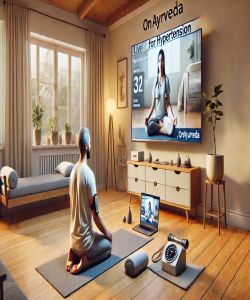
1. Overview of Yoga for Hypertension
Yoga for Hypertension constitutes a highly specialised, non-pharmacological, complementary therapeutic modality designed explicitly to manage and mitigate elevated blood pressure. It is not a generalised fitness regimen but a precise, evidence-informed protocol that integrates specific physical postures (asanas), controlled breathing techniques (pranayama), and deep meditative practices to elicit a systemic hypotensive response. The core operational principle is the conscious down-regulation of the sympathetic nervous system—the body's 'fight or flight' mechanism—and the corresponding up-regulation of the parasympathetic nervous system, which governs the 'rest and digest' state. This deliberate shift in autonomic balance directly addresses the psycho-physiological stressors that are primary contributors to essential hypertension. By targeting the root causes of nervous system over-activity, reducing circulating stress hormones such as cortisol, improving baroreflex sensitivity, and enhancing arterial compliance, this yogic intervention offers a holistic approach to cardiovascular wellness. It functions as a powerful adjunct to conventional medical treatment, empowering individuals with a set of self-regulatory skills to actively participate in the management of their condition. The practice is fundamentally non-strenuous, prioritising mindful execution, deep relaxation, and breath-body synchronisation over physical exertion. It demands strict adherence to safety protocols, particularly the avoidance of contraindicated postures like full inversions, to ensure that the practice remains exclusively therapeutic. As a discipline, it fosters profound mind-body awareness, enabling the practitioner to recognise and manage stress triggers before they manifest as deleterious physiological events. Its purpose is unequivocal: to provide a structured, safe, and effective means of supporting long-term blood pressure control and promoting overall cardiovascular health through the systematic application of ancient yogic principles validated by modern scientific inquiry. This is not a passive remedy but an active, learned skill in physiological self-mastery.
2. What is Yoga for Hypertension?
Yoga for Hypertension is a targeted therapeutic system meticulously adapted from classical yoga to address the specific pathophysiological mechanisms underlying high blood pressure. It is a structured intervention, distinct from general yoga classes, which often include practices that are contraindicated for individuals with this condition. Its primary function is to serve as a complementary therapy, working in concert with, and not as a substitute for, conventional medical management prescribed by a qualified physician. The methodology is built upon a triad of core components, each selected for its demonstrable capacity to induce a state of deep physiological and mental calm, thereby facilitating a reduction in blood pressure.
The constituent elements are as follows:
-
Modified Asanas (Physical Postures): This involves a carefully curated selection of gentle, static, and restorative postures. The emphasis is on releasing muscular tension, particularly in the neck, shoulders, and back, which can contribute to systemic stress. All strenuous movements, rapid transitions, and, most critically, full inversions (such as headstands or shoulder stands) are strictly prohibited, as they can cause a dangerous spike in intracranial and blood pressure. Postures are often supported by props like bolsters and blankets to encourage complete passive release.
-
Specific Pranayama (Breathing Techniques): This is arguably the most crucial component. The practice prioritises slow, deep, diaphragmatic breathing and techniques known to activate the parasympathetic nervous system. These include Nadi Shodhana (Alternate Nostril Breathing) and Bhramari (Humming Bee Breath). Techniques involving forceful expulsion or prolonged retention of breath are absolutely forbidden. The objective is to slow the heart rate, enhance vagal tone, and calm the entire nervous system.
-
Dhyana and Relaxation (Meditation and Deep Rest): Every session culminates in a period of profound relaxation, such as Yoga Nidra (yogic sleep) or guided meditation. These practices are designed to reduce mental agitation and anxiety, which are significant contributors to hypertension. By quieting the mind, the practice reduces the output of stress hormones, fostering a lasting state of tranquillity that supports healthy blood pressure levels.
In essence, Yoga for Hypertension is a prescription of specific, calming yogic techniques aimed at rebalancing the autonomic nervous system.
3. Who Needs Yoga for Hypertension?
-
Individuals Diagnosed with Pre-hypertension or Stage 1 Hypertension: This cohort stands to benefit significantly from adopting Yoga for Hypertension as a primary, non-pharmacological management strategy. For these individuals, the practice offers a proactive and empowering method to potentially halt or reverse the progression of the condition, thereby avoiding or delaying the necessity for pharmaceutical intervention. It provides a structured framework for implementing crucial lifestyle modifications centred on stress reduction and physiological regulation, addressing the condition at its early, more malleable stage.
-
Patients on Anti-hypertensive Medication: For individuals already undergoing conventional medical treatment, this specialised yoga serves as a powerful adjunctive therapy. The objective is not to replace medication but to complement it. Regular practice can enhance the efficacy of prescribed drugs, contribute to more stable blood pressure readings, and, in some cases, may lead to a physician-directed reduction in medication dosage over time. It provides a holistic support system that addresses the stress and anxiety components of the condition, which medication alone may not fully resolve.
-
Individuals with Stress-Induced or Labile Hypertension: Those whose blood pressure fluctuates significantly in response to occupational, emotional, or environmental stressors are prime candidates. The practice equips these individuals with tangible, real-time tools to manage their physiological response to stress. They learn to consciously activate their body's relaxation response, mitigating the acute blood pressure spikes associated with high-stress situations and fostering greater emotional and physiological resilience.
-
Persons Seeking Proactive, Preventative Cardiovascular Care: Individuals with a strong familial history of hypertension, or those with other cardiovascular risk factors, require this practice as a preventative measure. By learning and integrating these self-regulatory techniques early, they can actively cultivate a healthier autonomic nervous system balance and mitigate the long-term impact of chronic stress, thereby reducing their overall risk profile for developing hypertension and related cardiovascular diseases in the future. It is a definitive investment in long-term health.
-
Older Adults Seeking Safe and Gentle Health Management: The non-strenuous, modifiable nature of Yoga for Hypertension makes it an exceptionally suitable and safe practice for older adults, who may have co-existing conditions or physical limitations. It offers a means to manage blood pressure while simultaneously improving mobility, balance, and mental clarity without imposing undue physical strain.
4. Origins and Evolution of Yoga for Hypertension
The application of yoga as a therapeutic intervention for hypertension is a modern specialisation, yet its roots are deeply embedded in the ancient philosophical and practical framework of classical yoga. The foundational texts, such as the Yoga Sutras of Patanjali, codified several millennia ago, do not mention hypertension by its modern clinical name. However, they meticulously detail practices aimed at achieving 'citta vritti nirodha'—the cessation of the modifications of the mind. This principle of mastering mental and emotional fluctuations is the very bedrock upon which modern therapeutic yoga is built. The ancient yogis understood that an agitated mind directly corresponds to a disturbed physiological state. Their techniques for calming the mind and regulating the breath (prana) were designed to bring the entire human system into a state of homeostatic balance, which is precisely the goal of contemporary Yoga for Hypertension.
The evolution from a spiritual discipline to a targeted medical adjunct began in earnest in the 20th century, as pioneering Indian yoga masters and Western physicians began to bridge the gap between ancient wisdom and modern scientific methodology. Figures like Swami Kuvalayananda were instrumental in establishing research institutions to study the physiological effects of yogic practices, moving them from the realm of the mystical into that of objective science. This period saw the first systematic investigations into how specific asanas and pranayama techniques could influence autonomic functions, including heart rate, respiration, and, critically, blood pressure. This marked a paradigm shift, treating yoga not merely as a system for spiritual enlightenment but as a potent tool for managing psychosomatic and chronic lifestyle-related diseases.
The final stage of its evolution has been the formulation of specific, evidence-informed protocols. As clinical research burgeoned, it became clear that not all yoga is beneficial for hypertension; indeed, some practices are dangerously counterproductive. This led to the development of highly specialised curricula that systematically exclude contraindicated techniques—such as vigorous sequences, breath retention, and full inversions—while exclusively promoting those scientifically validated to elicit the relaxation response and lower blood pressure. This modern iteration of Yoga for Hypertension is therefore a refined and precise clinical application, a direct descendant of ancient principles but now shaped and validated by the rigours of contemporary medical science. It represents the successful integration of holistic practice and clinical evidence, providing a safe and structured therapeutic pathway.
5. Types of Yoga for Hypertension
-
Restorative Yoga: This is a cornerstone practice for managing hypertension. Its methodology involves the use of props such as bolsters, blankets, and blocks to completely support the body in passive postures. These poses are held for extended durations, often five minutes or more. The core objective is not to stretch or strengthen muscles but to induce a state of profound and deep relaxation. By eliminating the need for muscular effort, the practice signals to the nervous system that it is safe to shift from sympathetic ('fight or flight') dominance to parasympathetic ('rest and digest') control. This neurological shift directly triggers a cascade of physiological responses, including a reduction in heart rate, a decrease in the production of stress hormones like cortisol, and the dilation of blood vessels, all of which contribute to a direct and tangible lowering of blood pressure.
-
Modified Hatha Yoga: This approach utilises the foundational principles of classical Hatha yoga but is rigorously adapted for therapeutic purposes. The practice is characterised by slow, mindful movements synchronised with deep, conscious breathing. All transitions between postures are deliberate and gentle, avoiding any rapid or jarring actions. The selection of asanas is highly specific, focusing on those that promote circulation and release tension without placing undue stress on the cardiovascular system. Critically, all contraindicated postures, particularly full inversions and strenuous backbends, are strictly omitted. The emphasis is on stability, grounding, and maintaining a calm internal state throughout the practice, making it a safe yet effective way to improve physical well-being without elevating blood pressure.
-
Yoga Nidra (Yogic Sleep): This is not a physical practice but a powerful, systematic guided meditation technique performed while lying down in Savasana (corpse pose). The practitioner is led through a structured sequence of instructions designed to induce a state of consciousness between waking and sleeping. This process systematically dismantles deep-seated muscular, emotional, and mental tensions. By accessing this state of profound relaxation, the body's homeostatic mechanisms are reset. Yoga Nidra is exceptionally effective at reducing anxiety and calming the mind, directly impacting the neurological and endocrine pathways that govern blood pressure regulation.
-
Pranayama-Centric Practice: In this modality, the primary focus is on breathwork. The session may involve minimal physical movement, instead concentrating on specific breathing techniques clinically observed to have a hypotensive effect. Key practices include Chandra Bhedana (left-nostril breathing), which is associated with cooling and calming the system, and Bhramari (humming bee breath), the vibrations of which have a deeply soothing effect on the nervous system. The core principle is the deliberate extension of the exhalation phase, which stimulates the vagus nerve and strongly activates the parasympathetic relaxation response.
6. Benefits of Yoga for Hypertension
-
Direct Reduction of Blood Pressure: The primary and most critical benefit is the demonstrable lowering of both systolic and diastolic blood pressure readings. This is achieved through the targeted down-regulation of sympathetic nervous system activity and the concurrent enhancement of parasympathetic tone, leading to a calmer physiological baseline and reduced vascular tension.
-
Mitigation of Stress and Anxiety: The practice systematically dismantles the body’s chronic stress response. By reducing circulating levels of cortisol and catecholamines, it directly addresses the psycho-emotional triggers that are a major contributing factor to the onset and exacerbation of essential hypertension.
-
Enhanced Arterial Compliance and Endothelial Function: Regular practice of gentle, mindful movements and specific breathing techniques improves the elasticity of arterial walls. This enhanced compliance reduces peripheral vascular resistance, allowing blood to flow more freely and with less force, thereby easing the workload on the heart and contributing to healthier blood pressure levels.
-
Improved Baroreflex Sensitivity (BRS): Yoga has been shown to improve the function of the body's baroreceptors, the sensors that detect changes in blood pressure and signal the brain to make rapid adjustments. A more sensitive baroreflex leads to better short-term blood pressure control and greater cardiovascular stability.
-
Cultivation of Interoceptive Awareness: The practice fosters a heightened awareness of internal bodily signals. This empowers individuals to recognise the early physiological signs of stress and to deploy their learned breathing and relaxation techniques proactively, preventing stress from escalating into a hypertensive event.
-
Regulation of Heart Rate and Respiration: Through the conscious control of breath (pranayama), practitioners learn to slow both their respiratory rate and their heart rate. A slower, more regular heart rate reduces the strain on the cardiovascular system and is a key indicator of a well-regulated, parasympathetic-dominant state.
-
Promotion of Restorative Sleep: Chronic hypertension is often linked with poor sleep quality. The deep relaxation techniques integral to the practice, such as Yoga Nidra, significantly improve sleep onset and duration, allowing the body the necessary restorative time to regulate blood pressure and repair cellular damage.
-
Empowerment and Self-Efficacy: Engaging in the practice provides individuals with a tangible, non-pharmacological tool to actively manage their health. This sense of control and self-efficacy is psychologically beneficial and encourages greater adherence to all aspects of their treatment plan, including diet and medical advice.
7. Core Principles and Practices of Yoga for Hypertension
-
Primacy of the Breath (Pranayama): The absolute foundation of this therapeutic practice is the breath. The core principle is that regulating the breath directly regulates the nervous system. All practices are built around establishing slow, deep, and consistent diaphragmatic breathing. The exhalation is deliberately emphasised and often extended to be longer than the inhalation, as this action is a primary trigger for the vagus nerve, which in turn activates the parasympathetic relaxation response. All forms of forceful or retentive breathing (Kumbhaka) are strictly forbidden.
-
Absolute Avoidance of Contraindicated Asanas: Safety is paramount, and this principle is non-negotiable. A core tenet is the complete exclusion of any posture or practice that could potentially elevate blood pressure. This includes all full inversions (e.g., Headstand, Shoulderstand, Handstand), strenuous backbends, intense abdominal work, and any posture that creates significant physical strain, facial pressure, or requires breath-holding. The practice is defined as much by what it omits as by what it includes.
-
Mindfulness and Gradual Progression (Ahimsa and Satya): The practice is executed with an attitude of non-harming (Ahimsa) and truthfulness (Satya) towards one's own body. This translates to moving slowly, deliberately, and with complete internal awareness. There is no element of competition or striving for an aesthetic ideal. Each movement is an exploration of sensation, and the practitioner is taught to respect physical limits and to back away from any sensation of pain, strain, or dizziness. Progression is measured not by physical depth in a posture but by the ability to maintain a calm and steady internal state.
-
Integration of Deep Relaxation: Every session must conclude with a mandatory and substantial period of deep relaxation. This is not an optional add-on but an integral part of the therapeutic process. Practices such as Savasana (Corpse Pose), often supported with props for maximum comfort, or guided Yoga Nidra are utilised to allow the physiological benefits of the practice to integrate fully. This phase ensures the nervous system is settled into a profound state of parasympathetic dominance, maximising the hypotensive effect of the session.
-
Consistency Over Intensity: The therapeutic benefits of Yoga for Hypertension are cumulative and derived from regular, consistent practice, not from isolated, intense sessions. The principle is that short, gentle, daily, or near-daily practices are vastly more effective for long-term blood pressure regulation than longer, more strenuous sessions performed infrequently. This approach helps to re-pattern the nervous system over time, establishing a new, healthier baseline.
8. Online Yoga for Hypertension
-
Unparalleled Accessibility and Schedule Adherence: The online delivery model eradicates geographical barriers, providing access to specialised instruction regardless of the participant's location. This is particularly crucial given the scarcity of qualified therapeutic yoga instructors in many areas. Furthermore, it offers superior scheduling flexibility, allowing individuals to integrate the practice into their daily lives with greater ease. This convenience is a critical factor in promoting the long-term consistency required for tangible, sustainable results in blood pressure management.
-
Creation of a Controlled, Therapeutic Environment: Practising from one's own home allows for the creation of a private, quiet, and non-intimidating space. This eliminates the potential for social comparison, perceived pressure, or environmental distractions often found in a public studio. For a practice where internal focus and deep relaxation are paramount, this control over the environment is not a minor convenience but a significant therapeutic advantage, fostering a deeper and more effective practice.
-
Enhanced Autonomy and Safe Self-Pacing: The digital format empowers the participant with complete control over their practice. They can pause the session to better understand a cue, modify a posture without feeling rushed, and work entirely within their own physical limits without the pressure of keeping up with a group. This autonomy is vital for safety, encouraging a more mindful and responsive approach to the practice, which is essential when managing a cardiovascular condition.
-
Access to Elite, Specialised Instructors: The online sphere provides a global marketplace of expertise. A participant is no longer limited to the instructors in their immediate vicinity but can seek out and learn from highly qualified professionals with specific, verifiable credentials and experience in yoga therapy for cardiovascular health. This access to a higher tier of instruction significantly enhances both the safety and the efficacy of the practice.
-
Reinforcement through On-Demand Resources: A key benefit of many online programmes is the availability of recorded sessions. This allows participants to revisit specific techniques, repeat classes to solidify their understanding, or make up for a missed live session. This capacity for repetition and review is a powerful learning tool that reinforces correct technique and deepens the practitioner’s integration of the core principles, accelerating their journey towards self-mastery of the techniques.
9. Yoga for Hypertension Techniques
The following techniques form a foundational sequence for the safe and effective practice of Yoga for Hypertension. Each step must be executed with mindfulness, prioritising comfort and stability over depth or intensity.
1. Technique: Seated Centring and Diaphragmatic Breath
- Step 1: Assume a comfortable seated position on a cushion or chair, ensuring the spine is erect but not rigid. Rest the hands on the thighs, palms facing up or down.
- Step 2: Gently close the eyes and bring your awareness inward. Observe the natural flow of your breath without attempting to change it.
- Step 3: Place one hand on your abdomen. As you inhale slowly through the nostrils, feel the abdomen expand and press into your hand.
- Step 4: As you exhale slowly through the nostrils, feel the abdomen gently contract. Consciously make the exhalation slightly longer than the inhalation.
- Step 5: Continue this pattern for a minimum of three minutes, establishing a calm, rhythmic breath that will serve as the anchor for the entire practice.
2. Technique: Gentle Neck Releases
- Step 1: Remaining seated, inhale to lengthen the spine.
- Step 2: As you exhale, slowly and gently lower your right ear towards your right shoulder, feeling a mild stretch along the left side of the neck. Do not force the movement.
- Step 3: Hold for three to five complete breaths. On an inhalation, return the head to the centre.
- Step 4: Repeat on the left side.
- Step 5: Conclude by gently tucking the chin towards the chest on an exhalation, holding for three to five breaths to release tension in the back of the neck.
3. Technique: Modified Legs-Up-the-Wall Pose (Viparita Karani)
- Step 1: Place a folded blanket or a bolster a few inches from a clear wall space.
- Step 2: Sit sideways on the prop with one hip touching the wall.
- Step 3: In a single, fluid motion, swing your legs up the wall as you simultaneously lower your shoulders and head to the floor, lying on your back.
- Step 4: Adjust your position so that your sitting bones are resting against the wall and your lower back is comfortably supported by the prop. Your legs should be relaxed against the wall.
- Step 5: Rest with your arms out to the sides, palms up. Remain in this deeply restorative and passive posture for five to ten minutes, breathing diaphragmatically. This pose encourages venous return and has a profoundly calming effect on the nervous system.
10. Yoga for Hypertension for Adults
For the adult population, particularly those in mid-to-late life, Yoga for Hypertension presents itself not as a mere lifestyle enhancement but as a crucial and strategic tool for managing one of the most prevalent chronic health conditions. The onset of hypertension in adulthood is frequently multifactorial, intrinsically linked to the cumulative effects of occupational stress, sedentary behaviour, and age-related physiological changes such as increased arterial stiffness. This specialised yoga protocol directly confronts these drivers with a targeted, low-impact methodology perfectly suited to the adult body. It eschews the aggressive athleticism of many modern yoga styles in favour of a therapeutic approach that prioritises safety, stability, and nervous system regulation. The practice provides adults with a learnable, self-administered skill set to actively counterbalance the hypertensive effects of a demanding life. It teaches them to consciously shift their physiological state from one of high-alert sympathetic arousal to one of restorative parasympathetic calm. This is a profound form of empowerment, moving the individual from a position of passive patient to an active participant in their own wellness. Furthermore, the practice is inherently adaptable; postures can be modified with chairs and props to accommodate the joint stiffness, reduced flexibility, or balance issues that may be present in the adult practitioner. It therefore provides a safe and accessible entry point for individuals who may have been inactive for a prolonged period. Ultimately, for adults facing a diagnosis of hypertension, this practice is a robust, evidence-informed discipline for reclaiming a measure of control over their cardiovascular health and improving their quality of life.
11. Total Duration of Online Yoga for Hypertension
The requisite total duration for a single, comprehensive online session of Yoga for Hypertension is unequivocally established at 1 hr. This specific timeframe is not arbitrary but is methodically structured to ensure the delivery of a full therapeutic arc, which is essential for achieving a tangible and meaningful hypotensive effect. A session of less than 1 hr is insufficient to guide the practitioner through the necessary physiological and psychological shifts. The initial phase of the hour is dedicated to centring and gentle warm-ups, allowing the participant to transition from their daily activities and establish a baseline of mindful awareness and controlled breathing. The central, and largest, portion of the 1 hr session is allocated to the core practice of modified asanas and specific pranayama techniques, executed slowly and deliberately to avoid any cardiovascular strain. The final, and arguably most critical, segment of the 1 hr duration is reserved for a prolonged period of deep relaxation, such as Savasana or a guided Yoga Nidra. This concluding phase is non-negotiable, as it is during this time that the nervous system fully integrates the benefits of the practice, shifting decisively into a state of parasympathetic dominance where blood pressure naturally reduces. The 1 hr structure is, therefore, the minimum effective dose required to move beyond simple stretching and to engage the deep, autonomic regulatory mechanisms that are the ultimate target of this therapeutic intervention. It provides the necessary temporal container to ensure safety, thoroughness, and genuine physiological impact.
12. Things to Consider with Yoga for Hypertension
Before embarking on any programme of Yoga for Hypertension, it is imperative to approach the discipline with the gravity and diligence it warrants as a therapeutic intervention. The absolute, non-negotiable first step is to obtain explicit medical clearance from a qualified healthcare professional, such as a general practitioner or cardiologist. This practice must be viewed as a complement to, never a replacement for, conventional medical advice and prescribed treatment. Self-diagnosing or altering medication based on one’s yoga practice is reckless and strictly forbidden. The selection of an instructor is of paramount importance; one must seek a professional with specific, advanced certification and demonstrable experience in yoga therapy for cardiovascular conditions, not a generic fitness-oriented yoga teacher. It is crucial to maintain open and honest communication with this instructor regarding any physical limitations or sensations experienced during practice, such as dizziness or discomfort. The practitioner must cultivate a profound sense of self-awareness and personal responsibility, learning to distinguish between a gentle, therapeutic stretch and a sensation of strain. The ethos is one of non-violence (ahimsa) towards the body; pushing through pain is an anathema to this practice. Furthermore, one must understand that the benefits are cumulative and require unwavering consistency. A sporadic approach will yield negligible results. This is a long-term management strategy that demands patience, discipline, and a steadfast commitment to the principles of safety and mindfulness above all other considerations.
13. Effectiveness of Yoga for Hypertension
The effectiveness of a dedicated, correctly implemented yoga protocol for managing hypertension is robustly supported by a substantial and expanding body of peer-reviewed clinical research. Its efficacy is not a matter of anecdotal evidence or esoteric belief but is grounded in observable and measurable physiological mechanisms. Rigorous studies have consistently demonstrated that regular practice can lead to statistically significant reductions in both systolic and diastolic blood pressure, comparable in some cases to the effects of certain pharmacological interventions, particularly in individuals with pre-hypertension or mild hypertension. The therapeutic action is multi-pronged. Primarily, it functions by rebalancing the autonomic nervous system, curtailing the hyperactivity of the sympathetic nervous system and enhancing vagal tone, which promotes a state of systemic calm. This is achieved through specific pranayama techniques that directly influence heart rate variability and chemoreceptor responses. Concurrently, the practice effectively down-regulates the hypothalamic-pituitary-adrenal (HPA) axis, resulting in lower levels of circulating stress hormones like cortisol, which are known contributors to elevated blood pressure. Furthermore, evidence suggests that yoga can improve endothelial function and increase arterial compliance, reducing the peripheral resistance against which the heart must pump. While it must be unequivocally stated that Yoga for Hypertension is an adjunctive therapy and not a cure, its standing as a powerful, evidence-based, non-pharmacological tool for the effective long-term management of high blood pressure is scientifically and clinically secure.
14. Preferred Cautions During Yoga for Hypertension
Adherence to a strict set of cautions during the practice of Yoga for Hypertension is not merely preferred; it is mandatory for participant safety and therapeutic efficacy. The paramount directive is the immediate cessation of any posture or breathing technique upon the onset of adverse symptoms, including but not limited to dizziness, shortness of breath, blurred vision, nausea, or any form of sharp or radiating pain. Under no circumstances should a practitioner attempt to "push through" such sensations. All forward-bending postures must be executed with meticulous care, ensuring the head remains at or above the level of the heart to prevent a sudden and dangerous increase in blood pressure within the cranium. Consequently, deep forward folds where the head drops significantly are contraindicated. All full inversions, including headstands, shoulder stands, and handstands, are absolutely and unequivocally forbidden. Similarly, practices that involve vigorous movement, rapid transitions between postures (such as in Vinyasa or Power Yoga), or those performed in heated environments are strictly prohibited due to the excessive cardiovascular demand they impose. Any pranayama technique that involves forceful breathing or prolonged breath retention (kumbhaka) must be avoided, as these can cause significant, acute elevations in blood pressure. The guiding principle must always be one of stability and ease. The objective is to calm the nervous system, not to challenge it. Disregarding these cautions transforms a potentially therapeutic practice into a high-risk activity and is an unacceptable breach of protocol.
15. Yoga for Hypertension Course Outline
-
Module 1: Foundational Principles and Safety Protocols. This initial module establishes the theoretical and practical groundwork. It includes a comprehensive overview of the pathophysiology of hypertension, a detailed explication of the core principles of therapeutic yoga, and a non-negotiable briefing on all safety guidelines, contraindications, and personal responsibilities. The objective is to ensure every participant understands the 'why' behind the practice and is fully equipped to proceed safely.
-
Module 2: The Art and Science of Therapeutic Breath (Pranayama). This module is dedicated entirely to breathwork. Participants will achieve mastery of foundational diaphragmatic breathing. Subsequently, they will be systematically introduced to specific calming techniques, including Nadi Shodhana (Alternate Nostril Breathing) and Bhramari (Humming Bee Breath), with a strict focus on avoiding any form of breath retention or strain.
-
Module 3: Seated and Supine Asanas for Systemic Release. The focus shifts to gentle physical postures performed from a seated or lying position. The sequence is designed to release tension in the hips, spine, and shoulders without elevating the heart rate. The principle of synchronising every movement with the breath is introduced and reinforced.
-
Module 4: Modified Standing and Balancing Postures. This module carefully introduces safe, modified standing postures to improve circulation, proprioception, and stability. All poses are taught with an emphasis on grounding and support, often using a wall or chair. The objective is to build confidence and strength without inducing cardiovascular stress.
-
Module 5: The Practice of Deep Rest: Restorative Yoga. Participants learn to utilise props—bolsters, blankets, and blocks—to support the body in positions of complete ease. This module teaches the skill of passive release, guiding the nervous system into its deepest state of relaxation and activating the body's innate healing mechanisms.
-
Module 6: Cultivating a Calm Mind: Meditation and Yoga Nidra. This section provides practical instruction in mindfulness meditation techniques aimed at reducing mental agitation and breaking the cycle of stress-reactivity. The practice of Yoga Nidra (yogic sleep) is taught as a primary tool for profound systemic rest and nervous system recalibration.
-
Module 7: Integration and Developing a Personal Practice. The final module focuses on synthesising the learned skills. Participants are guided on how to construct a safe and effective short daily practice for themselves. The emphasis is on empowering the individual to integrate these therapeutic tools into their daily life for sustainable, long-term health management.
16. Detailed Objectives with Timeline of Yoga for Hypertension
-
Weeks 1-2: Foundational Competence and Safety Mastery. The primary objective is for the participant to demonstrate a thorough understanding of all safety protocols and contraindications. By the end of this period, the participant shall be able to independently practise sustained, calm diaphragmatic breathing for a minimum of ten minutes and articulate the core principles of the therapeutic approach. The goal is to establish a secure foundation for all subsequent practice.
-
Weeks 3-4: Proficiency in Core Supine and Seated Asanas. The objective is for the participant to achieve correct and safe alignment in a core sequence of 10-12 foundational gentle postures. Mastery will be defined by the ability to synchronise each movement perfectly with the breath and to hold static poses without any sign of physical strain or breath disruption, demonstrating full bodily awareness.
-
Weeks 5-6: Integration of Pranayama with Movement. During this phase, the participant's objective is to seamlessly weave specific calming pranayama techniques, such as Nadi Shodhana, into the asana sequence. The goal is to maintain a state of autonomic calm and rhythmic breathing even during physical movement, indicating a deeper level of mind-body integration.
-
Weeks 7-8: Mastery of Conscious Relaxation. The participant will learn to independently set up and utilise props for a minimum of three key restorative postures. The objective is to hold each posture for at least five minutes while maintaining deep, relaxed breathing, demonstrating the ability to consciously and deliberately trigger the parasympathetic relaxation response.
-
Weeks 9-10: Autonomy in Personal Practice. The objective is for the participant to synthesise all learned components to design and execute a personalised and safe 30-minute practice session. This demonstrates a transition from guided learning to self-sufficient health management, which is a critical goal of the overall programme.
-
Weeks 11-12: Application in Daily Life and Stress Modulation. The final objective transcends the formal practice session. The participant shall be able to identify personal stress triggers in their daily life and proactively apply learned breathing and mindfulness techniques to mitigate the physiological stress response in real-time. Success is measured by the tangible application of these skills for ongoing, dynamic blood pressure management.
17. Requirements for Taking Online Yoga for Hypertension
-
Absolute Medical Clearance: An unequivocal, written or verbally confirmed authorisation from a qualified medical doctor (GP or specialist) is a non-negotiable prerequisite. This clearance must specifically approve engagement in a gentle, modified yoga programme.
-
Reliable Digital Infrastructure: A consistent, high-speed internet connection is mandatory to ensure uninterrupted participation in live-streamed classes and to prevent potentially disruptive technical failures.
-
Appropriate Technical Hardware: The participant must possess a functional laptop, desktop computer, or tablet equipped with a high-quality webcam and microphone. This is essential for the instructor to be able to visually monitor the participant's safety and provide necessary verbal feedback.
-
A Dedicated and Safe Practice Space: A private, quiet, and sufficiently large area, completely free from domestic interruptions, clutter, and potential hazards, must be designated for all sessions. The environment must be conducive to focus and relaxation.
-
Essential Yoga Equipment: A non-slip yoga mat is a mandatory safety requirement. Additionally, the participant must procure necessary props as specified by the instructor, which will invariably include several firm blankets or towels, one or two dense cushions or a yoga bolster, and potentially a yoga block and strap.
-
Commitment to Protocol and Communication: The participant must commit to attending sessions regularly and to practising consistently as advised. There must be a firm commitment to communicating transparently with the instructor regarding any pre-existing conditions, physical limitations, or any discomfort experienced during the practice.
-
Linguistic Competence and Receptivity: The ability to clearly understand and meticulously follow nuanced verbal instructions in the language of tuition is paramount, as there is no possibility of physical, hands-on correction.
-
A Mature and Responsible Mindset: The participant must possess the maturity to take ultimate responsibility for their own safety, to respect their body's limits without exception, and to engage with the practice as a serious therapeutic discipline.
18. Things to Keep in Mind Before Starting Online Yoga for Hypertension
Before commencing an online programme of Yoga for Hypertension, it is imperative to conduct a rigorous self-appraisal and to understand the unique responsibilities this format imposes upon the participant. One must first acknowledge that the digital environment fundamentally shifts the locus of safety control. The instructor, being remote, cannot provide immediate physical intervention. Therefore, your ability to listen with exceptional acuity and to translate precise verbal cues into safe, mindful action is not just a desirable skill—it is a critical prerequisite. You must critically assess your own technological setup; a poor connection or inadequate hardware is not a mere inconvenience but a barrier to effective and safe instruction. It is your duty to source an instructor with verifiable, specialised credentials in therapeutic yoga for cardiovascular health; do not mistake a popular fitness influencer for a qualified therapist. You must be prepared to be utterly transparent about your physical condition and any sensations that arise during practice. Holding back information out of politeness or embarrassment is a serious safety risk. Finally, you must create and defend a sanctuary for your practice—a space and time free from the interruptions of work, family, and daily life. This is not a multitasking activity. An online yoga session for a serious health condition demands your complete, undivided attention. Approaching it with anything less than this level of seriousness and personal accountability would be a grave misjudgment.
19. Qualifications Required to Perform Yoga for Hypertension
The instruction of Yoga for Hypertension is a highly specialised field demanding a level of qualification that significantly surpasses the standard required for teaching general yoga classes. The individual leading such a practice is not merely a fitness instructor but a therapeutic practitioner operating in a health-support capacity. Therefore, their credentials must be robust, specific, and verifiable. The absolute minimum baseline is an advanced yoga teaching certification (typically 500 hours or equivalent) from a credible, internationally recognised organisation. However, this foundational training is insufficient on its own. It is the subsequent, specialised training that is the crucial determinant of qualification.
The instructor must possess a distinct, advanced certification in Yoga Therapy or Therapeutic Yoga. This postgraduate-level training must be comprehensive and must include specific, in-depth modules covering the following essential areas of knowledge:
- Clinical Science: A thorough understanding of cardiovascular anatomy and physiology, including the detailed pathophysiology of hypertension, its causes, risk factors, and the mechanisms of action of common anti-hypertensive medications.
- Contraindications and Safety Protocols: Exhaustive training on which specific asanas, pranayama techniques, and other yogic practices are contraindicated for individuals with high blood pressure, heart disease, and related conditions. This includes understanding the risks of inversions, breath retention, and exertion.
- Therapeutic Application: Evidence-based training in the application of specific yogic techniques to down-regulate the sympathetic nervous system, enhance vagal tone, and elicit the relaxation response. This includes mastery of restorative yoga, Yoga Nidra, and specific pranayama for calming.
- Adaptive Methodologies: Proficiency in modifying postures for diverse populations, including older adults and individuals with limited mobility, using props, chairs, and other aids to ensure safety and accessibility.
Furthermore, a truly qualified professional will have substantial, demonstrable clinical or practical experience working directly with clients with cardiovascular conditions. They must hold adequate professional liability insurance and operate within a strict ethical framework that respects the primacy of the client’s medical care team. Anything less than this rigorous standard of qualification is unacceptable.
20. Online Vs Offline/Onsite Yoga for Hypertension
Online
The online modality for delivering Yoga for Hypertension offers a distinct set of advantages, chief among them being supreme accessibility and convenience. It dismantles geographical and logistical barriers, permitting individuals in any location to access highly specialised instruction that may be otherwise unavailable. This format fosters a high degree of consistency, which is fundamental to achieving therapeutic results. The privacy of one's own space can be a significant benefit, eliminating the potential for distraction or self-consciousness and allowing for a deeper inward focus. Participants have full autonomy to pace themselves, ensuring they never work beyond their capacity. Digital platforms also frequently offer the ability to replay sessions, reinforcing learning and correct technique. However, the online model is not without its significant drawbacks. The primary concern is safety. The instructor's inability to provide hands-on, physical adjustments means the onus of correct alignment and risk avoidance falls almost entirely on the practitioner. This requires the participant to have a high level of self-awareness and the ability to meticulously follow verbal cues. There is an inherent risk of misinterpretation or subtle errors in form going unnoticed, which could compromise the practice's safety and efficacy.
Offline/Onsite
The principal and unequivocal advantage of offline, or onsite, instruction is the physical presence of a qualified instructor. This allows for immediate, real-time verbal and tactile feedback, including hands-on adjustments to ensure safe and optimal alignment. This direct supervision significantly mitigates the risk of incorrect practice and can accelerate a student's understanding of the techniques. An instructor can more accurately gauge a participant’s physical and energetic state in person, tailoring the practice accordingly. The shared group environment can also foster a sense of community and mutual support, which can be highly motivating. The limitations of the offline model, however, are primarily logistical. Sessions are bound by a fixed schedule and location, which can present a significant barrier to consistent attendance for those with demanding schedules or transport limitations. Furthermore, the availability of instructors with the requisite specialised qualifications in yoga therapy for hypertension is often scarce, limiting access for many individuals depending on their geographical location. The practitioner also has less control over the immediate environment, which may not always be optimally quiet or private.
21. FAQs About Online Yoga for Hypertension
Question 1. Is online Yoga for Hypertension truly safe?
Answer: It is safe under two strict conditions: you have received explicit clearance from your medical doctor, and you are learning from a verifiably qualified instructor with specialisation in therapeutic yoga.
Question 2. What if I have never done yoga before?
Answer: No prior experience is required. These programmes are specifically designed for beginners and prioritise safety and foundational techniques above all else.
Question 3. What technology do I absolutely need?
Answer: A stable, high-speed internet connection and a device (computer or tablet) with a functional webcam and microphone are non-negotiable.
Question 4. Why can't I just use a free yoga video on the internet?
Answer: That would be extremely dangerous. Generic videos are not tailored for hypertension and often contain contraindicated postures that can acutely raise your blood pressure.
Question 5. How does the instructor correct my posture online?
Answer: Correction is delivered through highly precise verbal cues and visual demonstration. Your role is to listen intently and apply the instructions to your own body.
Question 6. What is the protocol if I feel unwell during a class?
Answer: You must stop all activity immediately, rest in a safe and comfortable position, and use the platform's communication tools to alert the instructor at once.
Question 7. Can this yoga replace my blood pressure medication?
Answer: Unequivocally, no. It is a complementary therapy designed to work alongside your prescribed medical treatment. Never alter your medication without your doctor's direct order.
Question 8. What type of yoga is it? Is it strenuous?
Answer: It is a gentle, slow-paced, and modified therapeutic style. It is entirely non-strenuous and focuses on relaxation, not exertion.
Question 9. How frequently must I practise?
Answer: Consistency is more important than duration. A typical recommendation is for several shorter sessions throughout the week, as advised by your instructor.
Question 10. What are the main poses that must be avoided?
Answer: All full inversions (like headstands), deep backbends, and any posture that causes strain, facial pressure, or requires you to hold your breath.
Question 11. What happens if my internet disconnects mid-session?
Answer: You should safely and slowly come out of any posture you are in and rest. Reputable programmes usually provide access to a recording of the class.
Question 12. Is a specific yoga mat necessary?
Answer: Yes. A non-slip yoga mat is a mandatory piece of safety equipment.
Question 13. Will I require other props?
Answer: Yes, almost certainly. Common requirements include blankets, cushions or a bolster, and a yoga block to ensure proper support and safety.
Question 14. When can I expect to see a change in my blood pressure?
Answer: While you may feel calmer immediately, measurable physiological changes require consistent and dedicated practice over a period of weeks and months.
Question 15. Is this practice appropriate for seniors?
Answer: Yes, its gentle and modifiable nature makes it exceptionally suitable for older adults, provided they have medical clearance.
Question 16. Should I eat before an online class?
Answer: It is strongly advised to practise on a relatively empty stomach. Allow at least two hours to pass after a substantial meal.
22. Conclusion About Yoga for Hypertension
In conclusion, Yoga for Hypertension must be recognised not as an alternative or fringe practice but as a credible, evidence-informed, and highly disciplined complementary therapy for the management of high blood pressure. Its profound value is derived from its holistic and systemic approach, which moves beyond mere symptom management to address the underlying psycho-physiological drivers of the condition, namely chronic stress and autonomic nervous system dysregulation. Through a precise and carefully curated protocol of modified postures, specific breathing techniques, and deep relaxation, it equips the individual with a powerful toolkit for physiological self-regulation. It is imperative, however, that the practice is undertaken with the utmost seriousness it deserves, predicated on unequivocal medical clearance, guided by an appropriately qualified therapeutic instructor, and executed with an unwavering commitment to the non-negotiable principles of safety. When these conditions are met, Yoga for Hypertension ceases to be a simple exercise and becomes a transformative discipline. It represents a potent form of personal empowerment, enabling individuals to transition from being passive recipients of care to active, knowledgeable, and responsible participants in the long-term stewardship of their own cardiovascular health. Its role as a vital adjunct to conventional medical care is robust, rational, and unequivocally beneficial.