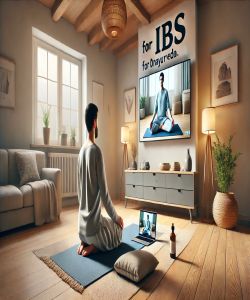
Overview of Yoga for IBS
Irritable Bowel Syndrome (IBS) is a common digestive disorder that affects millions of people worldwide. It can cause symptoms like bloating, abdominal pain, constipation, and diarrhea, making daily life uncomfortable. While medication and diet modifications help manage IBS, yoga has emerged as a natural and effective way to improve gut health and overall well-being. Yoga for IBS focuses on gentle movements, breathing exercises, and mindfulness techniques that reduce stress and enhance digestion.
Yoga is known to regulate the nervous system, reducing stress-related triggers of IBS. Stress plays a significant role in worsening IBS symptoms, and yoga helps calm the mind, leading to a relaxed digestive system. Specific yoga poses like Pavanamuktasana (Wind-Relieving Pose), Supta Matsyendrasana (Supine Spinal Twist), and Bhujangasana (Cobra Pose) can aid digestion, relieve bloating, and promote gut mobility. Additionally, pranayama (breathing exercises) such as Anulom Vilom and Bhastrika improve oxygen flow and detoxify the body.
Online yoga for IBS has gained popularity as it offers flexibility, allowing individuals to practice from home at their convenience. Platforms like www.onayurveda.com provide structured live sessions, making it easier to incorporate yoga into daily routines. Regular practice can lead to long-term relief, improved digestion, and a balanced lifestyle.
What is Yoga for IBS?
Yoga for IBS refers to a specialized approach that combines yoga postures, breathing techniques, and relaxation practices to manage symptoms of Irritable Bowel Syndrome (IBS). IBS is a functional gastrointestinal disorder that affects the large intestine, leading to symptoms like abdominal pain, bloating, constipation, and diarrhea. Since stress and anxiety are known triggers for IBS, yoga helps by calming the nervous system, improving digestion, and promoting gut health.
This approach involves gentle yoga asanas that stimulate the digestive system, improve blood circulation, and enhance bowel movements. Breathing exercises, known as pranayama, play a crucial role in regulating the parasympathetic nervous system, which is responsible for relaxation and digestion. Meditation and mindfulness techniques further help in reducing stress, a primary factor contributing to IBS flare-ups.
Unlike high-intensity workouts, yoga provides a holistic and non-invasive way to manage IBS symptoms. It focuses on achieving a balance between the mind and body, which can lead to long-term relief from digestive discomfort. Online platforms like www.onayurveda.com offer structured live yoga sessions for IBS, making it convenient for individuals to practice from home under expert guidance. By integrating yoga into a daily routine, individuals can experience better digestive health, reduced stress, and an overall improvement in their quality of life.
Who Needs Yoga for IBS
Yoga for IBS is beneficial for individuals who experience chronic digestive discomfort, including bloating, gas, constipation, diarrhea, and abdominal pain. IBS affects people of all ages and lifestyles, but it is more common in those who lead stressful lives, have irregular eating habits, or struggle with anxiety and depression. Since IBS is often triggered by stress and poor gut health, yoga serves as an effective tool to bring balance to both the digestive system and the mind.
People who have tried conventional treatments like medication and dietary changes but still experience persistent IBS symptoms can benefit from yoga. Those with sedentary lifestyles, which can slow digestion and contribute to bloating, may find that gentle yoga movements help stimulate the gut and promote better bowel movements. Additionally, individuals who frequently experience stress-related digestive issues, such as nervous stomach or indigestion, can use yoga to manage their symptoms naturally.
Yoga for IBS is also ideal for individuals looking for a long-term, non-invasive solution to their digestive problems. Unlike medications that only provide temporary relief, yoga focuses on the root causes, such as stress and poor digestion, and helps improve gut function over time. Platforms like www.onayurveda.com offer structured live sessions that cater specifically to individuals dealing with IBS, providing expert guidance and a supportive environment to help them regain control over their digestive health.
Origins and Evolution of Yoga for IBS
The practice of using yoga for digestive health dates back thousands of years to ancient India, where yoga was developed as a holistic system for physical, mental, and spiritual well-being. Ayurveda, the traditional Indian system of medicine, has long emphasized the connection between digestion and overall health. Ancient yogis understood that stress and lifestyle habits play a crucial role in gut health, which is why yoga and pranayama (breathing exercises) were incorporated to support digestion and relieve digestive disorders.
Over time, modern research has confirmed the effectiveness of yoga in managing Irritable Bowel Syndrome (IBS). In the past few decades, scientific studies have shown that stress is a major trigger for IBS, and yoga’s ability to calm the nervous system makes it a valuable tool for managing the condition. By regulating the autonomic nervous system, yoga helps balance the gut-brain axis, reducing symptoms like bloating, cramping, and irregular bowel movements.
Today, yoga for IBS has evolved into a structured practice that combines specific asanas (postures), pranayama, and mindfulness techniques to address both the physical and emotional aspects of IBS. Online platforms like www.onayurveda.com have made it easier for individuals to access guided yoga sessions tailored for IBS, helping people worldwide take control of their digestive health in a natural and holistic way.
Types of Yoga for IBS
Yoga for IBS includes various styles and techniques, each offering unique benefits for managing digestive discomfort. The choice of yoga practice depends on the individual's symptoms, fitness level, and overall health goals. Some of the most effective types of yoga for IBS include:
Hatha Yoga – This is a gentle and slow-paced form of yoga that focuses on basic postures and breath control. It is ideal for beginners and individuals with IBS who need a relaxed approach to improve digestion and reduce stress.
Restorative Yoga – This style involves deep relaxation and passive stretching using props like bolsters and blankets. Restorative yoga helps calm the nervous system, reducing anxiety and stress, which are major triggers for IBS symptoms.
Yin Yoga – Yin yoga involves holding poses for longer durations, targeting deep connective tissues and promoting relaxation. It can improve gut motility, enhance circulation, and relieve tension in the abdominal region.
Vinyasa Yoga – A more dynamic style, Vinyasa yoga involves continuous movement coordinated with breath. While it is more active, gentle Vinyasa sequences can stimulate digestion and relieve bloating in individuals with IBS.
Pranayama (Breathwork) – Breathing exercises like Anulom Vilom (alternate nostril breathing) and Bhastrika (bellows breath) help regulate the nervous system and reduce stress-related IBS flare-ups.
Practicing these different types of yoga can help individuals manage IBS symptoms effectively. Online platforms like www.onayurveda.com offer guided live sessions to help individuals choose the best yoga approach for their digestive health.
Benefits of Yoga for IBS
Yoga offers a holistic approach to managing IBS by addressing both physical symptoms and emotional well-being. Regular practice of yoga can provide significant relief from digestive discomfort while improving overall gut health. Some of the key benefits of yoga for IBS include:
Reduces Stress and Anxiety – Since stress is one of the major triggers of IBS, yoga helps calm the nervous system and promotes relaxation. Breathing exercises like Anulom Vilom and meditation techniques help in reducing stress levels, leading to fewer IBS flare-ups.
Improves Digestion – Certain yoga poses, such as Pavanamuktasana (Wind-Relieving Pose) and Supta Matsyendrasana (Supine Spinal Twist), stimulate the digestive organs, improving gut motility and reducing bloating, gas, and constipation.
Balances the Gut-Brain Connection – The gut and brain are closely connected, and imbalances in mental health can affect digestion. Yoga helps regulate this connection by promoting mindfulness and reducing emotional stress, which often worsens IBS symptoms.
Enhances Blood Circulation – Yoga improves blood flow to the digestive system, allowing for better nutrient absorption and waste elimination. This can help alleviate common IBS symptoms like indigestion and irregular bowel movements.
Supports a Healthy Lifestyle – Yoga encourages mindful eating, better sleep, and overall body awareness, which can contribute to long-term digestive health. A consistent yoga practice can help individuals with IBS maintain a balanced routine that supports their well-being.
With expert guidance from platforms like www.onayurveda.com, individuals can learn how to incorporate yoga into their daily lives for effective IBS symptom management.
Core Principles and Practices of Yoga for IBS
Yoga for IBS is based on key principles that focus on improving digestion, reducing stress, and enhancing overall gut health. These principles guide the selection of yoga postures, breathing exercises, and mindfulness techniques that help manage IBS symptoms effectively.
Mind-Body Connection – Yoga emphasizes the deep connection between the mind and digestive system. Since stress and anxiety can worsen IBS symptoms, yoga helps create a sense of balance by calming the nervous system and promoting relaxation.
Gentle and Restorative Movements – Unlike intense physical workouts, yoga for IBS includes gentle asanas (postures) that support the digestive process without putting excessive strain on the body. Poses like Supta Baddha Konasana (Reclining Bound Angle Pose) and Balasana (Child’s Pose) help relax the abdominal region and improve gut motility.
Breath Control (Pranayama) – Controlled breathing techniques like Anulom Vilom (Alternate Nostril Breathing) and Bhramari (Bee Breath) play a crucial role in reducing stress, improving oxygen flow, and supporting digestion. These practices help regulate the nervous system and prevent IBS flare-ups triggered by anxiety.
Consistency and Routine – Regular practice is essential for experiencing long-term benefits. Following a structured yoga program, such as the live sessions offered on www.onayurveda.com, ensures that individuals can gradually build a routine that supports their digestive health.
Holistic Wellness Approach – Yoga for IBS is not just about physical postures but also includes mindfulness, meditation, and relaxation techniques that help create a balanced and healthy lifestyle. By incorporating these principles into daily life, individuals can achieve lasting relief from IBS symptoms and improve their overall well-being.
Online Yoga for IBS
With the rise of digital wellness programs, online yoga for IBS has become a convenient and effective way for individuals to manage their digestive health from the comfort of their homes. Online yoga sessions provide structured guidance, allowing participants to follow a customized approach that addresses their specific IBS symptoms. Platforms like www.onayurveda.com offer live group sessions led by experienced instructors, making it easy to stay consistent with yoga practice.
One of the biggest advantages of online yoga for IBS is flexibility. Individuals can choose from multiple time slots that fit their schedules, ensuring that yoga becomes a part of their daily routine. Whether it’s an early morning session to kickstart digestion or an evening practice to unwind, online classes make yoga accessible to everyone.
Online yoga sessions for IBS also provide expert-led instruction, ensuring that participants perform the right postures and breathing exercises safely. Instructors guide participants through gentle movements such as Pavanamuktasana (Wind-Relieving Pose) and Supta Matsyendrasana (Supine Spinal Twist), which help reduce bloating and support gut function. Pranayama techniques like Anulom Vilom and Ujjayi breathwork are also incorporated to calm the nervous system and improve digestion.
Joining an online yoga program eliminates the need for commuting to a yoga studio, making it easier to stay committed. Live group sessions on www.onayurveda.com create an interactive and supportive environment where participants can ask questions, receive modifications for their practice, and stay motivated throughout their IBS management journey.
Yoga for IBS Techniques
Yoga for IBS incorporates a combination of postures, breathing exercises, and relaxation techniques to help regulate digestion and reduce stress. These techniques focus on stimulating the digestive system, calming the nervous system, and promoting overall gut health. Practicing these regularly can lead to noticeable improvements in IBS symptoms such as bloating, constipation, diarrhea, and abdominal discomfort.
Yoga Poses (Asanas)
- Pavanamuktasana (Wind-Relieving Pose) – This pose helps release trapped gas, reduces bloating, and improves bowel movement.
- Supta Matsyendrasana (Supine Spinal Twist) – A gentle twist that massages the abdominal organs and promotes digestion.
- Bhujangasana (Cobra Pose) – Strengthens the abdominal muscles, improves blood circulation to the gut, and relieves constipation.
- Balasana (Child’s Pose) – A resting pose that calms the nervous system, reducing stress-related IBS flare-ups.
- Setu Bandhasana (Bridge Pose) – Stimulates the abdominal organs and helps regulate bowel movements.
Breathing Exercises (Pranayama)
- Anulom Vilom (Alternate Nostril Breathing) – Balances the nervous system and reduces anxiety, a common IBS trigger.
- Bhramari Pranayama (Bee Breath) – Helps relax the mind and ease stress-induced digestive issues.
- Kapalabhati (Skull Shining Breath) – A detoxifying breathing technique that stimulates digestion and relieves bloating.
Relaxation and Meditation
- Guided Meditation – Helps reduce stress, which is one of the leading causes of IBS.
- Yoga Nidra (Yogic Sleep) – A deep relaxation technique that calms the digestive system and supports gut health.
Yoga for IBS for Adults
IBS is a common digestive disorder among adults, often triggered by stress, irregular eating habits, and sedentary lifestyles. Yoga provides a natural and effective solution to manage IBS symptoms by improving digestion, reducing stress, and enhancing overall gut health. Since adults often have demanding schedules, incorporating yoga into daily life can help maintain a balanced digestive system without the need for medication.
For working professionals, long hours of sitting and high-stress environments can contribute to digestive discomfort. Yoga poses like Pavanamuktasana (Wind-Relieving Pose) and Supta Matsyendrasana (Supine Spinal Twist) help relieve bloating, gas, and constipation, making them ideal for adults who experience IBS due to prolonged sitting or irregular meals. Breathing techniques such as Anulom Vilom (Alternate Nostril Breathing) and Bhramari (Bee Breath) help in managing anxiety and emotional stress, which are known triggers for IBS flare-ups.
Busy adults can benefit from online yoga classes, as they provide the flexibility to practice at convenient times without traveling to a yoga studio. Platforms like www.onayurveda.com offer structured online sessions designed specifically for IBS management, ensuring that participants receive expert guidance and follow a well-balanced yoga routine. Regular practice can lead to better gut health, improved bowel movements, and reduced IBS symptoms, helping adults maintain a healthier and more comfortable lifestyle.
Total Duration of Online Yoga for IBS (1 Hr per Day)
Online yoga for IBS is designed to be both effective and manageable, with a structured program that lasts for 60 days, including 35 live sessions spread over four days per week (Sunday, Tuesday, Thursday, and Saturday). Each session lasts one hour, providing enough time to practice yoga postures, breathing exercises, and relaxation techniques that help improve digestion and reduce IBS symptoms.
The structured nature of the program ensures that participants gradually build their practice, allowing their bodies to adapt and respond to the techniques. The one-hour duration of each session includes:
- Warm-up (10-15 minutes): Gentle stretching and preparatory movements to activate the digestive system and release tension.
- Yoga Poses (30 minutes): IBS-friendly asanas such as Pavanamuktasana (Wind-Relieving Pose), Bhujangasana (Cobra Pose), and Supta Matsyendrasana (Supine Spinal Twist) to support gut health and relieve bloating.
- Breathing Exercises (10 minutes): Pranayama techniques like Anulom Vilom and Bhramari to reduce stress and improve oxygen flow to the digestive organs.
- Relaxation (5-10 minutes): Guided meditation or Yoga Nidra to calm the nervous system and enhance gut-brain communication.
Things to Consider With Yoga for IBS
Before starting a yoga practice for IBS, it is important to keep a few key factors in mind to ensure a safe and effective experience. Since IBS symptoms vary from person to person, yoga should be approached with awareness and consistency for the best results.
1. Choose Gentle Movements – IBS can be aggravated by intense physical activity. Focus on gentle yoga poses such as Pavanamuktasana (Wind-Relieving Pose) and Supta Matsyendrasana (Supine Spinal Twist), which promote digestion without straining the body. Avoid high-intensity workouts that may worsen symptoms like bloating or cramping.
2. Practice on an Empty Stomach – Yoga is most effective when performed on an empty stomach or at least 2-3 hours after a meal. This allows the digestive system to function optimally and prevents discomfort during the session.
3. Maintain Regularity – Consistency is key in managing IBS symptoms. Regular practice, at least four days a week as structured in www.onayurveda.com live sessions, ensures better digestive health and long-term relief.
4. Focus on Breathwork – Breathing exercises such as Anulom Vilom (Alternate Nostril Breathing) and Bhramari (Bee Breath) play a crucial role in calming the nervous system, reducing stress, and preventing IBS flare-ups. Make breath control an integral part of your practice.
5. Avoid Poses That Cause Discomfort – Not all yoga postures are suitable for IBS. Avoid deep twists, inversions, or any pose that puts pressure on the abdomen if it causes discomfort. Listen to your body and modify poses as needed.
6. Stay Hydrated and Eat a Balanced Diet – While yoga supports digestion, maintaining proper hydration and following a balanced diet is equally important for managing IBS. Complement your yoga practice with healthy eating habits.
Effectiveness of Yoga for IBS
Yoga has been proven to be an effective, natural method for managing IBS symptoms. Unlike medications that only provide temporary relief, yoga addresses the root causes of IBS, such as stress, poor digestion, and an imbalanced gut-brain connection. Regular yoga practice can lead to long-term improvements in digestive health and overall well-being.
1. Reduces Stress and Anxiety – Stress is a major trigger for IBS symptoms. Yoga activates the parasympathetic nervous system, which helps calm the body and reduce stress-related digestive issues. Breathing exercises like Anulom Vilom and Bhramari pranayama are particularly effective in managing anxiety and preventing flare-ups.
2. Improves Digestion and Gut Motility – Certain yoga poses, such as Pavanamuktasana (Wind-Relieving Pose) and Supta Matsyendrasana (Supine Spinal Twist), help stimulate the digestive organs, improve gut motility, and relieve symptoms like bloating and constipation. Regular practice encourages a smoother digestive process.
3. Enhances Gut-Brain Communication – The gut and brain are closely connected, and imbalances in mental health can worsen IBS symptoms. Yoga improves mindfulness and reduces overactive stress responses, allowing the gut to function more efficiently.
4. Provides Long-Term Symptom Relief – Unlike quick fixes such as antacids or laxatives, yoga builds long-term resilience against IBS by promoting relaxation, strengthening digestive muscles, and improving overall gut health. With continued practice, many individuals experience fewer and less severe IBS symptoms over time.
5. Adaptable and Accessible – Online yoga programs, such as those offered by www.onayurveda.com, provide structured sessions that can be easily followed from home. This makes it easier for individuals to maintain a consistent routine and receive expert guidance for effective symptom management.
With scientific backing and numerous success stories, yoga has established itself as a highly effective tool for managing IBS. Through proper postures, breathwork, and relaxation techniques, individuals can regain control over their digestive health and improve their quality of life.
Preferred Cautions During Yoga for IBS
While yoga is an effective and natural way to manage IBS symptoms, it is important to practice with caution to avoid discomfort or worsening symptoms. Since IBS varies from person to person, following the right approach ensures a safe and beneficial yoga experience.
1. Avoid Intense or Strenuous Poses – High-impact movements, deep twists, and intense abdominal exercises can sometimes trigger or worsen IBS symptoms. Instead, focus on gentle postures like Balasana (Child’s Pose) and Supta Baddha Konasana (Reclining Bound Angle Pose) that support digestion without putting excessive pressure on the stomach.
2. Do Not Practice Immediately After Eating – Practicing yoga on a full stomach can lead to discomfort, bloating, and acid reflux. It is best to wait at least 2-3 hours after a meal before starting a session to allow the digestive system to process food properly.
3. Stay Hydrated but Avoid Drinking Water During Yoga – While hydration is essential for digestion, drinking water in the middle of a yoga session can cause bloating. It is recommended to drink water before or after practice rather than during.
4. Listen to Your Body – Since IBS symptoms can fluctuate, it is important to pay attention to how your body responds to different poses. If any movement causes pain, discomfort, or an increase in bloating, modify or skip the pose.
5. Practice in a Calm Environment – Since stress is a major trigger for IBS, practicing yoga in a peaceful setting helps maximize its benefits. Choose a quiet, comfortable space free from distractions to fully engage in the practice.
6. Focus on Breath Control – Breathing techniques such as Anulom Vilom (Alternate Nostril Breathing) and Ujjayi (Ocean Breath) are essential for calming the nervous system and supporting digestion. Avoid shallow breathing and focus on deep, controlled breaths throughout the session.
7. Follow Expert Guidance – For those new to yoga or struggling with severe IBS symptoms, guided sessions from trained instructors can help ensure that poses are performed safely and effectively. Online programs like www.onayurveda.com offer structured live sessions tailored for IBS management, providing professional support and modifications as needed.
Yoga for IBS Course Outline
The Yoga for IBS course is designed to provide a structured and holistic approach to managing IBS symptoms through yoga, breathwork, and relaxation techniques. This course focuses on improving digestion, reducing stress, and enhancing overall gut health through a combination of carefully selected yoga postures, breathing exercises, and mindfulness practices.
Course Duration & Structure:
- Total Duration: 60 days
- Total Sessions: 35 live sessions
- Sessions per Week: 4 days (Sunday, Tuesday, Thursday, Saturday)
- Session Duration: 1 hour per session
- Available Time Slots: 6:00-7:00 AM, 8:00-9:00 AM, 5:00-6:00 PM, 7:00-8:00 PM
Key Focus Areas of the Course:
- Gentle Yoga Postures: Introduction to IBS-friendly yoga poses like Pavanamuktasana (Wind-Relieving Pose), Bhujangasana (Cobra Pose), and Supta Matsyendrasana (Supine Spinal Twist) to support digestion.
- Breathwork & Relaxation: Learning pranayama techniques like Anulom Vilom (Alternate Nostril Breathing) and Bhramari (Bee Breath) to manage stress, which is a common IBS trigger.
- Guided Meditation: Mindfulness and relaxation techniques to enhance the gut-brain connection and prevent stress-induced IBS flare-ups.
- Daily Lifestyle & Diet Recommendations: Tips on maintaining a gut-friendly lifestyle that complements yoga practice for IBS relief.
- Personalized Modifications: Expert guidance to modify yoga poses based on individual symptoms and comfort levels.
Detailed Objectives with Timeline of Yoga for IBS
The Yoga for IBS program is designed with a step-by-step approach to help individuals gradually improve their digestive health, reduce stress, and gain control over IBS symptoms. The structured timeline ensures that participants progress at a comfortable pace while incorporating effective yoga techniques into their daily routine.
Program Timeline & Objectives
Week 1-2: Foundation & Gentle Movements
- Introduction to IBS-friendly yoga practices and breathwork
- Gentle warm-up exercises to prepare the body
- Basic yoga poses like Balasana (Child’s Pose) and Supta Baddha Konasana (Reclining Bound Angle Pose) to relax the abdomen and ease bloating
- Introduction to deep breathing techniques such as Anulom Vilom (Alternate Nostril Breathing) for stress management
Week 3-4: Strengthening Digestion & Stress Reduction
- Adding digestion-boosting postures like Pavanamuktasana (Wind-Relieving Pose) and Bhujangasana (Cobra Pose)
- Practicing mindful eating habits alongside yoga practice
- Introduction to guided meditation for gut-brain relaxation
- Learning Kapalabhati (Skull Shining Breath) for detoxification and improved gut motility
Week 5-6: Building Consistency & Deepening the Practice
- Increasing flexibility with gentle twists like Supta Matsyendrasana (Supine Spinal Twist) to promote bowel movement
- Learning advanced breathwork techniques like Ujjayi (Ocean Breath) to further regulate digestion
- Exploring restorative yoga postures for deeper relaxation
- Engaging in daily mindfulness practices to enhance stress resilience
Week 7-8: Mastering the Practice for Long-Term Benefits
- Creating a personalized yoga sequence for sustained IBS management
- Advanced guided meditation for emotional balance and gut health
- Refining breathing techniques to maintain calm digestion in daily life
- Developing a self-care routine with yoga, diet, and stress management strategies
Requirements for Taking Online Yoga for IBS
Before starting an Online Yoga for IBS program, it is important to ensure that you have the necessary setup and meet basic requirements for a smooth and effective practice. Since yoga for IBS focuses on gentle movements and mindful breathing, a proper environment and the right mindset can enhance the benefits of the sessions.
Basic Requirements:
1. A Stable Internet Connection – Since the yoga sessions are conducted online, a good internet connection is essential to prevent interruptions and allow clear communication with the instructor.
2. A Quiet and Comfortable Space – Practicing yoga in a calm, distraction-free environment enhances relaxation and focus. Choose a room with enough space to move freely without obstacles.
3. A Yoga Mat – A non-slip yoga mat provides stability and comfort during postures. It helps maintain proper alignment and prevents discomfort while performing poses.
4. Comfortable Clothing – Wear loose, breathable clothing that allows free movement. Tight or restrictive outfits can interfere with yoga postures and breathing exercises.
5. A Device for Online Sessions – A laptop, tablet, or smartphone with a camera and microphone is necessary for attending live sessions on www.onayurveda.com. Ensure the device is charged and placed at a suitable angle for easy visibility during the session.
6. An Empty Stomach – Yoga for digestion works best when performed on an empty stomach or at least 2-3 hours after a meal. This prevents discomfort and allows full engagement in the poses.
7. Water Bottle (for Post-Session Hydration) – While drinking water during the session is not recommended, staying hydrated before and after yoga is beneficial for digestion.
8. Dedication and Consistency – The effectiveness of yoga for IBS depends on regular practice. Committing to at least four sessions per week as structured in the 60-day program on www.onayurveda.com ensures long-term symptom relief and overall digestive health improvement.
Things to Keep in Mind Before Starting Online Yoga for IBS
Before beginning an Online Yoga for IBS program, it is important to be mindful of certain factors to ensure a safe, effective, and comfortable experience. Since IBS symptoms can vary from person to person, preparing in advance can help maximize the benefits of the practice.
Key Considerations:
1. Understand Your Symptoms – IBS presents differently in individuals, with some experiencing constipation (IBS-C), others diarrhea (IBS-D), and some a mix of both (IBS-M). Knowing your triggers and symptoms will help you choose the right yoga poses and breathing exercises.
2. Start with Gentle Movements – If you are new to yoga, begin with simple and restorative poses such as Balasana (Child’s Pose) and Supta Baddha Konasana (Reclining Bound Angle Pose) to ease the digestive system into movement. Avoid deep twists or intense postures that may cause discomfort initially.
3. Consult a Healthcare Professional if Needed – If you have severe IBS symptoms or any other medical conditions, consult your doctor before starting yoga. They can advise on whether specific movements should be modified.
4. Choose a Comfortable Time Slot – Online yoga offers flexible scheduling, so pick a time when you feel most relaxed. Morning sessions can help kickstart digestion, while evening sessions can aid relaxation and stress relief. Live sessions on www.onayurveda.com provide multiple time slots for convenience.
5. Maintain a Light Stomach – Yoga is best practiced on an empty stomach or at least 2-3 hours after eating. This prevents bloating and discomfort during postures that engage the abdominal area.
6. Focus on Breathwork – Stress is a major IBS trigger, and proper breathing plays a vital role in calming the gut-brain connection. Techniques such as Anulom Vilom (Alternate Nostril Breathing) and Bhramari (Bee Breath) should be practiced with full awareness to enhance their benefits.
7. Stay Consistent – The benefits of yoga for IBS develop over time. Attending four sessions per week as structured in the 60-day program on www.onayurveda.com will provide better digestion, reduced symptoms, and overall well-being.
8. Modify Poses If Needed – If any posture causes discomfort, modify it or take breaks as needed. Yoga should feel relieving, not straining. The guidance of trained instructors in live online sessions ensures safe practice with proper adjustments.
Average Pricing Per Session for Online and Onsite Yoga for IBS
The cost of Yoga for IBS can vary based on whether you choose online or onsite (in-person) classes. Pricing depends on factors such as instructor expertise, session duration, location, and additional services provided. Understanding the cost breakdown helps individuals make informed decisions about the best option for their budget and convenience.
Online Yoga for IBS Pricing
Online yoga classes offer affordability and flexibility, allowing participants to practice from home. Platforms like www.onayurveda.com provide structured live group sessions at reasonable prices.
- Total Duration: 60 Days
- Total Sessions: 35 (4 sessions per week)
- Session Duration: 1 Hour
- Price Per Session: INR 125
- Total Cost for Full Course: INR 4380
Onsite Yoga for IBS Pricing
In-person yoga sessions are often costlier due to studio rentals, personalized instruction, and physical class space requirements. The cost can vary based on location and instructor experience.
- Single In-Person Session: INR 300 - 1000 per class
- Monthly Packages: INR 5000 - 15,000 for group classes
- Private Sessions: INR 1500 - 5000 per session
Online vs. Onsite: Cost Comparison
- Affordability: Online yoga is significantly more budget-friendly, with structured pricing that makes it accessible to a larger audience.
- Convenience: Online classes eliminate travel time and allow flexibility in scheduling, while onsite classes require commuting to a studio.
- Personalized Guidance: Onsite classes may offer more hands-on adjustments, but www.onayurveda.com provides expert-led sessions with real-time interaction to ensure proper posture and technique.
Qualifications Required to Perform Yoga for IBS
Yoga for IBS requires proper guidance and expertise to ensure that individuals practice the right techniques for digestive health and stress relief. While yoga can be practiced by anyone, instructors leading IBS-specific yoga sessions should have specialized knowledge in yoga therapy, digestion-related issues, and breathwork techniques. Here are the key qualifications required for professionals to teach Yoga for IBS effectively.
1. Certified Yoga Instructor (RYT-200 or RYT-500)
- A yoga teacher should have completed at least a 200-hour or 500-hour Yoga Teacher Training (YTT) program from a recognized yoga alliance.
- This ensures they have a strong foundation in yoga philosophy, anatomy, and asana (postures).
2. Specialization in Therapeutic or Digestive Health Yoga
- Since IBS is a gut-related disorder, instructors should have additional training in therapeutic yoga or yoga for digestive health.
- Certification in Yoga Therapy (C-IAYT – Certified Yoga Therapist) or Ayurvedic yoga techniques can be beneficial.
3. Knowledge of Breathwork and Stress Management
- IBS is strongly linked to stress, so instructors should be trained in pranayama (breathing exercises) such as Anulom Vilom, Bhramari, and Ujjayi.
- Expertise in meditation and relaxation techniques like Yoga Nidra is crucial to help individuals manage stress-induced IBS symptoms.
4. Understanding of IBS and Gut Health
- A strong knowledge of IBS symptoms, triggers, and management techniques is essential to tailor yoga sessions effectively.
- Instructors should understand the gut-brain connection and how yoga influences digestion and bowel movements.
5. Experience in Teaching Online Yoga
- Online yoga requires clear instructions, verbal cues, and real-time corrections since physical adjustments are not possible.
- Platforms like www.onayurveda.com ensure that trained instructors guide participants effectively in a virtual setting.
Can Individuals Without Certification Practice Yoga for IBS?
Yes, anyone can practice yoga for IBS at home by following guided sessions. However, for beginners or individuals with severe IBS symptoms, it is highly recommended to learn from a qualified instructor to ensure safe and effective practice.
Online vs. Offline/Onsite Yoga for IBS
When choosing between online and onsite (offline) yoga for IBS, it is important to consider factors such as convenience, cost, personalization, and effectiveness. Both formats have their benefits, but selecting the right one depends on individual preferences and lifestyle.
1. Convenience & Accessibility
- Online Yoga: Can be practiced from anywhere, making it ideal for those with busy schedules or those who prefer practicing in the comfort of their home. Live online sessions on www.onayurveda.com provide real-time instruction without the need for travel.
- Offline Yoga: Requires commuting to a yoga studio or wellness center, which can be time-consuming, especially for those with tight schedules. However, it provides a distraction-free environment.
2. Cost & Affordability
-
Online Yoga: More affordable, as there are no studio rental costs. www.onayurveda.com offers structured sessions at INR 125 per class, making it budget-friendly.
-
Offline Yoga: Can be significantly more expensive, with prices ranging from INR 300 to 1000 per session or INR 5000 to 15,000 per month depending on the studio and instructor.
3. Personalization & Instructor Guidance
-
Online Yoga: Live sessions allow for direct interaction with instructors, but physical adjustments are limited. However, expert-led online programs like www.onayurveda.com ensure proper guidance through verbal cues and modifications.
-
Offline Yoga: In-person classes allow for hands-on adjustments and personalized corrections, which can be helpful for beginners.
4. Flexibility & Scheduling
-
Online Yoga: Offers multiple time slots, making it easier to fit into different lifestyles. Sessions on www.onayurveda.com are scheduled four days a week, providing flexibility.
-
Offline Yoga: Fixed class schedules require individuals to commit to a set time and location, which may not always be convenient.
5. Effectiveness for IBS Management
-
Online Yoga: Provides structured programs focused on IBS relief, including yoga postures, breathwork, and relaxation techniques that can be practiced at home.
-
Offline Yoga: While effective, general yoga studios may not always focus on IBS-specific sequences unless taught by a trained yoga therapist.
FAQs About Online Yoga for IBS
Below are some of the most commonly asked questions about Online Yoga for IBS, covering its benefits, effectiveness, and practical aspects.
1. Can yoga really help with IBS?
Yes, yoga has been proven to help manage IBS symptoms by reducing stress, improving digestion, and regulating the gut-brain connection. Certain poses like Pavanamuktasana (Wind-Relieving Pose) and Supta Matsyendrasana (Supine Spinal Twist) can ease bloating and promote better bowel movements.
2. How often should I practice yoga for IBS?
For the best results, it is recommended to practice at least four days a week, as structured in the 60-day program on www.onayurveda.com. Consistency is key to managing IBS symptoms effectively.
3. What is the best time to practice yoga for IBS?
Yoga can be done in the morning to kickstart digestion or in the evening to relieve stress. However, it should always be practiced on an empty stomach or at least 2-3 hours after a meal for maximum benefits.
4. Can beginners join the Online Yoga for IBS program?
Yes, the program is suitable for all levels, including beginners. The live sessions on www.onayurveda.com are guided by expert instructors who provide modifications for different experience levels.
5. Do I need any special equipment for online yoga?
No special equipment is required. A yoga mat, comfortable clothing, a quiet space, and a device with an internet connection are enough to participate in live sessions.
6. Can I practice yoga for IBS if I have other digestive issues?
Yes, yoga benefits overall gut health, including issues like bloating, indigestion, and mild acidity. However, if you have a serious medical condition, consult your doctor before starting.
7. What type of yoga is best for IBS?
Gentle and restorative yoga styles like Hatha Yoga, Yin Yoga, and Restorative Yoga are ideal. The program on www.onayurveda.com includes specific poses, breathwork, and relaxation techniques to target IBS symptoms effectively.
8. Is online yoga as effective as in-person yoga for IBS?
Yes, online yoga can be equally effective when guided properly. The live group sessions on www.onayurveda.com ensure expert instruction, real-time interaction, and structured programs for IBS relief.
9. How soon can I expect to see results?
Results vary from person to person. Many participants notice reduced bloating, improved digestion, and lower stress levels within a few weeks of regular practice. For long-term benefits, consistency is essential.
10. How do I enroll in the Online Yoga for IBS program?
You can join the structured live group sessions by signing up on www.onayurveda.com, where you will get access to expert-led classes, flexible time slots, and a supportive learning environment.
Conclusion About Yoga for IBS
Yoga for IBS offers a natural, holistic, and effective way to manage symptoms such as bloating, constipation, diarrhea, and abdominal discomfort. Unlike medications that provide only temporary relief, yoga works by addressing the root causes of IBS, including stress, poor digestion, and an imbalanced gut-brain connection.
By incorporating gentle yoga postures, pranayama (breathing techniques), and mindfulness practices, individuals can experience long-term improvements in their digestive health. Poses like Pavanamuktasana (Wind-Relieving Pose) and Supta Matsyendrasana (Supine Spinal Twist) help relieve bloating and regulate bowel movements, while breathing exercises like Anulom Vilom (Alternate Nostril Breathing) and Bhramari (Bee Breath) calm the nervous system, reducing IBS flare-ups caused by stress.
Online yoga programs have made IBS-specific yoga more accessible, affordable, and flexible, allowing individuals to practice from the comfort of their homes. Platforms like www.onayurveda.com provide structured live group sessions, expert guidance, and personalized modifications to ensure participants practice safely and effectively.
With regular practice, consistency, and mindful lifestyle adjustments, yoga can help individuals regain control over their gut health, improve digestion, and lead a more balanced, symptom-free life. Whether practiced online or onsite, yoga remains one of the most effective natural approaches to managing IBS, offering lasting relief and overall well-being.