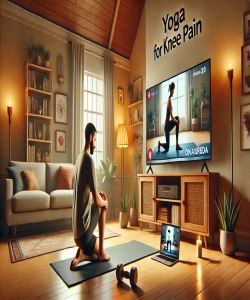
1. Overview of Yoga for Knee Pain
Yoga for knee pain is a highly specialised, non-pharmacological intervention designed to address and mitigate chronic and acute discomfort within the knee joint and its supporting structures. This discipline is not a diluted or generalised form of yoga; rather, it is a targeted therapeutic modality that leverages specific asanas (postures), pranayama (breathing techniques), and principles of biomechanical alignment to achieve its objectives. Its fundamental premise rests on the systematic strengthening of the musculature surrounding the knee—notably the quadriceps, hamstrings, gluteals, and calves—to create a robust, supportive scaffold that reduces direct load and impact on the joint cartilage, ligaments, and menisci. The practice is rigorously controlled, deliberately avoiding postures that induce hyperflexion, hyperextension, or torsional stress on the knee, which are common contraindications for individuals with joint instability or pre-existing injuries. Instead, it emphasises isometric contractions, controlled concentric and eccentric movements, and a profound focus on proprioceptive awareness to re-educate the body’s movement patterns. This approach systematically corrects malalignments, such as valgus or varus knee deformities, which often exacerbate conditions like osteoarthritis. The integration of controlled breathing is not ancillary; it is central to managing the pain response, reducing inflammation through down-regulation of the sympathetic nervous system, and enhancing mental resilience. The overarching goal is a tripartite achievement: the immediate alleviation of pain, the long-term restoration of functional mobility, and the empowerment of the individual with self-management strategies to prevent recurrence. It is, therefore, a sophisticated and demanding practice that requires precision, expert guidance, and an uncompromising commitment to correct form, representing a powerful adjunct or alternative to conventional medical treatments for a range of knee-related pathologies. It is an exacting science of movement, not a recreational activity.
2. What is Yoga for Knee Pain?
Yoga for Knee Pain constitutes a precise and evidence-informed application of yogic principles, meticulously adapted to address the specific biomechanical and physiological needs of individuals experiencing knee-related pathology. It fundamentally diverges from generic yoga classes by operating under a therapeutic framework, where every posture, transition, and breathing exercise is selected for its direct and measurable impact on knee joint health. The core of this practice is the deliberate cultivation of stability and strength in the entire kinetic chain of the lower body. It is a systematic process of reinforcing the muscles that govern knee function—the quadriceps, hamstrings, adductors, abductors, and gluteal muscles. By developing these muscle groups, the practice effectively offloads the knee joint itself, transferring stress away from compromised cartilage and ligaments and onto the newly strengthened musculature.
This specialised form of yoga is also an exercise in neuromuscular re-education. It actively corrects dysfunctional movement patterns and postural habits that contribute to knee strain, such as improper foot placement, pelvic tilt, or gait abnormalities. Through a heightened sense of proprioception—the body’s awareness of its position in space—practitioners learn to move with greater precision, avoiding the micro-traumas that perpetuate chronic pain. The methodology is inherently conservative, strictly prohibiting any posture that places direct pressure, torque, or excessive flexion on the knee. Asanas are modified extensively with props like blocks, bolsters, and straps to ensure the joint remains in a safe, neutral alignment at all times. Furthermore, the practice integrates specific pranayama (breathing techniques) to modulate the central nervous system’s response to pain. By promoting a parasympathetic state, it helps to reduce systemic inflammation and alter the perception of discomfort, providing both physical and psychological relief. It is, in essence, a clinical application of movement science, aimed not merely at temporary relief but at the fundamental restoration of joint function and the prevention of future degradation.
3. Who Needs Yoga for Knee Pain?
-
Individuals with Chronic Knee Conditions: This includes those diagnosed with osteoarthritis, rheumatoid arthritis, or other degenerative joint diseases. The practice is specifically structured to manage symptoms, reduce inflammation, and improve joint mobility without exacerbating the underlying condition. It provides a low-impact method for maintaining strength and flexibility in the face of progressive joint degradation.
-
Post-Surgical and Post-Injury Patients: Individuals recovering from knee surgery (such as ACL reconstruction, meniscectomy, or knee replacement) or those rehabilitating from injuries like ligament sprains or patellofemoral syndrome require a controlled, progressive approach to rebuilding strength and restoring range of motion. This yoga protocol offers a structured pathway to recovery under strict alignment principles.
-
Athletes and Physically Active Individuals: Those engaged in high-impact sports or activities who experience repetitive strain, overuse injuries, or muscular imbalances around the knee joint. This practice serves as a critical tool for injury prevention, performance enhancement, and recovery by correcting asymmetries and strengthening supporting muscles.
-
Sedentary Professionals and a-halfIndividuals with Postural Imbalances: People who spend prolonged periods sitting often develop weak glutes and tight hamstrings, a combination that leads to poor lower-limb biomechanics and places excessive strain on the knee joint during movement. This intervention is essential for correcting these foundational imbalances.
-
Older Adults Experiencing Age-Related Decline: The natural process of ageing often involves sarcopenia (muscle loss) and reduced joint lubrication. This gentle yet effective form of yoga is required to maintain functional independence, improve balance to prevent falls, and manage the stiffness and pain associated with ageing joints.
-
Individuals with Biomechanical Misalignments: Those with structural issues such as knee valgus (knock-knees), varus (bow-legs), or flat feet, which alter the distribution of force across the knee joint, leading to chronic pain and accelerated wear. The practice focuses on realigning the kinetic chain from the feet upwards.
-
Overweight or Obese Individuals: Excess body weight multiplies the force exerted on the knee joints during everyday activities. This yoga regimen provides a safe and accessible entry point to physical activity, helping to build foundational strength and facilitate weight management without subjecting the vulnerable joints to high-impact stress.
4. Origins and Evolution of Yoga for Knee Pain
The concept of using yoga as a targeted therapy for specific ailments is a modern evolution, branching from the ancient, holistic discipline. Historically, classical yoga, as codified in texts like the Yoga Sutras of Patanjali, was primarily a spiritual and philosophical path aimed at mental liberation, with physical postures (asanas) serving as a preparatory step for meditation. The Hatha Yoga Pradipika, a later medieval text, expanded upon these physical practices, but the focus remained on overall health, energy flow, and spiritual attainment rather than the clinical treatment of specific musculoskeletal disorders like knee pain. The application of yoga for such precise therapeutic purposes was not a documented feature of its ancient origins.
The evolution towards a therapeutic model began in the early 20th century with pioneers like T. Krishnamacharya, often called the father of modern yoga. His individualised and adaptive approach, tailoring practices to the unique needs and limitations of his students, laid the groundwork for what would become yoga therapy. He understood that a single posture could be modified in countless ways to either challenge or support the practitioner, a principle that is fundamental to yoga for knee pain. This individual-centric philosophy was a radical departure from the more rigid, one-size-fits-all systems that had existed previously.
This lineage continued through his prominent students, notably B.K.S. Iyengar, who systemised the use of props—such as blocks, belts, and blankets—to achieve precise anatomical alignment and provide support for injured or weak bodies. Iyengar Yoga, with its uncompromising focus on alignment and its therapeutic applications, was instrumental in demonstrating how yoga could be safely and effectively used to address orthopaedic issues, including knee problems. It shifted the perception of yoga from a purely esoteric practice to a scientifically grounded system of physical rehabilitation. In recent decades, this evolution has been accelerated by the integration of modern medical knowledge from physiotherapy, biomechanics, and sports science. Contemporary yoga for knee pain is a sophisticated synthesis, combining ancient yogic postures with a modern, clinical understanding of joint anatomy, kinetic chains, and pain science to create a targeted, safe, and highly effective intervention.
5. Types of Yoga for Knee Pain
-
Iyengar Yoga: This is arguably the most suitable and precise style for addressing knee pain. Its defining characteristic is an uncompromising focus on correct anatomical alignment. Practitioners use a wide array of props, including blocks, straps, bolsters, and chairs, to support the body, ensuring the knee joint is held in a stable, non-strenuous position. This method allows for the strengthening of surrounding muscles without risking joint strain, making it an exemplary choice for rehabilitation and pain management.
-
Restorative Yoga: This type is a passive, gentle practice designed to facilitate deep relaxation and healing. It involves holding supported postures for extended periods, using props to completely unload the body’s weight. For knee pain, this means postures are modified so there is absolutely no pressure on the joint. It is highly effective for reducing inflammation, calming the nervous system’s pain response, and gently increasing flexibility in the surrounding tissues without any active effort or risk of injury.
-
Hatha Yoga (Modified): A general term for posture-based yoga, a modified Hatha class for knee pain focuses on foundational, static poses. The pace is slow and deliberate, allowing ample time to establish correct alignment and engage the appropriate muscles. An instructor skilled in therapeutics will eliminate contraindicated poses (like deep knee bends or twists) and provide specific modifications to protect the knees, focusing on standing poses that build leg strength and stability.
-
Chair Yoga: An excellent and highly accessible option for individuals with severe knee pain, balance issues, or limited mobility. The chair provides support, removing the challenge of getting up and down from the floor and reducing the load on the lower body. Poses are adapted to be performed while seated or using the chair for stability, allowing for the effective strengthening of quadriceps and hamstrings in a completely safe and controlled environment.
-
Aqua Yoga (Aquatic Yoga): Performed in a pool, this type leverages the buoyancy of water to provide a zero-impact environment. The water supports the body’s weight, dramatically reducing stress and compression on the knee joints. This allows for a greater range of motion and strengthening exercises that would be painful or impossible on land. The water’s resistance also provides a gentle yet effective medium for building muscle strength.
6. Benefits of Yoga for Knee Pain
-
Targeted Muscle Strengthening: It systematically fortifies the key muscle groups that support and stabilise the knee joint—namely the quadriceps, hamstrings, gluteals, and calves. Enhanced strength in these muscles creates a 'muscular brace' that offloads direct pressure from the cartilage and ligaments, reducing strain and mitigating pain.
-
Correction of Biomechanical Misalignments: The practice demands a rigorous focus on anatomical alignment, actively correcting dysfunctional patterns such as knee valgus (knock-knees) or varus (bow-legs). By retraining the body to maintain proper alignment from the feet through the hips, it addresses the root cause of mechanical stress on the knees.
-
Increased Flexibility and Range of Motion: Gentle, controlled stretching of the muscles and connective tissues surrounding the knee, particularly the hamstrings and hip flexors, alleviates stiffness. This improved flexibility allows the knee joint to move more freely and efficiently through its natural range of motion, reducing the friction and compression that cause pain.
-
Enhanced Proprioception and Neuromuscular Control: The practice heightens the body’s awareness of its position and movement in space (proprioception). This improved mind-body connection leads to better neuromuscular control, resulting in more precise, stable, and safer movements during both the yoga practice and everyday activities.
-
Reduction of Inflammation: Specific restorative postures and integrated breathing techniques (pranayama) activate the parasympathetic nervous system. This physiological shift helps to down-regulate the body’s stress response and reduce levels of inflammatory markers, providing systemic relief from the swelling and sensitivity associated with conditions like arthritis.
-
Pain Modulation and Management: Through mindful breathing and focused attention, individuals develop greater control over their perception of pain. This psychological resilience, combined with the physical benefits, empowers practitioners to manage their symptoms more effectively, reducing reliance on pharmacological interventions.
-
Low-Impact Nature: Unlike high-impact exercises that can jar and further damage compromised knee joints, this therapeutic yoga is executed with slow, deliberate movements. The use of props ensures that the practice is non-compressive and supportive, making it a safe and sustainable form of exercise for long-term joint health.
7. Core Principles and Practices of Yoga for Knee Pain
-
Prioritise Stability Over Mobility: The foundational principle is to establish unwavering stability in and around the knee joint before attempting to increase its range of motion. This involves an intense focus on activating and strengthening the quadriceps, hamstrings, gluteus medius, and other stabilising muscles. Practices will consistently favour isometric holds and controlled, micro-movements over deep, passive stretches that could compromise joint integrity.
-
Uphold Uncompromising Alignment: Every posture must be executed with meticulous attention to biomechanical alignment. This means ensuring the centre of the knee cap tracks directly over the second and third toes in any bent-knee pose. Twisting actions originating from the knee are strictly forbidden; all rotation must initiate from the hips. The use of props to maintain this alignment is not optional, but integral.
-
Avoid Joint Hyperextension: A common contributor to knee strain is the tendency to lock the knee joint by pushing it back beyond a straight line. The core practice mandates maintaining a 'micro-bend' in the knees during all standing and straightening postures. This engages the surrounding muscles, protecting the ligaments and the back of the joint from undue stress.
-
Engage the Entire Kinetic Chain: The knee does not function in isolation. A core practice is to address the entire kinetic chain, from the arches of the feet to the strength and position of the pelvis. This includes specific exercises to strengthen the feet, stabilise the ankles, and activate the gluteal muscles, as weakness or misalignment in these areas invariably translates into stress on the knees.
-
Systematic Muscular Engagement (Co-contraction): Practitioners are trained to consciously co-contract the muscles on all sides of the thigh simultaneously (quadriceps and hamstrings). This creates a balanced and protective tension that cradles the knee joint, enhancing its stability during movement and load-bearing activities.
-
Utilise Props for Support and Modification: The use of blocks, straps, blankets, and bolsters is a central practice. Props are employed not as aids for beginners, but as essential tools for all levels to achieve correct alignment, offload the joint, and modify postures to a therapeutic level. This ensures the practice remains safe, supportive, and focused on healing rather than performance.
-
Integrate Breath with Movement (Vinyasa Krama): While the practice is often slow, the principle of synchronising breath with movement is paramount. The breath is used to control the pace of transitions, manage sensations of discomfort, and promote a state of focused calm. This mindful approach prevents abrupt, uncontrolled movements that could injure the joint.
8. Online Yoga for Knee Pain
-
Unparalleled Accessibility and Convenience: Online platforms eliminate geographical and logistical barriers to accessing highly specialised instruction. Individuals in remote locations or with mobility limitations that make travel to a physical studio prohibitive can engage with expert-led therapeutic sessions from their own homes, ensuring consistency of practice which is critical for effective rehabilitation.
-
Controlled and Private Environment: The home setting provides a secure, non-judgmental space for individuals to practise. This is particularly beneficial for those who may be self-conscious about their physical limitations or are managing significant pain. It allows the practitioner to focus entirely on their body’s feedback and the instructor's guidance without the distractions or perceived pressures of a group class environment.
-
Opportunity for Repetition and Mastery: Digital formats typically provide access to recorded sessions. This facility is invaluable, allowing the practitioner to revisit specific instructions, repeat challenging sequences, and practise at their own pace. The ability to pause, rewind, and review the nuances of a posture or alignment cue is a significant advantage over a live, one-time class, facilitating a deeper understanding and correct execution.
-
Customisable Practice Intensity: Online sessions often offer varied levels of intensity or provide clear instructions for modification. The user has ultimate control over their practice, enabling them to stop or adjust immediately if they feel any discomfort. This autonomy empowers the individual to take ownership of their healing process and work strictly within their own safe and effective limits.
-
Access to Niche Specialists: The online domain provides access to a global pool of highly qualified yoga therapists who specialise specifically in musculoskeletal conditions like knee pain. This is a critical benefit, as finding such specialised expertise locally can be extremely difficult. It allows individuals to receive instruction from leading authorities in the field, irrespective of their physical location.
-
Cost-Effectiveness: In many instances, online subscriptions or class packs are more economical than the equivalent in-person studio memberships. This financial accessibility makes long-term, consistent practice more feasible, which is essential for achieving and maintaining lasting results in the management of chronic knee conditions. The absence of travel and associated costs further enhances this economic advantage.
9. Yoga for Knee Pain Techniques
-
Technique: Quadriceps Activation in Tadasana (Mountain Pose)
- Step 1: Stand with feet parallel and hip-width apart. Distribute weight evenly across all four corners of each foot.
- Step 2: Engage the arches of the feet by lifting them slightly. Maintain a micro-bend in the knees, consciously avoiding hyperextension.
- Step 3: Actively engage the quadriceps muscles by drawing them upwards, as if lifting the kneecaps towards the hips. This is an isometric contraction.
- Step 4: Hold this muscular engagement for five full breaths, ensuring the knees remain unlocked. Release and repeat. This technique builds foundational stability without joint movement.
-
Technique: Hamstring Engagement in Setu Bandhasana (Bridge Pose) with a Block
- Step 1: Lie on your back with knees bent and feet flat on the floor, hip-width apart and parallel. Place a yoga block between the inner thighs.
- Step 2: Press firmly through the feet and gently squeeze the block with the thighs to activate the adductors.
- Step 3: Inhale and lift the hips off the floor, focusing on engaging the gluteal muscles and hamstrings to initiate the lift, not the lower back.
- Step 4: Maintain the lift for several breaths, continuously engaging the hamstrings and glutes. This strengthens the posterior chain, a key support system for the knees. Exhale to lower with control.
-
Technique: Gluteus Medius Strengthening in Side-Lying Leg Lifts
- Step 1: Lie on one side with legs extended and stacked. The head can be supported by the lower arm. Ensure the hips are stacked vertically.
- Step 2: Engage the core to stabilise the torso. Flex the foot of the top leg.
- Step 3: Exhale and slowly lift the top leg towards the ceiling without rocking the torso or pelvis. The movement should be small and controlled, originating from the outer hip (gluteus medius).
- Step 4: Inhale and slowly lower the leg with equal control. Perform a set number of repetitions before switching sides. This directly strengthens a crucial pelvic stabiliser that prevents knee collapse.
10. Yoga for Knee Pain for Adults
Yoga for knee pain for adults is a non-negotiable, disciplined modality essential for maintaining functional independence and quality of life in the face of age-related or injury-induced joint degradation. As the adult body contends with the cumulative effects of mechanical stress, reduced cartilage resilience, and potential onset of degenerative conditions such as osteoarthritis, a haphazard approach to exercise becomes untenable. This specialised practice provides a structured, low-impact system designed to counteract these processes. It operates on the fundamental principle of creating intelligent muscular support to compensate for compromised joint structures. The focus is unrelentingly on building functional strength in the entire lower kinetic chain—from the gluteals down to the arches of the feet—thereby creating a supportive scaffold that diminishes the load borne directly by the knee joint. This is not merely about stretching; it is a rigorous re-education of the adult’s neuromuscular system. Adults often present with entrenched postural habits and dysfunctional movement patterns, such as favouring one leg or collapsing the knee inwards during gait. The practice systematically identifies and corrects these malalignments through precise, mindful movements and a heightened sense of proprioception. Furthermore, it directly addresses the prevalent issue of muscle imbalances, such as over-dominant quadriceps and weak hamstrings or glutes, by isolating and strengthening the underdeveloped muscle groups. The integration of controlled breathing techniques is critical for the adult practitioner, serving to manage the chronic pain signals and reduce the systemic inflammation that frequently accompanies knee pathologies. For adults, this is not a recreational pursuit but a vital self-management tool for mitigating pain, preventing further injury, and preserving the mobility required for an active and autonomous life. It is an imperative, not an alternative.
11. Total Duration of Online Yoga for Knee Pain
The standard and professionally mandated total duration for a single, complete session of online yoga for knee pain is precisely 1 hr. This duration is not arbitrary; it is a clinically structured timeframe designed to ensure comprehensive and safe engagement with the therapeutic protocol. The 1 hr session is meticulously partitioned to facilitate a gradual and logical progression through the necessary components of rehabilitation. It commences with a preparatory phase of grounding and mindful breathing, allowing the practitioner to transition from daily activities and attune their focus to the body, which is critical for preventing injury. This is followed by a specific and targeted warm-up sequence, involving gentle, non-load-bearing movements to increase circulation to the joints and prepare the muscles and connective tissues for the work ahead. The core of the 1 hr practice is dedicated to the main therapeutic work: a series of asanas and strengthening exercises chosen specifically to address knee stability and alignment. This substantial portion allows for sufficient repetition, holding of postures, and focused muscle engagement without rushing. Critically, the 1 hr structure allocates ample time for a structured cool-down, incorporating gentle stretching of the supporting musculature to prevent post-exercise stiffness. The session must conclude with a period of guided relaxation, such as Savasana (Corpse Pose), which is essential for down-regulating the nervous system, consolidating the neuromuscular learning that has occurred, and facilitating the body’s recovery and healing processes. A duration shorter than 1 hr would compromise one or more of these vital stages, reducing the session's effectiveness and increasing the risk of strain. Conversely, exceeding this timeframe for a single session could lead to muscular fatigue, diminishing form and potentially exacerbating the condition. Thus, the 1 hr duration is the required standard for a balanced, safe, and effective therapeutic intervention.
12. Things to Consider with Yoga for Knee Pain
Engaging in yoga for knee pain demands a rigorous and informed approach, and several critical factors must be considered to ensure the practice is therapeutic rather than detrimental. Foremost is the imperative of expert guidance. This is not a discipline to be pursued casually or through generic, unspecialised online videos. The practitioner must seek out an instructor with verifiable qualifications in yoga therapy or extensive experience in teaching students with musculoskeletal injuries. Their ability to provide precise alignment cues, offer appropriate modifications, and understand contraindications is non-negotiable. Secondly, one must adopt an attitude of uncompromising self-awareness and honesty. The adage 'no pain, no gain' is dangerously misplaced here; the guiding principle must be 'no pain, no pain'. The practitioner must learn to differentiate between the sensation of a muscle working or stretching and the sharp, pinching, or unstable pain of joint distress. Any movement that elicits joint pain must be immediately abandoned or modified. The use of props is another key consideration; they are not ancillary but essential tools for maintaining safety and achieving therapeutic alignment. Individuals must be prepared to invest in and utilise blocks, straps, and bolsters to support the knee and prevent strain. Furthermore, consistency is paramount. Sporadic practice will yield negligible results. A sustained, regular commitment is required to build muscle, re-pattern movement, and achieve lasting relief. Finally, it is crucial to view this practice as a component of a broader healthcare strategy. It should complement, not replace, medical advice from a physician or physiotherapist, and clear communication between the yoga instructor and other healthcare providers is highly advantageous. Ignoring these considerations transforms a potent therapeutic tool into a potential source of further injury.
13. Effectiveness of Yoga for Knee Pain
The effectiveness of a specialised yoga protocol for knee pain is substantial and well-substantiated when executed with precision and consistency under qualified guidance. Its efficacy is not rooted in esoteric principles but in sound biomechanical and physiological science. The primary mechanism of its effectiveness is the systematic strengthening of the entire muscular support structure of the knee. By developing the quadriceps, hamstrings, glutes, and calves, the practice creates a dynamic, protective scaffold around the joint. This muscular reinforcement directly reduces the load and compressive forces on the articular cartilage and menisci, which is the fundamental cause of pain in conditions like osteoarthritis. The effectiveness is further amplified by its rigorous focus on correcting underlying biomechanical faults. By retraining neuromuscular patterns and promoting correct alignment—ensuring the knee tracks properly over the ankle—it addresses the root causes of chronic strain rather than merely managing symptoms. Furthermore, the practice has proven effective in increasing the flexibility of tight muscles, such as the hamstrings and hip flexors, whose tension often translates into dysfunctional knee mechanics. This restoration of balanced flexibility allows for a more efficient and less painful range of motion. The integration of pranayama (controlled breathing) and mindfulness contributes significantly to its overall effectiveness by modulating the central nervous system's response to pain. This helps to break the chronic pain cycle, reduce inflammation, and improve an individual's psychological resilience and coping mechanisms. Consequently, when the correct protocol is followed, its effectiveness is multifaceted, delivering measurable improvements in pain reduction, functional mobility, joint stability, and overall quality of life. It is a potent, non-invasive intervention for a significant spectrum of knee pathologies.
14. Preferred Cautions During Yoga for Knee Pain
An uncompromising and vigilant approach to safety is mandatory when undertaking yoga for knee pain; there is no margin for error. The primary caution is the absolute avoidance of any sensation of sharp, pinching, or grinding pain within the knee joint itself. Muscular fatigue or a stretching sensation in the belly of a muscle is acceptable; joint pain is a definitive signal to cease the posture immediately. Hyperextension of the knee must be rigorously policed. In all standing postures, a micro-bend must be maintained to ensure the joint is supported by active musculature rather than hanging on its ligaments, which is a direct path to instability and injury. Deep knee flexion, as found in postures like Hero Pose (Virasana) or full squats (Malasana), is contraindicated for most individuals with knee issues and must be avoided unless explicitly approved and heavily modified by a qualified therapist. Similarly, any posture that creates a twisting or torsional force on a bent, weight-bearing knee, such as an improperly executed Warrior or Triangle pose, poses a significant risk to the menisci and ligaments and is to be strictly prohibited. The practitioner must prioritise stability over depth in every asana; the aesthetic form of a pose is irrelevant compared to the imperative of joint safety. Transitions between postures must be executed with slow, deliberate control, as abrupt or ballistic movements are a primary cause of injury. Finally, one must exercise caution with forward folds, ensuring that the stretch is felt in the hamstrings and not behind the knee, which indicates nerve or connective tissue impingement. The overarching directive is one of conservatism and intelligence: the knee is a vulnerable hinge joint, and it must be treated with the utmost mechanical respect throughout the practice.
15. Yoga for Knee Pain Course Outline
-
Module 1: Foundational Principles and Safety Protocols
- Introduction to the biomechanics of the knee joint.
- Core principles: alignment, stability, and avoidance of contraindications.
- Mastering the art of proprioception and body awareness.
- Instruction on the correct and mandatory use of props (blocks, straps, bolsters).
- Breathing techniques (pranayama) for pain management and nervous system regulation.
-
Module 2: Activating the Support Structures - Feet, Ankles, and Hips
- Exercises for strengthening the arches of the feet and stabilising the ankles.
- Targeted activation of the gluteus medius and maximus for pelvic stability.
- Gentle hip-opening sequences to release tension in surrounding musculature.
- Postures: Tadasana (Mountain Pose) with foot engagement, side-lying leg lifts, modified hip bridges.
-
Module 3: Isometric and Dynamic Strengthening of the Thighs
- Isometric contractions to build quadriceps strength without joint movement (e.g., static quad sets).
- Controlled hamstring strengthening exercises (e.g., modified Bridge Pose).
- Introduction to modified, knee-safe standing postures.
- Postures: Chair Pose (Utkatasana) with limited depth, Warrior II (Virabhadrasana II) with strict alignment, modified Triangle Pose (Trikonasana).
-
Module 4: Integrating Strength into Functional Movement
- Focus on safe transitions between postures, mimicking daily functional movements.
- Developing co-contraction of quadriceps and hamstrings for dynamic stability.
- Sequences designed to improve balance and coordination, reducing fall risk.
- Practice of mindful walking and stair-climbing techniques.
-
Module 5: Restorative Practices and Inflammation Management
- Gentle, supported stretching for the quadriceps, hamstrings, and IT band.
- Application of restorative postures to reduce inflammation and promote tissue healing.
- Postures: Supported Fish Pose (Matsyasana), Legs-Up-The-Wall Pose (Viparita Karani).
- Deep relaxation techniques (Yoga Nidra) for comprehensive pain and stress reduction.
-
Module 6: Developing a Sustainable Personal Practice
- Guidance on creating a personalised daily practice routine.
- Strategies for adapting the practice to fluctuations in pain levels.
- Principles for safely integrating back into other physical activities.
- Consolidation of all learned principles for long-term self-management.
16. Detailed Objectives with Timeline of Yoga for Knee Pain
-
Weeks 1-2: Foundational Activation and Pain Reduction
- Objective: To establish baseline proprioceptive awareness and activate key stabilising muscles without load. To implement pain management strategies through breathwork.
- Timeline Actions: Daily practice focusing on isometric quadriceps contractions, gluteal activation exercises (glute bridges, clamshells), and ankle/foot stability drills. Introduce diaphragmatic breathing techniques to be practised multiple times daily to modulate the pain response. The objective is mastery of basic muscle engagement and a discernible reduction in resting pain levels by the end of week two.
-
Weeks 3-4: Introduction of Controlled Load and Alignment
- Objective: To begin applying bodyweight load in perfectly aligned, static postures. To solidify the principle of tracking the knee over the ankle.
- Timeline Actions: Introduce modified, supported standing poses such as Chair Pose against a wall and Warrior II with a shortened stance. Unwavering focus on maintaining the micro-bend in the knee and preventing hyperextension. The objective is to hold these postures without joint pain for 30-45 seconds, demonstrating control and stability by the end of week four.
-
Weeks 5-8: Building Strength and Endurance
- Objective: To increase the endurance of the supporting musculature and introduce controlled, dynamic movements.
- Timeline Actions: Progress to holding standing poses for longer durations and introduce slow, mindful transitions between them. Incorporate exercises like controlled, shallow lunges with support. The objective is to build functional strength, evidenced by an improved ability to perform daily activities like climbing stairs with less pain and greater confidence by the end of week eight.
-
Weeks 9-12: Integration and Functional Independence
- Objective: To integrate the acquired strength and alignment principles into more complex movements and to develop a sustainable self-practice.
- Timeline Actions: Introduce more challenging balance poses and develop sequences that mimic real-world movements. Practitioner learns to self-modify poses based on their body's feedback. The final objective is for the individual to possess the knowledge and physical capacity to manage their knee health independently, using a personalised yoga routine as their primary tool for long-term maintenance and prevention of recurrence by the end of week twelve.
17. Requirements for Taking Online Yoga for Knee Pain
-
Stable, High-Speed Internet Connection: An uninterrupted internet connection is non-negotiable. It is required to stream high-definition video without buffering or disconnection, ensuring that visual cues for alignment and posture are received clearly and in real-time. Lag or poor video quality can lead to misinterpretation of instructions and increase the risk of injury.
-
Adequate and Unobstructed Physical Space: The practitioner must have access to a clear, flat, and safe space that is large enough to accommodate a yoga mat and allow for full extension of the arms and legs in all directions without obstruction. A cluttered or confined environment is a direct safety hazard.
-
A Quality Yoga Mat and Essential Props: A non-slip yoga mat is a fundamental requirement for stability and safety. Additionally, the practitioner must procure a standard set of yoga props before commencing the course. This includes at least two foam or cork blocks, a yoga strap (or belt), and one or two firm blankets or a bolster. These are not optional accessories; they are integral tools for modification and support.
-
Appropriate Device with Functional Camera and Microphone: A laptop, tablet, or computer with a sufficiently large screen is required to view the instructor clearly. The device’s camera must be positioned so the instructor can see the practitioner’s full body, from head to feet, throughout the session. This is critical for receiving personalised feedback and alignment corrections. A functional microphone is necessary for communication.
-
Prior Medical Clearance: It is imperative that the individual has consulted with a qualified medical professional (such as a general practitioner, orthopaedist, or physiotherapist) regarding their specific knee condition. They must receive clearance to engage in this form of physical activity and should inform the yoga instructor of their specific diagnosis and any movement restrictions.
-
Unwavering Commitment to Personal Responsibility: The online format places a high degree of responsibility on the individual. They must possess the maturity and self-awareness to work within their limits, to stop immediately if they feel joint pain, and to communicate any discomfort clearly to the instructor. A passive or careless attitude is incompatible with safe and effective online therapeutic practice.
18. Things to Keep in Mind Before Starting Online Yoga for Knee Pain
Before commencing an online yoga programme for knee pain, it is imperative to conduct a rigorous self-assessment and logistical preparation to ensure a safe and productive engagement. The digital environment, while convenient, removes the immediate, hands-on correction of an in-person instructor, placing a greater onus of responsibility squarely on the practitioner. One must first secure explicit medical clearance from a qualified healthcare provider who is fully apprised of the specific yoga protocol to be undertaken. Proceeding without a formal diagnosis and professional approval is an unacceptable risk. It is equally critical to vet the instructor and the programme with uncompromising diligence. Ascertain their specific qualifications and experience in yoga therapy and with musculoskeletal conditions. Generic yoga instructors are not qualified to guide this highly specialised practice. Furthermore, you must prepare your physical environment meticulously. This involves securing a dedicated, private, and uncluttered space where you will not be disturbed, and ensuring your technology—a stable internet connection and a camera positioned for a full-body view—is flawless. Procuring the required props (blocks, strap, bolster) in advance is not a suggestion but a prerequisite for safe practice. Most importantly, one must adopt the correct mindset: this is a therapeutic intervention, not a competitive exercise class. You must be prepared to move slowly, prioritise sensation over shape, and immediately cease any movement that causes joint pain. The ego must be set aside entirely. A readiness to communicate openly and honestly with the instructor about your physical sensations is also crucial for receiving effective guidance. Undertaking this practice without this comprehensive preparation is to court failure and potential injury.
19. Qualifications Required to Perform Yoga for Knee Pain
The performance and instruction of yoga for knee pain is a serious therapeutic undertaking that demands qualifications far exceeding those of a standard yoga teacher. The baseline requirement is an initial, foundational certification from a reputable yoga school (typically 200 hours or more), which provides a general understanding of asana, anatomy, and philosophy. However, this is fundamentally insufficient for therapeutic application. The instructor must possess advanced, specialised training in yoga therapy. The gold standard for this is a certification from an organisation accredited by the International Association of Yoga Therapists (IAYT), which mandates extensive training, typically an additional 800+ hours, including rigorous study of anatomy, physiology, pathology, and biomechanics, as well as supervised clinical practicum hours.
Within this therapeutic framework, specific competencies are non-negotiable. The instructor must demonstrate:
- In-depth Anatomical Knowledge: A profound, clinical-level understanding of the knee joint, including its ligaments, menisci, and surrounding musculature, as well as the biomechanics of the entire lower kinetic chain.
- Pathological Competence: A thorough knowledge of common knee pathologies, such as osteoarthritis, ligament sprains, meniscal tears, and patellofemoral pain syndrome, including their contraindications and appropriate therapeutic responses.
- Skills in Assessment and Adaptation: The ability to assess an individual’s posture, gait, and movement patterns to identify imbalances and to skilfully modify any yoga posture to suit the individual’s specific limitations and therapeutic goals. This includes an expert command of props.
- A Commitment to a 'Do No Harm' Ethos: A deeply ingrained, conservative approach that prioritises safety and joint stability above all else, ensuring the practice remains strictly within a therapeutic, pain-free range.
An instructor lacking this advanced, specialised training who attempts to guide individuals with knee pain is operating outside their scope of practice and poses a significant risk to their clients’ health and safety. The qualification is not merely a certificate but a guarantee of competence in applying yoga as a precise, clinical tool.
20. Online Vs Offline/Onsite Yoga for Knee Pain
Online
Online yoga for knee pain offers a distinct set of advantages centred on accessibility and individual control. Its primary strength is the elimination of geographical barriers, providing access to highly specialised therapists who may not be available locally. This is critical for a niche practice where expertise is paramount. The convenience of practising from home removes logistical challenges such as travel time and scheduling conflicts, fostering greater consistency—a key determinant of success in any therapeutic regimen. The online environment provides a private, controlled space, which can be less intimidating for individuals managing pain or physical limitations. Furthermore, the availability of recorded sessions allows for repetition and self-paced learning, enabling the practitioner to review and master complex alignment cues at their leisure. This format demands a high degree of self-discipline and body awareness from the participant, as the instructor's ability to provide physical adjustments is non-existent. The responsibility for creating a safe practice space and honestly reporting sensations rests entirely with the individual. Technology can also be a limiting factor; a poor internet connection or inadequate camera setup can severely compromise the quality and safety of the instruction.
Offline/Onsite
Offline, or onsite, yoga for knee pain provides an unparalleled level of direct, personalised supervision. The instructor’s physical presence in the room allows for immediate, hands-on adjustments and tactile feedback, which can be invaluable for correcting subtle misalignments that a camera may not capture. This direct interaction builds a strong student-teacher rapport and a tangible sense of community and support within a group setting. The dedicated studio environment is professionally equipped with all necessary props and is free from the potential distractions of a home setting, allowing for deeper focus. However, onsite classes are constrained by a fixed schedule and location, which can present logistical hurdles and limit accessibility for many. The cost of in-person classes is typically higher than online alternatives. For some, the group environment, while supportive for many, can also feel intimidating or competitive, potentially encouraging individuals to push beyond their safe limits. The quality of instruction is entirely dependent on the expertise available in one's immediate geographical area, which can be highly variable.
21. FAQs About Online Yoga for Knee Pain
Question 1. Is online yoga genuinely safe for someone with a serious knee injury?
Answer: It is safe only under two strict conditions: you have received prior medical clearance, and you are working with a highly qualified yoga therapist, not a generic instructor. The responsibility for safety is shared; the instructor provides expert guidance, and you provide honest feedback and adherence to pain-free principles.
Question 2. What technology do I absolutely need?
Answer: A device with a large screen (laptop/tablet), a stable high-speed internet connection, and a camera positioned so the instructor can see your entire body are non-negotiable.
Question 3. What if I do not have all the recommended props?
Answer: The props (blocks, strap, bolster) are not recommendations; they are requirements for safe practice. Do not start a therapeutic course without them. Household items are poor and often unsafe substitutes.
Question 4. Can I really get personalised attention in an online group class?
Answer: In a class led by a skilled therapist with a limited number of participants, yes. They are trained to observe multiple students effectively. However, for complex conditions, one-to-one online sessions are superior.
Question 5. How quickly will I see results?
Answer: Therapeutic progress is gradual. You may feel some immediate relief from reduced inflammation, but significant strength and functional improvement require consistent practice over several weeks and months.
Question 6. What if I feel pain during a session?
Answer: You must stop the posture immediately and inform your instructor. The guiding principle is zero joint pain.
Question 7. Will this practice cure my arthritis?
Answer: No. Yoga for knee pain does not cure degenerative conditions like osteoarthritis. It is a highly effective management strategy to reduce pain, improve function, and slow disease progression.
Question 8. Can I do this alongside physiotherapy?
Answer: Yes, and it is highly recommended. It should be a complementary practice. Ensure both your physiotherapist and yoga therapist are aware of the work you are doing with the other.
Question 9. Is this suitable for post-knee replacement surgery?
Answer: Yes, but only after your surgeon and physiotherapist have given you explicit clearance to begin, and you work with an instructor experienced in post-operative rehabilitation.
Question 10. How is this different from a generic 'gentle yoga' class online?
Answer: It is fundamentally different. It is a clinical application with a specific therapeutic goal, avoiding all contraindicated movements and focusing on targeted strengthening, unlike a general class which is not designed for injury rehabilitation.
Question 11. Do I need any previous yoga experience?
Answer: No. A therapeutic course is designed for beginners and assumes no prior experience. The focus is on safety and function, not complex postures.
Question 12. My knee feels better. Can I stop the practice?
Answer: It is a management tool for long-term health. Stopping the practice will likely lead to a return of symptoms as the muscular support diminishes. Consistency is key.
Question 13. What if I miss a live online session?
Answer: Most reputable online programmes provide recordings of live sessions, allowing you to catch up.
Question 14. Is it just a series of stretching exercises?
Answer: No. It is primarily a strengthening programme. While it includes targeted stretching, the core focus is on building muscular stability to support the joint.
Question 15. How do I find a qualified online instructor?
Answer: Seek out instructors with IAYT (International Association of Yoga Therapists) certification or equivalent advanced therapeutic credentials. Ask for testimonials from clients with similar conditions.
Question 16. Can this practice make my knee pain worse?
Answer: If performed incorrectly, without proper guidance, or by pushing through pain, yes, it can absolutely exacerbate an injury. This is why qualified instruction and personal responsibility are paramount.
22. Conclusion About Yoga for Knee Pain
In conclusion, Yoga for Knee Pain stands as a formidable and highly sophisticated therapeutic discipline, not as a palliative or recreational activity. Its efficacy is contingent upon a rigorous, non-negotiable adherence to the core principles of biomechanical alignment, targeted muscular strengthening, and unwavering practitioner vigilance. It is a science of movement applied with clinical precision to de-load compromised joint structures and correct the dysfunctional patterns that perpetuate chronic pain and instability. This is not a practice that tolerates a casual or unguided approach; its safe and effective application demands the expertise of a qualified yoga therapist with a deep, evidence-based understanding of anatomy and pathology. For the individual, it requires an absolute commitment to consistency, a mature and honest awareness of one’s physical limitations, and the discipline to prioritise long-term joint health over short-term postural ambition. When these conditions are met, the practice offers a powerful, sustainable, and empowering pathway to significant pain reduction, enhanced functional mobility, and a profound improvement in quality of life. It provides individuals with the tools not merely to manage their condition but to take active, intelligent control of their physical well-being. Ultimately, Yoga for Knee Pain is a testament to the potent synthesis of ancient practice and modern science, representing a definitive and robust strategy in the conservative management of knee-related disorders. It is a serious undertaking for those serious about reclaiming their function and mitigating their pain.