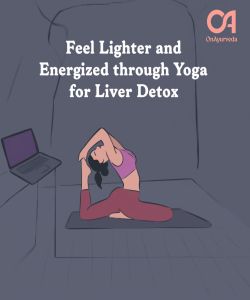
1. Overview of Yoga for Liver Detox
Yoga for Liver Detox constitutes a highly specific and disciplined system of physical postures (asanas), controlled breathing techniques (pranayama), and internal cleansing practices (kriyas) designed to support and enhance the physiological functions of the liver. This is not a passive wellness trend but a rigorous methodology predicated on ancient yogic principles of purification and internal balance. The practice operates on the mechanical and physiological premise that specific bodily movements and pressures can stimulate the organs of the abdominal cavity. Twisting postures, forward folds, and certain inversions are strategically employed to apply gentle compression to the liver, which, upon release, is theorised to encourage a flush of fresh, oxygenated blood to the organ. This enhanced circulation is fundamental to the liver’s vast array of metabolic and detoxification processes. Concurrently, targeted pranayama techniques work to oxygenate the entire system and modulate the autonomic nervous system, reducing the production of stress hormones like cortisol, which can place an additional burden on the liver. It must be unequivocally stated that this practice is a supportive modality, not a medical intervention or a cure for pre-existing hepatic disease. Its purpose is to create an optimal internal environment through physical discipline, improved circulation, and stress reduction, thereby empowering the body’s innate detoxification capabilities. The practitioner engages in a demanding and structured regimen that requires consistency, precision, and an unwavering commitment to the core principles of yogic science to realise its intended physiological benefits. This is a proactive approach to maintaining systemic homeostasis, with the liver as a primary focal point of its therapeutic application.
2. What are Yoga for Liver Detox?
Yoga for Liver Detox is a specialised application of yogic science that methodically targets the liver and its associated metabolic pathways. It is a structured system, not an arbitrary collection of exercises, that integrates specific physical and respiratory disciplines to support the body’s natural detoxification processes. Fundamentally, this practice is a physical and physiological intervention aimed at optimising the internal environment in which the liver operates. It is not a medical treatment, a pharmaceutical substitute, or a quick-fix solution for lifestyle-induced damage.
The core components of this practice are:
- Targeted Asanas (Postures): The practice prioritises postures that involve deep twisting of the torso, forward folding, and side bending. These movements are engineered to create gentle, intermittent compression on the abdominal organs, including the liver. The principle is that this compression temporarily restricts blood flow, and upon release of the posture, the area is flooded with a fresh supply of oxygenated blood, theoretically enhancing cellular function and waste removal.
- Specific Pranayama (Breath Control): Breathing techniques such as Kapalbhati (Skull Shining Breath) and Bhastrika (Bellows Breath) are integral. These are not merely relaxation exercises; they are powerful techniques designed to invigorate the system, increase oxygen uptake, and stimulate the diaphragm, which in turn massages the abdominal organs.
- Mind-Body Discipline: A crucial element is the cultivation of somatic awareness and the reduction of systemic stress. Chronic stress elevates cortisol levels, which can negatively impact liver function. By calming the nervous system through focused breathing and meditation, the practice aims to mitigate this hormonal burden.
- Supportive Lifestyle Philosophy: Whilst the core of the practice is physical, it is philosophically rooted in the yogic principle of Saucha (purity). This encourages practitioners to adopt complementary habits related to nutrition and hydration, creating a holistic strategy for supporting liver health rather than relying on the physical practice in isolation.
3. Who Needs Yoga for Liver Detox?
- Individuals with Sedentary Lifestyles: Persons engaged in prolonged periods of sitting or physical inactivity, which can lead to sluggish circulation and metabolic stagnation. This practice provides targeted physical stimulation to counteract the effects of a static posture, specifically focusing on invigorating the core and abdominal region.
- Those Seeking to Support Metabolic Function: Individuals who are proactively managing their metabolic health and wish to incorporate a disciplined physical regimen to support the body’s natural processing of nutrients and waste products. The practice is designed to enhance the efficiency of the systems that the liver governs.
- Practitioners Aiming to Mitigate the Effects of Stress: Professionals and individuals operating in high-pressure environments. The systematic application of pranayama and mindful movement is engineered to down-regulate the sympathetic nervous system, thereby reducing the chronic elevation of stress hormones that can impair liver function and overall systemic health.
- Individuals Seeking a Structured, Low-Impact Fitness Discipline: Those who require a form of physical exercise that is potent in its physiological effects yet avoids the high impact of conventional workouts. The controlled, precise movements are demanding but place minimal strain on the joints, making it a suitable and sustainable long-term practice.
- Experienced Yoga Practitioners Seeking Specialisation: Yogis who have a solid foundation in general Hatha yoga and wish to deepen their practice by focusing on a specific therapeutic application. This provides a structured framework for applying existing skills towards the targeted goal of internal purification and organ support.
- Individuals Proactively Engaging in Preventative Health Strategies: People who are not addressing a specific ailment but are committed to a long-term strategy of maintaining optimal physiological function. This practice serves as a powerful preventative tool, promoting internal cleanliness and circulatory efficiency as a cornerstone of enduring health and vitality.
4. Origins and Evolution of Yoga for Liver Detox
The concept of using yoga to purify the body’s internal systems is not a modern invention but is deeply rooted in the foundational texts and philosophies of classical Hatha yoga. The origins can be traced to the principle of Saucha, or purity, one of the Niyamas (personal observances) outlined in Patanjali's Yoga Sutras. This concept extends beyond mere external cleanliness to encompass the purification of the internal body, mind, and spirit. However, it was in later mediaeval texts, most notably the Hatha Yoga Pradipika, that specific techniques for internal cleansing were explicitly codified. This text introduced the Shatkarmas or Shatkriyas, a set of six cleansing actions designed to purify the body and prepare it for higher yogic practices. Techniques like Nauli (abdominal churning) and Kapalbhati (a forceful breathing technique) were described as methods to stoke the digestive fire (agni) and eliminate toxins (ama), directly influencing the health of the abdominal organs.
The evolution from these ancient, generalised purification practices to the modern, targeted concept of "Yoga for Liver Detox" represents a synthesis of traditional knowledge with a contemporary understanding of anatomy and physiology. In the twentieth and twenty-first centuries, as yoga became a global phenomenon, teachers and practitioners began to systematise and apply these ancient principles to address modern lifestyle concerns. Influential yoga masters recognised that the sedentary nature of modern life, combined with environmental and dietary stressors, placed an unprecedented burden on the body's detoxification organs, particularly the liver.
They began to curate specific sequences of asanas, focusing on those that created mechanical effects on the abdomen—twists, compressions, and inversions. Postures like Ardha Matsyendrasana (Half Lord of the Fishes Pose) and Jathara Parivartanasana (Revolved Abdomen Pose) were no longer just spinal mobility exercises; they were repurposed and taught specifically for their purported ability to "wring out" and subsequently refresh the abdominal organs. This modern iteration is therefore a highly specialised application, blending the esoteric wisdom of the Shatkarmas with a biomechanical rationale to create a practice that is both philosophically coherent and physiologically targeted for a contemporary audience seeking to support their internal health.
5. Types of Yoga for Liver Detox
The practice of Yoga for Liver Detox is not a singular, monolithic style but rather an application of specific techniques drawn from various yoga traditions. The classification is based on the intended physiological action of the postures and breathing methods.
- Compressive Twisting Asanas: These are the cornerstone of any liver-focused practice. They involve the axial rotation of the spine, which creates a wringing or squeezing effect on the abdominal organs. This compression is believed to restrict blood flow momentarily, and upon release, encourages a surge of fresh, oxygenated blood into the liver and surrounding viscera.
- Examples: Ardha Matsyendrasana (Half Lord of the Fishes Pose), Parivrtta Trikonasana (Revolved Triangle Pose), Jathara Parivartanasana (Revolved Abdomen Pose).
- Forward Folding Asanas: These postures create intra-abdominal pressure by compressing the front of the body towards the legs. This action gently massages the liver and other digestive organs, stimulating their function and promoting the movement of stagnant fluids. They also have a calming effect on the nervous system.
- Examples: Paschimottanasana (Seated Forward Bend), Janu Sirsasana (Head-to-Knee Forward Bend), Uttanasana (Standing Forward Bend).
- Side Bending Asanas: These poses focus on stretching and opening the sides of the torso. This action creates space in the abdominal cavity and directly stretches the liver on one side and the spleen on the other, promoting improved circulation and alleviating feelings of congestion in the midsection.
- Examples: Parighasana (Gate Pose), Parivrtta Janu Sirsasana (Revolved Head-to-Knee Pose).
- Stimulating Pranayama and Kriyas: These are not postures but are critical techniques for internal purification. They involve forceful, controlled breathing to increase oxygenation, invigorate the system, and create a vibratory massage for the internal organs.
- Examples: Kapalbhati (Skull Shining Breath), a rapid, forceful exhalation technique. Agnisara Kriya, a practice involving rapid contraction and expansion of the abdominal muscles to stoke the digestive fire.
- Restorative Inversions: Whilst vigorous inversions are sometimes avoided, gentle or supported inversions are used to reverse the effects of gravity, promote lymphatic drainage from the lower body, and calm the nervous system, which indirectly supports liver function by reducing stress hormone production.
- Examples: Viparita Karani (Legs-Up-the-Wall Pose), Setu Bandhasana (Bridge Pose).
6. Benefits of Yoga for Liver Detox
- Enhanced Circulation to Abdominal Organs: The systematic use of twisting and compressive postures is engineered to mechanically stimulate the liver and other digestive organs. This action of compression followed by release is designed to promote an influx of freshly oxygenated blood, thereby supporting cellular function and metabolic efficiency.
- Stimulation of the Lymphatic System: Many yogic postures, particularly inversions and dynamic sequences, facilitate the movement of lymph fluid. An efficient lymphatic system is critical for removing metabolic waste products from the tissues, which lessens the overall detoxification load placed upon the liver.
- Modulation of the Autonomic Nervous System: The integration of controlled breathing (pranayama) and mindful movement directly influences the nervous system, encouraging a shift from a stressed, sympathetic state to a restorative, parasympathetic state. This reduces the systemic levels of cortisol, a stress hormone that can negatively impact liver health and function over time.
- Improved Diaphragmatic Movement and Organ Massage: Correct yogic breathing emphasises deep, diaphragmatic engagement. The powerful, rhythmic movement of the diaphragm provides a natural, gentle massage to the underlying abdominal organs, including the liver, which aids in preventing stagnation and promoting healthy function.
- Increased Somatic Awareness: The practice demands a high degree of attention to internal bodily sensations. This heightened awareness enables practitioners to become more attuned to the effects of diet, stress, and lifestyle on their physical state, empowering them to make more informed choices that support liver and overall health.
- Toning of Abdominal and Core Musculature: The physical discipline required to hold the specified asanas strengthens the entire core, including the abdominal wall and deeper stabilising muscles. A strong, toned core provides better structural support for the internal organs and can improve overall digestive motility and function.
- Support for Systemic Detoxification Pathways: By improving circulation, enhancing lymphatic drainage, reducing stress, and stimulating digestive organs, the practice provides multifaceted support for the body’s entire network of detoxification pathways, ensuring the liver does not have to bear an undue burden in isolation.
7. Core Principles and Practices of Yoga for Liver Detox
- Principle of Compression and Release: This is the primary biomechanical principle. The core practice involves strategically entering postures that twist, fold, or constrict the abdominal area, applying gentle, sustained pressure to the liver. This is immediately followed by a release, which is intended to create a "flushing" effect, drawing a rich supply of oxygenated blood into the organ to nourish tissues and aid in processing waste.
- The Centrality of Agni (Digestive Fire): Yogic philosophy posits the existence of an internal fire, Agni, which governs all metabolic and digestive processes. Practices like Kapalbhati and Agnisara Kriya are not merely breathing exercises; they are powerful techniques specifically designed to stoke this fire, thereby enhancing the body’s capacity to metabolise substances and eliminate toxins (ama).
- Integration of Breath and Movement (Vinyasa): Every movement is synchronised with the breath. The inhalation is typically used to create length and space in the spine and torso, whilst the exhalation is used to deepen into a twist or a forward fold. This synergy ensures that the postures are not just static shapes but are dynamic, breath-fuelled actions that maximise internal massage and circulatory effects.
- Parasympathetic Dominance: The practice actively seeks to shift the autonomic nervous system from a state of stress (sympathetic) to one of rest and restoration (parasympathetic). This is achieved through slow, deliberate movements, long holds in postures, and specific calming pranayama. Reducing the production of stress hormones is a critical, non-negotiable objective, as chronic stress directly impairs liver function.
- Practice of Saucha (Internal and External Purity): This is the guiding philosophical principle. It mandates that the physical practice be supported by a commitment to purity in other areas of life, such as diet and mental habits. The yoga practice is seen as one component of a holistic strategy for reducing the body's toxic load, not as an isolated cure.
- Discipline and Consistency (Tapas and Abhyasa): Sporadic practice yields negligible results. The principles of Tapas (the discipline to engage in the practice even when difficult) and Abhyasa (consistent, dedicated practice over a long period) are paramount. The physiological benefits are cumulative and depend entirely on unwavering regularity and precision in execution.
8. Online Yoga for Liver Detox
- Unconditional Accessibility and Scheduling Autonomy: The online format dismantles geographical and temporal barriers. Practitioners are not constrained by the fixed schedules or locations of physical studios. This grants absolute autonomy to integrate this demanding practice into their personal and professional lives, ensuring the consistency that is non-negotiable for achieving physiological results. A session can be executed at the most optimal time for the individual’s energy and digestive cycle.
- Absolute Discretion and Privacy: Engaging in a practice focused on internal health and detoxification can be a personal matter. The online environment provides a completely private space, free from the perceived judgment or comparison that can arise in a group setting. This allows the practitioner to focus entirely on their internal experience and physical limitations without distraction or self-consciousness, which is critical for a safe and effective practice.
- Enhanced Focus in a Controlled Environment: The practitioner has complete control over their environment. They can eliminate all external distractions, control the temperature, and set the lighting to create a space that is maximally conducive to deep internal focus. This contrasts with the variable and sometimes distracting environment of a public class, allowing for a more profound connection to the subtle physiological processes being targeted.
- Repetitive and On-Demand Learning: The digital format permits the practitioner to pause, rewind, and review instructions repeatedly. For a technical practice that relies on precise alignment and breathing cues to be effective and safe, this ability is invaluable. Complex postures or breathing techniques can be studied and practised until they are mastered, a luxury not afforded in a live, flowing class.
- Cost-Effectiveness and Resource Efficiency: Engaging in an online course or programme typically eliminates the recurring costs associated with studio memberships, as well as the time and expense of commuting. This removes financial and logistical impediments, making a long-term, consistent commitment to the practice a more viable and sustainable proposition for a wider range of individuals.
9. Yoga for Liver Detox Techniques
The following sequence is a methodical application of techniques designed to stimulate the liver. It must be performed with precision and full attention to the breath.
- Step 1: Foundational Centring and Diaphragmatic Breathing: Begin in a comfortable seated position (Sukhasana). Elongate the spine. Place hands on the lower ribs. For several cycles, inhale deeply, feeling the diaphragm expand and press downwards, widening the ribcage. Exhale completely, feeling the abdomen gently draw in. This establishes the mind-body connection and activates the primary muscle of respiration, preparing it to massage the internal organs.
- Step 2: Gentle Supine Twist (Supta Matsyendrasana): Lie on the back. Draw both knees into the chest. Extend the left leg straight onto the floor. Extend the right arm out to the side at shoulder height. Inhale. As you exhale, guide the right knee across the body to the left side. Turn the head to look towards the right fingertips. Hold the position, breathing deeply into the right side of the ribcage. This initiates a gentle, passive twist, safely preparing the spine and abdominal organs for deeper work. Hold for several complete breaths before repeating on the other side.
- Step 3: Seated Spinal Twist (Ardha Matsyendrasana): Sit with legs extended. Bend the right knee, placing the right foot on the floor outside the left thigh. Bend the left leg, bringing the left heel near the right hip. Inhale to lengthen the spine. Exhale and twist the torso to the right, hooking the left elbow outside the right knee. Place the right hand on the floor behind you for support. With each inhalation, lengthen the spine; with each exhalation, deepen the twist from the abdomen. This is the primary compressive posture.
- Step 4: Head-to-Knee Forward Bend (Janu Sirsasana): From a seated position, extend the left leg and place the sole of the right foot against the inner left thigh. Inhale, lifting the torso. Exhale and fold forward over the left leg from the hips, maintaining a long spine. This posture compresses the right side of the abdomen, targeting the liver. Breathe into the sensation of pressure. Hold before switching sides.
- Step 5: Invigorating Breath (Kapalbhati): Sit upright. Perform a series of short, forceful exhalations through the nose by powerfully contracting the lower abdomen. Inhalation is passive and reflexive. This kriya is not a breathing exercise but a cleansing technique designed to stoke digestive fire and invigorate the entire abdominal region. Perform a set number of repetitions as guided by an instructor.
10. Yoga for Liver Detox for Adults
Yoga for Liver Detox is a discipline particularly suited to the physiological and lifestyle realities of adulthood. The adult body, often subjected to years of sedentary work, cumulative stress, and suboptimal dietary habits, requires a structured and intelligent approach to maintain systemic function. This practice directly confronts these challenges. For the adult engaged in a desk-bound profession, the sustained compression of the abdomen and the resulting circulatory sluggishness can be counteracted by the targeted twisting and forward-folding postures that define this yogic application. These movements are specifically designed to reintroduce mobility and vigorous blood flow to the visceral organs. Furthermore, the adult nervous system is frequently in a state of hyper-vigilance due to professional and personal responsibilities. The rigorous integration of pranayama (controlled breathing) within this practice is not for relaxation in the colloquial sense; it is a direct tool for down-regulating the sympathetic nervous system. This intentional shift to a parasympathetic state reduces the constant secretion of stress hormones like cortisol, which are known to place a significant metabolic load on the liver. The low-impact nature of the practice is also of critical importance, offering a potent form of physical exertion without imposing the joint stress associated with more conventional forms of adult exercise. It is a mature, proactive strategy for managing the physiological consequences of a modern adult life, demanding discipline and consistency in exchange for the profound benefit of enhanced internal homeostasis and organ support. It is a tool for proactive self-regulation, not a remedy for neglect.
11. Total Duration of Online Yoga for Liver Detox
A standard, comprehensive online session of Yoga for Liver Detox is meticulously structured to be completed within a total duration of 1 hr. This timeframe is not arbitrary but is deliberately calibrated to ensure that each essential component of the practice is addressed with sufficient depth and focus, without inducing excessive fatigue or placing undue strain on the system. The 1 hr session is a complete, self-contained unit of practice, systematically broken down into distinct phases. It commences with a preparatory phase of centering and gentle warm-ups, designed to mobilise the joints and initiate mindful breath awareness. This is followed by the principal segment of the practice, which is dedicated to the core sequence of asanas—the specific twists, forward folds, and compressive postures that form the therapeutic nucleus of the session. This main phase is the most extensive part of the hour. Subsequently, a portion of the time is allocated to the practice of pranayama or specific kriyas, the invigorating or calming breathing techniques critical for the practice’s efficacy. The session concludes with a cool-down period, incorporating counter-poses and gentle stretches, leading into a final, mandatory phase of deep relaxation in a posture such as Savasana (Corpse Pose). This concluding relaxation is non-negotiable, as it allows the nervous system to integrate the effects of the practice and facilitates the physiological shift towards a restorative state. Every minute of the 1 hr duration is purposeful, creating a robust and balanced regimen that is both challenging and sustainable for regular execution.
12. Things to Consider with Yoga for Liver Detox
Engaging with Yoga for Liver Detox demands a mature and informed perspective, grounded in realism and self-responsibility. It is imperative to understand that this practice is a supportive modality, not a medical intervention. It must never be viewed as a substitute for professional medical diagnosis, advice, or treatment for any existing liver condition or other pathology. Before commencing, securing clearance from a qualified medical practitioner is not merely advisable; it is a mandatory prerequisite for safe engagement. The practitioner must also honestly assess their physical capabilities and limitations. The techniques, particularly the deep twists and compressive postures, can be intense. The yogic principle of Ahimsa (non-harm) must be rigorously applied; at no point should a posture be forced to the point of sharp pain. To do so is counter-productive and risks injury. Furthermore, the efficacy of the physical practice is inextricably linked to broader lifestyle factors. One cannot expect to achieve meaningful results whilst simultaneously engaging in habits known to be detrimental to liver health. The practice must be situated within a holistic context that includes adequate hydration, sound nutrition, and sufficient rest. It is a powerful tool, but its power is magnified or diminished by the practitioner’s overall commitment to a health-conscious lifestyle. It requires patience and the rejection of the desire for instantaneous results. The physiological benefits are cumulative and subtle, materialising only through consistent, disciplined, and intelligent practice over a prolonged period.
13. Effectiveness of Yoga for Liver Detox
The effectiveness of Yoga for Liver Detox must be assessed within a precise and rational framework, distinct from unsubstantiated claims of "curing" or "flushing toxins." Its efficacy lies not in acting as a direct antidote to pathology, but in its capacity to create and sustain an internal environment that is conducive to optimal physiological function. The practice is effective insofar as it systematically supports the body's own innate homeostatic and detoxification mechanisms. The effectiveness is threefold. First, on a mechanical level, the targeted sequence of asanas improves circulation to the abdominal viscera. The principle of compression and release is a valid mechanical means of stimulating localised blood flow, which is fundamental for nourishing organ tissues and facilitating the transport of metabolic by-products for processing by the liver. Second, its effectiveness is deeply rooted in its profound impact on the autonomic nervous system. By prioritising pranayama and mindful movement, the practice is exceptionally effective at reducing chronic stress and lowering circulating cortisol levels, thereby mitigating a significant source of metabolic burden on the liver. Third, the discipline cultivates a heightened state of somatic awareness, making the practitioner more sensitive to the body's signals. This enhanced interoception is a powerful tool for self-regulation, promoting lifestyle choices that align with, rather than contradict, the goals of the practice. Therefore, its effectiveness is not measured in the dramatic reversal of disease, but in the measurable, cumulative support it provides to the body’s complex, interconnected systems of health maintenance.
14. Preferred Cautions During Yoga for Liver Detox
Engaging in Yoga for Liver Detox demands an uncompromising adherence to safety protocols and a profound respect for the body’s limits. This practice is contraindicated for individuals with acute or severe liver conditions, including cirrhosis, hepatitis, or liver cancer, unless explicitly approved and supervised by a medical specialist. It is also unsuitable for those with untreated high blood pressure, glaucoma, or hiatal hernias, as certain postures and breathing techniques can exacerbate these conditions. Any recent abdominal surgery is an absolute contraindication until full medical clearance is granted. Pregnant women must avoid the deep twisting and compressive postures entirely. The core principle of Ahimsa, or non-harm, must be the guiding directive throughout every session. Pain is a signal to retreat, not a challenge to be conquered. Any sensation of sharp, shooting, or pinching pain indicates that a boundary has been breached, and the posture must be immediately and carefully exited. The practitioner must differentiate between the discomfort of a deep stretch and the signal of potential injury. Furthermore, vigorous breathing techniques such as Kapalbhati or Bhastrika should be learned under qualified guidance and approached with extreme caution, as they can cause dizziness or place undue stress on the cardiovascular system if performed incorrectly. The spine must always be elongated before entering a twist to protect the vertebral discs. Failure to observe these cautions transforms a potentially supportive practice into a high-risk activity. Self-responsibility is paramount.
15. Yoga for Liver Detox Course Outline
- Module 1: Foundational Principles and Safety Protocols:
- Introduction to the yogic concept of Saucha (purity) and Agni (digestive fire).
- Detailed instruction on contraindications and the absolute necessity of medical consultation.
- Mastery of diaphragmatic breathing as the basis for all practice.
- Establishing the principle of Ahimsa (non-harm) and listening to the body’s signals.
- Module 2: Gentle Compressions and Spinal Mobilisation:
- Focus on supine and seated gentle twists (Supta Matsyendrasana, simple seated twists).
- Introduction to basic forward folds (Paschimottanasana with support) to introduce gentle abdominal compression.
- Techniques for elongating the spine to create space before twisting.
- Synchronising simple movements with the breath (Vinyasa).
- Module 3: Deepening the Twists and Folds:
- Progressing to more complex standing and seated twists (Ardha Matsyendrasana, Parivrtta Trikonasana).
- In-depth work on forward folds to increase intra-abdominal pressure (Janu Sirsasana).
- Introduction to side bending postures (Parighasana) to stretch the liver meridian.
- Refining alignment for maximum efficacy and safety in deep postures.
- Module 4: Introduction to Pranayama and Kriyas:
- Safe and structured introduction to stimulating breathing techniques.
- Detailed, step-by-step instruction for Kapalbhati (Skull Shining Breath).
- Introduction to preparatory practices for Agnisara Kriya (stoking the fire of digestion).
- Understanding the physiological effects and contraindications of these powerful techniques.
- Module 5: Integration, Flow, and Restorative Practice:
- Sequencing postures into a cohesive flow to build internal heat and enhance circulation.
- Combining asana, pranayama, and mindful focus into a single, integrated practice.
- Instruction on restorative postures (Viparita Karani, supported Setu Bandhasana) to calm the nervous system.
- The non-negotiable importance of Savasana (Corpse Pose) for physiological integration.
16. Detailed Objectives with Timeline of Yoga for Liver Detox
- Weeks 1-2: Establish Foundational Competency and Safety.
- Objective: The practitioner will demonstrate mastery of deep, diaphragmatic breathing and be able to maintain it throughout simple movements. They will be able to identify and respect personal physical limitations, fully understanding the principle of Ahimsa (non-harm). They will articulate all primary contraindications for the practice.
- Weeks 3-4: Develop Proficiency in Core Compressive Postures.
- Objective: The practitioner will execute foundational twisting and forward-folding asanas (Supta Matsyendrasana, Paschimottanasana, Janu Sirsasana) with correct alignment. They will be able to synchronise breath with movement, using the exhalation to initiate compression and the inhalation to create space.
- Weeks 5-6: Increase Holding Times and Introduce Dynamic Elements.
- Objective: The practitioner will be able to hold core postures for an extended duration (e.g., several complete breath cycles) while maintaining stable breathing and structural integrity. They will begin to link postures in a simple, flowing sequence to enhance circulatory benefits.
- Weeks 7-8: Master Intermediate Twists and Begin Pranayama.
- Objective: The practitioner will safely perform more complex twists like Ardha Matsyendrasana with precision. They will be introduced to and demonstrate the correct, safe technique for Kapalbhati for a limited number of rounds, understanding its purpose and effects.
- Weeks 9-10: Refine Asana and Deepen Somatic Awareness.
- Objective: The practitioner will demonstrate subtle refinements in all postures, moving from gross alignment to a deeper internal experience of the pose. They will be able to articulate the specific sensations of compression and release in the abdominal region.
- Weeks 11-12: Integrate All Components into a Self-Sufficient Practice.
- Objective: The practitioner will be able to perform a full, integrated 1 hr session, combining asana, pranayama, and relaxation. They will demonstrate the discipline (Tapas) and consistency (Abhyasa) required to sustain the practice independently for long-term physiological support.
17. Requirements for Taking Online Yoga for Liver Detox
- Unyielding Personal Discipline and Commitment: The practitioner must possess the self-motivation to adhere to a regular and consistent practice schedule without the external pressure of a physical group class. The benefits are cumulative and contingent upon this internal drive.
- A Stable and High-Speed Internet Connection: A reliable digital connection is non-negotiable. An inconsistent or weak signal will disrupt the flow of instruction, compromise safety, and undermine the focus required for a meditative and physiologically effective practice.
- A Suitable Electronic Device: A laptop, tablet, or monitor with a screen large enough to clearly view the instructor’s demonstrations is mandatory. Attempting to follow complex postural alignment on a small smartphone screen is inadequate and unsafe.
- A Dedicated, Uncluttered, and Private Practice Space: The practitioner must designate a specific area for their practice that is free from furniture, hazards, and domestic distractions. This space must be large enough to accommodate the full range of movement without risk of collision or injury.
- A High-Quality Yoga Mat: A standard, non-slip yoga mat is a fundamental requirement. It provides the necessary grip for standing postures and cushioning for seated and supine poses, ensuring stability and safety throughout the practice.
- Appropriate Attire: Clothing must be comfortable, non-restrictive, and allow for a full range of motion. It should not be so loose as to obscure the body’s alignment or become a hazard by getting tangled during movements.
- Prior Medical Clearance: An absolute prerequisite. The individual must have consulted with a qualified medical professional to confirm their suitability for this specific type of physical practice, particularly given the focus on abdominal compression and intense breathing techniques.
- Props for Support and Modification: While not always mandatory, access to basic yoga props such as blocks and a firm blanket or bolster is highly recommended. These tools are essential for modifying postures to suit individual flexibility and for ensuring safe alignment.
18. Things to Keep in Mind Before Starting Online Yoga for Liver Detox
Before embarking on an online Yoga for Liver Detox programme, it is crucial to adopt a mindset of rigorous self-responsibility and realistic expectation. The online environment, whilst convenient, places the onus of safety and correct execution squarely on the practitioner. Unlike an in-person class where an instructor can provide immediate, physical correction, the digital medium requires you to become your own primary supervisor. This necessitates cultivating an acute sense of internal awareness—a capacity to listen intently to your body's signals and to differentiate between the productive discomfort of a deep stretch and the sharp warning of potential injury. You must commit to creating a sanctuary for your practice, a space that is not only physically clear but also digitally and mentally free from interruptions. The temptation to multi-task or allow notifications to intrude must be ruthlessly suppressed. Furthermore, you must abandon any notion of this practice being a quick fix. The physiological benefits are subtle and cumulative, a direct result of unwavering consistency over time. There will be no sudden, miraculous "detox." Instead, the rewards will manifest gradually through enhanced vitality and systemic balance. You are not passively receiving a treatment; you are actively engaging in a demanding physical and mental discipline. Approaching this practice with anything less than total commitment, focused attention, and a profound respect for your body's intrinsic wisdom is to set yourself up for failure and potential harm.
19. Qualifications Required to Perform Yoga for Liver Detox
The safe and effective instruction of Yoga for Liver Detox demands a level of expertise that far exceeds a standard, entry-level yoga teaching certificate. There is no single, officially regulated "Yoga for Liver Detox" qualification. Therefore, a practitioner seeking a competent instructor must scrutinise their credentials for evidence of advanced, specialised knowledge. A credible instructor must possess a robust foundation in yogic pedagogy, supplemented by specific expertise in anatomy, physiology, and therapeutic applications. The minimum baseline qualifications include:
- Advanced Teaching Certification: The instructor must hold an advanced certification from a reputable yoga school or governing body, such as a 500-hour Registered Yoga Teacher (RYT-500) designation or its equivalent. This indicates a significant investment in training and a deep understanding of asana, pranayama, philosophy, and teaching methodology.
- Specialised Training in Therapeutic or Restorative Yoga: General yoga training is insufficient. The instructor must demonstrate verifiable, specialised training in therapeutic yoga, which focuses on adapting yogic practices for specific health support goals. This education provides the knowledge of contraindications, modifications, and the specific physiological effects of different techniques.
- In-Depth, Demonstrable Knowledge of Anatomy and Physiology: The instructor must possess a university-level understanding of human anatomy and physiology, particularly of the digestive, endocrine, and nervous systems. They must be able to articulate precisely why a certain posture or breathing technique is being employed and what its intended physiological mechanism is, moving beyond vague, esoteric language.
- Significant and Verifiable Teaching Experience: Theoretical knowledge is useless without practical application. A qualified instructor will have substantial, long-term experience in teaching and applying these specialised techniques with a variety of clients, demonstrating an ability to adapt the practice safely to different body types and conditions.
A failure to meet these rigorous standards renders an instructor unqualified to guide others in this demanding and highly specific discipline.
20. Online Vs Offline/Onsite Yoga for Liver Detox
A critical differentiation must be made between the online and offline modalities for practising Yoga for Liver Detox, as each presents a distinct set of advantages and limitations.
Online
The primary virtue of the online format is its unparalleled autonomy and accessibility. The practitioner is liberated from the constraints of geography and fixed studio schedules, enabling the integration of this rigorous discipline into a demanding life with greater ease. This fosters the consistency that is paramount for achieving results. The privacy of one's own space is a significant factor, allowing for total focus on internal sensations without the potential for distraction or self-consciousness inherent in a group setting. An online session can be paused and replayed, permitting the practitioner to deconstruct and master complex postures or breathing techniques at their own pace—a critical advantage for ensuring safety and precision. The environment is entirely within the practitioner’s control, optimising conditions for concentration. However, the online modality's greatest strength is also its most significant weakness: the absence of direct, physical feedback from a qualified instructor. The onus of maintaining correct alignment and avoiding injury falls entirely on the individual, demanding a high degree of self-awareness and discipline.
Offline/Onsite
The offline, or onsite, experience is defined by the immediate presence of a qualified instructor. This provides the invaluable benefit of real-time, hands-on adjustments and personalised verbal cues, which can correct subtle misalignments that a practitioner may not perceive on their own. This direct supervision provides a superior layer of safety. The group environment, while a potential distraction for some, can also foster a sense of community and shared purpose (satsang), which can be highly motivating. Onsite studios are equipped with a full range of props (bolsters, blocks, straps), which the instructor can expertly integrate into the practice to help students access postures safely and effectively. The energy of a dedicated physical space, designed exclusively for yoga, can also be more conducive to deep practice than a multi-purpose room at home. The trade-off is a loss of autonomy; the practitioner is bound to the studio's schedule and location, and the pace of the class is set by the instructor for the group, not the individual.
21. FAQs About Online Yoga for Liver Detox
Question 1. Is this a medical treatment for liver disease? Answer: Absolutely not. It is a supportive physical discipline designed to enhance the body's natural functions. It is not a substitute for professional medical advice or treatment.
Question 2. Can beginners do this? Answer: Yes, provided the programme is specifically designed for beginners and they have obtained prior medical clearance. A high degree of self-awareness is required.
Question 3. Will I lose weight? Answer: Weight loss is not a primary objective. Whilst the practice supports metabolic function, it is not a conventional weight-loss workout.
Question 4. What if I feel pain during a posture? Answer: You must immediately and carefully exit the posture. Pain is a signal to stop, not a challenge to overcome.
Question 5. How often should I practise? Answer: Consistency is critical. A minimum of three to four dedicated sessions per week is recommended for tangible benefits.
Question 6. Do I need special equipment? Answer: A non-slip yoga mat is mandatory. Blocks and a blanket are highly recommended for support and modification.
Question 7. Can I practise after a heavy meal? Answer: No. Practise on an empty stomach, or at least two to three hours after a meal, as the abdominal compression will be intensely uncomfortable otherwise.
Question 8. What is the most important part of the practice? Answer: The integration of conscious breath with precise movement.
Question 9. Is this practice suitable during pregnancy? Answer: No. The deep twists and abdominal compressions are contraindicated during pregnancy.
Question 10. How is this different from a regular online yoga class? Answer: It is highly specialised, focusing exclusively on a curated sequence of postures and breathing techniques chosen for their intended effect on the abdominal organs.
Question 11. Will I see results in one week? Answer: No. The benefits are cumulative and subtle, requiring consistent practice over a prolonged period.
Question 12. What if I have a bad back? Answer: You must consult a medical professional. Many twists can be beneficial, but if performed incorrectly, they can exacerbate existing conditions.
Question 13. Is the online instructor live or pre-recorded? Answer: This varies by programme. Both exist. Live classes offer interaction, whilst pre-recorded classes offer flexibility.
Question 14. Do I need to be flexible? Answer: No. The practice is designed to improve flexibility. The use of props is essential to support your current range of motion.
Question 15. Can this "detox" my body from alcohol? Answer: No. It supports overall liver function, but it does not negate the damaging effects of excessive alcohol consumption. Responsibility for lifestyle choices remains paramount.
Question 16. What is Kapalbhati? Answer: It is a forceful, rapid breathing technique (a kriya) designed to invigorate the system. It must be learned from a qualified instructor.
Question 17. What if I get dizzy during breathing exercises? Answer: Stop immediately and return to normal, calm breathing. This indicates you are forcing the technique.
22. Conclusion About Yoga for Liver Detox
In conclusion, Yoga for Liver Detox must be understood and approached as a serious and demanding discipline, not as a passive or miraculous cure. Its value is not found in sensational claims of "flushing toxins" but in its methodical and intelligent application of biomechanical and physiological principles to support the body’s innate capacity for self-regulation. The practice, built upon a foundation of targeted asanas, controlled pranayama, and unwavering mental focus, serves to enhance circulation, modulate the stress response, and improve the overall efficiency of the body’s metabolic and eliminatory systems. The liver, as a central organ in these processes, is a primary beneficiary of this optimised internal environment. However, the efficacy of the practice is entirely contingent upon the practitioner's commitment. It demands consistency, precision, and an uncompromising respect for the body’s limitations and safety signals. It is a proactive strategy for health maintenance, one that empowers the individual to take an active role in supporting their own physiology. It works in concert with, and is amplified by, a conscious lifestyle. When stripped of hyperbole and executed with the discipline it requires, Yoga for Liver Detox stands as a potent, non-invasive modality for fostering profound and lasting internal balance. It is a testament to the yogic principle that through rigorous and intelligent physical practice, one can exert significant, positive influence over the intricate functions of the internal body