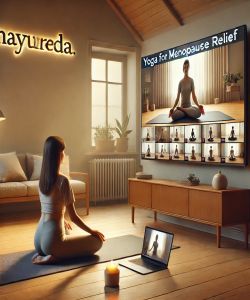
Overview of Yoga for Menopause Relief
Yoga for Menopause Relief constitutes a highly specific, non-pharmacological intervention designed to address the complex symptomatology associated with the menopausal transition. This is not a generalised yoga practice; it is a targeted methodology that systematically employs a curated selection of physical postures (asanas), controlled breathing techniques (pranayama), and deep meditative practices to regulate the physiological and psychological disquietude that characterises this life stage. The core objective is to restore homeostatic balance within the endocrine and nervous systems, which are profoundly affected by fluctuating hormone levels. The practice directly confronts vasomotor symptoms such as hot flushes and night sweats by training the body’s thermoregulatory mechanisms through restorative postures and cooling breaths. Concurrently, it addresses the psychological sequelae, including anxiety, irritability, and depressive moods, by activating the parasympathetic nervous system, thereby inducing a state of calm and reducing the production of stress hormones like cortisol. Furthermore, it targets secondary physical complaints, such as joint stiffness, reduced bone density, and sleep disturbances, through weight-bearing poses that enhance musculoskeletal strength and sequences that promote profound relaxation essential for restorative sleep. This discipline operates on the principle that by consciously uniting mind and body through rigorous, mindful practice, an individual can exert significant influence over autonomic bodily functions and emotional responses. It is, therefore, a robust framework for self-regulation, empowering individuals to navigate the challenges of menopause with enhanced resilience, physical comfort, and mental clarity. The approach is holistic, acknowledging that the symptoms of menopause are interconnected and must be addressed through an integrated system that supports the entire being, rather than isolating and treating individual complaints. It is a demanding yet profoundly effective strategy for reclaiming bodily autonomy and well-being.
What is Yoga for Menopause Relief?
Yoga for Menopause Relief is a specialised, therapeutic application of yogic science, meticulously adapted to mitigate the multifaceted challenges of the perimenopausal and postmenopausal phases. It is a structured discipline that transcends generic wellness practices, focusing with clinical precision on the physiological and psychological disruptions triggered by hormonal decline. The methodology integrates three foundational pillars: asana (physical postures), pranayama (breathing techniques), and dhyana (meditation and mindfulness), each calibrated to address specific menopausal symptoms.
The physical postures employed are not arbitrary; they are selected for their proven effects on the endocrine and nervous systems. This includes:
Restorative Poses: These are passive, supported postures designed to calm the nervous system, reduce cortisol levels, and alleviate fatigue. They directly combat the ‘fight or flight’ response often exacerbated during menopause, thereby helping to manage anxiety and hot flushes.
Weight-Bearing Poses: These active postures are essential for stimulating osteoblast activity, which is crucial for maintaining and improving bone mineral density, a significant concern due to decreased oestrogen.
Inversions and Twists: Gentle inversions and specific twisting postures are utilised to support endocrine function, improve circulation, and aid in the detoxification processes of the body, potentially easing bloating and digestive discomfort.
Pranayama techniques are central to the practice, focusing on breathwork that directly influences the autonomic nervous system. Cooling breaths like Sheetali and Sitkari are taught to provide immediate relief from hot flushes, whilst deep, diaphragmatic breathing helps to manage anxiety and promote sleep. Meditation and yoga nidra (yogic sleep) are incorporated to address the cognitive and emotional symptoms, such as brain fog, mood swings, and insomnia. These practices cultivate mental resilience, improve focus, and foster a sense of emotional equilibrium. In essence, Yoga for Menopause Relief is not merely exercise; it is a comprehensive system of self-regulation designed to empower individuals to actively manage their symptoms and enhance their quality of life through a period of profound biological transformation.
Who Needs Yoga for Menopause Relief?
Individuals experiencing pronounced vasomotor symptoms, including severe and frequent hot flushes or night sweats, that disrupt professional duties, social engagement, and fundamental sleep patterns. This intervention provides non-hormonal tools for thermoregulation.
Persons suffering from significant mood lability, heightened anxiety, persistent irritability, or feelings of depression directly correlated with their menopausal transition. The practice is structured to stabilise the nervous system and regulate emotional responses.
Those contending with chronic insomnia, fragmented sleep, or difficulty achieving restorative sleep cycles. The discipline incorporates specific relaxation and meditation techniques engineered to improve sleep latency and quality.
Individuals concerned with or diagnosed with osteopenia or osteoporosis. The regimen includes a mandatory component of safe, modified weight-bearing postures designed to stimulate bone density and preserve skeletal integrity.
Persons experiencing persistent musculoskeletal discomfort, including joint pain, muscular stiffness, and a general loss of flexibility and strength. The curated physical postures are designed to enhance mobility, alleviate pain, and rebuild functional strength.
Individuals suffering from cognitive disturbances, commonly referred to as 'brain fog', characterised by memory lapses, difficulty concentrating, and diminished mental clarity. The mindfulness and meditation aspects of the practice are designed to sharpen cognitive function.
Those experiencing a diminished sense of well-being, body confidence, or libido. The practice aims to re-establish a positive connection with one's body, fostering acceptance and empowerment through physical mastery and self-awareness.
Individuals actively seeking effective, structured, and non-pharmacological alternatives or complementary strategies to Hormone Replacement Therapy (HRT) for managing their menopausal symptoms.
Persons feeling overwhelmed and isolated by the menopausal experience. The structured and supportive environment of the practice, whether online or in-person, provides a framework for proactive self-care and community.
Any individual entering the perimenopausal, menopausal, or postmenopausal stage who is committed to proactively managing their health and mitigating the potential negative impacts of this biological transition on their long-term vitality.
Origins and Evolution of Yoga for Menopause Relief
The application of yoga as a specific therapeutic intervention for menopause is a relatively modern specialisation, yet its roots are firmly planted in the ancient, holistic principles of Hatha yoga and Ayurveda. Traditional yogic texts, such as the Hatha Yoga Pradipika, do not explicitly reference ‘menopause’ in the contemporary clinical sense. However, they meticulously detail practices designed to balance the body’s energy systems (prana), regulate the endocrine glands (granthis), and calm the fluctuations of the mind (chitta vritti). These foundational concepts provide the direct theoretical underpinning for modern Yoga for Menopause Relief. The ancient yogis understood the body as an integrated system, where hormonal and nervous system function were inextricably linked to breath, posture, and mental state.
The evolution from this generalist framework to a specialised discipline began in the latter half of the twentieth century, as yoga gained prominence in the West. Visionary teachers and yoga therapists started to deconstruct the classical practices and re-synthesise them to address specific health conditions prevalent in modern society. Influenced by pioneering figures who championed a more therapeutic and individualised approach to yoga, practitioners began to observe and document the profound effects of certain asanas, pranayama, and meditation techniques on the female endocrine system throughout the life cycle, including menstruation, pregnancy, and menopause.
This process of adaptation accelerated with the rise of medical and scientific inquiry into yoga’s efficacy. Researchers began to conduct clinical studies, providing empirical evidence for what practitioners had long observed anecdotally. Studies confirmed that restorative yoga could lower cortisol levels, that specific breathing techniques could influence the autonomic nervous system to reduce the frequency of hot flushes, and that weight-bearing poses could positively impact bone density. This scientific validation was crucial; it moved the practice from the realm of alternative wellness into that of a credible, evidence-informed complementary therapy. Consequently, specialised training programmes emerged, equipping instructors with the anatomical, physiological, and psychological knowledge necessary to guide women safely and effectively through the menopausal transition. Today, Yoga for Menopause Relief is a highly refined and sophisticated discipline, integrating ancient wisdom with contemporary scientific understanding to offer a robust, non-invasive strategy for managing this significant life stage.
Types of Yoga for Menopause Relief
Restorative Yoga: This is a cornerstone of menopause relief. It involves the use of props such as bolsters, blankets, and blocks to support the body in passive postures held for extended periods. The primary objective is to trigger the parasympathetic nervous system, inducing deep relaxation. This directly counteracts the production of stress hormones, alleviates fatigue, soothes anxiety, and can help to mitigate the physiological stress response that exacerbates hot flushes and sleep disturbances.
Hatha Yoga (Adapted): A specifically modified form of classical Hatha yoga is employed, focusing on slow, deliberate movements synchronised with the breath. Poses are chosen for their ability to support endocrine function, improve circulation, and build strength without over-stimulating the nervous system. The emphasis is on precise alignment and mindful execution to enhance body awareness and calm the mind, addressing joint stiffness and mood fluctuations.
Yin Yoga: This practice targets the body’s deep connective tissues—ligaments, joints, and fascial networks—which can become tight and restricted during menopause. Poses are held passively for several minutes, applying gentle, sustained pressure to improve flexibility and joint mobility. Yin yoga is particularly effective for releasing deep-seated tension and promoting a meditative state of mind, which is beneficial for managing the emotional and physical discomforts of menopause.
Yoga Nidra: Often referred to as ‘yogic sleep’, this is a powerful guided meditation technique performed in a comfortable resting position. It systematically guides the practitioner through different levels of consciousness, leading to a state of profound relaxation that is more restorative than conventional sleep. It is an indispensable tool for combating the severe fatigue and chronic insomnia frequently associated with the menopausal transition.
Viniyoga: This therapeutic style emphasises a highly individualised approach, adapting postures and breathing techniques to the unique needs and physical limitations of the practitioner. For menopause, a Viniyoga sequence would be specifically designed to address an individual’s dominant symptoms, whether they be anxiety, low bone density, or pelvic floor issues, ensuring the practice is both safe and maximally effective.
Benefits of Yoga for Menopause Relief
Reduction of Vasomotor Symptoms: Systematically mitigates the frequency and intensity of hot flushes and night sweats through targeted breathing techniques and restorative postures that calm the autonomic nervous system and improve the body's thermoregulatory capacity.
Enhancement of Skeletal Integrity: Incorporates specific, safe weight-bearing asanas that stimulate osteoblastic activity, thereby helping to preserve and potentially increase bone mineral density, directly counteracting the risk of osteopenia and osteoporosis.
Regulation of Mood and Alleviation of Anxiety: Activates the parasympathetic nervous system to down-regulate the production of cortisol and adrenaline. This fosters emotional equilibrium, significantly reducing instances of anxiety, irritability, and depressive moods.
Improved Sleep Quality: Employs relaxation techniques, particularly Yoga Nidra and deep pranayama, which are clinically demonstrated to reduce sleep latency, decrease nocturnal awakenings, and promote more profound, restorative sleep cycles.
Increased Musculoskeletal Health: Addresses common complaints of joint pain and muscular stiffness by improving flexibility, enhancing range of motion, and building functional strength. This leads to greater physical comfort and ease of movement in daily activities.
Enhanced Cognitive Function: The mindfulness and concentration required during practice can sharpen focus and mental clarity, providing a direct antidote to the cognitive 'brain fog' that many experience during the menopausal transition.
Support for Pelvic Floor Health: Includes specific postures and core awareness exercises that tone and strengthen the pelvic floor muscles, which can weaken due to hormonal changes, thereby helping to manage issues such as urinary incontinence.
Cultivation of Body Positivity and Self-Acceptance: Fosters a renewed, positive connection with one's changing body. The practice encourages self-compassion and empowerment, helping individuals navigate this life stage with greater confidence and grace.
Cardiovascular System Support: Gentle, flowing sequences and stress-reducing techniques can contribute to healthier blood pressure levels and improved circulation, supporting overall cardiovascular wellness during a time of increased risk.
Boosted Energy and Vitality: By reducing the physiological and psychological burden of menopausal symptoms, particularly fatigue and poor sleep, the practice effectively restores energy levels and enhances overall vitality and resilience.
Core Principles and Practices of Yoga for Menopause Relief
Nervous System Regulation: The absolute primary principle is the conscious down-regulation of the sympathetic nervous system (the 'fight or flight' response) and the corresponding up-regulation of the parasympathetic nervous system (the 'rest and digest' response). This is achieved through every facet of the practice, from the specific selection of calming postures to the emphasis on slow, deep, diaphragmatic breathing. The objective is to create a physiological state that is inhospitable to anxiety, hot flushes, and stress.
Endocrine System Support: The practice is engineered to support and nourish the endocrine system, particularly the adrenal glands, which take on a greater role in hormone production post-menopause. Restorative postures and specific gentle twists are employed not to 'squeeze' organs, but to improve circulation and energetic flow to the glandular systems, helping to mitigate the fatigue and exhaustion that result from adrenal strain.
Mindful Adaptation and Self-Compassion: A non-negotiable principle is the rejection of a competitive or forceful approach. Practitioners are rigorously instructed to listen to their bodies' unique and fluctuating needs. The practice must be adapted daily, acknowledging that energy levels, joint comfort, and emotional states will vary. This cultivates self-compassion and prevents the injuries or frustrations that arise from imposing a rigid, unyielding regimen on a changing body.
Integration of Breath (Pranayama) as a Primary Tool: Breath is not an accompaniment to movement; it is the central mechanism for change. Specific pranayama techniques are taught as standalone practices and integrated into every posture. Cooling breaths (e.g., Sheetali) are deployed to manage hot flushes in real-time, whilst extended exhalations are used to directly activate the vagus nerve and induce calm.
Emphasis on Rest and Restoration: Unlike more dynamic yoga styles, this discipline places a premium on deep, conscious rest. Extended periods in supported, restorative postures and the regular practice of Yoga Nidra are not optional extras; they are fundamental components. This addresses the profound fatigue and sleep disruption common to menopause, replenishing depleted energy reserves at a cellular level.
Cultivation of Interoception: The practice systematically trains interoception—the ability to sense and interpret the internal state of one's body. Through focused attention on subtle physical sensations, practitioners develop a heightened awareness that allows them to pre-empt or respond more effectively to symptoms like an impending hot flush or a surge of anxiety, moving from a reactive to a proactive state of self-management.
Online Yoga for Menopause Relief
Unconditional Accessibility and Discretion: The online format removes all geographical and logistical barriers to entry. It provides immediate access to highly specialised instruction that may be entirely unavailable locally. This is particularly crucial for a sensitive health matter like menopause, allowing individuals to engage with the practice from the sanctuary and privacy of their own homes, without the need for travel or interaction in a public studio environment.
Consistent and Repeatable Practice: Online platforms provide a library of recorded sessions, granting the practitioner autonomy over their schedule. This allows for the consistent, regular engagement that is critical for therapeutic efficacy. An individual can repeat a specific session targeting sleep before bed or a short practice for anxiety during the day, reinforcing the learning and tailoring the intervention precisely to their immediate needs.
Controlled and Personalised Environment: The practitioner has absolute control over their practice space. They can regulate the temperature to remain comfortable during hot flushes, control the lighting to promote relaxation, and eliminate any external distractions. This ability to create an optimal, personalised sanctuary for practice significantly enhances focus and deepens the therapeutic benefits, an advantage not afforded in a shared studio.
Direct Access to Expert Guidance: High-quality online courses are led by foremost experts in the field of yoga for menopause. This provides participants with a level of specialised knowledge and nuanced instruction that surpasses what is typically available from generalist local teachers. The curriculum is structured, progressive, and grounded in a deep understanding of menopausal physiology.
Cost and Time Efficiency: Engaging in an online programme eliminates the recurring costs and time expenditure associated with commuting to a physical location, including transport and parking. This makes the intervention more sustainable over the long term, encouraging the consistent practice necessary to achieve and maintain tangible results in symptom management.
Empowerment and Self-Sufficiency: The online format inherently fosters self-reliance. Whilst guided by an expert, the individual takes full ownership of their practice. They learn to set up their own props, listen to their body’s cues without external validation, and integrate the techniques into their daily life. This builds a profound sense of agency and empowerment in managing their own health and well-being.
Yoga for Menopause Relief Techniques
Establish a Sancrosanct Space: Before commencing, designate a quiet, temperate, and uncluttered area. Ensure all necessary equipment—mat, bolsters, blankets, blocks—is within immediate reach. This preparatory step is non-negotiable; it establishes the psychological boundary between daily life and a dedicated therapeutic practice, signalling to the nervous system that a period of restoration is about to begin.
Initiate with Centring and Breath Awareness: Begin in a comfortable seated or supported supine position. Close the eyes and consciously release physical tension from the jaw, shoulders, and hands. Turn your full attention inwards to the natural rhythm of your breath without attempting to change it. Observe the inhale and the exhale for several minutes. This initial phase shifts a scattered mind into a state of focused, present-moment awareness.
Execute Adapted Asana Sequence: Proceed through a curated sequence of physical postures. This must include:
Gentle Warm-ups: Cat-Cow stretches (Marjaryasana-Bitilasana) to mobilise the spine.
Restorative Poses: Supported Child's Pose (Salamba Balasana) or Supported Bridge Pose (Salamba Setu Bandhasana) to calm the nervous system.
Weight-Bearing Poses: Modified Plank Pose (Phalakasana) or Warrior II (Virabhadrasana II) to stimulate bone health.
Each posture must be entered into and exited from slowly and mindfully, with the breath guiding every movement.
Integrate Targeted Pranayama: Dedicate a specific segment of the practice to breathwork. Perform a cooling breath such as Sheetali Pranayama (Curled Tongue Breath). Inhale slowly and deeply through the curled tongue, as if drinking through a straw, and exhale slowly through the nostrils. Repeat for a designated number of rounds. This directly addresses the sensation of internal heat and pacifies the nervous system.
Conclude with Deep Relaxation or Yoga Nidra: The final and most critical phase is profound rest. Lie down in Corpse Pose (Savasana), ensuring the body is completely supported and warm. If practising Yoga Nidra, follow a guided audio that systematically relaxes the entire body and mind. This is where the physiological benefits of the practice are integrated, allowing the body to absorb the work and reset its homeostatic balance. Remain in this state for a substantial period.
Yoga for Menopause Relief for Adults
Yoga for Menopause Relief for adults is a rigorous and highly structured discipline, fundamentally distinct from general yoga classes. It is engineered specifically for the mature female body undergoing the profound physiological and psychological shifts of the menopausal transition. The practice demands a mature mindset, acknowledging that the objective is not aesthetic or acrobatic, but therapeutic and restorative. It requires a commitment to introspection and a willingness to work with the body as it is, not as it once was. The sequences are intelligently designed to address the primary concerns of this life stage: they prioritise joint safety with meticulous alignment cues and the use of props; they focus on building and maintaining bone density through safe, grounded, weight-bearing postures; and they systematically calm a frayed nervous system that is often in a state of high alert. This is not a practice of pushing to the limits, but one of cultivating deep internal awareness to manage symptoms like hot flushes, anxiety, and insomnia. It involves learning specific breathing techniques that act as powerful self-regulation tools, accessible at any moment of the day or night. For the adult woman, this form of yoga is an act of empowerment—a proactive strategy to reclaim a sense of control and well-being. It fosters resilience, not by ignoring the challenges of menopause, but by providing a practical, effective toolkit with which to meet them head-on. The practice builds a different kind of strength: the strength of equanimity, the flexibility of a calm mind, and the endurance to navigate this significant life chapter with grace and vitality.
Total Duration of Online Yoga for Menopause Relief
The designated total duration for a single, comprehensive online session of Yoga for Menopause Relief is precisely 1 hr. This timeframe is not arbitrary; it is a clinical standard established to ensure the practice is both thorough and effective without inducing fatigue or placing undue stress on the body. An allocation of 1 hr permits a structured and unhurried progression through all essential therapeutic components. It provides sufficient time for an initial centring and breath awareness phase, which is critical for transitioning the mind and body from a state of external activity to one of internal focus. Following this, the 1 hr duration allows for a methodical warm-up to prepare the joints and muscles, a substantial segment dedicated to a curated sequence of asanas targeting key menopausal concerns, and a dedicated period for specific pranayama (breathing techniques). Crucially, this duration ensures that the concluding phase of the practice—deep relaxation in Savasana or a guided Yoga Nidra—is not curtailed. This final restorative period is indispensable for integrating the physiological and neurological benefits of the preceding active work, allowing the nervous system to fully absorb the calming signals and recalibrate. Attempting to condense the practice into a shorter period would compromise its integrity, forcing a rushed execution of postures and, most critically, truncating the vital relaxation component, thereby diminishing the overall therapeutic outcome. The 1 hr session is the requisite investment for achieving meaningful and sustainable symptom relief.
Things to Consider with Yoga for Menopause Relief
Before embarking on this specialised practice, several critical factors must be rigorously considered to ensure both safety and efficacy. Firstly, this is a therapeutic intervention, not a generic fitness regimen. It is imperative to seek guidance from an instructor with certified, specific training in yoga for menopause, as a general teacher will lack the nuanced understanding of the contraindications and necessary modifications. The practitioner's unique health profile is paramount; pre-existing conditions such as osteoporosis, high blood pressure, or joint replacements demand specific, expert-led adaptations to the practice. A candid disclosure of one’s complete health history to the instructor is non-negotiable. One must also manage expectations with stark realism. Yoga for Menopause Relief is not a panacea or an instantaneous cure; it is a practice that requires unwavering consistency and patience. Tangible benefits accrue incrementally over time, not after a single session. The practitioner must be prepared to commit to a regular schedule for the neuro-endocrine system to adapt and respond. Furthermore, the emotional component cannot be overlooked. The practice can release suppressed emotions, and individuals should be prepared for this possibility and view it as a necessary part of the healing process rather than a sign of failure. Finally, the use of props—bolsters, blankets, blocks—is not optional. These tools are essential for providing the necessary support to facilitate deep release and prevent injury, particularly in a body that may be experiencing increased stiffness or sensitivity. Disregarding their importance is a serious error.
Effectiveness of Yoga for Menopause Relief
The effectiveness of Yoga for Menopause Relief is substantiated by a robust and growing body of clinical evidence, positioning it as a credible, first-line, non-pharmacological strategy for symptom management. Its efficacy is not based on anecdotal claims but on its demonstrated capacity to exert measurable physiological and psychological changes. The practice directly targets the dysregulation of the autonomic nervous system, a primary driver of vasomotor symptoms. Through consistent application of restorative postures and controlled pranayama, it has been shown to significantly decrease the frequency and severity of hot flushes and night sweats by enhancing parasympathetic tone and improving the body’s thermoregulatory control. On a psychological level, its effectiveness is profound. By systematically reducing circulating levels of the stress hormone cortisol and increasing the production of mood-regulating neurotransmitters like GABA, the practice provides a powerful antidote to the anxiety, irritability, and depressive symptoms that are hallmarks of the menopausal transition. Furthermore, its impact on physical well-being is concrete. The inclusion of specific weight-bearing asanas is an effective method for stimulating osteogenesis, thereby mitigating bone density loss. It also demonstrably improves sleep quality, reduces joint pain, and enhances overall vitality. The holistic nature of the practice is key to its success; it does not treat symptoms in isolation but addresses the interconnected web of physical, mental, and emotional challenges. Its effectiveness lies in empowering the individual with a toolkit for self-regulation, yielding a tangible and sustainable improvement in quality of life.
Preferred Cautions During Yoga for Menopause Relief
Utmost caution must be exercised throughout every session of Yoga for Menopause Relief, as the menopausal body presents unique vulnerabilities that cannot be disregarded. The primary directive is the absolute avoidance of over-exertion and competitive striving. Any posture that elicits sharp pain, particularly in the joints of the hips, knees, or spine, must be abandoned immediately and without hesitation. Given the heightened risk of osteoporosis, forceful forward bends that place excessive pressure on the thoracic and lumbar vertebrae, as well as any unsupported or extreme spinal twists, are strictly contraindicated. Inversions such as headstands or shoulderstands should be approached with extreme caution or, preferably, replaced with gentler, supported alternatives like Legs-Up-the-Wall pose (Viparita Karani) to avoid placing undue strain on a potentially compromised skeletal structure or elevating blood pressure. Hot yoga or any practice in an artificially heated environment is to be avoided entirely, as it will unequivocally exacerbate vasomotor symptoms and can lead to dehydration and exhaustion. Furthermore, practitioners must remain hyper-vigilant to signs of dizziness or fatigue, pausing or modifying the practice as required. The internal environment is in flux; what felt accessible one day may be inappropriate the next. Listening to and honouring these daily fluctuations is not a sign of weakness but a requisite for a safe and sustainable practice. This is a non-negotiable mandate for self-preservation and therapeutic success.
Yoga for Menopause Relief Course Outline
Module 1: Foundational Principles and The Menopausal Landscape
Introduction to the physiological and endocrine changes of menopause.
Core principles of nervous system regulation through yoga.
Establishing a safe practice: alignment, use of props, and breath awareness.
Technique: Foundational Centring and Diaphragmatic Breathing.
Module 2: Managing Vasomotor Symptoms (Hot Flushes & Night Sweats)
Understanding the physiology of a hot flush.
Practice: Sequences of restorative and cooling postures.
Pranayama Focus: Mastery of Sheetali (Cooling Breath) and Sitkari (Hissing Breath).
Technique: Real-time application of breathing techniques to manage flushes.
Module 3: Addressing Anxiety, Stress, and Mood Fluctuation
The role of cortisol and the adrenal glands in menopause.
Practice: Grounding sequences to calm the mind and soothe the nervous system.
Introduction to Yoga Nidra for deep psychological restoration.
Technique: Cultivating mindfulness and emotional equanimity.
Module 4: Building and Protecting Bone Health
The impact of oestrogen decline on bone mineral density.
Practice: Safe and effective weight-bearing postures (standing poses, modified planks).
Focus on safe spinal alignment to protect against vertebral fractures.
Technique: Integrating strength-building without over-stimulation.
Module 5: Combating Fatigue and Enhancing Sleep Quality
The cycle of insomnia, fatigue, and hormonal imbalance.
Practice: Gentle, evening sequences designed to prepare the body for sleep.
Extended practice of Yoga Nidra and other deep relaxation techniques.
Technique: Establishing a pre-sleep yogic ritual for improved sleep hygiene.
Module 6: Enhancing Joint Health, Flexibility, and Pelvic Floor Integrity
Addressing musculoskeletal stiffness and pain.
Practice: Yin and restorative poses for deep tissue release.
Introduction to Mula Bandha (Root Lock) for pelvic floor awareness and strength.
Technique: Integrating mobility and stability for long-term physical resilience.
Module 7: Integration and Sustained Practice
Synthesising all learned techniques into a cohesive personal practice.
Developing tailored sequences for individual needs (e.g., a short morning energiser, a midday calming practice).
Strategies for maintaining motivation and consistency.
Conclusion: Empowered self-management for the post-menopausal years.
Detailed Objectives with Timeline of Yoga for Menopause Relief
Weeks 1-2: Foundational Acclimatisation. The primary objective is to establish a consistent practice routine and master the fundamental techniques of diaphragmatic breathing and mindful prop usage. The practitioner will learn to safely execute a core set of restorative postures (e.g., Supported Child's Pose, Supported Reclining Bound Angle Pose). The timeline goal is to complete a minimum of three guided sessions, achieving proficiency in calming the nervous system through conscious breath control and establishing a baseline of interoceptive awareness.
Weeks 3-4: Symptom-Specific Intervention I (Vasomotor & Anxiety). The objective shifts to the direct application of targeted techniques. The practitioner will master at least two cooling pranayamas and be able to deploy them effectively during moments of rising internal heat or anxiety. The timeline goal is to demonstrate a noticeable, albeit initial, reduction in the subjective intensity of hot flushes and a decreased sense of general anxiety, documented through personal journaling. The practitioner will be able to independently sequence three to four key restorative poses.
Weeks 5-6: Physical Fortification. The objective is to safely integrate weight-bearing postures to address bone health. The practitioner will learn and demonstrate correct alignment in foundational standing poses like Warrior II and Triangle Pose, using wall or chair support as necessary. The timeline goal is to build confidence and physical stamina in these poses without triggering stress responses, holding each pose for a sustained period with steady breath.
Weeks 7-8: Deepening Restorative Practices. The objective is to cultivate the capacity for profound rest and combat fatigue. The practitioner will engage in extended Yoga Nidra sessions, aiming to achieve a state of conscious, deep relaxation without falling asleep. The timeline goal is a measurable improvement in sleep quality, defined by reduced sleep latency and fewer night-time awakenings.
Weeks 9-10: Consolidation and Refinement. The objective is to refine the practice by addressing secondary symptoms like joint stiffness and cognitive fog. The practitioner will incorporate gentle, dynamic movements and focused balance poses. The timeline goal is to experience enhanced physical mobility upon waking and increased periods of mental clarity throughout the day.
Weeks 11-12: Autonomy and Integration. The final objective is practitioner autonomy. The individual will be able to construct a short, personalised practice based on their specific needs for that day. The timeline goal is to have fully integrated the core principles into their daily life, using the techniques proactively to manage symptoms and maintain a state of equilibrium, demonstrating a comprehensive understanding of their personal yogic toolkit.
Requirements for Taking Online Yoga for Menopause Relief
Unwavering Personal Commitment: An absolute, non-negotiable commitment to consistent and regular practice is the foremost requirement. Sporadic engagement will yield negligible results. The participant must be prepared to dedicate protected time to the sessions as prescribed.
A Private and Adequate Practice Space: A quiet, secure space free from interruption is essential. The area must be large enough to accommodate a yoga mat with sufficient clearance on all sides for safe movement. The ability to control the ambient temperature is highly advantageous.
Stable High-Speed Internet Connection: A reliable, uninterrupted internet connection is mandatory for streaming video content without buffering or disconnection, which would disrupt the continuity and meditative quality of the practice.
Appropriate Technical Device: A laptop, tablet, or computer with a screen large enough to clearly view the instructor’s demonstrations is required. Using a small smartphone screen is strongly discouraged as it compromises the ability to observe critical alignment details.
Essential Yoga Equipment: The participant must procure the following non-optional equipment: a quality yoga mat, one or two firm yoga bolsters, two yoga blocks, and at least two sturdy blankets. These are not accessories; they are fundamental tools for safety and for achieving the therapeutic benefits of the practice.
Medical Clearance: A formal consultation with and clearance from a qualified medical professional (such as a General Practitioner or specialist) is a prerequisite, particularly for individuals with pre-existing conditions like severe osteoporosis, cardiovascular issues, or recent surgeries.
Full Disclosure of Health Conditions: The participant must provide the course instructor with a complete and honest account of their current health status, including all medications and physical limitations. This is a critical safety protocol.
A Mindset of Receptivity and Patience: The participant must possess a willingness to follow instructions precisely and an understanding that this is a therapeutic process. An attitude of self-compassion and patience is required, abandoning any competitive or goal-oriented mindset associated with conventional exercise.
Things to Keep in Mind Before Starting Online Yoga for Menopause Relief
Before commencing an online programme of Yoga for Menopause Relief, it is imperative to adopt a mindset of stringent self-responsibility. The online format, whilst convenient, places the onus of safety squarely upon the practitioner. Unlike an in-person class, there is no instructor present to provide immediate, hands-on corrections. You must therefore commit to moving with extreme mindfulness, listening intently to your body's feedback, and never pushing into pain. It is crucial to understand that this is a specialised, therapeutic modality, not a fitness class. The objective is nervous system regulation and hormonal support, not achieving complex postures. Therefore, you must be prepared to embrace the use of props—bolsters, blocks, and blankets—as essential tools, not as concessions. They are integral to the practice's efficacy and safety. Furthermore, consistency is the absolute bedrock of success. You must realistically assess your schedule and carve out non-negotiable time for the practice; sporadic engagement will fail to produce the desired physiological adaptations. Acknowledge that progress will be non-linear. There will be days of profound relief and others where symptoms feel more acute; this is part of the transitional process. The key is to maintain the practice regardless, cultivating resilience and self-compassion. Finally, ensure you have selected a programme led by a highly qualified instructor with specific, certified expertise in this area. A general yoga teacher is not equipped to guide you through the complexities of the menopausal transition. Your diligence in vetting the instructor’s credentials is your first and most important step.
Qualifications Required to Perform Yoga for Menopause Relief
The performance and instruction of Yoga for Menopause Relief demand a level of qualification that extends significantly beyond a standard yoga teacher certification. A practitioner leading this work must possess a sophisticated, multi-layered skill set grounded in both yogic science and an understanding of female physiology. The foundational requirement is a baseline certification from a reputable yoga school (typically 200 hours or more), which establishes proficiency in asana, pranayama, and teaching methodology. However, this is merely the starting point and is grossly insufficient on its own. The critical, non-negotiable qualification is advanced, specialised training and certification specifically in Yoga for Menopause. Such a programme must robustly cover:
In-depth Menopausal Physiology: A thorough understanding of the endocrinology of the perimenopausal and postmenopausal stages, including the roles of oestrogen, progesterone, and cortisol, and how their fluctuations manifest as physical and psychological symptoms.
Contraindications and Safety Protocols: Rigorous training in identifying high-risk conditions common in this demographic (e.g., osteoporosis, hypertension, pelvic organ prolapse) and the precise postural modifications and contraindications required for each.
Therapeutic Application of Yogic Techniques: Advanced knowledge of how to apply specific asanas, pranayama, and meditation techniques to target specific symptoms. This includes knowing which practices calm the nervous system, which support bone density, and which can exacerbate issues like hot flushes if misapplied.
Trauma-Informed and Compassionate Pedagogy: Training in holding a safe, non-judgemental space is essential. The instructor must be equipped to handle the emotional vulnerability that can arise during practice, communicating with empathy, clarity, and authority.
An instructor without these specialised credentials is not qualified to lead this work. They risk providing inappropriate, ineffective, or even harmful guidance. Therefore, prospective participants must demand evidence of such specific, advanced certification before entrusting their well-being to an instructor.
Online Vs Offline/Onsite Yoga for Menopause Relief
Online
The online modality for Yoga for Menopause Relief offers unparalleled accessibility and discretion. It eradicates geographical limitations, providing access to elite, highly specialised instructors who may not be available locally. The primary advantage is the practitioner's absolute control over their environment; one can regulate room temperature to manage hot flushes, ensure complete privacy, and eliminate external distractions, creating a personal sanctuary conducive to deep therapeutic work. This format champions consistency, as a library of recorded sessions can be accessed at any time, allowing the practice to be seamlessly integrated into a fluctuating schedule and repeated as necessary to master techniques. It also fosters a strong sense of self-reliance and empowerment, as the individual takes full ownership of their practice setup and execution. However, the online format's principal drawback is the absence of direct, physical feedback. The practitioner is solely responsible for interpreting alignment cues and ensuring their own safety, which requires a high degree of mindfulness and body awareness. There is also a lack of in-person community, which some individuals may find isolating, although many online platforms now foster this through digital forums.
Offline/Onsite
The offline, or onsite, setting provides the significant benefit of direct, in-person guidance from a qualified instructor. This allows for immediate, hands-on adjustments and personalised feedback on alignment, which can be critical for ensuring safety and maximising the efficacy of postures, particularly for beginners or those with physical limitations. The onsite class also cultivates a tangible sense of community and shared experience. Practising alongside others navigating the same life stage can create a powerful support network, reducing feelings of isolation and providing collective motivation. The instructor can observe the energy of the group and tailor the class in real-time. The disadvantages, however, can be substantial. Availability of a truly qualified, specialised teacher may be limited or non-existent in many areas. The practitioner has no control over the studio environment, such as temperature or noise levels. The fixed class schedule may not align with an individual’s needs, and the time and cost associated with travel can be prohibitive, potentially hindering the consistent practice that is essential for achieving therapeutic results. The lack of privacy may also be a deterrent for those who feel vulnerable or self-conscious.
FAQs About Online Yoga for Menopause Relief
Question 1. Is prior yoga experience mandatory?
Answer: No. A reputable online course will be structured to accommodate absolute beginners, providing detailed instruction on foundational postures and principles from the very beginning.
Question 2. What equipment is essential?
Answer: A yoga mat, two firm yoga blocks, one or two yoga bolsters, and several blankets are non-negotiable. They are required for safety and for the effective execution of restorative postures.
Question 3. How is practitioner feedback provided in an online setting?
Answer: This varies. High-quality programmes may offer live interactive sessions with opportunities for Q&A, or a facility to submit videos for instructor review. Most rely on extremely precise verbal cueing.
Question 4. Is it as effective as an in-person class?
Answer: Yes, provided the practitioner is diligent and consistent. The effectiveness is contingent on the quality of the instruction and the commitment of the individual, not the format.
Question 5. How do I ensure I am practising safely without a teacher present?
Answer: By selecting a course with exceptionally clear, safety-focused instruction and by committing to moving slowly, mindfully, and never pushing into any sensation of pain.
Question 6. Can I practise if I have osteoporosis?
Answer: Yes, but only with prior medical clearance and by following a course specifically designed with modifications for bone health, avoiding contraindicated movements like deep forward folds.
Question 7. Will this practice help with weight gain during menopause?
Answer: Whilst not its primary function, by reducing stress and cortisol levels and improving sleep, the practice can help regulate metabolism and curb stress-related eating, which may support weight management.
Question 8. How long until I notice a difference in my symptoms?
Answer: Some benefits, such as a sense of calm, may be immediate. More significant physiological shifts, like a reduction in hot flushes, typically require several weeks of consistent practice.
Question 9. What if I am not flexible?
Answer: Flexibility is not a prerequisite. This practice uses props to support the body, and the goal is therapeutic release, not achieving a particular shape.
Question 10. Can I do this practice if I am on Hormone Replacement Therapy (HRT)?
Answer: Yes. The practice can work as a powerful complementary therapy alongside HRT, helping to manage symptoms that HRT may not fully resolve, such as anxiety and stress.
Question 11. Are the sessions live or pre-recorded?
Answer: Most online courses offer a library of pre-recorded sessions for maximum flexibility, with some also providing optional live-streamed classes.
Question 12. What makes this different from a general online yoga class?
Answer: It is highly specialised. The posture selection, pacing, and breathing techniques are all specifically chosen and adapted to address the unique physiological and emotional landscape of menopause.
Question 13. How much space do I truly need?
Answer: You need enough space to lay a yoga mat flat with at least a foot of clear space around its entire perimeter to allow for unrestricted movement.
Question 14. What if I feel emotional during the practice?
Answer: This is a normal and therapeutic response. The practice is designed to release stored tension, which can be physical and emotional. The online format provides the privacy to allow these feelings to surface safely.
Question 15. Can the breathing techniques really stop a hot flush?
Answer: They can significantly reduce the intensity and duration of a hot flush, and with practice, can sometimes pre-empt it entirely by calming the nervous system before it escalates.
Question 16. What if I fall asleep during Yoga Nidra?
Answer: This indicates a profound need for rest. Whilst the goal is to remain consciously aware, falling asleep is not a failure; it is simply what your body requires at that moment.
Conclusion About Yoga for Menopause Relief
In conclusion, Yoga for Menopause Relief stands as a formidable and highly sophisticated discipline, meticulously engineered to confront the multifaceted challenges of this significant biological transition. It is not a passive or gentle palliative, but an active, empowering strategy for self-regulation that demands consistency, mindfulness, and commitment. By systematically integrating adapted physical postures, targeted breathing techniques, and profound meditative practices, it offers a robust, non-pharmacological means of managing the entire spectrum of menopausal symptoms, from the physiological disruption of hot flushes and bone density loss to the psychological burdens of anxiety and insomnia. The practice operates on the fundamental principle of restoring homeostatic balance to the nervous and endocrine systems, empowering the individual to move from a state of reactive suffering to one of proactive management. It provides a tangible toolkit for navigating the physical and emotional turbulence of menopause, fostering not only symptom relief but also a renewed sense of bodily autonomy, mental clarity, and enduring resilience. It is, therefore, an essential and highly effective methodology for any individual who is determined to maintain their health, vitality, and quality of life throughout this chapter and beyond. The efficacy of the practice is not a matter of belief, but a direct consequence of its precise application of physiological principles.