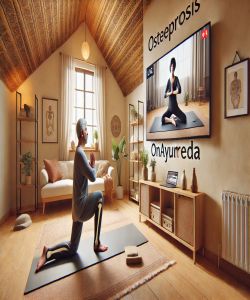
Overview of Yoga For Osteoporosis
Osteoporosis is a condition that weakens bones, making them fragile and more likely to break. It is a common issue, particularly among older adults and postmenopausal women. While medications and dietary changes can help manage osteoporosis, yoga has emerged as an effective natural therapy for improving bone strength, balance, and overall well-being. Yoga for osteoporosis is designed to promote bone health by incorporating gentle yet impactful movements that improve flexibility, posture, and muscle strength.
Yoga for osteoporosis is not just about physical movement; it is a holistic practice that combines breath control, meditation, and mindful postures to enhance bone density and overall body stability. Unlike high-impact exercises, yoga poses are low-risk and adaptable to different fitness levels, making them accessible to individuals with osteoporosis. The slow and controlled nature of yoga ensures that individuals can practice safely without excessive strain on their bones.
One of the significant benefits of yoga for osteoporosis is its ability to improve balance, reducing the risk of falls and fractures. Falls are a major concern for those with osteoporosis, as they can lead to severe injuries. By strengthening muscles, improving coordination, and increasing body awareness, yoga helps individuals maintain better posture and stability in their daily lives.
Moreover, yoga has a positive impact on mental health, reducing stress and anxiety, which can contribute to overall well-being. The breathing techniques and mindfulness practices in yoga help individuals manage pain, improve sleep quality, and enhance their emotional resilience. This makes yoga a comprehensive approach to managing osteoporosis beyond just physical benefits.
Another essential aspect of yoga for osteoporosis is its ability to enhance spinal health. Many yoga poses focus on spinal alignment, core strength, and flexibility, which are crucial for preventing spinal fractures—a common issue in osteoporosis. Poses such as the Mountain Pose (Tadasana), Tree Pose (Vrikshasana), and Warrior Pose (Virabhadrasana) help strengthen the back muscles, support the spine, and promote better posture.
Practicing yoga regularly can also contribute to better joint health. It helps reduce stiffness and discomfort by promoting circulation and lubrication in the joints. People with osteoporosis often experience joint pain, which can be alleviated through gentle yoga stretches that encourage mobility without excessive strain.
For those considering yoga for osteoporosis, it is essential to consult a healthcare professional or a certified yoga instructor to ensure that the practice is safe and suitable for their specific condition. Not all yoga poses are recommended for individuals with osteoporosis, and certain postures, such as deep backbends or forward bends, should be modified or avoided to prevent injuries.
The accessibility of online yoga for osteoporosis has made it easier for individuals to incorporate this beneficial practice into their daily routines. Online classes provide flexibility in scheduling and allow participants to practice in the comfort of their homes. These classes are often led by experienced instructors who provide personalized guidance, ensuring that participants perform poses correctly and safely.
Yoga for osteoporosis is not just a temporary solution; it is a long-term lifestyle practice that promotes overall health and well-being. With consistent practice, individuals can experience improved bone strength, better posture, enhanced mobility, and increased confidence in their physical abilities. By integrating yoga into their daily lives, those with osteoporosis can take proactive steps toward better health and a higher quality of life.
What are Yoga For Osteoporosis?
Yoga for osteoporosis refers to a specialized form of yoga practice that focuses on improving bone health, strengthening muscles, and enhancing balance to prevent fractures. Osteoporosis is a condition that causes bones to become weak and brittle, increasing the risk of fractures, especially in the spine, hips, and wrists. Yoga provides a gentle yet effective approach to managing this condition by incorporating postures that stimulate bone growth, improve posture, and enhance flexibility.
Unlike high-impact exercises that may put excessive strain on weak bones, yoga consists of slow and controlled movements that help build strength without causing stress on the bones. It also improves joint mobility and reduces stiffness, making it an excellent choice for individuals with osteoporosis. Regular practice of yoga can lead to improved bone density, better coordination, and reduced fall risks, which are crucial for those with fragile bones.
Yoga for osteoporosis includes a combination of standing, seated, and reclining poses that focus on different areas of the body. Many of these poses engage weight-bearing muscles, which helps stimulate bone formation. Poses such as Warrior Pose (Virabhadrasana), Tree Pose (Vrikshasana), and Triangle Pose (Trikonasana) encourage the body to bear weight on different joints, promoting bone strength. Additionally, spinal alignment exercises play a significant role in maintaining good posture and preventing fractures in the vertebrae.
Breathing techniques (Pranayama) are another essential component of yoga for osteoporosis. Controlled breathing helps enhance oxygen flow to the bones, reduce stress levels, and improve overall mental well-being. Stress can negatively impact bone health by increasing the release of cortisol, a hormone that weakens bones over time. Through meditation and mindful breathing, yoga helps manage stress, which indirectly supports stronger bones.
One of the key advantages of yoga for osteoporosis is its adaptability. Individuals of all ages and fitness levels can practice yoga, as poses can be modified according to individual needs. Those with severe osteoporosis or mobility issues can start with chair yoga, which allows them to perform movements while seated, reducing the risk of falls or injuries. For those who are more advanced, standing and weight-bearing postures can be gradually introduced to strengthen the bones and muscles further.
Moreover, yoga is not only about physical health; it also supports emotional well-being. Living with osteoporosis can be challenging, especially due to the fear of fractures and mobility limitations. Yoga encourages mindfulness, relaxation, and self-awareness, helping individuals develop a positive relationship with their bodies. Regular practice can boost confidence, reduce anxiety, and improve overall quality of life.
Incorporating yoga into a daily routine can make a significant difference in managing osteoporosis effectively. It is important, however, to consult a healthcare provider or a certified yoga instructor before beginning a yoga program. Certain postures, such as deep forward bends or excessive twists, may not be suitable for individuals with osteoporosis and should be modified or avoided. A guided approach ensures that the practice is safe and beneficial.
With the rise of online yoga classes, individuals with osteoporosis can now access expert guidance from the comfort of their homes. Online yoga sessions provide flexibility and convenience, allowing participants to choose a schedule that fits their lifestyle. These classes are tailored to address specific needs and offer personalized instructions to ensure safe and effective practice.
Overall, yoga for osteoporosis is a holistic approach to maintaining bone health and overall wellness. By combining mindful movement, breath control, and meditation, yoga helps individuals strengthen their bodies, improve balance, and enhance their quality of life.
Who Needs Yoga For Osteoporosis
Yoga for osteoporosis is beneficial for a wide range of individuals, particularly those who are at risk of bone loss or already experiencing weakened bones. Osteoporosis is a condition that primarily affects older adults, especially postmenopausal women, but it can also occur in younger individuals due to lifestyle factors, genetics, or underlying health conditions. Yoga offers a safe and effective way to strengthen bones, improve balance, and enhance overall well-being for people dealing with osteoporosis or osteopenia (the early stage of bone loss).
Individuals who are most likely to benefit from yoga for osteoporosis include:
1. Postmenopausal Women
Women who have gone through menopause are at a higher risk of developing osteoporosis due to a decrease in estrogen levels. Estrogen plays a vital role in maintaining bone density, and its decline can lead to significant bone loss. Yoga helps postmenopausal women maintain their bone strength, improve posture, and reduce the risk of fractures by enhancing muscle tone and balance.
2. Older Adults (Both Men and Women)
As people age, bone density naturally declines, making older adults more susceptible to fractures and falls. Yoga is an excellent way to maintain flexibility, strengthen muscles, and improve coordination, which can significantly reduce the risk of falls and related injuries. Regular yoga practice helps older individuals stay active and independent for longer.
3. Individuals Diagnosed with Osteopenia or Osteoporosis
People who have been diagnosed with osteoporosis or osteopenia can use yoga as a supportive therapy to slow down bone loss and strengthen their skeletal system. However, it is essential to practice under the guidance of a certified instructor who can modify poses to ensure safety and prevent unnecessary strain on fragile bones.
4. People with a Family History of Osteoporosis
Genetics play a significant role in determining bone health. If an individual has a family history of osteoporosis, they may be at a higher risk of developing the condition. Practicing yoga from an early age can help improve bone density and prevent excessive bone loss over time.
5. Individuals with a Sedentary Lifestyle
Lack of physical activity is one of the leading causes of bone loss. People who spend long hours sitting or have a sedentary lifestyle may experience a decline in bone strength over time. Yoga provides a low-impact yet effective way to stay active, strengthen bones, and maintain overall health.
6. Those Recovering from Bone Injuries
People who have experienced fractures or bone injuries due to osteoporosis can use yoga as a gentle rehabilitation method. Yoga helps improve mobility, restore flexibility, and build strength in a controlled and safe manner. However, such individuals should consult their healthcare provider before starting a yoga practice.
7. Individuals with Poor Posture and Spinal Issues
Osteoporosis often affects the spine, leading to poor posture and an increased risk of spinal fractures. People who experience chronic back pain, hunching, or spinal curvature can benefit from yoga poses that focus on spinal alignment, core strength, and posture correction.
8. Those Looking for a Holistic Approach to Bone Health
People who prefer natural and holistic approaches to managing their health can incorporate yoga into their routine to support bone strength and overall well-being. Yoga not only improves physical health but also reduces stress, enhances mental clarity, and promotes relaxation, all of which contribute to better bone health.
Before starting a yoga practice for osteoporosis, it is important to consult a doctor or a certified yoga instructor to determine which poses are safe and suitable for individual needs. Certain postures, such as deep twists, excessive forward bends, or heavy weight-bearing movements, should be avoided or modified to prevent injuries.
With the availability of online yoga sessions, individuals can now access expert-led classes tailored specifically for osteoporosis. These classes provide step-by-step guidance, ensuring that participants practice safely and effectively from the comfort of their homes. By incorporating yoga into a regular routine, individuals at risk of osteoporosis can take proactive steps toward maintaining strong and healthy bones.
Origins and Evolution of Yoga For Osteoporosis
Yoga has been practiced for thousands of years as a holistic approach to physical, mental, and spiritual well-being. Originating in ancient India, yoga was traditionally used to balance the mind and body through asanas (postures), pranayama (breath control), and meditation. Over time, yoga evolved to address specific health concerns, including osteoporosis, by focusing on bone strength, balance, and flexibility.
The connection between yoga and osteoporosis became more prominent in the late 20th and early 21st centuries when scientific studies began to explore the effects of yoga on bone health. One of the most influential studies was conducted by Dr. Loren Fishman, a medical doctor and yoga therapist, who found that regular yoga practice could increase bone density and reduce the risk of fractures in individuals with osteoporosis. His research highlighted how specific yoga postures stimulate the bones by creating gentle stress, encouraging bone growth, and preventing further deterioration.
Historically, yoga postures were designed to promote overall strength and flexibility, but as awareness of osteoporosis grew, yoga instructors and therapists started modifying traditional poses to accommodate people with weak or brittle bones. The focus shifted toward weight-bearing postures, spinal alignment, and balance-enhancing movements to reduce the risk of falls and fractures.
In ancient yogic traditions, postures like Tadasana (Mountain Pose) and Vrikshasana (Tree Pose) were used to enhance stability and coordination—two critical aspects for individuals with osteoporosis. These poses help improve posture, strengthen the core, and enhance body awareness, all of which are essential in preventing falls and maintaining bone health. Additionally, poses like Bhujangasana (Cobra Pose) and Setu Bandhasana (Bridge Pose) were recognized for their ability to strengthen the spine and support back health.
With the rise of modern medicine and research-backed therapies, yoga for osteoporosis gained recognition as a complementary approach alongside conventional treatments such as medication, calcium supplements, and dietary changes. Medical professionals and yoga therapists began working together to develop customized yoga programs for individuals with osteoporosis, ensuring that the practice was both safe and effective.
The digital era further revolutionized yoga for osteoporosis by making it accessible to a broader audience through online platforms. People from different parts of the world can now participate in guided yoga sessions specifically designed for osteoporosis management. Online yoga classes provide convenience and flexibility, allowing individuals to practice from the comfort of their homes while receiving expert guidance from certified instructors.
In recent years, yoga therapy programs have emerged that focus specifically on osteoporosis prevention and management. These programs incorporate scientific findings, traditional yoga principles, and medical insights to create structured routines that enhance bone density, improve mobility, and reduce the risk of fractures.
Today, yoga for osteoporosis is widely accepted as an effective and holistic approach to bone health. It is practiced in yoga studios, rehabilitation centers, and even hospitals as part of an integrated treatment plan. By combining ancient yogic wisdom with modern scientific research, yoga continues to evolve as a powerful tool for managing osteoporosis and improving overall quality of life.
Types of Yoga For Osteoporosis
Yoga for osteoporosis consists of various styles and approaches, each designed to promote bone strength, flexibility, and balance. Different types of yoga offer unique benefits, and choosing the right style depends on an individual's fitness level, bone health condition, and personal preferences. While some yoga styles focus on slow, controlled movements, others emphasize strength-building and stability. Here are the most effective types of yoga for osteoporosis:
1. Hatha Yoga
Hatha yoga is a gentle and beginner-friendly form of yoga that focuses on basic postures, breathing exercises, and relaxation. It is ideal for individuals with osteoporosis because it involves slow, mindful movements that help improve posture, balance, and bone strength. Hatha yoga is especially beneficial for older adults and those with limited flexibility, as it does not require rapid transitions between poses.
2. Iyengar Yoga
Iyengar yoga emphasizes precise alignment and the use of props such as blocks, straps, and chairs. This makes it an excellent choice for individuals with osteoporosis, as it allows for modifications and ensures safe practice. Iyengar yoga strengthens bones through weight-bearing poses and helps improve posture by targeting the spine and core muscles. The controlled movements and longer holds in each pose encourage bone growth and stability.
3. Restorative Yoga
Restorative yoga is a slow, relaxing form of yoga that focuses on deep breathing and gentle stretching. While it does not directly strengthen bones, it helps reduce stress, which can be beneficial for overall bone health. Chronic stress increases cortisol levels, which can weaken bones over time. By promoting relaxation and mindfulness, restorative yoga supports emotional well-being and complements other forms of bone-strengthening exercises.
4. Yin Yoga
Yin yoga involves holding passive stretches for extended periods, usually between 3 to 5 minutes. This practice helps improve joint flexibility, circulation, and connective tissue health. While it is not weight-bearing like other forms of yoga, it can benefit individuals with osteoporosis by enhancing mobility and reducing stiffness. However, people with severe osteoporosis should practice Yin yoga cautiously, avoiding deep forward bends and excessive spinal twists.
5. Chair Yoga
Chair yoga is a modified form of yoga that allows individuals to perform poses while seated or using a chair for support. It is highly beneficial for older adults or those with limited mobility due to osteoporosis. Chair yoga includes gentle stretches, breathing exercises, and balance-enhancing movements that improve flexibility and strength without putting too much pressure on fragile bones.
6. Kundalini Yoga
Kundalini yoga combines physical postures, breathing techniques, and meditation to enhance overall well-being. While it is not primarily focused on bone health, the breathwork and spinal exercises in Kundalini yoga help strengthen the back and improve posture. The meditative aspect also supports stress reduction, which indirectly benefits bone health.
7. Vinyasa Yoga (Modified for Osteoporosis)
Traditional Vinyasa yoga involves dynamic movements and flowing sequences, which may be too intense for individuals with osteoporosis. However, modified Vinyasa yoga, with slower transitions and a focus on stability, can be beneficial. It improves circulation, strengthens muscles, and enhances balance, all of which contribute to better bone health.
Choosing the Right Type of Yoga for Osteoporosis
The best type of yoga for osteoporosis depends on individual needs and physical condition. Beginners and those with limited mobility may start with Hatha, Iyengar, or Chair Yoga. Individuals looking for relaxation and stress relief can benefit from Restorative or Yin Yoga. Those who want to incorporate gentle strength-building can explore modified Vinyasa or Kundalini Yoga.
Regardless of the type chosen, it is crucial to practice under the guidance of a certified instructor, especially when dealing with osteoporosis. Certain poses, such as deep forward bends or high-impact movements, should be avoided or modified to prevent injuries. Practicing yoga regularly, even for just a few minutes a day, can significantly improve bone health, balance, and overall well-being.
Benefits of Yoga For Osteoporosis
Yoga for osteoporosis offers numerous physical and mental health benefits, making it an effective and holistic approach to managing bone loss and improving overall well-being. Unlike high-impact exercises, yoga provides a gentle yet powerful way to strengthen bones, enhance flexibility, and improve balance. Regular practice can help individuals with osteoporosis maintain mobility, reduce the risk of fractures, and promote emotional wellness. Here are some of the key benefits of yoga for osteoporosis:
1. Strengthens Bones and Improves Bone Density
Weight-bearing yoga poses encourage bone regeneration by applying gentle stress to the bones. This process helps stimulate bone-forming cells, improving bone density and reducing the risk of fractures. Studies have shown that regular yoga practice can enhance bone strength in key areas prone to fractures, such as the spine, hips, and wrists. Poses like Warrior II (Virabhadrasana II), Triangle Pose (Trikonasana), and Bridge Pose (Setu Bandhasana) are particularly effective in promoting bone health.
2. Enhances Balance and Coordination
One of the major concerns for individuals with osteoporosis is the increased risk of falls, which can lead to severe fractures. Yoga helps improve balance, coordination, and proprioception (the body's ability to sense its position in space). Poses such as Tree Pose (Vrikshasana) and Mountain Pose (Tadasana) strengthen stabilizing muscles, making individuals more steady on their feet and reducing the likelihood of falls.
3. Improves Posture and Spinal Health
Osteoporosis often leads to a stooped posture and spinal fractures due to the weakening of vertebrae. Yoga focuses on spinal alignment and core strength, helping individuals maintain a straight and stable posture. Regular practice of back-strengthening poses like Cobra Pose (Bhujangasana) and Locust Pose (Salabhasana) supports the spine and prevents excessive curvature, reducing the risk of compression fractures.
4. Increases Muscle Strength and Flexibility
Strong muscles provide better support for bones, reducing the risk of injuries. Yoga builds muscle strength through controlled movements and weight-bearing postures. Additionally, yoga enhances flexibility, reducing stiffness and improving overall mobility. Greater flexibility allows for a better range of motion, preventing discomfort and making everyday activities easier.
5. Reduces Stress and Supports Mental Well-Being
Stress and anxiety can negatively impact bone health by increasing cortisol levels, which contribute to bone loss over time. Yoga incorporates breathing techniques (pranayama) and meditation to help manage stress, lower cortisol levels, and promote relaxation. A calm and balanced mind supports overall well-being and can contribute to better sleep quality, which is essential for bone regeneration.
6. Supports Joint Health and Reduces Pain
Many people with osteoporosis experience joint pain and stiffness. Yoga helps keep joints mobile and lubricated, reducing discomfort and improving overall movement. Gentle stretching and low-impact yoga postures enhance circulation in the joints, alleviating pain and stiffness commonly associated with osteoporosis.
7. Encourages Mindful Movement and Awareness
Yoga teaches individuals to move mindfully, paying attention to their bodies and avoiding unnecessary strain. This heightened awareness helps prevent injuries and encourages safe movement in daily activities. By practicing controlled and intentional movements, individuals with osteoporosis can engage in daily tasks with more confidence and reduced risk of falls.
8. Provides a Non-Medicated Approach to Bone Health
While medication and dietary changes are essential for managing osteoporosis, yoga offers a natural and complementary way to support bone health. It allows individuals to take an active role in their well-being without relying solely on pharmaceuticals.
9. Adaptable to All Ages and Fitness Levels
One of the most significant benefits of yoga for osteoporosis is its adaptability. Whether someone is a beginner, an older adult, or dealing with mobility issues, yoga can be modified to meet their needs. Chair yoga, Iyengar yoga (which uses props for support), and restorative yoga offer gentle alternatives for those with severe osteoporosis or limited movement.
10. Improves Circulation and Nutrient Absorption
Proper blood circulation is crucial for delivering essential nutrients like calcium and vitamin D to the bones. Yoga promotes circulation, ensuring that these nutrients reach the bones effectively, supporting overall bone health.
Regular Yoga Practice for Long-Term Benefits
The benefits of yoga for osteoporosis are best achieved through consistent practice. Even practicing a few times a week can lead to noticeable improvements in strength, flexibility, and balance. Online yoga sessions provide accessibility and convenience, allowing individuals to integrate yoga into their daily routine from the comfort of their homes.
Incorporating yoga into an osteoporosis management plan can significantly improve bone health, enhance mobility, and boost overall quality of life. By focusing on mindful movement, breath control, and safe posture alignment, yoga empowers individuals to take proactive steps toward better bone health and overall wellness.
Online Yoga For Osteoporosis
With the increasing accessibility of online wellness programs, yoga for osteoporosis has become more convenient and widely available through virtual platforms. Online yoga classes provide individuals with osteoporosis the flexibility to practice from the comfort of their homes while receiving expert guidance from certified instructors. These virtual sessions cater specifically to the needs of people with osteoporosis, focusing on bone-strengthening movements, balance improvement, and safe modifications for fragile bones.
Advantages of Online Yoga for Osteoporosis
1. Accessibility from Anywhere
One of the biggest benefits of online yoga is that individuals can practice regardless of their location. Whether someone lives in a busy city or a remote area, they can access expert-led osteoporosis yoga sessions without having to commute to a physical studio. This makes yoga more accessible for seniors and those with mobility challenges.
2. Flexible Scheduling
Online yoga classes offer a variety of time slots, making it easier for individuals to fit yoga into their daily routines. Many platforms provide live sessions at different times, as well as pre-recorded classes that can be accessed anytime. This flexibility allows participants to practice at their own pace.
3. Safe and Guided Instruction
Certified yoga instructors who specialize in osteoporosis create programs with modifications to ensure safety. Online classes include detailed demonstrations, alignment cues, and step-by-step guidance to help participants perform poses correctly without straining their bones or joints.
4. Personalized Yoga Programs
Many online yoga platforms offer one-on-one sessions, allowing participants to receive personalized instruction based on their specific needs. Private classes ensure that individuals with osteoporosis get customized modifications and recommendations suited to their condition and comfort level.
5. Cost-Effective Alternative to Studio Classes
Online yoga classes are often more affordable than in-person studio sessions. Many platforms offer membership plans, discounted packages, or free trial sessions, making it an economical way to practice yoga regularly.
6. Recorded Sessions for Repetition and Practice
Some online yoga programs provide recorded sessions that allow participants to revisit lessons and refine their practice. This feature helps individuals repeat specific sequences that focus on bone health and gradually build strength over time.
What to Expect in an Online Yoga for Osteoporosis Class?
1. Warm-Up Routine
Classes begin with gentle warm-up movements to prepare the body for yoga postures. This may include deep breathing exercises, joint rotations, and light stretches to loosen muscles and improve circulation.
2. Bone-Strengthening Poses
Online yoga sessions focus on weight-bearing postures such as:
-
Mountain Pose (Tadasana): Improves posture and balance.
-
Warrior II (Virabhadrasana II): Strengthens legs and hips.
-
Tree Pose (Vrikshasana): Enhances stability and coordination.
-
Bridge Pose (Setu Bandhasana): Supports spinal and hip strength.
3. Balance and Stability Exercises
Yoga sequences include poses that promote better balance, reducing the risk of falls. Modified standing poses and chair yoga movements help participants build confidence in their mobility.
4. Breathing Techniques and Relaxation
Breathwork (pranayama) and guided relaxation techniques are incorporated to reduce stress and enhance mental well-being. Controlled breathing supports oxygen flow to the bones, helping in overall bone health.
5. Cool-Down and Gentle Stretches
The session concludes with gentle stretches and relaxation poses to improve flexibility, ease muscle tension, and ensure a smooth transition back to daily activities.
How to Choose the Right Online Yoga Class for Osteoporosis?
-
Look for Certified Instructors: Ensure that the instructor specializes in osteoporosis-friendly yoga practices and understands bone health.
-
Check for Modifications: Choose classes that provide modified poses for osteoporosis to prevent injuries.
-
Consider Live vs. Pre-Recorded Classes: Live classes allow real-time interaction, while recorded classes offer flexibility. Choose based on personal preference.
-
Start with Beginner-Friendly Classes: If new to yoga, begin with foundational sessions and gradually progress to more advanced levels with caution.
Getting Started with Online Yoga for Osteoporosis
-
Choose a reliable online yoga platform, such as www.onayurveda.com, which offers specialized osteoporosis sessions.
-
Select a schedule that fits your daily routine, ensuring consistency in practice.
-
Set up a quiet, comfortable space at home with a yoga mat and any necessary props (blocks, straps, chair for support).
-
Wear comfortable clothing that allows for movement.
-
Follow the instructor’s guidance, focusing on alignment and safety throughout the session.
-
Listen to your body and avoid any movements that cause discomfort or strain.
Online yoga for osteoporosis is an excellent way to maintain bone health, improve balance, and enhance overall well-being while practicing safely at home. With structured guidance, flexibility in scheduling, and personalized instruction, individuals can incorporate yoga into their daily lives and experience long-term benefits for their bone strength and mobility.
Yoga For Osteoporosis Techniques
Practicing yoga with the right techniques is essential for ensuring safety and effectiveness, especially for individuals with osteoporosis. Since osteoporosis weakens bones and increases the risk of fractures, it is important to focus on controlled movements, proper posture, and safe modifications. By using the correct techniques, individuals can strengthen their bones, improve balance, and enhance overall well-being without putting unnecessary strain on their skeletal system.
Key Techniques for Yoga for Osteoporosis
1. Weight-Bearing Yoga Postures
Weight-bearing exercises are crucial for strengthening bones. These poses encourage bone growth by applying gentle stress to the skeletal system, promoting bone density improvement. Some effective weight-bearing poses include:
-
Mountain Pose (Tadasana): Improves posture and strengthens leg bones.
-
Warrior II (Virabhadrasana II): Builds leg and hip strength while enhancing balance.
-
Tree Pose (Vrikshasana): Develops stability and strengthens ankle and leg bones.
-
Bridge Pose (Setu Bandhasana): Supports spinal strength and hip stability.
Technique Tip: Hold each pose for 20-30 seconds while maintaining proper alignment. Engage core muscles and avoid excessive forward bending.
2. Safe Spinal Movements
People with osteoporosis must be careful with spinal movements to prevent fractures, especially in the vertebrae. Instead of deep forward bends or excessive spinal twists, individuals should focus on elongating the spine and strengthening back muscles. Safe spinal exercises include:
-
Cobra Pose (Bhujangasana): Strengthens the lower back and improves spinal flexibility.
-
Locust Pose (Salabhasana): Supports posture and enhances back strength.
-
Seated Spinal Twist (Ardha Matsyendrasana - modified): Encourages gentle spinal rotation without excessive pressure.
Technique Tip: Avoid deep forward folds and forceful twists. Keep movements controlled and focus on maintaining an upright posture.
3. Balance and Stability Techniques
Since osteoporosis increases the risk of falls and fractures, incorporating balance-focused yoga postures can help improve stability and prevent accidents. Effective balance-enhancing poses include:
-
Chair Pose (Utkatasana): Builds lower body strength and balance.
-
Tree Pose (Vrikshasana - with support): Enhances coordination and steadiness.
-
Warrior I (Virabhadrasana I): Strengthens legs while improving balance.
Technique Tip: If needed, use a wall or a chair for support while performing balance poses. Focus on a fixed point (drishti) to improve stability.
4. Breath Control (Pranayama) for Bone Health
Breathwork (pranayama) plays an essential role in reducing stress and improving oxygen circulation to the bones. Recommended breathing exercises include:
-
Diaphragmatic Breathing: Encourages deep relaxation and reduces cortisol levels.
-
Alternate Nostril Breathing (Nadi Shodhana): Enhances oxygen flow and calms the nervous system.
-
Ujjayi Breathing (Ocean Breath): Promotes mindfulness and focus during yoga practice.
Technique Tip: Practice slow and controlled breathing during yoga sessions to maximize relaxation and focus.
5. Using Props for Support
To ensure safe practice, individuals with osteoporosis can use props such as:
-
Yoga Blocks: Provide extra stability in standing poses.
-
Straps: Assist in maintaining proper alignment in stretches.
-
Chairs: Support balance and seated yoga practices.
Technique Tip: Props should be used to maintain alignment and prevent excessive strain on bones and joints.
6. Gentle Stretching and Flexibility Work
While improving flexibility is important, individuals with osteoporosis must avoid overstretching. Safe stretching techniques include:
-
Cat-Cow Pose (Marjaryasana-Bitilasana): Enhances spinal mobility without straining vertebrae.
-
Hamstring Stretch (Modified Paschimottanasana): Keeps leg muscles flexible without excessive forward bending.
-
Side Stretches: Help maintain flexibility in the torso and spine.
Technique Tip: Perform gentle stretches with slow, controlled movements and avoid sudden jerks.
Practicing Yoga for Osteoporosis Safely
-
Avoid High-Risk Movements: Do not perform deep forward bends, excessive twists, or high-impact jumps.
-
Maintain Good Posture: Keep the spine elongated and avoid slouching.
-
Use Support When Needed: Balance poses can be practiced near a wall or chair.
-
Practice Regularly: Consistency is key to strengthening bones and improving flexibility.
-
Listen to Your Body: Stop any movement that causes pain or discomfort.
Yoga For Osteoporosis for Adults
Osteoporosis is a condition that primarily affects older adults, leading to decreased bone density and an increased risk of fractures. However, younger adults can also develop osteoporosis due to genetic factors, poor diet, a sedentary lifestyle, or certain medical conditions. Yoga for osteoporosis provides a low-impact yet effective way to maintain bone strength, improve balance, and enhance flexibility. Whether practiced by seniors, middle-aged adults, or younger individuals at risk of osteoporosis, yoga helps build a strong foundation for long-term bone health.
Why Yoga is Beneficial for Adults with Osteoporosis
1. Improves Bone Strength
Weight-bearing yoga postures apply gentle stress to the bones, stimulating bone growth and preventing further loss. Regular practice of yoga has been shown to enhance bone density, particularly in key areas such as the hips, spine, and wrists—common sites of osteoporotic fractures.
2. Reduces the Risk of Falls and Fractures
Balance and coordination decline with age, increasing the risk of falls, which can lead to fractures. Yoga strengthens stabilizing muscles, improves body awareness, and enhances reaction time, all of which contribute to fall prevention.
3. Supports Joint Health and Flexibility
Stiff joints can lead to discomfort and restricted movement, making daily activities more challenging. Yoga gently increases flexibility, reduces stiffness, and promotes better mobility without putting excessive pressure on bones and joints.
4. Enhances Posture and Spinal Health
Many adults with osteoporosis develop a hunched posture due to spinal fractures or weak back muscles. Yoga focuses on spinal alignment, core engagement, and back-strengthening postures to support proper posture and prevent spinal deformities.
5. Provides Stress Relief and Mental Clarity
Chronic stress contributes to bone loss by increasing cortisol levels, which weaken bones over time. Yoga’s breathing techniques (pranayama) and mindfulness practices help reduce stress, promote relaxation, and support overall well-being.
Recommended Yoga Poses for Adults with Osteoporosis
Adults with osteoporosis should focus on safe and effective yoga poses that strengthen bones while minimizing the risk of injury. Here are some recommended poses:
1. Standing Poses for Bone Strength and Balance:
-
Mountain Pose (Tadasana): Helps improve posture and stability.
-
Tree Pose (Vrikshasana - with support if needed): Enhances balance and leg strength.
-
Warrior II (Virabhadrasana II): Strengthens the legs and hips, supporting bone density.
2. Core-Strengthening Poses for Posture Support:
-
Bridge Pose (Setu Bandhasana): Strengthens the back and improves spinal alignment.
-
Cobra Pose (Bhujangasana): Encourages spinal extension and strengthens back muscles.
-
Locust Pose (Salabhasana - modified if necessary): Helps prevent spinal fractures by strengthening the lower back.
3. Seated and Chair Yoga for Safe Movement:
-
Seated Forward Bend (Modified Paschimottanasana): A gentle stretch for the lower body.
-
Cat-Cow Pose (Marjaryasana-Bitilasana): Enhances spinal mobility without excessive bending.
-
Chair Yoga Variations: Useful for older adults with limited mobility, providing support while improving flexibility and strength.
Precautions for Adults Practicing Yoga with Osteoporosis
-
Avoid deep forward bends and excessive spinal twists, as they can put pressure on the vertebrae.
-
Modify poses when necessary to prevent strain on weak bones.
-
Use props like yoga blocks, straps, or a chair for support and stability.
-
Practice near a wall or sturdy surface for added balance, especially for standing poses.
-
Consult with a doctor or a certified yoga instructor before starting a yoga program, especially for individuals with severe osteoporosis or previous fractures.
The Role of Online Yoga for Adults with Osteoporosis
For adults looking to integrate yoga into their routine, online classes provide flexibility and accessibility. Platforms like www.onayurveda.com offer expert-led virtual yoga sessions tailored specifically for osteoporosis management. These sessions allow adults to practice safely at home while following structured guidance from certified instructors.
Final Thoughts
Yoga for osteoporosis is a safe and effective way for adults to maintain strong bones, improve balance, and enhance overall well-being. By incorporating gentle movements, breath awareness, and mindful postures, individuals can take proactive steps to manage osteoporosis naturally. Regular yoga practice not only improves physical health but also boosts confidence, reduces stress, and promotes an active lifestyle well into older age.
Total Duration of Online Yoga For Osteoporosis (1 Hr Per Day)
Online yoga for osteoporosis offers a structured and flexible approach to improving bone health, posture, and balance. The duration and frequency of yoga sessions play a crucial role in maximizing its benefits. A well-planned schedule ensures consistent practice while allowing sufficient time for rest and recovery. Typically, online yoga for osteoporosis is designed to be practiced for 1 hour per day, with modifications available for different fitness levels.
How Long Should One Practice Yoga for Osteoporosis?
-
Daily Practice Duration: 1 hour per session
-
Recommended Weekly Schedule: 3 to 5 days per week
-
Session Duration Breakdown:
-
Warm-up and breathing exercises: 10 minutes
-
Weight-bearing and balance poses: 25-30 minutes
-
Core strengthening and spinal health postures: 15 minutes
-
Cool-down and relaxation techniques: 10 minutes
This balanced approach ensures that individuals get the maximum benefits without overstraining their bodies. Practicing regularly but not excessively helps in building strength while avoiding fatigue or injury.
Online Yoga Course Duration and Structure
Online yoga programs for osteoporosis are structured to cater to different needs, allowing participants to progress at their own pace. A typical online yoga program includes:
-
Total Duration: 60 Days
-
Total Sessions: 35 Days
-
Schedule Per Week: 4 Days (Monday, Wednesday, Friday, Saturday)
-
Time Slots Available:
-
6:00 AM – 7:00 AM
-
8:00 AM – 9:00 AM
-
5:00 PM – 6:00 PM
-
7:00 PM – 8:00 PM
-
Session Duration: 45 Minutes
-
Total Slots Available: 40 (Max 10 Participants Per Slot)
-
Total Price: INR 4450
-
Price Per Session: INR 127
This flexible structure allows individuals to choose time slots that best fit their daily routine. With expert-led online classes, participants can practice safely under guided instruction, ensuring they perform each pose correctly and avoid injury.
Why 1 Hour Per Day is Ideal for Osteoporosis Yoga?
-
Provides Sufficient Time for Full-Body Engagement – A one-hour session allows for a balanced combination of strengthening, stretching, and relaxation exercises.
-
Enhances Bone Health Without Overstraining – Practicing too intensely can be harmful to fragile bones; a structured hour ensures a gradual and safe approach.
-
Allows for Safe and Controlled Movements – Individuals with osteoporosis need to move carefully to avoid injuries, and a well-paced session ensures controlled transitions.
-
Encourages Consistency and Long-Term Benefits – Practicing for an hour a day, 3-5 times a week, helps build strength and improve posture over time.
Who Can Benefit from a 1-Hour Online Yoga Session?
-
Older adults looking to improve balance and mobility
-
Individuals diagnosed with osteoporosis or osteopenia
-
People recovering from fractures who need a gentle movement practice
-
Anyone with a sedentary lifestyle looking to strengthen bones and muscles
How to Make the Most of a 1-Hour Online Yoga Class?
-
Choose a suitable time slot that aligns with personal energy levels.
-
Set up a quiet space at home with a yoga mat and necessary props.
-
Stay hydrated and wear comfortable clothing for ease of movement.
-
Follow instructor guidance carefully, ensuring correct posture and alignment.
-
Listen to your body and modify poses as needed to prevent strain.
Final Thoughts
A structured 1-hour online yoga session provides a safe, effective, and convenient way to manage osteoporosis. By following a well-balanced routine, individuals can gradually strengthen their bones, enhance flexibility, and improve their overall well-being. With accessible online sessions on platforms like www.onayurveda.com, people can practice yoga safely from the comfort of their homes while receiving expert guidance tailored to osteoporosis management.
Things to Consider With Yoga For Osteoporosis
Yoga is a powerful tool for managing osteoporosis, but practicing it safely requires awareness of specific guidelines. Since osteoporosis weakens bones and increases the risk of fractures, it is crucial to approach yoga mindfully. Understanding what to consider before starting a yoga routine can help individuals avoid injuries and maximize the benefits of their practice.
1. Consult a Healthcare Provider Before Starting
Before beginning any yoga practice, individuals with osteoporosis should consult a doctor or physical therapist. They can assess the severity of bone loss and recommend safe exercises. A healthcare provider can also determine if any pre-existing conditions (such as arthritis or previous fractures) may require additional modifications.
2. Choose the Right Type of Yoga
Not all types of yoga are suitable for people with osteoporosis. High-intensity or fast-paced styles may increase the risk of injuries. Instead, opt for:
-
Hatha Yoga: A gentle form of yoga that focuses on controlled movements and proper alignment.
-
Iyengar Yoga: Emphasizes the use of props like blocks and straps to support safe movement.
-
Chair Yoga: Suitable for individuals with limited mobility, allowing poses to be performed while seated.
-
Restorative Yoga: Focuses on relaxation and stress reduction, which indirectly supports bone health.
3. Avoid High-Risk Movements
Certain yoga poses can put excessive strain on weak bones and should be avoided or modified. These include:
-
Deep Forward Bends (e.g., Standing Forward Fold - Uttanasana): Can increase spinal compression and risk of fractures.
-
Deep Twists (e.g., Revolved Triangle Pose - Parivrtta Trikonasana): May cause stress on the vertebrae.
-
High-Impact Movements (e.g., Jumping into Poses): Can put sudden pressure on fragile bones.
-
Extreme Backbends (e.g., Wheel Pose - Urdhva Dhanurasana): Risk of excessive spinal extension.
4. Focus on Proper Alignment
Maintaining good posture is essential for protecting bones during yoga. Individuals should practice:
-
Neutral Spine Positioning: Keep the back straight in standing and seated poses.
-
Engaged Core Muscles: Helps support the lower back and prevent strain.
-
Controlled Transitions: Move slowly between poses to avoid sudden stress on bones.
5. Incorporate Weight-Bearing Poses
Weight-bearing postures help stimulate bone formation and maintain strength. Recommended poses include:
-
Mountain Pose (Tadasana): Improves posture and balance.
-
Tree Pose (Vrikshasana - with support): Enhances coordination and leg strength.
-
Warrior Poses (Virabhadrasana I & II): Strengthens the hips, legs, and core.
-
Bridge Pose (Setu Bandhasana): Supports spinal and pelvic bone health.
6. Use Props for Support
Props can enhance stability and prevent excessive strain during yoga practice. Useful props include:
-
Blocks: Assist in maintaining balance and avoiding deep stretches.
-
Straps: Help in stretching safely without overextending joints.
-
Chairs: Provide additional support for seated poses or standing balance exercises.
7. Pay Attention to Breathwork (Pranayama)
Breathing exercises help reduce stress and promote oxygen flow to bones. Techniques such as:
-
Diaphragmatic Breathing: Encourages relaxation and reduces cortisol (a hormone linked to bone loss).
-
Alternate Nostril Breathing (Nadi Shodhana): Improves focus and lung capacity.
-
Slow Deep Breathing: Helps maintain mindfulness during poses.
8. Practice Under Guided Instruction
Individuals new to yoga should seek guidance from a certified instructor who specializes in osteoporosis-friendly yoga. Online sessions on platforms like www.onayurveda.com provide expert-led classes with modifications for different levels of bone health.
9. Listen to Your Body
Pain or discomfort during yoga should never be ignored. If a pose feels uncomfortable, modify it or skip it entirely. Gentle movements that feel good and strengthen the body without strain should be prioritized.
10. Stay Consistent but Avoid Overexertion
Practicing yoga 3-5 times a week for 1 hour per session is an ideal frequency. Consistency helps build strength gradually without overexerting fragile bones.
Final Thoughts
Yoga can be a safe and effective way to manage osteoporosis when practiced with proper precautions. By choosing the right poses, avoiding high-risk movements, using props for support, and following expert guidance, individuals can safely strengthen their bones and improve mobility. With accessible online yoga sessions on www.onayurveda.com, individuals can practice at home under expert supervision, ensuring a safe and beneficial yoga experience.
Effectiveness of Yoga For Osteoporosis
Yoga has gained recognition as an effective, natural approach to managing osteoporosis. Regular yoga practice can help maintain bone density, improve posture, enhance balance, and reduce the risk of fractures. Unlike high-impact exercises, yoga provides a safe and controlled way to strengthen bones without putting excessive stress on joints and fragile bones. Scientific research and real-life experiences suggest that yoga is a beneficial complementary therapy for osteoporosis.
Scientific Evidence Supporting Yoga for Osteoporosis
Several studies have shown that yoga can positively impact bone health. One of the most well-known studies was conducted by Dr. Loren Fishman, a medical doctor and yoga therapist, who found that practicing yoga regularly helped improve bone density in individuals with osteoporosis and osteopenia. His research concluded that yoga postures involving weight-bearing movements, spinal alignment, and balance training could stimulate bone regeneration and reduce the likelihood of fractures.
Key findings from studies on yoga and osteoporosis include:
-
Improvement in Bone Density: Regular yoga practice has been linked to increased bone density in the spine and hips.
-
Reduction in Fracture Risk: Yoga enhances muscle strength and balance, reducing the likelihood of falls and fractures.
-
Better Posture and Spinal Health: Yoga helps maintain spinal alignment, preventing compression fractures in the vertebrae.
How Yoga Effectively Manages Osteoporosis
1. Enhancing Bone Strength and Density
Yoga involves weight-bearing postures that stimulate bone growth. Poses such as Warrior II (Virabhadrasana II), Tree Pose (Vrikshasana), and Bridge Pose (Setu Bandhasana) gently stress the bones, encouraging the body to strengthen them. Over time, this practice helps slow bone loss and maintain bone density.
2. Improving Balance and Reducing Falls
Falls are one of the leading causes of fractures in people with osteoporosis. Yoga improves balance, stability, and coordination, reducing the risk of falls. Poses like Mountain Pose (Tadasana) and Chair Pose (Utkatasana) help train the body to maintain steady posture and prevent accidental slips.
3. Supporting Spinal Health
Osteoporosis often leads to spinal compression fractures, causing a hunched posture and back pain. Yoga strengthens the back and core muscles, promoting proper spinal alignment and reducing the risk of fractures. Cobra Pose (Bhujangasana) and Locust Pose (Salabhasana) are particularly effective for spinal health.
4. Increasing Joint Flexibility and Mobility
Osteoporosis can cause stiffness in the joints, making movement difficult. Yoga gently improves flexibility and mobility, allowing for better range of motion and reduced discomfort. Simple stretches and movements, such as Cat-Cow Pose (Marjaryasana-Bitilasana), help lubricate the joints and ease stiffness.
5. Reducing Stress and Supporting Hormonal Balance
High levels of stress can increase cortisol, a hormone linked to bone loss. Yoga includes breathing techniques (pranayama) and meditation that help manage stress and promote relaxation. Practices like deep diaphragmatic breathing and alternate nostril breathing (Nadi Shodhana) can help reduce stress hormones and support bone health.
Real-Life Benefits of Practicing Yoga for Osteoporosis
Many individuals with osteoporosis have reported noticeable improvements after incorporating yoga into their routine:
✅ Better Posture: Regular yoga practice prevents slouching and helps maintain an upright posture.
✅ Increased Strength: Participants feel stronger and more confident in their movements.
✅ Improved Mobility: Reduced joint stiffness and enhanced ease of movement.
✅ Less Fear of Falling: Improved balance and coordination reduce anxiety about falls.
How Long Does It Take to See Results?
The effectiveness of yoga for osteoporosis depends on consistency. Most individuals start noticing improvements in posture, flexibility, and balance within 4 to 6 weeks of regular practice. Bone-strengthening effects become more evident after 3 to 6 months, as bones require time to regenerate and adapt to weight-bearing movements.
Practicing Yoga for Maximum Effectiveness
To get the best results, individuals should:
-
Practice at least 3-5 times a week for 1-hour sessions.
-
Follow guided online yoga classes (such as those on www.onayurveda.com) for safe and structured practice.
-
Incorporate weight-bearing poses to stimulate bone growth.
-
Avoid risky movements like deep twists, forward bends, and excessive backbends.
-
Use props (blocks, straps, chairs) for support and modifications.
Final Thoughts
Yoga is a safe, effective, and accessible approach to managing osteoporosis. With regular practice, individuals can experience stronger bones, improved balance, better posture, and overall enhanced well-being. By incorporating yoga into a daily routine—whether through online sessions, guided classes, or personal practice—those with osteoporosis can take control of their bone health naturally and safely.
Preferred Cautions During Yoga For Osteoporosis
While yoga is beneficial for individuals with osteoporosis, certain movements and postures can pose risks if not practiced correctly. Since osteoporosis weakens bones and increases the likelihood of fractures, it is crucial to follow specific precautions to ensure a safe and effective yoga practice. By being mindful of posture, movement, and modifications, individuals can enjoy the benefits of yoga while minimizing the risk of injury.
1. Avoid Deep Forward Bends
Deep forward bends, such as Standing Forward Fold (Uttanasana) and Seated Forward Bend (Paschimottanasana), put excessive pressure on the spine and can increase the risk of compression fractures. Instead of bending deeply, individuals should:
Keep the spine straight and hinge forward from the hips.
Use a chair or yoga blocks for support when bending forward.
2. Be Cautious with Twisting Poses
Excessive twisting, especially deep spinal rotations, can strain the vertebrae and lead to fractures. Twisting poses like Revolved Triangle Pose (Parivrtta Trikonasana) should be modified or avoided. Instead:
Practice gentle, seated twists with minimal spinal rotation.
Keep the movement small and focus on opening the chest rather than twisting deeply.
3. Modify High-Impact Movements
Certain yoga styles, such as Vinyasa or Power Yoga, involve rapid transitions and jumping movements that can put stress on weak bones. Individuals with osteoporosis should:
Avoid jumping into or out of poses (e.g., jumping from Downward Dog to Standing Forward Bend).
Choose slow, controlled movements to transition between poses safely.
4. Avoid Extreme Backbends
Deep backbends, like Wheel Pose (Urdhva Dhanurasana) and Full Camel Pose (Ustrasana), place significant pressure on the spine and should be avoided. Instead:
Opt for gentle backbends, such as Cobra Pose (Bhujangasana) and Bridge Pose (Setu Bandhasana), which strengthen the back muscles without excessive spinal extension.
5. Focus on Safe, Weight-Bearing Poses
Weight-bearing exercises stimulate bone growth, but they should be practiced with caution. Standing poses like Warrior I & II (Virabhadrasana I & II) and Tree Pose (Vrikshasana) are beneficial when performed correctly.
Keep knees slightly bent to avoid joint strain.
Use a wall or chair for balance support when necessary.
6. Use Props for Stability
Props such as blocks, straps, and chairs can provide extra support and prevent strain on fragile bones.
Blocks can help modify poses and prevent overstretching.
Straps allow for gentle stretching without forcing movements.
Chairs can assist in seated or standing poses for those with limited mobility.
7. Practice on a Non-Slip Surface
Practicing on an uneven or slippery surface increases the risk of falls, which can lead to fractures.
Use a non-slip yoga mat to ensure stability.
Avoid practicing on hard floors without adequate cushioning.
8. Avoid Holding Poses for Too Long
Holding poses for extended periods can cause muscle fatigue and increase the risk of falls or loss of balance.
Instead of long holds, focus on slow, controlled movements with shorter holds (10-20 seconds).
Prioritize gentle repetitions rather than prolonged static postures.
9. Listen to Your Body
Pain or discomfort is a signal that a pose may not be suitable. Individuals should:
Stop any pose that causes sharp pain, dizziness, or discomfort.
Modify movements to ensure comfort and safety.
10. Work with a Certified Yoga Instructor
Practicing under the guidance of a trained yoga instructor ensures that poses are performed safely. Online yoga sessions, such as those available on www.onayurveda.com, provide expert-led guidance with osteoporosis-friendly modifications.
Final Thoughts
Yoga is a safe and effective way to manage osteoporosis when practiced with proper precautions. By avoiding high-risk movements, using props for support, and maintaining slow, controlled transitions, individuals can strengthen their bones, improve balance, and enhance overall well-being. A mindful and modified yoga practice ensures that individuals with osteoporosis can enjoy the benefits of yoga without increasing their risk of fractures or injuries.
Yoga For Osteoporosis Course Outline
Yoga for osteoporosis is designed to strengthen bones, improve balance, enhance posture, and promote overall well-being. A well-structured course provides a step-by-step approach to practicing yoga safely and effectively. This outline gives an overview of what individuals can expect in a comprehensive yoga for osteoporosis program.
Introduction to Yoga for Osteoporosis
The course begins with an introduction to osteoporosis and how yoga can help manage and prevent bone loss. It covers the importance of mindful movement, breath control, and proper posture to ensure safety during practice. Participants will learn about the key principles of yoga for osteoporosis, including weight-bearing exercises, spinal alignment, and balance improvement.
Fundamental Breathing Techniques for Bone Health
Breathing exercises play a crucial role in reducing stress and enhancing oxygen flow to the bones. The course includes techniques such as deep diaphragmatic breathing and alternate nostril breathing to promote relaxation and mindfulness. Controlled breathing supports bone regeneration and improves overall lung capacity.
Warm-Up and Gentle Mobility Exercises
Each session starts with a gentle warm-up to prepare the body for movement. Warm-up exercises focus on joint mobility, flexibility, and circulation. Slow and controlled movements help loosen stiff muscles and improve range of motion.
Weight-Bearing Yoga Poses for Bone Strength
Weight-bearing poses stimulate bone growth by applying gentle stress to the skeletal system. The course includes standing poses such as mountain pose, warrior poses, and tree pose to strengthen the legs, hips, and spine. These postures help maintain bone density and improve stability.
Balance and Coordination Practices
To reduce the risk of falls and fractures, balance-enhancing exercises are an essential part of the course. The program includes poses that improve stability, such as tree pose and chair pose. Practicing these movements regularly helps individuals feel more confident in their daily activities.
Spinal Alignment and Core Strengthening Poses
Osteoporosis often affects spinal health, leading to poor posture and an increased risk of vertebral fractures. The course emphasizes poses that strengthen the back muscles and support spinal alignment. Gentle backbends such as cobra pose and bridge pose are included to improve posture and relieve tension in the spine.
Flexibility and Joint Mobility Exercises
To improve overall movement, the program includes gentle stretching exercises that enhance flexibility. Modified forward bends, side stretches, and seated stretches promote joint mobility without putting excessive strain on the bones. Flexibility training helps reduce stiffness and allows for better movement in daily activities.
Safe Modifications and the Use of Props
Since some traditional yoga poses may not be suitable for individuals with osteoporosis, the course provides modifications to ensure safety. Props such as yoga blocks, straps, and chairs are used to support movement and prevent overextension. The instructor guides participants on how to adapt poses to their comfort level.
Relaxation and Stress Reduction Techniques
Stress can contribute to bone loss, making relaxation techniques an important part of the course. The program includes guided meditation, breath awareness, and relaxation postures such as corpse pose to promote overall well-being. These practices help reduce cortisol levels, which supports bone health.
Guidelines for Practicing Yoga at Home
The course provides tips for safely practicing yoga at home. This includes choosing a non-slip yoga mat, practicing near a stable surface for support, and creating a comfortable space for movement. Participants will also learn how to listen to their bodies and avoid overexertion.
Conclusion of the Course
At the end of the course, participants will have a complete understanding of how to use yoga as a tool for managing osteoporosis. They will be equipped with safe and effective yoga techniques that they can continue practicing for long-term bone health. The course encourages regular practice to maintain strength, balance, and mobility while preventing fractures and other complications associated with osteoporosis.
Detailed Objectives with Timeline of Yoga For Osteoporosis
Yoga for osteoporosis is designed to improve bone health, enhance flexibility, and promote overall well-being. A structured timeline ensures gradual progress while maintaining safety for individuals with osteoporosis. This plan outlines the key objectives and milestones over a recommended sixty-day program.
Week One to Two - Foundation and Awareness
The focus during the first two weeks is on understanding osteoporosis and how yoga can help strengthen bones while minimizing risks. Participants are introduced to basic breathing techniques, gentle stretches, and alignment-focused postures. Key objectives include learning proper posture, developing body awareness, and practicing mindfulness in movement.
Week Three to Four - Core Stability and Balance
As individuals gain confidence in foundational movements, the program shifts towards improving balance and stability. Core-strengthening exercises and standing poses such as tree pose and chair pose are introduced. The goal is to enhance coordination and reduce the risk of falls, which is crucial for individuals with osteoporosis.
Week Five to Six - Strengthening Weight-Bearing Poses
Weight-bearing yoga postures play a crucial role in improving bone density. Participants gradually engage in standing poses such as warrior poses, modified lunges, and bridge pose to encourage bone growth. Attention is given to proper alignment and safe transitions between poses to avoid excessive strain.
Week Seven to Eight - Improving Flexibility and Joint Mobility
By this stage, participants have developed a stronger foundation in balance and strength. The focus now shifts towards improving flexibility while maintaining safety. Gentle stretching and modified forward bends help enhance joint mobility without overstretching. Deep breathing exercises are incorporated to promote relaxation and reduce stress.
Week Nine to Ten - Advancing Posture and Spinal Health
Spinal alignment is essential in preventing compression fractures. During this phase, back-strengthening postures such as cobra pose and bridge pose are practiced regularly. Mindful movement and breathing exercises continue to support relaxation and stress management. Participants also learn about safe modifications for daily activities to protect their spine.
Week Eleven to Twelve - Full Integration and Long-Term Maintenance
The final weeks emphasize long-term sustainability. Participants integrate all previously learned techniques into a consistent routine. Strength, balance, flexibility, and relaxation techniques are combined in well-rounded sessions. By the end of the program, individuals are equipped with the knowledge and confidence to continue practicing yoga safely for lifelong bone health.
Overall Structure of the Program
-
Total Duration: Sixty Days
-
Total Sessions: Thirty-Five Days
-
Weekly Schedule: Four Sessions per Week
-
Daily Practice Duration: One Hour
-
Focus Areas: Strength, Balance, Flexibility, Posture, and Relaxation
Requirements for Taking Online Yoga For Osteoporosis
Practicing yoga for osteoporosis requires careful consideration of individual health conditions, safety measures, and necessary equipment. Online yoga sessions provide a convenient way to strengthen bones, improve balance, and enhance flexibility from the comfort of home. However, to ensure a safe and effective practice, certain requirements must be met before starting an online yoga program.
Health and Medical Considerations
1. Medical Clearance
Before beginning an online yoga program for osteoporosis, it is essential to consult a doctor or a physical therapist. They can assess the severity of bone loss and advise on any movement restrictions. Individuals with a history of fractures or other medical conditions should seek professional guidance to ensure they follow a safe practice.
2. Awareness of Osteoporosis Severity
Not all individuals with osteoporosis have the same level of bone loss. Some may have mild osteopenia, while others may have advanced osteoporosis with an increased risk of fractures. Understanding one’s bone health helps in selecting the appropriate modifications and avoiding high-risk movements.
3. Understanding Safe Yoga Practices
It is crucial to be aware of the movements that should be avoided. Deep forward bends, extreme spinal twists, and high-impact transitions may increase the risk of fractures. Learning safe modifications and proper body alignment is essential for a safe practice.
Technical and Equipment Requirements
1. Reliable Internet Connection
Since online yoga sessions are conducted through live streaming or recorded videos, a stable internet connection is necessary. This ensures uninterrupted participation and allows individuals to follow the instructor’s guidance effectively.
2. Device with a Good Screen and Audio
A laptop, tablet, or smartphone with a clear display and good sound quality is required to follow online yoga instructions without difficulty. A larger screen may be more beneficial for observing posture demonstrations.
3. Comfortable and Quiet Practice Space
Setting up a dedicated space at home is important for a distraction-free practice. The area should be spacious enough to move freely without obstacles. Practicing on a non-slip yoga mat ensures stability and reduces the risk of slipping.
Yoga Props for Safety and Support
1. Yoga Mat
A high-quality, non-slip yoga mat provides a stable surface for practicing standing and seated poses safely.
2. Yoga Blocks
Blocks assist in modifying poses, making certain movements easier and preventing excessive strain on bones and joints.
3. Yoga Strap
A strap helps with flexibility exercises and allows for controlled stretching without overextending.
4. Chair for Support
A sturdy chair can be used for balance poses, seated stretches, and modified movements for those with limited mobility.
5. Wall Support
Practicing near a wall can provide additional stability for standing poses and help prevent falls.
Personal Readiness and Commitment
1. Willingness to Follow Instructions
Since online sessions do not offer direct physical adjustments, individuals must pay close attention to the instructor’s guidance and apply modifications when necessary.
2. Regular Practice Commitment
For effective results, it is important to commit to a regular schedule. Practicing at least three to five times a week helps improve bone strength and balance over time.
3. Proper Clothing and Footwear
Wearing comfortable, stretchable clothing allows for ease of movement. Practicing barefoot or with non-slip socks ensures better grip and stability.
Choosing the Right Online Yoga Program
1. Certified Yoga Instructor
The instructor should have experience in teaching yoga for osteoporosis and be able to provide safe modifications. Online platforms like www.onayurveda.com offer specialized sessions guided by expert instructors.
2. Flexible Time Slots
Choosing a schedule that fits personal availability ensures consistency in practice. Online sessions should offer multiple time options to accommodate different routines.
3. Recorded Sessions for Reference
Having access to recorded classes allows individuals to repeat sessions and practice at their own pace.
Final Considerations
Meeting these requirements ensures that individuals can safely participate in online yoga for osteoporosis. With proper preparation, medical approval, and a supportive practice environment, yoga can be an effective tool for managing osteoporosis, improving mobility, and enhancing overall well-being. Practicing through a structured online program helps individuals stay committed and progress safely toward better bone health.
Things to Keep in Mind Before Starting Online Yoga For Osteoporosis
Starting an online yoga program for osteoporosis requires careful preparation to ensure safety and effectiveness. While yoga offers numerous benefits, including improved bone strength, posture, and balance, individuals must take certain precautions to avoid injuries. By considering key factors before beginning an online yoga practice, individuals can maximize benefits while minimizing risks.
1. Obtain Medical Approval
Before starting yoga for osteoporosis, it is essential to consult a healthcare provider. A doctor or physical therapist can assess bone health and recommend safe movements. Individuals with severe osteoporosis or a history of fractures may need specific modifications to prevent injuries.
2. Understand the Limitations of Osteoporosis
Osteoporosis affects bone density, making bones fragile and more susceptible to fractures. Not all yoga poses are suitable for individuals with osteoporosis. Understanding movement restrictions is crucial for practicing safely. Deep forward bends, excessive twists, and high-impact transitions should be avoided or modified.
3. Choose a Certified Instructor with Experience in Osteoporosis
Online yoga classes should be led by instructors with experience in osteoporosis-friendly practices. A qualified instructor understands bone health and provides safe modifications for different fitness levels. Platforms like www.onayurveda.com offer specialized online yoga sessions tailored to individuals with osteoporosis.
4. Create a Safe Practice Environment
Practicing yoga in a safe space at home helps prevent accidents. The practice area should be free of clutter, well-lit, and have a non-slip surface. A stable chair or a wall nearby can provide additional support for balance exercises.
5. Use Supportive Yoga Props
Props can make yoga safer and more accessible for individuals with osteoporosis. Essential props include:
-
Yoga Mat: Provides a stable and cushioned surface.
-
Yoga Blocks: Helps with balance and support during standing and seated poses.
-
Yoga Strap: Assists in stretching without overextending.
-
Chair: Useful for seated poses and balance support.
-
Wall Support: Helps with stability in standing poses.
6. Wear Comfortable and Stretchable Clothing
Loose, breathable, and stretchable clothing allows for ease of movement. Footwear is not required, but non-slip socks may be used for added grip if needed.
7. Start with a Gentle Warm-Up
Every yoga session should begin with a warm-up to prepare the body for movement. Gentle joint rotations, slow stretches, and deep breathing exercises help loosen muscles and prevent stiffness.
8. Avoid High-Risk Movements
Certain movements can increase the risk of fractures and should be avoided:
-
Deep Forward Bends: Standing Forward Fold, Seated Forward Bend.
-
Extreme Twists: Revolved Triangle Pose, Deep Seated Twists.
-
High-Impact Movements: Jumping between poses.
-
Extreme Backbends: Full Wheel Pose, Deep Camel Pose.
9. Focus on Balance and Stability
Yoga poses that improve balance help reduce the risk of falls. Safe poses include:
-
Mountain Pose: Enhances posture and stability.
-
Tree Pose (with support): Strengthens legs and improves coordination.
-
Warrior Poses: Builds strength and balance in the lower body.
10. Follow a Consistent Schedule
Regular practice is key to experiencing the benefits of yoga for osteoporosis. A structured online yoga schedule, such as three to five sessions per week, allows for gradual improvement in strength and flexibility.
11. Practice Mindful Breathing
Breathing exercises (pranayama) enhance relaxation and improve oxygen flow to the bones. Recommended techniques include:
-
Diaphragmatic Breathing: Encourages deep relaxation.
-
Alternate Nostril Breathing: Balances energy and reduces stress.
-
Slow Deep Breathing: Enhances focus and supports mindfulness.
12. Listen to Your Body
Yoga should be a comfortable and enjoyable practice. If any movement causes pain or discomfort, it should be stopped immediately. Modifications should be used to suit individual comfort levels.
13. Have Access to Online Support and Recorded Sessions
Online yoga platforms that offer live classes with interactive guidance or recorded sessions for self-paced learning are ideal. Being able to replay sessions allows individuals to refine their practice safely.
14. Stay Hydrated and Maintain Proper Nutrition
Drinking water before and after yoga sessions helps keep the body hydrated. A balanced diet rich in calcium and vitamin D supports bone health and complements yoga practice.
15. Be Patient and Stay Committed
Yoga for osteoporosis is a gradual process. Progress may take weeks or months, but consistency leads to improvements in strength, flexibility, and balance. Setting realistic expectations and staying committed ensures long-term benefits.
Final Thoughts
Preparing for online yoga for osteoporosis involves careful planning, from choosing the right instructor to creating a safe practice space. By following these guidelines, individuals can confidently begin their yoga journey while ensuring safety and effectiveness. Platforms like www.onayurveda.com offer expert-led sessions tailored for osteoporosis, helping individuals strengthen bones, improve balance, and enhance their overall quality of life.
Average Pricing Per Session for Online Yoga For Osteoporosis
Online yoga for osteoporosis offers a flexible and cost-effective way to strengthen bones, improve balance, and enhance overall well-being. The pricing for online yoga sessions varies depending on factors such as class format, instructor expertise, and additional features like personalized coaching or recorded sessions.
Types of Online Yoga for Osteoporosis and Their Pricing
1. Live One-on-One Online Yoga Sessions
-
Personalized instruction with direct guidance from a certified yoga instructor.
-
Custom modifications based on individual needs and health conditions.
-
Best for those requiring specific adjustments and close monitoring.
-
Price per session: INR 250 to INR 800.
2. Live Group Online Yoga Classes
-
Structured group sessions with multiple participants.
-
Live interaction with an instructor but less personal attention.
-
More affordable than private sessions.
-
Price per session: INR 100 to INR 300.
3. Pre-Recorded Online Yoga Courses
-
One-time purchase or subscription-based access to video lessons.
-
No direct instructor interaction.
-
Suitable for self-paced learning.
-
Price for a full course: INR 1000 to INR 5000.
4. Subscription-Based Online Yoga Programs
-
Monthly or yearly membership with unlimited access to yoga sessions.
-
May include live classes, recorded videos, and guided programs.
-
Ideal for long-term practice and flexibility in scheduling.
-
Price per month: INR 500 to INR 3000.
Example Pricing for an Online Yoga Program
A structured online yoga program like the one on www.onayurveda.com offers:
-
Total Duration: 60 Days
-
Total Sessions: 35 Days
-
Days: Monday, Wednesday, Friday, Saturday
-
Time Slots: 6:00 AM to 7:00 AM, 8:00 AM to 9:00 AM, 5:00 PM to 6:00 PM, 7:00 PM to 8:00 PM
-
Session Duration: 45 Minutes
-
Total Slots Available: 40 Participants (10 per slot)
-
Total Price: INR 4450
-
Price Per Session: INR 127
Factors Affecting Online Yoga Pricing
-
Instructor Experience – Certified instructors with expertise in osteoporosis management may charge higher fees.
-
Class Format – Private one-on-one sessions cost more than group classes due to personalized instruction.
-
Session Length – Longer sessions (60 to 90 minutes) may have higher costs compared to shorter ones (30 to 45 minutes).
-
Additional Features – Programs offering customized health plans, consultations, or bonus content may have higher fees.
-
Live vs. Pre-Recorded – Live interactive sessions typically cost more than pre-recorded courses.
Which Online Yoga Option is Best?
-
For those on a budget, group classes or subscription-based programs are cost-effective.
-
For those needing personalized guidance, private online sessions are ideal.
-
For those preferring flexible schedules, pre-recorded courses allow self-paced learning.
Final Thoughts
Online yoga for osteoporosis provides a convenient and affordable alternative to in-person classes. With structured pricing options ranging from low-cost group sessions to premium private coaching, individuals can choose the best option based on their budget and personal needs. Platforms like www.onayurveda.com offer expert-led programs at competitive prices, ensuring safe and effective yoga practice from home.
Qualifications Required to Perform Yoga For Osteoporosis
Practicing and teaching yoga for osteoporosis requires a combination of yoga expertise, knowledge of bone health, and an understanding of movement modifications for individuals with fragile bones. Whether someone is looking to practice yoga safely at home or become a certified instructor specializing in osteoporosis-friendly yoga, specific qualifications and skills are necessary.
Qualifications for Practicing Yoga for Osteoporosis
Individuals with osteoporosis can practice yoga, but they must ensure they have the right guidance and awareness to avoid injuries. While no formal certification is needed to practice yoga, the following considerations help in ensuring a safe and effective experience.
1. Medical Clearance from a Healthcare Provider
Before starting a yoga routine, individuals with osteoporosis should consult their doctor or a physical therapist. They can assess bone health, suggest safe movements, and advise on necessary modifications.
2. Understanding of Safe Yoga Practices
People practicing yoga for osteoporosis must be aware of movements that should be avoided, such as deep forward bends, excessive spinal twists, and high-impact transitions. Learning safe alternatives and correct body alignment is essential.
3. Guidance from a Certified Instructor
Since osteoporosis increases the risk of fractures, individuals should practice under the guidance of a trained instructor who specializes in osteoporosis-safe yoga. Online platforms like www.onayurveda.com offer structured guidance for safe yoga practice at home.
Qualifications for Teaching Yoga for Osteoporosis
Instructors looking to specialize in yoga for osteoporosis need to have proper training, certification, and knowledge of bone health. The following qualifications are typically required:
1. Yoga Teacher Training Certification (YTT)
-
A 200-hour or 500-hour Yoga Teacher Training (YTT) certification from a recognized yoga school is the foundational requirement for becoming a yoga instructor.
-
Certification should be from a registered yoga school accredited by organizations such as Yoga Alliance.
2. Specialization in Yoga for Osteoporosis or Therapeutic Yoga
-
Additional certification in yoga therapy, therapeutic yoga, or yoga for seniors is beneficial for teaching individuals with osteoporosis.
-
Some specialized programs offer certifications in bone-safe yoga or osteoporosis-friendly yoga practices.
3. Knowledge of Anatomy and Bone Health
-
Understanding the structure of bones, the effects of osteoporosis, and how movements impact fragile bones is crucial.
-
Courses in anatomy and physiology help instructors modify poses safely for individuals with osteoporosis.
4. Training in Safe Modifications and Props Usage
-
Learning how to modify yoga poses using blocks, straps, chairs, and wall support is necessary for ensuring safe movement.
-
Training in Iyengar yoga or chair yoga can be beneficial for working with seniors and individuals with mobility issues.
5. Experience in Teaching Seniors or Individuals with Medical Conditions
-
Since osteoporosis is more common in older adults, experience in teaching yoga for seniors or gentle yoga is valuable.
-
Working with individuals who have medical conditions or limited mobility helps instructors provide safe and effective guidance.
6. Certification in First Aid and CPR (Optional but Recommended)
Best Practices for Practicing or Teaching Yoga for Osteoporosis
-
Focus on Safe, Weight-Bearing Poses – Strengthening bones through standing poses and core engagement is essential.
-
Avoid High-Risk Movements – Eliminate deep forward bends, high-impact transitions, and extreme spinal twists.
-
Encourage Gentle, Controlled Movements – Slow, mindful transitions between poses help prevent fractures.
-
Use Props for Support – Yoga blocks, straps, and chairs help individuals maintain balance and alignment safely.
-
Emphasize Breath Awareness and Relaxation – Stress management through breathing exercises benefits overall bone health.
Where to Get Certified in Yoga for Osteoporosis
Several institutions and online platforms offer specialized certifications in yoga therapy and osteoporosis-friendly yoga. Some recommended options include:
-
Onayurveda Online Yoga Programs – Provides structured online training for safe yoga practice.
-
Yoga Alliance Registered Courses – Many Yoga Alliance-approved schools offer therapeutic yoga training.
-
International Association of Yoga Therapists (IAYT) – Offers advanced therapeutic yoga training.
-
Senior Yoga Teacher Training Programs – Focused on safe yoga practices for older adults.
Final Thoughts
While no formal certification is required to practice yoga for osteoporosis, individuals must follow safe guidelines and seek guidance from qualified instructors. For those looking to teach yoga for osteoporosis, specialized training in therapeutic yoga, anatomy, and movement modifications is essential. By gaining the right qualifications and knowledge, both practitioners and instructors can ensure that yoga remains a safe and beneficial practice for improving bone health.
Online Vs Offline Onsite Yoga For Osteoporosis
Yoga for osteoporosis can be practiced through both online and onsite classes, and each option offers unique benefits. Online yoga provides flexibility and accessibility, while onsite yoga offers in-person guidance and a structured environment. Understanding the key differences between these two formats can help individuals choose the best option based on their needs, lifestyle, and comfort level.
Convenience
Online yoga allows individuals to practice from home, eliminating the need for travel. This is especially beneficial for people with limited mobility, those who live in remote areas, or individuals who prefer a flexible schedule. Onsite yoga, on the other hand, requires traveling to a yoga studio or wellness center, which may not always be convenient.
Cost
Online yoga is generally more affordable than onsite yoga. Since there are no travel expenses or studio fees, individuals can save money while still receiving expert guidance. Subscription-based online yoga programs or group classes tend to be budget-friendly. In contrast, onsite yoga classes often have higher costs due to studio maintenance, instructor fees, and in-person facilities. Private onsite yoga sessions are even more expensive due to personalized attention.
Instructor Guidance
Live online sessions provide real-time interaction with instructors, but physical adjustments and hands-on corrections are not possible. Individuals must rely on verbal instructions and demonstrations. However, some online programs offer one-on-one coaching for more personalized guidance. Onsite yoga allows instructors to make direct adjustments to ensure proper posture and alignment, which is beneficial for individuals with osteoporosis who need modifications for safety.
Flexibility
Online yoga offers multiple time slots, including live and pre-recorded sessions. This allows individuals to practice at their convenience and fit yoga into their daily routine. Onsite yoga follows a fixed schedule, requiring individuals to attend at specific times, which may be challenging for those with busy lifestyles.
Personalization
One-on-one online yoga sessions offer customized guidance, where instructors tailor poses and modifications to an individual’s needs. This can be highly beneficial for people with osteoporosis who require specific adjustments. Onsite yoga also provides personalization, but group classes may not offer as much individual attention as private sessions.
Safety
Practicing yoga at home requires individuals to be mindful of their movements and use props like yoga blocks, straps, or chairs for support. Without direct supervision, individuals must ensure they follow safe modifications and avoid risky movements. In onsite yoga, instructors can immediately assist in case of incorrect posture, balance issues, or discomfort, reducing the risk of injury.
Social Interaction
Online yoga offers limited interaction, as most engagement happens virtually through chat, video calls, or group discussions. Onsite yoga provides a stronger sense of community, allowing participants to connect with instructors and classmates for motivation and support.
Which Option is Better for Osteoporosis?
Online yoga is ideal for individuals looking for flexibility, affordability, and convenience. It allows people to practice safely from home while following structured guidance. Platforms like www.onayurveda.com offer expert-led online yoga programs designed specifically for osteoporosis management.
Onsite yoga is recommended for individuals who prefer hands-on instructor support, need in-person corrections, or enjoy group-based learning. It provides an immersive environment where instructors can immediately address posture and alignment concerns.
Final Thoughts
Both online and onsite yoga offer valuable benefits for osteoporosis management. Online yoga is a cost-effective and flexible solution, making it accessible to a wider audience. Onsite yoga provides in-person adjustments and a sense of community, which can be beneficial for those who require more supervision. Choosing the right format depends on individual preferences, lifestyle, and comfort level with practicing yoga independently or under direct guidance.
FAQs About Online Yoga For Osteoporosis
Q: What is online yoga for osteoporosis?
A: Online yoga for osteoporosis is a virtual program designed to strengthen bones, improve balance, and enhance flexibility through guided sessions.
Q: Is online yoga safe for osteoporosis?
A: Yes, it is safe when practiced with certified instructors who provide osteoporosis-friendly modifications.
Q: What are the benefits of online yoga for osteoporosis?
A: It helps improve bone density, posture, flexibility, and balance while reducing stress and fall risks.
Q: How often should I practice online yoga for osteoporosis?
A: Practicing three to five times a week is recommended for the best results.
Q: What type of yoga is best for osteoporosis?
A: Hatha yoga, Iyengar yoga, chair yoga, and restorative yoga are the safest and most effective options.
Q: What equipment do I need for online yoga classes?
A: A yoga mat, blocks, a strap, a sturdy chair, and a device with a stable internet connection.
Q: Can beginners with osteoporosis join online yoga?
A: Yes, beginner-friendly classes are available with safe modifications for all fitness levels.
Q: Are live online yoga sessions better than pre-recorded ones?
A: Live sessions offer real-time instructor guidance, while pre-recorded classes provide flexibility for self-paced learning.
Q: How much do online yoga sessions for osteoporosis cost?
A: Group sessions range from INR 100 to INR 300 per session, while private sessions cost INR 250 to INR 800 per session.
Q: Can online yoga replace medication for osteoporosis?
A: No, yoga is a complementary therapy and should be combined with prescribed medical treatments.
Q: What precautions should be taken during online yoga for osteoporosis?
A: Avoid deep forward bends, excessive twists, sudden movements, and always practice with proper support and guidance.
Q: Where can I find expert-led online yoga programs for osteoporosis?
A: Platforms like www.onayurveda.com offer structured and safe online yoga classes designed specifically for osteoporosis management.
Conclusion About Yoga For Osteoporosis
Yoga for osteoporosis is a natural and effective approach to improving bone strength, enhancing balance, and maintaining overall well-being. By practicing weight-bearing poses, focusing on spinal alignment, and incorporating mindful movements, individuals with osteoporosis can reduce the risk of fractures and improve mobility.
Online yoga has made it more accessible for individuals to practice safely from home, offering flexibility and expert guidance through virtual classes. With structured programs available on platforms like www.onayurveda.com, individuals can choose from live sessions, pre-recorded courses, and personalized instruction to suit their needs.
Consistency is key when practicing yoga for osteoporosis. Engaging in regular sessions, using proper modifications, and avoiding high-risk movements ensure long-term benefits. It is important to consult a healthcare provider before starting yoga, especially for those with severe osteoporosis or a history of fractures.
Yoga is not a replacement for medical treatment but serves as a complementary practice to support bone health, posture, and mental well-being. By integrating yoga into a healthy lifestyle, individuals can take proactive steps toward better bone health and improved quality of life.