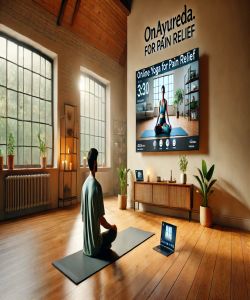
1. Overview of Yoga For Pain Relief
Yoga for Pain Relief is a highly specialised and rigorously structured discipline designed to mitigate, manage, and ultimately alleviate chronic and acute physical discomfort through a targeted application of yogic principles. It is not a generalised fitness programme but a therapeutic modality that systematically addresses the interconnectedness of body, breath, and mind. This practice operates on the foundational premise that pain is a complex biopsychosocial phenomenon, where physical sensation is inextricably linked to mental and emotional states. Therefore, the methodology extends beyond mere physical stretching to incorporate sophisticated techniques of pranayama (breath control), dhyana (meditation), and deep relaxation. The core objective is to de-escalate the body's sympathetic nervous system response—the "fight or flight" mechanism often chronically activated by persistent pain—and to stimulate the parasympathetic nervous system, fostering a state of rest, recovery, and cellular repair. By enhancing proprioception and interoception, individuals develop a profound awareness of their physical form, enabling them to identify and correct dysfunctional neuromuscular patterns that perpetuate pain cycles. This discipline demands precision, consistency, and an unwavering commitment to its principles, functioning as a powerful, self-regulatory tool for reclaiming physiological and psychological equilibrium from the debilitating grip of persistent pain. It is a formidable system of self-management, empowering individuals with the agency to influence their own somatic experience directly.
2. What are Yoga For Pain Relief?
Yoga for Pain Relief constitutes a specific, therapeutic application of yogic postures (asanas), breathing techniques (pranayama), and meditative practices explicitly adapted to address the root causes and symptoms of physical pain. It diverges significantly from mainstream, performance-orientated yoga by prioritising safety, stability, and somatic awareness over aesthetic form or advanced flexibility. The practice is fundamentally diagnostic and prescriptive, utilising gentle, sustained movements and supported postures to release muscular tension, improve circulation to affected tissues, and down-regulate the nervous system's hyper-aroused state, which is a common feature in chronic pain conditions. A central component is the cultivation of mindful awareness, training the practitioner to observe physical sensations without the reactive cycle of fear and muscle guarding that typically exacerbates pain. This is achieved by systematically guiding attention to the breath and bodily sensations, thereby interrupting the neural pathways that encode pain as a persistent threat. The techniques employed are deliberately slow and methodical, often incorporating props such as bolsters, blocks, and blankets to provide comprehensive support. This ensures that the body can relax fully into a posture without strain, facilitating deep myofascial release and promoting the natural healing processes of the body. In essence, it is a proactive, educational system that teaches individuals how to use their own bodies and breath as primary tools for pain modulation and long-term functional improvement.
3. Who Needs Yoga For Pain Relief?
- Individuals with Chronic Musculoskeletal Conditions: This includes, but is not limited to, those suffering from persistent lower back pain, sciatica, non-acute neck and shoulder tension, and degenerative disc disease. The practice offers a non-invasive methodology for improving spinal alignment, strengthening core support musculature, and releasing chronic muscular contractures that contribute to the pain cycle.
- Sufferers of Inflammatory Conditions: Individuals diagnosed with arthritis, including both osteoarthritis and rheumatoid arthritis, find this modality essential for maintaining joint mobility, reducing stiffness, and managing inflammatory responses through gentle movement and stress-reduction techniques that influence systemic inflammation.
- Persons with Neuropathic Pain and Fibromyalgia: Those experiencing the widespread, often debilitating, pain associated with conditions like fibromyalgia, complex regional pain syndrome (CRPS), and peripheral neuropathy require this practice. Its emphasis on nervous system regulation and calming the mind-body connection is paramount for managing symptoms that are centrally mediated.
- Individuals in Post-Surgical or Post-Injury Rehabilitation: Following the acute phase of recovery and with medical clearance, this practice serves as a critical bridge to restoring function. It facilitates the gentle re-introduction of movement, breaks down scar tissue, and re-educates the body in efficient, pain-free movement patterns, preventing the development of compensatory habits.
- Adults with Pain from Postural Imbalances: Professionals with sedentary occupations or individuals with poor postural habits that lead to repetitive strain injuries, tension headaches, and generalised bodily discomfort require this discipline to correct structural misalignments and build the somatic awareness necessary for sustained postural integrity.
4. Origins and Evolution of Yoga For Pain Relief
The conceptual roots of using yoga for therapeutic purposes are embedded within the ancient traditions of yoga itself, dating back millennia. Classical texts such as the Yoga Sutras of Patanjali, while primarily focused on spiritual enlightenment, allude to the purification and mastery of the physical body as a prerequisite for higher consciousness. The concept of duhkha (suffering or unease) is central, and the practices prescribed were designed to transcend it, which inherently includes physical suffering. The physical postures, or asanas, described in later texts like the Hatha Yoga Pradipika, were intended to prepare the body for prolonged meditation by making it strong, supple, and free from disease and discomfort.
The evolution into a specific, clinical modality for pain relief is a distinctly modern phenomenon, emerging primarily in the West during the latter half of the twentieth century. This transition was driven by pioneering teachers who began to scrutinise the biomechanical and physiological effects of asanas, moving beyond their spiritual context. Figures such as B.K.S. Iyengar were instrumental in this shift. His meticulous emphasis on precise anatomical alignment and his innovative use of props to support the body and accommodate physical limitations laid the critical groundwork. This approach made yoga accessible to individuals with significant physical challenges and pain, transforming it from a purely esoteric practice into a practical therapeutic system.
In recent decades, this evolution has accelerated, informed by advancements in medical science, neuroscience, and pain research. The modern discipline of Yoga for Pain Relief integrates traditional yogic wisdom with contemporary understandings of the nervous system, myofascial pathways, and the psychology of pain. It has become a formalised field of specialisation, demanding rigorous training and a deep understanding of pathology. This synthesis has resulted in a sophisticated, evidence-informed practice that is now recognised within mainstream healthcare as a legitimate and effective intervention for the management of complex pain conditions.
5. Types of Yoga For Pain Relief
- Restorative Yoga: This is a passive, deeply therapeutic practice. It utilises extensive props such as bolsters, blankets, and blocks to support the body in comfortable, restful postures that are held for extended periods. The primary objective is not to stretch muscles but to trigger the parasympathetic nervous system, facilitating profound relaxation, reducing systemic stress, and allowing the body to enter a state of healing and repair. It is exceptionally effective for managing pain linked to stress and nervous system sensitisation.
- Iyengar Yoga: Characterised by its rigorous focus on precise structural alignment, Iyengar yoga is a cornerstone of therapeutic practice. Instructors undergo extensive training in anatomy and physiology. The methodical use of props is not merely for comfort but is integral to achieving correct alignment in postures, making it possible for individuals with pain or physical limitations to practise safely and effectively. This precision helps to correct postural imbalances that often underpin chronic pain.
- Hatha Yoga (Gentle or Therapeutic): This refers to a slower-paced, foundational style of yoga that focuses on basic postures and controlled breathing. In a therapeutic context, a Gentle Hatha class will emphasise mindful movement, holding poses for several breaths to cultivate awareness of sensation and alignment without strain. It is ideal for beginners and those needing to build a foundation of body awareness and gentle strength as part of their pain management strategy.
- Viniyoga: This is a highly individualised and adaptive approach. The term Viniyoga implies that the practice must be tailored to the unique needs and conditions of the practitioner. A Viniyoga therapist designs a specific sequence of movements and breathwork that directly addresses the individual's pain condition, functional limitations, and therapeutic goals. The emphasis is on function over form, with postures often modified and repeated dynamically in coordination with the breath.
6. Benefits of Yoga For Pain Relief
- Direct Pain Modulation: Systematically reduces the perceived intensity of pain by interrupting the pain-spasm-pain cycle. The practice enhances the release of endogenous opioids, the body’s natural pain-relieving chemicals, and down-regulates pro-inflammatory cytokines.
- Improved Neuromuscular Function: Corrects dysfunctional movement patterns and postural misalignments that are often the root cause of mechanical pain. It enhances proprioception (the sense of the body in space), leading to more efficient and less stressful movement in daily activities.
- Enhanced Flexibility and Mobility: Increases the functional range of motion in joints and improves the elasticity of muscles, ligaments, and fascia. This directly counteracts the stiffness and restricted movement that are both a cause and a result of chronic pain.
- Nervous System Regulation: Actively shifts the autonomic nervous system from a state of sympathetic ("fight or flight") dominance, common in chronic pain sufferers, to a parasympathetic ("rest and digest") state. This reduces physiological stress, lowers heart rate and blood pressure, and promotes healing.
- Increased Core Strength and Stability: Develops the deep stabilising muscles of the trunk, abdomen, and back. A strong, stable core provides essential support for the spine, reducing mechanical load and preventing injury or re-injury.
- Psychological Resilience: Cultivates mindfulness and interoceptive awareness, empowering individuals to relate to pain sensations with less fear and reactivity. This reduces the emotional suffering component of pain, mitigating anxiety and depressive symptoms often co-morbid with chronic conditions.
- Empowerment and Self-Efficacy: Provides individuals with a practical, self-administered toolkit for managing their symptoms. This fosters a sense of control and agency over their condition, which is a critical factor in long-term successful pain management.
7. Core Principles and Practices of Yoga For Pain Relief
- Ahimsa (Non-Harming): This is the paramount principle. The practitioner must learn to approach movement with absolute respect for the body's current limitations. All postures and transitions are executed without pushing into sharp or damaging pain. The adage "no pain, no gain" is unequivocally rejected; the focus is on sensation, not suffering.
- Pranayama (Breath Control): The breath is the primary tool for influencing the nervous system and managing pain perception. Practices focus on diaphragmatic breathing and extending the exhalation, which directly stimulates the vagus nerve and activates the parasympathetic relaxation response. The breath acts as an anchor for awareness and a vehicle for releasing tension.
- Sthira and Sukha (Steadiness and Ease): Every posture must embody a balance between stability and comfort. Sthira provides the necessary structural support and engagement to protect vulnerable areas, while Sukha ensures that the body is not holding unnecessary tension. Finding this balance is key to therapeutic efficacy, preventing further strain while building resilience.
- Mindful Awareness (Interoception): The practice demands a cultivated, non-judgemental observation of internal bodily sensations. Practitioners are trained to notice the subtle nuances of sensation—distinguishing between the discomfort of a therapeutic stretch and the warning signal of harmful pain. This heightened awareness interrupts habitual, reactive pain responses.
- Alignment and Proprioception: Meticulous attention is paid to anatomical alignment to ensure that load is distributed safely and effectively through the musculoskeletal system. This corrects postural habits that perpetuate pain. The use of props is a core practice to facilitate optimal alignment where flexibility or strength is limited.
- Graduated Exposure to Movement: The practice systematically and slowly re-introduces movement to areas that have been guarded due to pain. This is done in a safe, supported manner to rebuild trust in the body's capacity for movement, gradually desensitising the nervous system and restoring functional range.
8. Online Yoga For Pain Relief
- Unrivalled Accessibility: The online format eradicates geographical barriers, granting individuals in remote or underserved areas access to highly specialised instruction that would otherwise be unavailable. It provides a crucial resource for those whose mobility limitations make travel to a physical studio prohibitive or excessively painful.
- Enhanced Privacy and Comfort: Practising within one’s own home creates a secure, non-judgmental environment. This is paramount for individuals who feel self-conscious about their physical limitations or pain expression. This privacy fosters a deeper level of relaxation and introspection, which is essential for therapeutic work, free from the perceived pressure or comparison of a group setting.
- Superior Consistency and Repetition: Online platforms provide the ability to revisit specific sessions or techniques on demand. This capacity for repetition is critical for motor learning and reinforcing new, healthier neuromuscular patterns. A practitioner can repeat a particularly effective session multiple times a week, accelerating their progress in a way that attending a single weekly class cannot match.
- Personalised Environmental Control: The individual has absolute control over their practice environment. They can adjust lighting, temperature, and sound to their precise comfort level, eliminating external distractions and sensory triggers that might be present in a public space. This customisation optimises the conditions for nervous system down-regulation and pain relief.
- Empowerment through Self-Reliance: The online modality necessitates a greater degree of self-engagement and responsibility. Practitioners must learn to set up their own space, manage their props, and listen acutely to their body's signals without the immediate physical presence of an instructor. This cultivates a stronger sense of self-efficacy and ownership over their pain management journey, which is a key therapeutic goal.
9. Yoga For Pain Relief Techniques
Step 1: Foundational Breath Awareness (Seated or Supine): Commence in a stable, supported position, either seated on a cushion or lying on your back with knees bent. Close your eyes and bring your full attention to the natural rhythm of your breath without attempting to change it. Observe the rise and fall of your abdomen for several cycles. This establishes a baseline of mindful presence.
Step 2: Diaphragmatic Breathing Initiation: Place one hand on your chest and the other on your abdomen. Inhale slowly and deeply through your nostrils, directing the breath downwards so that the hand on your abdomen rises significantly more than the hand on your chest. Exhale slowly and completely, allowing the abdomen to fall. This technique directly engages the diaphragm and initiates the relaxation response.
Step 3: Cat-Cow Mobilisation (Marjaryasana-Bitilasana): Position yourself on all fours with hands under shoulders and knees under hips. On an exhalation, round your spine towards the ceiling, tucking your chin and tailbone (Cat). On an inhalation, arch your back, dropping the belly and lifting your head and tailbone (Cow). Synchronise this gentle spinal flexion and extension with your breath to mobilise the spine and release tension.
Step 4: Supported Bridge Pose (Setu Bandhasana with Block): Lie on your back with knees bent and feet flat on the floor, hip-width apart. Press into your feet to lift your hips and slide a yoga block or firm cushion under your sacrum (the flat bone at the base of your spine). Allow the full weight of your pelvis to rest on the support. This passively releases tension in the lower back and hip flexors.
Step 5: Legs-Up-The-Wall Pose (Viparita Karani): Sit sideways against a wall. Swing your legs up the wall as you pivot to lie on your back, bringing your sitting bones as close to the wall as is comfortable. Your torso and head rest on the floor. This posture is deeply restorative, reduces lower body oedema, and calms the nervous system profoundly. Remain here, breathing diaphragmatically, for an extended period.
10. Yoga For Pain Relief for Adults
The application of Yoga for Pain Relief for adults is a sophisticated and targeted intervention that must account for the cumulative physiological and psychological stressors of adult life. Unlike younger bodies, the adult musculoskeletal system often presents with established patterns of postural imbalance, degenerative changes in joints and the spine, and a history of injuries that have created compensatory movement strategies. The practice, therefore, must be methodical and intelligent, prioritising joint stability over extreme flexibility and focusing on rebuilding foundational strength in the core and stabilising muscles. Furthermore, the adult nervous system is frequently conditioned by chronic stress from professional and personal responsibilities, which can sensitise pain pathways and perpetuate a cycle of tension and discomfort. A critical component of the practice for adults is its capacity to directly counter this by teaching potent stress-regulation techniques, such as controlled diaphragmatic breathing and mindfulness, which shift the autonomic nervous system towards a state of recovery. For adults, the discipline is less about achieving complex postures and more about re-educating the body to move with efficiency and ease, undoing years of subconscious muscular guarding. It is an empowering educational process that provides adults with the self-regulatory tools necessary to manage their pain, improve functional capacity for daily life, and mitigate the physical and mental burdens that accumulate over time.
11. Total Duration of Online Yoga For Pain Relief
The standard and professionally recommended total duration for a single online Yoga for Pain Relief session is 1 hr. This specific timeframe is not arbitrary; it is structured to ensure comprehensive and safe practice without inducing fatigue or over-exertion, which could be counterproductive for an individual in pain. A session of 1 hr allows for a methodical and unhurried progression through the essential components of a therapeutic practice. This includes a sufficient period at the beginning for grounding, breath awareness, and gentle warm-up mobilisations. The main body of the session can then be dedicated to the core therapeutic postures and movements, allowing adequate time to work with props and hold restorative poses long enough to elicit a physiological response. Crucially, the 1 hr duration reserves a protected period at the end for an extended Savasana (corpse pose) or guided relaxation, which is indispensable for integrating the physical work and consolidating the calming effects on the nervous system. A shorter session would compromise one of these vital elements, while a longer one risks physical strain and mental fatigue. Therefore, the 1 hr structure represents the optimal balance, providing a complete, effective, and sustainable therapeutic experience within the online context.
12. Things to Consider with Yoga For Pain Relief
Before commencing any programme of Yoga for Pain Relief, a rigorous and honest self-assessment is not merely advisable but mandatory. It is imperative to obtain a precise diagnosis for the source of your pain from a qualified medical professional. Engaging in this practice without a clear understanding of the underlying pathology—be it a disc herniation, inflammatory arthritis, or muscular strain—is reckless and risks exacerbating the condition. One must consider that not all yoga is therapeutic, and the guidance of a properly qualified instructor with specific training in therapeutic yoga is non-negotiable. The practitioner must be prepared to relinquish ego and ambition; progress is not measured by flexibility or the ability to perform complex postures, but by the subtle improvements in daily function and the reduction of pain. This requires patience and a commitment to consistency over intensity. The individual’s environment must be made conducive to safe practice, ensuring sufficient space and the availability of appropriate props such as blankets, blocks, and bolsters, which are essential tools for support and modification, not optional accessories. Finally, one must cultivate a heightened sense of interoception—the ability to listen intently to the body’s signals—and respect the boundary between productive therapeutic sensation and harmful pain. This self-awareness is the ultimate safeguard.
13. Effectiveness of Yoga For Pain Relief
The effectiveness of Yoga for Pain Relief is firmly established, grounded in its multi-faceted approach to a complex problem. Its efficacy stems from its unique ability to simultaneously address the physiological, neurological, and psychological dimensions of the pain experience. Physiologically, the practice works by improving flexibility, strengthening supporting musculature, correcting postural misalignments, and enhancing circulation, all of which directly address the mechanical and biological drivers of many pain conditions. Neurologically, it is profoundly effective due to its direct influence on the autonomic nervous system. Through controlled breathing and mindful movement, it actively down-regulates the sympathetic (stress) response and up-regulates the parasympathetic (relaxation) response, which alters the processing of pain signals in the brain and spinal cord, effectively turning down the "volume" of pain. Psychologically, the discipline empowers individuals by teaching them to observe their sensations without fearful reactivity, thus breaking the cycle of anxiety and muscle tension that perpetuates chronic pain. This cultivation of mindfulness and self-efficacy transforms the individual's relationship with their pain, from one of passive suffering to active management. The synthesis of these elements—physical re-patterning, nervous system regulation, and cognitive reframing—is what makes this modality a potent and verifiably effective system for achieving significant and lasting relief.
14. Preferred Cautions During Yoga For Pain Relief
It is absolutely imperative to approach Yoga for Pain Relief with a heightened state of vigilance and unwavering respect for the body’s explicit limitations. The primary directive is to avoid any movement or posture that elicits sharp, shooting, or electrical-sensation pain; these are unequivocal signals to cease the action immediately. Any sensation of numbness or tingling must be treated as a serious warning, particularly if it radiates down a limb, and requires immediate and careful withdrawal from the position. Practitioners must exercise extreme caution with movements involving deep spinal flexion, extension, or rotation, especially in the presence of known disc pathologies. Forward bends must be initiated from the hips, not the waist, to protect the lumbar spine. Unsupported postures that place significant load on vulnerable joints must be avoided or modified with props. The practitioner must disavow any competitive impulse and understand that the objective is therapeutic sensation, not the pursuit of an aesthetic form. Overstretching is a significant risk and is counterproductive, as it can lead to micro-tears in muscle fibres or destabilise joints. One must remain acutely aware that some pain may be experienced the day after practice, but this should feel like generalised muscle work, not a sharp or localised aggravation of the primary pain condition. Ignoring these cautions is a direct path to injury.
15. Yoga For Pain Relief Course Outline
1: Foundation and Breath:
Introduction to the core principles: Ahimsa (non-harming).
Establishing a safe practice space.
Mastery of diaphragmatic breathing for nervous system regulation.
Introduction to basic supine postures for spinal decompression and awareness.
2: Unlocking the Hips and Pelvis:
Anatomy of the pelvic girdle and its relation to lower back pain.
Gentle hip-opening postures using props for support.
Techniques for releasing the psoas and other deep hip flexors.
Introduction to stable, supported standing postures.
3: Mobilising and Stabilising the Spine:
Focus on safe spinal articulation: Cat-Cow and its variations.
Introduction to core stability exercises from a supine position.
Practices for thoracic spine mobility to de-load the neck and lower back.
Supported gentle backbends (e.g., Supported Bridge Pose).
4: Releasing the Neck and Shoulders:
Techniques for releasing tension in the upper trapezius and levator scapulae.
Postures to counteract the effects of forward-head posture.
Strengthening the postural muscles of the upper back.
Integrating shoulder stability with core engagement.
5: Restorative Practices and Integration:
Deep dive into Restorative Yoga principles.
Extended holds in fully supported postures (e.g., Supported Child's Pose, Legs-Up-The-Wall).
Guided relaxation techniques (Yoga Nidra) for profound rest.
Developing a sustainable personal practice for long-term management.
16. Detailed Objectives with Timeline of Yoga For Pain Relief
Weeks 1-2: Foundational Safety and Somatic Awareness:
Objective: To establish a baseline of safe movement and develop interoceptive skill. By the end of this period, the practitioner will be able to perform diaphragmatic breathing independently, identify the difference between therapeutic stretch and harmful pain, and set up a safe, propped environment for practice. They will master basic supine awareness exercises.
Weeks 3-4: Core Stabilisation and Pelvic Neutrality:
Objective: To activate and strengthen the deep core musculature that supports the spine. By the end of this period, the practitioner will demonstrate the ability to maintain a neutral pelvis in various positions and perform foundational core exercises (e.g., dead bug variations) with correct form, reducing strain on the lower back.
Weeks 5-6: Improving Functional Mobility:
Objective: To increase pain-free range of motion in key areas such as the hips and thoracic spine. By the end of this period, the practitioner will be able to perform key mobilising sequences like Cat-Cow and gentle supported hip openers, demonstrating improved fluidity and reduced stiffness in daily movements like bending and reaching.
Weeks 7-8: Integrating Mindful Movement into Daily Life:
Objective: To translate the principles of alignment and mindful awareness from the yoga mat into everyday activities. By the end of this period, the practitioner will be able to self-correct their posture while sitting and standing, and utilise breath-awareness techniques to manage acute flare-ups of pain or stress during their day.
Weeks 9-12: Consolidation and Self-Efficacy:
Objective: To develop a sustainable, self-directed practice for long-term pain management. By the end of this period, the practitioner will be confident in modifying postures for their own needs, be able to construct a short, effective personal practice, and feel empowered with a toolkit of techniques for proactive pain management.
17. Requirements for Taking Online Yoga For Pain Relief
- Medical Clearance: Non-negotiable clearance from a physician, physiotherapist, or other relevant medical professional who has diagnosed the pain condition. You must have a clear understanding of your diagnosis and any movements that are contraindicated.
- Stable, High-Speed Internet Connection: A reliable connection is mandatory to ensure uninterrupted streaming of the session. Lag or disconnection poses a safety risk, as you may miss crucial instructions or modifications at a critical moment.
- Adequate and Uncluttered Physical Space: You must have a clear, flat area large enough to lie down fully with your arms extended to the sides and overhead without obstruction. The space must be private and free from potential interruptions.
- Functional Audio-Visual Equipment: A device (computer, tablet) with a screen large enough to clearly see the instructor's demonstrations and a functioning camera. The camera must be positioned so the instructor can see your entire body to provide effective feedback on alignment and safety.
- Essential Yoga Props: This is not optional. A minimum set of equipment is required: a non-slip yoga mat, two yoga blocks (cork or foam), one firm bolster (or several firm pillows/cushions), and at least two thick blankets. These are tools for safety and efficacy.
- Commitment to Self-Responsibility: A mature and disciplined mindset. You must be prepared to listen intently, follow instructions precisely, and take ultimate responsibility for monitoring your body's signals and respecting its boundaries without the physical presence of an instructor.
18. Things to Keep in Mind Before Starting Online Yoga For Pain Relief
Before embarking on an online Yoga for Pain Relief programme, it is critical to adopt a mindset of profound self-responsibility and realistic expectation. You are not a passive recipient of a cure; you are an active participant in a disciplined, educational process. Understand that the online environment places the onus of safety squarely upon your shoulders. You must commit to creating a sanctuary for practice—a space that is not only physically clear but also free from the digital and domestic distractions that will shatter the necessary state of focused awareness. It is essential to communicate openly and clearly with your instructor before the first session, providing a detailed history of your condition, your limitations, and your therapeutic goals. Do not expect immediate or miraculous results. This is a gradual process of re-patterning a body and nervous system that may have been conditioned by pain for years. Progress will be non-linear; there will be days of improvement and days of setback. The key is unwavering consistency, not intensity. You must be prepared to listen to your body with an acuity that you may never have practised before, learning to honour its subtle signals as inviolable commands. This journey requires patience, discipline, and a radical commitment to your own well-being.
19. Qualifications Required to Perform Yoga For Pain Relief
The instruction of Yoga for Pain Relief is a serious therapeutic intervention that demands qualifications far exceeding those of a standard yoga teacher. It is imperative that an instructor possesses a robust and verifiable set of credentials to ensure client safety and efficacy. A foundational certification, such as a 200-hour or 500-hour Registered Yoga Teacher (RYT) qualification, is merely the starting point and is, on its own, insufficient. The essential qualifications are found in advanced, specialised training.
A competent instructor must have completed dedicated, post-graduate level certification specifically in therapeutic yoga or yoga therapy. These programmes are extensive, often spanning hundreds of hours, and include in-depth, mandatory s on:
- Pathology and Biomechanics: A thorough understanding of common musculoskeletal and neurological conditions, including contraindications and appropriate modifications for conditions like disc herniation, stenosis, arthritis, and fibromyalgia.
- Pain Science: Advanced education in the modern understanding of pain, including central sensitisation, the gate control theory, and the biopsychosocial model of pain.
- Anatomy and Kinesiology: A university-level grasp of functional anatomy, not just the names of muscles, but how they work in integrated kinetic chains.
- Therapeutic Application of Asana and Pranayama: Specific training in how to adapt and prescribe yogic techniques to address specific therapeutic goals, including the proficient use of props.
Furthermore, credentials from recognised professional bodies, such as the International Association of Yoga Therapists (IAYT), signify a rigorous standard of training and adherence to a professional code of ethics. Any instructor lacking such specialised certification is not qualified to guide individuals with significant pain conditions.
20. Online Vs Offline/Onsite Yoga For Pain Relief
Online
The online modality for Yoga for Pain Relief offers unparalleled convenience and accessibility. It eliminates the physical and logistical stress of travel, which can be a significant barrier for individuals in pain. Practice takes place in the comfort and privacy of one’s own home, fostering a sense of safety and reducing the self-consciousness that can arise in a group setting. This format promotes self-reliance and deepens interoceptive skills, as the practitioner must learn to be more attuned to their own body without the immediate physical presence of a teacher. Furthermore, the ability to record and revisit sessions allows for a level of repetition and reinforcement that is impractical in an offline setting. However, it places a greater burden of responsibility on the individual for ensuring a safe environment and requires a high degree of self-discipline. The primary limitation is the absence of hands-on adjustments, which can be invaluable for correcting subtle misalignments.
Offline/Onsite
Offline, or onsite, instruction provides the distinct advantage of direct, in-person guidance. The instructor can offer tactile cues and hands-on adjustments, which can provide immediate and profound feedback for improving alignment and releasing tension in a way that verbal cues alone cannot. The group environment, while a potential source of pressure for some, can also foster a powerful sense of community and shared experience, reducing the isolation often felt by those with chronic pain. The instructor has full control over the practice environment, ensuring its safety and providing all necessary props. The primary disadvantages are the rigid scheduling, the necessity of travel, and the potential lack of privacy. For many, the effort required to attend an in-person class can be a significant drain on their limited energy reserves, potentially negating some of the therapeutic benefits of the practice itself.
21. FAQs About Online Yoga For Pain Relief
Question 1. Is online yoga truly safe for someone with a serious back condition? Answer: It is safe under two mandatory conditions: you have received explicit medical clearance, and you are working with a properly qualified instructor with specialised training in therapeutic yoga and your specific condition.
Question 2. How can an instructor correct me if they are not in the room? Answer: A skilled online instructor uses precise verbal cues and visual demonstration. They will watch you via your camera and provide real-time, targeted feedback to guide your alignment.
Question 3. What equipment is absolutely essential? Answer: A non-slip yoga mat, two blocks, a bolster, and two blankets are non-negotiable. They are tools for safety and support, not accessories.
Question 4. What if I do not have official yoga props? Answer: You can substitute with firm cushions or pillows for a bolster, a stack of large books for blocks, and thick towels for blankets, but dedicated props are superior.
Question 5. How should I set up my camera? Answer: Position it so your entire body is visible on the mat from the side view. This allows the instructor to see your full alignment.
Question 6. Will I get the same benefits as an in-person class? Answer: The core benefits of pain relief and nervous system regulation are fully achievable. You miss out on hands-on adjustments but gain convenience and privacy.
Question 7. What type of pain is this best for? Answer: It is highly effective for chronic musculoskeletal pain (e.g., back pain, neck tension), postural issues, and conditions exacerbated by stress like fibromyalgia.
Question 8. What if I feel a sharp pain during the session? Answer: You must stop immediately and safely ease out of the posture. Use the microphone to inform your instructor at once.
Question 9. Do I need to be flexible? Answer: No. This practice is not about flexibility. It is about creating stability, safe movement, and reducing pain. Flexibility is a byproduct, not a goal.
Question 10. Can I do this if I am a complete beginner to yoga? Answer: Yes. Therapeutic yoga for pain relief is an ideal and safe starting point, as it focuses on foundational principles.
Question 11. How often should I practise? Answer: Consistency is more important than duration. Short, frequent sessions (e.g., 20-30 minutes, 3-4 times a week) are often more effective than one long weekly session.
Question 12. Is a one-on-one session better than a group class online? Answer: A one-on-one session offers completely personalised attention and is ideal for complex conditions. A small group class can still be highly effective and more accessible.
Question 13. What if my internet connection fails? Answer: Have a plan. Know how to exit postures safely on your own. Most instructors will provide a recording of the session afterwards.
Question 14. Will this cure my pain? Answer: This is a management discipline, not a cure. It provides you with the tools to significantly reduce, manage, and control your pain.
Question 15. How do I find a qualified online instructor? Answer: Look for teachers with certifications in Yoga Therapy (e.g., C-IAYT) or extensive, documented training in therapeutic yoga, not just a basic teacher training certificate.
Question 16. Can I eat before a session? Answer: It is best to practise on a relatively empty stomach. Avoid a heavy meal for at least two hours prior.
22. Conclusion About Yoga For Pain Relief
In conclusion, Yoga for Pain Relief stands as a formidable, intelligent, and deeply empowering discipline for the active management of physical suffering. It must be definitively distinguished from generalised yoga, as it operates with clinical precision and a rigorous adherence to the principles of safety and therapeutic efficacy. Its methodology is robust, targeting the intricate web of physiological, neurological, and psychological factors that constitute the chronic pain experience. By systematically re-educating the body in functional movement, down-regulating the hyper-aroused nervous system, and cultivating a mindful, non-reactive awareness, it provides individuals not with a passive cure, but with a proactive toolkit for self-regulation. The practice demands commitment, patience, and a willingness to engage in a process of profound self-enquiry. Its ultimate power lies in its ability to restore agency to the individual, transforming them from a victim of their condition into the primary architect of their own well-being. For those prepared to engage with its principles earnestly, it offers a sustainable and dignified path toward reclaiming a life of reduced pain and enhanced functional capacity. It is, without question, a serious and effective therapeutic modality.