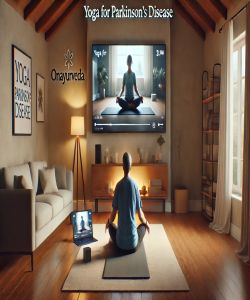
1. Overview of Yoga for Parkinson's Disease
Yoga for Parkinson's Disease is a highly specialised, non-pharmacological, complementary therapeutic modality engineered to address the multifaceted symptoms of this progressive neurodegenerative disorder. It is not a cure but a rigorous, evidence-informed strategy for symptom management, functional improvement, and enhancement of overall quality of life. This discipline meticulously adapts classical yoga postures (asanas), breathing techniques (pranayama), and meditative practices to meet the unique and evolving needs of individuals with Parkinson's. The fundamental objective is to counteract the cardinal motor symptoms—bradykinesia, rigidity, tremor, and postural instability—through targeted physical movements that promote flexibility, muscular strength, and balance. Concurrently, it directly confronts non-motor symptoms such as anxiety, depression, apathy, and sleep disturbances by leveraging the profound connection between mind and body. The practice mandates a controlled, safe environment where every movement is deliberate and focused, often utilising props like chairs and blocks to ensure stability and prevent falls. It is a proactive, empowering intervention that places the individual at the centre of their own wellness management, demanding commitment and discipline whilst offering a structured pathway to regain a degree of control over physical and psychological well-being. This is not recreational yoga; it is a clinical application designed with therapeutic precision to mitigate the debilitating impact of Parkinson's Disease, demanding expert instruction and participant diligence to yield its substantial benefits. The approach is holistic, systematically targeting neuromuscular pathways, proprioceptive awareness, and autonomic nervous system regulation to create a more resilient and functional state of being for the participant.
2. What are Yoga for Parkinson's Disease?
Yoga for Parkinson's Disease constitutes a structured and adaptive therapeutic intervention specifically designed to manage the complex motor and non-motor symptoms associated with the condition. It fundamentally re-engineers traditional yoga practices to prioritise safety, accessibility, and targeted therapeutic outcomes for individuals with compromised motor control and balance. It is far more than a simple exercise programme; it is an integrated mind-body discipline.
The core components of this specialised yoga include:
- Adapted Asanas (Postures): These are physical postures systematically modified to be performed safely by individuals with Parkinson's. Many asanas are executed whilst seated on a chair or using a chair for support to eliminate the risk of falls. The focus is on movements that specifically counteract parkinsonian symptoms, such as spinal twists to combat rigidity, large, deliberate movements to address bradykinesia (slowness of movement), and standing poses with support to improve postural stability.
- Targeted Pranayama (Breathing Techniques): Breathing exercises are a cornerstone of the practice, but they are not arbitrary. Techniques are selected to calm the nervous system, which can help manage tremors and anxiety. Deep, diaphragmatic breathing is taught to improve respiratory function, which can be compromised in Parkinson's, and to foster a state of mental clarity and focus.
- Mindfulness and Meditation: This element is integral for addressing the significant non-motor aspects of Parkinson's Disease. Guided meditation and mindfulness practices are employed to reduce stress, combat depression, and improve cognitive focus. By training the mind to remain present, participants can develop greater emotional regulation and a more positive psychological outlook.
- Vocal Practice Integration: Given that Parkinson's often affects the muscles responsible for speech, leading to hypophonia (soft speech), specific yoga practices incorporate vocal exercises. Chanting or loud, projected breathing sounds are used to strengthen the vocal cords and diaphragm, directly addressing this debilitating symptom in a functional, integrated manner.
3. Who Needs Yoga for Parkinson's Disease?
- Individuals in the Early Stages of Parkinson's Disease: Persons recently diagnosed require this intervention to establish a proactive baseline of motor control, flexibility, and balance. It serves as a pre-emptive strategy to delay the progression of physical limitations and instil powerful self-management techniques from the outset. Early adoption is critical for maximising long-term functional independence and neuroplasticity.
- Patients with Moderate Motor Symptoms: This cohort, experiencing pronounced bradykinesia, rigidity, and postural instability, needs this yoga to directly combat these deficits. The targeted movements and postures are essential for maintaining mobility, reducing the risk of falls, and alleviating the painful muscle stiffness that characterises the condition. It is a necessary tool for functional maintenance.
- Individuals Experiencing Significant Non-Motor Symptoms: Those struggling with anxiety, clinical depression, apathy, or sleep dysregulation must engage with this practice. The integrated mindfulness, meditation, and controlled breathing components are specifically designed to regulate the nervous system and improve psychological well-being, offering a potent non-pharmaceutical method for managing these debilitating secondary symptoms.
- Persons with Gait Dysfunction and Freezing Episodes: This yoga is mandatory for individuals whose walking patterns are impaired or who experience 'freezing of gait'. The focus on large, rhythmic movements, proprioceptive awareness, and techniques to overcome motor blocks provides a direct, practical method for improving ambulatory function and enhancing safety during movement.
- Patients Seeking to Improve Respiratory and Vocal Function: Individuals noticing a decline in voice volume (hypophonia) or shallow breathing patterns require this discipline. The inclusion of pranayama and vocal cord strengthening exercises is not optional but essential for maintaining vital respiratory health and the fundamental ability to communicate effectively. This is a direct intervention for specific, often overlooked, symptoms.
4. Origins and Evolution of Yoga for Parkinson's Disease
The origins of Yoga for Parkinson's Disease are not found in a single, seminal event but in a gradual, clinical evolution that began in the latter part of the twentieth century. As Western medicine started to acknowledge the efficacy of complementary therapies, pioneering yoga instructors and healthcare professionals recognised the potential of yoga's mind-body principles to address chronic neurological conditions. Initially, individuals with Parkinson's were often integrated into general or gentle yoga classes, but it quickly became apparent that a generic approach was inadequate and, in some cases, unsafe. The specific challenges of the disease—balance impairment, rigidity, and tremors—demanded a bespoke methodology.
The true evolution began when therapists and specialist yoga teachers started a systematic process of adaptation. They deconstructed traditional asanas, modifying them for seated practice or with the support of props like chairs, walls, and blocks. This shift was a critical turning point, transforming the practice from a potential risk into a targeted therapeutic tool. The focus moved from achieving perfect postures to achieving functional gains, such as increased range of motion in the torso to aid walking or hand gestures to improve fine motor control. This marked the birth of a distinct, therapeutic discipline rather than a simple modification of a recreational activity.
In recent decades, this evolution has been accelerated by scientific research. Clinical studies began to validate the anecdotal evidence, providing objective data on improvements in motor scores, balance, quality of life, and mood. This empirical backing lent the practice legitimacy within the medical community, encouraging neurologists and physiotherapists to recommend it as a valid adjunctive therapy. The curriculum became more standardised, with core principles focusing on amplitude of movement (similar to LSVT BIG therapy), axial mobility, and autonomic nervous system regulation. The integration of vocal exercises to combat hypophonia and specific meditations to address anxiety represents the latest stage of its sophisticated evolution, cementing its status as a highly specialised, evidence-informed intervention tailored with precision to the complex needs of the Parkinson's community.
5. Types of Yoga for Parkinson's Disease
- Chair Yoga: This is the foundational and most accessible type. All postures and movements are performed whilst seated on a sturdy, armless chair or using the chair for standing support. It is imperative for individuals with significant balance deficits or those in later stages of the disease. The chair provides absolute stability, allowing the participant to focus entirely on the quality of movement, spinal flexibility, and upper body strength without any fear of falling. It is not a lesser form of yoga; it is the most critical adaptation for safety and efficacy.
- Adaptive Hatha Yoga: This form uses the fundamental principles of Hatha yoga—a slower-paced practice focused on holding postures—but with extensive modifications. It involves the use of props such as blocks, straps, and bolsters to support the body and facilitate correct alignment. Poses are held for shorter durations, with a strong emphasis on conscious breathing and gradual, deliberate transitions between postures. This type is suitable for those with some degree of stable mobility who can stand and move on a mat with supervision.
- Restorative Yoga: This practice is profoundly passive and focuses on deep relaxation and nervous system regulation. Participants are fully supported by props in comfortable, resting postures, which are held for extended periods. The objective is not to stretch or strengthen but to release deep-seated muscular tension and rigidity, calm the mind, and combat fatigue and anxiety. It is an essential component for managing the non-motor, stress-related symptoms of Parkinson's Disease and is suitable for all levels of ability.
- Viniyoga: The core principle of Viniyoga is that the practice must be adapted to the individual, not the individual to the practice. In the context of Parkinson's, a Viniyoga approach is inherently therapeutic and highly personalised. An instructor designs a practice that specifically targets the unique constellation of symptoms presented by the individual, making it a bespoke intervention. It often synchronises breath with movement in a flowing, dynamic way to enhance body awareness and motor control.
6. Benefits of Yoga for Parkinson's Disease
- Enhanced Motor Function and Control: Directly counteracts bradykinesia (slowness) and rigidity through targeted postures that promote large-amplitude movements, spinal flexibility, and an increased range of motion in the joints. This leads to demonstrable improvements in functional tasks.
- Improved Balance and Postural Stability: Systematically challenges and retrains the body's proprioceptive and vestibular systems through supported standing poses and balance exercises. This is a direct intervention to reduce the incidence of falls, a primary cause of morbidity in Parkinson's Disease.
- Reduction in Tremor Severity: Whilst not a cure for tremor, the practice of focused pranayama (breathing) and deep relaxation actively calms the central nervous system. This regulation can lead to a noticeable decrease in the amplitude and frequency of resting tremors, particularly those exacerbated by stress.
- Increased Muscular Strength and Endurance: Utilises isometric holds and dynamic, repetitive movements to build functional strength in the core, legs, and back. This enhanced strength is critical for supporting posture, improving gait, and combating the physical fatigue associated with the condition.
- Mitigation of Non-Motor Symptoms: Directly addresses anxiety, depression, and apathy through integrated mindfulness, meditation, and restorative techniques. These practices foster emotional regulation, improve mood, and cultivate a more resilient psychological state.
- Improved Respiratory and Vocal Function: Incorporates specific breathing exercises (pranayama) that strengthen the diaphragm and intercostal muscles, leading to improved respiratory capacity. Integrated vocal drills combat hypophonia (soft speech) by strengthening laryngeal muscles.
- Enhanced Cognitive Focus and Body Awareness: The demand for concentration during the practice, linking breath to movement, sharpens cognitive function and focus. It cultivates a profound sense of interoception and proprioception, improving the mind-body connection that is often disrupted by the disease.
- Superior Sleep Quality: By reducing physical discomfort from rigidity and calming the mind from anxiety, the practice directly contributes to the improvement of sleep patterns and the reduction of sleep disturbances common in Parkinson's.
7. Core Principles and Practices of Yoga for Parkinson's Disease
- Safety First, Always: The non-negotiable, primary principle is the absolute prioritisation of participant safety. This mandates the use of chairs and other props (walls, blocks) to eliminate fall risk. Every instruction and sequence must be designed around stability. Instructors must be rigorously trained to adapt and modify for any level of mobility or balance impairment.
- Adaptation Over Aspiration: The goal is not to achieve an idealised yoga posture but to adapt every single movement to serve a specific therapeutic purpose for the individual with Parkinson's. This means form follows function. If a movement increases range of motion or reduces rigidity, it is correct, regardless of its aesthetic resemblance to a classical pose.
- Amplitude and Intention of Movement: Every action must be performed with maximal effort and deliberate intention. This principle, mirroring concepts from other Parkinson's therapies, focuses on large, powerful movements to directly counteract bradykinesia and retrain the brain's motor pathways. Small, hesitant movements are actively discouraged.
- Integration of Breath and Movement (Vinyasa): The conscious synchronisation of breath with every movement is a core practice. The breath is used to initiate, guide, and stabilise movement. This linkage enhances body awareness (proprioception), calms the nervous system, and helps to override motor blocks or freezing episodes.
- Focus on Axial Mobility: A significant portion of the practice must target the spine and core (the axial skeleton). Twisting, flexing, and extending the torso are critical for combating the stooped posture and rigidity characteristic of Parkinson's. A mobile spine is fundamental to improving gait and balance.
- Mindfulness and Interoceptive Focus: Participants are constantly guided to turn their attention inward, to feel the sensations of stretching, strengthening, and breathing. This practice of mindfulness builds mental focus and recalibrates the internal sense of the body (interoception), which is vital for improved motor control and emotional regulation.
- Systematic Relaxation: Every session must conclude with a dedicated period of deep relaxation (savasana), often in a supported, restorative posture. This is not an optional extra; it is an essential practice to down-regulate the nervous system, consolidate the physical work, and manage stress and anxiety.
8. Online Yoga for Parkinson's Disease
- Unparalleled Accessibility and Convenience: The online format eradicates geographical and logistical barriers to participation. It provides access to highly specialised instruction for individuals who are housebound, live in remote areas without qualified local teachers, or face transportation challenges. This removes significant sources of stress and fatigue associated with travel, making consistent practice more achievable.
- Enhanced Safety in a Controlled Environment: Practising within one's own home allows for the creation of a perfectly controlled and familiar environment. Participants can arrange their space with necessary supports (sturdy chairs, walls) without the social pressure or variability of a public studio. This sense of security is paramount and can lead to greater confidence in movement, reducing the fear of falling.
- Consistency and Repetition: Online platforms frequently offer recorded sessions, allowing participants to repeat classes as often as required. This repetition is neurologically vital for motor learning and skill acquisition in Parkinson's. The ability to revisit specific techniques or exercises on demand reinforces neural pathways and accelerates functional gains in a way that weekly in-person classes cannot.
- Personalised Pacing and Discretion: The online setting affords a level of privacy that encourages individuals to work at their own pace without feeling rushed or self-conscious. They can take breaks as needed and modify postures without drawing attention. This is particularly crucial for managing the fluctuating symptoms and energy levels characteristic of Parkinson's Disease, fostering a more sustainable and empowering practice.
- Fostering Independence and Self-Management: Engaging with an online programme requires a degree of self-discipline and proactivity that empowers the individual. It shifts the locus of control, encouraging participants to take direct ownership of their therapeutic regimen. Learning to set up their space and practise independently builds confidence and reinforces the skills needed for long-term self-management of the condition.
9. Yoga for Parkinson's Disease Techniques
- Establish a Secure Foundation: Begin by positioning a sturdy, armless chair on a non-slip surface, ensuring it will not move. If practising standing poses, place the chair directly beside a wall for dual support. All props, such as blocks or straps, must be within immediate reach. Safety is the mandatory first step; no practice begins until the environment is secure.
- Initiate with Centring and Breathwork: Sit tall in the chair, with feet planted firmly on the floor. Begin with several rounds of deep diaphragmatic breathing. Inhale deeply through the nose, allowing the belly to expand, and exhale slowly through the mouth. This calms the nervous system and brings total focus to the present moment, preparing the mind and body for deliberate action.
- Execute Dynamic, Large-Amplitude Warm-ups: Remain seated and begin moving with intention. Perform large arm circles, reaching as high and wide as possible. Practise "Seated Cat-Cow," arching the spine forward on the inhale and rounding it back on the exhale, focusing on maximising spinal mobility. Lift each knee towards the chest in a powerful, deliberate march. These are not gentle stretches; they are forceful, targeted movements.
- Engage in Core Postures with Support: Transition to the main sequence. For a "Chair Warrior II," turn sideways on the chair, extending one leg back and arms out, holding a strong, expansive pose. For spinal twists, grip the back of the chair and rotate the torso powerfully but smoothly. If standing, use the chair or wall for support during poses like "Tree Pose" or "Standing Forward Bend" to challenge balance safely.
- Integrate Vocal Practice: During powerful exhalations or specific movements, produce loud, clear sounds. This could be a sustained "Ahhh" sound during a forward bend or counting loudly during repetitive leg lifts. This technique directly strengthens the diaphragm and vocal cords to combat hypophonia (soft speech).
- Conclude with Supported Relaxation (Savasana): End the practice not by lying on the floor, which may be unsafe, but in a supported posture. This can be done by resting forward over the back of another chair or reclining on the practice chair with feet elevated on a stool. Remain in stillness for several minutes, allowing the nervous system to absorb the benefits of the practice completely.
10. Yoga for Parkinson's Disease for Adults
Yoga for Parkinson's Disease is an exclusively adult-focused discipline, engineered with clinical precision for a mature demographic contending with a progressive neurological condition. The practice is fundamentally grounded in the principles of functional adaptation, safety, and symptom management, acknowledging the physiological and psychological realities of the adult experience with Parkinson's. Every element is calibrated to address age-related comorbidities and the specific motor and non-motor deficits imposed by the disease. Postures are modified to protect joints and accommodate reduced flexibility, with an unyielding emphasis on chair-based and supported variations to prevent falls, a critical concern for this population. The techniques extend beyond mere physical exercise; they incorporate sophisticated breathwork and mindfulness strategies designed to combat the anxiety, depression, and cognitive challenges that frequently accompany the diagnosis in adulthood. This is not a practice of athletic ambition but one of therapeutic necessity, aimed at preserving independence, maintaining quality of life, and empowering adults to actively participate in their own care. It demands a mature, disciplined approach from the participant, who must engage with the practice not as a casual hobby but as an integral component of their long-term health management strategy. The entire framework is built upon the understanding that the adult participant requires a robust, sustainable, and highly structured intervention to effectively navigate the complexities of living with Parkinson's Disease. It is a serious, therapeutic engagement for adults committed to mitigating their symptoms.
11. Total Duration of Online Yoga for Parkinson's Disease
The prescribed total duration for a standard, high-efficacy online yoga session for Parkinson's Disease is precisely one hour (1 hr). This timeframe is not arbitrary; it is a clinically informed duration structured to maximise therapeutic benefit whilst systematically managing the potential for physical and mental fatigue, which is a significant factor for individuals with this condition. A session of this length is imperative as it allows for a complete and unhurried therapeutic arc. It provides sufficient time for an essential preparatory phase, including a thorough warm-up and centring exercises, which are critical for preparing the muscles and focusing the mind. The central part of the 1 hr session is dedicated to the core practice, where participants engage in the targeted asanas and movements designed to improve mobility, strength, and balance. This substantial period ensures that the work is deep enough to be effective. Crucially, the one-hour duration also allocates a dedicated and non-negotiable cool-down and relaxation period (savasana) at the end. This concluding phase is vital for nervous system regulation and for consolidating the neuromuscular learning that has occurred. Shortening the session would compromise one of these essential components, whilst extending it would risk over-exertion and diminish returns. Therefore, the 1 hr duration represents the optimal balance between rigour and sustainability, ensuring each online session is a complete, safe, and potent therapeutic intervention.
12. Things to Consider with Yoga for Parkinson's Disease
Before embarking on this therapeutic discipline, a number of critical factors must be rigorously considered to ensure both safety and efficacy. Foremost is the absolute necessity of medical clearance; no individual should commence this or any exercise programme without explicit approval from their neurologist or general practitioner. This is non-negotiable. One must also conduct a frank and realistic assessment of their current physical capabilities and limitations, particularly concerning balance and mobility. The choice of practice style—be it chair-based or mat-based with support—must be dictated by this assessment, not by ambition. The instructor's qualifications are paramount. It is imperative to seek out a teacher with specific, certified training and extensive experience in yoga for Parkinson's Disease or other neurological conditions. A generic yoga instructor is unqualified and potentially dangerous for this specific population. Furthermore, the environment for practice must be meticulously prepared. This involves securing a non-slip surface, using a stable and appropriate chair, clearing the area of all potential hazards, and ensuring any necessary props are readily at hand. One must also manage expectations; this is a practice of gradual, incremental progress, not immediate transformation. Consistency is far more important than intensity. Finally, the fluctuating nature of Parkinson's symptoms must be respected. On days of high fatigue or severe symptoms, the practice must be modified or even replaced with simple breathing and relaxation. An inflexible, all-or-nothing approach is counterproductive and must be avoided.
13. Effectiveness of Yoga for Parkinson's Disease
The effectiveness of Yoga for Parkinson's Disease is firmly established as a potent, evidence-supported complementary therapy for managing the spectrum of symptoms. Its efficacy lies in its multi-modal approach, which simultaneously addresses motor, non-motor, and psychological deficits. From a motor perspective, the practice has been demonstrated to yield significant, clinically meaningful improvements in balance, gait, and postural stability, directly reducing the risk of falls—a major source of injury and loss of independence. The focus on large, deliberate movements and dynamic stretching effectively counteracts the debilitating effects of bradykinesia and rigidity, enhancing functional mobility and range of motion. Beyond the physical, its effectiveness is profound in the non-motor domain. The systematic integration of pranayama (controlled breathing) and mindfulness meditation directly targets the autonomic nervous system, leading to a demonstrable reduction in anxiety, stress, and the severity of stress-responsive tremors. This has a powerful secondary effect on improving sleep quality and overall mood. The discipline's demand for focused attention and coordination between breath and movement also provides cognitive benefits, sharpening concentration and enhancing proprioceptive awareness. The holistic nature of the intervention—unifying mind and body—is what makes it so uniquely effective. It does not simply treat the body as a machine to be exercised but empowers the individual with tools for self-regulation, leading to a sustained improvement in overall quality of life that often exceeds what can be achieved through pharmacological interventions alone.
14. Preferred Cautions During Yoga for Parkinson's Disease
Extreme caution is not merely advised; it is mandatory throughout every moment of practice. The primary and overriding concern must be the absolute prevention of falls. Any posture that compromises stability, even momentarily, must be either abandoned or heavily modified with robust support from a chair or wall. Balance is not to be tested recklessly; it is to be challenged methodically within a framework of complete safety. Over-exertion is a significant risk and must be actively avoided. The participant must remain highly attuned to the body's signals of fatigue, pain, or dizziness and must cease activity immediately should they arise. Pushing through pain or exhaustion is counter-productive and dangerous. Particular vigilance is required during transitions between postures, as these are moments of heightened instability. All movements must be slow, deliberate, and mindful. Abrupt or ballistic actions are strictly forbidden. Furthermore, individuals with orthostatic hypotension—a common non-motor symptom of Parkinson's involving a drop in blood pressure upon standing—must exercise extreme care when moving from a seated or lying position to a standing one. Such transitions must be performed in slow, controlled stages. Finally, one must never hold their breath during exertion, as this can dangerously increase blood pressure. The breath must remain as steady and fluid as possible, acting as an anchor for both movement and stability. Disregarding these cautions is an unacceptable breach of protocol.
15. Yoga for Parkinson's Disease Course Outline
1: Foundational Principles and Safety Protocols
Introduction to the therapeutic objectives of yoga for Parkinson's.
Mandatory safety protocols: creating a secure practice space, correct use of a chair and props.
Mastering foundational breathwork (diaphragmatic breathing) for nervous system regulation.
2: Seated Asanas for Spinal Mobility and Rigidity Reduction
Execution of a full sequence of chair-based postures.
Focus on seated spinal twists, forward folds, and lateral bends to combat truncal rigidity.
Techniques for upper body strengthening and improving posture whilst seated.
3: Large-Amplitude Movement and Bradykinesia Management
Practices designed to generate large, powerful, and deliberate movements.
Integration of dynamic, rhythmic sequences to retrain motor pathways.
Application of vocalisation techniques during movement to enhance amplitude and effort.
4: Supported Standing Poses for Balance and Proprioception
Safe transition from sitting to standing.
Execution of fundamental standing postures (e.g., Mountain, Warrior poses) using chair and wall support.
Specific balance drills to challenge and improve postural stability in a controlled manner.
5: Gait Improvement and Freezing-of-Gait Interventions
Techniques to improve stride length and rhythm.
Use of mental cues and breathwork to initiate movement and overcome freezing episodes.
Practices to enhance weight shifting and coordination for smoother ambulation.
6: Mindfulness, Meditation, and Non-Motor Symptom Management
Guided mindfulness practices to reduce anxiety and stress.
Introduction to body scan meditations to enhance interoception.
Restorative yoga postures for deep relaxation and management of fatigue.
7: Integration and Development of a Personal Practice
Sequencing of learned techniques into a coherent, daily routine.
Strategies for adapting the practice to daily fluctuations in symptoms.
Consolidation of all principles for long-term self-management.
16. Detailed Objectives with Timeline of Yoga for Parkinson's Disease
Initial Phase (First Month):
Objective: To establish an unwavering foundation of safety and basic body awareness. The participant will master the correct setup of their practice space and proficient use of a chair for support.
Timeline: By the end of week two, the participant must demonstrate competence in basic diaphragmatic breathing and execute simple, seated warm-up movements with deliberate control. By the end of the first month, they will be able to complete a 20-minute seated sequence without instructor correction on form or safety.
Developmental Phase (Months Two to Three):
Objective: To improve axial mobility and begin combating bradykinesia. The participant will focus on increasing the range of motion in the spine and major joints.
Timeline: By the end of the second month, a noticeable improvement in torso rotation and forward flexion must be observable. By the end of the third month, the participant will consistently integrate large-amplitude movements into their practice and report a subjective feeling of reduced stiffness.
Consolidation Phase (Months Four to Six):
Objective: To enhance balance, postural stability, and functional strength. The participant will progress to supported standing postures and more complex sequences.
Timeline: By the end of the fourth month, the participant must be able to hold basic supported standing poses with confidence. By the sixth month, they will demonstrate improved performance on functional tests like the 'sit-to-stand' test and report increased confidence in their daily movements and a reduction in near-falls.
Integration Phase (Months Seven to Twelve):
Objective: To master self-regulation and integrate the practice into daily life. The participant will learn to adapt their practice to fluctuating symptoms and use the techniques to manage non-motor issues like anxiety.
Timeline: By the ninth month, the participant will be able to independently select and perform techniques to address specific daily challenges (e.g., breathing exercises for anxiety). By the end of the year, they will have established a consistent, self-directed practice, viewing it as an essential tool for long-term disease management.
17. Requirements for Taking Online Yoga for Parkinson's Disease
- Mandatory Medical Authorisation: An unconditional requirement is explicit clearance from a qualified medical professional, preferably the participant’s neurologist. This is a non-negotiable prerequisite to ensure the individual is medically stable for physical activity.
- Stable and Reliable Internet Connection: Access to a high-speed, uninterrupted internet service is essential. A poor or intermittent connection will disrupt the flow of the class, compromise the clarity of instruction, and jeopardise safety.
- Appropriate Technological Device: A laptop, tablet, or computer with a large enough screen is required. The screen must be positioned so the instructor is clearly visible throughout the practice, whether seated or standing. A smartphone is inadequate due to its small screen size.
- A Secure and Uncluttered Practice Space: The participant must have a dedicated area for practice that is free from all hazards, such as rugs, cables, or furniture with sharp edges. The floor surface must be non-slip. There must be sufficient space to move without risk of collision.
- Essential and Correct Equipment: A sturdy, stable, armless chair is the most critical piece of equipment. It is not optional. A yoga mat can be used for traction under the chair and for any floor-based work if deemed appropriate and safe. Access to a solid wall for support is also a firm requirement.
- Commitment to Independent Safety: The participant must possess the cognitive ability and personal responsibility to adhere strictly to all safety instructions. In an online setting, the instructor cannot provide physical assistance; therefore, the onus of maintaining safety falls entirely upon the individual.
- Willingness to Communicate: The participant must be willing and able to communicate clearly with the instructor via the online platform, both verbally and visually. They must be prepared to ask for clarification and provide feedback on their physical state when prompted.
18. Things to Keep in Mind Before Starting Online Yoga for Parkinson's Disease
Before commencing an online yoga programme for Parkinson's, it is imperative to adopt a mindset of rigorous self-responsibility and realistic expectation. This is a therapeutic intervention, not a passive form of entertainment. You must understand that the instructor's guidance, however expert, is filtered through a screen; the ultimate guarantor of your safety is you. Therefore, an honest and uncompromising assessment of your personal physical boundaries on any given day is not just recommended, it is mandatory. You must be prepared to modify, to rest, or to stop entirely based on your body's immediate feedback, irrespective of the instructor's general plan. The home environment must be transformed into a sanctuary of safety, stripped of all potential hazards. This preparation is a non-negotiable part of the practice itself. Furthermore, you must mentally prepare for a journey of incremental progress. The benefits are cumulative and are built through consistency, not through sporadic bursts of intense effort. There will be days of perceived setbacks due to the fluctuating nature of the condition; these must be met with acceptance and patience, not frustration. Finally, recognise the limits of the online format. It excels in convenience and accessibility but lacks the tactile feedback of an in-person class. You must therefore become a more acute listener and observer, internalising instructions with heightened focus to compensate for the lack of hands-on correction. Your commitment to this heightened state of awareness is fundamental to success.
19. Qualifications Required to Perform Yoga for Parkinson's Disease
To instruct Yoga for Parkinson's Disease is to hold a position of significant therapeutic responsibility, demanding qualifications that extend far beyond standard yoga teacher training. A baseline certification from a reputable yoga school (e.g., a 200-hour or 500-hour certificate) is merely the prerequisite, not the qualification itself. The essential credential is a specialised, advanced certification specifically in Yoga for Parkinson's Disease or, at a minimum, Yoga for Neurological Conditions or Adaptive/Therapeutic Yoga. This is non-negotiable.
Beyond certification, the following qualifications are imperative:
- In-Depth Anatomical and Pathophysiological Knowledge: The instructor must demonstrate a comprehensive understanding of the pathophysiology of Parkinson's Disease. This includes a firm grasp of its cardinal motor symptoms (tremor, rigidity, bradykinesia, postural instability) and its diverse non-motor symptoms (anxiety, depression, apathy, orthostatic hypotension, cognitive changes). They must understand how yoga can impact these symptoms, both positively and negatively.
- Expertise in Risk Assessment and Adaptation: A qualified instructor must be an expert in modifying every posture and movement to ensure absolute safety. They must be able to assess an individual's functional level and adapt the practice in real-time. This includes mastery of chair-based yoga and the correct use of props to mitigate fall risk.
- Significant, Verifiable Experience: Practical, hands-on experience working directly with the Parkinson's community is critical. Theoretical knowledge is insufficient. The instructor must have a proven track record of successfully and safely leading individuals with Parkinson's through yoga practice.
- Strong Communication and Interpersonal Skills: The ability to provide clear, concise, and encouraging instructions is paramount. They must be patient, compassionate, and capable of creating a supportive and empowering environment, whether online or in person.
An instructor lacking this combination of specialised training, deep medical knowledge, and practical experience is not qualified to lead this vulnerable population.
20. Online Vs Offline/Onsite Yoga for Parkinson's Disease
Online
The primary advantage of the online modality is its unparalleled accessibility. It removes geographical, transportation, and mobility barriers, allowing individuals to access specialised instruction from their own homes. This is particularly crucial for those in later stages of the disease or who live in areas without qualified instructors. The home environment offers a controlled, predictable, and safe space, which can reduce anxiety and the fear of falling. Furthermore, online platforms often provide recorded sessions, enabling participants to practise with a consistency that is vital for motor learning and habit formation. This format fosters a sense of independence and self-management, empowering the individual to take direct control of their therapeutic routine. However, it critically lacks the hands-on, tactile feedback that an in-person instructor can provide for subtle postural corrections. It also places the entire onus of safety and environmental setup on the participant, requiring a high degree of personal responsibility. The potential for social isolation is another drawback, as the communal support of a group class is diminished.
Offline/Onsite
The definitive advantage of offline, onsite classes is the direct physical presence of a qualified instructor. This allows for immediate, hands-on adjustments and tactile cueing, which can be profoundly effective for correcting alignment and ensuring safety. The instructor can more accurately assess an individual's condition and provide real-time, personalised modifications. Onsite classes also foster a powerful sense of community and peer support among participants, which is a significant factor in combating the social isolation and depression often associated with Parkinson's. The shared energy and motivation of a group setting can be highly beneficial. However, the offline model presents significant logistical challenges. It requires travel, which can be fatiguing and difficult for those with mobility issues. Classes may be geographically inaccessible or scheduled at inconvenient times. The unfamiliar environment of a studio can also present perceived or real balance challenges, and some individuals may feel self-conscious or pressured in a group setting.
21. FAQs About Online Yoga for Parkinson's Disease
Question 1. Is prior yoga experience required? Answer: No. Programmes are designed for absolute beginners, focusing on safety and adaptation.
Question 2. Is it safe to practise online without a teacher present? Answer: It is safe provided you have medical clearance, a secure environment, and strictly follow the instructor's safety protocols, particularly the use of a chair for support.
Question 3. What equipment is absolutely necessary? Answer: A sturdy, armless chair on a non-slip surface is mandatory. Access to a wall for support is also essential.
Question 4. Can this yoga cure my Parkinson's? Answer: No. It is a therapeutic modality to manage symptoms and improve quality of life, not a cure.
Question 5. How often should I practise? Answer: Consistency is key. Aim for two to three guided sessions per week, supplemented with shorter daily practices if possible.
Question 6. What if I have a "bad day" with my symptoms? Answer: You must listen to your body. On difficult days, opt for a shorter, gentler practice focusing only on breathing and seated stretches, or simply rest.
Question 7. Will it help with my tremors? Answer: While not a direct cure, the breathing and relaxation techniques can calm the nervous system, which may reduce the severity of stress-related tremors.
Question 8. Can I do this if I have significant balance problems? Answer: Yes. The practice should be primarily chair-based to eliminate the risk of falling.
Question 9. What kind of instructor should I look for? Answer: Seek an instructor with specific, advanced certification and experience in teaching yoga for Parkinson's Disease or other neurological conditions.
Question 10. What if I can't do a certain pose? Answer: You must not force it. The principle is adaptation, not aspiration. A good instructor will provide multiple modifications for every pose.
Question 11. Will it help my soft voice? Answer: Yes, many programmes integrate specific vocal exercises and powerful exhalations to strengthen the voice.
Question 12. How long until I see benefits? Answer: Some benefits like reduced stress may be immediate. Physical improvements in balance and flexibility are cumulative and require consistent practice over several weeks and months.
Question 13. Is this just stretching? Answer: No. It is an integrated system of movement, breathing, and mindfulness designed to improve motor control, strength, and psychological well-being.
Question 14. Can my caregiver join in? Answer: Yes, it can be a highly beneficial and supportive shared activity.
Question 15. What is the single most important rule? Answer: Safety first. Never sacrifice stability for a deeper stretch or a more challenging pose.
Question 16. Does it help with rigidity? Answer: Yes, specific movements like spinal twists and large-amplitude stretches are designed to directly combat muscular rigidity.
22. Conclusion About Yoga for Parkinson's Disease
In conclusion, Yoga for Parkinson's Disease stands as a formidable and essential complementary therapy, not as a peripheral wellness activity. It is a rigorous, structured, and evidence-informed discipline that directly confronts the primary motor and non-motor deficits of the condition with strategic precision. Its methodology, which demands meticulous adaptation of postures, targeted breath control, and integrated mindfulness, provides a robust framework for enhancing functional mobility, improving balance, and mitigating the debilitating impact of rigidity and bradykinesia. The practice is not a panacea, but a powerful tool for self-management that empowers individuals, granting them a significant measure of control over their physical and psychological state. Its proven effectiveness in reducing fall risk, alleviating anxiety and depression, and improving overall quality of life confirms its status as an indispensable component of a comprehensive care plan. The discipline requires commitment, caution, and expert guidance, but its rewards are profound and tangible. For the individual willing to engage with its principles, it offers a pathway not to a cure, but to a more resilient, functional, and dignified life in the face of a challenging neurodegenerative disease. It is, therefore, a practice that should be regarded with the utmost seriousness and integrated authoritatively into the management of Parkinson's Disease.