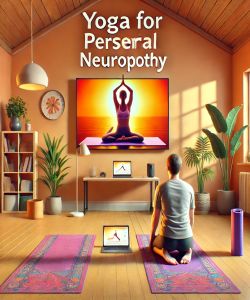
1. Overview of Yoga for Peripheral Neuropathy
Yoga for Peripheral Neuropathy is a highly specialised and disciplined therapeutic modality designed explicitly to address the complex symptoms associated with peripheral nerve damage. It is not a generalised fitness regimen but a targeted intervention that systematically integrates modified physical postures (asanas), controlled breathing techniques (pranayama), and focused meditative practices to improve an individual's functional capacity and quality of life. The core objective of this practice is to manage, not necessarily cure, the debilitating effects of neuropathy, which include pain, numbness, tingling, muscular weakness, and profound deficits in balance and proprioception. Through a carefully curated sequence of movements and stillness, the practice aims to enhance blood circulation to the extremities, stimulate nerve pathways, and strengthen the supporting musculature of the feet, legs, and hands. Furthermore, it directly engages the central nervous system, training the mind to modulate its response to chronic pain signals and reducing the pervasive stress and anxiety that frequently accompany long-term health conditions. This is achieved by fostering a state of deep somatic awareness, empowering the individual to reclaim a sense of control over their physical and mental state. The methodology is fundamentally conservative and adaptive, prioritising safety and stability above all else, and utilising a range of props such as chairs, blocks, and blankets to ensure that the practice remains accessible and beneficial for individuals with significant physical limitations. It is, therefore, a robust, non-pharmacological, and complementary approach to navigating the challenges of living with peripheral neuropathy, demanding commitment and precision from the practitioner whilst offering a structured pathway towards enhanced well-being and functional independence. This is a serious discipline for individuals determined to proactively manage their condition through rigorous and mindful application of ancient techniques adapted for modern therapeutic needs.
2. What are Yoga for Peripheral Neuropathy?
Yoga for Peripheral Neuropathy constitutes a specific, therapeutic application of yogic principles tailored to mitigate the symptoms of nerve damage in the peripheral nervous system. It is a structured system that moves beyond the scope of conventional yoga classes, focusing with clinical precision on the unique physiological and psychological challenges faced by individuals with this condition. At its core, this discipline is a multifaceted intervention that combines several key components, each serving a distinct purpose in symptom management. It is not merely a set of exercises; it is an integrated mind-body discipline.
The primary components are:
- Adapted Asanas (Physical Postures): These are carefully selected and modified yoga poses designed to be safe and effective for individuals with compromised balance, sensation, and strength. The focus is on postures that improve circulation, especially to the hands and feet; enhance stability and proprioception through grounding poses; and gently increase flexibility without overstretching vulnerable tissues. The use of props like chairs and walls is integral, not optional, ensuring that postures are accessible and risk is minimised.
- Targeted Pranayama (Breathing Techniques): This involves specific methods of breath control that are employed to calm the nervous system, which is often in a state of hyper-arousal due to chronic pain. Techniques are chosen to down-regulate the sympathetic 'fight-or-flight' response and activate the parasympathetic 'rest-and-digest' system. This has a direct impact on reducing stress, lowering blood pressure, and altering the perception of pain.
- Dhyana and Dharana (Meditation and Concentration): These meditative practices are fundamental to the discipline. They train the individual to develop focused attention and a non-reactive awareness of bodily sensations, including pain, numbness, and tingling. By observing these sensations without judgement, practitioners can begin to uncouple the physical sensation from the emotional suffering it often causes, thereby reducing the overall burden of the condition.
Together, these elements form a holistic system aimed at improving nerve function, enhancing physical stability, and building mental resilience against the chronic nature of peripheral neuropathy.
3. Who Needs Yoga for Peripheral Neuropathy?
- Individuals diagnosed with diabetic peripheral neuropathy seeking a complementary, non-pharmacological method to manage symptoms such as pain, numbness in the feet and hands, and to improve glycaemic control through gentle, consistent physical activity.
- Patients experiencing chemotherapy-induced peripheral neuropathy (CIPN) who require a safe and supportive modality to address significant balance deficits, debilitating fatigue, and altered sensations that persist post-treatment.
- Individuals suffering from idiopathic peripheral neuropathy, where a specific cause has not been identified, who need a structured programme to maintain mobility, manage chronic pain, and combat the progressive loss of function.
- Persons with neuropathy resulting from physical injury or nerve compression, such as carpal tunnel syndrome or sciatica, who can utilise targeted postures to relieve pressure, improve alignment, and enhance circulation to the affected areas.
- Adults, particularly older adults, experiencing age-related decline in balance and proprioception, compounded by neuropathic symptoms, who require a safe, low-impact form of exercise to reduce their risk of falls and maintain independence.
- Individuals with neuropathy stemming from vitamin deficiencies, autoimmune disorders (such as Guillain-Barré syndrome in its chronic phase), or excessive alcohol use, who need to rebuild neuromuscular pathways and improve bodily awareness.
- Anyone with a peripheral neuropathy diagnosis who experiences significant secondary symptoms, including chronic stress, anxiety, or depression related to their condition, and seeks a practice that directly addresses both the physical and psychological dimensions of their illness.
- Practitioners of conventional physiotherapy or recipients of medical treatment who are looking for an adjunctive therapy to enhance the effects of their primary care, improve overall well-being, and take a more active role in their health management.
- Individuals who are precluded from high-impact or strenuous exercise due to the limitations imposed by their neuropathy and require a highly modifiable and safe alternative to remain physically active.
- Those determined to proactively engage in self-management strategies to slow the progression of their symptoms and improve their overall quality of life through a disciplined, mindful, and consistent practice.
4. Origins and Evolution of Yoga for Peripheral Neuropathy
The origins of Yoga for Peripheral Neuropathy are not found in a single, ancient text but represent a modern, clinical evolution of a timeless discipline. The foundational principles are rooted in the classical yoga traditions of India, which have for millennia explored the profound connection between the mind, breath, and body. These ancient practices, codified in texts such as the Yoga Sutras of Patanjali, were primarily aimed at spiritual enlightenment and mastery over the mind. They established the core components of asana (postures), pranayama (breath control), and dhyana (meditation) as a holistic system for harmonising human consciousness. The therapeutic potential of these practices, whilst implicit in the original philosophy, was not their primary directive.
The significant shift towards a therapeutic application began in the 20th century, as yoga was introduced to the West and scrutinised through the lens of modern medicine and science. Pioneers such as B.K.S. Iyengar were instrumental in this evolution. Iyengar’s meticulous emphasis on precise anatomical alignment and his innovative use of props to support the body in various postures laid the critical groundwork for adaptive yoga. This approach made the practice accessible to individuals with physical limitations and illnesses, moving it from a pursuit of the physically adept to a powerful tool for healing and rehabilitation. It was this development that opened the door for yoga to be considered a viable complementary therapy for specific medical conditions.
The final stage in its evolution into a targeted modality for peripheral neuropathy is a product of the late 20th and early 21st centuries. This specialisation arose from a growing neuroscientific understanding of concepts like neuroplasticity, the somatic nervous system's role in pain perception, and the benefits of proprioceptive feedback for balance. Therapists and specialised yoga instructors began to systematically combine the adaptive techniques of Iyengar and others with a modern understanding of neuropathy. They curated specific sequences of poses, breathing exercises, and mindfulness techniques known to enhance circulation, stimulate nerve endings safely, improve balance, and down-regulate the body’s stress response. This created a distinct, evidence-informed discipline designed not for general wellness, but with the explicit and focused goal of managing the complex symptomatology of peripheral nerve dysfunction.
5. Types of Yoga for Peripheral Neuropathy
- Restorative Yoga: This is a paramount style for peripheral neuropathy management. It involves the use of multiple props, such as bolsters, blankets, blocks, and straps, to support the body completely in passive postures. The practitioner exerts minimal to no muscular effort, allowing the body to rest deeply and release tension. This deep relaxation facilitates a powerful parasympathetic nervous system response, which can help to reduce chronic pain, calm an overactive nervous system, and improve circulation without placing any stress on sensitive hands and feet. Poses are typically held for extended periods to maximise therapeutic benefits.
- Chair Yoga: This type is essential for individuals with significant balance impairment or weakness in the lower limbs, which are common hallmarks of peripheral neuropathy. The chair provides a stable base of support for both seated and standing postures. This allows the practitioner to safely work on strengthening leg muscles, improving ankle flexibility, and exploring movements that would otherwise be inaccessible or dangerous. It makes the core benefits of yoga available to nearly anyone, regardless of their level of mobility or confidence.
- Gentle Hatha Yoga: A slow-paced, foundational style of yoga that is highly suitable when properly modified. The focus is on basic postures held with mindful attention to alignment and breath. The deliberate pace allows individuals to cultivate a strong sense of body awareness, or interoception, learning to distinguish between safe therapeutic sensation and signals of overexertion. All movements are performed with control and precision, making it an excellent choice for rebuilding the mind-muscle connection.
- Iyengar Yoga: Whilst potentially vigorous, the core principles of Iyengar yoga are exceptionally relevant. This style is characterised by its meticulous attention to anatomical detail and alignment, and its extensive use of props to achieve the optimal expression of a pose for an individual’s body. A qualified Iyengar instructor with therapeutic knowledge can create a highly personalised and safe practice that directly addresses postural habits, strengthens specific muscle groups supporting balance, and ensures no undue pressure is placed on compromised nerves.
- Somatic Yoga: This practice focuses on internal physical perception and experience, known as interoception. It involves extremely slow, gentle, and often subtle movements designed to re-educate the nervous system and release chronic, unconscious muscular tension. For neuropathy, this can be profoundly beneficial in improving proprioception and re-establishing clearer communication between the brain and the extremities, helping to 'remap' sensory pathways.
6. Benefits of Yoga for Peripheral Neuropathy
- Enhanced Balance and Proprioception: Through consistent practice of specific standing and balancing postures, often with the support of a chair or wall, the body's ability to sense its position in space is retrained. This directly counteracts the loss of balance that is a dangerous and common symptom of neuropathy, thereby reducing the risk of falls.
- Improved Circulation: The combination of dynamic movement, sustained postures, and deep breathing techniques stimulates blood flow throughout the body, particularly to the distal extremities—the hands and feet. Enhanced circulation can help nourish damaged nerves and alleviate sensations of coldness or numbness.
- Increased Muscular Strength: Targeted poses work to strengthen the muscles of the feet, ankles, and legs. Stronger supporting muscles provide better stability for joints and can help compensate for a loss of sensory information from the nerves, improving gait and overall mobility.
- Reduction in Pain Perception: Through pranayama (breath control) and meditation, the practice trains the nervous system to shift from a 'fight-or-flight' state to a 'rest-and-digest' state. This calming of the nervous system can directly modulate the perception of chronic pain, reducing its intensity and the distress it causes.
- Greater Flexibility and Range of Motion: Gentle stretching helps to prevent the muscular and joint stiffness that can result from inactivity or altered movement patterns due to neuropathy. This maintains a healthier range of motion and prevents secondary musculoskeletal problems from developing.
- Decreased Stress and Anxiety: Living with a chronic condition is inherently stressful. The mindfulness and relaxation components of the practice are proven to lower cortisol levels and reduce the psychological burden of the condition, leading to improved mood and overall mental well-being.
- Enhanced Body Awareness: The practice demands a focused, internal attention on bodily sensations. This helps individuals become more attuned to the signals their body is sending, allowing them to move more safely and mindfully in their daily lives and avoid activities that might exacerbate their symptoms.
- Empowerment and Self-Efficacy: By providing a structured, proactive tool for self-management, the practice empowers individuals. It fosters a sense of agency and control over their condition, which is psychologically crucial when dealing with a chronic illness.
7. Core Principles and Practices of Yoga for Peripheral Neuropathy
- Primacy of Safety and Stability: The absolute, non-negotiable foundation of the practice. Every posture and movement must be executed with stability as the primary goal. This involves the mandatory use of props such as chairs, walls, blocks, and blankets to eliminate the risk of falls. The principle dictates that it is better to perform a heavily modified, stable pose than to attempt a classical form and risk injury.
- Cultivation of Mindful Awareness (Interoception): Practitioners are rigorously trained to turn their attention inward and observe bodily sensations without judgement. This includes acknowledging pain, tingling, or numbness, and learning to differentiate between therapeutic sensation and a warning signal. This principle transforms the practice from mere physical exercise into a deep dialogue with the nervous system.
- Breath as the Central Anchor (Pranayama): The breath is not incidental; it is the core mechanism for regulating the nervous system. All movement is synchronised with slow, deliberate, and calm breathing. Specific techniques are employed to activate the parasympathetic nervous system, directly countering the stress response that exacerbates pain and tension. The breath is the primary tool for managing discomfort during the practice.
- Gradual and Methodical Progression: The practice eschews any ambition for rapid advancement. Progress is measured in minuscule, consistent increments. Practitioners are taught to work well within their capacity, building strength and stability slowly over time. This principle of 'less is more' prevents overstimulation of sensitive nerves and avoids the boom-bust cycle of exertion and exhaustion.
- Emphasis on Grounding: A significant portion of the practice is dedicated to fostering a strong connection to the earth through the feet or other supporting body parts. Poses and awareness exercises that enhance the sensation of contact with the floor are prioritised. This directly addresses deficits in proprioception and helps to rebuild a sense of physical security and rootedness.
- Intelligent Use of Props for Support and Feedback: Props are not aids for beginners; they are essential therapeutic tools. A chair provides support for balance, blocks bring the floor closer to prevent strain, and blankets cushion sensitive joints. They are used not only for safety but also to provide clear sensory feedback to the body, helping to re-establish neural pathways.
- Integration of Rest and Restoration: The practice is punctuated by periods of conscious rest. Restorative poses, where the body is completely supported, are not an afterthought but an integral part of the sequence. This allows the nervous system to process the work, integrate the benefits, and deeply relax, which is crucial for nerve healing and pain management.
8. Online Yoga for Peripheral Neuropathy
- Unparalleled Accessibility: The online format removes significant barriers to entry for individuals with peripheral neuropathy. The challenges of travel, which can be daunting and painful due to mobility issues, are eliminated. Practitioners can access expert instruction from a secure and familiar environment, ensuring that a lack of transport or geographical distance does not preclude them from receiving specialised care.
- Enhanced Consistency of Practice: The convenience of practising at home facilitates greater consistency. With fewer logistical hurdles, individuals are more likely to adhere to a regular schedule, which is critical for achieving therapeutic benefits. This regularity helps to compound the positive effects on balance, strength, and pain management over time.
- Controlled and Customised Environment: Practising online allows the individual to have absolute control over their environment. They can regulate the room temperature to avoid exacerbating symptoms, ensure the space is free from hazards, and use their own familiar and trusted props. This level of customisation ensures optimal comfort and safety, which is paramount.
- Increased Privacy and Reduced Self-Consciousness: A public studio setting can be intimidating for individuals managing physical limitations. The privacy of an online session allows practitioners to focus entirely on their own experience without concern for the perceived judgement of others. This fosters a deeper internal focus and a willingness to explore modifications without inhibition.
- Direct Visual Feedback for the Instructor: In a properly conducted online session where the practitioner's camera is well-positioned, the instructor can gain a clear, focused view of the individual's alignment and movement. This allows for precise, verbal cues and corrections that are tailored directly to what the instructor observes, ensuring safe and effective practice.
- Empowerment through Self-Responsibility: The online setting inherently requires the practitioner to take a more active role in their own safety and setup. This fosters a greater sense of self-reliance and body awareness. Learning to arrange one’s own space and props and to interpret verbal cues translates into greater confidence and self-efficacy in managing the condition outside of the class setting.
- Access to Niche Specialisation: Peripheral neuropathy requires a highly specialised instructor. The online domain provides access to a global pool of qualified teachers who possess the specific therapeutic knowledge required, a resource that may be entirely unavailable in an individual's local community.
9. Yoga for Peripheral Neuropathy Techniques
- Initial Centring and Breath Awareness: Commence every session seated comfortably in a stable, armless chair, with feet planted firmly on the floor. Close the eyes or soften the gaze. Bring all attention to the natural rhythm of the breath without altering it. Methodically scan the body from the soles of the feet to the crown of the head, simply noticing any areas of sensation, numbness, or tension without judgement. This establishes a baseline of mindful presence.
- Gentle Articular Warm-ups: Remaining seated, initiate slow, controlled rotations of the major joints to promote circulation and synovial fluid production. Gently rotate the ankles in both directions. Point and flex the feet. Spread the toes wide and then curl them. Perform similar controlled rotations for the wrists, shoulders, and neck. All movements must be small, deliberate, and entirely pain-free.
- Supported Foundational Postures (Asanas): Utilise the chair for unwavering support. Practice a modified Mountain Pose (Tadasana) by standing behind the chair and holding its back. Focus on distributing weight evenly across the feet and gently engaging the leg muscles. Progress to a modified Chair Pose (Utkatasana) by hovering just millimetres above the chair seat, using the hands on the chair for balance. This builds leg strength without compromising stability.
- Seated Postures for Spinal Mobility and Circulation: Whilst seated, perform gentle spinal twists, initiating the movement from the base of the spine and keeping both feet grounded. Practice a seated forward bend, hinging from the hips with a straight back and resting hands on the thighs, to gently stretch the hamstrings and lower back, encouraging blood flow.
- Targeted Hand and Feet Exercises: Dedicate specific time to exercises for the extremities. Practice slowly opening and closing the fists to encourage blood flow to the hands. Use a small, soft ball to gently roll under the soles of the feet whilst seated, stimulating nerve endings and releasing fascial tension.
- Restorative Cool-down: The concluding phase is critical. Perform a Legs-Up-the-Wall pose (Viparita Karani), modified by placing the calves on the seat of the chair whilst lying on the back. This position is powerfully restorative, aids venous return from the legs, and calms the nervous system.
- Final Relaxation (Savasana): Conclude by lying on the back in a traditional Savasana, or for greater comfort, remain in the modified Legs-on-the-Chair pose. Use a blanket for warmth. Systematically release all muscular effort and rest in complete stillness for several minutes, allowing the nervous system to integrate the benefits of the practice.
10. Yoga for Peripheral Neuropathy for Adults
The application of yoga for adults with peripheral neuropathy is a pragmatic and highly effective strategy for managing the condition's chronic and often progressive nature. For the adult population, particularly older adults, the onset of neuropathy is frequently compounded by other age-related concerns, such as diminished muscle mass, reduced joint mobility, and a natural decline in balance. This discipline directly confronts these challenges through its core tenets of safety, stability, and gradual progression. Unlike more vigorous forms of exercise that may be contraindicated or pose a significant risk of injury, this modified yoga provides a sustainable, low-impact pathway to maintaining physical function. It acknowledges the reality of adult life, where conditions like diabetes or the after-effects of medical treatments are common underlying causes of neuropathy. The practice, therefore, is not merely a physical pursuit but a tool of empowerment, teaching adults how to actively participate in their own care. It fosters a profound sense of body awareness, enabling individuals to better navigate their physical environment and make informed decisions about movement to avoid exacerbating their symptoms. The emphasis on stress reduction through breathwork and meditation is particularly salient for adults, who often juggle numerous life responsibilities alongside the management of their health. It provides a structured method for mitigating the psychological toll of chronic illness, improving sleep quality, and enhancing overall resilience. For adults determined to preserve their independence, reduce their reliance on pharmacological pain management, and improve their quality of life in a tangible way, this discipline offers a robust and dignified approach to self-management.
11. Total Duration of Online Yoga for Peripheral Neuropathy
The standard and professionally recommended total duration for a single online session of Yoga for Peripheral Neuropathy is precisely 1 hr. This specific timeframe is not arbitrary but is methodically structured to maximise therapeutic benefit whilst rigorously preventing the onset of physical or nervous system fatigue, a critical consideration for individuals with this condition. The one-hour duration is strategically allocated to ensure that every essential component of the practice is addressed without haste. A typical session commences with a period of centring and gentle breathwork, which is crucial for establishing a state of mindful presence and preparing the body for movement. This is followed by a comprehensive warm-up sequence for the joints, which is vital for safe practice. The main portion of the session, dedicated to the active practice of modified and supported asanas, is carefully timed to build strength and stability without overtaxing the body. Critically, this 1 hr structure guarantees sufficient time for a prolonged and essential cool-down phase, incorporating restorative postures that allow the nervous system to down-regulate and begin the process of integration and healing. The session culminates in a final period of deep relaxation, or Savasana, which is non-negotiable for consolidating the physiological and psychological benefits of the practice. Attempting to condense this multifaceted therapeutic process into a shorter period would compromise safety and effectiveness, whilst extending it beyond one hour risks creating the very fatigue and overstimulation that the practice is designed to prevent. Thus, the 1 hr duration represents the optimal balance of work, rest, and integration required for this specific population.
12. Things to Consider with Yoga for Peripheral Neuropathy
Before embarking upon a regimen of Yoga for Peripheral Neuropathy, several critical factors must be rigorously considered to ensure both safety and efficacy. Foremost among these is the absolute necessity of obtaining full medical clearance from a qualified healthcare professional, such as a neurologist or general practitioner. This is not a mere formality but a crucial step to confirm that this form of physical activity is appropriate for the individual's specific diagnosis, its underlying cause, and any co-existing health conditions. Secondly, the selection of an instructor is of paramount importance. One must seek out a teacher with demonstrable, specialised training and experience in therapeutic or adaptive yoga, specifically with knowledge of neurological conditions. A standard fitness-oriented yoga instructor is unequivocally unsuitable and potentially dangerous. The practitioner must also cultivate realistic expectations; this discipline is a management tool, not a curative intervention. Progress will be slow, incremental, and highly personal, demanding patience and a long-term commitment. Furthermore, one must be prepared to invest in essential props, as their use is not optional but integral to the safety and therapeutic value of the practice. This includes a stable chair, non-slip mat, blocks, and blankets. Finally, the most vital consideration is the commitment to developing profound self-awareness and honouring the body's signals. The practitioner must be willing to put aside ego and ambition, consistently choosing the path of caution and working well within their capacity to avoid exacerbating symptoms or causing injury. This internal discipline is the true cornerstone of a successful practice.
13. Effectiveness of Yoga for Peripheral Neuropathy
The effectiveness of Yoga for Peripheral Neuropathy as a complementary therapy is robust and multifaceted, addressing the condition on physiological, neurological, and psychological levels. Its efficacy is not rooted in unfounded claims of a cure, but in its proven ability to systematically manage symptoms and improve an individual's functional quality of life. Physiologically, its effectiveness stems from the gentle yet consistent stimulation of blood flow to the extremities, which can help to nourish damaged nerves and reduce sensations of numbness and cold. The targeted strengthening of muscles in the feet, ankles, and legs provides enhanced structural support, which directly compensates for compromised nerve signalling and leads to demonstrable improvements in gait and stability. Neurologically, the practice is effective because it actively retrains proprioceptive pathways through mindful, deliberate movement and balance work. This enhances the brain's awareness of the body's position in space, a faculty often severely diminished by neuropathy, thereby reducing the risk of falls. Moreover, the consistent application of controlled breathing (pranayama) and meditation effectively down-regulates the sympathetic nervous system, which is responsible for the 'fight-or-flight' response. This process can alter the brain's perception of chronic pain signals, reducing their intensity and the associated distress. Psychologically, its effectiveness lies in its capacity to reduce the significant stress, anxiety, and depression that frequently accompany a chronic diagnosis. By empowering individuals with a proactive tool for self-management, the practice fosters a sense of agency and resilience, making it a powerful and effective component of a comprehensive neuropathy care plan.
14. Preferred Cautions During Yoga for Peripheral Neuropathy
Adherence to a strict set of cautions during the practice of Yoga for Peripheral Neuropathy is not merely advisable; it is mandatory for safety and to prevent the exacerbation of symptoms. The foremost directive is to immediately cease any posture or movement that elicits sharp, shooting, or burning pain. Under no circumstances should a practitioner attempt to "push through" such sensations, as they are a definitive signal of nerve irritation. Similarly, any significant increase in tingling, numbness, or a "pins and needles" sensation during or after a pose must be treated as a clear indication to desist and modify the approach. Balance must be treated with the utmost respect; any posture that feels unstable must be performed with physical support from a wall or a sturdy chair, without exception. The ambition to perform a pose without props must be entirely abandoned in favour of absolute stability. Practitioners must also avoid overheating, as elevated body temperature can worsen neuropathic symptoms for some individuals; therefore, "hot yoga" is strictly contraindicated, and the practice environment should be kept comfortably cool. It is also imperative to avoid locking the joints, particularly the knees, in standing postures, as this can disrupt circulation and place undue stress on the joint. Finally, one must be vigilant for signs of dizziness or light-headedness, particularly when moving from a seated or lying position to standing. All such transitions must be performed slowly and mindfully. Disregarding these cautions transforms a therapeutic practice into a hazardous activity.
15. Yoga for Peripheral Neuropathy Course Outline
- Module 1: Foundational Principles and Somatic Awareness
- Introduction to the core principles: safety, stability, and mindful awareness.
- Establishing a safe practice space and proper use of essential props (chair, mat, blocks).
- Mastering foundational diaphragmatic breathing (pranayama) as the anchor for practice.
- Guided body scan meditation to cultivate interoception and baseline sensory awareness.
- Module 2: Seated Practice for Circulation and Spinal Health
- Techniques for grounding the feet and establishing a stable base while seated.
- Gentle, seated warm-ups for all major joints, focusing on ankles, wrists, and shoulders.
- Seated spinal mobility exercises: gentle twists, forward folds, and lateral bends.
- Targeted movements for hands and feet to stimulate circulation and nerve pathways.
- Module 3: Supported Standing Postures for Balance and Strength
- Introduction to using a chair and wall for complete support in standing postures.
- Practice of modified Mountain Pose (Tadasana) and Chair Pose (Utkatasana) for leg strengthening.
- Exploration of basic balancing postures, such as Tree Pose (Vrksasana), with full support.
- Techniques for mindful weight shifting to retrain proprioceptive feedback.
- Module 4: Supine and Restorative Practices for Deep Relaxation
- Safe techniques for transitioning from standing to the floor.
- Supine postures for gentle hip opening and hamstring stretching using straps.
- Introduction to key restorative poses, including supported Bridge Pose (Setu Bandhasana) and Legs-on-the-Chair Pose (modified Viparita Karani).
- Understanding the role of the parasympathetic nervous system in pain management.
- Module 5: Integration and Developing a Personal Practice
- Sequencing principles: how to combine postures for a balanced personal practice.
- Strategies for modifying the practice based on daily fluctuations in symptoms.
- Advanced mindfulness techniques for working with difficult sensations.
- Guided deep relaxation (Yoga Nidra) for profound nervous system restoration.
- Formulating a sustainable, independent practice plan for long-term management.
16. Detailed Objectives with Timeline of Yoga for Peripheral Neuropathy
- Weeks 1-2: Establishment of Foundational Safety and Awareness
- Objective: The practitioner will demonstrate proficiency in setting up a safe practice space and correctly utilising a chair and blocks for support. They will master diaphragmatic breathing and be able to sustain focus during a guided body scan for a minimum of five minutes. The primary goal is the establishment of a consistent, safe routine.
- Weeks 3-4: Enhancement of Seated Stability and Circulation
- Objective: The practitioner will be able to independently perform a 15-minute sequence of seated warm-ups and spinal mobility exercises, synchronising movement with breath. They will report subjective awareness of increased warmth or sensation in the hands and feet following targeted exercises.
- Weeks 5-8: Development of Supported Standing Strength and Balance
- Objective: The practitioner will demonstrate the ability to hold a modified, chair-supported Mountain Pose for one minute with correct alignment and a chair-supported Tree Pose for thirty seconds on each side. They will report an increased sense of confidence and stability when standing and moving.
- Weeks 9-12: Mastery of Restorative Setups and Pain Modulation Techniques
- Objective: The practitioner will be able to independently set up and rest in a Legs-on-the-Chair pose for ten minutes, reporting a discernible sense of calm and relaxation. They will be able to employ breath-based techniques to manage flare-ups of discomfort during the practice, demonstrating an ability to modulate their response to pain.
- Weeks 13-16: Integration and Functional Improvement
- Objective: The practitioner will be able to construct and execute a balanced 30-minute personal practice combining seated, standing, and restorative elements. They will report a measurable improvement in a chosen functional metric, such as the ability to stand from a chair with greater ease or walk with a more stable gait, and articulate a clear understanding of how to modify their practice according to their body's daily signals.
17. Requirements for Taking Online Yoga for Peripheral Neuropathy
- Unconditional Medical Clearance: A formal, written or verbal confirmation from a qualified medical doctor (e.g., GP, neurologist) stating that the individual is cleared to participate in a gentle, modified yoga programme. This is a non-negotiable prerequisite for safety.
- A Stable, High-Speed Internet Connection: The connection must be reliable enough to support uninterrupted, two-way video streaming. Lag, freezing, or dropped calls compromise the instructor’s ability to provide safe and timely guidance.
- A Functional Computing Device: A laptop, tablet, or desktop computer with a sufficiently large and clear screen is required. The device must be equipped with a functional webcam and microphone to allow for clear visual and verbal communication with the instructor.
- A Dedicated and Safe Practice Space: The area must be quiet, private, and completely free of clutter and potential hazards. It must be large enough to accommodate a yoga mat and allow for movement around a chair without obstruction. Flooring should be non-slip.
- Essential, Non-Negotiable Yoga Props:
- A non-slip yoga mat.
- A stable, sturdy, armless chair (a folding metal chair or a dining chair is ideal).
- Two firm yoga blocks (foam or cork).
- At least one thick blanket or large towel.
- A yoga strap or a long, non-elastic belt.
- Commitment to Punctuality and Consistency: The participant must commit to attending sessions regularly and on time, as sporadic practice will not yield therapeutic results. A disciplined approach is mandatory.
- Willingness to Communicate Clearly: The participant must be willing and able to provide clear verbal feedback to the instructor regarding sensations, discomfort, or limitations experienced during the session. This communication is vital for real-time modifications.
- Complete Accountability for Personal Safety: The participant must accept that in an online environment, they are ultimately responsible for adhering to safety instructions, using props correctly, and listening to their body's limits.
18. Things to Keep in Mind Before Starting Online Yoga for Peripheral Neuropathy
Before commencing an online yoga programme for peripheral neuropathy, it is imperative to adopt a mindset of rigorous self-responsibility and disciplined preparation. You must understand that the instructor, whilst guiding you, cannot physically intervene. Your safety is therefore your primary responsibility. This requires an unwavering commitment to listening to your body's signals and never pushing past the boundaries of safe, comfortable sensation. You must meticulously prepare your practice space before every session, ensuring it is a sanctuary free from distractions, interruptions, and physical hazards. The arrangement of your camera is not a trivial matter; it must be positioned to give the instructor a clear, full-body view so they can provide accurate and relevant feedback. Be prepared to be an active communicator. Unlike an in-person class where an instructor might see you wince, in the online format, you must be proactive in verbalising any discomfort, confusion, or need for modification. Furthermore, acknowledge that technical issues can and will occur. Cultivate patience for dealing with internet disruptions or software glitches, and have a backup plan. Critically, you must internalise the understanding that this is a therapeutic process, not a performance. Your goal is not to achieve a perfect-looking pose but to cultivate internal awareness and manage your symptoms. This requires abandoning all ego and comparison, focusing solely on your unique, internal experience. A disciplined, prepared, and communicative approach is essential for a successful and safe online practice.
19. Qualifications Required to Perform Yoga for Peripheral Neuropathy
The instruction of Yoga for Peripheral Neuropathy is a specialised therapeutic discipline that demands qualifications far exceeding those of a standard yoga teacher. It is a serious responsibility, and the instructor must possess a specific and verifiable combination of training, knowledge, and experience. General certification, whilst foundational, is grossly insufficient on its own. A qualified professional in this field must be able to demonstrate a comprehensive understanding of the condition itself, its causes, and its wide-ranging physical and psychological manifestations.
The minimum and essential qualifications include:
- A Foundational Yoga Teacher Certification: The instructor must hold at least a RYT-200 (Registered Yoga Teacher 200-hour) certification, with a 500-hour certification being strongly preferred. This ensures they have a solid grounding in basic asana, anatomy, and yogic philosophy.
- Advanced, Specialised Training in Therapeutic or Adaptive Yoga: This is the most critical requirement. The instructor must have completed advanced coursework specifically in yoga therapy, restorative yoga, or adaptive yoga for special populations. This training equips them with the skills to modify postures safely and effectively for individuals with significant physical limitations.
- Verifiable Knowledge of Neurological Conditions: The instructor must possess and be able to articulate a strong working knowledge of the nervous system and the pathophysiology of peripheral neuropathy. This includes understanding symptoms like proprioceptive loss, chronic pain, and autonomic dysfunction, and knowing which practices might help or harm.
- Demonstrable Experience Working with Clients with Chronic Conditions: Practical, hands-on experience in guiding individuals with chronic pain, mobility challenges, or other serious health issues is non-negotiable. This experience ensures they have moved beyond theory and understand the real-world application of these techniques.
An instructor without this specific constellation of qualifications is not equipped to safely or effectively lead individuals with peripheral neuropathy and should be avoided.
20. Online Vs Offline/Onsite Yoga for Peripheral Neuropathy
Online
The online delivery of Yoga for Peripheral Neuropathy offers a distinct set of advantages and challenges predicated on accessibility and self-responsibility. Its primary strength lies in its convenience, entirely removing the physical and logistical barriers of travel. For individuals experiencing pain, fatigue, or mobility issues, the ability to practice within the controlled comfort and safety of their own home is a profound benefit. This environment can be customised for temperature and privacy, reducing the anxiety and self-consciousness that may arise in a group setting. Furthermore, the online format grants access to a global pool of highly specialised instructors who may not be geographically available otherwise. However, this modality demands a high degree of personal discipline and accountability. The practitioner is solely responsible for setting up their space, managing their props, and ensuring their own physical safety. The critical element of hands-on, physical adjustment from an instructor is completely absent, relying instead on the practitioner’s ability to accurately interpret and apply verbal cues. Technical difficulties, such as unstable internet connections or hardware failure, can also disrupt the therapeutic process. It is a model best suited for the self-motivated individual who can create a secure environment and communicate effectively.
Offline/Onsite
The traditional, offline model of instruction provides a different, more tactile experience. Its most significant advantage is the physical presence of a qualified instructor who can offer immediate, hands-on adjustments and support. This physical feedback can be invaluable for correcting subtle misalignments and ensuring the practitioner is moving safely, which is particularly crucial for those with severe balance or sensory deficits. The instructor can physically assist with props and provide an extra layer of security during challenging postures. The group setting can also foster a sense of community and shared experience, which can be psychologically supportive for individuals managing a chronic condition. However, the onsite model presents considerable hurdles. It requires travel, which can be a significant obstacle. Sessions are bound by a fixed schedule, offering less flexibility than online alternatives. The environment is shared and cannot be customised to individual preferences for temperature or privacy. Furthermore, access is limited to the expertise available in one's immediate geographical area, which may not include an instructor with the necessary specialisation in peripheral neuropathy. It is a model that prioritises direct physical guidance over convenience and accessibility.
21. FAQs About Online Yoga for Peripheral Neuropathy
Question 1. Is online yoga genuinely safe for someone with my balance issues? Answer: Yes, provided three conditions are met: you have medical clearance, you work with a qualified therapeutic instructor, and you commit to using props like a chair and wall for support as instructed. Safety is the highest priority.
Question 2. What if I cannot feel my feet at all? Answer: The practice is designed for this. The focus shifts from "feeling" to mindful placement and the use of visual cues. We work on strengthening the supporting muscles and rebuilding neural pathways through intention and repetition, not just sensation.
Question 3. Do I need to be flexible? Answer: Absolutely not. This is not gymnastic yoga. The goal is to improve mobility and reduce stiffness within your current range of motion, not to achieve extreme flexibility.
Question 4. What equipment is absolutely essential? Answer: A non-slip mat, a stable armless chair, two yoga blocks, and a blanket. These are not optional; they are mandatory safety and therapeutic tools.
Question 5. How is this different from a generic "gentle yoga" class online? Answer: It is vastly different. Every posture and instruction is specifically chosen and modified to address the symptoms of neuropathy, such as balance loss, nerve pain, and poor circulation. A generic class will not have this clinical focus.
Question 6. Can this practice cure my neuropathy? Answer: No. This is a discipline for management, not a cure. It aims to reduce symptoms, improve function, and enhance quality of life.
Question 7. What if a pose causes pain or tingling? Answer: You must stop immediately and inform the instructor. The guiding rule is to never push through pain. The pose will be modified or omitted.
Question 8. How often should I practice? Answer: Consistency is more important than duration. Short, regular practices of 20-30 minutes several times a week are more effective than one long, sporadic session.
Question 9. What if I am very fatigued? Answer: The practice can be modified to be entirely restorative, focusing only on supported resting poses and breathwork. You learn to adapt the practice to your energy level on any given day.
Question 10. Do I need a special camera or computer? Answer: You need a standard device (laptop, tablet) with a webcam that provides a clear picture. It is crucial to position it so the instructor can see your full body.
Question 11. How does the instructor correct me without touching me? Answer: Through precise, clear verbal cues based on what they see on screen. For example, "Press down more through your left heel" or "Slightly bend your knees."
Question 12. Is it suitable for chemotherapy-induced neuropathy? Answer: Yes, it is highly suitable for managing the specific challenges of CIPN, particularly balance, fatigue, and altered sensation.
Question 13. What if I have never done yoga before? Answer: This practice is designed for absolute beginners. No prior yoga experience is necessary or even expected.
Question 14. Will I lose weight? Answer: Whilst it is a form of physical activity, its primary goal is therapeutic, not weight loss. That is not the focus.
Question 15. Can I practice from my bed or a sofa? Answer: No. You require a firm, stable surface. A sturdy chair and a mat on the floor are necessary for proper alignment and safety.
Question 16. What qualifications should the online instructor have? Answer: They must have advanced training in therapeutic or adaptive yoga and specific knowledge of neurological conditions, not just a basic yoga certification.
22. Conclusion About Yoga for Peripheral Neuropathy
In conclusion, Yoga for Peripheral Neuropathy stands as a formidable and highly disciplined complementary therapy. It is an intelligent and proactive methodology for individuals who are unwilling to passively accept the limitations imposed by nerve damage. This practice is not a passive treatment but an active engagement, demanding consistency, mindfulness, and a commitment to self-awareness. By systematically integrating modified physical postures, targeted breath control, and meditative focus, it directly confronts the core symptoms of the condition—impaired balance, chronic pain, and muscular weakness. It operates on the fundamental principles of enhancing circulation, retraining neuromuscular pathways, and calming a hyper-vigilant nervous system. The result is not a miraculous cure, but something far more tangible: a significant improvement in functional capacity, a reduction in the risk of falls, and an enhanced psychological resilience to the challenges of living with a chronic illness. It empowers the practitioner with a robust toolkit for self-management, fostering a sense of control and agency in a situation that can often feel disempowering. Therefore, for the serious individual seeking a structured, safe, and effective means to manage their condition and reclaim a higher quality of life, this specialised application of yoga presents an unequivocally potent and valuable path forward. It is a testament to the power of mindful, deliberate action in the face of physiological adversity.