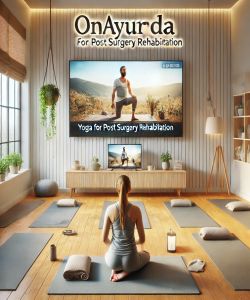
1. Overview of Yoga for Post Surgery Rehabilitation
Yoga for post-surgery rehabilitation constitutes a highly specialised, therapeutic modality designed to facilitate a comprehensive and robust recovery following surgical intervention. It is not to be confused with general yoga practice; rather, it is a bespoke, systematic application of yogic principles meticulously adapted to the unique physiological and psychological demands of the convalescing individual. This discipline operates as a vital adjunct to conventional medical and physiotherapeutic protocols, bridging the critical gap between acute post-operative care and the restoration of full, functional independence. The core objective is to re-establish physiological homeostasis and neuromuscular integrity through a carefully curated regimen of modified physical postures (asana), targeted breath control techniques (pranayama), and deep relaxation or meditative practices (dhyana and yoga nidra). This holistic paradigm addresses recovery on multiple fronts: it gently restores mobility and flexibility to tissues affected by incision and immobility, mitigates the formation of restrictive scar tissue, enhances circulatory and lymphatic function to reduce inflammation, and rebuilds muscular strength and endurance without imposing undue stress on vulnerable structures. Furthermore, its emphasis on mindful awareness and breath regulation provides a powerful tool for managing post-operative pain, anxiety, and the psychological stress inherent in the recovery process. The practice is fundamentally prescriptive, with every element tailored by a qualified practitioner to the specific surgical procedure, the individual’s stage of healing, and their contraindications. It is an assertive, patient-led yet expert-guided journey toward reclaiming optimal physical function and cultivating a profound sense of well-being, ensuring the recovery process is not merely about healing, but about emerging stronger and more resilient than before the procedure.
2. What are Yoga for Post Surgery Rehabilitation?
Yoga for post-surgery rehabilitation represents a clinical and therapeutic application of yoga, specifically engineered to support and accelerate the body’s healing mechanisms following a surgical procedure. It is a structured and highly individualised system that leverages ancient yogic techniques within a modern, evidence-informed framework. Its identity is defined by its precise customisation to an individual's specific condition, surgical site, and recovery phase, standing in stark contrast to the generalised nature of a standard yoga class. At its core, this discipline is composed of several integral components, each serving a distinct therapeutic purpose.
The primary elements are:
- Modified Asana (Physical Postures): These are not the complex postures of advanced yoga. Instead, they are foundational poses, systematically deconstructed and adapted to be safe and effective. Props such as bolsters, blocks, straps, and chairs are used extensively to support the body, ensuring that postures are performed without strain on healing tissues. The focus is on creating gentle movement, improving range of motion, and preventing muscular atrophy and joint stiffness.
- Pranayama (Breath Control): This is a cornerstone of the practice. Specific breathing techniques are employed to calm the autonomic nervous system, which is often in a state of heightened stress (sympathetic dominance) post-surgery. Controlled breathing improves oxygenation of the blood, facilitates lymphatic drainage to reduce swelling, manages pain perception, and promotes a state of deep physiological rest essential for cellular repair.
- Dhyana and Yoga Nidra (Meditation and Guided Relaxation): The psychological impact of surgery is significant. These practices directly address post-operative anxiety, fear, and depression. Through guided meditation and the profound relaxation state of yoga nidra, the individual learns to regulate their mental and emotional responses, fostering a resilient and positive mindset conducive to healing.
- Somatic Awareness: The practice cultivates a heightened, non-judgemental awareness of bodily sensations. This interoceptive skill is critical for post-surgical patients, enabling them to distinguish between safe therapeutic sensation and movements that might compromise recovery. It empowers the individual to become an active, intelligent participant in their own rehabilitation.
3. Who Needs Yoga for Post Surgery Rehabilitation?
- Individuals Recovering from Orthopaedic Surgery: This category includes patients who have undergone procedures such as total hip or knee arthroplasty, rotator cuff repair, spinal fusion, or surgery for fractures. For these individuals, the practice is essential for safely restoring range of motion, rebuilding strength in supporting musculature, improving proprioception and balance to prevent future injury, and managing the chronic stiffness and pain that often follow such invasive interventions.
- Patients Post-Abdominal or Thoracic Surgery: Following procedures like caesarean sections, hysterectomies, hernia repairs, or cardiothoracic operations, the core and respiratory muscles are significantly compromised. Therapeutic yoga is mandated to re-engage the deep core musculature without straining surgical incisions, improve diaphragmatic breathing patterns disrupted by surgery, and gently mobilise the thoracic spine and rib cage to restore full respiratory capacity and posture.
- Individuals Post-Oncological Surgery: Patients recovering from surgeries such as mastectomy, lumpectomy, or prostatectomy face unique challenges, including lymphatic system disruption (risking lymphoedema), extensive scar tissue, and significant psychological trauma. A specialised yoga regimen is required to promote lymphatic drainage, improve mobility in the affected quadrant, address fascial restrictions from scarring and radiation, and provide robust tools for managing anxiety and body image concerns.
- Patients with Neurological or Spinal Cord Involvement: After surgeries impacting the nervous system, such as laminectomies or tumour resections, yoga serves a critical role in neuromuscular re-education. The practice focuses on re-establishing mind-body connections, improving motor control and coordination, managing neuropathic pain through breathwork and meditation, and enhancing overall somatic awareness in areas where sensation may be altered.
- Any Individual Experiencing a Protracted or Complicated Recovery: For those whose recovery is marked by persistent pain, excessive inflammation, chronic fatigue, or significant functional limitation long after the acute phase has passed, a targeted yoga protocol is necessary. It acts as a holistic intervention to break the cycle of pain and immobility, down-regulate the body’s stress response, and systematically reintroduce movement to rebuild confidence and functional capacity.
4. Origins and Evolution of Yoga for Post Surgery Rehabilitation
The origins of yoga for post-surgery rehabilitation are not found in a single, ancient text but are the product of a modern, intelligent evolution, synthesising ancient wisdom with contemporary medical science. The foundational principles are rooted in classical yoga, as systematised in texts like the Yoga Sutras of Patanjali and the Hatha Yoga Pradipika. These texts outlined a holistic system for achieving physical and mental equilibrium, though their direct application was not for post-surgical recovery but for general health and spiritual development. The concepts of stabilising the body (asana), controlling vital energy through breath (pranayama), and calming the mind (dhyana) provided the essential raw materials for its future therapeutic application.
The significant evolutionary leap occurred in the twentieth century, largely influenced by the work of pioneering masters who emphasised anatomical precision and the use of props. B.K.S. Iyengar, in particular, was instrumental. His rigorous focus on alignment and his innovative use of blocks, belts, and blankets to support the body in poses allowed individuals with physical limitations to access the benefits of yoga safely. This development was revolutionary, as it transformed yoga from a practice accessible only to the able-bodied into a customisable, therapeutic tool. This laid the direct groundwork for what would become yoga therapy, the parent discipline of post-surgical yoga.
The final stage of its evolution has been its formal integration with the Western medical paradigm. In recent decades, a growing body of clinical research has begun to validate the physiological and psychological benefits of yoga for various health conditions, including post-operative recovery. This has led to the emergence of specialised training programmes for yoga therapists, equipping them with a sophisticated understanding of anatomy, physiology, pathology, and contraindications. The practice has evolved from a generalised wellness system into a highly specific, evidence-informed clinical modality. Today, yoga for post-surgery rehabilitation is a distinct professional field, demanding practitioners who can collaborate effectively with surgeons and physiotherapists, and design protocols that are not only safe but are strategically targeted to accelerate and enhance the healing process in a scientifically defensible manner.
5. Types of Yoga for Post Surgery Rehabilitation
- Restorative Yoga: This is arguably the most critical style for the immediate and early stages of post-surgical recovery. Its defining characteristic is the complete support of the body through the extensive use of props, including bolsters, blankets, blocks, and straps. The individual exerts minimal to no muscular effort, allowing the body to passively accept the benefits of a pose. This approach is paramount for down-regulating the nervous system, reducing inflammation, calming the mind, and gently encouraging tissues to release tension without any risk of strain to the surgical site.
- Chair Yoga: This modality is essential for individuals whose recovery limitations prevent them from getting onto and up from the floor. The chair provides a stable base of support for both seated and standing-supported postures. It allows for the safe practice of movements that improve spinal mobility, joint health in the upper and lower body, and circulatory function. It is a highly effective tool for rebuilding strength and confidence in a secure and accessible manner, particularly after lower limb or major abdominal surgery.
- Gentle Hatha Yoga (Heavily Modified): Once cleared for more active movement, a highly modified form of Hatha yoga may be introduced. This involves foundational poses that are methodically broken down and adapted. The focus is on slow, mindful transitions between poses, with a strong emphasis on coordinating movement with breath (vinyasa). The intensity is kept low, and poses are held for shorter durations. This style serves to rebuild foundational strength, improve active flexibility, and enhance neuromuscular coordination.
- Yin Yoga (Prescriptively Applied): Yin yoga targets the deep connective tissues—ligaments, fascia, and joints—through long-held, passive stretches. In a post-surgical context, its application must be extremely precise and conservative. It is primarily used in later stages of recovery to address stubborn scar tissue and fascial restrictions that limit range of motion. It is contraindicated near the primary surgical site in the early phases but can be exceptionally effective for releasing compensatory tension in other areas of the body.
- Somatic Yoga: This practice emphasises interoception and slow, subtle, exploratory movements. It is less about achieving a specific shape and more about re-educating the nervous system and releasing chronic, unconscious muscular tension (sensory-motor amnesia). For post-surgical patients, it is invaluable for re-establishing a clear mind-body connection, especially in areas where sensation has been altered, and for gently restoring functional movement patterns from the inside out.
6. Benefits of Yoga for Post Surgery Rehabilitation
- Accelerated Physical Healing and Tissue Repair: Systematically improves circulation and lymphatic flow, delivering oxygen-rich blood to the surgical site and efficiently removing metabolic waste and inflammatory by-products. This directly contributes to reduced swelling, bruising, and faster, more organised tissue regeneration.
- Enhanced Pain Management and Reduced Reliance on Medication: Employs specific pranayama (breathing) and meditative techniques that down-regulate the sympathetic nervous system and activate the body’s innate relaxation response. This alters the perception of pain and reduces the physiological stress that exacerbates discomfort, thereby decreasing the need for analgesic drugs.
- Improved Mobility and Functional Range of Motion: Utilises gentle, supported, and targeted movements to prevent the development of joint stiffness and muscular atrophy associated with post-operative immobility. It safely restores flexibility and movement capacity without compromising the integrity of healing structures.
- Optimisation of Scar Tissue Formation: Applies gentle stress to healing fascial planes, which encourages collagen fibres to align in a more functional, less restrictive pattern. This minimises the formation of dense, problematic adhesions that can limit movement and cause chronic pain long after the initial incision has healed.
- Restoration of Strength and Neuromuscular Control: Progressively and safely re-engages and strengthens the muscles that support the surgical area and the body as a whole. The focus on mindful movement re-educates neuromuscular pathways, improving proprioception, balance, and coordination, which are critical for preventing re-injury.
- Profound Psychological and Emotional Support: Directly confronts and mitigates the anxiety, depression, and trauma often associated with surgery. The meditative and mindfulness components provide powerful tools for emotional regulation, fostering a sense of control, resilience, and a positive outlook essential for a comprehensive recovery.
- Restoration of Correct Breathing Mechanics: Corrects the shallow, inefficient breathing patterns that frequently develop post-surgery, especially after thoracic or abdominal procedures. Re-establishing diaphragmatic breathing enhances gas exchange, calms the nervous system, and provides gentle mobilisation for internal organs and core musculature.
7. Core Principles and Practices of Yoga for Post Surgery Rehabilitation
- Primum Non Nocere (First, Do No Harm): This is the absolute, non-negotiable foundation. Every posture, breathing technique, and instruction must be filtered through the lens of safety. The practice must actively avoid causing any strain, pressure, or adverse movement at the surgical site. This principle mandates a deep understanding of the specific surgery, its contraindications, and the stages of tissue healing.
- Individualisation and Prescription: There is no one-size-fits-all protocol. The practice must be meticulously tailored to the individual. This involves a thorough assessment of their surgical procedure, stage of recovery, physical limitations, pain levels, and psychological state. The sequence and techniques are prescribed, not generalised, and must be adapted dynamically as the individual’s condition evolves.
- Emphasis on Proprioception and Interoception: The practice actively cultivates a heightened awareness of the body in space (proprioception) and of internal bodily sensations (interoception). The individual is taught to listen intently to their body's signals, distinguishing between productive therapeutic sensation and the warning signs of pain or strain. This empowers them to become an intelligent and active participant in their own recovery.
- Breath as the Primary Agent of Healing: Pranayama (conscious breath control) is not an adjunct; it is central to the practice. The breath is used as a primary tool to regulate the autonomic nervous system, manage pain, reduce inflammation, and focus the mind. Every movement is ideally synchronised with the breath to ensure it remains mindful, controlled, and therapeutic.
- Down-Regulation of the Nervous System: Post-surgical recovery is optimised in a state of parasympathetic dominance (the "rest and digest" state). A core objective is to shift the individual out of the chronic stress state (sympathetic "fight or flight") that surgery and pain induce. Practices like restorative poses, gentle breathing, and yoga nidra are employed specifically to facilitate this physiological shift, promoting cellular repair and deep rest.
- Gradual and Progressive Loading: The principle of progressive overload is applied with extreme caution and intelligence. As tissues heal and strengthen, the practice evolves. Support from props may be gradually reduced, hold times may be extended, or more challenging (yet still appropriate) postures may be introduced. This progression is always dictated by the individual's healing timeline and feedback, never by a predetermined schedule.
- Holistic Integration: The practice acknowledges that surgery impacts the entire person—body, mind, and spirit. It therefore integrates physical postures for the body, breathing techniques for the physiological systems, and meditation or relaxation for the mind. It addresses physical dysfunction whilst simultaneously providing robust support for the psychological and emotional challenges of convalescence.
8. Online Yoga for Post Surgery Rehabilitation
- Unparalleled Accessibility and Consistency: The online format removes significant barriers to entry, such as travel and geographical location. For an individual in the early, delicate stages of recovery, the ability to access expert guidance without leaving the safety and comfort of their own home is paramount. This accessibility facilitates greater consistency in practice, which is a critical factor for achieving optimal therapeutic outcomes. The need to travel to a studio, which can be both physically taxing and disruptive, is completely eliminated.
- Creation of a Secure, Personalised Healing Environment: Practising in one’s own space allows for complete control over the environment. The individual can manage lighting, temperature, and sound to create a sanctuary that feels safe and is conducive to deep relaxation. This sense of security is vital for down-regulating the nervous system and allows the individual to be more receptive to the subtle and introspective aspects of the practice without the potential distractions or self-consciousness of a group setting.
- Mandate for Enhanced Self-Awareness and Agency: The absence of a physically present instructor who can provide hands-on adjustments necessitates that the individual cultivates a heightened level of self-awareness and bodily intelligence. They are required to listen more intently to verbal cues and to their own body’s feedback. This process fosters a profound sense of ownership and agency over their recovery, transforming them from a passive recipient of care into an active, empowered participant in their healing journey.
- Access to Specialised Expertise Regardless of Location: High-level expertise in post-surgical yoga is a niche field. The online model grants individuals access to the most qualified and experienced practitioners globally, rather than being limited to those available in their immediate vicinity. This ensures that the guidance they receive is of the highest possible standard, tailored specifically to their complex needs, which is a decisive factor in the safety and efficacy of the practice.
- Cost and Time Efficiency: By eliminating travel time and associated costs, the online format presents a more efficient model of care. The time saved can be dedicated to rest and recovery, which are equally important components of the rehabilitation process. This efficiency allows the individual to integrate the therapeutic practice into their daily life with minimal disruption, thereby enhancing adherence to the prescribed rehabilitation programme.
9. Yoga for Post Surgery Rehabilitation Techniques
- Initial Assessment and Medical Clearance Confirmation: The first and most critical step is a comprehensive consultation. This involves a detailed discussion of the surgical procedure, a review of the surgeon’s recommendations and restrictions, and a thorough assessment of the individual's current range of motion, pain levels, and overall condition. Medical clearance to begin gentle, modified yoga must be explicitly confirmed. This is a non-negotiable prerequisite.
- Establishment of Foundational Diaphragmatic Breathing: The session commences with the individual in a fully supported, comfortable position (e.g., supported Savasana). The instruction focuses entirely on establishing deep, calm, diaphragmatic breathing. The individual is cued to feel the gentle expansion and contraction of the abdomen, retraining the primary muscle of respiration. This calms the nervous system and oxygenates the tissues in preparation for movement.
- Introduction of Supported, Passive Postures (Restorative): Gentle, passive poses are introduced using extensive propping (bolsters, blankets, blocks). For example, a supported "Supta Baddha Konasana" (Reclining Bound Angle Pose) to gently open the hips and chest, or a supported "Viparita Karani" (Legs-Up-the-Wall Pose) to aid lymphatic drainage. The body is completely passive, allowing for release without muscular effort.
- Execution of Gentle, Active-Assisted Movements: Progress to simple, active movements coordinated with the breath. For instance, in a seated or reclining position, a "Cat-Cow" movement of the spine is performed slowly and mindfully. For a shoulder surgery patient, this might involve very gentle, gravity-assisted pendulum swings of the arm. The focus is on re-introducing movement within a pain-free range.
- Integration of Isometric Muscle Engagement: To rebuild strength without stressing joints or incisions, isometric contractions are introduced. For example, after knee surgery, the individual might be instructed to gently press the back of their thigh into the floor to engage the quadriceps for a few seconds, then release. This safely reawakens muscular pathways.
- Somatic Exploration and Neuromuscular Re-education: The individual is guided through very small, subtle movements, paying close attention to the sensations. This helps to remap the body in the brain, improve proprioception, and release compensatory holding patterns that have developed as a result of pain and surgery.
- Guided Relaxation and Integration (Yoga Nidra/Savasana): The session must conclude with a period of deep, guided relaxation in a fully supported Savasana (Corpse Pose). This allows the nervous system to integrate the benefits of the practice, facilitates deep cellular repair, and addresses the psychological and emotional components of healing. This step is not optional; it is integral to the therapeutic process.
10. Yoga for Post Surgery Rehabilitation for Adults
Yoga for post-surgery rehabilitation in adults is a precise and demanding discipline that must be approached with the utmost seriousness and respect for the healing process. It is a mature practice for a body that has undergone significant trauma and requires an intelligent, rather than aggressive, path back to function. For the adult patient, recovery is often compounded by pre-existing conditions, established patterns of muscular compensation, and the psychological weight of responsibility and a desire for a swift return to normal life. Therefore, the practice cannot be a generic regimen; it must be a bespoke protocol that accounts for the adult's unique physiology, surgical outcome, and lifestyle demands. The techniques employed are deliberately gentle and supportive, focusing on restoring fundamental capacities first: calming the hyper-aroused nervous system, re-establishing efficient diaphragmatic breathing, and promoting circulation to reduce inflammation. Only then is movement introduced, and it is done so with meticulous care, using props to support the body and ensure that healing tissues are never compromised. The adult practitioner is guided to cultivate profound interoceptive awareness, learning to interpret their body's signals with clarity. This fosters a partnership with their body, moving away from a mindset of battling against pain and limitation toward one of intelligent, compassionate cooperation. The objective is not merely to regain pre-surgical function, but to build a more resilient, aware, and functionally integrated state of being, addressing the root causes of dysfunction and empowering the adult with the tools for long-term health and well-being.
11. Total Duration of Online Yoga for Post Surgery Rehabilitation
The total duration of a single, dedicated online session of yoga for post-surgery rehabilitation is mandated to be exactly one hour. This 1 hr timeframe is not arbitrary; it is a professionally structured period designed to deliver a comprehensive therapeutic intervention without causing undue fatigue to a convalescing individual. The session’s efficacy is contingent upon the meticulous allocation of time within this one-hour container. A typical session commences with a brief but critical verbal check-in, allowing the practitioner to assess the client's current state and make any necessary real-time adjustments to the planned protocol. This is followed by a period dedicated to centering and establishing conscious, diaphragmatic breathing, which serves to ground the client and prepare the nervous system for the practice. The main body of the session, comprising approximately half the total time, is devoted to the gentle, modified asana and therapeutic movements prescribed for that day’s specific objectives. This is followed by a dedicated cool-down phase and a concluding period of deep, guided relaxation in a supported Savasana or a state of yoga nidra, which is absolutely essential for integrating the work and maximising the body's healing response. The final moments of the one-hour session are reserved for a brief, concluding check-in and to address any immediate questions. This strict 1 hr structure ensures a balanced, potent, and safe practice that respects the client's limited energy reserves whilst providing a robust and complete therapeutic arc from start to finish.
12. Things to Consider with Yoga for Post Surgery Rehabilitation
Undertaking yoga for post-surgery rehabilitation demands a rigorous and informed approach, with several critical considerations that must be addressed before commencing. The foremost consideration is obtaining explicit medical clearance from the supervising surgeon or physician. This is not a suggestion but a mandatory prerequisite; proceeding without it is reckless and potentially harmful. One must fully comprehend the specific contraindications associated with their surgery, including prohibited movements, weight-bearing limitations, and precautions related to the incision site. It is imperative to select a practitioner who possesses not merely a general yoga certification, but advanced, specialised qualifications in yoga therapy or a related clinical field. Their expertise in anatomy, physiology, and pathology is non-negotiable. Furthermore, one must be prepared to relinquish ego and any preconceived notions of what a yoga practice should look like. This practice is therapeutic, not performative. Progress is measured in subtle shifts—reduced pain, improved sleep, a calmer breath—not in the achievement of complex postures. The individual must commit to cultivating patience and deep listening skills, learning to honour the body’s feedback above all else. Finally, it is crucial to understand that this is a complementary modality. It is designed to work in synergy with, not as a replacement for, prescribed physiotherapy or other medical treatments. A collaborative approach, with open communication between the yoga therapist, the physiotherapist, and the surgeon, ensures the safest and most effective recovery pathway.
13. Effectiveness of Yoga for Post Surgery Rehabilitation
The effectiveness of yoga for post-surgery rehabilitation is potent and multi-faceted, provided it is administered by a qualified professional and approached with disciplined adherence by the patient. Its efficacy lies in its holistic, integrated methodology, which simultaneously addresses the physiological, neurological, and psychological sequelae of surgical trauma. Physiologically, its targeted, gentle movements and supported postures are highly effective at mitigating the primary obstacles to recovery: inflammation, scar tissue adhesion, and muscular atrophy. By enhancing circulation and lymphatic drainage, it accelerates the removal of metabolic waste from the surgical site, thereby reducing swelling and pain. The practice’s emphasis on slow, mindful stretching has a demonstrable effect on the formation of collagen, encouraging the development of pliable, functional scar tissue rather than restrictive adhesions that can impede movement indefinitely. Neurologically, the consistent practice of pranayama (breath control) and meditation is exceptionally effective at down-regulating the autonomic nervous system. This shifts the body from a catabolic state of stress ("fight or flight") to an anabolic state of rest and repair ("rest and digest"), which is the optimal biochemical environment for healing. Psychologically, its effectiveness is profound. By providing tools to manage pain, anxiety, and fear, it empowers the individual, fostering a sense of agency and resilience that is critical for a positive recovery trajectory. The practice is not a panacea, but a powerful, evidence-informed system that, when correctly applied, significantly enhances the quality and pace of recovery, leading to superior functional outcomes.
14. Preferred Cautions During Yoga for Post Surgery Rehabilitation
A stringent and uncompromising adherence to cautions is paramount during the practice of yoga for post-surgery rehabilitation; any deviation constitutes a serious breach of protocol. The absolute priority is the protection of the surgical site. There must be zero tolerance for any movement or posture that creates pulling, stretching, or direct pressure on the incision or underlying repaired tissues, particularly in the early stages of healing. Pain is not a metric for progress; it is an unequivocal signal to cease the movement immediately. The practitioner must guide the individual to distinguish meticulously between a gentle, therapeutic stretch in unrelated muscles and any sensation of sharp, burning, or electrical pain, which is an absolute contraindication. Over-enthusiasm is a significant risk; the individual must be constantly reminded that recovery is not a linear process and that "less is more" is the guiding mantra. Pushing through discomfort is forbidden. Furthermore, extreme caution must be exercised with any postures involving deep twisting, forward folding, or back-bending, which should be avoided entirely until explicit clearance is given and can be performed without any compensatory strain. Proprioceptive awareness must be heightened, and any signs of dizziness, nausea, or a sudden increase in swelling or redness must lead to the immediate and safe cessation of the practice. The practitioner's guidance is not a suggestion but a directive, and any instruction to modify or exit a pose must be followed without question or delay. This disciplined, cautious approach is non-negotiable for ensuring a safe and effective therapeutic outcome.
15. Yoga for Post Surgery Rehabilitation Course Outline
1: Foundational Principles and Safety Protocols
Comprehensive Initial Assessment: Review of surgical reports, contraindications, and patient goals.
Establishing Medical Clearance: Non-negotiable confirmation from the supervising physician.
Core Safety Directives: Understanding pain signals, respecting limitations, and the principle of "do no harm."
Introduction to Therapeutic Breathing: Mastering diaphragmatic breathing for nervous system regulation.
2: The Acute Recovery Phase – Rest and Repair
Nervous System Down-Regulation: Techniques using pranayama and sound.
Introduction to Restorative Yoga: Use of props for fully supported, passive postures.
Focus on Lymphatic Drainage and Circulation: Application of poses like supported Viparita Karani.
Practice of Yoga Nidra: Guided meditation for deep physiological rest and cellular repair.
3: The Sub-Acute Phase – Re-introducing Gentle Movement
Somatic Awareness Practices: Re-establishing mind-body connection.
Introduction to Gentle, Active-Assisted Range of Motion: Chair-based and floor-based supported movements.
Targeted Mobilisation: Focus on joints away from the surgical site to prevent secondary stiffness.
Techniques for Managing Scar Tissue: Education on self-massage (if cleared) and gentle fascial stretching.
4: The Strengthening Phase – Rebuilding Foundational Support
Isometric Muscle Engagement: Safe muscle activation without joint movement.
Introduction to Modified, Prop-Supported Standing Poses: Rebuilding balance and proprioception.
Core Stability Re-engagement: Gentle, deep core exercises that protect the surgical site.
Progressive Loading Principles: Gradually increasing duration or reducing support under strict guidance.
5: The Integration Phase – Transition to Functional Independence
Creating Dynamic, Mindful Flow: Linking simple, approved movements with breath.
Building Stamina and Endurance: Progressively extending the duration of the active practice.
Developing a Personalised Home Practice: Empowering the individual with a safe routine for ongoing maintenance.
Final Assessment and Future Recommendations: Evaluating progress and providing guidance for transitioning to general yoga classes, if appropriate.
16. Detailed Objectives with Timeline of Yoga for Post Surgery Rehabilitation
Phase 1: Immediate Post-Operative Period (Weeks 1-2, post-clearance)
Objective: To manage pain and inflammation, down-regulate the nervous system, and prevent circulatory complications.
Timeline Actions: Daily practice of 15-20 minutes focusing exclusively on diaphragmatic breathing in a supported, reclined position. Introduction of guided Yoga Nidra for deep rest. No physical asana beyond being positioned comfortably with props. Goal is to establish a calm baseline.
Phase 2: Early Recovery (Weeks 3-6)
Objective: To introduce gentle, passive range of motion, promote lymphatic drainage, and begin re-establishing somatic awareness without compromising the surgical site.
Timeline Actions: Two to three sessions per week. Introduce fully supported restorative poses (e.g., supported Savasana, Supta Baddha Konasana) held for 3-5 minutes. Begin gentle, active-assisted movements for non-affected joints (e.g., ankle circles, wrist rotations). Focus on breath-coordinated, pain-free movement.
Phase 3: Mid-Recovery and Mobilisation (Weeks 7-12)
Objective: To improve active range of motion, begin addressing scar tissue, and introduce gentle, isometric strengthening.
Timeline Actions: Three sessions per week. Introduce modified, chair-based or floor-based Cat-Cow, gentle pelvic tilts, and other foundational spinal movements. Begin isometric contractions for muscles supporting the surgical area (e.g., quadriceps sets, gluteal squeezes). Introduce gentle, targeted stretches for areas of compensatory tension.
Phase 4: Late Recovery and Strengthening (Months 3-6)
Objective: To build functional strength, improve proprioception and balance, and enhance overall stamina.
Timeline Actions: Two to three sessions per week. Progress to modified, prop-supported standing poses like Tadasana (Mountain Pose) and supported Virabhadrasana II (Warrior II). Introduce gentle, dynamic movements, linking breath with flow. Gradually decrease reliance on props where safe. Focus on integrating movement patterns for functional activities.
Phase 5: Integration and Long-Term Maintenance (Month 6 onwards)
Objective: To empower the individual with a sustainable personal practice and to safely transition towards greater functional independence.
Timeline Actions: One to two sessions per week. Refine alignment in foundational poses. Develop a personalised 20-30 minute daily routine for the individual to practise independently. Assess readiness and provide clear guidelines for a potential, cautious return to regular, gentle yoga classes, if desired and appropriate.
17. Requirements for Taking Online Yoga for Post Surgery Rehabilitation
- Unalterable Medical Clearance: You must have secured explicit, documented permission from your surgeon or primary treating physician to participate in gentle, modified yoga. This is the absolute, non-negotiable prerequisite.
- A Stable, High-Speed Internet Connection: A reliable and uninterrupted internet connection is mandatory. The video and audio feed must be clear and stable to ensure you can see the instructor’s demonstrations and hear their cues precisely, and so they can observe you effectively.
- A Functional and Adequately Sized Device: You must use a device with a screen large enough to view the instructor clearly without straining (e.g., a laptop, tablet, or television screen). A smartphone is generally inadequate. The device's camera must be functional and positioned to provide the instructor with a full, clear view of your entire body.
- A Private, Safe, and Uncluttered Practice Space: You are required to have a dedicated area for your practice that is free from furniture, trip hazards, and other obstructions. The space must be quiet, private, and large enough to accommodate you and your mat, with room to move your limbs freely.
- Possession of Required Therapeutic Props: You must acquire the specific props mandated by the instructor before the first session. This typically includes a yoga mat, two yoga blocks, a firm bolster (or several firm pillows), a yoga strap (or a non-stretchy belt), and several blankets. These are not optional accessories; they are essential safety tools.
- Capacity for Clear Verbal Communication: You must be able to communicate clearly and immediately with the instructor regarding any pain, discomfort, or confusion. This includes the ability to ask questions and provide feedback on your physical sensations throughout the session.
- Absolute Commitment to Adherence and Self-Responsibility: You must commit to following the instructor’s cues and safety guidelines without deviation. In an online setting, you are responsible for honouring your body’s limits and for ceasing any movement that causes pain. This requires a high degree of maturity and self-awareness.
18. Things to Keep in Mind Before Starting Online Yoga for Post Surgery Rehabilitation
Before embarking on an online yoga programme for post-surgery rehabilitation, it is imperative to adopt a mindset of rigorous diligence and informed self-governance. You must internalise the fact that the virtual environment places a greater onus of responsibility directly upon you. Your instructor, however skilled, lacks the ability to provide physical, hands-on adjustments or to perceive subtle, non-verbal cues of distress as they would in person. Therefore, your capacity for honest, clear, and immediate verbal feedback is not merely helpful; it is a critical safety requirement. You must be prepared to be your own primary safety monitor, cultivating a hyper-vigilant awareness of your body’s signals and adhering strictly to the boundary between therapeutic sensation and pain. It is essential to prepare your physical space meticulously, ensuring it is not only free of hazards but also a sanctuary conducive to healing, free from the interruptions of family, pets, or work. You must also commit to procuring the correct therapeutic props in advance, understanding that they are not suggestions but integral components of a safe practice. Finally, manage your expectations. Progress will be slow, subtle, and non-linear. This is not a fitness class; it is a deep, therapeutic process. Your primary goals are safety, nervous system regulation, and the incremental restoration of function. Embracing this patient, observant, and responsible approach is the only way to ensure a successful and beneficial online experience.
19. Qualifications Required to Perform Yoga for Post Surgery Rehabilitation
The qualifications required to guide an individual through post-surgery rehabilitation yoga are stringent, extensive, and far exceed those of a standard yoga instructor. It is a clinical specialisation that demands a sophisticated integration of yogic knowledge with modern medical science. A practitioner entrusted with this responsibility must possess a multi-layered portfolio of credentials and demonstrated competencies. The foundational requirement is, of course, a substantial initial yoga teacher training, but this is merely the entry point. The essential, non-negotiable qualifications include:
- Advanced Certification in Yoga Therapy: The practitioner must hold a certification from a reputable, accredited Yoga Therapy programme (e.g., C-IAYT from the International Association of Yoga Therapists). These programmes involve hundreds of hours of advanced training and a supervised clinical practicum, specifically focusing on applying yogic techniques to address health conditions.
- In-Depth Knowledge of Anatomy, Physiology, and Pathology: A university-level understanding of the human body is imperative. This includes biomechanics, kinesiology, and a detailed knowledge of the pathophysiology of wound healing, scar tissue formation, and the specific anatomical and physiological impacts of various surgical procedures.
- Specialised Training and Experience: The practitioner must demonstrate specific training and supervised clinical experience in working with post-surgical populations. This includes understanding contraindications for a wide range of orthopaedic, abdominal, and oncological surgeries, and the ability to design safe, progressive protocols.
- Exceptional Assessment and Communication Skills: They must be adept at conducting thorough client intake assessments, communicating effectively with medical professionals such as surgeons and physiotherapists, and providing clear, precise, and unambiguous cues that prioritise safety above all else. A command of professional, clinical language is essential. Simply holding a basic yoga teacher certificate is profoundly insufficient and constitutes a professional and ethical failure in this context. The role demands a clinical therapist, not just a yoga teacher.
20. Online Vs Offline/Onsite Yoga for Post Surgery Rehabilitation
Online
The online delivery of yoga for post-surgery rehabilitation offers distinct advantages centred on accessibility and environment control. Its primary strength lies in eliminating the physical and logistical burden of travel, which is a significant consideration for an individual in a fragile state of recovery. The practice can be undertaken from the security and comfort of one’s own home, allowing the individual to create a personalised, safe, and controlled healing environment free from external stressors. This modality grants access to highly specialised practitioners who may be geographically distant, thereby widening the pool of available expertise. However, the online format is not without its significant demands. It requires a high degree of client self-awareness, discipline, and technological competence. The most critical limitation is the instructor’s inability to provide hands-on, tactile adjustments. All corrections and guidance must be delivered verbally, necessitating a highly skilled instructor and a highly attentive client. The responsibility for maintaining safety and correctly interpreting bodily sensations falls more heavily on the individual.
Offline/Onsite
The traditional offline, or onsite, model provides a different set of benefits, foremost among them being the direct physical presence of the instructor. This allows for immediate, hands-on adjustments and assists, which can provide a level of safety, precision, and therapeutic depth that is challenging to replicate virtually. The instructor can more easily observe subtle physical cues, such as shallow breathing or minor grimacing, and respond in real-time. An onsite setting, particularly in a dedicated therapeutic studio, provides access to a wider array of specialised props and equipment that may not be available in a home setting. For some, the structured environment of leaving the house for an appointment can be psychologically beneficial, creating a clear demarcation between "rest" and "rehabilitation." The primary drawbacks include the necessity of travel, which can be difficult and painful post-surgery, and the potential for a less private or customisable environment. The choice of expert practitioners is also limited to those within a reasonable travelling distance.
21. FAQs About Online Yoga for Post Surgery Rehabilitation
Question 1. Do I absolutely need my surgeon’s permission? Answer: Yes. This is non-negotiable. You must have explicit medical clearance from your surgeon or primary physician before commencing any form of physical practice.
Question 2. Is this safe to do online without an instructor physically present? Answer: It is safe only if you work with a highly qualified yoga therapist specialising in post-surgical care, and if you commit to following instructions precisely and honouring your body’s signals.
Question 3. What technology do I need? Answer: You require a stable, high-speed internet connection and a device with a large screen and a functional camera, such as a laptop or tablet. A phone is not recommended.
Question 4. What if I feel pain during a session? Answer: You must stop immediately and inform your instructor. Pain is a signal to stop, not to push through.
Question 5. What props are essential? Answer: A yoga mat, two blocks, a firm bolster, several blankets, and a strap are typically the minimum requirement. Your instructor will provide a specific list.
Question 6. How is an online session different from a YouTube video? Answer: An online session is a live, interactive, and personalised therapeutic appointment. A YouTube video is a generic, one-way broadcast that cannot be tailored to your specific, critical needs.
Question 7. How will the instructor correct my alignment? Answer: Through precise verbal cues, mirroring, and asking you to describe your physical sensations. They will observe you closely through the camera to provide real-time feedback.
Question 8. What if I’ve never done yoga before? Answer: No prior yoga experience is necessary. This is a therapeutic modality, not a standard yoga class. It is designed for absolute beginners to movement.
Question 9. Can this practice help with my surgical scar? Answer: Yes, the practice can help promote the formation of more pliable, functional scar tissue through gentle, indirect movements that stress the surrounding fascia.
Question 10. How soon after surgery can I start? Answer: This is determined solely by your surgeon. It varies greatly depending on the type of surgery and your individual healing process.
Question 11. Will this replace my physiotherapy? Answer: No. It is a complementary practice designed to work alongside and support your prescribed physiotherapy, not replace it.
Question 12. What if my camera frightens me, or I am self-conscious? Answer: This is a professional, clinical setting. The focus is entirely on your safe movement and well-being, not on appearance. The instructor maintains strict professional confidentiality.
Question 13. How long is a typical session? Answer: Sessions are professionally structured to be one hour in length to be therapeutic without causing fatigue.
Question 14. Can this help with the anxiety I feel after my surgery? Answer: Yes. The focus on breathwork and mindfulness is a powerful and effective tool for managing post-operative anxiety.
Question 15. What if I need to cancel a session at the last minute because I am not feeling well? Answer: You must familiarise yourself with the practitioner’s cancellation policy. Given the nature of recovery, many offer some flexibility.
Question 16. Is chair yoga an option if I cannot get on the floor? Answer: Absolutely. A qualified therapist can lead an entire, effective session using a chair as the primary prop.
Question 17. How will I know if I am making progress? Answer: Progress is measured by reduced pain, improved sleep, easier breathing, increased ease in daily movements, and a greater sense of calm, not by achieving complex poses.
22. Conclusion About Yoga for Post Surgery Rehabilitation
In conclusion, yoga for post-surgery rehabilitation stands as a formidable and sophisticated discipline, essential for any individual committed to a comprehensive and intelligent recovery. It is a serious, clinical application of yogic science, operating as a powerful adjunct to conventional medical intervention. Its methodology is holistic, rigorously addressing the interconnected physical, physiological, and psychological traumas of surgery. Through the systematic application of modified asana, prescriptive pranayama, and meditative practices, it does more than simply heal an incision; it re-establishes neuromuscular integrity, optimises tissue quality, down-regulates the body's debilitating stress response, and equips the individual with profound tools for self-regulation and pain management. The practice demands unwavering respect for safety protocols, the guidance of a highly qualified therapist, and the complete commitment of the patient. Whether delivered online or onsite, its core principles of individualisation, mindful awareness, and gradual progression remain constant. It is not a passive treatment but an active process of reclaiming one's body, building resilience, and transforming the arduous period of convalescence into an opportunity for profound and lasting well-being. Ultimately, it is an assertive step toward not merely recovering from surgery, but emerging from the experience stronger, more integrated, and with a greater capacity for a fully functional life.