1. Overview of Yoga for Regular Periods
Yoga for Regular Periods constitutes a highly specialised, non-pharmacological intervention designed to restore and maintain menstrual cycle regularity through the systematic application of specific yogic principles. This discipline is not a generalised fitness regimen but a targeted therapeutic modality that addresses the intricate interplay between the endocrine, nervous, and reproductive systems. Its fundamental premise rests on the understanding that menstrual irregularities frequently stem from chronic stress, hormonal imbalances, and poor pelvic circulation, all of which are directly targeted by its techniques. The practice integrates a curated selection of asanas (postures), pranayama (breathing exercises), and dhyana (meditation) to modulate the hypothalamic-pituitary-ovarian (HPO) axis, the master regulator of the menstrual cycle. By down-regulating the sympathetic nervous system and reducing cortisol levels, it creates a physiological environment conducive to hormonal equilibrium. Specific postures are engineered to stimulate blood flow to the pelvic organs, nourishing the ovaries and uterus, whilst others work on endocrine glands such as the thyroid and adrenals to support their optimal function. This holistic framework moves beyond mere symptom management, aiming to rectify the root physiological and psychological dysfunctions that precipitate conditions like amenorrhea, oligomenorrhea, and dysmenorrhea. It is, therefore, a robust, scientifically-grounded methodology for cultivating profound reproductive health and cyclical predictability. The discipline demands precision, consistency, and an unwavering commitment from the practitioner, offering in return not a temporary fix but a sustainable pathway to gynaecological well-being and systemic balance. This is a rigorous system for those who demand command over their physiological processes, seeking to impose order where there is dysfunction through disciplined and intelligent practice.
2. What is Yoga for Regular Periods?
Yoga for Regular Periods is a targeted therapeutic system utilising specific yogic practices to correct and stabilise the female menstrual cycle. It is an exacting discipline, distinct from general yoga, that focuses squarely on the neuroendocrine mechanisms governing menstruation. Its primary objective is to re-establish a predictable and healthy rhythm by addressing the root causes of irregularity, which are predominantly hormonal imbalances and chronic stress.
The methodology is built upon a curated selection of techniques chosen for their verified physiological impact. These include:
- Asanas (Postures): Specific physical postures are selected to exert a direct influence on the pelvic region and associated endocrine glands. Poses such as Baddha Konasana (Bound Angle Pose) and Matsyasana (Fish Pose) are not chosen arbitrarily; they are deliberately employed to enhance blood circulation to the ovaries and uterus, tone the pelvic floor, and stimulate the thyroid and pituitary glands. These actions are fundamental to supporting the follicular development, ovulation, and luteal phases of the cycle.
- Pranayama (Breath Control): This component is critical for nervous system regulation. Techniques like Nadi Shodhana (Alternate Nostril Breathing) are implemented to balance the sympathetic and parasympathetic nervous systems. This directly mitigates the production of cortisol, a stress hormone known to disrupt the hypothalamic-pituitary-ovarian (HPO) axis, which is the command centre for reproductive hormones.
- Yoga Nidra and Meditation: These practices address the psychological dimension of menstrual health. By inducing deep states of relaxation, they recalibrate the body’s stress response, further preventing hormonal disruption and promoting systemic homeostasis.
In essence, this is not a passive or gentle form of yoga. It is an active, strategic intervention that leverages an ancient system of mind-body integration to exert precise physiological control. It is a demanding practice requiring discipline and focus, engineered for individuals determined to achieve menstrual regularity through a powerful, non-invasive protocol.
3. Who Needs Yoga for Regular Periods?
-
Individuals with Irregular Menstrual Cycles (Oligomenorrhea/Amenorrhea): Any individual experiencing unpredictable, infrequent, or absent menstrual cycles must consider this discipline. It is specifically engineered to address the underlying hormonal and stress-related triggers that cause such disruptions, providing a structured pathway to re-establishing a consistent and predictable physiological rhythm.
-
Sufferers of Polycystic Ovary Syndrome (PCOS): This practice is critically indicated for individuals diagnosed with PCOS. The regimen’s focus on hormonal balance, stress reduction, and improved pelvic circulation directly confronts the key pathophysiological elements of the syndrome, serving as a powerful, complementary strategy to conventional medical treatment.
-
Those Experiencing Stress-Induced Menstrual Dysfunction: Professionals in high-pressure environments, athletes undergoing intense training, or any individual subjected to chronic psychological or physical stress will find this practice essential. It systematically dismantles the body's stress response, lowering cortisol levels that directly interfere with the hypothalamic-pituitary-ovarian axis.
-
Individuals with Painful Periods (Dysmenorrhea): Those who endure severe cramping and discomfort during menstruation require this intervention. The targeted asanas work to release tension in the pelvic floor muscles, improve blood flow to reduce ischaemic pain, and naturally modulate the body's pain perception.
-
Women in the Perimenopausal Transition: This demographic faces fluctuating hormones and increasing cycle irregularity. The practice provides a stabilising influence, helping to manage symptoms and promote a smoother transition by supporting the endocrine system as it adapts to profound physiological changes.
-
Individuals Seeking a Non-Pharmacological Approach to Menstrual Health: For those who are resolute in avoiding or reducing reliance on hormonal contraceptives or other medications to regulate their cycles, this discipline offers a potent, self-empowering, and sustainable alternative. It is for the individual who chooses to take direct, physiological control.
-
Post-Hormonal Contraception Users: Individuals who have recently ceased hormonal birth control and are experiencing delayed return of their natural cycle will benefit. This yoga protocol helps to reawaken and recalibrate the body's innate hormonal feedback loops.
4. Origins and Evolution of Yoga for Regular Periods
The concept of using yoga to influence the menstrual cycle is not a modern invention but an evolution of classical yogic principles applied through the lens of contemporary physiology. Its origins are rooted in Hatha Yoga, a system codified in texts like the Hatha Yoga Pradipika around the 15th century. These classical texts detailed asanas, pranayama, and mudras intended to control and purify the body's subtle energies and physiological systems. While not explicitly framed for "menstrual regularity" in the modern clinical sense, the practices were designed to achieve systemic homeostasis, which inherently includes the regulation of all bodily functions, including reproductive cycles. The ancient yogis understood the profound connection between breath, mind, and the physical body, and techniques were developed to influence the prana (life force) that governs autonomic processes.
The evolution into a specialised discipline occurred much later, during the 20th century, as yoga gained global prominence and began to be scrutinised by medical science. Pioneers in therapeutic yoga, such as B.K.S. Iyengar, meticulously documented the specific physiological effects of different postures. Iyengar’s work was particularly instrumental, as he prescribed specific sequences of asanas to address a range of ailments, including gynaecological issues. He emphasised precision and alignment to maximise the therapeutic impact on specific organs and glands, laying the groundwork for a more clinical application of yoga. This marked a significant shift from a purely spiritual or general wellness practice to a targeted therapeutic intervention.
In recent decades, the field has been further refined by an influx of scientific research. Studies in psychoneuroimmunology and endocrinology have provided empirical evidence for the mechanisms by which yoga reduces stress, balances hormones, and improves blood flow to the pelvic region. This has allowed for the development of highly specific, evidence-based protocols. Modern instructors and yoga therapists now combine the ancient wisdom of Hatha Yoga with a sophisticated understanding of the hypothalamic-pituitary-ovarian axis. The practice has evolved from a generalised system for well-being into a precise, scientifically-informed discipline engineered specifically to command and control the menstrual cycle, representing a perfect synthesis of ancient tradition and modern physiological science.
5. Types of Yoga for Regular Periods
-
Hormonal Yoga Therapy (HYT): This is a highly dynamic and specific sequence developed by Dinah Rodrigues. It is a forceful and systematic practice designed to reactivate hormone production. It combines vigorous asanas with intense pranayama (specifically Bhastrika) and Tibetan energy circulation techniques. Its express purpose is to directly massage and stimulate the ovaries, thyroid, pituitary, and adrenal glands. This type is not a general practice; it is a prescribed, vigorous therapeutic routine aimed at achieving measurable hormonal shifts and is particularly potent for conditions of low oestrogen.
-
Restorative Yoga: This modality employs props such as bolsters, blocks, and blankets to support the body in deeply relaxing postures for extended periods. The focus is on passive stretching and complete muscular release. Its primary mechanism for regulating periods is profound stress reduction. By activating the parasympathetic nervous system, Restorative Yoga drastically lowers cortisol levels, which in turn allows the hypothalamic-pituitary-ovarian (HPO) axis to function without interference. Poses like Supta Baddha Konasana (Reclining Bound Angle Pose) are central to this practice.
-
Yin Yoga: Similar to Restorative Yoga in its slow pace, Yin Yoga is functionally distinct. It targets the body's deep connective tissues—ligaments, joints, and fascia—through long-held passive poses. From a menstrual health perspective, Yin Yoga works on the meridian lines of Traditional Chinese Medicine that are associated with the reproductive organs (such as the kidney and spleen meridians). By releasing deep-seated tension in the pelvic bowl and stimulating these energy pathways, it aims to clear blockages and improve organ function.
-
Therapeutic Vinyasa Flow: This is an adapted form of the more dynamic Vinyasa style. The sequences are intelligently designed to link breath with movement, but the selection and order of asanas are curated specifically to support the menstrual cycle. For example, a sequence might focus on gentle hip-opening and abdominal-stimulating postures during the follicular phase, shifting to more grounding and less strenuous poses during the luteal phase. It is less about athletic performance and entirely about cyclical physiological support.
6. Benefits of Yoga for Regular Periods
-
Regulation of the Menstrual Cycle: The primary and most direct benefit is the establishment of a predictable and consistent menstrual cycle. The practice directly addresses the hormonal and neurological causes of irregularity, such as amenorrhea and oligomenorrhea.
-
Hormonal Equilibrium: It actively works to balance the endocrine system. Targeted postures and breathing techniques stimulate and regulate the function of the pituitary, thyroid, and adrenal glands, which are crucial for maintaining the delicate interplay of oestrogen, progesterone, and other reproductive hormones.
-
Profound Stress Reduction: The discipline systematically dismantles the body's chronic stress response by down-regulating the sympathetic nervous system. This significantly lowers levels of cortisol, a hormone notorious for disrupting the hypothalamic-pituitary-ovarian (HPO) axis and inhibiting ovulation.
-
Enhanced Pelvic Circulation: Specific asanas are engineered to increase blood flow to the reproductive organs, including the ovaries and uterus. This improved circulation delivers vital oxygen and nutrients, promoting optimal organ health and function.
-
Alleviation of Premenstrual Syndrome (PMS) Symptoms: By balancing hormones and reducing nervous system agitation, the practice effectively mitigates common PMS symptoms such as mood swings, irritability, bloating, and breast tenderness.
-
Reduction of Menstrual Pain (Dysmenorrhea): The techniques release chronic tension in the pelvic floor and abdominal muscles. This, combined with improved blood flow, can significantly reduce the severity of menstrual cramps and lower back pain.
-
Support for Polycystic Ovary Syndrome (PCOS) Management: It serves as a potent complementary therapy for PCOS by addressing insulin resistance, reducing androgen levels through stress modulation, and encouraging regular ovulation.
-
Improved Mind-Body Connection and Awareness: The practice demands a heightened awareness of the body's internal processes. This empowers individuals to better understand their own cycles and recognise the subtle cues of their reproductive health, fostering a sense of control and agency.
-
Enhanced Fertility: By creating a regular ovulatory cycle, balancing hormones, and reducing stress, the practice establishes a physiological environment that is fundamentally more conducive to conception.
7. Core Principles and Practices of Yoga for Regular Periods
-
HPO Axis Modulation: The absolute cornerstone of this discipline is the deliberate regulation of the Hypothalamic-Pituitary-Ovarian (HPO) axis. Every practice is selected for its capacity to influence this critical neuroendocrine feedback loop. The primary tool for this is the systematic reduction of cortisol through stress-management techniques, as elevated cortisol is a known HPO axis disruptor.
-
Targeted Asana Selection: Posture selection is not arbitrary. Asanas are chosen with surgical precision for their specific physiological effects. This includes:
- Inversions: Poses like Sarvangasana (Shoulder Stand) and Halasana (Plough Pose) stimulate the thyroid and pituitary glands, master regulators of the endocrine system.
- Hip Openers: Postures such as Baddha Konasana (Bound Angle Pose) and Upavistha Konasana (Wide-Angle Seated Forward Bend) directly increase blood circulation to the pelvic region, nourishing the ovaries and uterus.
- Gentle Twists and Forward Folds: Poses like Paschimottanasana (Seated Forward Bend) massage the abdominal organs, aiding digestion and reducing pelvic congestion.
-
Pranayama for Autonomic Nervous System Balance: Breath control is a non-negotiable component. The practice of Nadi Shodhana (Alternate Nostril Breathing) is fundamental. Its specific purpose is to balance the sympathetic (fight-or-flight) and parasympathetic (rest-and-digest) nervous systems, creating a state of calm that is essential for hormonal regulation.
-
Consistency Over Intensity: The principle of regular, consistent practice is paramount. The physiological changes required to regulate a menstrual cycle are cumulative. Sporadic, intense sessions are ineffective. A disciplined, daily or near-daily practice is required to retrain the body’s hormonal and nervous systems.
-
Cyclical Awareness and Adaptation: The practitioner must learn to adapt the practice to the different phases of their menstrual cycle. The follicular phase may accommodate more dynamic and energising postures, whereas the luteal phase and menstruation itself demand a more restorative, grounding, and non-strenuous approach. This intelligent adaptation prevents undue stress on the body.
-
Integration of Deep Relaxation: Every session must conclude with a period of profound relaxation, typically Savasana (Corpse Pose) or Yoga Nidra. This is not an optional cool-down; it is a critical phase where the nervous system integrates the benefits of the practice, solidifying the shift towards a parasympathetic-dominant state.
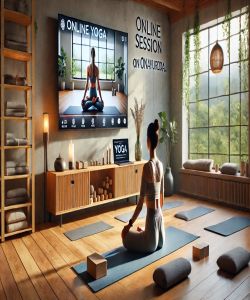
8. Online Yoga for Regular Periods
-
Uncompromising Accessibility and Discipline: The online format eradicates geographical and logistical barriers, making this specialised practice accessible to any individual with an internet connection. This democratisation of access does not imply a reduction in rigour. On the contrary, it places a higher demand on the individual’s self-discipline and commitment, as the external structure of a physical studio is absent. It is for the self-motivated practitioner.
-
Absolute Privacy and Focus: Engaging in this therapeutic practice from a private space allows for complete immersion without the potential distractions or self-consciousness of a group setting. This is particularly advantageous when dealing with a personal and sensitive health issue, fostering a secure environment where the practitioner can focus entirely on internal sensations and the precise execution of techniques.
-
Consistent and Repeatable Instruction: High-quality online programmes offer pre-recorded sessions led by expert instructors. This ensures that the instruction is consistent, precise, and can be repeated as necessary. The practitioner can revisit specific techniques or entire classes to master the nuances of each posture and breathing exercise, which is critical for therapeutic efficacy. This repeatability enforces a standard of excellence.
-
Bespoke Scheduling for Hormonal Optimisation: The online model provides unparalleled flexibility, allowing the practitioner to schedule sessions at times that are most conducive to their energy levels and hormonal state. This means one can practise at the optimal time of day to manage cortisol levels or align sessions perfectly with their individual lifestyle, ensuring the practice is integrated seamlessly and sustainably.
-
Access to Niche Expertise: The digital landscape provides access to a global pool of highly specialised instructors who focus exclusively on yoga for women's health. An individual is no longer limited to the generalist instructors in their local area. They can seek out and learn from leading authorities in the field, ensuring the guidance they receive is of the highest therapeutic calibre.
-
Cost-Effectiveness and Resource Control: Typically, online subscriptions or courses offer a more financially viable alternative to repeated in-person private sessions or specialised workshops. It eliminates travel costs and provides a wealth of resources, such as guided meditations and educational materials, that can be accessed at any time, placing a comprehensive toolkit for menstrual health directly into the hands of the practitioner.
9. Yoga for Regular Periods Techniques
-
Centring and Breath Awareness (Pratyahara): Begin in a comfortable seated position, such as Sukhasana (Easy Pose). The spine must be erect. Close the eyes and withdraw the senses from external stimuli. Direct all focus inward, observing the natural rhythm of the breath without manipulation. This initial step is non-negotiable; it shifts the mind from an active, external state to a receptive, internal one, preparing the nervous system for the subsequent work. This phase establishes the foundation of control.
-
Alternate Nostril Breathing (Nadi Shodhana): Using the right hand, fold the index and middle fingers. Close the right nostril with the thumb and inhale slowly and deeply through the left nostril. Close the left nostril with the ring finger, release the thumb, and exhale completely through the right nostril. Inhale through the right nostril, then close it and exhale through the left. This constitutes one complete round. Execute a minimum of ten rounds. This practice is mandatory for balancing the sympathetic and parasympathetic nervous systems.
-
Pelvic-Stimulating Asana Sequence: Execute the following postures with precision and sustained holds.
- Baddha Konasana (Bound Angle Pose): Sit with the soles of the feet together and knees out to the sides. Hold the feet and maintain a straight spine. This directly stimulates the ovaries and increases pelvic blood flow. Hold for a minimum of two minutes.
- Janu Sirsasana (Head-to-Knee Forward Bend): Extend one leg, with the sole of the other foot on the inner thigh. Fold over the extended leg. This compresses and massages the abdominal and pelvic organs. Hold for one minute on each side.
- Setu Bandhasana (Bridge Pose): Lie on the back, bend the knees, and lift the hips. This pose stimulates the thyroid gland and gently compresses the reproductive organs. Hold for one minute.
-
Restorative Inversion: Assume Viparita Karani (Legs-Up-the-Wall Pose). Lie on the back with the buttocks against a wall and legs extended vertically up the wall. This is a passive inversion that calms the nervous system, reduces pelvic congestion, and promotes lymphatic drainage. Remain in this posture for five to ten minutes.
-
Conscious Relaxation (Savasana): Lie flat on the back, with limbs uncrossed and palms facing up. Systematically release all muscular tension throughout the body. Remain completely still and mentally passive for a minimum of ten minutes. This final step is critical for integrating the physiological and neurological benefits of the entire practice. Skipping this negates much of the preceding effort.
10. Yoga for Regular Periods for Adults
The application of Yoga for Regular Periods for adults is a serious and strategic undertaking, demanding a mature and disciplined approach to self-regulation. For the adult woman, menstrual irregularities are not minor inconveniences but significant indicators of underlying physiological or psychological stress, hormonal imbalances, or the onset of metabolic conditions. This practice serves as a direct, non-invasive command system to restore systemic equilibrium. It requires the adult practitioner to move beyond the superficial aesthetics of yoga and engage with its profound biomechanical and neurological mechanisms. The focus is on precision of alignment in postures like Supta Baddha Konasana (Reclining Bound Angle Pose) to maximise therapeutic blood flow to the pelvic organs, and the diligent practice of pranayama such as Nadi Shodhana to exert conscious control over the autonomic nervous system. Adults often carry years of accumulated stress, which becomes physiologically embedded, disrupting the delicate HPO axis. This yoga protocol systematically dismantles that chronic stress response, recalibrating the body's hormonal feedback loops. It is particularly critical for adults navigating fertility challenges, managing conditions like PCOS or endometriosis, or transitioning through perimenopause. The practice is not a passive remedy; it is an active engagement where the adult takes full responsibility for her health, using these targeted techniques as tools to reclaim hormonal balance and menstrual predictability. It is a testament to the individual's commitment to achieving robust, autonomous health through disciplined and intelligent effort, confronting physiological dysfunction head-on with a potent, self-administered therapy.
11. Total Duration of Online Yoga for Regular Periods
The mandatory total duration for each online session of Yoga for Regular Periods is precisely 1 hr. This one-hour timeframe is not an arbitrary or flexible guideline; it is a clinical necessity, structured to ensure the progressive and complete activation of the required physiological responses for therapeutic effect. The session is meticulously partitioned. The initial phase is dedicated to centering the mind and initiating controlled breathing exercises, which prepares the nervous system for a parasympathetic shift. This is followed by the core segment of the practice, where a specific sequence of asanas is executed. This part requires adequate time to move through postures designed to stimulate endocrine glands and enhance pelvic circulation, holding each for a duration sufficient to elicit a therapeutic response. Rushing this section would render the practice ineffective. The final, and arguably most critical, portion of the 1 hr session is allocated to deep relaxation techniques, such as Savasana or Yoga Nidra. This concluding period is non-negotiable, as it is during this phase of profound rest that the nervous system integrates the benefits of the practice, cortisol levels fall significantly, and the body’s self-regulatory mechanisms are consolidated. To curtail the session would be to truncate this vital process, compromising the entire therapeutic outcome. The one-hour structure is a complete, indivisible unit of therapeutic work, engineered for maximum physiological impact. Adherence to this duration is a fundamental requirement for any practitioner serious about achieving results.
12. Things to Consider with Yoga for Regular Periods
Before embarking on this rigorous discipline, several critical factors must be uncompromisingly addressed. Firstly, this practice is a complementary therapy, not a replacement for orthodox medical diagnosis and treatment. Any persistent menstrual irregularity demands a thorough investigation by a qualified gynaecologist to rule out underlying structural or pathological conditions that require medical intervention. To use yoga as a sole remedy without a proper diagnosis is irresponsible and potentially dangerous. Secondly, the practitioner's mindset is paramount. This is not a casual fitness activity; it is a targeted therapeutic intervention that requires unwavering consistency and precision. Sporadic or half-hearted engagement will yield no results. A commitment to a regular, structured practice is non-negotiable. Furthermore, one must understand that physiological change is gradual. The expectation of immediate results is unrealistic and counterproductive. Regulating a complex hormonal system requires patience and persistence over several menstrual cycles. The body must be given time to respond and recalibrate. Finally, while the practice is generally safe, it must be adapted to individual needs and contraindications. Certain conditions, such as severe endometriosis, fibroids, or recent abdominal surgery, may require significant modifications to the practice. It is imperative to seek guidance from an instructor with demonstrable expertise in therapeutic and women’s health yoga, who can provide safe and effective modifications. Ignoring these considerations transforms a potent therapeutic tool into an ineffectual or even harmful exercise.
13. Effectiveness of Yoga for Regular Periods
The effectiveness of Yoga for Regular Periods is contingent upon its precise and consistent application as a targeted neuro-endocrinological intervention. Its efficacy is not rooted in mystical belief but in verifiable physiological mechanisms. The practice systematically addresses the primary drivers of menstrual irregularity: chronic stress and hormonal imbalance. Through the disciplined use of specific pranayama techniques, such as Nadi Shodhana, the practitioner gains direct regulatory control over the autonomic nervous system. This consciously shifts the body from a sympathetic-dominant (stress) state to a parasympathetic-dominant (rest and repair) state, which is the essential prerequisite for hormonal balance. This shift demonstrably lowers cortisol levels, a stress hormone that directly inhibits the function of the hypothalamic-pituitary-ovarian (HPO) axis. By removing this inhibitory stress response, the HPO axis can resume its natural, rhythmic signalling, leading to predictable ovulation and menstruation. Furthermore, the prescribed asanas are not random stretches; they are biomechanical tools engineered to increase arterial blood flow to the ovaries and uterus, improve the function of endocrine glands like the thyroid and adrenals, and release deep-seated tension in the pelvic girdle. When these components are integrated and practised with unwavering discipline, the result is a powerful, multi-pronged assault on the root causes of menstrual dysfunction. The effectiveness is therefore not a matter of chance but a direct consequence of physiological law. For the individual who commits to the rigour of the practice, it is a highly effective, non-pharmacological method for commanding and restoring menstrual regularity.
14. Preferred Cautions During Yoga for Regular Periods
It is imperative that the practitioner approaches Yoga for Regular Periods with a heightened sense of caution and physiological respect, as improper execution can be counterproductive or injurious. Foremost, one must cease all strenuous practice during active menstruation. The body during this phase is in a state of release, and applying intense abdominal pressure or engaging in deep inversions can disrupt the natural downward flow (apana vayu) and potentially exacerbate cramping or lead to retrograde menstruation. The practice must be modified to be gentle and restorative during these days. Furthermore, any posture that elicits sharp or persistent pain must be abandoned immediately. This is not a discipline of forcing the body into extreme shapes; it is about intelligent, therapeutic alignment. Pain is a clear biological signal that a boundary has been breached, and to ignore it is to risk musculoskeletal injury. Individuals with pre-existing conditions such as high blood pressure, glaucoma, or spinal disc issues must approach inversions like shoulder stand with extreme caution or avoid them entirely, seeking expert guidance on suitable alternatives. Finally, do not practise on a full stomach. A minimum of two to three hours should elapse after a main meal before commencing any session, as performing twists and forward bends with a full digestive system can cause significant discomfort and impede both digestion and the efficacy of the postures. Adherence to these cautions is not optional; it is a fundamental component of a safe, sustainable, and effective practice.
15. Yoga for Regular Periods Course Outline
-
Module 1: Foundational Principles and Physiological Assessment
- Introduction to the Hypothalamic-Pituitary-Ovarian (HPO) Axis.
- The Role of the Autonomic Nervous System and Cortisol in Menstrual Health.
- Self-Assessment: Understanding Your Unique Cycle and Symptoms.
- Core Safety Protocols and Contraindications.
-
Module 2: Mastering Pranayama for Hormonal Balance
- Technique Breakdown: Nadi Shodhana (Alternate Nostril Breathing).
- Technique Breakdown: Ujjayi Pranayama (Victorious Breath) for Nervous System Calming.
- The Application of Bhramari (Humming Bee Breath) for Stress Dissipation.
- Integration of Breath Control into Asana Practice.
-
Module 3: Core Asanas for Pelvic and Endocrine Health
- Section A: Hip-Opening and Circulation-Boosting Postures (Baddha Konasana, Upavistha Konasana).
- Section B: Gland-Stimulating Postures (Setu Bandhasana, Matsyasana, Sarvangasana - with modifications).
- Section C: Restorative and Grounding Postures (Supta Baddha Konasana, Viparita Karani).
- Principles of Precise Alignment for Maximum Therapeutic Effect.
-
Module 4: The Art of Deep Relaxation and Mind-Body Integration
- The Science and Practice of Yoga Nidra for Hormonal Regulation.
- Mastering Savasana (Corpse Pose) for Complete Systemic Integration.
- Mindfulness and Meditation Techniques to Manage Psychological Stressors.
-
Module 5: Cyclical Practice – Adapting Yoga to Your Menstrual Phases
- Follicular Phase (Pre-Ovulation): Dynamic and Energising Sequences.
- Ovulatory Phase: Open and Receptive Practices.
- Luteal Phase (Pre-Menstrual): Grounding and Calming Sequences.
- Menstrual Phase: Restorative and Nurturing Practices Only.
-
Module 6: Integration and Sustained Practice
- Developing a Personalised Daily Practice Regimen.
- Tracking Progress and Making Intelligent Adjustments.
- Lifestyle and Nutritional Considerations to Support Your Practice.
- Advanced Techniques and Long-Term Maintenance Strategies.
16. Detailed Objectives with Timeline of Yoga for Regular Periods
-
Weeks 1-4: Foundational Establishment and Nervous System Regulation
- Objective: To master the core pranayama techniques (Nadi Shodhana) and establish a consistent daily practice schedule. The primary goal is to initiate the down-regulation of the sympathetic nervous system.
- Timeline Action: Daily practice of 15 minutes of pranayama and 30 minutes of foundational asanas. The practitioner will demonstrate proficiency in aligning basic postures and maintaining focus.
-
Weeks 5-8: Enhancing Pelvic Consciousness and Circulation
- Objective: To deepen the practice with asanas specifically targeting the pelvic region, improving blood flow and releasing chronic muscular tension. The practitioner will develop a heightened awareness of the pelvic floor and hip girdle.
- Timeline Action: Introduction of longer holds in postures like Baddha Konasana and Upavistha Konasana. The daily practice extends to a full 60 minutes, integrating more complex hip-opening sequences.
-
Weeks 9-12 (End of Cycle 3): Initial Signs of Cyclical Shift
- Objective: To achieve a measurable reduction in PMS symptoms and/or initial shifts towards a more predictable cycle length. The practitioner will begin to intuitively adapt their practice according to their cycle's phases.
- Timeline Action: The practitioner will implement the principles of cyclical adaptation, choosing sequences appropriate for follicular and luteal phases. Journaling of symptoms and cycle length is mandatory to track objective data.
-
Months 4-6: Hormonal Stabilisation and Consolidation
- Objective: To consolidate the gains from the initial months, aiming for consistent cycle regularity. The practice becomes a deeply integrated and autonomous part of the practitioner’s lifestyle.
- Timeline Action: The practitioner will be fully proficient in self-guiding a 60-minute session, including advanced relaxation techniques like Yoga Nidra. Hormonal balance should be reflected in predictable cycles and significantly reduced menstrual-related discomfort.
-
Month 7 and Beyond: Long-Term Maintenance and Mastery
- Objective: To maintain a regular, healthy menstrual cycle autonomously and use the practice as a diagnostic tool to manage life stressors before they impact hormonal health.
- Timeline Action: The practice is now a permanent health maintenance strategy. The practitioner can confidently modify their regimen to address any new stressors or life changes, demonstrating complete command over the therapeutic application of the techniques.
17. Requirements for Taking Online Yoga for Regular Periods
-
Unwavering Self-Discipline: The foremost requirement is a non-negotiable commitment to a consistent and regular practice schedule. The online format lacks external enforcement; therefore, the onus of discipline rests entirely upon the individual.
-
A Dedicated and Private Practice Space: A quiet, clean, and uncluttered area is mandatory. This space must be free from interruptions and distractions to allow for the deep focus required for therapeutic efficacy.
-
Reliable High-Speed Internet Connection: A stable and robust internet connection is essential to ensure uninterrupted streaming of instructional videos and live sessions. Technical failures compromise the integrity and flow of the practice.
-
Appropriate Technical Equipment: A device with a screen large enough to clearly view the instructor's demonstrations (e.g., a laptop, tablet, or smart television) is required. Relying on a small smartphone screen is inadequate for observing the nuances of alignment.
-
Essential Yoga Equipment: The practitioner must procure a non-slip yoga mat. Additionally, standard props are not optional but necessary for correct therapeutic alignment and support: two yoga blocks, a firm bolster, and at least one sturdy blanket.
-
Willingness to Be Medically Cleared: Prior to commencement, the individual must have consulted a medical professional to diagnose the cause of their menstrual irregularity and to rule out any contraindications to a yoga practice.
-
Absolute Honesty in Self-Assessment: The practitioner must be capable of honestly assessing their physical limitations and energy levels on any given day, and be willing to modify the practice accordingly. Ego-driven pushing is antithetical to the therapeutic goal.
-
Commitment to Learning Anatomical and Physiological Principles: A passive approach is insufficient. The practitioner must be willing to engage with the educational components of the course to understand why each technique is being employed, fostering an intelligent and empowered practice.
18. Things to Keep in Mind Before Starting Online Yoga for Regular Periods
Before commencing an online Yoga for Regular Periods programme, it is imperative to adopt a mindset of rigorous self-reliance and realistic expectation. The digital medium, whilst convenient, removes the immediate, hands-on correction of a live instructor. You alone are responsible for interpreting instruction, maintaining precise alignment, and listening to your body's signals to prevent injury. This demands a heightened level of introspection and body awareness. You must understand that this is not a panacea that delivers instantaneous results. The regulation of the intricate endocrine system is a gradual process, often requiring several full menstrual cycles of consistent, dedicated practice before tangible shifts are observed. Impatience is your primary adversary. Furthermore, the quality of online instruction varies immensely. It is your duty to conduct thorough due diligence, selecting a programme led by a highly qualified instructor with specific, verifiable expertise in yoga therapy for women's health, not a generic fitness influencer. Scrutinise their credentials and teaching philosophy. Finally, acknowledge that this practice is one component of a holistic strategy. Its effects will be significantly amplified or negated by your lifestyle choices concerning nutrition, sleep, and overall stress management. To expect yoga alone to correct a cycle whilst ignoring these other critical factors is to set oneself up for failure. This is a serious commitment to systemic change, not a casual digital class.
19. Qualifications Required to Perform Yoga for Regular Periods
The performance and instruction of Yoga for Regular Periods demand a level of qualification far exceeding that of a standard yoga teacher. It is a therapeutic specialisation, and practitioners seeking guidance must demand evidence of rigorous, specific training. The baseline qualification is an advanced certification (e.g., 500-hour level or higher) from a reputable yoga school. However, this is merely the foundation.
The critical, non-negotiable qualification is specialised, post-graduate training in yoga therapy. This must be a comprehensive programme, not a weekend workshop. Specifically, the instructor must possess certifications or demonstrable, in-depth training in areas such as:
- Women’s Health Yoga: This includes a deep, evidence-based understanding of the female anatomy, the physiology of the menstrual cycle, and common gynaecological conditions like PCOS, endometriosis, and fibroids.
- Therapeutic Yoga Applications: The instructor must be trained to adapt yoga practices for specific health conditions, understanding contraindications and how to safely and effectively modify postures for individuals with varying physical limitations.
- Restorative Yoga: Formal training in this modality is essential, as stress reduction is a cornerstone of hormonal regulation. The instructor must be an expert in the science and application of deep relaxation.
- Hormonal Yoga Therapy: While not mandatory for all, a certification in a specific system like Dinah Rodrigues' Hormonal Yoga Therapy indicates a high level of specialisation in directly targeting the endocrine system.
Furthermore, a qualified instructor must possess a robust understanding of the interplay between the nervous and endocrine systems. They should be able to articulate the physiological mechanisms by which pranayama and asana influence the HPO axis. Experience is also paramount; a proven track record of working with clients on menstrual health issues is a far more potent indicator of competence than a list of certificates alone. In summary, the required qualification is that of a yoga therapist, not simply a yoga teacher.
20. Online Vs Offline/Onsite Yoga for Regular Periods
Online
The online modality for Yoga for Regular Periods operates on the principles of autonomy, accessibility, and consistency. Its primary advantage is the elimination of geographical and scheduling constraints, mandating a high degree of self-discipline from the practitioner. The environment is entirely controlled by the individual, offering absolute privacy which can be conducive to the deep, introspective work required. Instruction is often delivered via pre-recorded modules, ensuring a perfectly consistent, repeatable standard of teaching that the practitioner can revisit to master complex techniques. This format grants access to a global elite of specialised instructors, rather than being limited to local availability. However, its significant drawback is the absence of direct, physical feedback. The practitioner is solely responsible for ensuring correct alignment, running the risk of performing postures ineffectively or unsafely if their proprioception is underdeveloped. It is a mode best suited for the highly motivated, self-aware individual who is capable of translating verbal cues into precise physical action without hands-on adjustment.
Offline/Onsite
The offline, or onsite, experience is defined by direct, personalised guidance and communal energy. The instructor can provide immediate, tactile adjustments, correcting misalignments and ensuring that postures are performed with maximum therapeutic benefit and minimal risk of injury. This is an invaluable asset, particularly for beginners or those with physical limitations. The instructor can observe the practitioner's breathing, energy levels, and subtle physical cues, tailoring the session in real-time. The structured environment of a studio and the presence of a group can foster a sense of commitment and accountability that may be lacking in a solitary online practice. The primary limitations are logistical and financial. Onsite classes are bound by a fixed schedule and location, demanding more from the practitioner in terms of time and travel. Access to truly specialised instructors may be limited or non-existent depending on one's geographical location, and the cost per session is invariably higher than that of an online subscription.
21. FAQs About Online Yoga for Regular Periods
Question 1. Is this a replacement for seeing a doctor?
Answer: Absolutely not. This is a complementary practice. A full medical diagnosis from a qualified gynaecologist is mandatory before commencing.
Question 2. How quickly will I see results?
Answer: Physiological change is gradual. Expect to commit to a consistent practice for at least three full menstrual cycles before observing significant, stable results.
Question 3. Can I practise during my period?
Answer: Yes, but the practice must be modified. Avoid inversions and intense abdominal work. Focus exclusively on gentle, restorative postures.
Question 4. What if I am a complete beginner to yoga?
Answer: It is possible to begin, but you must select a programme designed specifically for beginners that heavily emphasises foundational alignment and safety.
Question 5. Do I need any special equipment?
Answer: Yes. A non-slip mat, two blocks, a bolster, and a blanket are not optional; they are required for effective and safe practice.
Question 6. Is this effective for PCOS?
Answer: It is a highly effective complementary management strategy for PCOS, as it directly targets stress and hormonal imbalance.
Question 7. Will this help with fertility?
Answer: By promoting a regular ovulatory cycle and reducing stress, it creates a physiological environment more conducive to conception.
Question 8. What if a posture causes pain?
Answer: Stop immediately. Pain is a signal to cease or modify. The practice must be therapeutic, not injurious.
Question 9. How is this different from a regular online yoga class?
Answer: It is highly specialised. Every posture and technique is selected for its specific therapeutic effect on the reproductive and endocrine systems.
Question 10. Can I do this while on hormonal birth control?
Answer: The practice will primarily help with stress reduction, but its cycle-regulating effects will be masked by the synthetic hormones.
Question 11. Is there an ideal time of day to practise?
Answer: Consistency is more important than timing. However, many find a morning practice effective for setting a calm tone for the day.
Question 12. What if I miss a day?
Answer: Do not be discouraged. Resume your practice the following day. Consistency over the long term is the objective.
Question 13. Can this make my period worse initially?
Answer: It is uncommon, but any major shift in routine can cause temporary fluctuations. Persist with the practice unless symptoms are severe.
Question 14. Is there a diet I should follow alongside this?
Answer: A balanced, whole-foods diet will significantly enhance the effects of the practice. Consult a nutritionist for personalised advice.
Question 15. Will this help with PMS mood swings?
Answer: Yes. By balancing hormones and calming the nervous system, it is highly effective at mitigating emotional volatility.
Question 16. Are there any age restrictions?
Answer: It is suitable for individuals from post-menarche through perimenopause.
22. Conclusion About Yoga for Regular Periods
In conclusion, Yoga for Regular Periods must be understood not as a passive wellness trend but as a formidable and exacting discipline of physiological self-regulation. It is a direct, non-pharmacological intervention designed to command the body’s neuroendocrine systems and impose order on a dysfunctional menstrual cycle. The methodology is robust, leveraging a precise combination of asana, pranayama, and meditative practices to systematically dismantle the chronic stress responses that lie at the heart of hormonal imbalance. Its efficacy is not a matter of belief but a consequence of applied biology—the targeted stimulation of endocrine glands, the enhancement of pelvic circulation, and the deliberate modulation of the hypothalamic-pituitary-ovarian axis. This is not a practice for the irresolute. It demands unwavering consistency, intellectual engagement with its principles, and a profound commitment to reclaiming one’s own bodily autonomy. For the individual willing to embrace its rigour, it offers a sustainable and empowering pathway to achieving not just menstrual regularity, but a state of profound systemic health and equilibrium. It is the definitive choice for those who reject passive victimhood to their physiology and instead choose to actively engineer their own well-being through intelligent, disciplined action.