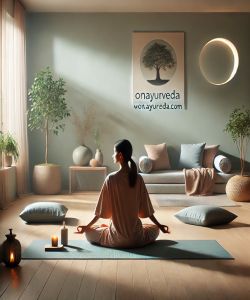
1. Overview of Yoga for Stress Relief
Yoga for stress relief constitutes a systematic, disciplined, and profoundly effective methodology for the deliberate regulation of the human stress response. It is not a mere collection of physical exercises or passive relaxation techniques; rather, it is an integrated discipline that methodically combines precise physical postures (Asana), controlled respiratory techniques (Pranayama), and focused mental concentration (Dhyana) to achieve a state of psychophysiological equilibrium. This practice directly engages with the autonomic nervous system, actively downregulating the sympathetic 'fight-or-flight' response and concurrently upregulating the parasympathetic 'rest-and-digest' system. The core tenet of this approach is the principle of interoception—the cultivation of a heightened awareness of the body's internal state. Through this refined self-awareness, the practitioner learns to identify the nascent physiological signals of stress and deploy specific yogic tools to mitigate their escalation. It operates on the fundamental understanding that the mind and body are an inseparable continuum; therefore, by imposing order and stillness on the physical body through controlled movement and breath, a corresponding state of calm and clarity is induced in the mind. This modality is not a palliative measure but a proactive strategy for building resilience, enhancing emotional regulation, and establishing a robust internal locus of control. It demands consistency, discipline, and a commitment to mastering its techniques, offering in return a formidable capacity to navigate and neutralise the pervasive stressors of contemporary existence. It is, in essence, a sophisticated system of self-mastery, engineered to reclaim autonomic function from the clutches of chronic stress and restore homeostatic balance. The practice is therefore positioned as an essential component of any serious personal performance and well-being strategy.
2. What is Yoga for Stress Relief?
Yoga for stress relief is a targeted application of yogic science, specifically engineered to interrupt and manage the body’s acute and chronic stress cycles. It transcends the objectives of conventional fitness-oriented yoga by prioritising the modulation of the nervous system and the endocrine system over aesthetic or athletic achievement. The fundamental purpose is to directly influence the hypothalamic-pituitary-adrenal (HPA) axis, the primary pathway governing the stress response, thereby reducing the circulation of stress hormones such as cortisol and adrenaline. This is achieved through a carefully curated synthesis of specific practices designed to elicit a profound relaxation response.
This specialised discipline is constructed upon several key pillars:
- Asana (Postures): The physical postures selected are predominantly those that encourage introspection, release physical tension stored in deep muscle fascia, and promote stillness. Unlike dynamic, heat-building sequences, the emphasis is on slow, deliberate movements and sustained holds, particularly in restorative and yin-style poses that calm the nervous system.
- Pranayama (Breath Control): This is the most critical component. Techniques are employed to lengthen the exhalation phase of the breath, which directly stimulates the vagus nerve. This stimulation is the primary mechanism for activating the parasympathetic nervous system, leading to a measurable decrease in heart rate, blood pressure, and muscle tension.
- Dhyana (Meditation) and Dharana (Concentration): The practice incorporates mindfulness and focused attention to anchor the mind in the present moment. This component trains the practitioner to observe thoughts and sensations without reactive engagement, breaking the cognitive feedback loops of anxiety and worry that perpetuate the stress response.
Ultimately, yoga for stress relief is a therapeutic modality. It is a form of somatic education that empowers the individual with a toolkit of self-regulatory techniques. It is not about achieving complex postures but about utilising the body and breath as precise instruments to recalibrate the mind and restore a state of internal balance and resilience.
3. Who Needs Yoga for Stress Relief?
- High-Pressure Professionals: Executives, managers, legal professionals, medical personnel, and individuals in roles characterised by relentless deadlines, high stakes, and significant cognitive load. This practice provides a systematic mechanism to discharge accumulated occupational stress and prevent professional burnout.
- Individuals with Anxiety Disorders: Those diagnosed with or experiencing symptoms of Generalised Anxiety Disorder, Panic Disorder, or social anxiety. The discipline offers a non-pharmacological, somatic-based approach to regulate an overactive sympathetic nervous system and mitigate hypervigilance.
- Persons Experiencing Chronic Pain: Individuals suffering from conditions such as fibromyalgia, lower back pain, or tension headaches. The gentle movements and focus on interoceptive awareness can alter pain perception and release the muscular tension that often exacerbates chronic pain conditions.
- Those with Sleep Disturbances: Individuals afflicted by insomnia, fragmented sleep, or difficulty initiating sleep. The practice’s parasympathetic-activating techniques prepare the body and mind for rest, improving both the quality and duration of sleep by reducing nocturnal cortical arousal.
- Students and Academics: Individuals subjected to the intense pressures of academic performance, examinations, and research. Yoga provides essential tools for managing performance anxiety, enhancing focus, and maintaining cognitive clarity under duress.
- Carers and Parents: Individuals in demanding caregiving roles who frequently experience emotional and physical exhaustion. This discipline offers a structured opportunity for self-regulation and replenishment, countering the effects of caregiver fatigue.
- Individuals Undergoing Major Life Transitions: Persons navigating significant life events such as bereavement, divorce, or career changes. The practice provides a grounding mechanism to foster emotional stability and resilience during periods of uncertainty and upheaval.
- Anyone Seeking Proactive Mental Health Maintenance: Proactive individuals who recognise the corrosive impact of low-grade, persistent stress and seek to implement a robust, preventative strategy to safeguard their long-term mental and physical well-being. This is not merely for the distressed, but for the disciplined.
4. Origins and Evolution of Yoga for Stress Relief
The conceptual origins of yoga as a method for mental and physiological control are deeply embedded in ancient Indian philosophical traditions, codified most notably in Patanjali's Yoga Sutras around 2,000 years ago. The foundational text opens with the definitive statement, "Yogas-citta-vrtti-nirodhah," which translates to "Yoga is the cessation of the fluctuations of the mind." This primary objective—the attainment of mental stillness and liberation from internal turmoil—is the ancient precursor to the modern concept of stress relief. The early yogic systems were not concerned with physical fitness but were sophisticated psychospiritual disciplines designed to master the inner landscape, viewing the untamed mind as the source of human suffering. Practices like Pranayama (breath control) and Pratyahara (withdrawal of the senses) were explicitly designed to quiet the nervous system and achieve a state of profound internal quietude.
The evolution from this esoteric discipline to a widely accepted therapeutic modality for stress is a phenomenon of the 20th and 21st centuries. This transformation was catalysed by the dissemination of yoga to the West by influential gurus and, critically, its subsequent investigation by the scientific and medical communities. As researchers began to apply the rigorous methodologies of modern science, they uncovered the tangible, measurable effects of yogic practices on human physiology. Studies demonstrated yoga's capacity to reduce circulating cortisol, lower blood pressure, increase heart rate variability (a key indicator of stress resilience), and alter brain activity in regions associated with emotional regulation, such as the prefrontal cortex and the amygdala.
This empirical validation stripped away the purely mystical connotations and repositioned yoga as a legitimate form of mind-body medicine. This led to the development of specific, secularised protocols and styles—such as Restorative Yoga and trauma-informed yoga—explicitly tailored to address the symptoms of chronic stress, anxiety, and trauma. The practice evolved from a path to spiritual enlightenment into a pragmatic, evidence-based tool for managing the pathologies of modern life. It is now prescribed by clinicians and integrated into corporate wellness programmes, representing the full maturation of an ancient science into a contemporary therapeutic necessity.
5. Types of Yoga for Stress Relief
- Hatha Yoga: This is the foundational form of physical yoga from which most other styles derive. For stress relief, Hatha is ideal due to its slower, more deliberate pace. Poses are held for several breaths, providing ample time to focus on precise physical alignment and deep, conscious breathing. This methodical approach systematically calms the nervous system and encourages a meditative state of mind, making it an excellent entry point for stress reduction.
- Restorative Yoga: This practice is engineered specifically for deep relaxation and nervous system regulation. It utilises an array of props—such as bolsters, blankets, and blocks—to completely support the body in passive postures. Poses are held for extended periods, demanding no muscular effort. This complete physical support allows the body to release deep-seated tension and triggers a profound parasympathetic response, making it one of the most direct yogic antidotes to chronic stress.
- Yin Yoga: A quiet, contemplative practice that targets the deep connective tissues of the body—the ligaments, joints, and fascia. Postures, primarily seated or supine, are held for long durations, typically several minutes at a time. This sustained, passive stress on the tissues promotes hydration and mobility while also challenging the practitioner to cultivate mental stillness and surrender. The practice is a powerful tool for releasing both physical and emotional blockages.
- Yoga Nidra: Often translated as "yogic sleep," this is a guided meditation practice conducted while lying down in a state of complete stillness (Savasana). It systematically guides the practitioner through different stages of consciousness, leading to a state of profound relaxation that is deeper than conventional sleep. It is exceptionally effective for combating stress, anxiety, and insomnia by directly calming the mind and resetting the nervous system.
- Viniyoga: A highly individualised and therapeutic approach to yoga. The practice is adapted to the specific needs, physical condition, and goals of the individual practitioner. In the context of stress relief, a Viniyoga sequence would be carefully designed to emphasise breath-synchronised movement, focusing on therapeutic function over aesthetic form to maximise its calming and regulatory effects.
6. Benefits of Yoga for Stress Relief
- Physiological De-escalation: Systematically downregulates the sympathetic nervous system's 'fight-or-flight' response, leading to a measurable reduction in heart rate, blood pressure, and respiratory rate.
- Hormonal Regulation: Directly mitigates the production and circulation of primary stress hormones, notably cortisol and adrenaline, thereby reducing their corrosive long-term effects on the body.
- Enhanced Vagal Tone: Increases the activity of the vagus nerve, a key component of the parasympathetic nervous system, which improves the body’s ability to relax and recover from stressful events.
- Improved Respiratory Efficacy: Develops conscious control over the breath, promoting deeper, more efficient diaphragmatic breathing patterns that oxygenate the blood and calm the entire physiological system.
- Reduction of Muscular Armouring: Releases chronic tension held in muscle and connective tissue, particularly in common stress-holding areas like the neck, shoulders, and lower back.
- Increased Interoceptive Awareness: Cultivates a heightened sensitivity to the body's internal signals, enabling the early detection and pre-emptive management of the physical symptoms of rising stress.
- Neuroplasticity and Brain Function: Promotes positive changes in brain structure and function, increasing grey matter density in areas associated with emotional regulation, self-awareness, and learning, such as the prefrontal cortex.
- Improved Sleep Architecture: Facilitates the onset of sleep and enhances its quality and duration by calming the nervous system and reducing the cognitive rumination that frequently leads to insomnia.
- Enhanced Emotional Regulation: Provides the mental space and physiological calm necessary to observe emotional responses without immediate, maladaptive reactivity, fostering greater emotional stability and resilience.
- Cultivation of Mindfulness: Trains the mind to remain anchored in the present moment, breaking the cycle of anxious anticipation about the future and ruminative thoughts about the past, which are primary drivers of psychological stress.
7. Core Principles and Practices of Yoga for Stress Relief
- Ahimsa (Non-Harming): The foundational principle is to approach the practice without aggression towards oneself. This translates to honouring the body's current limitations, never forcing a posture to the point of pain, and abandoning self-critical thought patterns. For stress relief, this means treating the practice as a form of self-care, not another performance metric.
- Pranayama (Conscious Breath Regulation): This is the central practice for direct nervous system intervention. The primary technique involves extending the exhalation to be longer than the inhalation. This action mechanically stimulates the vagus nerve, which in turn activates the parasympathetic (rest-and-digest) nervous system, providing an immediate and powerful antidote to the sympathetic stress response. Mastering the breath is non-negotiable.
- Asana (Mindful Posture): Postures are not executed for athletic display but as vehicles for interoception and tension release. The focus is on slow, deliberate movement and sustained, comfortable holds. Restorative and supine poses are prioritised to minimise effort and maximise relaxation, allowing the practitioner to observe and release physical holding patterns associated with stress.
- Pratyahara (Withdrawal of the Senses): This principle involves consciously directing attention inward, away from external stimuli. Practices like closing the eyes, focusing on the internal sensation of breath, or using props to block out light and sound are employed to reduce sensory input. This quiets the mind and creates a sanctuary from the overstimulation that fuels stress.
- Dharana (Concentration) and Dhyana (Meditation): The practice demands unwavering focus on a single point, such as the breath, a physical sensation, or a mantra. This discipline trains the mind to resist distraction and rumination. Over time, sustained concentration (Dharana) evolves into a state of effortless meditative absorption (Dhyana), breaking the cognitive habits of worry and anxiety.
- Savasana (Conscious Relaxation): Every session must conclude with a period of complete stillness in the corpse pose. This is not sleep but a state of conscious relaxation where the body is completely inert, allowing the full integration of the practice's physiological and neurological benefits. It is the critical phase for consolidating the relaxation response.
8. Online Yoga for Stress Relief
- Unconditional Accessibility: The online modality removes geographical and logistical barriers to entry. It provides immediate access to high-calibre instruction regardless of the practitioner's location, eliminating the time and effort costs associated with travel to a physical studio. This accessibility ensures consistency, a critical factor for effective stress management.
- Environmental Control and Privacy: Practitioners operate within a self-controlled environment. This allows for the creation of a private, secure, and non-judgmental space, which is paramount for stress reduction. The absence of perceived social pressure or comparison with others in a class fosters deeper introspection and allows the individual to focus entirely on their internal experience without distraction.
- Absolute Scheduling Autonomy: Online platforms offer unparalleled flexibility. Practices can be scheduled to fit precisely within the individual's own timetable, whether through live-streamed classes at various times or a vast library of on-demand content. This autonomy removes the stress of adhering to a rigid, external schedule, making the practice sustainable for those with demanding or unpredictable lives.
- Specialised and Niche Instruction: The digital marketplace provides access to a global network of instructors who specialise explicitly in therapeutic yoga for stress, anxiety, and trauma. Practitioners can select a teacher whose methodology, tone, and expertise are perfectly aligned with their specific needs, an option often unavailable in a limited local market.
- Cost-Effectiveness and Resource Efficiency: Engaging with yoga online is typically a more financially viable option than attending in-person classes. It eliminates associated costs such as travel and premium studio fees, making a consistent, high-quality practice more attainable and sustainable over the long term. The practitioner can also use simple, readily available props at home.
- Repeatability and Reinforcement: On-demand online classes permit the practitioner to repeat specific sessions as many times as necessary. This capacity for repetition is crucial for mastering foundational breathing techniques and postures, allowing for the deep integration of the skills required for effective self-regulation and stress reduction.
9. Yoga for Stress Relief Techniques
-
Technique: Diaphragmatic Breathing (Three-Part Breath)
- Step 1: Assume Position. Lie supine on a firm, flat surface with knees bent and feet flat on the floor. Place one hand on the lower abdomen and the other on the chest. Close the eyes.
- Step 2: Initial Inhalation. Inhale slowly and deeply through the nostrils, directing the breath first into the lower abdomen. Actively feel the abdomen rise into the hand.
- Step 3: Continued Inhalation. Once the abdomen is full, continue the inhalation, allowing the breath to expand into the rib cage, feeling the ribs widen to the sides.
- Step 4: Final Inhalation. Complete the inhalation by drawing the breath into the upper chest, feeling a slight lift under the hand placed there. The entire inhalation should be one smooth, continuous flow.
- Step 5: Controlled Exhalation. Exhale slowly and completely through the nostrils, releasing the breath in the reverse order: first from the chest, then the ribs, and finally, gently contracting the abdominal muscles to expel the last of the air. Ensure the exhalation is at least as long as, or longer than, the inhalation.
- Step 6: Repetition. Repeat this cycle for a minimum of ten complete rounds, maintaining unwavering focus on the physical sensations of the breath moving through the body.
-
Technique: Legs-Up-The-Wall Pose (Viparita Karani)
- Step 1: Positioning. Place a folded blanket or a firm bolster a few inches from a clear wall. Sit sideways on the prop with one hip against the wall.
- Step 2: Entry. In one fluid motion, swing the legs up the wall while simultaneously lowering the torso and head to the floor. The buttocks should be resting on or very near the prop, and the lower back should feel supported.
- Step 3: Refinement. Adjust the body so the legs are resting passively against the wall. The arms can rest by the sides, palms facing up. The body should be in a state of complete ease.
- Step 4: Maintain and Breathe. Remain in this posture for five to fifteen minutes. Close the eyes and engage in slow, diaphragmatic breathing. The objective is complete passivity.
10. Yoga for Stress Relief for Adults
The application of yoga for stress relief is of paramount importance for the adult demographic, which is uniquely besieged by a confluence of persistent, high-stakes stressors. The responsibilities of career progression, financial management, parenthood, and maintaining relationships create a complex matrix of demands that perpetually activate the body's sympathetic nervous system. Unlike the transient stressors of youth, adult pressures are often chronic and insidious, leading to a state of allostatic overload where the physiological systems designed for short-term crisis management become detrimentally engaged over the long term. This results in a well-documented cascade of negative health outcomes, including hypertension, compromised immune function, cognitive decline, and mental health disorders. Yoga for stress relief serves as a direct and potent countermeasure to this modern affliction. It provides a structured, replicable discipline through which adults can reclaim agency over their own physiology. It is not an escape, but a strategic engagement. The practice equips adults with the tangible skills of interoception and autonomic regulation, allowing them to consciously de-escalate their stress response in real-time. It moves beyond mere stress management to cultivate genuine stress resilience, building the capacity to absorb and recover from life's pressures without succumbing to burnout or chronic illness. For adults, this practice is not a recreational activity or a luxury; it is an essential tool for maintaining operational effectiveness, preserving long-term health, and navigating the inherent complexities of modern adult life with stability and composure. It is a critical investment in personal sustainability.
11. Total Duration of Online Yoga for Stress Relief
The designated total duration for a comprehensive and effective online yoga for stress relief session is unequivocally established at 1 hr. This specific timeframe is not arbitrary; it is a strategically determined interval required to facilitate the full physiological and psychological arc necessary for genuine nervous system regulation. A session of 1 hr allows for a structured and unhurried progression through several critical phases, each indispensable to the overall therapeutic outcome. The initial phase is dedicated to centering and gentle warm-ups, allowing the practitioner to transition from a state of external engagement to one of internal focus. The central, most substantial portion of the 1 hr is dedicated to the core practice of Asana (postures) and Pranayama (breathwork), where the primary work of releasing physical tension and calming the autonomic nervous system occurs. Following this, a dedicated period is required for cooling down, incorporating gentle stretches and counter-poses to restore the body to a neutral state. The final and most crucial segment of the 1 hr session is reserved for Savasana (corpse pose) or Yoga Nidra (yogic sleep), a period of deep, uninterrupted rest. This final phase is non-negotiable, as it is during this time that the body and mind assimilate the benefits of the practice, consolidating the shift from sympathetic to parasympathetic dominance. Any duration less than 1 hr would necessitate compromising one or more of these essential components, thereby severely diminishing the practice’s efficacy and transforming it from a deep therapeutic intervention into a superficial stretching exercise. The 1 hr duration is the minimum standard for a professional, results-oriented session.
12. Things to Consider with Yoga for Stress Relief
Engaging with yoga as a modality for stress relief demands a series of critical considerations to ensure both its efficacy and safety. Foremost is the imperative to select a qualified and experienced instructor, one with specific training in therapeutic or restorative yoga. The practice is not merely about executing shapes; it is a nuanced intervention on the nervous system, and unqualified guidance can be ineffective or even counterproductive. Secondly, the practitioner must manage their expectations with rigour. Yoga is a discipline, not a panacea. Its benefits are cumulative and contingent upon consistent, dedicated practice over time. The expectation of an immediate or total eradication of stress is unrealistic and undermines the commitment required for meaningful progress. Furthermore, one must cultivate a profound respect for the body's current capabilities and limitations. The principle of Ahimsa, or non-harming, is paramount. The practitioner must learn to distinguish between the sensation of a productive stretch and the sharp signal of pain, ceasing any movement that causes the latter. Finally, the environment for practice is a significant factor. It must be a quiet, private, and uncluttered space, free from the very distractions and interruptions that contribute to stress. Without creating this sanctuary, the practitioner’s ability to turn their focus inward—a prerequisite for stress reduction—will be fundamentally compromised. Acknowledging these factors is not optional; it is integral to the successful application of yoga as a serious tool for self-regulation.
13. Effectiveness of Yoga for Stress Relief
The effectiveness of yoga for stress relief is not a matter of anecdotal conjecture but a conclusion substantiated by a substantial and growing body of empirical evidence. This discipline functions as a potent, non-pharmacological intervention that directly targets the core neurobiological mechanisms of the human stress response. Its efficacy stems from its multi-pronged approach, which simultaneously addresses the physiological, cognitive, and emotional components of stress. On a physiological level, the consistent practice of controlled breathing (Pranayama) and specific postures (Asana) has been demonstrated to increase vagal tone, a key indicator of the parasympathetic nervous system's health, leading to lower resting heart rate and blood pressure. It demonstrably reduces circulating levels of the stress hormone cortisol, mitigating its catabolic effects on the body. Neurologically, functional MRI studies reveal that yoga practice can downregulate activity in the amygdala, the brain's threat-detection centre, while increasing activity and grey matter volume in the prefrontal cortex, the seat of emotional regulation and executive function. This fosters a shift from reactive, bottom-up emotionality to considered, top-down self-regulation. Psychologically, the integrated mindfulness component trains the practitioner to de-identify from stressful thoughts, observing them as transient mental events rather than absolute realities. This cognitive defusion breaks the ruminative cycles that fuel anxiety. Therefore, the effectiveness of yoga for stress relief is robust and multifaceted, positioning it as a premier, evidence-based strategy for building resilience and mastering one's own internal state.
14. Preferred Cautions During Yoga for Stress Relief
A rigorous adherence to specific cautions is non-negotiable to ensure the safety and integrity of a yoga practice designed for stress relief. The primary directive is the absolute avoidance of pain. A clear and uncompromising distinction must be maintained between the sensation of muscular or connective tissue engagement and the sharp, burning, or electrical signal of pain, which indicates potential injury. Any movement eliciting pain must be immediately ceased or modified. Practitioners must abandon any notion of competition, whether with others or with a preconceived image of their own performance; this practice is a tool for self-regulation, not a forum for athletic achievement. Individuals with pre-existing medical conditions—including but not limited to hypertension, glaucoma, spinal injuries, or recent surgery—are mandated to seek clearance from a qualified medical professional before commencing practice and must disclose all such conditions to their instructor without exception. This allows for essential modifications to be provided. During inverted or forward-bending postures, individuals must be particularly cautious to avoid strain on the neck and spine. The practice environment itself must be secure and free of hazards. Finally, emotional releases can occur during deep relaxation practices; practitioners should be prepared for this possibility and understand it as a normal part of the process, yet seek professional mental health support if such experiences become overwhelming. These cautions are not mere suggestions; they are fundamental rules of engagement for a safe and effective practice.
15. Yoga for Stress Relief Course Outline
-
Module 1: Foundational Principles and Somatic Awareness
- Session 1.1: Introduction to the Autonomic Nervous System: Sympathetic vs. Parasympathetic.
- Session 1.2: The Core Principle of Interoception: Cultivating Internal Body-Scan Techniques.
- Session 1.3: Establishing a Foundational Posture (Sukhasana) and Body Awareness.
- Session 1.4: Introduction to Savasana (Corpse Pose): The Art of Conscious Relaxation.
-
Module 2: The Primacy of Breath (Pranayama)
- Session 2.1: Mastering Diaphragmatic Breathing: The Biomechanical Basis of Calm.
- Session 2.2: Ujjayi Pranayama (Victorious Breath): Creating Auditory Feedback for Focus.
- Session 2.3: Sama Vritti (Equal Ratio Breathing): Establishing Rhythmic Coherence.
- Session 2.4: The Extended Exhalation: Direct Vagal Nerve Stimulation Techniques.
-
Module 3: Asana for Nervous System Downregulation
- Session 3.1: Gentle Seated Postures: Releasing Tension in the Hips and Spine (e.g., Baddha Konasana).
- Session 3.2: Grounding Standing Poses: Cultivating Stability and Presence (e.g., Tadasana).
- Session 3.3: Gentle Forward Folds: Calming the Central Nervous System (e.g., Paschimottanasana).
- Session 3.4: Restorative Supine Poses: Passive Release and Support (e.g., Supta Baddha Konasana).
-
Module 4: Introduction to Restorative and Yin Yoga
- Session 4.1: The Principles of Proprioception: Utilising Bolsters, Blocks, and Blankets.
- Session 4.2: Key Restorative Postures for Deep Rest (e.g., Supported Child’s Pose, Viparita Karani).
- Session 4.3: Introduction to Yin Yoga: Targeting Deep Fascial Tissues.
- Session 4.4: A Full Restorative Sequence for Comprehensive Stress Release.
-
Module 5: Mindfulness, Meditation, and Integration
- Session 5.1: The Practice of Dharana (Concentration): Single-Pointed Focus Techniques.
- Session 5.2: Introduction to Yoga Nidra (Yogic Sleep): Guided Systemic Relaxation.
- Session 5.3: Developing a Personal Practice: Structuring a Self-Led Session.
- Session 5.4: Integration Strategies: Applying Yogic Principles to Off-the-Mat Stressors.
16. Detailed Objectives with Timeline of Yoga for Stress Relief
-
Initial Phase (First Quarter of Programme): Foundational Skill Acquisition
- Objective 1: To achieve conscious control and mastery of diaphragmatic breathing, demonstrating the ability to initiate breath from the abdomen without thoracic restriction.
- Objective 2: To develop a high degree of interoceptive awareness, being able to identify and articulate specific areas of physical tension within the body during stillness and gentle movement.
- Objective 3: To establish proficiency in executing three foundational grounding postures (e.g., Tadasana, Sukhasana, Savasana) with correct alignment and mental focus, holding each for a sustained period without distress.
-
Mid-Point Phase (Second Quarter of Programme): Application and Deepening
- Objective 4: To demonstrate the ability to synchronise breath with movement (vinyasa) in a slow, deliberate manner through a simple sequence of poses.
- Objective 5: To correctly and independently set up and hold three primary restorative postures using props (e.g., Supported Bridge Pose, Viparita Karani) for a minimum duration, achieving a state of passive release.
- Objective 6: To report a subjective, yet measurable, reduction in perceived daily stress levels, utilising a standardised self-assessment tool provided at the programme’s outset.
-
Consolidation Phase (Third Quarter of Programme): Refinement and Autonomy
- Objective 7: To sustain single-pointed concentration (Dharana) on the breath for an uninterrupted period during seated meditation, successfully redirecting the mind from distracting thoughts.
- Objective 8: To independently structure and execute a short, effective personal practice (15-20 minutes) tailored to address immediate feelings of stress or anxiety.
- Objective 9: To exhibit an enhanced ability to activate the relaxation response outside of formal practice, using breath-based techniques to manage acute stressors in real-world scenarios.
-
Integration Phase (Final Quarter of Programme): Mastery and Lifestyle Integration
- Objective 10: To demonstrate a comprehensive understanding of the core principles and apply them by intelligently modifying postures to suit personal needs.
- Objective 11: To complete a full Yoga Nidra session while maintaining a state of alert, conscious relaxation without falling asleep.
- Objective 12: To formulate a sustainable, long-term practice plan for continued stress management and resilience-building beyond the conclusion of the formal programme.
17. Requirements for Taking Online Yoga for Stress Relief
- Technical Infrastructure: A reliable, high-speed internet connection is non-negotiable to ensure uninterrupted streaming of video and audio content. A computing device (laptop, tablet, or desktop) with a screen of sufficient size to clearly view instructional demonstrations is mandatory. The device must be equipped with a functional webcam and microphone for any interactive sessions requiring instructor feedback.
- Spatial Provision: A dedicated, private, and consistently available physical space is required. This area must be large enough to accommodate the full extension of the body on a yoga mat in all directions without obstruction. The environment must be free from household traffic, noise, and other potential distractions to facilitate the necessary state of inward focus.
- Essential Equipment: A non-slip yoga mat is the minimum required piece of equipment. Additionally, for a practice focused on stress relief, access to specific props is essential. This includes two firm yoga blocks, a sturdy bolster (or several dense blankets/pillows), and at least one blanket. These are not accessories; they are tools required for the proper execution of restorative postures.
- Personal Commitment: The practitioner must possess the self-discipline to adhere to a consistent practice schedule. The online modality places the onus of accountability squarely on the individual. A formal commitment to attend scheduled live sessions or to carve out non-negotiable time for on-demand practice is a prerequisite for success.
- Physical Pre-clearance: A declaration of physical fitness for gentle exercise is required. Individuals with significant pre-existing medical conditions, chronic pain, or recent injuries must secure explicit clearance from a qualified medical professional before commencing the programme.
- Receptivity and Coachability: The practitioner must be willing to follow verbal instructions with precision and to approach the practice with an attitude of non-judgmental self-observation. The ability to listen attentively and apply nuanced alignment cues without direct physical adjustment from an instructor is crucial in the online context.
18. Things to Keep in Mind Before Starting Online Yoga for Stress Relief
Before commencing an online yoga programme for stress relief, it is imperative to adopt a mindset of disciplined preparation and realistic expectation. The autonomy of the online environment is a significant advantage, but it simultaneously demands a higher degree of personal accountability than an in-person class. You are solely responsible for creating a sanctuary for your practice—a space that is not merely clear of physical clutter, but also insulated from digital and domestic intrusions. This is a non-negotiable prerequisite. Furthermore, you must rigorously vet the credentials of your chosen instructor or platform. The digital marketplace is saturated; seek out instructors with specific, verifiable qualifications in therapeutic or restorative yoga, not just general fitness certifications. It is critical to understand that progress is not linear. There will be sessions that feel profound and others that feel frustrating; this is an inherent part of the process. The objective is not to achieve a perfect posture or an empty mind, but to consistently engage with the practice itself. You must be prepared to be your own primary observer, learning to listen intently to your body's feedback without the immediate presence of a teacher for physical adjustments. This requires patience and the cultivation of interoceptive skill. Finally, commit to the process with the seriousness it deserves. This is not a passive activity but an active training of your nervous system. Schedule your sessions as you would any critical professional appointment and honour that commitment without compromise.
19. Qualifications Required to Perform Yoga for Stress Relief
The instruction of yoga specifically for stress relief is a therapeutic application that demands qualifications far exceeding those required for general fitness or recreational yoga. A practitioner leading such sessions must be viewed not as a fitness instructor, but as a skilled facilitator of nervous system regulation. The baseline credential is a foundational certification, but this alone is profoundly insufficient. The instructor must possess a robust and verifiable portfolio of advanced, specialised training and experience. The non-negotiable qualifications include:
- Foundational Certification: A minimum of a 200-hour Registered Yoga Teacher (RYT-200) certification from a recognised body such as Yoga Alliance is the absolute prerequisite. A 500-hour certification (RYT-500) is strongly preferred, indicating a greater depth of study in anatomy, physiology, and philosophy.
- Specialised Therapeutic Training: The instructor must have completed dedicated, advanced coursework in disciplines directly relevant to stress and relaxation. This includes, but is not limited to, certifications in Restorative Yoga, Yin Yoga, Yoga Nidra, or Trauma-Informed Yoga. These qualifications demonstrate a command of the specific techniques required to safely and effectively guide students into a deep state of relaxation and to manage any emotional releases that may occur.
- Knowledge of Anatomy and Physiology: A comprehensive understanding of the autonomic nervous system, the hypothalamic-pituitary-adrenal (HPA) axis, and the biomechanics of the postures is critical. The instructor must be able to articulate why a particular technique works, referencing its physiological impact.
- Demonstrable Experience: A proven track record of working with individuals or groups specifically on stress-related issues is essential. Theoretical knowledge must be supported by practical, hands-on experience in applying these techniques in a therapeutic context.
- Professional Standards: The instructor must hold valid professional liability insurance and be committed to ongoing professional development to remain current with best practices in the field of mind-body therapeutics. This commitment ensures a standard of care and professionalism commensurate with the responsibility of guiding vulnerable individuals.
20. Online Vs Offline/Onsite Yoga for Stress Relief
Online
The online modality for yoga for stress relief operates on a paradigm of autonomy, accessibility, and environmental control. Its primary advantage is the complete removal of logistical barriers; the practice can be accessed from any location with an internet connection, at any time that suits the individual's schedule via on-demand libraries. This fosters a level of consistency that is often difficult to achieve with fixed, in-person class times. Critically, the practitioner controls the environment, ensuring a private, non-judgmental, and quiet space conducive to the introspection required for stress reduction. This eliminates the potential for social comparison or performance anxiety that can arise in a group setting. The online format also offers access to a global pool of highly specialised instructors who focus specifically on therapeutic applications, which may not be available locally. However, this modality places a high demand on the individual for self-discipline and requires the practitioner to become adept at interpreting verbal cues without the benefit of hands-on adjustments, necessitating a greater degree of cultivated body awareness.
Offline/Onsite
The offline, or onsite, modality provides a structured, communal environment with the significant benefit of direct, in-person instructor guidance. The instructor can provide immediate, tactile feedback and hands-on adjustments, which can be invaluable for ensuring safe and effective alignment, particularly for beginners. This direct oversight minimises the risk of improper form and can deepen the practitioner's experience of a posture. The energy of a shared space—a sense of collective intention and quietude—can be a powerful factor in helping individuals to settle and focus. Attending a class at a dedicated studio also creates a clear demarcation between daily life and practice time, a ritual that can be psychologically potent. The drawbacks include the rigidity of a fixed schedule, the time and cost associated with travel, and potentially larger class sizes that may limit individual attention. The environment is shared, not controlled, and for some, the presence of others can be a source of distraction rather than support.
21. FAQs About Online Yoga for Stress Relief
Question 1. Is online yoga genuinely as effective for stress as an in-person class?
Answer: Yes. The core mechanisms of stress reduction—breath control and mindful movement—are fully transferable to an online format. Effectiveness is contingent on practitioner discipline, not location.
Question 2. What equipment is absolutely essential to begin?
Answer: A non-slip yoga mat is the minimum requirement. For stress relief practices, two blocks and a bolster (or firm blankets) are strongly recommended to facilitate restorative postures.
Question 3. How do I ensure my alignment is correct without a teacher present?
Answer: Select programmes with highly detailed verbal cueing and clear visual demonstrations. Practise in front of a mirror initially, and prioritise the internal sensation of a pose over its external appearance.
Question 4. Can I practise if I have zero flexibility?
Answer: Absolutely. Yoga for stress relief is not about flexibility. It is about nervous system regulation. Poses can and must be modified to suit your current physical state.
Question 5. How long before I notice a reduction in my stress levels?
Answer: While a single session can provide immediate calm, cumulative benefits require consistency. A noticeable, lasting change in baseline stress levels typically requires several weeks of regular practice.
Question 6. What if I fall asleep during the final relaxation?
Answer: This is common and indicates profound fatigue. While the goal is conscious relaxation, sleep is a sign that your body is getting the deep rest it requires.
Question 7. Are live-stream classes better than pre-recorded ones?
Answer: Live classes offer a sense of community and real-time accountability. Pre-recorded classes offer ultimate flexibility. Both are effective; the choice depends on personal preference and schedule.
Question 8. What style of yoga is best for extreme stress and anxiety?
Answer: Restorative Yoga, Yin Yoga, and Yoga Nidra are the most direct and potent styles for deep nervous system downregulation.
Question 9. How often should I practise?
Answer: Consistency is more critical than duration. A disciplined 20-minute practice three to four times a week is more effective than one long session per week.
Question 10. Can I do this practice if I have a physical injury?
Answer: You must secure clearance from a medical professional first. Once cleared, inform your instructor and learn the necessary modifications to practise safely.
Question 11. Is it necessary to have a completely silent room?
Answer: It is highly preferred. If not possible, use headphones with calming ambient sound to block out external noise.
Question 12. What if my mind is too busy to relax?
Answer: That is precisely why you are practising. The objective is not to stop thoughts, but to train your focus on an anchor like the breath, allowing thoughts to pass without engagement.
Question 13. Does online yoga require a large financial investment?
Answer: No. It is generally more cost-effective than studio memberships. Many high-quality online platforms offer affordable subscriptions.
Question 14. Can I eat before a session?
Answer: It is best to practise on a relatively empty stomach. Avoid heavy meals for at least two hours prior to your session.
Question 15. What if I feel emotional during the practice?
Answer: This is a normal physiological response to releasing stored tension. Allow the emotion to arise without judgment, continue to breathe, and maintain a sense of self-compassion.
Question 16. How do I choose a reputable online instructor?
Answer: Scrutinise their credentials. Look for advanced certifications in therapeutic or restorative yoga, not just basic teacher training. Read reviews and take trial classes.
22. Conclusion About Yoga for Stress Relief
In conclusion, yoga for stress relief stands as a formidable, coherent, and empirically validated system for the intentional modulation of the human stress response. It is a discipline of profound practicality, moving far beyond the realm of mere relaxation to offer a robust framework for building genuine psychological and physiological resilience. Its integrated approach—unifying physical posture, breath regulation, and focused awareness—provides a comprehensive toolkit for dismantling the destructive patterns of chronic stress that define much of modern existence. The practice is not a passive retreat but an active and strategic engagement with one’s own internal state, empowering the individual with the capacity for self-regulation and autonomic control. Whether practised in a traditional studio or through the accessible modality of an online platform, its core principles remain unwavering. It demands discipline, consistency, and a commitment to self-enquiry, and in return, it delivers a demonstrably improved ability to navigate life's pressures with equanimity and strength. Therefore, it should not be categorised as a remedial or alternative therapy, but rather as an essential, proactive component of any serious regimen for maintaining long-term health, cognitive performance, and overall well-being. It is, in effect, a masterful science of self-mastery.