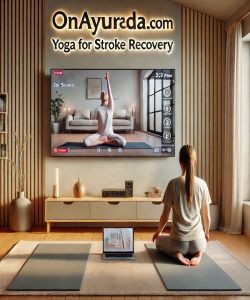
1. Overview of Yoga for Stroke Recovery
Yoga for Stroke Recovery represents a highly structured, therapeutic application of ancient yogic principles, meticulously adapted to address the complex neuro-motor and psychosocial sequelae of a cerebrovascular accident. It is not a generalised fitness regimen but a targeted, evidence-informed intervention designed to operate in synergy with conventional rehabilitation protocols. This discipline systematically harnesses modified physical postures (asanas), controlled breathing techniques (pranayama), and focused meditation to stimulate neuroplasticity—the brain's inherent capacity to reorganise itself by forming new neural connections. The fundamental objective is to facilitate functional restoration, improve motor control, enhance balance and coordination, and mitigate the debilitating effects of spasticity and muscle weakness. Beyond the purely physical domain, this practice is instrumental in confronting the profound psychological impact of stroke, including depression, anxiety, and a diminished sense of self. It provides a robust framework for rebuilding the mind-body connection, which is often severely disrupted following a neurological event. The practice demands unwavering commitment from the participant and expert guidance from a qualified instructor, who must possess a deep understanding of both yogic science and stroke pathophysiology. It is a rigorous journey of rediscovery, demanding patience and precision, aimed not merely at recovery but at cultivating a resilient and empowered state of being. This modality stands as a powerful adjunct to clinical therapy, offering a holistic pathway towards reclaiming autonomy and enhancing the overall quality of life for stroke survivors. Its implementation must be deliberate, safe, and tailored with exacting detail to the individual's specific deficits and recovery trajectory, ensuring that every movement and breath serves a clear therapeutic purpose.
2. What are Yoga for Stroke Recovery?
Yoga for Stroke Recovery is a specialised, adaptive form of yoga therapy engineered specifically for individuals navigating the aftermath of a stroke. It is fundamentally distinct from standard yoga classes, which are designed for a generally healthy population. This therapeutic modality deconstructs traditional yoga practices and reconstructs them to meet the unique and often asymmetrical challenges faced by stroke survivors. The core of this practice involves a curated selection of physical postures, breathing exercises, and mindfulness techniques that are modified to be safe, accessible, and effective for individuals with hemiparesis, spasticity, balance deficits, and sensory impairments.
The primary components are:
- Adapted Asanas (Postures): Traditional poses are significantly modified. Many are performed seated in a chair, or with the support of walls, blocks, and straps. The focus is not on achieving a perfect aesthetic form but on stimulating affected limbs, improving range of motion, gently stretching spastic muscles, and rebuilding strength in a controlled, progressive manner. Poses are chosen to enhance proprioception and re-establish neural pathways to weakened or paralysed muscles.
- Targeted Pranayama (Breathwork): Breathing techniques are central to the practice. They are employed to calm the nervous system, reduce the anxiety and frustration that often accompany recovery, and improve respiratory function, which can be compromised after a stroke. Controlled breathing also serves as a tool to manage effort and focus during challenging movements, directly influencing the autonomic nervous system.
- Mindfulness and Meditation: These elements are integrated to address the cognitive and emotional toll of a stroke. Practices are designed to enhance concentration, reduce stress, and foster a state of non-judgemental awareness. This helps survivors reconnect with their bodies, accept new realities, and cultivate the mental resilience required for the long and arduous process of rehabilitation. It is a system that works on the whole person, not just the affected parts.
3. Who Needs Yoga for Stroke Recovery?
- Individuals who have experienced an ischemic or haemorrhagic stroke and have completed the acute phase of medical treatment. The practice is intended as a component of post-acute and long-term rehabilitation, not as a substitute for immediate medical intervention.
- Survivors presenting with hemiparesis or hemiplegia, where one side of the body exhibits significant weakness or paralysis. The practice is specifically designed to address such unilateral deficits through targeted, supported movements.
- Persons experiencing spasticity, a common post-stroke condition characterised by involuntary muscle tightness and stiffness. Modified yoga postures provide a mechanism for gentle, sustained stretching to help manage and reduce this muscular hypertonicity.
- Patients with impaired balance and proprioception, leading to an increased risk of falls. The discipline focuses on foundational stability, core strength, and rebuilding the body's sense of its position in space through deliberate, mindful movement.
- Individuals struggling with post-stroke fatigue. Specific restorative poses and controlled breathing techniques are utilised to conserve and rebuild energy, countering the profound exhaustion that can impede recovery.
- Survivors facing challenges with fine and gross motor control. The repetitive and focused nature of the adapted asanas aids in re-establishing neuromuscular connections, facilitating gradual improvements in coordination and dexterity.
- Persons experiencing post-stroke depression, anxiety, or emotional lability. The integration of mindfulness, meditation, and pranayama offers a robust toolkit for enhancing mood regulation and cultivating psychological resilience.
- Individuals who have reached a plateau in conventional physical or occupational therapy but remain motivated to pursue further functional gains. Yoga provides a novel and holistic stimulus for continued neuroplastic change.
- Stroke survivors seeking to improve their overall quality of life, regain a sense of bodily autonomy, and actively participate in a supportive and empowering recovery process.
4. Origins and Evolution of Yoga for Stroke Recovery
The origins of Yoga for Stroke Recovery are not found in a single, datable event but represent a modern, clinical evolution of ancient yogic traditions. The foundational principles are rooted in the classical yoga system of India, which has been practised for millennia as a holistic discipline for integrating mind, body, and spirit. The traditional texts, such as the Yoga Sutras of Patanjali, outlined a comprehensive path to well-being, though they were not conceived as a specific remedy for neurological conditions like stroke. The inherent therapeutic potential of yoga, however, was always present in its emphasis on breath control (pranayama), physical postures (asanas), and mental focus (dhyana).
The evolution into a targeted therapy for stroke began in the latter half of the twentieth century, as Western medicine started to formally investigate and acknowledge the mind-body connection. Pioneers in the field of yoga therapy began to systematically analyse and adapt traditional practices for specific health conditions. They recognised that the principles of yoga—enhancing awareness, improving circulation, calming the nervous system, and building strength and flexibility—were directly applicable to the challenges faced by stroke survivors. This was a critical shift from yoga as a general wellness practice to yoga as a precise therapeutic instrument.
This evolution accelerated significantly with the growing scientific understanding of neuroplasticity. Research demonstrating that the adult brain could forge new pathways and reorganise itself in response to experience provided a firm neuroscientific basis for yoga's application in stroke rehabilitation. Therapists and specialised yoga instructors began to design protocols that explicitly aimed to stimulate this process. Poses were modified with props like chairs and blocks to make them accessible and safe for individuals with significant physical limitations. Breathing techniques were simplified and targeted to manage post-stroke anxiety and regulate autonomic function. The modern practice is therefore a sophisticated synthesis: it retains the holistic spirit of classical yoga whilst integrating rigorous principles from neurology, physical therapy, and occupational therapy. It has evolved from an ancient art into a contemporary, evidence-informed science of rehabilitation.
5. Types of Yoga for Stroke Recovery
The application of yoga for stroke recovery necessitates the use of specific, highly adapted styles. Generic, fast-paced yoga classes are entirely inappropriate and unsafe. The following types form the bedrock of a responsible therapeutic programme:
- Chair Yoga: This is the most fundamental and accessible type for stroke survivors. All postures are performed either seated in a chair or using the chair for support whilst standing. This modality eliminates the risks associated with getting up from and down to the floor, making it ideal for individuals with significant balance deficits, weakness, or hemiplegia. It allows for the safe execution of modified twists, forward bends, and limb movements, focusing on spinal mobility, improving circulation to the extremities, and rebuilding strength in a supported, stable environment.
- Restorative Yoga: This practice utilises extensive propping with bolsters, blankets, blocks, and straps to support the body in gentle, passive poses. The survivor exerts minimal to no muscular effort, allowing the body to be held in positions of comfort and ease for extended periods. The primary objectives are to profoundly relax the nervous system, reduce spasticity by allowing muscles to release tension passively, and combat the deep fatigue that characterises post-stroke recovery. It is a practice of active relaxation, crucial for psychological and physiological healing.
- Adaptive Hatha Yoga: This represents a more advanced stage, building upon the foundations of chair and restorative yoga. It involves classic Hatha poses that have been rigorously modified to accommodate the specific needs of a stroke survivor. For example, a standing pose like Warrior II might be practised with the back against a wall for support. The focus remains on slow, deliberate movements synchronised with the breath. Adaptive Hatha aims to progressively build strength, improve static and dynamic balance, and enhance functional range of motion in a more challenging yet meticulously controlled setting.
- Yoga Nidra (Yogic Sleep): This is a guided meditation practice typically performed lying down in a comfortable, supported position (savasana). It is not a style of physical yoga but a deep relaxation technique that induces a state of consciousness between waking and sleeping. For stroke survivors, it is an exceptionally powerful tool for reducing stress, processing trauma, improving sleep quality, and fostering a positive mind-body connection without any physical strain.
6. Benefits of Yoga for Stroke Recovery
- Enhanced Neuroplasticity: Systematically stimulates the brain's capacity to reorganise and form new neural connections, providing a non-pharmacological mechanism to facilitate the recovery of lost function.
- Improved Motor Function and Control: Through repetitive, mindful movements, the practice helps re-establish neuromuscular pathways to affected limbs, leading to demonstrable gains in both gross and fine motor skills.
- Increased Strength and Endurance: Adapted postures safely challenge weakened muscles, progressively building functional strength. This, combined with breathwork, combats the profound post-stroke fatigue that often hinders rehabilitation.
- Reduction in Spasticity and Muscle Stiffness: Gentle, sustained stretches and restorative poses help to decrease hypertonicity in affected muscles, improving comfort, increasing range of motion, and making functional movement easier.
- Superior Balance and Proprioception: The focus on core stability and mindful awareness of the body's position in space directly addresses balance deficits, thereby reducing the risk of falls and increasing confidence in mobility.
- Enhanced Respiratory Function: Conscious control of breathing (pranayama) strengthens the diaphragm and intercostal muscles, improves lung capacity, and enhances oxygenation of the blood, which is vital for brain and body healing.
- Marked Psychological Improvement: The integrated mindfulness and meditation components are highly effective in mitigating symptoms of post-stroke depression and anxiety, fostering emotional regulation and a more positive outlook.
- Improved Cognitive Function: The requirement for focus, concentration, and memory in following sequences and maintaining awareness can lead to improvements in attention and other executive functions.
- Restored Mind-Body Connection: The practice actively encourages survivors to reconnect with their affected side, reducing the sense of dissociation and fostering a holistic sense of self and bodily ownership.
- Empowerment and Autonomy: By providing a structured activity that the survivor can actively participate in and see progress from, the practice instils a powerful sense of agency and control over their own recovery journey.
7. Core Principles and Practices of Yoga for Stroke Recovery
- Safety First, Always: The paramount principle is "do no harm." Every posture and movement must be adapted to prevent falls, strain, or overexertion. This involves the mandatory use of props such as chairs, walls, blocks, and straps to provide stability and support. The instructor’s primary responsibility is to create a secure environment.
- Asymmetry as the Norm: The practice must explicitly acknowledge and work with the hemiparesis or hemiplegia resulting from the stroke. It is not about forcing symmetrical poses but about mindfully engaging both the affected and unaffected sides, using the stronger side to support and encourage activation in the weaker side.
- Breath as the Anchor: Pranayama (controlled breathing) is not an optional extra; it is the core of the practice. The breath is used to calm the sympathetic nervous system (the "fight or flight" response), focus the mind, manage effort during movement, and facilitate the release of muscle tension and spasticity. Each movement must be synchronised with the breath.
- Mindfulness and Proprioceptive Awareness: Participants are guided to cultivate a heightened, non-judgemental awareness of bodily sensations. This is critical for rebuilding proprioception—the sense of where the body is in space. The focus is internal, on the feeling of the movement, rather than the external appearance of the pose.
- Gradual Progression (Krama): Progress is methodical and incremental. The practice begins with the most stable and supported variations (e.g., chair-based) and only advances as the individual demonstrates increased strength, stability, and control. Pushing too hard, too soon, is counterproductive and dangerous.
- Repetition for Neuro-Re-education: Functional recovery is built on repetition. Key movements and sequences are practised consistently to reinforce new neural pathways. This purposeful repetition helps to make movements more automatic and less effortful over time.
- Rest and Restoration are Active Practices: Rest is not simply the absence of movement. Restorative poses and guided relaxations (like Yoga Nidra) are deliberately integrated into sessions to combat fatigue, lower stress hormone levels, and allow the nervous system to process and consolidate the work that has been done.
- Individualised Adaptation: There is no one-size-fits-all approach. A qualified instructor must be adept at modifying any given practice for the specific deficits, needs, and goals of each individual survivor, even within a group setting.
8. Online Benefits of Yoga for Stroke Recovery
- Unparalleled Accessibility: Eliminates the significant logistical barriers of travel. For stroke survivors with mobility impairments, reliance on assistance, or an inability to drive, accessing a specialised studio is often prohibitive. Online sessions bring the practice directly into the home, removing a primary obstacle to consistent participation.
- Consistency and Frequency: The ease of access facilitates more frequent practice. Survivors can engage in shorter, more regular sessions without the overhead of travel time and preparation, which is crucial for reinforcing neuroplastic changes and maintaining momentum in recovery.
- Controlled and Familiar Environment: Practising in one's own home provides a sense of safety, comfort, and privacy. This can significantly reduce the anxiety or self-consciousness that may arise in a group studio setting, allowing the individual to focus entirely on their own body and recovery process.
- Reduced Fatigue and Energy Conservation: Travel and navigating an unfamiliar environment can be profoundly fatiguing for a stroke survivor. By practising online, all available energy can be channelled directly into the therapeutic practice itself, maximising its effectiveness and preventing the exhaustion that can derail rehabilitation efforts.
- Customisation of the Practice Space: The individual has complete control over their environment. They can adjust lighting, temperature, and sound to their own preference and use their own familiar furniture (like a sturdy dining chair) and props, ensuring optimal comfort and stability.
- Self-Pacing and Autonomy: Whilst guided by an instructor, the online format grants a degree of autonomy. The survivor can discreetly modify or omit a pose without disrupting a class, empowering them to listen to their body's signals and take ownership of their practice in a way that feels safe and appropriate for them on any given day.
- Access to Specialised Expertise: Geographic location ceases to be a barrier. A survivor living in a remote or underserved area can connect with and receive expert guidance from a highly qualified instructor who specialises in yoga for stroke recovery, an expertise that may not be available locally.
- Cost-Effectiveness: Online programmes can be more financially accessible than in-person private or small-group sessions, as they typically have lower overheads. This makes long-term, consistent practice a more viable option for many.
9. Yoga for Stroke Recovery Techniques
These techniques must be executed under the guidance of a qualified instructor. The steps are sequential and demand absolute mindfulness.
- Centring and Foundational Breathwork (Seated):
- Step 1: Sit upright in a stable, armless chair with feet flat on the floor, hip-width apart. Rest hands on the thighs, palms down for grounding or palms up for receiving.
- Step 2: Close the eyes or soften the gaze. Bring all awareness to the physical points of contact: feet on the floor, body on the chair.
- Step 3: Begin diaphragmatic breathing. Inhale slowly through the nose, allowing the belly to expand. Exhale slowly through the nose, allowing the belly to gently contract. Establish a steady, even rhythm. This is the anchor for the entire practice.
- Seated Cat-Cow for Spinal Mobility:
- Step 1: From the seated position, place hands on the knees.
- Step 2: On an inhalation, gently arch the spine, draw the shoulders back, and lift the chest and chin forward (Cow Pose).
- Step 3: On an exhalation, round the spine, tuck the chin to the chest, and gently press the mid-back towards the back of the chair (Cat Pose).
- Step 4: Repeat this fluid movement, synchronising it precisely with the breath for several rounds to warm up the spine.
- Unilateral Arm Lifts with Breath:
- Step 1: Begin in the foundational seated position. Focus on the affected arm.
- Step 2: If possible, on an inhalation, slowly lift the affected arm forward and upward to its maximum comfortable height. If assistance is needed, use the unaffected hand to gently support and guide the affected arm.
- Step 3: On an exhalation, slowly and with control, lower the arm back down.
- Step 4: Repeat this several times, focusing intently on the sensation and any flicker of activation in the muscles. Then, repeat on the unaffected side for balance.
- Supported Standing Mountain Pose (Tadasana) for Grounding:
- Step 1: Stand facing the back of the sturdy chair, holding on with both hands for support. Position feet hip-width apart.
- Step 2: Distribute weight evenly between both feet. Gently press down through the heels and balls of the feet.
- Step 3: Engage the leg muscles and lengthen the spine, drawing the crown of the head upward. Relax the shoulders away from the ears.
- Step 4: Hold the pose and breathe deeply, feeling the connection to the floor and the support from the chair. This rebuilds foundational stability.
10. Yoga for Stroke Recovery for Adults
Yoga for Stroke Recovery for adults is a non-negotiable, disciplined intervention tailored to the physiological and psychological landscape of the mature individual post-cerebrovascular event. The adult central nervous system, whilst less malleable than a developing one, retains a significant capacity for neuroplasticity, which this practice is designed to exploit systematically. The approach for adults must be grounded in an uncompromising respect for comorbidities, such as hypertension, diabetes, or cardiac conditions, which are often present and must be managed in concert with the yoga protocol. The techniques employed are therefore rigorously adapted to avoid any contraindications, such as inversions that could dangerously alter blood pressure, or postures that place undue stress on joints affected by arthritis. The focus is squarely on functional restoration relevant to adult life: regaining the ability to stand safely, improve gait, perform activities of daily living, and restore a sense of autonomy. Furthermore, the psychological dimension is paramount. Adults often face the profound trauma of losing established physical capabilities and independence, leading to severe depression and anxiety. The practice directly confronts this by integrating mindfulness and breathwork to cultivate mental resilience, acceptance, and a proactive mindset. It provides a structured pathway for the adult survivor to move from a state of passive patienthood to active participation in their own rehabilitation, rebuilding not just motor function but also self-worth and purpose. This is not gentle exercise; it is a demanding mental and physical re-education process designed for the complexities of the adult body and mind after neurological injury.
11. Total Duration of Online Yoga for Stroke Recovery
The optimal total duration for a single, focused session of Online Yoga for Stroke Recovery is precisely 1 hr. This specific timeframe is not arbitrary but is a clinically informed decision balancing the competing demands of therapeutic efficacy and the unique physiological limitations of the stroke survivor. A session lasting 1 hr allows sufficient time to move through the essential components of the practice without rushing, which is critical for safety and mindfulness. It provides an adequate window for initial centring and breathwork to calm the nervous system, a substantial period for the main body of adapted physical postures (asanas) aimed at motor re-education and functional improvement, and a dedicated concluding phase for deep relaxation or guided meditation (such as Yoga Nidra) to consolidate the neurological work and combat fatigue. Shorter sessions risk being superficial, failing to achieve the depth of practice required to stimulate meaningful neuroplastic change. Conversely, sessions significantly exceeding 1 hr present a substantial risk of physical and cognitive exhaustion. Post-stroke fatigue is a profound and debilitating symptom; over-taxing the survivor's limited energy reserves is counterproductive and can impede recovery for hours or even days afterward. Therefore, the 1 hr duration represents a therapeutic sweet spot—long enough to be comprehensive and impactful, yet short enough to be sustainable, repeatable, and respectful of the energy constraints inherent in the stroke recovery process. This ensures that the participant leaves the session feeling restored and empowered, not depleted and overwhelmed.
12. Things to Consider with Yoga for Stroke Recovery
Before embarking upon a regimen of Yoga for Stroke Recovery, several critical factors demand rigorous consideration to ensure both safety and efficacy. Firstly, obtaining explicit medical clearance from the individual’s physician or neurologist is non-negotiable. The medical team must confirm that the survivor is stable for this type of physical activity and must advise on any specific contraindications or limitations related to their condition, such as blood pressure parameters or cardiovascular risk. Secondly, the qualification of the instructor is paramount. One must seek a certified yoga teacher who possesses additional, specialised training and demonstrable experience in therapeutic yoga, adaptive yoga, and, most importantly, working directly with the stroke population. A generic yoga instructor is unequivocally unqualified for this work. Thirdly, it is essential to manage expectations. Recovery from stroke is a marathon, not a sprint, and progress is often non-linear. There will be periods of advancement and frustrating plateaus. The practice is a tool for gradual improvement, not a miraculous cure. Participants must cultivate patience and self-compassion. Finally, the individual’s own physical and emotional state on any given day must be the ultimate guide. The survivor must be empowered to communicate their needs, to modify or skip postures, and to rest when necessary, without judgement. This practice is a collaborative process between instructor and participant, where honest self-assessment is the key to safe and sustainable progress. Ignoring these considerations transforms a potent therapeutic tool into a potential liability.
13. Effectiveness of Yoga for Stroke Recovery
The effectiveness of Yoga for Stroke Recovery as a complementary therapeutic modality is robust and substantiated by a growing body of clinical evidence. Its efficacy is not based on anecdotal claims but on its direct and positive influence on the physiological and psychological mechanisms of rehabilitation. The practice is instrumental in stimulating neuroplasticity, the fundamental process by which the brain repairs itself post-injury. The combination of focused attention, physical movement, and sensory feedback provided by adapted yoga postures creates a rich learning environment that encourages the formation of new neural pathways, bypassing damaged areas of the brain. This translates into tangible improvements in motor function, with studies demonstrating significant gains in balance, gait, strength, and coordination among participants. Furthermore, the discipline's emphasis on slow, mindful stretching and restorative poses has proven highly effective in managing and reducing spasticity, a common and disabling complication of stroke. Beyond the physical domain, its effectiveness is profound. The integrated use of pranayama (breathwork) and meditation directly impacts the autonomic nervous system, down-regulating the stress response and demonstrably reducing symptoms of anxiety and depression, which are prevalent in the stroke population and can severely impede recovery. By addressing both the body and the mind in a holistic, integrated manner, Yoga for Stroke Recovery provides a powerful framework for improving functional independence, enhancing emotional well-being, and ultimately elevating the overall quality of life for survivors. Its value as a serious, evidence-informed adjunct to conventional rehabilitation is indisputable.
14. Preferred Cautions During Yoga for Stroke Recovery
An uncompromising and vigilant approach to safety is imperative during any session of Yoga for Stroke Recovery. The primary caution is the absolute prohibition of any movement that elicits sharp or radiating pain. Pain is a critical signal from the body that a boundary has been breached, and it must be respected without exception. Participants must be instructed to immediately cease any action that causes such a sensation and to communicate this to the instructor. Secondly, overexertion is a significant danger. The survivor's energy reserves are finite and easily depleted. Pushing into a state of exhaustion is not beneficial; it is detrimental, setting back recovery and increasing the risk of falls or injury. The mantra must be "less is more." Working at a perceived fifty to sixty percent of maximum capacity is a prudent guideline. Furthermore, specific medical conditions require stringent precautions. For individuals with hypertension, any posture that places the head below the heart (inversions) or involves strenuous holds must be strictly avoided. For those with osteoporosis, forward folds and deep twists that could compromise spinal integrity are contraindicated. The risk of falls must be perpetually managed through the mandatory use of supports like chairs and walls. A participant must never be encouraged to attempt a standing balance pose without a stable object within immediate reach. Finally, emotional and psychological overstimulation must also be monitored. If the practice brings up overwhelming emotions, the individual must be guided to a simple, grounding posture and breathwork, rather than being pushed to "work through it" in a vulnerable state.
15. Yoga for Stroke Recovery Course Outline
- 1: Foundational Principles and Breathwork
- Introduction to the core principles of safety, mindfulness, and breath-synchronised movement.
- Establishing a stable, supported seated posture.
- Mastery of diaphragmatic breathing (belly breathing) to calm the nervous system.
- Practice of simple, seated centring techniques.
- 2: Seated Asanas for Spinal and Upper Body Mobility
- Introduction to chair-based Cat-Cow for spinal flexibility.
- Seated side bends and gentle twists to improve torso range of motion.
- Guided, unilateral, and bilateral shoulder rolls and arm lifts to address upper-limb weakness and stiffness.
- Focus on engaging the core for stability whilst seated.
- 3: Lower Body Activation and Standing Foundations
- Seated leg lifts and ankle rotations to improve circulation and neuromuscular connection to the lower limbs.
- Introduction to safe transitions from sitting to standing, using the chair for support.
- Practice of supported Mountain Pose (Tadasana) at the chair to build grounding and proprioception.
- 4: Introduction to Supported Standing Postures
- Practice of modified, chair-supported standing poses such as Warrior I and side-angle pose.
- Focus on weight-bearing on the affected leg in a controlled, safe manner.
- Development of static balance and endurance whilst standing.
- 5: Integrating Mindfulness and Restorative Practices
- Introduction to Body Scan meditation to enhance interoceptive awareness.
- Practice of fully supported Restorative poses (e.g., Supported Child's Pose on bolsters) to release deep-seated tension and combat fatigue.
- Introduction to Yoga Nidra (Yogic Sleep) for profound relaxation and nervous system regulation.
- 6: Consolidation and Functional Movement
- Flowing gently between familiar seated and supported standing postures.
- Focus on applying principles of alignment and breath to movements that mimic activities of daily living.
- Developing a personalised short practice sequence for independent, safe home practice.
16. Detailed Objectives with Timeline of Yoga for Stroke Recovery
Phase 1: Foundation and Stabilisation (Weeks 1-4)
- Objective 1.1: By the end of Week 2, the participant will consistently demonstrate the ability to perform diaphragmatic breathing for five continuous minutes, establishing conscious control over the breath to modulate the nervous system.
- Objective 1.2: By the end of Week 4, the participant will master three core seated postures (e.g., Seated Cat-Cow, Seated Mountain Pose) with correct breath synchronisation, improving spinal mobility and core awareness.
- Objective 1.3: By the end of Week 4, the participant will report a subjective increase in body awareness, particularly on their affected side, through guided body scan meditations.
Phase 2: Activation and Proprioception (Weeks 5-8)
- Objective 2.1: By the end of Week 6, the participant will demonstrate the ability to safely transition from a seated to a standing position using a chair for support, performing the action with control five times consecutively.
- Objective 2.2: By the end of Week 8, the participant will hold a supported standing Mountain Pose (Tadasana) with improved weight distribution between both feet for one full minute, enhancing proprioception and foundational balance.
- Objective 2.3: During this phase, the participant will show demonstrable, albeit small, improvements in active range of motion in the affected upper limb through consistent, supported movement exercises.
Phase 3: Building Strength and Endurance (Weeks 9-12)
- Objective 3.1: By the end of Week 10, the participant will be able to hold a chair-supported Warrior I pose for three full breaths on each side, indicating increased strength in the lower body and core.
- Objective 3.2: By the end of Week 12, the participant will report a noticeable decrease in the severity of post-activity fatigue, demonstrating improved stamina built through consistent, appropriately challenging practice.
- Objective 3.3: By the end of Week 12, the participant will be able to independently recall and perform a personalised five-minute sequence of seated postures, fostering autonomy in their rehabilitation.
17. Requirements for Taking Online Yoga for Stroke Recovery
- Medical Clearance: A non-negotiable, formal authorisation from your primary physician, neurologist, or rehabilitation specialist confirming your stability for participation in this specific physical activity. Any medical contraindications must be communicated to the instructor.
- A Stable and Reliable Internet Connection: The connection must be strong enough to support uninterrupted, clear, two-way video streaming. Lag, freezing, or dropped calls are not merely inconvenient; they are a safety hazard, as they prevent the instructor from providing real-time guidance and correction.
- An Appropriate Electronic Device: A laptop, tablet, or desktop computer with a functional webcam and microphone is mandatory. The screen must be large enough for you to clearly see the instructor's demonstrations. A mobile phone is generally inadequate and unacceptable due to its small screen size and instability.
- A Safe, Clear, and Private Practice Space: You must have a dedicated area with sufficient room to move without risk of collision with furniture or other obstacles. The space must be well-lit, and the background should be free from excessive clutter and distractions.
- Essential Equipment:
- A sturdy, stable, armless chair (a dining chair is often ideal). A swivel chair or chair with wheels is strictly forbidden.
- A non-slip yoga mat, even for chair-based practice, to ensure stable footing when standing.
- Access to a clear wall space for support during certain standing postures.
- Props such as firm cushions or pillows, blankets, and a yoga block or a stack of thick books. A yoga strap or a simple, non-elastic belt is also required.
- Personal Commitment: A serious and unwavering commitment to attend sessions consistently and to follow the instructor’s safety guidelines without deviation. An ability to communicate openly and honestly about physical sensations, limitations, and discomfort is essential.
18. Things to Keep in Mind Before Starting Online Yoga for Stroke Recovery
Before commencing an online programme of Yoga for Stroke Recovery, it is imperative to adopt a mindset of rigorous self-discipline and proactive engagement, as the remote format places greater responsibility upon the participant. You must understand that the instructor's ability to provide physical, hands-on corrections is absent. Consequently, your capacity to listen intently, interpret verbal cues with precision, and translate them into safe physical action is paramount. You are responsible for creating and maintaining a sanctuary for your practice—a space free from the interruptions of family members, pets, and electronic notifications. This is not a casual exercise session to be fitted around household chores; it is a dedicated, therapeutic appointment that demands your undivided attention. Furthermore, you must take absolute ownership of your safety. This involves meticulously checking the stability of your chair and props before every single session and having the maturity to work well within your limits, resisting any temptation to push into unsafe territory. Effective communication is not optional. You must be prepared to speak up, clearly and without hesitation, if a cue is unclear, if you feel any pain, or if you are feeling unwell. The instructor relies entirely on your verbal feedback. Finally, recognise that technology, whilst enabling, can also fail. You must have a basic level of technical competence to manage your device and a plan for what to do if the connection drops. This disciplined approach is the non-negotiable foundation for a safe, effective, and empowering online recovery journey.
19. Qualifications Required to Perform Yoga for Stroke Recovery
The delivery of Yoga for Stroke Recovery is a specialised therapeutic intervention that demands qualifications far exceeding those of a standard yoga teacher. It is a professional discipline requiring a sophisticated blend of yogic knowledge and clinical understanding. An instructor deemed qualified to perform this work must possess a robust portfolio of credentials, which should be scrutinised by any potential participant or their family. The foundational, non-negotiable requirement is a baseline certification from a reputable yoga school, often designated as "RYT" (Registered Yoga Teacher) at an advanced level, indicating comprehensive training in asana, pranayama, anatomy, and philosophy. However, this is merely the starting point.
The critical, distinguishing qualifications are in specialised, post-graduate therapeutic training. A qualified instructor must have completed advanced certifications in areas directly relevant to the work. These include:
- Adaptive or Accessible Yoga: Formal training in how to modify postures for individuals with significant physical limitations, including the proficient use of props like chairs, walls, blocks, and straps.
- Yoga Therapy: A comprehensive, multi-hundred-hour certification that trains teachers to apply yogic principles to address specific health conditions. This is distinct from a standard teacher training programme.
- Anatomy and Physiology of Neurological Conditions: Demonstrable, in-depth knowledge of the central nervous system and the specific pathophysiology of stroke, including an understanding of concepts like neuroplasticity, spasticity, and hemiparesis.
- Direct, Supervised Experience: Verifiable experience working directly with the stroke survivor population or other populations with similar neurological challenges. This practical experience is indispensable.
An individual without this multi-layered expertise is not qualified, regardless of how long they have practised or taught general yoga. Performing this work without the requisite qualifications is both irresponsible and a significant risk to the client's safety and well-being.
20. Online Vs Offline/Onsite Yoga for Stroke Recovery
Online
Online delivery of Yoga for Stroke Recovery offers a paradigm of accessibility and convenience that is often transformative for the stroke survivor. Its primary advantage is the elimination of logistical barriers. The demands of travel—arranging transport, navigating public spaces, and the sheer physical effort involved—are completely removed. This allows the survivor to conserve precious energy, channelling it directly into the therapeutic practice itself rather than expending it on transit. It facilitates greater consistency, as attending a session is as simple as opening a laptop. The home environment provides an inherent sense of safety, privacy, and comfort, which can reduce anxiety and allow for deeper focus. Furthermore, online platforms grant access to highly specialised instructors who may be geographically distant, breaking down barriers to expert care. However, the online model is not without its limitations. The instructor cannot provide hands-on, tactile adjustments, which can be crucial for correcting alignment and ensuring safety. The entire practice relies on the participant's ability to interpret verbal cues accurately. It also requires a degree of technological competence and reliable internet access, which may present a challenge for some individuals. The sense of community and peer support found in a group class is also more difficult to cultivate remotely.
Offline/Onsite
Offline, or onsite, sessions provide a distinct set of benefits centred on direct human interaction and environmental control. The most significant advantage is the instructor's ability to offer immediate, hands-on physical assistance and adjustments. This tactile feedback can be invaluable for helping a survivor understand a movement, feel secure in a posture, and ensure optimal alignment, thereby enhancing both safety and efficacy. The instructor can also physically arrange props and the environment to perfectly suit the individual's needs. Onsite classes foster a powerful sense of community and shared experience among participants. This peer support network can be profoundly motivating and can combat the social isolation that often follows a stroke. The primary disadvantages are logistical. Attending an onsite class requires transportation, time, and significant effort, which can be a prohibitive barrier for many survivors, especially those with severe mobility issues or high levels of fatigue. Availability is another constraint; specialised classes for stroke survivors are not available in all locations, limiting access for those who live outside of major urban centres. The cost of in-person sessions can also be higher due to the overheads of a physical studio space.
21. FAQs About Online Yoga for Stroke Recovery
Question 1. Is it safe for someone with severe balance issues? Answer: Yes, provided the programme is structured correctly. A qualified instructor will begin with entirely chair-based exercises, only progressing to supported standing when the individual is ready, making safety paramount.
Question 2. What if I cannot move my affected arm or leg at all? Answer: The practice is still highly beneficial. You will use your unaffected side to assist the affected side in gentle movements and use visualisation and breathwork to stimulate neural pathways, which is a key part of the process.
Question 3. Do I need to be flexible? Answer: No. The goal is not flexibility but functional movement, spasticity management, and mind-body reconnection. Flexibility is a potential outcome, not a prerequisite.
Question 4. What technology do I absolutely need? Answer: A reliable internet connection and a device with a webcam (laptop or tablet), so the instructor can see you clearly.
Question 5. How is this different from watching a YouTube video? Answer: It is completely different. This is live, interactive, two-way instruction where a qualified teacher provides real-time, personalised feedback and guidance specific to your condition.
Question 6. What if I get tired during the session? Answer: You must rest. A core principle is honouring your body’s needs. The instructor will guide you into a resting posture. It is expected and encouraged.
Question 7. Can I participate if I am in a wheelchair? Answer: Absolutely. The majority of adaptive yoga can be performed from a wheelchair, focusing on upper body mobility, breathwork, and core engagement.
Question 8. Will it interfere with my physical therapy? Answer: No, it is designed to be complementary. It is crucial to inform both your physical therapist and your yoga instructor about your participation in each programme.
Question 9. How quickly will I see results? Answer: Progress is individual and gradual. Some benefits, like reduced stress, may be felt immediately. Physical changes occur over weeks and months of consistent practice.
Question 10. Do I need special yoga clothes? Answer: No. You need comfortable, non-restrictive clothing that allows for easy movement.
Question 11. What if my internet connection fails? Answer: You should have a plan with the instructor, which usually involves attempting to reconnect or following up after the session. Safety dictates you should not continue alone.
Question 12. Is it suitable for cognitive deficits? Answer: Yes. The simple, repetitive instructions and focus on mindfulness can help improve concentration and reduce mental fog.
Question 13. My affected hand is tightly clenched. Can this help? Answer: Yes. Gentle, supported stretches and relaxation techniques are specifically used to help manage and reduce the spasticity that causes clenching.
Question 14. What qualifications should the instructor have? Answer: They must have certifications in both yoga and specialised adaptive/therapeutic yoga for neurological conditions.
Question 15. Can I join if my stroke was many years ago? Answer: Yes. The brain's ability to form new connections (neuroplasticity) exists throughout life. It is never too late to begin.
Question 16. What if I feel emotional during a session? Answer: This is a common and normal response. The practice can release stored tension and emotion. The instructor is trained to provide a safe space for this.
22. Conclusion About Yoga for Stroke Recovery
In conclusion, Yoga for Stroke Recovery must be understood not as a gentle alternative but as a rigorous, systematic, and profoundly effective discipline for post-stroke rehabilitation. It stands as a powerful testament to the integration of ancient wisdom and modern neuroscientific principles. Its methodical application of adapted physical postures, precise breath control, and focused mindfulness provides a comprehensive framework for addressing the multifaceted devastation of a cerebrovascular accident. The practice directly confronts physical deficits such as hemiparesis, spasticity, and poor balance, whilst simultaneously targeting the equally debilitating psychological sequelae of depression, anxiety, and a fractured sense of self. The discipline demands unwavering commitment from the survivor and expert, specialised guidance from a uniquely qualified instructor. It is a serious undertaking, where safety is the paramount principle and progress is measured in the gradual reclamation of function and autonomy. Whether delivered online to overcome logistical barriers or onsite for direct, hands-on support, its core purpose remains unchanged: to stimulate the brain's innate capacity for healing, to rebuild the essential mind-body connection, and to empower the individual to become an active, commanding agent in their own recovery. It is an indispensable adjunct to conventional therapy, offering a holistic and resilient path not merely back from a stroke, but forward into a new state of enhanced awareness and functional well-being. Its role in the modern rehabilitative toolkit is not just justified; it is essential.