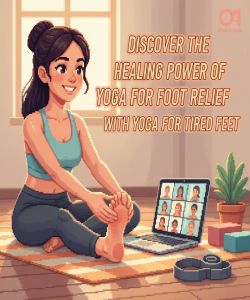
1. Overview of Yoga For Tired Feet
Yoga for Tired Feet constitutes a highly specialised and systematic discipline, meticulously engineered to address the biomechanical stresses and physiological fatigue endemic to the human foot and lower leg. This is not a casual series of stretches but a structured therapeutic intervention, drawing upon the ancient principles of Hatha yoga whilst integrating contemporary knowledge of anatomy, kinesiology, and myofascial release. The practice is predicated on the fundamental concept that the feet are the very foundation of the body’s structural integrity; their dysfunction precipitates a cascade of misalignment and discomfort throughout the kinetic chain, affecting posture, gait, and overall physical wellness. The methodology involves a precise sequence of asanas (postures), targeted movements, and proprioceptive exercises designed to restore mobility to the intricate network of bones, joints, and ligaments within the foot, release chronic tension in the plantar fascia and surrounding musculature, and stimulate vital circulation. It systematically dismantles patterns of strain accumulated through occupational demands, athletic exertion, or inadequate footwear. Consequently, this discipline serves as a potent corrective and preventative measure, enhancing foundational strength, improving balance, and alleviating the pervasive symptoms of pedal exhaustion. It is, in essence, an essential protocol for corporeal maintenance.
2. What are Yoga For Tired Feet?
Yoga for Tired Feet is a targeted modality of physical practice that isolates the feet, ankles, and lower legs as its primary focus for therapeutic intervention. It diverges significantly from general yoga classes by concentrating exclusively on restoring function and alleviating strain within this specific anatomical region. The discipline employs a curated selection of yogic postures, breathing techniques, and mindful awareness, all adapted to address the unique biomechanical complexities of the foot’s twenty-six bones, thirty-three joints, and over one hundred muscles, tendons, and ligaments. The practice is not merely palliative; it is corrective. Its purpose is to actively deconstruct the chronic tension, stiffness, and weakness that result from prolonged standing, repetitive impact, or restrictive footwear.
Key components of this practice include:
- Articular Mobility: Specific exercises designed to enhance the range of motion in the ankle, subtalar, and metatarsophalangeal joints, counteracting the rigidity that leads to compensatory strain elsewhere in the body.
- Myofascial Release: The use of targeted pressure and stretching techniques, sometimes incorporating simple props, to release adhesions and tension within the plantar fascia and the intrinsic muscles of the foot.
- Proprioceptive Neuromuscular Facilitation (PNF): Exercises that retrain the neural pathways between the feet and the brain, improving balance, coordination, and the body’s innate sense of positioning.
- Strengthening and Stabilisation: Postures that actively engage and fortify the arches of the foot and the supporting muscles of the lower leg, thereby creating a more robust and resilient foundation for all weight-bearing activities.
In essence, it is a form of anatomical re-education, compelling the feet to return to a state of optimal function, strength, and vitality.
3. Who Needs Yoga For Tired Feet?
- Professionals Subjected to Prolonged Standing: Individuals in occupations such as healthcare, retail, hospitality, teaching, and manufacturing who are required to remain on their feet for extended durations. This practice directly counteracts the cumulative stress, compression, and circulatory stagnation inherent in their work environments.
- Athletes and Fitness Enthusiasts: Runners, dancers, hikers, and participants in high-impact sports. This discipline is essential for them as a counter-measure to the repetitive strain and forceful impact their feet endure, aiding in injury prevention, performance enhancement, and expedited recovery.
- Individuals with Sedentary Lifestyles: Office workers and others who spend the majority of their day seated. Prolonged sitting can lead to weakened foot musculature, poor circulation, and stiffness, which this practice is specifically designed to reverse.
- Wearers of Restrictive or Inadequate Footwear: Persons who regularly wear high heels, narrow-toed shoes, or footwear lacking appropriate support. The practice works to undo the structural deformation and muscular imbalances imposed by such apparel.
- Ageing Individuals: The elderly population, who naturally experience a decline in foot flexibility, arch integrity, and fatty pad cushioning. Yoga for Tired Feet provides a low-impact method to maintain mobility, improve balance, and mitigate the risk of falls.
- Individuals Experiencing Chronic Foot Discomfort: Those suffering from non-acute, persistent aches and general fatigue in the feet and arches, often without a specific medical diagnosis. This serves as a proactive self-care regimen to manage and alleviate such symptoms.
- Persons Seeking to Improve Posture and Bodily Alignment: Anyone who understands that the health and alignment of the feet form the critical foundation for the entire skeletal structure. Correcting foot function is a primary step in addressing postural imbalances throughout the kinetic chain.
4. Origins and Evolution of Yoga For Tired Feet
The discipline known as Yoga for Tired Feet is a distinctly modern construct, not an ancient lineage passed down through classical yogic texts. Its origins are found in the confluence of twentieth-century therapeutic innovation and the Western adaptation of traditional Hatha yoga. The practice evolved not as a singular, codified system, but as a pragmatic response to the physiological demands of contemporary life. Its foundational principles are deeply rooted in the meticulous, alignment-focused methodologies of B.K.S. Iyengar, whose pioneering use of props to support and deepen postures provided a direct pathway for isolating and working with specific body parts, including the feet.
In its nascent stages, dedicated foot work was often a small component within a broader therapeutic or restorative yoga class. Instructors with a sophisticated understanding of anatomy began to observe the profound, systemic benefits of releasing pedal tension and activating dormant foot musculature. They started to synthesise yogic postures with principles borrowed from physical therapy, podiatry, and biomechanics, creating short sequences specifically to address common complaints like plantar fasciitis, fallen arches, and general foot fatigue. This represented a significant departure from classical yoga, which, while honouring the feet as the body’s foundation in standing poses, rarely afforded them such exclusive, therapeutic focus.
The evolution accelerated with a growing societal awareness of wellness and preventative self-care. As occupations became more sedentary or, conversely, service-oriented roles demanded more standing, the need for a targeted solution became undeniable. Specialist workshops and teacher trainings began to emerge, codifying the practice into a standalone discipline. This formalisation involved curating the most effective asanas—such as Virasana (Hero Pose) with toes tucked, or Malasana (Garland Pose)—and developing novel techniques using props like therapy balls and blocks. The result is the potent, focused system that exists today: a sophisticated hybrid of ancient posture, modern anatomical science, and targeted therapeutic intent.
5. Types of Yoga For Tired Feet
- Restorative Foot Yoga: This modality prioritises passive release and deep relaxation. It employs extensive use of props such as bolsters, blocks, and blankets to support the body in comfortable, long-held postures. The objective is to allow the muscles and connective tissues of the feet and lower legs to release chronic tension without active effort. Poses like Viparita Karani (Legs-Up-the-Wall Pose) with specific ankle positioning are central to this type, promoting venous return and reducing oedema. It is a deeply calming and recuperative practice.
- Dynamic Foot Activation: In direct contrast to the restorative type, this practice is active and vigorous. It focuses on building strength, endurance, and neuromuscular control. It involves flowing sequences (vinyasas) that challenge the stability and articulation of the feet and ankles. Postures might include variations of lunges, warrior poses, and balancing poses performed with an intense focus on grounding through the four corners of the feet and actively lifting the arches. This type is designed to re-awaken and fortify the intrinsic muscles of the feet.
- Proprioceptive and Balance Training: This highly specialised form concentrates on retraining the nervous system’s ability to sense the body’s position in space, an ability rooted in the nerve endings of the feet. It utilises unstable surfaces, blindfolded balancing, and meticulous, slow-motion movements to enhance proprioceptive feedback. The goal is to improve balance, gait efficiency, and reaction time, thereby reducing the risk of stumbles and falls. It is less about stretching and more about neural re-education.
- Myofascial Release (MFR) Yoga for Feet: This type integrates the principles of self-massage with yogic postures. It makes extensive use of tools such as specialised yoga balls, foam rollers, or even simple tennis balls. The practitioner systematically applies pressure to specific points and areas on the soles of the feet, calves, and shins to break down fascial adhesions and trigger points. This is then combined with targeted stretches to lengthen the newly released tissues, providing profound relief from conditions like plantar fasciitis.
6. Benefits of Yoga For Tired Feet
- Enhanced Circulation: Systematically improves blood flow to and from the extremities, reducing swelling (oedema), alleviating feelings of coldness or numbness, and expediting the removal of metabolic waste products from muscle tissues.
- Increased Flexibility and Mobility: Specifically targets the 33 joints within each foot and ankle, breaking down rigidity and restoring a more natural, efficient range of motion essential for a correct gait.
- Strengthening of Intrinsic Musculature: Actively engages and fortifies the small, deep muscles within the foot, providing crucial support for the arches and preventing their collapse over time.
- Release of Plantar Fascia Tension: Directly addresses and alleviates the chronic tightness in the plantar fascia—the thick connective tissue on the sole of the foot—which is a primary source of heel and arch pain.
- Improved Proprioception and Balance: Heightens the neural feedback between the feet and the brain, leading to superior balance, improved coordination, and a more stable, grounded stance, thereby reducing the risk of falls.
- Correction of Postural Misalignment: By re-establishing a solid and correctly aligned foundation, the practice initiates a positive kinetic chain reaction, helping to correct compensatory misalignments in the knees, hips, and spine.
- Alleviation of Generalised Pain and Fatigue: Provides effective, non-pharmaceutical relief from the pervasive aches, soreness, and sense of exhaustion that accumulate in the feet and lower legs from daily stressors.
- Prevention of Common Foot Ailments: Regular practice serves as a powerful preventative measure against a range of common conditions, including plantar fasciitis, bunions, hammer toes, and Achilles tendinopathy, by maintaining optimal foot mechanics.
- Heightened Mind-Body Connection: Cultivates a profound awareness of the feet, transforming them from neglected extremities into a recognised and integral part of the body’s conscious network.
7. Core Principles and Practices of Yoga For Tired Feet
- Grounding (Prithvi Tattva): The foundational principle is establishing a conscious, stable connection to the earth. Practitioners are trained to distribute their weight evenly across the four corners of each foot—the base of the big toe, the base of the little toe, and the inner and outer edges of the heel. This creates a solid base, correcting pronation or supination and setting the stage for proper alignment throughout the entire body.
- Articulated Awareness: The practice demands moving beyond treating the foot as a single, static block. It involves exercises that isolate and mobilise individual parts: toe splaying, flexion and extension of the metatarsophalangeal joints, and precise circular movements of the ankle. This deconstructs stiffness and reawakens dormant areas of the foot.
- Myofascial Release and Hydration: A core practice involves using targeted pressure, either from bodyweight in certain postures or with the aid of props like therapy balls, to release adhesions in the fascia. This is understood not just as stretching, but as a method to 'hydrate' and restore elasticity to the connective tissue envelopment of the muscles, particularly the plantar fascia.
- Opposition of Action (Pada Bandha): Practitioners learn to create an energetic lift through the arches of the feet, known as Pada Bandha or the 'foot lock'. This involves simultaneously pressing down through the outer edges and balls of the feet while drawing energy upward through the inner arches. This active engagement strengthens the arch structure and stabilises the entire leg.
- Integration with Breath (Pranayama): Every movement and posture is synchronised with the breath. The inhale is often used to lengthen or prepare, while the exhale is used to deepen a stretch or engage musculature. This integration ensures that the practice is mindful and controlled, preventing jerky movements and allowing for a deeper release of tension.
- Systematic Deconstruction of Tension: The practice follows a logical sequence, often starting with releasing the larger muscles of the calves and shins, which directly influence foot tension. It then moves methodically into the ankle, heel, arch, and finally the toes, ensuring that tightness is unravelled layer by layer for the most effective and lasting results.
8. Online Yoga For Tired Feet
- Unrivalled Accessibility and Consistency: The online format removes geographical and scheduling barriers, permitting individuals in any location to engage with the practice. This facilitates the absolute consistency required for therapeutic results, eliminating excuses related to travel, class times, or proximity to a qualified instructor. It places the onus of discipline directly upon the practitioner.
- Creation of a Controlled, Private Environment: Practising within one’s own space eliminates the social pressures and distractions of a public class. This privacy is paramount for a practice focused on such a specific and sometimes sensitive area, allowing for uninhibited exploration of movement and sensation without self-consciousness or comparison to others.
- Enhanced Somatic Focus: The absence of an external instructor for physical adjustments compels the practitioner to cultivate a heightened level of internal awareness (interoception). One must learn to interpret the body's signals with greater precision, distinguishing between therapeutic discomfort and harmful pain. This deepens the mind-body connection, a core objective of the discipline.
- Ability to Pause, Replay, and Refine: The digital medium affords the user complete control over the instructional flow. One can pause the session to master a specific technique, rewind to re-examine a complex alignment cue, and repeat entire sections as necessary. This capacity for meticulous, self-paced learning is impossible in a live, group setting and is critical for mastering the fine motor control required.
- Cost and Resource Efficiency: Engaging online negates the recurring financial and time costs associated with commuting to a physical studio. It allows for the use of simple, readily available household items as props in many cases, making the practice financially accessible to a broader demographic committed to self-care.
- Targeted Programme Selection: The online sphere offers a vast library of specialised sessions. Practitioners can select classes that precisely target their immediate concerns—be it plantar fascia release, ankle mobility, or arch strengthening—rather than attending a general class that may only briefly touch upon their needs.
9. Yoga For Tired Feet Techniques
- Toe Splaying and Articulation:
- Step 1: Sit comfortably on the floor or a chair with one foot accessible.
- Step 2: Interlace the fingers of your opposite hand between the toes of the foot, weaving each finger into a toe web space as deeply as is tolerable.
- Step 3: Gently squeeze the toes with your fingers and then spread your fingers to passively widen the spaces between the metatarsals. Hold this position.
- Step 4: Whilst maintaining the interlaced grip, slowly and deliberately circle the ankle in one direction, then reverse. Follow this by flexing and pointing the foot. This combines passive stretching of the forefoot with active mobility of the ankle.
- Plantar Fascia Release with a Therapy Ball:
- Step 1: Stand near a wall or sturdy piece of furniture for balance. Place a small, firm ball (such as a therapy, tennis, or lacrosse ball) on the floor.
- Step 2: Place the sole of one foot onto the ball, applying a firm, controlled amount of body weight.
- Step 3: Roll the ball slowly and methodically from the heel towards the ball of the foot, covering the entire surface of the plantar fascia.
- Step 4: When a point of significant tension is located, pause the rolling motion. Maintain direct pressure on this point, breathe deeply, and hold until a sensation of release is felt. Do not roll over the bony part of the heel.
- Tucked-Toe Hero Pose (Virasana Variation):
- Step 1: Kneel on the floor, bringing your knees together.
- Step 2: Curl all ten toes under, ensuring even the little toe is tucked. The balls of the feet should be pressed firmly into the mat.
- Step 3: Slowly lower your hips to rest upon your heels. For many, this will create an intense stretch across the soles of the feet.
- Step 4: Maintain an upright spine. Hold the posture for a designated period, breathing through the intense sensation. To exit, lean forward onto your hands, untuck the toes, and tap the tops of the feet on the floor to release.
10. Yoga For Tired Feet for Adults
The application of Yoga for Tired Feet within the adult population is not merely a restorative luxury but a critical component of functional longevity and proactive health management. Throughout adulthood, the cumulative effect of occupational demands, lifestyle choices, and the inexorable process of ageing imparts a significant burden upon the body's foundation. The feet, having endured decades of impact absorption and weight-bearing, often exhibit diminished arch integrity, reduced fatty pad cushioning, and increased ligamentous laxity or, conversely, articular rigidity. This discipline directly confronts these degenerative trends. It provides a structured, low-impact methodology to counteract the muscular atrophy and fascial tightening that result from both prolonged sedentary periods and careers demanding constant standing. For the adult, this is not about achieving esoteric postures but about preserving fundamental capabilities: a stable gait, confident balance to prevent falls, and the freedom from the chronic, distracting pain that can severely diminish quality of life. The practice systematically re-establishes neuromuscular awareness, strengthens the intrinsic muscles that support the arches, and restores suppleness to tissues that have become contracted and stiff. It is a strategic investment in maintaining independence, mobility, and the structural integrity required to remain active and engaged in all facets of life. For the adult body, this form of yoga is an essential maintenance protocol, as vital as cardiovascular exercise or strength training. It is the mandatory work of reinforcing the very base upon which a healthy, active life is built.
11. Total Duration of Online Yoga For Tired Feet
The standardised and optimal duration for a single, comprehensive online session of Yoga for Tired Feet is precisely 1 hr. This specific timeframe is not arbitrary; it is a deliberately structured allocation designed to ensure maximum therapeutic efficacy whilst respecting the practicalities of a consistent personal practice. A session of 1 hr allows for a complete and unhurried progression through all essential phases of the discipline, a necessity for achieving physiological change rather than fleeting relief. The initial phase of the session is dedicated to centring and gentle warming sequences, crucial for preparing the intricate musculature and connective tissues of the lower limbs for more intensive work, thereby mitigating any risk of strain. The central, most substantial portion of the 1 hr is devoted to the core practice, which includes the active engagement of strengthening postures, the deep, targeted work of myofascial release techniques, and the focused execution of mobility and articulation drills. This substantive period is non-negotiable for stimulating genuine adaptation in the tissues. The final segment of the 1 hr session is reserved for restorative postures, such as inversions like Viparita Karani (Legs-Up-the-Wall Pose), and a period of quiet integration. This cooling-down phase is vital for calming the nervous system, facilitating circulation, and allowing the body to absorb the full benefits of the preceding work. To curtail this 1 hr duration would be to compromise the integrity of the practice, risking an incomplete therapeutic arc. Shortening it would necessitate rushing through crucial preparatory or restorative stages, thus diminishing the safety and profound effectiveness of the entire protocol.
12. Things to Consider with Yoga For Tired Feet
Before commencing or engaging in the practice of Yoga for Tired Feet, several critical factors demand rigorous consideration to ensure both safety and efficacy. Foremost is the absolute necessity of distinguishing between the sensation of therapeutic release—which can be intense—and the sharp, signalling pain of potential injury. The practitioner must cultivate an unwavering self-awareness and cease any movement that elicits acute, radiating, or electrical pain immediately. Furthermore, individuals with pre-existing medical conditions, such as acute injuries, severe arthritis, gout, peripheral neuropathy, or recent foot or ankle surgery, must obtain explicit clearance from a qualified medical professional before attempting this practice. To proceed without such counsel is to act with profound irresponsibility. The importance of correct alignment and technique cannot be overstated; improper execution not only negates the potential benefits but actively risks creating new patterns of strain or exacerbating existing issues. It is imperative to follow instructions with precision. Consistency is paramount; sporadic engagement will yield little to no lasting results. This discipline requires a committed, regular schedule to re-educate musculature and remodel connective tissue. Finally, one must manage expectations. While the practice is highly effective for alleviating fatigue and improving function, it is not a panacea for all foot-related ailments. It is a component of a holistic approach to health, which must also include appropriate footwear, medical consultation where necessary, and attention to overall posture and biomechanics.
13. Effectiveness of Yoga For Tired Feet
The effectiveness of Yoga for Tired Feet is unequivocally established upon a foundation of sound biomechanical and physiological principles. Its potency lies in its direct, systematic approach to reversing the primary causes of pedal fatigue and dysfunction. The practice is not a vague wellness activity; it is a targeted physical intervention. By focusing on increasing the range of motion in the ankle and the small, often-neglected joints of the foot, it directly counteracts the stiffness that forces compensatory, and damaging, movement patterns in the knees and hips. The deliberate techniques for myofascial release, particularly of the plantar fascia, are highly effective in breaking down the painful adhesions and contractures that characterise conditions like plantar fasciitis. This is a direct, mechanical solution to a mechanical problem. Furthermore, the discipline's emphasis on strengthening the intrinsic muscles of the foot addresses the root cause of arch collapse and instability, building a stronger, more resilient foundation from the ground up. The proprioceptive exercises actively retrain the neural pathways, enhancing balance and stability with a precision that passive treatments cannot replicate. This multi-pronged approach—simultaneously improving mobility, releasing tension, building strength, and refining neuromuscular control—ensures a comprehensive and lasting impact. Its effectiveness is therefore not a matter of subjective belief but a direct consequence of applying proven principles of anatomical and kinesiological science to restore the foot to its optimal, intended state of function and vitality.
14. Preferred Cautions During Yoga For Tired Feet
Engagement with this discipline demands an unwavering adherence to a strict set of cautions to prevent injury and ensure the practice remains therapeutic rather than detrimental. It is imperative to operate within a range of motion that is challenging yet entirely free of sharp, shooting, or electrical pain. The boundary between productive, deep stretching and harmful overstretching must be respected without exception; any signal of acute distress from a joint or tendon necessitates an immediate and complete cessation of the posture or movement. Never force a position. The body’s resistance is a critical feedback mechanism, not an obstacle to be aggressively overcome. Individuals with compromised balance must practise near a wall or a stable piece of furniture to provide immediate support and prevent falls, which could lead to significant injury. The use of props, such as balls for myofascial release, requires precise control; avoid applying excessive pressure, especially over bony prominences, nerves, or varicose veins. Furthermore, this practice must not be undertaken on a foot that is acutely injured, inflamed, or infected without explicit and direct clearance from a medical doctor or physiotherapist. To self-prescribe this or any physical therapy in such a state is reckless. Listen intently to the body’s feedback on a moment-to-moment basis. The objective is to restore function, not to impose one’s will upon the body in a way that causes further damage. This vigilant, intelligent self-regulation is non-negotiable.
15. Yoga For Tired Feet Course Outline
- 1: Foundational Principles and Foot Anatomy
- Introduction to the biomechanics of the foot and lower leg.
- Detailed study of the bones, major muscles, and connective tissues, including the plantar fascia and Achilles tendon.
- Core principles: Grounding (Prithvi Tattva), alignment, and the mind-body connection.
- Introduction to breathwork (Pranayama) as a tool for release.
- 2: Awakening Awareness and Basic Articulation
- Techniques for passive release: Interlacing fingers and toes.
- Active mobility drills: Toe splaying, pointing, flexing, and scrunching.
- Ankle mobility sequences: Controlled articular rotations (CARs).
- Introduction to foundational postures: Tadasana (Mountain Pose) with focus on foot engagement.
- 3: Myofascial Release and Tension Deconstruction
- Introduction to props: Utilising therapy balls and rollers.
- Systematic self-massage techniques for the plantar fascia.
- Targeted release for the calf muscles (gastrocnemius and soleus) and their connection to foot tension.
- Postures for deep fascial stretching: Tucked-Toe Hero Pose and Downward-Facing Dog variations.
- 4: Building Strength and Stability
- Activation of the arches: Understanding and practising Pada Bandha (the foot lock).
- Strengthening postures: Variations of Virabhadrasana (Warrior Poses) and Utkatasana (Chair Pose) with intense foot focus.
- Introduction to balance work: Single-leg stances and stability challenges.
- Dynamic movements to build endurance in the supporting musculature of the lower leg.
- 5: Integration, Restoration, and Maintenance
- Sequencing: Combining mobility, release, and strengthening into a cohesive flow.
- Restorative postures for foot and leg recovery: Viparita Karani (Legs-Up-the-Wall Pose).
- Developing a sustainable, long-term personal practice for ongoing foot health.
- Strategies for integrating mindful foot awareness into daily activities like walking and standing.
16. Detailed Objectives with Timeline of Yoga For Tired Feet
- Weeks 1-2: Foundational Re-Education and Awareness.
- Objective: To establish a conscious neuromuscular connection with the feet and master the fundamental principles of grounding. By the end of this period, the practitioner will be able to articulate individual toe movements, perform basic ankle mobility drills correctly, and demonstrate stable weight distribution across the four corners of the feet in a static Tadasana (Mountain Pose). The primary goal is awakening sensory feedback.
- Weeks 3-4: Initiation of Myofascial Release and Mobility Enhancement.
- Objective: To begin the systematic deconstruction of chronic tension, particularly in the plantar fascia and calf muscles. The practitioner will learn to use a therapy ball with control and precision and will be able to tolerate increased duration in postures like the Tucked-Toe Hero Pose. A measurable increase in ankle range of motion is expected.
- Weeks 5-6: Development of Intrinsic Strength and Arch Support.
- Objective: To actively build strength in the intrinsic muscles of the feet and engage Pada Bandha (the foot lock) effectively during standing postures. The practitioner will demonstrate improved stability in single-leg balances and will be able to maintain arch integrity during dynamic movements such as transitioning between warrior poses.
- Weeks 7-8: Enhancement of Proprioception and Dynamic Control.
- Objective: To refine balance and spatial awareness. The practitioner will be able to perform more complex balancing sequences, potentially with closed eyes, to challenge the proprioceptive system. The focus shifts from static holds to controlled, fluid transitions, integrating foot stability into whole-body movement.
- Weeks 9+: Integration and Sustainable Practice.
- Objective: To integrate all learned components into a seamless, self-directed practice. The practitioner will be able to intuitively assess the needs of their feet on any given day and apply the appropriate techniques—be it release, strengthening, or mobility work—and will have established a consistent routine for long-term foot health maintenance.
17. Requirements for Taking Online Yoga For Tired Feet
- A Stable, High-Speed Internet Connection: Non-negotiable for streaming video instruction without interruption or buffering. A compromised connection will disrupt the flow of the class and break the concentration essential for a safe and effective practice.
- A Suitable Electronic Device: A laptop, tablet, or computer with a screen large enough to clearly view the instructor’s demonstrations. A smartphone is inadequate as its small screen size prevents the detailed observation of crucial alignment cues for the feet and ankles.
- Adequate and Unobstructed Physical Space: A clear, flat area of floor sufficient to perform all movements without risk of collision with furniture or other objects. The space must be large enough to lie down fully and extend the legs.
- A Non-Slip Yoga Mat: Essential for providing a stable, cushioned, and hygienic surface. It ensures grip and safety, particularly during balancing postures and dynamic movements, preventing the feet from sliding.
- Mandatory Props: Access to specific props as dictated by the course. This typically includes one or two firm therapy balls (or suitable alternatives like tennis balls), and at least two yoga blocks. These are not optional accessories but integral tools for release and support.
- An Environment Free from Distraction: A commitment to securing a quiet, private space for the duration of the session. This requires informing household members of the need for uninterrupted time to ensure full mental focus on the practice.
- Physical Self-Responsibility: A mature and conscious willingness to take full responsibility for one's own body. This includes the ability to listen to bodily feedback, to modify or cease postures when necessary, and to operate without the direct physical supervision of an in-person instructor.
18. Things to Keep in Mind Before Starting Online Yoga For Tired Feet
Before embarking on an online programme of Yoga for Tired Feet, it is imperative to conduct a rigorous self-assessment and prepare your environment with diligence. Your first responsibility is to honestly evaluate your physical condition. If you have any pre-existing medical diagnoses, acute injuries, or chronic conditions affecting your feet, ankles, or balance, seeking clearance from a medical professional is not an option but a mandatory prerequisite. The online format places the entirety of the responsibility for safe practice upon your shoulders; there is no instructor present to observe your alignment or intervene if you push beyond a safe limit. You must therefore commit to a mindset of profound self-awareness, learning to distinguish between the intensity of a productive stretch and the sharp warning of pain. Prepare your physical space meticulously. Ensure it is not merely adequate but safe, free of clutter, and equipped with a non-slip surface. Test your technology beforehand to prevent disruptions that would shatter your focus. Most critically, you must set realistic and patient expectations. This discipline is a process of re-education and tissue remodelling, not an instantaneous fix. Lasting results are forged through consistency and precision, not intensity or sporadic effort. Understand that your role is not that of a passive recipient of instruction, but an active participant in your own therapeutic process, requiring focus, discipline, and an unwavering respect for your body's limits.
19. Qualifications Required to Perform Yoga For Tired Feet
The instruction of Yoga for Tired Feet demands a level of expertise that extends significantly beyond a standard, foundational yoga teacher certification. It is a specialised, therapeutic modality requiring a deep and integrated understanding of anatomy, kinesiology, and pathology. An instructor performing this work must be regarded as a specialist practitioner, not a generalist. The baseline qualification is an advanced yoga teaching certificate, but this alone is insufficient. The truly qualified instructor must possess and be able to demonstrate proficiency in several key areas.
These essential qualifications include:
- Advanced Anatomical and Biomechanical Knowledge: The instructor must have completed rigorous, advanced training specifically focused on the intricate anatomy of the foot, ankle, and lower leg. This includes a comprehensive understanding of the kinetic chain and how foot dysfunction impacts the entire postural system.
- Certification in a Therapeutic or Restorative Yoga Lineage: Verifiable training in a system that emphasises a therapeutic approach, such as Iyengar Yoga, Anusara Yoga, or a dedicated Yoga Therapy programme. This ensures they are skilled in modifying postures for individual needs and using props effectively for support and release.
- Specialised Training in Myofascial Release: Demonstrable competence and preferably certification in MFR techniques. The instructor must understand the nature of fascia and be able to guide students safely and effectively in the use of tools like therapy balls and rollers.
- Demonstrable Experience and Continuing Education: A history of successfully working with clients on foot-related issues and a commitment to ongoing professional development in the fields of biomechanics, pain science, and therapeutic movement.
An instructor without this multifaceted and specialised training is not qualified to lead this practice. To entrust one’s foot health to a lesser-qualified individual is to risk ineffective, and potentially harmful, instruction.
20. Online Vs Offline/Onsite Yoga For Tired Feet
Online
The online modality for Yoga for Tired Feet offers a distinct set of strategic advantages rooted in autonomy and focused introspection. Its primary benefit is absolute control over the learning environment. The practitioner is free from the potential distractions and self-consciousness of a group setting, allowing for a deeper, more personal exploration of sensation and movement. This heightened internal focus, or interoception, is critical for a practice that relies on subtle adjustments and the ability to differentiate between various types of physical feedback. The digital format provides the unparalleled ability to pause, rewind, and repeat instruction, enabling a level of technical mastery and refinement that is impossible to achieve in a live, flowing class. Furthermore, it eliminates all geographical and scheduling constraints, empowering the individual to maintain the rigorous consistency necessary for therapeutic change. The onus of safety and alignment rests entirely with the individual, demanding a higher degree of self-responsibility and bodily awareness, which in itself is a valuable skill to cultivate. The online practice is an exercise in disciplined self-regulation.
Offline/Onsite
The offline, or onsite, experience provides benefits that are fundamentally interactive and communal. The most significant advantage is the immediate presence of a qualified instructor who can provide real-time verbal feedback and, where appropriate, precise hands-on adjustments. This direct guidance can accelerate the learning process and correct subtle misalignments that a practitioner may not perceive on their own. This is particularly crucial for beginners or individuals working with specific physical limitations. The group environment, while a potential distraction for some, can also foster a powerful sense of shared purpose and energy, providing motivation and encouragement. An onsite class allows for the use of a wider and more complex array of studio props that may not be available at home. The instructor can also respond dynamically to the energy and needs of the room, tailoring the class in the moment. The offline setting is a structured, externally guided experience that prioritises safety through direct supervision and community support.
21. FAQs About Online Yoga For Tired Feet
Question 1. Is this practice suitable for an absolute beginner with no yoga experience? Answer: Yes, provided the instruction is specifically labelled for beginners. The focus is on foundational movements, making it accessible, but one must choose a beginner-level course.
Question 2. What props are absolutely essential? Answer: A non-slip yoga mat, two yoga blocks, and one or two firm therapy balls (or tennis balls as a substitute). These are not optional.
Question 3. How can I ensure my alignment is correct without a teacher present? Answer: Utilise a mirror or record yourself to compare your posture to the instructor’s. Pay meticulous attention to verbal cues and prioritise feeling the correct muscular engagement over achieving a specific shape.
Question 4. Can this practice help with plantar fasciitis? Answer: It incorporates techniques known to alleviate symptoms of plantar fasciitis, such as fascial release and calf stretching. However, it is not a medical treatment and should complement, not replace, professional medical advice.
Question 5. How often should I practise to see results? Answer: Consistency is key. A dedicated session of 2-3 times per week is a realistic and effective frequency for tangible results.
Question 6. Is it safe to practise if I have bunions? Answer: Yes, many exercises, like toe splaying, can be beneficial. However, you must avoid any movement that causes sharp pain in the joint and listen to your body.
Question 7. What if a pose is too intense or painful? Answer: Immediately reduce the intensity or exit the pose. The principle is "no sharp pain." Use props to modify or choose a less intense variation.
Question 8. Can I do this practice in a chair? Answer: Many of the articulation and release techniques can be effectively adapted for practice while seated in a sturdy, armless chair.
Question 9. Will this help my balance? Answer: Yes, a significant component of the practice is dedicated to proprioceptive exercises that are specifically designed to improve balance and stability.
Question 10. My feet are extremely stiff. Will I be able to do this? Answer: The practice is designed precisely for this issue. Progress may be slow, but consistent, gentle work will improve mobility over time.
Question 11. What is the difference between this and just stretching my feet? Answer: This is a systematic discipline combining stretching, strengthening, myofascial release, and neuromuscular re-education, far more comprehensive than simple stretching.
Question 12. How long before I notice a difference? Answer: Some relief may be felt after the first session, but significant, lasting functional changes require several weeks of consistent practice.
Question 13. Is there any risk of injury? Answer: As with any physical activity, a risk exists if instructions are ignored or pain signals are pushed through. Adhering to safety cues minimises this risk.
Question 14. Can older adults benefit from this? Answer: Yes, it is an excellent low-impact way for older adults to maintain foot health, improve balance, and reduce fall risk.
Question 15. Do I need special clothing? Answer: Wear comfortable clothing that allows for a full range of movement and does not restrict the ankles or feet. The practice is performed barefoot.
Question 16. Can this fix fallen arches? Answer: It can significantly strengthen the muscles that support the arches, which can improve their function and lift.
Question 17. What if I have very sensitive feet? Answer: Begin with less pressure and for shorter durations, gradually increasing as your tolerance builds. The practice is adaptable.
22. Conclusion About Yoga For Tired Feet
In conclusion, Yoga for Tired Feet must be understood not as a gentle palliative, but as a rigorous and essential discipline of anatomical restoration. It stands as a powerful, non-invasive intervention engineered to systematically dismantle the chronic dysfunction and fatigue that accumulate in the body's foundation. By integrating the time-honoured principles of yogic alignment with a modern, scientific understanding of biomechanics and myofascial health, it offers a comprehensive solution that extends far beyond mere symptomatic relief. The practice is fundamentally corrective, addressing the root causes of pedal distress by simultaneously restoring mobility, building functional strength, enhancing neuromuscular control, and releasing ingrained patterns of tension. Its methodology is precise, its objectives are clear, and its results are tangible. The adoption of this discipline is an act of profound self-respect and a strategic investment in long-term mobility, postural integrity, and overall physical sovereignty. It is not an indulgence but a mandatory component of intelligent corporeal maintenance for any individual serious about preserving their structural health and functional independence. This practice reclaims the feet from their status as neglected extremities and reinstates them to their rightful role as the strong, responsive, and vital foundation of the entire human frame.