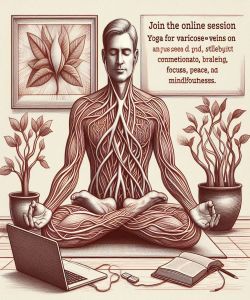
1. Overview of Yoga for Varicose Veins
Yoga for varicose veins constitutes a highly specific, non-invasive, and complementary therapeutic modality designed to mitigate the symptoms associated with venous insufficiency and prevent its progression. It is not a curative intervention but rather a rigorous management strategy that leverages targeted physical postures (asanas), controlled breathing techniques (pranayama), and principles of physiological alignment to enhance circulatory function within the lower extremities. The fundamental premise of this practice rests upon improving venous return—the process by which deoxygenated blood is transported from the peripheral limbs back to the heart. By engaging specific muscle groups, particularly the calf muscles which act as a 'second heart', this yogic regimen facilitates the propulsion of blood against gravity, thereby reducing venous stasis and pressure within compromised veins. Furthermore, the inclusion of gentle inversions, where the legs are elevated above the level of the heart, provides temporary but significant relief by mechanically assisting drainage from the lower limbs. This specialised application of yoga also emphasises the avoidance of postures that could potentially exacerbate the condition by restricting blood flow or increasing intra-abdominal pressure. The practice is therefore a carefully curated sequence of movements and static holds, meticulously designed to support vascular health, alleviate discomfort such as aching and swelling, and improve the overall tone of the supporting musculature. It operates as a holistic system, addressing not only the physical manifestations of varicose veins but also promoting systemic relaxation, which can have a positive secondary effect on cardiovascular regulation and perceived pain. The discipline demands precision, awareness, and consistent application under qualified guidance to ensure both safety and efficacy, positioning it as a serious adjunct to conventional medical care for individuals managing this chronic condition.
2. What is Yoga for Varicose Veins?
Yoga for Varicose Veins is not a distinct, standalone style of yoga but rather a highly specialised and therapeutic application of classical yogic principles, postures, and breathing exercises. It is a bespoke regimen meticulously curated to address the specific pathophysiological challenges of venous insufficiency. The core objective is to enhance circulation, particularly venous return from the lower limbs, to alleviate symptoms and inhibit the progression of the condition. This is achieved through a multi-faceted approach.
A primary component involves the selective use of asanas (postures). These are not chosen at random but are specifically selected for their capacity to:
- Activate the Musculovenous Pump: Poses that engage and strengthen the calf and thigh muscles, such as Tadasana (Mountain Pose) with calf raises or gentle variations of Virabhadrasana (Warrior Pose), are critical. These muscular contractions help to squeeze the veins and propel blood upwards towards the heart.
- Facilitate Venous Drainage: Gentle inversions are a cornerstone of the practice. Poses like Viparita Karani (Legs-Up-the-Wall Pose) and Sarvangasana (Shoulder Stand), often performed with support, use gravity to assist the drainage of pooled blood from the legs, reducing pressure and swelling.
- Avoid Venous Constriction: Equally important is the deliberate omission of postures that could worsen the condition. This includes deep, constrictive twists, prolonged static standing without movement, and any pose that significantly increases intra-abdominal pressure, as this can impede venous return from the legs.
Beyond physical postures, the practice integrates pranayama (breathing techniques). Deep, diaphragmatic breathing improves overall oxygenation and circulation, reduces stress (a factor which can impact cardiovascular health), and enhances the mind-body connection, fostering greater awareness of physical sensations. This focused approach transforms a general yoga practice into a targeted therapeutic intervention for managing varicose veins.
3. Who Needs Yoga for Varicose Veins?
-
Individuals with Early-Stage Chronic Venous Insufficiency: Those diagnosed with mild to moderate varicose veins or spider veins, who are experiencing initial symptoms such as leg aching, heaviness, itching, or minor swelling (oedema). This yoga regimen serves as a proactive, non-invasive strategy to manage these symptoms and potentially slow the progression of the condition by improving circulatory dynamics before significant valvular damage occurs. It is an ideal complementary therapy for those seeking to manage their condition conservatively.
-
Professionals in Sedentary or Static Occupations: Individuals whose work requires prolonged periods of either sitting or standing, including office workers, retail staff, surgeons, teachers, and hairdressers. Such static postures lead to blood pooling in the lower extremities due to inactivity of the calf muscle pump. This practice provides a structured method to counteract the effects of occupational venous stasis, actively promoting circulation and reducing the risk of developing or exacerbating varicose veins.
-
Post-Surgical or Post-Treatment Patients (with Medical Consent): Individuals who have undergone medical procedures for varicose veins, such as endovenous laser ablation, sclerotherapy, or vein stripping. Following a mandatory recovery period and with explicit clearance from their vascular specialist, engaging in this specific yoga programme can be instrumental in maintaining the results of the treatment, improving overall leg strength and circulation, and reducing the likelihood of recurrence in other veins.
-
Individuals with a Genetic Predisposition or High-Risk Factors: Persons with a strong family history of varicose veins, as well as those with risk factors such as obesity or a history of multiple pregnancies. For this demographic, the practice acts as a powerful preventative measure. By systematically strengthening the vascular support systems and promoting efficient blood flow, it helps to mitigate the impact of these predisposing factors, offering a robust strategy for long-term venous health.
4. Origins and Evolution of Yoga for Varicose Veins
The application of yoga as a specific therapeutic modality for varicose veins is a relatively modern development, born from the synthesis of ancient yogic wisdom and contemporary physiological understanding. The classical texts of yoga, such as the Yoga Sutras of Patanjali and the Hatha Yoga Pradipika, do not explicitly mention varicose veins. Their focus was on achieving spiritual enlightenment and overall physical vitality through the regulation of prana (life force energy). However, these foundational texts laid the groundwork by emphasising principles directly relevant to circulatory health, such as the importance of unobstructed energy channels (nadis) and the use of postures and breath to influence the body’s internal systems. The concept of using inversions to reverse the effects of gravity and purify the body is ancient, and it is this principle that forms a cornerstone of the modern therapeutic approach.
The evolution from general practice to a targeted therapy gained significant momentum in the 20th century, largely through the work of pioneers who applied a more anatomical and alignment-focused lens to Hatha yoga. Masters such as B.K.S. Iyengar were instrumental in this shift. Iyengar’s meticulous emphasis on precise anatomical alignment and his innovative use of props (such as blocks, belts, and bolsters) made yoga accessible to individuals with physical limitations and health conditions. His system allowed for the modification of classical postures to achieve specific therapeutic outcomes. For instance, supported inversions like Sarvangasana (Shoulder Stand) on a chair or Viparita Karani (Legs-Up-the-Wall Pose) with a bolster could be held for longer durations safely, maximising their circulatory benefits for conditions like venous insufficiency.
In recent decades, this evolution has accelerated with the rise of yoga therapy as a recognised complementary healthcare discipline. Modern yoga therapists now integrate knowledge of pathophysiology, kinesiology, and circulatory mechanics with traditional yogic techniques. They are trained to understand the contraindications for varicose veins—such as avoiding postures that increase intra-abdominal pressure—and to design bespoke sequences that safely and effectively activate the calf muscle pump and support venous return. This contemporary practice is therefore not an ancient, unchanged tradition but a dynamic and evidence-informed discipline, continually refined by a deeper understanding of how specific yogic practices impact the human vascular system.
5. Types of Yoga for Varicose Veins
The management of varicose veins through yoga does not rely on a single, branded style but rather on the application of principles drawn from several gentle, alignment-focused schools of practice. The key is the curated selection and modification of postures, not adherence to a specific lineage.
-
Therapeutic or Restorative Yoga: This is the most directly applicable approach. It utilises extensive use of props such as bolsters, blankets, and blocks to support the body in gentle postures for extended periods. The primary objective is to facilitate deep relaxation and passive release, which reduces systemic stress and improves circulation. A cornerstone of this practice for varicose veins is the supported Viparita Karani (Legs-Up-the-Wall Pose), where the body is completely at rest while gravity aids venous drainage from the legs.
-
Iyengar Yoga: This discipline is defined by its rigorous focus on precise anatomical alignment and the use of props to achieve it. For varicose vein management, an Iyengar-informed practice is exceptionally beneficial as it teaches practitioners how to correctly engage the leg muscles in standing poses without creating strain. It provides safe, supported methods for performing inversions, ensuring that the circulatory benefits are maximised while risks are minimised. The meticulous attention to detail prevents incorrect postures that could otherwise impede blood flow.
-
Hatha Yoga (Gentle Variation): A gentle, slow-paced Hatha class can be highly suitable, provided it is led by a knowledgeable instructor. The focus should be on foundational postures that can be held for several breaths, allowing for conscious engagement of the leg musculature and deep, diaphragmatic breathing. Key postures would include Tadasana (Mountain Pose) with dynamic foot and calf work, and gentle supine leg stretches, while avoiding deep, constrictive twists or strong abdominal contractions.
-
Viniyoga: This is a highly individualised and adaptive style of yoga that tailors the practice to the specific needs and conditions of the practitioner. A Viniyoga approach for varicose veins would involve creating a unique sequence that moves dynamically in and out of poses to stimulate circulation, combined with static holds and specific breathing techniques (pranayama) designed to support the cardiovascular system. The practice is inherently therapeutic and adapts to the individual's changing condition.
6. Benefits of Yoga for Varicose Veins
-
Enhanced Venous Return: The primary and most direct benefit is the significant improvement in the circulation of deoxygenated blood from the lower extremities back to the heart. This is achieved through the systematic activation of the calf and leg muscles, which function as a musculovenous pump, and the strategic use of inverted postures that employ gravity to facilitate venous drainage.
-
Alleviation of Symptoms: Consistent practice leads to a marked reduction in the common, burdensome symptoms associated with venous insufficiency. This includes the mitigation of dull aches, throbbing sensations, feelings of heaviness, and muscular cramps in the legs. Furthermore, by reducing venous pressure and fluid pooling, it helps to control and diminish swelling (oedema).
-
Strengthening of Supporting Musculature: The regimen specifically targets the muscles of the legs and core. Stronger, more toned calf muscles are more efficient at pumping blood. A stable core and strong leg muscles improve overall posture and body mechanics, which can reduce undue pressure on the venous system of the lower body during daily activities.
-
Increased Body Awareness and Postural Correction: The practice cultivates a heightened sense of proprioception and body awareness. Practitioners learn to identify and correct habitual postural patterns, such as locking the knees or uneven weight distribution, which can impede circulation. This leads to more efficient and healthier movement patterns in everyday life.
-
Reduction of Systemic Stress: The integration of controlled, deep breathing (pranayama) and mindful movement has a profound effect on the autonomic nervous system. It helps to lower stress hormones like cortisol, which can negatively impact cardiovascular health. This reduction in stress promotes vasodilation and can contribute to better overall circulatory regulation.
-
Prevention of Progression: For individuals in the early stages of the condition or those with significant risk factors, the practice serves as a powerful preventative tool. By actively managing the factors that contribute to venous stasis, it can help to slow the development of new varicose veins and the worsening of existing ones.
7. Core Principles and Practices of Yoga for Varicose Veins
-
Prioritisation of Venous Return: The paramount principle is the active facilitation of blood flow from the lower limbs towards the heart. Every posture, movement, and technique is selected and executed with this primary objective. This is achieved through two main mechanisms: the muscular pump activation via controlled engagement and release of leg muscles, and gravitational assistance through the regular inclusion of safe, supported inversions.
-
Avoidance of Venous Constriction and Intra-Abdominal Pressure: A non-negotiable principle is the strict avoidance of any posture or action that could impede venous return. This includes deep, compressing twists that restrict blood flow through the abdomen, postures that place direct pressure on the upper thighs or inguinal region, and breathing techniques or movements (such as strong abdominal locks or 'crunches') that significantly elevate intra-abdominal pressure.
-
Emphasis on Dynamic Movement over Static Stress: Prolonged, static standing is detrimental to venous health. Therefore, the practice emphasises gentle, dynamic movements to keep the calf pump active. Even in standing postures, subtle actions like lifting the toes, pressing through the heels, or performing gentle calf raises are incorporated to prevent blood from pooling and to maintain circulatory momentum.
-
Integration of Diaphragmatic Breathing (Pranayama): Controlled, deep breathing is not an optional extra but a core practice. Proper diaphragmatic breathing creates a pressure gradient in the torso that acts as a 'respiratory pump', drawing blood from the lower body upwards into the thoracic cavity. It also enhances oxygenation and promotes systemic relaxation, both of which support cardiovascular efficiency.
-
Utilisation of Props for Support and Safety: The use of props such as walls, bolsters, blocks, and blankets is fundamental. Props allow for the safe execution of inversions like Viparita Karani (Legs-Up-the-Wall Pose) without strain on the neck or back. They enable practitioners to hold beneficial postures for longer durations, maximising their therapeutic effect while ensuring comfort and stability, which is essential for a restorative practice.
-
Cultivation of Mindful Awareness: Practitioners are taught to cultivate a heightened awareness of the sensations within their legs. This 'interoception' allows for immediate feedback, enabling the individual to adjust their position or exit a pose if they feel any adverse sensations like tingling, numbness, or increased pressure. This principle ensures the practice remains therapeutic and responsive to the body's needs.
8. Online Yoga for Varicose Veins
-
Unparalleled Accessibility and Convenience: The primary online benefit is the removal of geographical and logistical barriers to accessing specialised instruction. Individuals in remote locations, or those with demanding schedules that preclude travel to a physical studio, can engage with expert-led programmes from their own homes. This convenience fosters greater consistency in practice, which is paramount for achieving tangible therapeutic results in managing a chronic condition like varicose veins.
-
Access to Niche Expertise: The online environment provides access to a global pool of highly specialised yoga therapists who focus specifically on circulatory health and conditions like venous insufficiency. Practitioners are no longer limited to the generalist instructors available in their local area. They can seek out and learn from genuine experts who possess a deep understanding of the required anatomical precision, contraindications, and therapeutic sequencing, ensuring a safer and more effective practice.
-
Controlled, Private, and Comfortable Environment: Practising at home allows individuals to create a completely controlled and private setting. This can be particularly beneficial for those who may feel self-conscious about their condition or their level of physical ability. A familiar, quiet environment free from the distractions or perceived pressures of a group class allows for deeper focus on the subtle internal sensations critical to a therapeutic yoga practice, enhancing the mind-body connection.
-
Replayability and Self-Paced Learning: Online platforms typically offer recorded sessions, granting the practitioner the ability to revisit instructions, pause to perfect a posture, or repeat entire classes as needed. This capacity for repetition reinforces correct technique and deepens understanding of the core principles. It allows for a truly self-paced learning curve, ensuring that foundational techniques are mastered before progressing, which is crucial for safety and long-term efficacy.
-
Cost-Effectiveness and Resource Availability: Online programmes are often more cost-effective than a series of private, in-person therapeutic sessions. Furthermore, these platforms frequently provide a wealth of supplementary resources, such as downloadable guides on contraindications, articles on venous health, and short, targeted routines for specific symptoms (e.g., a five-minute sequence for relieving leg ache after a long day), creating a comprehensive and supportive educational ecosystem.
9. Yoga for Varicose Veins Techniques
-
Preparation and Centring: Begin in a comfortable seated position on a cushion or chair, ensuring the spine is erect. Close the eyes and engage in several rounds of deep, diaphragmatic breathing. Inhale slowly through the nose, allowing the abdomen to expand, and exhale fully, drawing the navel towards the spine. This initial step calms the nervous system and establishes the mind-body connection, preparing the system for focused practice.
-
Ankle and Calf Activation (Seated): Whilst seated, extend both legs forward. Begin by performing ankle rotations, ten times clockwise and ten times anti-clockwise, to lubricate the ankle joints. Follow this by performing dorsiflexion and plantar flexion (pointing and flexing the feet) with deliberate control for twenty repetitions. This action directly engages the calf muscles, initiating the musculovenous pump mechanism in a non-weight-bearing manner.
-
Gentle Supine Leg Raises: Lie flat on your back (supine position). Place a folded blanket under the head for support if required. Inhale and slowly raise the right leg to a ninety-degree angle, or as high as is comfortable without strain, keeping the leg straight. Hold for five deep breaths, consciously engaging the quadriceps. Exhale and slowly lower the leg. Repeat five times on each side. This strengthens the leg muscles and promotes upward blood flow.
-
Supported Bridge Pose (Setu Bandhasana): Remain on your back with knees bent and feet flat on the floor, hip-width apart. Place a yoga block or firm bolster under your sacrum (the flat, bony part of your lower back). Allow your weight to rest fully on the prop. This creates a gentle, passive inversion of the pelvis, easing pressure in the lower body and facilitating venous return from the legs without muscular strain. Hold for one to three minutes while breathing deeply.
-
Legs-Up-the-Wall Pose (Viparita Karani): Position the short edge of your mat against a clear wall. Sit sideways against the wall, then swing your legs up the wall as you pivot to lie on your back. Your sit bones should be as close to the wall as is comfortable. A folded blanket or bolster can be placed under your lower back for support. Allow your arms to rest by your sides, palms up. Remain in this definitive restorative posture for five to fifteen minutes, breathing naturally. This is the primary technique for using gravity to drain pooled blood and fluid from the legs, providing profound relief.
10. Yoga for Varicose Veins for Adults
The application of yoga for managing varicose veins in adults is a precise and mature practice, demanding a departure from aesthetic or performance-oriented goals towards a purely therapeutic and functional objective. For the adult practitioner, often contending with the cumulative effects of occupational stress, lifestyle habits, and age-related physiological changes, this regimen must be approached with discipline and acute self-awareness. It centres on gentle, sustainable movements designed to enhance circulatory efficiency without imposing undue stress on the joints or the vascular system itself. The core of the practice involves supported inversions, such as Viparita Karani (Legs-Up-the-Wall Pose), which are non-negotiable for their ability to provide immediate gravitational assistance to venous return, thereby alleviating the symptoms of aching and swelling. Furthermore, the systematic engagement of the calf and thigh muscles through controlled, mindful movements—such as dynamic Tadasana (Mountain Pose) with toe and heel lifts—is critical. This directly stimulates the musculovenous pump, the body’s primary mechanism for propelling blood upward from the lower limbs. The adult practitioner must rigorously adhere to the principle of avoiding contraindications; this includes refraining from deep, constrictive postures, prolonged static standing, or any activity that increases intra-abdominal pressure, as these can exacerbate the condition. The integration of pranayama (controlled breathing) is also paramount, not merely for relaxation, but for its mechanical effect on circulation via the respiratory pump. This discipline, therefore, is a serious, health-oriented commitment for adults seeking a non-pharmacological, complementary strategy to maintain vascular health and manage a chronic condition with intelligence and consistency.
11. Total Duration of Online Yoga for Varicose Veins
The total duration of an online yoga session specifically designed for the management of varicose veins must be precisely calibrated to maximise therapeutic benefit whilst avoiding muscular fatigue or cardiovascular strain. The standard and professionally recommended duration for a single, comprehensive session is 1 hr. This sixty-minute timeframe is not arbitrary; it is structured to allow for a complete and balanced practice that addresses all necessary components in a safe and unhurried manner. The session is meticulously segmented. It commences with an initial period of approximately five to ten minutes dedicated to centring, mindful breathing (pranayama), and gentle preparatory movements, such as ankle rotations and seated stretches, to prepare the body and mind for the practice ahead. The main body of the session, lasting around forty minutes, is devoted to the core therapeutic sequence. This includes a series of carefully selected standing and supine postures designed to activate the leg muscles, followed by the essential supported inversions which form the cornerstone of the regimen. This central phase is paced deliberately to ensure proper alignment and mindful engagement without inducing breathlessness or stress. The final ten to fifteen minutes are reserved for a crucial cool-down period. This invariably includes a prolonged hold in the definitive restorative posture, Viparita Karani (Legs-Up-the-Wall Pose), followed by a period of complete rest in Savasana (Corpse Pose), allowing the nervous system and circulatory system to integrate the benefits of the practice. Adherence to this structured 1 hr duration ensures a potent, safe, and holistic therapeutic intervention. A shorter session would risk being superficial, whilst a longer one could prove counterproductive by causing unnecessary fatigue in the very muscles the practice seeks to support.
12. Things to Consider with Yoga for Varicose Veins
Before embarking on a yoga regimen for varicose veins, several critical factors must be rigorously considered to ensure safety and efficacy. Foremost among these is the necessity of obtaining medical clearance. This practice is a complementary therapy, not a substitute for professional medical diagnosis and treatment. It is imperative to consult with a general practitioner or a vascular specialist to confirm the suitability of yoga for one's specific condition, particularly if the varicose veins are severe, painful, or accompanied by skin changes, ulcerations, or a history of blood clots (deep vein thrombosis). Secondly, the practitioner must seek out a qualified and experienced instructor, preferably a certified yoga therapist with specific training in circulatory disorders. A general yoga teacher may lack the nuanced understanding of the contraindications and necessary modifications, potentially recommending postures that could exacerbate the condition. The choice of practice style is also a crucial consideration; vigorous, fast-paced styles such as Ashtanga or Power Yoga are wholly inappropriate. The focus must be on gentle, therapeutic, or restorative forms of yoga that prioritise slow, controlled movements and supported postures. Furthermore, one must cultivate an unwavering commitment to listening to one's own body. The principle of 'ahimsa' (non-harming) is paramount; any posture that causes pain, tingling, numbness, or an increase in pressure must be modified or abandoned immediately. Finally, consistency is more important than intensity. Regular, shorter sessions are far more beneficial for managing this chronic condition than infrequent, lengthy ones. This is a long-term management strategy, and realistic expectations regarding its role as a supportive, not curative, measure must be maintained.
13. Effectiveness of Yoga for Varicose Veins
The effectiveness of a targeted yoga practice for managing varicose veins is contingent upon its correct and consistent application as a complementary, rather than curative, modality. Its primary efficacy lies in the significant alleviation of symptoms and the potential to slow the progression of chronic venous insufficiency. The practice is highly effective in improving venous return through two principal mechanisms: the activation of the musculovenous pump via controlled engagement of the calf and thigh muscles, and the utilisation of gravity through regular, supported inversions. These actions directly combat venous stasis, the pooling of blood in the lower limbs, which is the root cause of symptoms like aching, heaviness, and oedema (swelling). Regular practitioners consistently report a marked reduction in these discomforts, leading to an improved quality of life. Furthermore, by strengthening the supporting musculature of the legs and improving overall posture, the regimen can reduce the daily strain on the venous system. The integrated practice of pranayama (controlled breathing) also contributes to effectiveness by enhancing systemic circulation and reducing stress, a factor known to impact cardiovascular health. However, it is imperative to state that yoga cannot reverse existing varicose veins or repair damaged venous valves. Its effectiveness is in functional improvement and symptom management. The degree of efficacy is directly proportional to the precision of the practice—adhering strictly to beneficial postures while avoiding all contraindications—and the commitment to regular, disciplined sessions. When undertaken with this understanding, under expert guidance, yoga for varicose veins is a potent and effective non-invasive strategy for long-term management.
14. Preferred Cautions During Yoga for Varicose Veins
It is imperative that any individual undertaking a yoga practice for varicose veins adheres to a strict set of cautions to prevent exacerbation of the condition and ensure safety. First and foremost, all postures that significantly increase intra-abdominal pressure must be rigorously avoided. This includes intense core work, such as Navasana (Boat Pose), strong abdominal locks (uddiyana bandha), and certain forceful breathing exercises like Kapalabhati. Such actions impede the return of venous blood from the legs to the heart. Similarly, any deep, constrictive twists that compress the abdominal cavity must be omitted from the practice. Secondly, prolonged static holding of standing poses is contraindicated. While standing postures are useful for strengthening leg muscles, they must be performed with subtle, dynamic actions—such as micro-movements in the feet or gentle bending and straightening of the knees—to keep the calf pump engaged and prevent blood from pooling. Thirdly, any posture that places direct, sustained pressure on the veins of the legs, such as Padmasana (Lotus Pose) or Virasana (Hero Pose) without adequate support, should be avoided or significantly modified. Direct pressure can restrict blood flow and worsen symptoms. Practitioners must also exercise extreme caution with balance poses, using a wall or chair for support to prevent falls, which could cause injury to the vulnerable veins. Finally, one must never push through pain, tingling, or numbness. These are clear signals from the body to cease the activity. The practice must always feel supportive and relieving, never stressful or painful. Medical consultation prior to starting is not merely recommended; it is an absolute prerequisite.
15. Yoga for Varicose Veins Course Outline
-
Module 1: Foundational Principles and Safety Protocols
- Introduction to the pathophysiology of Chronic Venous Insufficiency.
- Core principles of yoga for venous health: enhancing venous return, avoiding constriction.
- Comprehensive review of contraindications: postures and techniques to be strictly avoided.
- Instruction on the proper use of props (bolsters, blocks, blankets) for support and safety.
- Introduction to diaphragmatic breathing (Pranayama) as the 'respiratory pump'.
-
Module 2: Activating the Musculovenous Pump
- Focus on non-weight-bearing and seated postures to engage calf and thigh muscles.
- Techniques for dynamic foot and ankle movements (Dorsiflexion/Plantar Flexion, Ankle Rotations).
- Introduction to modified standing postures (Tadasana, gentle Utkatasana) with dynamic elements to prevent stasis.
- Practice of supine leg raises and cycling movements to build leg strength without strain.
-
Module 3: Mastering Gravitational Assistance - Inversions
- Safe and progressive introduction to supported inversions.
- Detailed instruction on entering, holding, and exiting Supported Bridge Pose (Setu Bandhasana) with a block.
- Mastering the definitive posture: Legs-Up-the-Wall Pose (Viparita Karani), with and without props.
- Instruction on gentle pelvic elevation techniques to facilitate passive drainage.
-
Module 4: Restorative Practices and Symptom Management
- Focus on gentle, restorative postures that calm the nervous system and promote circulation.
- Sequences designed specifically to alleviate common symptoms like aching, heaviness, and swelling.
- Guided relaxation techniques (Yoga Nidra) to reduce systemic stress.
- Development of a short, daily maintenance routine for long-term venous health.
-
Module 5: Integration and Personalised Practice
- Guidance on sequencing modules into a cohesive, full-length (1 hr) practice.
- Principles for adapting the practice based on daily symptoms and energy levels.
- Strategies for integrating mindful movement and postural awareness into daily life (e.g., at a desk or standing).
- Final review and Q&A session on maintaining a safe and effective long-term practice.
16. Detailed Objectives with Timeline of Yoga for Varicose Veins
-
Weeks 1-2: Foundational Knowledge and Safety Establishment
- Objective: To establish a comprehensive understanding of the core principles, safety protocols, and absolute contraindications. The practitioner will demonstrate the ability to perform basic diaphragmatic breathing and utilise props correctly for support.
- Timeline Action: By the end of week two, the practitioner will be proficient in identifying and avoiding harmful postures and will have mastered the preparatory, non-weight-bearing calf-pump exercises.
-
Weeks 3-4: Activation of the Musculovenous System
- Objective: To develop strength and awareness in the leg musculature through a curated set of dynamic standing and supine postures. The practitioner will learn to engage the muscles that support venous return without causing strain or static blood pooling.
- Timeline Action: By the end of week four, the practitioner will be able to perform a 15-minute sequence of dynamic standing and supine leg exercises with correct form and breath coordination, reporting increased awareness of leg muscle engagement.
-
Weeks 5-6: Competent Application of Gentle Inversions
- Objective: To safely and effectively incorporate supported inversions into the practice to leverage gravitational assistance for venous drainage. The focus is on mastering entry, stable holding, and safe exit from key postures.
- Timeline Action: By the end of week six, the practitioner will be able to independently set up for and hold a supported Setu Bandhasana (Bridge Pose) for three minutes and Viparita Karani (Legs-Up-the-Wall Pose) for a minimum of ten minutes, experiencing tangible relief from symptoms of leg heaviness.
-
Weeks 7-8: Symptom Management and Integration
- Objective: To integrate all learned components into a cohesive, full-length therapeutic session and to develop the ability to adapt the practice based on daily physical sensations. The practitioner will be able to self-select techniques to manage acute symptoms.
- Timeline Action: By the end of week eight, the practitioner will confidently perform a full 1-hour balanced sequence and will have developed a personalised 10-minute "emergency relief" routine for use after prolonged periods of standing or sitting, reporting a noticeable decrease in daily discomfort.
17. Requirements for Taking Online Yoga for Varicose Veins
-
Medical Clearance: Non-negotiable confirmation from a qualified medical professional (General Practitioner or Vascular Specialist) stating that participation in a gentle, modified yoga programme is safe and appropriate for the individual's specific stage of venous insufficiency. A history of deep vein thrombosis (DVT) requires explicit specialist consent.
-
Stable Internet Connection and Adequate Technology: A reliable, high-speed internet connection is imperative to ensure uninterrupted streaming of live or pre-recorded sessions. The practitioner must possess a device (laptop, tablet, or computer) with a screen large enough to clearly observe the instructor’s demonstrations of alignment and technique.
-
A Dedicated and Safe Practice Space: A private, quiet area free from distractions is required. The space must be sufficiently large to accommodate a yoga mat and allow for full-body movement without obstruction. It must have a clear, accessible wall space for performing essential postures like Viparita Karani (Legs-Up-the-Wall Pose).
-
Essential Yoga Equipment (Props): The therapeutic nature of this practice mandates the use of specific props. The minimum requirement includes a non-slip yoga mat, two firm yoga blocks, a sturdy bolster (or several firm pillows/cushions), and at least one thick blanket. A stable chair may also be required for certain modifications.
-
Commitment to Self-Accountability and Safety: The practitioner must possess the maturity and discipline to work with integrity in an unsupervised environment. This includes the ability to listen attentively to instructions, to honestly assess one’s physical limits, and to adhere strictly to the principle of avoiding any movement that causes pain or discomfort.
-
Appropriate Attire: Comfortable, non-restrictive clothing that allows for a full range of motion is required. Garments should not be excessively loose, as this can obscure the view of the practitioner’s alignment if two-way video is used, nor should they be constrictive, particularly around the waist, groin, or legs, as this can impede circulation.
18. Things to Keep in Mind Before Starting Online Yoga for Varicose Veins
Before commencing an online yoga programme for varicose veins, it is imperative to adopt a mindset of therapeutic diligence rather than one of casual exercise. You are not simply joining a fitness class; you are engaging in a targeted, self-managed health intervention that demands unwavering personal responsibility. The absence of an in-person instructor to provide hands-on corrections means the onus of safety falls squarely upon you. You must commit to listening with exceptional focus to every verbal cue regarding alignment, contraindications, and bodily sensation. It is crucial to internalise the fact that this practice is about facilitating circulation, not achieving aesthetic postures. You must be prepared to prioritise sensation over form, meaning if a pose causes any adverse feeling—pain, pinching, tingling, or increased pressure—you must immediately and intelligently modify or exit the posture, regardless of the instructor’s demonstration. Furthermore, you must ensure your technological setup is flawless and your physical space is prepared before each session begins; fumbling with equipment or a poor connection mid-class undermines the focus required for a therapeutic practice. Acknowledge that progress will be measured in the reduction of symptoms like aching and swelling, not in increased flexibility or strength. This is a long-term management strategy that requires patience and consistency. Approach every online session with the seriousness of a medical appointment, fully present and dedicated to the precise, gentle, and intelligent application of every technique. This disciplined mindset is the absolute prerequisite for achieving any benefit from the practice in a remote setting.
19. Qualifications Required to Perform Yoga for Varicose Veins
The instruction of yoga for varicose veins is a specialised therapeutic application that demands qualifications far exceeding those of a standard yoga teacher. The practitioner leading such sessions must possess a robust and verifiable educational background. At a minimum, this includes an advanced teaching certification (e.g., 500-hour level or equivalent) from a reputable yoga school. However, this foundational training is insufficient on its own. The essential, non-negotiable qualification is a specific certification in Yoga Therapy, such as that accredited by the International Association of Yoga Therapists (IAYT) or a comparable national body. This advanced training equips the instructor with the necessary knowledge of:
- Pathophysiology: A detailed understanding of the human circulatory system, specifically the mechanisms of chronic venous insufficiency, valvular incompetence, and the risk factors associated with varicose veins.
- Anatomy and Kinesiology: Expert knowledge of the musculoskeletal system, particularly the anatomy of the legs and the function of the musculovenous pump.
- Contraindications and Modifications: The ability to identify, explain, and rigorously enforce the avoidance of postures and techniques that could be harmful, and the skill to provide safe, effective modifications for all body types and levels of severity.
Furthermore, an instructor must have documented experience working with clients with specific health conditions and in a therapeutic context. They should be able to articulate the rationale behind their sequencing choices from both a yogic and a physiological perspective. They are not merely leading a class; they are providing a targeted therapeutic intervention. Therefore, proof of continuing professional development in relevant areas, such as restorative yoga or yoga for cardiovascular health, is also a strong indicator of a qualified professional. A practitioner without these specific therapeutic credentials is not qualified to guide individuals with this medical condition.
20. Online Vs Offline/Onsite Yoga for Varicose Veins
Online
The primary advantage of engaging in online yoga for varicose veins is the unparalleled access to specialised expertise. Practitioners are not constrained by geography and can connect with highly qualified yoga therapists who possess specific knowledge of venous insufficiency, a specialism rarely found in local, generalist studios. This modality offers supreme convenience, eliminating travel time and allowing for practice within a controlled, private home environment, which can be more comfortable for individuals who are self-conscious about their condition. Online platforms often provide a library of recorded sessions, enabling users to practise at any time and to repeat classes to master techniques, fostering consistency. However, the significant drawback is the lack of direct, physical feedback. An online instructor cannot provide hands-on adjustments to correct subtle misalignments, placing a greater burden of self-awareness and accountability on the practitioner. There is a higher risk of performing a posture incorrectly, potentially reducing its efficacy or, in a worst-case scenario, causing harm. The online format demands a high degree of self-discipline and is best suited for individuals who are already familiar with basic yoga principles and can follow verbal cues with precision.
Offline/Onsite
The defining benefit of an offline, or onsite, class is the direct, in-person supervision by a qualified instructor. This allows for immediate, tactile feedback and hands-on adjustments, ensuring that postures are performed with optimal alignment for maximum therapeutic benefit and safety. The instructor can observe the practitioner’s body in three dimensions and offer personalised modifications in real time, which is particularly crucial when dealing with a medical condition. An onsite setting also fosters a sense of community and shared purpose, which can be highly motivating. The primary disadvantages are logistical and financial. Onsite classes are typically more expensive and are bound by a fixed schedule and location, which can be a significant barrier for those with busy lives or limited mobility. Furthermore, finding a local class led by an instructor with the requisite specialised knowledge of varicose veins can be exceptionally difficult, with many practitioners having to settle for a general gentle or restorative class that may not be sufficiently targeted and may not rigorously enforce the necessary contraindications. The environment is also less private and may not be comfortable for all individuals.
21. FAQs About Online Yoga for Varicose Veins
Question 1. Is online yoga a cure for varicose veins?
Answer: No. It is a complementary therapeutic modality designed to manage symptoms such as pain, swelling, and heaviness, and to improve circulation. It cannot cure existing varicose veins or repair damaged valves.
Question 2. Can I start if my veins are very painful?
Answer: You must consult your doctor or vascular specialist before starting. If you have significant pain, inflammation, or skin changes, medical intervention is necessary first. Yoga is for management, not for treating acute conditions.
Question 3. What equipment is absolutely essential?
Answer: A non-slip yoga mat, a wall space, two yoga blocks, and a firm bolster or several dense blankets are essential for the supportive and restorative postures that form the core of the practice.
Question 4. How soon will I see results?
Answer: Many people report feeling relief from symptoms like leg heaviness and aching immediately after the first session, particularly after performing Legs-Up-the-Wall Pose. More sustained benefits require consistent practice over several weeks.
Question 5. Is it safe to do inversions like Headstand?
Answer: No. Strong, unsupported inversions like Headstand or Handstand are contraindicated. The practice focuses exclusively on gentle, supported inversions like Legs-Up-the-Wall Pose and Supported Bridge Pose.
Question 6. Can I do this practice if I am pregnant?
Answer: You must seek a programme specifically designed for prenatal yoga and consult your obstetrician. Standard yoga for varicose veins contains postures that may not be suitable during pregnancy.
Question 7. What if a pose feels uncomfortable?
Answer: You must stop immediately. The guiding principle is non-harming (ahimsa). Discomfort is a signal to exit the pose or seek a modification. Never push through pain.
Question 8. How often should I practise?
Answer: Consistency is key. A full 1-hour session three to four times per week is ideal, supplemented with a short, 10-15 minute daily routine of legs-up-the-wall.
Question 9. Will this get rid of my spider veins?
Answer: No. Like varicose veins, spider veins are a cosmetic and medical issue that yoga cannot reverse. The practice can, however, improve overall circulation which supports vascular health.
Question 10. Can I do this if I've had vein surgery?
Answer: Yes, but only after you have fully recovered and have been explicitly cleared by your surgeon to resume physical activity.
Question 11. Are there any breathing exercises I should avoid?
Answer: Yes. Avoid any techniques that involve forceful exhalations or create strong pressure in the abdomen, such as Kapalabhati (Breath of Fire). Focus on deep, calm, diaphragmatic breathing.
Question 12. Does my age matter?
Answer: No. The practice is gentle and can be adapted for adults of any age, provided they have medical clearance.
Question 13. What is the single most important pose?
Answer: Viparita Karani (Legs-Up-the-Wall Pose) is considered the cornerstone posture for its direct use of gravity to aid venous drainage and provide relief.
Question 14. Can I wear compression stockings during practice?
Answer: This should be discussed with your doctor. Generally, it is acceptable, but some find them restrictive during movement.
Question 15. Do I need previous yoga experience?
Answer: No, a specialised online course for varicose veins should be designed for beginners, focusing on safety and therapeutic application rather than complex postures.
Question 16. What if my internet connection fails mid-class?
Answer: A good online programme will provide recordings of live classes, so you can complete the session later.
Question 17. How do I know if an online instructor is qualified?
Answer: Look for certifications in Yoga Therapy (e.g., C-IAYT) and specific experience with therapeutic or restorative yoga, not just a standard teaching certificate.
22. Conclusion About Yoga for Varicose Veins
In conclusion, Yoga for Varicose Veins stands as a rigorous, intelligent, and highly effective complementary strategy for the management of chronic venous insufficiency. It must be unequivocally understood not as a cure, but as a sophisticated system of physical and physiological support. Its strength lies in its dual-pronged approach: the mechanical activation of the musculovenous pump to actively propel blood, and the passive use of gravity through supported inversions to alleviate venous pressure and stasis. When executed with precision and an unwavering adherence to safety protocols—most notably the strict avoidance of contraindicated postures that increase intra-abdominal pressure—the practice offers tangible relief from the burdensome symptoms of pain, swelling, and fatigue in the lower limbs. The discipline demands more than mere physical participation; it requires a practitioner's commitment to self-awareness, consistency, and respect for their body's limitations. It is a proactive, non-invasive intervention that empowers individuals to take a significant role in managing their own vascular health. For those who approach it with the requisite seriousness and under qualified guidance, this specialised application of yoga provides a powerful tool for enhancing quality of life, mitigating discomfort, and supporting the body’s circulatory system against the chronic challenges of varicose veins. It is, therefore, a profoundly valuable adjunct to conventional medical care, offering a pathway to functional improvement and sustained symptomatic relief