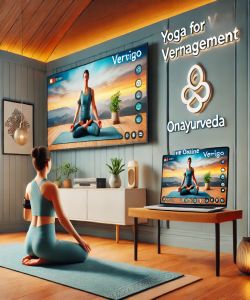
1. Overview of Yoga for Vertigo Management
Yoga for Vertigo Management constitutes a highly specialised, non-pharmacological intervention designed to mitigate the debilitating symptoms of vestibular dysfunction. This rigorous modality is not to be confused with general yoga practice; it is a targeted therapeutic system focused on recalibrating the body's balance mechanisms, enhancing proprioceptive awareness, and regulating the autonomic nervous system’s response to disorienting stimuli. Its core purpose is to systematically improve the individual’s ability to maintain equilibrium and reduce the frequency and intensity of vertigo episodes. The practice achieves this by integrating specific, controlled physical postures (asanas), deliberate breath control techniques (pranayama), and unwavering mental focus (dharana). This synthesis works to strengthen the neuromuscular pathways that govern stability, desensitise the vestibular system to provocative movements, and interrupt the anxiety-vertigo feedback loop that often exacerbates the condition. It is an active, disciplined approach that empowers the individual to regain a sense of control over their physical orientation in space. The methodology demands precision, patience, and a complete commitment to its structured protocols, moving beyond mere physical exercise to become a comprehensive strategy for re-establishing somatic confidence and functional independence. It operates on the principle that through deliberate, repetitive, and mindful practice, the brain can be retrained to process vestibular and sensory information more accurately, thereby diminishing the perception of spinning or movement and restoring a state of stable, grounded presence. This is a formidable tool for those who seek to manage their condition proactively, demanding disciplined application for its profound effects to be fully realised.
2. What are Yoga for Vertigo Management?
Yoga for Vertigo Management represents a distinct, therapeutic application of yogic principles, meticulously adapted to address the physiological and psychological challenges of vestibular disorders. It is a structured programme, not a casual series of postures, which focuses intently on restoring the body's equilibrium and mitigating the sensation of vertigo. At its core, this practice is a form of vestibular rehabilitation therapy that leverages the mind-body connection intrinsic to yoga. It is fundamentally about retraining the brain and nervous system to cope with and eventually override the faulty signals originating from the inner ear or associated neural pathways. The practice is characterised by its emphasis on slow, deliberate, and exceptionally controlled movements. The objective is never to push into a state of dizziness but to approach the edge of instability in a completely secure and managed environment, thereby gradually expanding the individual's threshold of tolerance.
The key components of this modality include:
- Gaze Stabilisation (Drishti): Specific eye exercises and fixed-gaze techniques are employed during postures to help stabilise the visual field, a critical factor in maintaining balance when the vestibular system is compromised. This directly assists in reducing the sensation of the world spinning.
- Static and Dynamic Balance Postures (Asanas): A carefully curated selection of standing, seated, and supine poses are utilised. These are chosen for their ability to challenge and improve proprioception—the body's awareness of its position in space—and strengthen the core and lower body musculature essential for physical stability.
- Breath Regulation (Pranayama): Controlled breathing techniques are integral. They serve to calm the autonomic nervous system, which is often in a state of hyper-arousal in individuals with chronic vertigo. This helps to manage the anxiety, panic, and nausea that frequently accompany an episode.
- Proprioceptive Stimulation: Practices often involve variations in surface stability or closing the eyes to force the body to rely more heavily on sensory information from the muscles and joints, thereby sharpening this sense.
3. Who Needs Yoga for Vertigo Management?
- Individuals clinically diagnosed with Benign Paroxysmal Positional Vertigo (BPPV) who have undergone canalith repositioning manoeuvres and require a structured programme to rebuild confidence and retrain their balance system post-treatment. This is for consolidating gains and preventing recurrence-related anxiety.
- Sufferers of chronic subjective dizziness or Persistent Postural-Perceptual Dizziness (PPPD), where a persistent sensation of unsteadiness exists without objective clinical findings of acute vertigo. This practice directly addresses the hypervigilance and sensory mismatch characteristic of PPPD.
- Patients with vestibular neuritis or labyrinthitis in the sub-acute or chronic phase. Once the initial, severe vertigo has subsided, this methodology is essential for facilitating central nervous system compensation and accelerating the recovery of functional balance.
- Individuals experiencing vestibular deficits secondary to head trauma or post-concussion syndrome. The practice provides a controlled, progressive means to rehabilitate damaged neural pathways and improve gaze stability and postural control.
- Those diagnosed with Ménière’s disease during their inter-critical periods (between acute attacks). The focus here is not on treating an acute episode but on improving baseline balance, managing stress, and potentially reducing the frequency or severity of future attacks through nervous system regulation.
- Older adults experiencing age-related balance decline or presbyvestibulopathy. The gentle, stability-focused nature of the practice provides a safe and effective means to enhance strength, proprioception, and confidence, thereby reducing the risk of falls.
- Individuals for whom anxiety is a significant trigger or exacerbating factor for their dizziness or vertigo. The integrated pranayama and mindfulness components directly target the psychogenic aspects of the condition, breaking the cycle of anxiety causing dizziness, which in turn causes more anxiety.
- Persons experiencing cervicogenic dizziness, where neck tension and dysfunction contribute to sensations of unsteadiness. Specific, gentle neck movements and postures within the protocol can help to alleviate the root musculoskeletal cause.
4. Origins and Evolution of Yoga for Vertigo Management
The origins of Yoga for Vertigo Management do not lie in a single ancient text or a specific yogic lineage explicitly created for this purpose. Instead, its development is a modern synthesis, a testament to the adaptive application of timeless principles to contemporary clinical needs. The foundational elements are drawn from classical Hatha yoga, which has for millennia emphasised the cultivation of sthira (steadiness) and sukha (comfort) in posture. Ancient yogis understood implicitly the profound connection between physical balance, breath, and mental clarity. Postures that demanded stability, such as Tree Pose (Vrksasana) or Warrior Poses (Virabhadrasana), were tools for honing concentration and mastering the body’s relationship with gravity, concepts that are fundamental to modern vertigo management.
The evolution from this general principle of balance to a targeted therapeutic protocol began in the latter half of the twentieth century, concurrent with the rise of yoga therapy in the West. As yoga was increasingly scrutinised through a scientific and medical lens, practitioners and healthcare professionals began to recognise its potential beyond general wellness. They started to deconstruct the practice, identifying specific asanas and pranayama techniques that had a demonstrable impact on the nervous, musculoskeletal, and vestibular systems. This period saw the initial, informal application of slow, grounding yoga sequences for individuals reporting dizziness, albeit without a formalised, evidence-based structure.
The final and most crucial stage of its evolution has occurred more recently, driven by a deeper understanding of neuro-otology and the mechanisms of vestibular rehabilitation therapy (VRT). Experts in both yoga therapy and physiotherapy began to collaborate, creating structured protocols that mirrored the principles of VRT. These modern programmes systematically incorporate gaze stabilisation exercises (yogic drishti), habituation exercises (controlled exposure to provocative movements), and balance retraining (modified asanas). This fusion transformed a general wellness practice into a precise, clinical modality. It is no longer just "yoga for balance" but a sophisticated system—Yoga for Vertigo Management—that intentionally and methodically targets the specific neurological and physiological deficits underlying vestibular disorders.
5. Types of Yoga for Vertigo Management
- Static Foundational Yoga: This type forms the bedrock of any vertigo management programme. It focuses exclusively on static, grounded postures held for extended durations. The primary objective is to build neuromuscular stability and enhance proprioceptive feedback without introducing disorienting movement. Poses are performed with meticulous attention to alignment, often using walls or chairs for support. Examples include Mountain Pose (Tadasana) with precise foot grounding and Seated Staff Pose (Dandasana) to reinforce core engagement. The gaze (drishti) is held absolutely steady on a single, unmoving point. This type is critical for beginners and during periods of heightened sensitivity, as it rebuilds somatic confidence from a secure base.
- Gaze Stabilisation and Head Movement Integration: This advanced type directly incorporates principles from vestibular rehabilitation. While holding a stable base posture, such as a supported Warrior II, the practitioner performs specific, controlled head and eye movements. This involves keeping the eyes fixed on a point while slowly turning the head, or keeping the head still while shifting the gaze between two points. This systematically challenges and retrains the vestibulo-ocular reflex (VOR), which is often impaired in vertigo sufferers. It is a targeted intervention to desensitise the system and improve the brain's ability to coordinate eye and head movements without inducing dizziness.
- Dynamic Flow for Vestibular Habituation: This is the most advanced form and must only be undertaken once a strong foundation is established. It involves linking postures together in a slow, continuous, and exceptionally mindful flow. Transitions between poses, such as moving from a low lunge to a standing pose, are broken down into micro-movements. The aim is habituation—to gradually and safely expose the vestibular system to the very movements that might typically provoke symptoms. The pace is non-negotiable and remains deliberately slow, ensuring the practitioner stays below their symptom threshold. This type re-patterns the brain to accept movement as non-threatening.
- Restorative and Somatic Yoga: This type focuses on down-regulating the nervous system and managing the anxiety component of vertigo. It utilises fully supported, passive postures, such as Supported Child's Pose (Salamba Balasana) or Legs-Up-the-Wall Pose (Viparita Karani), held for several minutes. The emphasis is on deep diaphragmatic breathing (pranayama) and interoception—the sensing of the body's internal state. It directly combats the sympathetic nervous system's fight-or-flight response, breaking the anxiety-dizziness-anxiety cycle and promoting profound physiological calm.
6. Benefits of Yoga for Vertigo Management
- Enhancement of Vestibular Compensation: Directly facilitates the central nervous system's ability to adapt to and compensate for deficient or asymmetric signals from the inner ear, a cornerstone of long-term recovery.
- Improved Gaze Stability: Through the disciplined practice of drishti (fixed gaze) and integrated eye-head movements, it strengthens the vestibulo-ocular reflex (VOR), reducing visual blurring and the sensation of spinning during head movements.
- Sharpened Proprioceptive Acuity: Systematically retrains the body's awareness of its position in space by increasing reliance on sensory feedback from muscles and joints, making the individual less dependent on a compromised vestibular system.
- Increased Postural Control and Strength: Develops core and lower-body strength, creating a more stable physical foundation. This directly improves balance and reduces the physical sway and unsteadiness associated with vestibular disorders.
- Regulation of the Autonomic Nervous System: The integration of controlled breathing (pranayama) down-regulates the sympathetic (fight-or-flight) response and activates the parasympathetic (rest-and-digest) system, mitigating anxiety, nausea, and panic.
- Desensitisation to Provocative Stimuli: Through gradual, controlled exposure to movements that would typically trigger symptoms, the practice habituates the nervous system, raising the threshold at which vertigo is initiated.
- Reduction in Anxiety and Fear Avoidance: By providing a safe and structured framework for movement, it directly confronts the fear of movement (kinesiophobia) that plagues many sufferers, restoring confidence and reducing anxiety-driven avoidance behaviours.
- Improved Mind-Body Connection and Interoception: Cultivates a heightened awareness of the body's internal signals, enabling the individual to better distinguish between genuine vertigo and anxiety-related sensations, leading to more rational responses.
- Alleviation of Secondary Musculoskeletal Issues: Addresses compensatory tension patterns, particularly in the neck, shoulders, and back, that develop from holding the body rigidly to avoid dizziness.
- Empowerment and Locus of Control: Provides the individual with a proactive, self-managed toolkit, shifting their role from a passive sufferer to an active participant in their own recovery and management.
7. Core Principles and Practices of Yoga for Vertigo Management
- Primacy of Stability: The foundational principle is the uncompromising pursuit of stability before mobility. Every posture, movement, and transition is initiated from a place of absolute groundedness. Support from walls, chairs, or blocks is not optional but integral to the practice, ensuring the nervous system remains in a state of safety, not alarm. Mobility is earned, not assumed.
- Graduated Exposure: The methodology is built upon the principle of systematic and incremental challenge. The practitioner must work at the precise edge of their ability without crossing the threshold into significant symptoms. This involves a slow progression from simple static poses to more complex dynamic transitions and head movements, allowing the vestibular system to adapt and habituate without being overwhelmed.
- Unwavering Gaze (Drishti): A fixed and steady gaze is non-negotiable. It is the anchor for the mind and the vestibular system. The practice mandates fixing the eyes on a single, unmoving point before, during, and after any posture or movement. This stabilises the visual field, provides a reliable reference point for balance, and trains the brain to suppress erroneous spinning sensations.
- Breath as a Regulatory Tool: Breath is not incidental; it is a primary instrument for controlling the autonomic nervous system. The practice mandates slow, deep, diaphragmatic breathing. Inhalations and exhalations are smooth and even, used to pace movement and to immediately calm the nervous system if any unsteadiness arises. Holding the breath is strictly prohibited as it increases tension and anxiety.
- Meticulous Alignment and Grounding: Precise physical alignment is critical for optimising proprioceptive feedback. The practice demands conscious attention to the distribution of weight through the feet, the engagement of the core, and the alignment of the spine. This creates clear communication channels between the body and the brain, enhancing the sense of where the body is in space.
- Somatic Mindfulness (Interoception): The practitioner must cultivate a state of heightened internal awareness, constantly monitoring subtle shifts in balance, tension, and sensation. This is not hypervigilance but a calm, objective observation. This mindfulness allows for immediate, intelligent adjustments to the practice to maintain stability and prevent the escalation of symptoms.
- Elimination of Speed: All movements must be performed with deliberate slowness. Speed is the enemy of vestibular recalibration. Slow, controlled transitions from one posture to another allow the brain adequate time to process sensory information, make postural adjustments, and maintain equilibrium. Rushing through movements is counterproductive and dangerous.
8. Online Yoga for Vertigo Management
- Unparalleled Accessibility and Consistency: The online format removes geographical and logistical barriers to accessing specialised instruction. Individuals in remote areas or with mobility limitations can engage in a consistent practice schedule from the security of their own home. This consistency is paramount for the neurological adaptations required for vestibular rehabilitation; daily access to a structured programme is more effective than infrequent in-person sessions.
- Controlled and Familiar Environment: Practising within one’s own home provides an inherently safe and predictable environment. This is psychologically critical for individuals with vertigo, as unfamiliar settings can heighten anxiety and sensory overload. The practitioner controls the lighting, sound, and temperature, and has immediate access to familiar supports like walls and furniture, fostering a sense of security that is essential for effective practice.
- Ultimate Control over Pacing and Intensity: An online platform, particularly with pre-recorded sessions, grants the user absolute authority over the pace of their practice. They can pause, repeat, or modify any part of the session without pressure. This self-pacing is not a convenience but a clinical necessity. It allows the individual to respond instantly to their body’s signals, ensuring they work at their precise therapeutic edge without exceeding their symptom threshold.
- Enhanced Repetition and Reinforcement: The ability to replay sessions facilitates the mastery of core techniques through repetition. Neurological retraining, which is the basis of vestibular therapy, depends on consistent and accurate repetition of specific movements and gaze exercises. The online format allows the practitioner to revisit foundational lessons as often as needed to solidify these neural pathways.
- Reduced Performance Anxiety: The private nature of online practice eliminates the potential for social comparison or performance anxiety that can arise in a group class setting. For an individual whose balance is compromised, this is a significant benefit. It allows them to focus entirely on their own internal experience and progress without distraction or self-consciousness, which is crucial for the deep somatic mindfulness required.
- Empowerment through Self-Management: Engaging with a structured online programme fosters a powerful sense of autonomy and self-efficacy. It requires discipline and accountability, placing the tools for management directly into the hands of the individual. This active role in one’s own rehabilitation is psychologically empowering and a key factor in long-term success and reduced reliance on external interventions.
9. Yoga for Vertigo Management Techniques
- Establish the Unshakable Base: Begin every single practice session by establishing a firm, grounded connection to the floor. Stand in Mountain Pose (Tadasana), feet hip-width apart. Actively press all four corners of each foot into the ground. Feel the floor. Engage the quadriceps to lift the kneecaps. Engage the core musculature. Let the arms rest at the sides. This is your non-negotiable starting position.
- Implement the Gaze Anchor (Drishti): Before any movement, select a single, unmoving point in front of you at eye level. This is your drishti. Fix your gaze upon this point with unwavering focus. Your eyes must not wander. This visual anchor provides the brain with a stable reference point, actively suppressing the sensation of environmental movement.
- Initiate Controlled Weight Shifts: While maintaining your Tadasana base and drishti, slowly and deliberately shift your weight to your right foot. Do not lift the left foot yet. Hold for five slow breaths, feeling the micro-adjustments in your right ankle and leg. Then, slowly shift your weight to your left foot. Hold for five breaths. This trains the proprioceptive system in a highly controlled manner.
- Execute Supported Postural Challenges: Using a wall or a sturdy chair for hand support, move into a simple balance pose like Tree Pose (Vrksasana). Place the sole of one foot on the opposite ankle or calf (never the knee). Maintain your hand on the support. Keep your gaze locked. The support is not a crutch; it is a tool for maintaining safety while the balance system is challenged. Hold for a predetermined number of breaths, then switch sides.
- Integrate Slow Head Movements: Return to a stable, supported stance. Keep your eyes fixed on your drishti point. Inhale to prepare. Exhale and, as slowly as possible, turn your head to the right, as if saying "no." Your eyes must remain locked on the point in front of you. Inhale to return to the centre. Exhale and slowly turn to the left. The movement must be minuscule and free of any momentum.
- Practice a Regulated Cool-down and Rest: Conclude the practice with a restorative, grounding pose. The Legs-Up-the-Wall Pose (Viparita Karani) is ideal. Lie on your back and swing your legs up to rest against a wall. This is not a passive rest. Focus on deep, diaphragmatic breathing. Feel the stability of the floor beneath you. This calms the nervous system and consolidates the neurological gains of the practice.
10. Yoga for Vertigo Management for Adults
Yoga for Vertigo Management for the adult population is a rigorous, non-negotiable discipline tailored to address the complexities of mature physiological systems. It acknowledges that adults may present with a confluence of factors contributing to vestibular dysfunction, including age-related sensory decline (presbyvestibulopathy), cumulative musculoskeletal imbalances, historical injuries, and the pervasive impact of chronic stress on the nervous system. Therefore, the approach must be uncompromisingly safe, systematic, and supportive. The practice prioritises the preservation and enhancement of functional independence, focusing intently on fall prevention, the rebuilding of somatic confidence, and the management of anxiety related to balance instability. Postures are invariably modified with the use of props such as chairs, walls, and blocks to provide essential support, eliminating any risk of falls and ensuring that the practitioner can focus on the core tasks of gaze stabilisation and proprioceptive retraining without fear. The pace is deliberately slow, respecting that the adult nervous system may require more time and repetition to forge new neural pathways for improved balance. Emphasis is placed on strengthening the core and lower body, which are critical for postural stability, and on gentle mobilisation of the cervical spine to address any cervicogenic component of the dizziness. Furthermore, the integrated breathwork is paramount, serving as a direct tool to regulate blood pressure and calm a nervous system that may be more reactive in adulthood. This is not a simplified version of yoga; it is a more intelligent, targeted, and medically-informed application designed for maximum efficacy and absolute safety.
11. Total Duration of Online Yoga for Vertigo Management
The stipulated total duration for a single, focused session of Online Yoga for Vertigo Management must be precisely one hour. This 1 hr timeframe is not an arbitrary allocation but a clinically reasoned structure designed for maximum therapeutic efficacy and safety. A duration shorter than this is insufficient to move through the necessary phases of preparation, active retraining, and crucial neurological down-regulation. Conversely, extending the practice beyond this point risks neuromuscular fatigue and sensory overload, which would be counterproductive and could potentially exacerbate symptoms. The one-hour session is methodically partitioned. It commences with a preparatory phase of grounding and breath awareness, allowing the nervous system to settle. This is followed by the core segment of the practice, dedicated to the rigorous application of gaze stabilisation exercises, static balance work, and controlled, habituating movements. This demanding central portion requires unwavering concentration and physical control. The final part of the 1 hr session is non-negotiable: a dedicated period for restorative postures and deep, parasympathetic breathing. This cool-down phase is essential for integrating the neurological work accomplished, calming the vestibular system, and ensuring the practitioner concludes the session in a state of enhanced stability and calm, rather than agitation. Therefore, the one-hour duration is the complete and indivisible unit of practice required to achieve the desired therapeutic outcome. It provides the necessary container for a comprehensive warm-up, a targeted main practice, and an essential cool-down, making it the standard for a potent and responsible session.
12. Things to Consider with Yoga for Vertigo Management
Engaging with Yoga for Vertigo Management demands a serious and informed approach, predicated on a clear understanding of its therapeutic nature. It is imperative, first and foremost, to secure a precise medical diagnosis for the cause of the vertigo. This practice is not a one-size-fits-all remedy; its application and the specific techniques employed must be appropriate for the underlying condition, be it BPPV, vestibular neuritis, or PPPD. Self-diagnosis is unacceptable and potentially hazardous. The individual must approach this modality with profound patience and a complete rejection of the "no pain, no gain" mentality. Progress is measured in millimeters, not miles, and is defined by an increase in stable, symptom-free moments, not by the achievement of complex postures. Pushing through dizziness is unequivocally counterproductive and will undermine the entire process of neurological recalibration. The selection of an instructor is of paramount importance; they must possess specific, demonstrable training in therapeutic yoga and a deep, clinical understanding of vestibular disorders, not just a standard yoga teacher certification. Furthermore, the practitioner must commit to absolute consistency. Sporadic engagement will yield negligible results, as the practice relies on the principle of neuroplasticity, which requires frequent and regular stimulation to create lasting change in neural pathways. Finally, one must maintain realistic expectations. This is a management strategy, not an instantaneous cure. It is a disciplined, active process of retraining the body and brain, requiring unwavering commitment for tangible, long-term improvement in functional stability and quality of life.
13. Effectiveness of Yoga for Vertigo Management
The effectiveness of Yoga for Vertigo Management is contingent upon its precise and disciplined application as a form of targeted vestibular rehabilitation, not as a general wellness activity. When executed correctly, its efficacy is substantial. The methodology directly addresses the three primary sensory systems responsible for balance: the vestibular, the visual, and the proprioceptive. By systematically integrating gaze stabilisation exercises (drishti), it retrains the vestibulo-ocular reflex, a critical component in reducing the sensation of spinning. The unwavering focus on static and dynamically challenged postures enhances proprioceptive feedback from the joints and muscles, forcing the central nervous system to develop a more reliable "body map" and become less dependent on faulty vestibular signals. This process of sensory re-weighting is the cornerstone of its success. Furthermore, its integral use of controlled breathing (pranayama) demonstrates profound effectiveness in mitigating the secondary, yet often most debilitating, aspects of chronic vertigo: anxiety and autonomic nervous system dysregulation. By calming the fight-or-flight response, it breaks the vicious cycle where dizziness triggers panic, which in turn amplifies the sensation of dizziness. The effectiveness is not theoretical; it is rooted in the established principles of neuroplasticity—the brain's ability to reorganise itself by forming new neural connections. Through consistent, repetitive, and controlled practice, this modality effectively retrains the brain to interpret sensory information more accurately, leading to a demonstrable reduction in the frequency and severity of vertigo symptoms and a significant improvement in functional balance and quality of life.
14. Preferred Cautions During Yoga for Vertigo Management
Utmost caution is non-negotiable and must be exercised with uncompromising rigour throughout every moment of practice. The primary directive is to prevent falls at all costs; the environment must be cleared of all obstacles, and the use of a sturdy chair or wall for support is not merely suggested but mandatory, especially in the initial stages or during any pose that challenges stability. All movements, without exception, must be executed with extreme slowness and deliberate control. Any rapid, ballistic, or uncontrolled transitions, particularly those involving changes in head level such as moving from standing to forward-bending, must be strictly avoided. The practitioner must develop a hyper-awareness of their personal symptom threshold and operate well below it. The objective is to challenge the system, not to overwhelm it. The instant a significant increase in dizziness, nausea, or disorientation is perceived, the movement must be ceased immediately, and the practitioner must return to a stable, supported position with a fixed gaze until the sensation fully subsides. Poses that involve deep backbends, unsupported inversions (like headstand or shoulderstand), or rapid, repetitive spinal movements are absolutely contraindicated. Furthermore, holding the breath is forbidden, as it increases intra-thoracic pressure and can exacerbate feelings of instability and anxiety. The practitioner must remain hydrated and avoid practising on a full stomach. This is not a practice of pushing limits but of intelligently and safely redefining them. Any deviation from these cautions constitutes a breach of protocol and risks injury and therapeutic setback.
15. Yoga for Vertigo Management Course Outline
1: Foundational Stability and Safety Protocol
- Point 1: Introduction to Core Principles: The absolute primacy of safety, slowness, and stability.
- Point 2: Environment Setup: Mandated procedures for creating a secure, obstacle-free practice space.
- Point 3: Proprioceptive Activation: Grounding techniques in static Tadasana (Mountain Pose) and Dandasana (Staff Pose).
- Point 4: Gaze Anchoring (Drishti): Theory and practice of establishing an unwavering visual focal point.
2: Breath Regulation and Nervous System Control
- Point 1: Diaphragmatic Breathing Mechanics: Mastering the physical action of deep, calming breath.
- Point 2: Pranayama for Anxiety Reduction: Introduction to Ujjayi (Victorious Breath) and Sama Vritti (Equal Ratio Breathing).
- Point 3: Integrating Breath with Micro-Movements: Coordinating breath with slow, controlled weight shifts.
- Point 4: Emergency Breathing: A specific breathing protocol to manage the onset of acute dizziness during practice.
3: Static Balance and Gaze Stabilisation
- Point 1: Supported One-Legged Balances: Vrksasana (Tree Pose) and Utthita Hasta Padangusthasana (Extended Hand-to-Big-Toe Pose) variations using wall or chair support.
- Point 2: Vestibulo-Ocular Reflex (VOR) Training 1: Fixed-gaze exercises with slow, horizontal head turns in a stable, seated position.
- Point 3: VOR Training 2: Fixed-gaze exercises with slow, vertical head movements in a supported standing position.
- Point 4: Seated Poses for Core Stability: Focus on poses that build core strength without challenging balance.
4: Introduction to Controlled Dynamic Movement
- Point 1: Mindful Transitions: Deconstructing the movement from a low lunge to a standing pose, piece by piece.
- Point 2: Slow Sun Salutation Variation: A highly modified and supported flow sequence, eliminating all forward folds and rapid changes in level.
- Point 3: Habituation Poses: Gentle, supported rocking or swaying movements to gradually desensitise the vestibular system.
- Point 4: Gait Training: Mindful walking practice focusing on heel-to-toe placement and a steady gaze.
5: Integration and Restorative Practice
- Point 1: Combining Gaze, Breath, and Movement: Integrating all learned skills in a short, controlled sequence.
- Point 2: Restorative Postures for Nervous System Reset: Mastery of fully supported poses like Salamba Balasana (Supported Child's Pose) and Viparita Karani (Legs-Up-the-Wall Pose).
- Point 3: Somatic Tracking and Interoception: Advanced mindfulness techniques to sense internal equilibrium.
- Point 4: Developing a Personal Practice: Guidelines for creating a sustainable, long-term self-management routine.
16. Detailed Objectives with Timeline of Yoga for Vertigo Management
Phase 1: Foundation and Stabilisation (Initial Weeks)
- Objective 1: By the end of this phase, the practitioner will demonstrate unerring mastery of establishing a stable base and a fixed gaze (drishti) in all foundational static postures.
- Objective 2: The practitioner will be able to execute diaphragmatic breathing consistently throughout the practice and use it as an immediate tool to mitigate any rising anxiety or minor instability.
- Objective 3: The practitioner will demonstrate the ability to perform basic, supported weight shifts and single-leg balances for a sustained count without a loss of control or a significant increase in symptoms.
Phase 2: Gaze and Movement Integration (Intermediate Period)
- Objective 1: The practitioner will successfully perform gaze stabilisation exercises (maintaining a fixed gaze while performing slow, controlled head movements) in both seated and supported standing positions, without provoking vertigo.
- Objective 2: The practitioner will demonstrate the ability to transition between simple, supported standing poses with deliberate slowness and control, fully integrating breath with each micro-movement.
- Objective 3: A measurable decrease in subjective daily dizziness scores will be reported, alongside a documented increase in confidence during basic activities of daily living.
Phase 3: Dynamic Challenge and Habituation (Advanced Period)
- Objective 1: The practitioner will execute a short, modified, and slow-moving Vinyasa sequence, maintaining stability and a calm nervous system throughout.
- Objective 2: The practitioner will be able to reduce reliance on physical support (e.g., moving from two hands on a chair to one, then to fingertips) during more challenging balance postures, indicating improved proprioceptive and vestibular function.
- Objective 3: The practitioner will demonstrate the ability to recover equilibrium quickly and calmly from minor, intentional balance perturbations introduced within the practice.
Phase 4: Autonomy and Long-Term Management (Ongoing)
- Objective 1: The practitioner will independently design and execute a daily maintenance practice tailored to their specific needs and condition, effectively self-managing their symptoms.
- Objective 2: The practitioner will demonstrate a robust understanding of their personal triggers and limitations, and the ability to modify their practice and daily activities accordingly to prevent symptom exacerbation.
- Objective 3: A sustained state of functional balance will be achieved, marked by a significant reduction in the frequency and intensity of vertigo episodes and the elimination of fear-avoidance behaviours.
17. Requirements for Taking Online Yoga for Vertigo Management
- Unequivocal Medical Clearance: An absolute prerequisite is a formal diagnosis and explicit clearance from a qualified medical professional (e.g., a neurologist, ENT specialist, or physiotherapist). Self-enrolment without professional consultation is strictly prohibited.
- A Secure and Uncluttered Practice Space: The designated area must be entirely free from furniture, rugs, pets, or any other potential trip hazards. A clear, open space with at least one empty, accessible wall is mandatory.
- A Reliable, High-Speed Internet Connection: A stable and uninterrupted internet connection is essential to ensure the session is not dangerously disrupted mid-pose. A lagging or freezing video feed is a significant safety risk.
- A Stable and Appropriate Device: The device used for viewing (laptop, tablet, or monitor) must be positioned at eye level and be large enough to clearly see the instructor’s demonstrations. A mobile phone is an inadequate and unacceptable device for this purpose.
- Mandatory Support Equipment: The practitioner must have a sturdy, armless chair that will not slide, and ready access to yoga blocks or firm cushions. These are not optional accessories; they are required safety tools.
- Absolute Commitment to Protocol: The individual must possess the self-discipline to follow the instructor’s directions with absolute precision, particularly concerning slowness, use of props, and immediate cessation of movement if symptoms arise.
- Sufficient Physical Pre-requisites: The individual must be able to stand independently, even if for a short period, and be able to get up from and down to the floor, with or without assistance from a chair.
- Willingness to Remain Off-Camera if Required: In a live class setting, if the instructor determines the practitioner’s environment or movements are unsafe, the practitioner must be willing to turn their camera off and follow along aurally to eliminate risk.
- An Emergency Contact Plan: The practitioner should inform another person in the household that they are beginning their session and have a plan in place should they need assistance.
18. Things to Keep in Mind Before Starting Online Yoga for Vertigo Management
Before commencing an online programme for Yoga for Vertigo Management, it is imperative to adopt a mindset of rigorous self-responsibility and clinical diligence. This is not a fitness class; it is a therapeutic intervention you are administering to yourself under remote guidance. You must understand that the instructor cannot physically prevent you from falling. Your safety is entirely your own responsibility and must be your paramount concern, overriding any ambition to perform a pose perfectly. You must commit, without compromise, to creating a sanctuary-like practice space—a sterile, uncluttered environment where the only focus is on stability. The temptation to use a small phone screen must be resisted; a large, stable monitor at eye level is a non-negotiable requirement for accurate visual instruction. It is crucial to internalise the principle that progress is not linear. There will be days of perceived setbacks, and you must have the mental fortitude to meet these with patience rather than frustration, understanding that this is a natural part of neurological adaptation. You must also perform due diligence on the qualifications of the online provider, ensuring they possess specific expertise in vestibular disorders, not just a generic yoga certification. Finally, abandon all expectations of a quick fix. This is a slow, methodical process of retraining your brain. Your commitment must be measured in months, not days, and your success will be directly proportional to your consistency, patience, and unwavering adherence to the safety protocols.
19. Qualifications Required to Perform Yoga for Vertigo Management
The qualifications required for an individual to competently and safely guide others through Yoga for Vertigo Management extend far beyond a standard yoga teacher certification. It is a specialised field demanding a robust synthesis of therapeutic knowledge and clinical understanding. The instructor must possess a foundational certification from a reputable yoga school (e.g., a minimum 200-hour RYT), but this is merely the entry point. The critical qualifications are advanced, post-graduate certifications in yoga therapy, which provide the framework for applying yogic principles to specific health conditions.
Within this therapeutic specialisation, the following are indispensable:
- Demonstrable Training in Vestibular Disorders: The instructor must have completed specific continuing education or certification programmes focused on the anatomy and pathophysiology of the vestibular system. They must be able to clearly articulate the differences between BPPV, vestibular neuritis, and PPPD, and understand the mechanisms of each.
- Knowledge of Vestibular Rehabilitation Therapy (VRT): A core requirement is a thorough understanding of the principles of VRT, including gaze stabilisation, habituation, and sensory re-weighting exercises. The instructor must be able to show how their yogic protocol directly maps onto these established clinical techniques.
- Expertise in Proprioception and Neuromuscular Control: The instructor needs advanced training in functional anatomy and biomechanics, with a specific focus on the systems that govern balance and proprioceptive feedback.
- Proficiency in Trauma-Informed and Gentle Yoga: Given the anxiety-inducing nature of vertigo, qualifications in trauma-sensitive yoga are essential. This ensures the instructor can create a psychologically safe environment and use language that is calming and empowering, not triggering.
An instructor lacking this multi-layered expertise, even if a highly accomplished yoga practitioner, is not qualified to lead this work. They must function as a therapeutic guide with a clinical mindset, capable of making informed, safe, and effective decisions based on a deep, evidence-informed understanding of the condition.
20. Online Vs Offline/Onsite Yoga for Vertigo Management
Online
The online modality for Yoga for Vertigo Management offers distinct advantages centred on control and accessibility. Its primary strength lies in providing a completely controlled, familiar, and private environment, which is paramount for individuals for whom new or busy spaces are a significant trigger for anxiety and sensory overload. The practitioner has absolute authority over their own pacing, with the ability to pause, modify, or repeat instructions without external pressure, a crucial element when working with a sensitive nervous system. This format removes geographical barriers, granting access to highly specialised instructors who may not be available locally. It demands a high degree of self-discipline and personal accountability, as the practitioner is solely responsible for their safety, prop setup, and adherence to protocol. The lack of direct physical contact means that tactile cues and hands-on adjustments are impossible, requiring the instructor to possess exceptionally clear and precise verbal cueing skills. The online format fosters autonomy and empowers the individual to become the primary agent in their own therapeutic process, a key psychological benefit for long-term management.
Offline/Onsite
The offline, or onsite, setting provides the significant benefit of direct, in-person supervision and support. The instructor can provide immediate, hands-on adjustments to posture and alignment, offering a level of nuanced feedback that is difficult to replicate remotely. This physical presence can create a powerful sense of safety and containment, particularly for those who are highly anxious or new to the practice. The instructor can physically guard the practitioner during a balance pose, a safety measure that is absent online. An onsite class also offers a structured time and place, which can aid compliance for those who struggle with self-discipline. However, the environment is less controlled by the individual; factors like lighting, sounds from other participants, and the general energy of a group setting can be overstimulating for a compromised vestibular system. There is a potential for performance anxiety or comparison with others. Furthermore, access is limited by geography and scheduling, and the pace of the class is set by the instructor, which may not perfectly match every individual's needs at every moment.
21. FAQs About Online Yoga for Vertigo Management
Question 1. Is it truly safe to do this online without an instructor present? Answer: It is safe only if you adhere to every safety protocol without exception. This includes using a wall or chair for support, moving slowly, and stopping immediately if symptoms increase. The responsibility for safety rests entirely with you.
Question 2. What if I get severely dizzy during a session? Answer: You must have a pre-planned protocol. Immediately cease all movement, sit or lie down in a supported position, fix your gaze on a stable point, and focus on slow, deep breathing until the sensation completely passes.
Question 3. Do I need a medical diagnosis first? Answer: Yes, this is non-negotiable. A formal diagnosis from a medical professional is mandatory before you begin, to ensure the practice is appropriate for your specific condition.
Question 4. Is this a cure for vertigo? Answer: It is not a cure. It is a highly effective management strategy designed to reduce the frequency and intensity of symptoms, improve balance, and manage anxiety by retraining the brain and nervous system.
Question 5. How is this different from a regular online yoga class? Answer: It is fundamentally different. It avoids common yoga poses that can trigger vertigo (e.g., forward folds, backbends, inversions) and focuses intensely on specific techniques for gaze stabilisation, proprioception, and nervous system regulation. The pace is exceptionally slow.
Question 6. What equipment is absolutely essential? Answer: A non-slip yoga mat, a sturdy armless chair, access to a clear wall, and a large-screen device (not a phone). Yoga blocks are also highly recommended.
Question 7. How soon will I see results? Answer: Progress is highly individual and depends on your condition and consistency. Some may feel subtle improvements in stability or confidence within weeks; for others, it is a much longer-term process of neurological adaptation.
Question 8. Can I do this if I have BPPV? Answer: You should only begin after the BPPV crystals have been successfully repositioned by a professional (e.g., with the Epley manoeuvre). This practice is for post-treatment rehabilitation, not for treating an acute BPPV episode.
Question 9. I have zero yoga experience. Is this suitable? Answer: Yes. In fact, having no experience can be an advantage as you have no preconceived habits. The practice starts with the absolute basics of stability and breath.
Question 10. Is the online version as effective as in-person? Answer: It can be, and in some ways more so, due to the control and consistency it offers. However, it requires a higher level of self-discipline. Effectiveness depends on your commitment to the protocol.
Question 11. What qualifications should the online instructor have? Answer: They must have advanced certification in yoga therapy and specific, demonstrable training in managing vestibular disorders. A standard yoga teacher certification is insufficient.
Question 12. Are there specific poses I must always avoid? Answer: Yes. Avoid any unsupported forward folds, deep backbends, unsupported inversions (headstand, shoulderstand), and any rapid, twisting movements.
Question 13. Will this help with the anxiety that comes with vertigo? Answer: Yes. Managing anxiety is a core component. The focus on controlled breathing directly calms the nervous system, breaking the anxiety-dizziness feedback loop.
Question 14. How important is the breathing part? Answer: It is as important as the physical movements. The breath is the primary tool for regulating your nervous system and maintaining calm and control during the practice.
Question 15. Can I practice every day? Answer: A short, gentle practice can be done daily. Longer, more intensive sessions should be spaced out to allow for nervous system integration. Follow the specific guidance of your chosen programme.
Question 16. Will this help with nausea? Answer: By calming the autonomic nervous system through breathwork and reducing the sensory conflict that causes vertigo, it can indirectly help to reduce associated nausea over time.
Question 17. What if I have neck problems? Answer: You must be extremely cautious with any head movements. Keep them small, slow, and well within a pain-free range. Inform your instructor of your condition.
22. Conclusion About Yoga for Vertigo Management
In conclusion, Yoga for Vertigo Management stands as a formidable and highly disciplined therapeutic modality, not a passive remedy or a form of casual exercise. Its efficacy is built upon a rigorous framework that systematically integrates principles of modern vestibular rehabilitation with the profound mind-body techniques of classical yoga. The practice demands an uncompromising commitment to safety, slowness, and precision, targeting the neurological roots of imbalance through gaze stabilisation, proprioceptive enhancement, and deliberate nervous system regulation. It is a proactive, empowering strategy that shifts the individual from a state of reactive suffering to one of active self-management. The success of this intervention is directly proportional to the practitioner’s diligence, patience, and unwavering adherence to its core principles. It requires a rejection of haste and ambition in favour of mindful, incremental progress. Ultimately, Yoga for Vertigo Management is not merely about performing postures; it is an intelligent and structured process of retraining the brain, rebuilding somatic confidence, and reclaiming a fundamental sense of equilibrium. For those willing to engage with its demands, it offers a powerful and sustainable pathway toward functional stability and a restored quality of life, proving that balance is a skill that can be diligently re-learned.