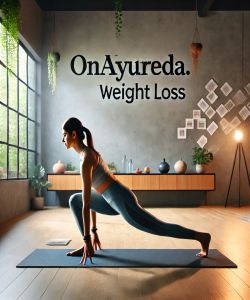
Overview of Yoga for Weight Loss
Yoga, when strategically applied as a discipline for weight loss, transcends its common perception as a gentle, meditative practise. It is a rigorous, systematic methodology engineered to transform the body’s composition, enhance metabolic function, and instil the mental fortitude required for sustained physiological change. This is not a passive pursuit of flexibility; it is an active, demanding engagement with physical and mental thresholds. The strategic selection of dynamic yoga styles, characterised by vigorous sequences and sustained postures, directly stimulates the cardiovascular system and builds lean muscle mass, both of which are fundamental to increasing the body’s basal metabolic rate. This approach directly challenges the body to expend significant caloric energy, whilst concurrently addressing the psychological triggers of weight gain, such as stress-induced cortisol production and mindless eating habits. By integrating controlled breathing techniques (pranayama) with powerful physical postures (asanas), this discipline creates a holistic system that attacks the problem of excess weight from all fronts. It cultivates a profound mind-body connection, fostering a state of heightened awareness that empowers individuals to make more conscious lifestyle choices. It is, therefore, a comprehensive and formidable strategy for achieving and maintaining a healthy body weight, demanding commitment, discipline, and an unwavering focus on personal transformation. It is not merely exercise; it is the deliberate re-engineering of one’s physiological and psychological state to achieve a specific, tangible outcome: significant and sustainable weight reduction. This is a tough, results-driven application of an ancient science, repurposed for a modern imperative.
What is Yoga for Weight Loss?
Yoga for weight loss is a specialised and intensive application of yogic principles, specifically curated to maximise caloric expenditure, build metabolically active muscle tissue, and regulate the endocrine system. It fundamentally diverges from restorative or purely meditative forms of yoga, instead prioritising dynamism, physical intensity, and sustained effort. The core of this practise consists of specific styles such as Vinyasa, Ashtanga, and Power Yoga, which are defined by their fluid, continuous movements and challenging postures. These sequences are deliberately designed to elevate the heart rate to a level comparable with conventional cardiovascular exercise, thereby promoting significant fat oxidation.
Furthermore, the discipline incorporates strength-building asanas that engage major muscle groups. Holding poses like Warrior II, Chair Pose, or Plank for extended periods forces muscular adaptation, leading to an increase in lean body mass. This is a critical component, as muscle tissue is more metabolically active than fat, meaning the body burns more calories at rest. Beyond the purely physical, yoga for weight loss places a stringent emphasis on pranayama, or breath control. Techniques such as Kapalbhati and Bhastrika are not passive breathing exercises; they are powerful techniques designed to stimulate the metabolism and enhance oxygenation of the blood, further supporting an energised and efficient physical state. This is not a gentle stretching routine; it is a high-intensity, full-body conditioning system. It commands a synthesis of strength, endurance, and mental focus, directly addressing the physiological mechanisms of weight management. It also cultivates mindfulness, which helps to sever the link between emotional distress and unhealthy eating behaviours, thereby tackling the psychological root of weight gain. In essence, it is a holistic, yet aggressive, strategy for bodily transformation.
Who Needs Yoga for Weight Loss?
Individuals Seeking a Holistic Weight Management Solution: Those who have found conventional, purely mechanical exercise programmes such as weightlifting or running to be unsustainable or incomplete. These individuals require a system that addresses not only the physical imperative of caloric deficit but also the psychological components of weight gain, including stress, emotional eating, and poor body awareness.
Persons with Joint Sensitivity or Impact-Related Limitations: Individuals for whom high-impact activities like running, jumping, or high-intensity interval training are contraindicated due to joint pain, pre-existing injuries, or specific medical conditions. Dynamic yoga provides a low-impact yet high-intensity alternative that builds strength and cardiovascular fitness without imposing damaging stress on the joints.
Adults Experiencing Age-Related Metabolic Slowdown: Individuals entering middle age and beyond who are contending with a natural decline in metabolic rate and muscle mass. Yoga for weight loss offers a potent method to counteract these effects by building lean muscle, improving hormonal balance, and boosting overall metabolic function through a combination of strength and cardiovascular work.
Professionals with High-Stress Lifestyles: Individuals whose sedentary, high-pressure careers contribute to weight gain through elevated cortisol levels, poor posture, and stress-induced eating habits. This discipline directly counters the physiological effects of stress, reduces cortisol, and instils a sense of mental calm and control that can fundamentally alter their relationship with food and well-being.
Individuals Requiring Enhanced Mental Discipline and Consistency: Those who struggle with the motivation and long-term adherence required for effective weight loss. The structured, disciplined nature of yoga, with its emphasis on regular practise and mindfulness, provides a framework for building the mental fortitude necessary to maintain a healthy lifestyle beyond the confines of the yoga mat.
Origins and Evolution of Yoga for Weight Loss
The origins of yoga, stretching back millennia in ancient India, were not concerned with weight loss in the modern, aesthetic sense. The foundational texts, such as the Yoga Sutras of Patanjali, describe a comprehensive system for spiritual enlightenment and self-realisation, wherein the physical postures (asanas) were primarily intended to prepare the body for long periods of meditation. The body was viewed as a vessel for the spirit, and its purification and strengthening were means to a spiritual end, not an end in themselves. The physical rigour described in classical Hatha yoga texts was aimed at mastering the body’s energies and achieving a state of robust health conducive to higher states of consciousness.
The evolution of yoga into a tool specifically for weight management is a distinctly modern phenomenon, emerging primarily in the 20th and 21st centuries as yoga disseminated into the Western world. This transition was driven by a cultural shift that placed increasing emphasis on physical fitness, body composition, and aesthetic ideals. Pioneers like T. Krishnamacharya and his students, including K. Pattabhi Jois (founder of Ashtanga Yoga) and B.K.S. Iyengar, developed more physically demanding and systematic approaches to asana practice. These dynamic, athletic styles laid the groundwork for what would become "Power Yoga" and "Vinyasa Flow."
As Western society grappled with rising rates of obesity and sedentary lifestyles, fitness experts and yoga instructors began to recognise and explicitly market the inherent physiological benefits of these vigorous styles. They codified and branded yoga sequences specifically designed to maximise caloric burn, increase heart rate, and build muscle. The focus shifted from the subtle, energetic aspects to the tangible, scientifically measurable outcomes of weight reduction and improved metabolic health. Thus, an ancient spiritual discipline was methodically re-engineered and repurposed to meet a pressing contemporary need. This evolution represents not a corruption of yoga's roots, but a powerful adaptation, demonstrating the versatility and enduring relevance of its core principles in addressing the challenges of the modern human condition.
Types of Yoga for Weight Loss
Ashtanga Yoga: A highly structured and physically demanding style of yoga that requires practitioners to follow a precise, unvarying sequence of postures. The system is predicated on synchronising a powerful breathing technique (Ujjayi pranayama) with continuous movement (Vinyasa). This rigorous, disciplined practise generates intense internal heat, leading to profuse sweating, which is believed to purify the body. Its unrelenting pace and challenging postures build significant strength, stamina, and flexibility, making it an exceptionally effective modality for caloric expenditure and metabolic enhancement.
Vinyasa Yoga: Often referred to as "flow" yoga, Vinyasa is characterised by its fluid transitions between poses, seamlessly linking movement with breath. Unlike the fixed sequences of Ashtanga, Vinyasa classes are often creatively sequenced by the instructor. The constant motion maintains an elevated heart rate, providing a robust cardiovascular workout that burns a substantial number of calories. Its dynamic nature ensures full-body engagement, promoting muscle toning and endurance.
Power Yoga: A modern, Western adaptation of Ashtanga Yoga, Power Yoga is a fitness-centric discipline that dispenses with the rigid structure of its predecessor. It is an intense, athletic style that focuses on building strength and endurance. Classes are typically fast-paced and physically challenging, designed to make participants sweat and push their physical limits. It is explicitly geared towards physical transformation and is one of the most direct and aggressive forms of yoga for achieving weight loss.
Bikram Yoga / Hot Yoga: This type involves practising a set series of 26 postures and two breathing exercises in a room heated to a high temperature and humidity. The heated environment is designed to increase heart rate, warm the muscles to allow for deeper stretching, and induce significant sweating. The combination of intense heat and physically demanding postures creates a formidable cardiovascular challenge, forcing the body to work harder and burn more calories to regulate its internal temperature.
Benefits of Yoga for Weight Loss
Enhanced Caloric Expenditure: Dynamic and vigorous yoga styles, such as Power Yoga and Vinyasa, elevate the heart rate and sustain it for prolonged periods, directly resulting in a significant burn of calories both during and after the practise.
Increased Lean Muscle Mass: The consistent engagement of major muscle groups through strength-building postures (asanas) like Plank, Chair, and Warrior poses stimulates muscle hypertrophy. Increased muscle mass is critical, as it raises the body’s basal metabolic rate, causing more calories to be burned at rest.
Improved Metabolic Function: Regular practise stimulates the endocrine system, particularly the thyroid gland, which is responsible for regulating metabolism. This hormonal optimisation leads to more efficient energy processing and utilisation by the body.
Reduction in Cortisol Levels: Yoga is proven to mitigate stress by lowering levels of the stress hormone, cortisol. Elevated cortisol is directly linked to increased appetite and the storage of visceral fat, particularly around the abdomen. By managing stress, yoga attacks a key biochemical driver of weight gain.
Cultivation of Mindfulness and Conscious Eating: The discipline fosters a heightened state of mind-body awareness. This mindfulness extends beyond the mat, empowering individuals to recognise true hunger cues versus emotional or habitual eating triggers, leading to more deliberate and healthier food choices.
Improved Digestive Health: Specific yoga postures, particularly twists and forward folds, massage the abdominal organs. This mechanical stimulation improves digestive function, enhances nutrient absorption, and promotes regular elimination, all of which are crucial for effective weight management.
Enhanced Sleep Quality: The practise of yoga, through its physical exertion and meditative components, promotes deeper and more restorative sleep. Poor sleep is strongly correlated with hormonal imbalances that drive appetite and fat storage; therefore, improved sleep is a vital component of any successful weight loss strategy.
Core Principles and Practices of Yoga for Weight Loss
Consistency and Discipline (Abhyasa): The foundational principle is unwavering commitment to regular practise. Sporadic engagement will yield negligible results. A disciplined schedule, treating yoga not as a casual activity but as a non-negotiable component of one’s regimen, is mandatory for stimulating the physiological adaptations required for weight loss.
Intensity and Vigour: The practise must be physically challenging. This mandates the selection of dynamic styles like Ashtanga, Vinyasa, or Power Yoga. The objective is to elevate the heart rate into a cardiovascular training zone and to engage muscles to the point of fatigue, thereby maximising caloric burn and stimulating muscle growth. Passivity is the enemy of progress.
Breath as Fuel (Pranayama): The breath is not an afterthought; it is the engine of the practise. Techniques like Ujjayi pranayama (Victorious Breath) must be mastered to build internal heat, maintain stamina, and oxygenate the muscles effectively. Powerful breathing exercises (kriyas) such as Kapalbhati are also employed to stoke the metabolic fire.
Mind-Body Connection (Mindfulness): A profound and focused awareness of physical sensations during practise is essential. This principle transforms mere movement into a conscious act of conditioning. This heightened awareness must then be extended off the mat to cultivate mindful eating habits, breaking the cycle of unconscious consumption and emotional eating.
Strength and Stability (Asana): The physical postures must be executed with precision and strength, not just flexibility. Holding challenging poses like Plank, Chair, and the Warrior series for extended durations is critical for building the lean muscle mass that increases the basal metabolic rate. The focus is on building a strong, functional body, not simply a pliable one.
Progressive Overload: To avoid plateaus, the practise must continually evolve in intensity and complexity. This means gradually increasing the duration of holds, attempting more challenging variations of poses, and shortening rest periods between sequences. The body must be consistently challenged to force adaptation and change.
Online Yoga for Weight Loss
Unparalleled Accessibility and Consistency: The primary advantage of an online format is the elimination of geographical and logistical barriers. It provides immediate access to high-calibre instruction regardless of one’s location, nullifying common excuses such as travel time or studio availability. This fosters a higher degree of consistency, which is the absolute cornerstone of any effective weight loss programme. The ability to practise at any time mandates personal accountability and discipline.
Controlled and Private Environment: An online setting affords complete privacy, which can be critical for individuals who are self-conscious about their body or current fitness level. This removes the psychological barrier of perceived judgement from others, allowing the practitioner to focus entirely on their own physical and mental experience. This private space encourages uninhibited effort and the willingness to attempt challenging poses without fear of failure.
Extensive Variety and Specialisation: The digital landscape offers a vast library of instructors and yoga styles specifically tailored to weight loss. Practitioners can access niche programmes focusing on high-intensity flows, metabolic conditioning, or core strength, which may not be available at a local studio. This ability to select and vary workouts is crucial for preventing physical plateaus and maintaining motivation.
Ability to Revisit and Refine Technique: Unlike a live class that moves on, online platforms allow the practitioner to pause, rewind, and re-watch instructions for complex postures. This facility for repetition is invaluable for mastering correct alignment and technique, which is essential for maximising the effectiveness of the poses and, crucially, for preventing injury. It promotes a deeper, more analytical understanding of the practise.
Cultivation of Self-Reliance and Intrinsic Motivation: Without the external presence of an instructor to provide constant correction and motivation, the online practitioner is compelled to cultivate a greater sense of self-discipline and internal focus. This develops a stronger mind-body connection and fosters an intrinsic drive that is more sustainable in the long term than reliance on external validation.
Yoga for Weight Loss Techniques
Sun Salutation A (Surya Namaskar A) at an Accelerated Pace: This is the foundational sequence for generating heat and elevating the heart rate. Execute the following movements fluidly, linking one breath to one movement. Begin standing in Mountain Pose (Tadasana). Inhale, raise arms overhead. Exhale, fold forward (Uttanasana). Inhale, lift to a flat back (Ardha Uttanasana). Exhale, step or jump back to Plank Pose, then lower to Chaturanga Dandasana. Inhale, move into Upward-Facing Dog (Urdhva Mukha Svanasana). Exhale, press back to Downward-Facing Dog (Adho Mukha Svanasana). Hold for five deep breaths. At the end of the fifth exhalation, step or jump feet to hands. Inhale to a flat back. Exhale to fold forward. Inhale, rise with a straight spine, arms overhead. Exhale, return to Mountain Pose. Perform a minimum of five to ten rounds without pause to build cardiovascular endurance.
Dynamic Chair Pose (Utkatasana) Repetitions: This technique targets the largest muscle groups in the body—the glutes and quadriceps—to maximise caloric burn. From Mountain Pose, inhale and sweep arms overhead as you bend your knees and sink your hips back and down, as if sitting in a chair. Ensure knees track over ankles. Exhale to stand back up. Repeat this movement dynamically for 15-20 repetitions, inhaling down and exhaling up, to create a high-intensity interval effect.
Warrior II (Virabhadrasana II) to Reverse Warrior (Viparita Virabhadrasana) Flow: This flow builds strength in the legs and core while creating a dynamic stretch through the side body. From Warrior II, with a deep bend in the front knee, inhale and reach the front arm up and back, reversing the warrior, feeling a deep stretch. Exhale, return to Warrior II with control. Repeat this fluid motion 10-15 times on each side, ensuring the core remains engaged to stabilise the movements.
Core-Engaging Plank Variations: The Plank Pose is fundamental for building core strength, which supports a healthy metabolism. From a standard Plank, perform variations such as lifting one leg at a time for five breaths each, or performing "plank jacks" by hopping the feet wide and then back together. Another powerful variation is to draw one knee to the nose on an exhale, and extend it back on an inhale, alternating legs for 10 repetitions per side.
Yoga for Weight Loss for Adults
The application of yoga for weight loss in adults is a strategic intervention that must address the specific physiological and lifestyle realities of this demographic. For adults, particularly those navigating careers and family responsibilities, weight gain is often a multifactorial issue, rooted in a sedentary lifestyle, chronic stress, hormonal shifts, and a progressive decline in metabolic rate. A robust yoga programme confronts these challenges directly and systematically. It prioritises vigorous, flowing sequences that provide a potent cardiovascular workout, essential for burning calories and improving heart health, without the high impact of other exercises that can be detrimental to ageing joints. Furthermore, it places a non-negotiable emphasis on building and maintaining lean muscle mass through sustained, strength-based postures. This is critical, as muscle is the engine of the metabolism, and its preservation and growth directly counteract the natural metabolic slowdown associated with ageing. The practise also serves as a powerful antidote to chronic stress, a primary driver of visceral fat accumulation via the hormone cortisol. By integrating controlled breathing and mindfulness, yoga provides adults with the tools to manage stress, thereby breaking a key biochemical link to weight gain. It is a mature, intelligent approach to weight management that fosters resilience, builds functional strength, and instils a profound sense of bodily control and awareness, empowering adults to reclaim their physical vitality in a sustainable and health-promoting manner.
Total Duration of Online Yoga for Weight Loss
The total duration of a single, effective online yoga session for weight loss is mandated to be a minimum of one full hour. This 1 hr duration is not arbitrary; it is a strategically determined timeframe required to elicit the necessary physiological responses for metabolic change. A session of this length allows for a structured and comprehensive progression through several critical phases. It provides adequate time for an initial warm-up to prepare the muscles and joints for intense work, followed by a sustained period of vigorous, high-intensity sequences such as multiple rounds of Sun Salutations and dynamic Vinyasa flows. This central phase is where the heart rate is elevated and maintained, ensuring significant caloric expenditure. Subsequently, the 1 hr structure permits a dedicated segment for strength-building postures held for longer durations, which is essential for stimulating muscle growth. Finally, it allocates crucial time for a proper cool-down and Savasana (Corpse Pose), which are vital for regulating the nervous system, reducing cortisol levels, and allowing the body to begin the process of recovery and adaptation. Any session shorter than this duration would be a compromise, failing to provide the comprehensive stimulus needed to trigger meaningful and lasting changes in body composition and metabolic rate. The one-hour commitment is, therefore, a fundamental and non-negotiable requirement for a programme with the serious objective of weight loss.
Things to Consider with Yoga for Weight Loss
Engaging in yoga with the explicit goal of weight loss necessitates a tough-minded and pragmatic approach, moving beyond any preconceived notions of it being a gentle or passive activity. One must first consider that not all yoga is created equal; success is entirely contingent on selecting and committing to physically demanding styles such as Power Yoga, Ashtanga, or vigorous Vinyasa flows. Restorative or gentle Hatha classes, while beneficial for other purposes, will not produce the caloric deficit or metabolic stimulus required for significant weight reduction. Furthermore, consistency is non-negotiable. A sporadic practise, undertaken once or twice a week, is insufficient. A commitment of several sessions per week is the minimum standard for driving physiological adaptation. It is also crucial to manage expectations; yoga is not a miraculous cure. Weight loss will be gradual and must be supported by disciplined nutritional choices. The practise can profoundly influence one’s relationship with food by cultivating mindfulness, but it cannot override the fundamental laws of thermodynamics. One must also consider pre-existing physical limitations or injuries. While yoga can be adaptive, blindly following a generic online class without understanding personal contraindications is a direct route to injury. Therefore, seeking initial guidance to learn correct alignment is a prudent, if not essential, preliminary step. Ultimately, success demands a shift in mindset: viewing yoga not as a gentle escape, but as a rigorous training discipline.
Effectiveness of Yoga for Weight Loss
The effectiveness of yoga as a tool for weight loss is unequivocally established, provided it is approached with the requisite intensity, discipline, and strategic intent. Its efficacy stems from a powerful, multi-pronged mechanism that addresses both the physiological and psychological drivers of weight gain. On a physiological level, dynamic and power-based yoga practices function as a formidable form of full-body resistance training and cardiovascular conditioning. The continuous flow through challenging postures elevates the heart rate, creating a significant caloric burn, while holding strength-based asanas builds lean muscle mass. This increase in muscle is fundamentally important, as it raises the basal metabolic rate, compelling the body to expend more energy even during periods of rest. This dual-action of burning calories during activity and re-engineering the body to be a more efficient calorie-burning machine at rest is a potent combination for fat loss. Critically, yoga also modulates the endocrine system, reducing levels of the stress hormone cortisol, which is a known contributor to abdominal fat storage and increased appetite. By systematically lowering stress, yoga dismantles a key biochemical obstacle to weight management. Furthermore, the cultivation of mindfulness inherent in the practice empowers individuals to make more conscious nutritional choices, severing the link between emotional distress and unhealthy eating. Therefore, its effectiveness is not a matter of debate but a consequence of its comprehensive, integrated approach to transforming the body’s composition and the mind’s habits.
Preferred Cautions During Yoga for Weight Loss
Extreme caution must be exercised when engaging in a vigorous yoga practise for weight loss, as the pursuit of intensity without intelligence is a direct path to debilitating injury. It is imperative to subordinate ambition to awareness. Never force the body into a posture beyond its current capacity; pain is not a sign of progress but a direct signal of impending damage. Particular vigilance is required for vulnerable joints such as the knees, lower back, and shoulders. In postures like Chaturanga Dandasana, failure to maintain core engagement and proper alignment will inevitably lead to shoulder impingement. In forward folds and twists, rounding the lumbar spine instead of hinging from the hips places dangerous pressure on the intervertebral discs. Individuals with pre-existing conditions, particularly hypertension, cardiovascular issues, or joint problems, must not commence such a demanding programme without explicit medical clearance. Hydration is not optional; it is a critical command, especially in heated or highly intensive practices, to prevent muscle cramping and exhaustion. Furthermore, do not mistake exhaustion for effective effort. Pushing to the point of collapse compromises form and dramatically increases the risk of a fall or strain. One must learn to distinguish between the discomfort of a muscle being challenged and the sharp, definitive pain of a joint or ligament being compromised. Listen to the body’s non-negotiable feedback and have the discipline to modify or withdraw from a pose when necessary. Egotism has no place in a safe and effective practise.
Yoga for Weight Loss Course Outline
Module 1: Foundational Principles and Breath Mastery
Introduction to high-intensity yoga philosophy for weight loss.
Mastery of Ujjayi Pranayama (Victorious Breath) as the engine for a dynamic practise.
Correct alignment and execution of the core poses in Sun Salutation A and B (Surya Namaskar).
Emphasis on core engagement and stability.
Module 2: Building Heat and Cardiovascular Endurance
Introduction to Vinyasa flow principles: linking breath to movement.
Practise of continuous, uninterrupted sequences designed to elevate and sustain the heart rate.
Focus on smooth transitions between standing postures to build stamina and burn calories.
Introduction of metabolic-boosting breathing techniques like Kapalbhati.
Module 3: Cultivating Strength and Increasing Muscle Mass
Focus on holding powerful standing poses (Warrior series, Triangle, Side Angle) for extended durations to build muscular endurance.
Introduction of arm balances and inversions (e.g., Crow Pose, Headstand preparations) to build upper body and core strength.
Intensive core work sequences to strengthen the abdominal and back muscles.
Module 4: Deepening the Practise and Enhancing Metabolism
Integration of deep twisting postures to stimulate digestive organs and aid detoxification.
Introduction of backbends (e.g., Camel Pose, Wheel Pose) to stimulate the adrenal glands and thyroid.
Advanced sequencing, combining strength, flexibility, and balance challenges.
Module 5: Integration of Mindfulness and Nutritional Strategy
Practises for cultivating mindfulness to combat emotional and stress-related eating.
Guided meditations for enhancing body awareness and self-control.
Principles of a supportive nutritional plan that complements the physical demands of the practise.
Developing a sustainable, long-term personal practise for weight maintenance.
Detailed Objectives with Timeline of Yoga for Weight Loss
Weeks 1-4: Establish Foundational Strength and Consistency.
Objective: To master the correct alignment of fundamental postures (Plank, Chaturanga, Downward/Upward Dog) and establish a non-negotiable practise schedule of at least four sessions per week.
Metric: Execute ten consecutive Sun Salutations with correct form and breath synchronisation without experiencing debilitating fatigue. Achieve a one-minute continuous Plank hold.
Weeks 5-8: Enhance Cardiovascular Endurance and Metabolic Rate.
Objective: To progress from static holds to dynamic, continuous Vinyasa flows, maintaining an elevated heart rate for a sustained period of at least 20-25 minutes within each session.
Metric: Complete a 45-minute Vinyasa flow class without needing to pause for more than brief, designated rests. Notice a perceptible increase in resting energy levels and heat generation during practise.
Weeks 9-12: Build Significant Lean Muscle and Overcome Plateaus.
Objective: To introduce and hold more complex, strength-intensive postures (e.g., Warrior III, Half Moon Pose) for longer durations (5-8 breaths) and attempt introductory arm balances.
Metric: Demonstrate measurable improvements in muscular definition, particularly in the core, shoulders, and legs. Successfully hold Crow Pose for a minimum of five seconds.
Weeks 13-16: Integrate Mindfulness and Solidify Lifestyle Changes.
Objective: To translate the discipline and awareness cultivated on the mat into conscious off-the-mat choices, particularly regarding nutrition and stress management.
Metric: Report a significant reduction in instances of stress-induced or mindless eating. Demonstrate the ability to use breathwork techniques to manage cravings and stress in daily life. Achieve tangible, measurable progress in weight reduction and/or body composition changes.
Requirements for Taking Online Yoga for Weight Loss
Unyielding Personal Commitment and Self-Discipline: The foremost requirement is an absolute commitment to a consistent and rigorous practise schedule. Without the external accountability of a physical studio, the onus is entirely on the individual to show up and perform the work.
Adequate and Safe Physical Space: A dedicated, clutter-free area is mandatory. The space must be large enough to accommodate the full range of motion required for all postures without risk of collision with furniture or walls. A minimum clear area of 2 metres by 2.5 metres is a standard benchmark.
A High-Quality, Non-Slip Yoga Mat: This is a non-negotiable piece of equipment. A standard exercise or Pilates mat will not suffice, as it can slip on the floor or cause the hands and feet to lose grip during dynamic movements, posing a significant injury risk.
Reliable High-Speed Internet Connection: A stable and robust internet connection is essential to stream classes without interruption. Buffering or dropped connections disrupt the flow and intensity of the workout, undermining its effectiveness and causing immense frustration.
A Suitable Electronic Device with a Clear Display: A laptop, tablet, or television screen is required. The screen must be large enough to clearly see the instructor’s demonstrations of posture and alignment from a distance while practising on the mat. A smartphone is generally inadequate.
Appropriate Attire: Clothing must be form-fitting yet flexible, allowing for a full range of movement without restricting circulation or becoming a distraction. Loose clothing can get in the way and obscure the view of one’s own alignment.
A Foundational Level of Physical Health: Individuals must be free from acute injuries or medical conditions that would be exacerbated by intense physical activity. It is strongly advised to have medical clearance before commencing a high-intensity exercise programme.
Things to Keep in Mind Before Starting Online Yoga for Weight Loss
Before embarking on an online yoga programme for weight loss, it is imperative to adopt a mindset of radical self-responsibility. The digital format, while convenient, removes the immediate corrective presence of a qualified instructor. Therefore, you are solely accountable for your safety and the integrity of your practise. You must commit to listening intently to alignment cues and resisting the ego-driven urge to force your body into advanced postures before it is prepared. This requires honesty and a high degree of self-awareness. Furthermore, you must engineer your environment for success. This means designating a specific, uncluttered space for your practise and eliminating all potential distractions—turn off your phone, close unnecessary browser tabs, and communicate to others in your household that you are not to be disturbed. Your online session must be treated with the same seriousness as a scheduled appointment. Acknowledge that motivation will fluctuate; this is inevitable. The key to success is not perpetual motivation but unwavering discipline. There will be days when you lack the desire to practise, and it is on those days that your commitment is truly tested. Success in this domain is forged not from convenience, but from the disciplined consistency you impose upon yourself.
Qualifications Required to Perform Yoga for Weight Loss
The performance of yoga for weight loss, particularly in an instructional capacity, demands a specific and robust set of qualifications that go far beyond a superficial understanding of yoga postures. The baseline professional standard is a formal certification, but the nature of that certification is critical.
A foundational Registered Yoga Teacher (RYT) 200-hour certification is the absolute minimum entry point. This ensures the instructor has a comprehensive grasp of asana alignment, basic anatomy, physiology, and teaching methodology. However, for the specialised and intense application of yoga for weight loss, a more advanced qualification, such as an RYT 500-hour certification, is strongly preferred. This advanced training provides a deeper understanding of biomechanics, sequencing for specific outcomes, and the physiological effects of a powerful practise.
Beyond these general certifications, a qualified instructor must possess specialised training or demonstrable expertise in physically demanding styles. Key qualifications include:
Certification or extensive training specifically in Power Yoga, Ashtanga, or Vinyasa. This proves they are adept at leading high-intensity, flow-based classes safely and effectively.
A strong background in anatomy and exercise physiology. The instructor must be able to articulate why a certain pose or sequence contributes to metabolic change and muscle development and must be capable of offering intelligent, safe modifications for different body types and fitness levels.
Verifiable teaching experience. A substantial record of successfully leading vigorous, results-oriented classes is paramount. Theoretical knowledge is insufficient; the ability to command a room, motivate students, and provide precise, effective cues underpins a successful weight loss programme.
In essence, the required qualification is a synthesis of formal certification, specialised expertise in dynamic styles, and proven practical experience.
Online Vs Offline/Onsite Yoga for Weight Loss
Online
The online modality for practising yoga for weight loss is defined by its autonomy and accessibility. It offers unparalleled flexibility, allowing the individual to engage in a rigorous practise at any time and in any location with an internet connection. This eradicates logistical barriers and promotes a higher frequency of practise, which is critical for results. The environment is private, eliminating any potential for self-consciousness and allowing for complete focus on personal performance. Furthermore, the vast digital library of classes provides an extensive variety of styles and intensity levels, enabling the user to constantly challenge their body and prevent plateaus. However, this autonomy comes with a significant caveat: the absence of in-person, hands-on correction from an instructor. The practitioner bears the full responsibility for maintaining correct alignment and avoiding injury, demanding a high degree of self-awareness and discipline. It is a modality that rewards the self-motivated but can be perilous for the undisciplined or novice practitioner who may ingrain poor habits.
Offline/Onsite
The offline, or onsite, experience in a physical studio provides a structured and communal environment. The primary and most critical advantage is the direct, real-time feedback and physical adjustments from a qualified instructor. This hands-on guidance is invaluable for mastering correct alignment, maximising the effectiveness of each pose, and significantly reducing the risk of injury. The energy of a group class can also be highly motivating, pushing individuals to work harder than they might alone. The fixed schedule of a studio imposes a structure of accountability that many find necessary for consistency. However, this modality is constrained by logistics, including travel time, class schedules, and cost. Class variety may be limited to the offerings of a local studio, and the public setting can be intimidating for beginners. It offers superior guidance and safety but demands a sacrifice of convenience and flexibility compared to its online counterpart.
FAQs About Online Yoga for Weight Loss
Question 1. Is online yoga really as effective for weight loss as going to a studio?
Answer: Yes, provided you select a high-intensity programme and commit with absolute discipline. The physiological principles of caloric expenditure and muscle building are the same; the primary variable is your personal commitment.
Question 2. What type of yoga should I look for online for the best weight loss results?
Answer: You must seek out dynamic, vigorous styles. Prioritise programmes labelled as Power Yoga, Vinyasa Flow, Ashtanga, or "Yoga Sculpt." Avoid anything described as "gentle," "restorative," or "yin."
Question 3. How often must I practise to see results?
Answer: A minimum of four to five intensive, one-hour sessions per week is the required standard for significant and timely results. Anything less will yield slow, potentially negligible progress.
Question 4. Can a complete beginner start with online yoga for weight loss?
Answer: It is possible, but it carries a higher risk. If you are a complete beginner, it is strongly advised to start with a programme specifically designed for "beginners" that heavily emphasises foundational alignment before moving to intense flows.
Question 5. What equipment is absolutely essential?
Answer: A high-quality, non-slip yoga mat is non-negotiable. Other items like blocks and straps are useful for modifications but the mat is the critical safety and performance tool.
Question 6. I am not flexible. Can I still do this type of yoga?
Answer: Yes. The goal of this discipline is not extreme flexibility; it is building strength and endurance. Flexibility is a byproduct of a consistent practise, not a prerequisite.
Question 7. How long will it take to see weight loss results?
Answer: With consistent practise and supportive nutrition, you can expect to feel changes in strength and energy within two to four weeks, with visible changes in body composition and weight typically appearing after six to eight weeks.
Question 8. Do I need to change my diet as well?
Answer: Absolutely. Yoga is a powerful tool, but it cannot defy the laws of thermodynamics. For effective weight loss, the practise must be paired with a sensible, nutrient-dense diet that creates a caloric deficit.
Question 9. Is there a risk of injury with online classes?
Answer: Yes. The primary risk comes from poor alignment and ego-driven pushing. You must listen to the instructor's cues with extreme care and never push into pain.
Question 10. How do I stay motivated when practising alone?
Answer: Motivation is fleeting; rely on discipline. Schedule your sessions as non-negotiable appointments. Focus on the feeling of accomplishment after each practise, not the desire to start.
Question 11. What if a pose is too difficult?
Answer: A good online programme will always offer modifications. Use them. There is no honour in attempting a pose with poor form and risking injury. Master the modification first.
Question 12. Are live online classes better than pre-recorded ones?
Answer: Live classes can provide a greater sense of community and accountability. Pre-recorded classes offer more flexibility. Both are effective if the content is high-quality and you are disciplined.
Question 13. Will this yoga make me bulky?
Answer: No. Yoga builds long, lean muscle. It tones and strengthens the body, creating a more defined and athletic physique, not bulky muscle mass.
Question 14. Can I do this if I have bad knees or a bad back?
Answer: You must consult a medical professional first. If cleared, you need to be extremely cautious and choose programmes that offer clear modifications for joint issues.
Question 15. Is a 30-minute session enough?
Answer: A 30-minute session is better than nothing, but for optimal weight loss results, a full 60-minute session is the recommended standard to ensure adequate warm-up, peak exertion, and cool-down phases.
Question 16. How important is the cool-down (Savasana)?
Answer: It is critically important. It allows your nervous system to down-regulate, reduces the stress hormone cortisol, and begins the muscle recovery process. Skipping it undermines the hormonal benefits of the practise.
Conclusion About Yoga for Weight Loss
In conclusion, the utilisation of yoga as a primary modality for weight loss is a formidable and highly effective strategy, contingent upon a rigorous and disciplined application. This is not a passive or gentle path; it is an assertive, physically demanding discipline that systematically re-engineers the body’s metabolic framework and rewires the mind’s approach to physical and nutritional habits. Success is not a matter of chance but a direct result of choosing intense, dynamic styles, committing to a consistent and challenging schedule, and integrating the principles of mindfulness into all aspects of life. The practise attacks the issue of excess weight on multiple fronts: it incinerates calories through vigorous movement, builds metabolically active lean muscle through powerful postures, and regulates fat-storing hormones by mitigating stress. It forges a resilient body and an even more resilient mind, empowering the individual with the tools of self-awareness and self-control that are the true foundations of sustainable health. To dismiss yoga for weight loss as mere stretching is a fundamental misunderstanding of its potential. When executed with precision and unwavering resolve, it stands as a comprehensive and supremely intelligent system for achieving profound and lasting physical transformation. It is a demanding, results-oriented discipline for those who are serious about reclaiming their health and vitality.