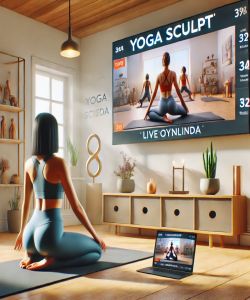
1. Overview of Yoga Sculpt
Yoga Sculpt represents a rigorous synthesis of traditional Vinyasa yoga principles, dynamic strength training, and high-intensity cardiovascular conditioning. It is fundamentally distinct from restorative or meditative yoga practices, positioning itself instead as a demanding physical discipline engineered for comprehensive physiological transformation. The methodology hinges on the integration of external resistance, typically free weights, into established yoga sequences, thereby intensifying the muscular engagement required to maintain postures and execute transitions. This hybridization demands significant metabolic expenditure, concurrently challenging muscular endurance, stability, and aerobic capacity. Participants navigate a structured flow, synchronising breath with movement—a core tenet of Vinyasa—whilst simultaneously executing compound resistance exercises such as squats, lunges, and presses incorporated within the sun salutation frameworks. The environment is typically high-energy, often utilizing upbeat music to drive tempo and maintain intensity levels. Consequently, Yoga Sculpt is not merely an adaptation of yoga but a distinct fitness modality that leverages the biomechanical foundations of asana practice to deliver accelerated improvements in body composition, lean muscle development, and overall functional strength. It necessitates a high degree of physical commitment and mental fortitude, targeting individuals who seek to maximize the efficiency of their training regimen by combining flexibility, strength, and cardio into a singular, potent session. The practice is inherently adaptable in terms of weight selection, yet the structural design remains focused on maintaining an elevated heart rate and challenging muscular fatigue thresholds. Mastery of Yoga Sculpt requires consistent application and a profound understanding of one’s own physical limitations, demanding precision in form to mitigate injury risk whilst operating under load. This discipline is therefore established as a superior protocol for those committed to achieving peak physical conditioning through a multifaceted and intensive training approach, demanding total engagement and yielding substantial physiological returns. The efficacy of the programme is predicated on its ability to induce muscle hypertrophy and enhance metabolic rate, solidifying its position within the contemporary fitness landscape as a formidable and effective workout protocol.
2. What are Yoga Sculpt?
Yoga Sculpt is a specialized, hybrid fitness modality that integrates the principles of Vinyasa yoga with structured resistance training and cardiovascular interval training. It is a formidable discipline designed to provide a comprehensive, full-body workout, diverging significantly from traditional yoga practices that emphasize static holds or gentle flows. The defining characteristic of Yoga Sculpt is the systematic incorporation of external resistance, typically handheld dumbbells, into the yoga sequence. This integration fundamentally alters the demands placed upon the practitioner; standard asanas are transformed into weight-bearing exercises, thereby intensifying the physiological challenge and stimulating muscle hypertrophy alongside improvements in flexibility and balance.
The structure of a Yoga Sculpt session typically involves:
- Dynamic Warm-up: Initiating with breath-synchronized movements derived from Vinyasa flow to elevate core temperature and prepare the musculoskeletal system.
- Strength Integration: The core phase involves executing traditional yoga postures (such as Warrior II, Crescent Lunge, or Chair Pose) whilst simultaneously engaging in resistance exercises (like bicep curls, shoulder presses, or rows). This concurrent execution demands superior core stability and neuromuscular coordination.
- High-Intensity Cardiovascular Intervals: Interspersed within the flow are dedicated segments of high-intensity interval training (HIIT), such as plyometric movements or rapid calisthenics, designed to spike the heart rate and maximize metabolic expenditure.
- Core Stabilization Focus: Specific sequences target the abdominal and oblique muscles intensely, recognizing the necessity of a robust core for executing weighted movements safely and effectively.
- Cool-down and Flexibility: The session concludes with deeper stretching and a brief Savasana, capitalizing on the increased muscle temperature to enhance flexibility.
Yoga Sculpt is therefore not simply "yoga with weights"; it is a curated methodology where the flow and mindfulness of yoga meet the physiological demands of strength and conditioning. The objective is to create a synergistic effect, where the benefits of each component discipline—strength, cardiovascular health, flexibility, and balance—are achieved simultaneously. This demands a high level of physical exertion and mental concentration, making it a particularly potent format for advanced fitness development. The practice is predicated on intensity and efficiency, appealing to those who demand tangible, measurable results from their training protocols.
3. Who Needs Yoga Sculpt?
The requirement for Yoga Sculpt is determined by specific physiological objectives and training preferences. It is not a universal prescription but rather a targeted intervention for individuals meeting the following criteria:
- Individuals Seeking Maximum Training Efficiency: Practitioners who demand a comprehensive training solution that concurrently addresses cardiovascular fitness, muscular strength, endurance, and flexibility within a single session will find Yoga Sculpt essential. It obviates the need for separate training protocols by consolidating these elements.
- Experienced Yogis Requiring Increased Intensity: Advanced yoga practitioners who have plateaued in traditional Vinyasa or Ashtanga practices and require the introduction of external load to stimulate further physiological adaptation and strength development.
- Strength Athletes Desiring Enhanced Mobility and Flexibility: Individuals primarily focused on resistance training (e.g., bodybuilders or powerlifters) who recognize deficits in their functional mobility, balance, or flexibility. Yoga Sculpt provides a structured method to integrate these components without sacrificing the intensity of resistance training.
- Individuals Focused on Body Recomposition: Those whose primary objective is the simultaneous reduction of adipose tissue and the development of lean muscle mass. The high metabolic cost and resistance components of Yoga Sculpt are optimally structured to achieve these outcomes efficiently.
- Practitioners Demanding High-Intensity, Low-Impact Options: While the intensity is high, the foundational yoga elements can be modified to remain low-impact, appealing to those who need to minimize joint stress whilst still engaging in vigorous cardiovascular and strength exercise.
- Athletes Requiring Enhanced Muscular Endurance and Core Stability: Competitors in various sports who benefit from improved proprioception, robust core engagement, and the ability to sustain muscular output over time. The dynamic and weighted nature of the flows directly supports these athletic requirements.
- Those Seeking Structured Variety in Fitness Regimens: Individuals who experience diminishing returns or adherence issues with monotonous training routines and require a dynamic, varied, and mentally engaging physical challenge to ensure long-term consistency.
- Fitness Professionals Expanding Their Repertoire: Instructors and trainers who must understand and implement hybrid modalities to cater to sophisticated client demands in the contemporary fitness market.
4. Origins and Evolution of Yoga Sculpt
The genesis of Yoga Sculpt is intrinsically linked to the broader evolution of yoga in the Western world, specifically the adaptation of ancient practices to meet contemporary fitness imperatives. Traditional Hatha yoga, characterized by its focus on alignment, breath (pranayama), and meditative states, provided the foundational framework. However, the Western adoption of yoga frequently emphasized the physical (asana) practice, leading to the development of more athletic interpretations. The emergence of Ashtanga and Vinyasa yoga, which prioritize continuous movement and cardiovascular engagement through synchronized breath and flow, laid the critical groundwork for further intensification.
The subsequent development, often termed "Power Yoga" in the late twentieth century, represented a significant shift towards athleticism. Power Yoga adapted the rigour of Ashtanga but allowed for variability in sequencing, making the practice more accessible yet retaining its physical demands. This iteration accustomed practitioners to a high-tempo, sweat-inducing yoga experience, setting the stage for the integration of external resistance. The transition from Power Yoga to Yoga Sculpt was driven by a growing demand within the fitness industry for hybrid modalities that maximize efficiency. Practitioners sought the benefits of resistance training—namely increased muscle density and metabolic acceleration—without foregoing the flexibility and mindfulness benefits of yoga.
The formalization of Yoga Sculpt occurred as fitness organizations and independent studios began systematically incorporating free weights into Vinyasa sequences. This was not merely an ad hoc addition but a structured integration, requiring the modification of traditional poses to safely accommodate external loads and the introduction of pure strength-training movements within the flow. The evolution was further catalyzed by the rising popularity of high-intensity interval training (HIIT) and boot-camp style workouts. Yoga Sculpt assimilated elements from these disciplines, incorporating bursts of intense cardiovascular activity interspersed with the weighted yoga sequences.
Today, Yoga Sculpt stands as a distinct discipline. Its evolution reflects a sophisticated response to modern fitness demands, prioritizing intensity, efficiency, and comprehensive conditioning. It has moved beyond a niche offering to become a staple in many high-end fitness establishments, continually evolving as instructors integrate varied equipment, such as resistance bands and kettlebells, further blurring the lines between traditional yoga and advanced strength and conditioning protocols. This trajectory underscores a persistent trend towards the optimization of physical training methodologies.
5. Types of Yoga Sculpt
While Yoga Sculpt adheres to a core methodology of integrating weights with yoga flow, variations have emerged to cater to specific training objectives and intensity preferences. These iterations maintain the fundamental principles but modify the emphasis on strength, cardiovascular output, or technical yoga application. The primary typologies of Yoga Sculpt are delineated as follows:
- Strength-Dominant Yoga Sculpt:
- Definition: This format prioritizes muscle hypertrophy and maximal strength development. It utilizes heavier weights and slower, more controlled Vinyasa transitions.
- Characteristics: The focus is on time-under-tension during resistance exercises (e.g., squats, presses, rows) integrated into the flow. Cardiovascular intervals may be shorter or less frequent, allowing for greater focus on muscular overload. The yoga component serves primarily as a foundation for weighted movements rather than the primary focus.
- Cardiovascular-Intensive Yoga Sculpt (HIIT Fusion):
- Definition: This type emphasizes maximizing metabolic expenditure and improving aerobic and anaerobic capacity.
- Characteristics: It features frequent, dedicated blocks of high-intensity interval training (HIIT), including plyometrics (e.g., jump squats, burpees) interspersed within the yoga sequences. Weights used are typically lighter to facilitate faster movements and higher repetition counts. The tempo is consistently rapid, designed to maintain an elevated heart rate throughout the session.
- Flow-Centric Yoga Sculpt (Weighted Vinyasa):
- Definition: This variation maintains a stronger adherence to the continuous movement principles of Vinyasa yoga, utilizing weights to enhance the existing flow rather than interrupting it.
- Characteristics: Lighter weights are employed to augment traditional postures without compromising the fluidity of transitions. The emphasis remains on the synchronization of breath and movement. Strength exercises are seamlessly woven into sun salutations, demanding significant endurance and balance, but prioritizing the 'flow' experience over maximal lifting.
- Foundational Yoga Sculpt (Technique Focus):
- Definition: Designed for those new to the modality or those seeking refinement of form, this type operates at a moderated pace.
- Characteristics: It involves detailed instruction on the safe integration of weights into yoga postures. The intensity is lower, with a primary focus on alignment, core engagement, and injury prevention. This format ensures participants develop the necessary neuromuscular coordination before advancing to more intensive variations.
- Core-Specific Yoga Sculpt:
- Definition: A format concentrating intensely on abdominal, oblique, and lower back strength.
- Characteristics: While still a full-body workout, this type dedicates significantly more time to weighted and unweighted core stabilization exercises, utilizing yoga-inspired movements like boat pose variations and plank sequences with added resistance.
6. Benefits of Yoga Sculpt
The rigorous nature of Yoga Sculpt yields a comprehensive suite of physiological and psychological advantages. Adherence to this discipline facilitates significant improvements in overall physical conditioning through the synergistic application of strength training, cardiovascular exercise, and flexibility work. The principal benefits are as follows:
- Enhanced Muscular Strength and Definition:
- The integration of free weights provides the necessary resistance to stimulate muscle hypertrophy, leading to increased lean muscle mass, improved strength, and enhanced muscular definition across all major muscle groups.
- Accelerated Metabolic Rate:
- The development of lean muscle mass directly contributes to an elevated basal metabolic rate (BMR), resulting in increased caloric expenditure even when the body is at rest. The high-intensity nature of the practice further maximizes caloric burn during the session.
- Improved Cardiovascular Health:
- The continuous Vinyasa flow, combined with dedicated high-intensity cardiovascular intervals, maintains an elevated heart rate, thereby strengthening the cardiovascular system, improving aerobic capacity (VO2 max), and enhancing circulatory efficiency.
- Increased Bone Density:
- Weight-bearing exercises, fundamental to Yoga Sculpt, place necessary stress on the skeletal system, stimulating osteoblast activity. This process is crucial for increasing bone density and mitigating the risk of osteoporosis.
- Superior Functional Fitness and Mobility:
- The practice enhances functional strength by requiring the execution of compound movements that mimic real-world activities. The yoga component ensures that this strength is developed alongside improvements in joint mobility and flexibility.
- Enhanced Core Stability and Balance:
- Executing yoga postures while managing external loads demands significant core activation to maintain stability. This translates to improved posture, balance, and a more resilient core musculature, reducing the risk of lower back injury.
- Stress Reduction and Mental Acuity:
- Despite its intensity, Yoga Sculpt retains the mindfulness component of traditional yoga, emphasizing the breath-movement connection. This focus, combined with the physiological release of endorphins during intense exercise, effectively reduces stress levels and enhances mental clarity and focus.
- Optimization of Training Time:
- By combining strength, cardio, and flexibility into a single protocol, Yoga Sculpt offers a highly efficient training solution, delivering comprehensive benefits without requiring multiple, disparate workout sessions.
7. Core Principles and Practices of Yoga Sculpt
Yoga Sculpt is governed by a set of defining principles and practices that distinguish it from both traditional yoga and standard resistance training. These elements must be rigorously applied to ensure the efficacy and safety of the modality. Mastery of Yoga Sculpt necessitates adherence to the following core tenets:
- Integration of Resistance within Flow:
- The fundamental practice involves the seamless incorporation of external resistance (dumbbells) into Vinyasa sequences. Weights are not merely held but are utilized in dynamic strength movements (e.g., curls, presses, rows) concurrent with yoga postures (e.g., Warrior variations, Chair pose).
- Maintenance of Ujjayi Breath and Synchronization:
- Despite the introduction of weights and cardiovascular intensity, the principle of breath synchronization (Vinyasa) remains paramount. Ujjayi breath (victorious breath) is employed to regulate the nervous system, maintain rhythm, and generate internal heat. Every movement must be linked intentionally to an inhalation or exhalation.
- Compound Movement Execution:
- Yoga Sculpt prioritizes compound exercises that engage multiple muscle groups simultaneously. This maximizes metabolic demand and enhances functional strength. Examples include executing a squat (in Chair pose) followed by an overhead press during the upward transition.
- Strategic Use of High-Intensity Intervals:
- The practice incorporates structured bursts of high-intensity cardiovascular training (e.g., plyometrics, rapid calisthenics). These intervals are strategically placed to elevate the heart rate significantly, challenging both aerobic and anaerobic systems.
- Prioritization of Core Engagement (Bandhas):
- Effective and safe execution of weighted yoga postures demands constant activation of the core musculature (referencing the concept of Bandhas or energy locks in yoga). The core serves as the central stabilizing unit during the transfer of force in weighted movements.
- Progressive Overload within a Yoga Context:
- The principle of progressive overload, essential for strength development, is applied through the selection of appropriate weights, increasing repetitions, or reducing rest periods. Practitioners must continuously challenge their muscular capacity to induce adaptation.
- Emphasis on Alignment Under Load:
- Proper biomechanical alignment is critical. Traditional yoga alignment cues must be strictly observed and adapted to account for the added resistance. Maintaining skeletal alignment while under load is essential for injury prevention and effective muscle targeting.
- Thermal Environment Utilization (Heated Rooms):
- While not universally mandatory, Yoga Sculpt is frequently practiced in a heated environment. This practice increases cardiovascular demand, elevates metabolic rate, and is purported to enhance flexibility and detoxification processes.
8. Online Yoga Sculpt
The transition of Yoga Sculpt to the digital domain offers distinct advantages, leveraging technology to deliver this intensive modality irrespective of geographical constraints. Online Yoga Sculpt maintains the rigour of the studio practice while providing enhanced accessibility and flexibility in scheduling. The benefits of engaging with this discipline online are substantial and specific.
- Unrestricted Access to Specialized Instruction:
- The online format removes geographical barriers, granting participants access to elite instructors and specialized Yoga Sculpt methodologies that may be unavailable in their immediate locale. This ensures exposure to high-calibre training protocols.
- Superior Scheduling Autonomy and Convenience:
- Participants are not constrained by fixed studio schedules. Online platforms, offering both live-streamed and on-demand sessions, allow individuals to integrate these demanding workouts into complex professional and personal timetables, thereby optimizing adherence and consistency.
- Customization of the Training Environment:
- The remote participant controls the training environment. This allows for the optimization of temperature, sound, and space, creating an atmosphere conducive to focused, intensive effort without the distractions inherent in crowded studio settings.
- Enhanced Focus on Personal Progression:
- The online format minimizes the element of social comparison often present in group fitness environments. Practitioners can focus entirely on their own form, weight selection, and intensity level, facilitating a more internalized and precise practice tailored to individual capacity.
- Cost-Effectiveness and Efficiency:
- Engagement in online Yoga Sculpt eliminates commuting time and associated costs. Furthermore, digital subscription models often provide access to a broader range of classes at a more competitive investment point compared to specialized boutique studio memberships.
- Opportunity for Repeated Review and Technique Refinement:
- On-demand platforms allow practitioners to pause, rewind, and repeat complex sequences. This facility is invaluable for mastering the technical aspects of integrating weights with yoga postures, ensuring safety and efficacy.
- Access to Varied Modalities:
- Online platforms typically host extensive libraries of content, allowing users to select specific types of Yoga Sculpt (e.g., strength-focused, cardio-intensive, or core-specific) based on their immediate training objectives and energy levels.
- Privacy for Foundational Learning:
- Individuals new to Yoga Sculpt or resistance training can develop foundational skills and confidence in a private setting before potentially transitioning to a public studio environment.
9. Yoga Sculpt Techniques
The execution of Yoga Sculpt relies on specific techniques that merge the biomechanics of strength training with the fluidity of Vinyasa yoga. These techniques demand precision, control, and an understanding of how external load impacts traditional asanas. The following steps delineate core techniques employed within the discipline:
- Establishing the Weighted Foundation (Tadasana/Mountain Pose):
- The practice begins with proper alignment in Tadasana, holding weights with palms facing forward or inward. Crucially, the core must be engaged (Uddiyana Bandha) and the shoulders depressed and retracted to stabilize the load before initiating movement.
- Integrating Weights into Sun Salutation A (Surya Namaskar A):
- Inhale (Upward Salute): Weights are pressed overhead, requiring scapular stabilization.
- Exhale (Forward Fold): Weights track close to the body, maintaining a neutral spine; control is paramount during the eccentric phase.
- Chaturanga Dandasana: Weights are placed strategically at the top of the mat to allow for an unencumbered Vinyasa transition, or incorporated into a push-up variation if advanced strength permits.
- Executing Weighted Warrior Sequences:
- Warrior II (Virabhadrasana II): Weights are utilized for dynamic upper body movements concurrent with the static lower body hold. Examples include lateral raises, bicep curls, or overhead triceps extensions. The technique requires maintaining the integrity of the lunge (knee tracking over ankle) while the upper body operates under load.
- Crescent Lunge: This posture often incorporates rows (engaging the latissimus dorsi) or overhead presses. The technique demands exceptional balance and core stability to manage the weight while on the ball of the back foot.
- Compound Movements in Chair Pose (Utkatasana):
- Utkatasana serves as a foundation for weighted squats. The technique involves maintaining a neutral spine and deep hip flexion while executing movements such as front raises or close-grip presses. The weights often serve as a counterbalance.
- High-Intensity Cardio Integration (Plyometrics):
- Techniques involve rapid transitions from weighted flows to explosive bodyweight movements (e.g., squat jumps, burpees). The key is the safe and swift discarding and retrieval of weights to maintain the session’s tempo.
- Core Stabilization Drills:
- Incorporating weights into stabilization exercises, such as weighted Boat Pose (Navasana) or Russian twists. The technique demands minimizing momentum and maximizing muscular control to target the core effectively.
- Controlled Transitions:
- The transition between postures must be deliberate and controlled, especially when moving weights through different planes of motion. This minimizes injury risk and maximizes time under tension.
10. Yoga Sculpt for Adults
Yoga Sculpt is an exceptionally potent modality for the adult population, addressing key physiological challenges associated with aging, such as sarcopenia (loss of muscle mass), decreasing bone density, and metabolic slowdown. It is a demanding discipline that requires a commitment to intensity, making it ideally suited for adults seeking to optimize their physical condition and functional longevity. The integration of resistance training within a yoga framework offers a comprehensive approach to adult fitness, moving beyond mere cardiovascular exercise to actively build and maintain critical musculoskeletal structures.
The application of Yoga Sculpt for adults focuses on several imperatives:
- Combating Sarcopenia: The inclusion of progressive resistance training is essential for stimulating muscle protein synthesis. Adults engaging in Yoga Sculpt can effectively counteract age-related muscle atrophy, maintaining functional strength and metabolic activity.
- Enhancing Skeletal Health: The weight-bearing nature of the practice is a critical intervention for maintaining bone density. The dynamic loading of the skeletal system during weighted squats, lunges, and presses stimulates bone remodeling, reducing the risk of osteopenia and osteoporosis.
- Metabolic Regulation: Adults often face challenges with weight management due to declining metabolic rates. Yoga Sculpt’s high-intensity format, combining cardiovascular exertion and muscle building, significantly elevates the metabolic rate both during and after the session (Excess Post-Exercise Oxygen Consumption - EPOC), aiding in body composition management.
- Maintaining Functional Mobility and Balance: The yoga component ensures that strength gains do not come at the expense of flexibility. For adults, maintaining joint mobility and improving balance are critical for injury prevention, fall mitigation, and sustaining an independent, active lifestyle.
- Cognitive and Mental Health Benefits: The intense focus required to synchronize breath, movement, and weight management provides significant cognitive engagement. Furthermore, the rigorous physical exertion effectively manages stress, anxiety, and other psychological pressures prevalent in adult life.
Adult participation in Yoga Sculpt necessitates a prudent approach to weight selection and an acute awareness of existing physical limitations or chronic conditions. Modifications must be readily employed to ensure safety. However, when executed correctly, it provides an efficient and powerful protocol for enhancing vitality and resilience in the adult demographic. It is a superior choice for those committed to aggressive management of their physical health portfolio.
11. Total Duration of Online Yoga Sculpt
The standard operational duration for a comprehensive Online Yoga Sculpt session is precisely 1 hr. This timeframe is not arbitrary; it is strategically designed to maximize physiological benefit whilst managing fatigue accumulation and minimizing the risk of overuse injuries. The 1 hr structure is meticulously segmented to cover all necessary components of a complete training protocol. This includes a dynamic warm-up phase essential for neuromuscular activation and injury prevention; a central conditioning phase integrating Vinyasa flow, resistance training, and high-intensity cardiovascular intervals; and a concluding cool-down segment focused on flexibility and nervous system downregulation. This specific duration ensures sufficient time under tension for muscle stimulation and adequate cardiovascular stress to improve aerobic capacity, all within a timeframe that is sustainable for consistent adherence by committed individuals. The intensity maintained during this 1 hr period is typically high, demanding continuous physical and mental engagement. Compression of the workout into this timeframe optimizes training efficiency, ensuring a significant metabolic disturbance and caloric expenditure. While variations exist, the 60-minute format remains the industry benchmark for delivering the full spectrum of Yoga Sculpt benefits. It respects the time constraints of participants whilst delivering a potent dose-response of exercise. Instructors must be adept at managing the tempo and transitions to ensure all planned sequences are completed with precision within this non-negotiable 1 hr window. The expectation is that the entirety of the 1 hr is utilized for rigorous activity, with minimal time allocated to rest beyond structured recovery intervals. Participants engaging in online formats must therefore be prepared for this sustained intensity and allocate the full 1 hr for uninterrupted practice to realize the modality’s complete physiological impact. The effectiveness of Yoga Sculpt is directly predicated on the intensity and density achieved within this established duration.
12. Things to Consider with Yoga Sculpt
Engagement with Yoga Sculpt necessitates careful consideration of several critical factors due to its high-intensity nature and the technical demands of combining weighted resistance with dynamic yoga postures. It is imperative that prospective participants undertake a rigorous self-assessment and environmental evaluation before commencing this discipline. Firstly, an individual’s foundational fitness level must be objectively appraised. While modifications are possible, Yoga Sculpt is inherently demanding; a baseline competency in cardiovascular fitness, muscular endurance, and basic yoga principles is strongly advised to mitigate injury risk and ensure effective participation. The selection of appropriate equipment, specifically the range of dumbbells, is crucial. Utilizing weights that are excessively heavy compromises form and increases the risk of acute injury, whereas weights that are too light will fail to provide the necessary stimulus for physiological adaptation. Therefore, access to a graduated selection of weights is essential for progressive overload. Furthermore, the environment in which Yoga Sculpt is practiced, particularly if conducted in a heated setting, imposes significant cardiovascular strain. Individuals must be acutely aware of hydration protocols and recognize the symptoms of heat exhaustion. The technical complexity of the movements requires precise execution; improper alignment under load can lead to significant musculoskeletal strain. Consequently, the quality of instruction is paramount. Participants must ensure their instructor is qualified to teach weighted modalities and provides clear, actionable cues regarding biomechanics and safety. Consideration must also be given to recovery. Yoga Sculpt imposes a substantial demand on the neuromuscular system; adequate rest, nutrition, and recovery strategies must be integrated into the overall training regimen to prevent overtraining syndrome. Finally, individuals with pre-existing conditions, particularly cardiovascular issues or joint instabilities, must obtain medical clearance prior to engagement. Yoga Sculpt is a powerful tool, but its efficacy is contingent upon prudent application and respect for its inherent demands.
13. Effectiveness of Yoga Sculpt
The effectiveness of Yoga Sculpt as a conditioning protocol is substantial, attributable to its sophisticated integration of multiple fitness disciplines into a single, high-intensity format. This modality systematically addresses the primary components of physical fitness: muscular strength, cardiovascular endurance, flexibility, and body composition. The primary measure of its effectiveness lies in its ability to induce rapid and significant physiological adaptations. By incorporating resistance training (utilizing free weights) into yoga sequences, Yoga Sculpt effectively stimulates muscle hypertrophy and increases lean muscle mass. This increase in muscle tissue is metabolically significant, leading to an elevated basal metabolic rate, which facilitates improved body composition and long-term weight management. The effectiveness extends to cardiovascular health. The structure of the practice, which combines continuous Vinyasa flow with bursts of high-intensity interval training (HIIT), places considerable demand on the aerobic and anaerobic systems. This results in improved VO2 max, enhanced cardiac efficiency, and superior endurance. Furthermore, the synergistic effect of combining strength and cardio in a single session maximizes Excess Post-Exercise Oxygen Consumption (EPOC), meaning the body continues to burn calories at an accelerated rate long after the session concludes. This makes Yoga Sculpt a highly efficient protocol for maximizing energy expenditure. The discipline also demonstrates effectiveness in improving functional movement. The yoga component ensures flexibility and joint mobility are maintained or enhanced, while the weighted elements build the strength required for daily activities and athletic pursuits. The demand for stability when executing weighted asanas significantly improves core strength and balance. Empirical observation within the fitness community consistently validates that participants who adhere to a regular Yoga Sculpt regimen exhibit marked improvements in muscle definition, cardiovascular performance, and overall functional strength. The modality’s effectiveness is contingent upon consistent practice and the application of progressive overload, but its design is inherently optimized for delivering comprehensive and measurable fitness outcomes.
14. Preferred Cautions During Yoga Sculpt
The practice of Yoga Sculpt, due to its integration of external resistance with dynamic movement, necessitates the observance of stringent precautionary measures to mitigate the inherent risk of injury. It is imperative that all participants prioritize safety protocols above intensity or performance metrics. The foremost caution concerns biomechanical alignment under load. Traditional yoga postures, when weighted, place amplified stress on joints and connective tissues. Practitioners must maintain impeccable form, ensuring joint stacking (e.g., knees over ankles in lunges) and a neutral spine, particularly during squats and forward folds. Compromised alignment while holding dumbbells significantly elevates the risk of acute strains and long-term overuse injuries. Weight selection must be approached conservatively. It is mandatory to prioritize the ability to complete the full range of motion with control over the magnitude of the weight lifted. Ego-driven selection of excessive weight is a primary contributor to injury and must be strictly avoided. Transitions between postures require heightened awareness. Moving weights rapidly or without core engagement can lead to loss of control, dropped weights, or joint instability. Every transition must be executed with deliberation and muscular control. The cardiovascular intensity, often exacerbated by a heated environment in studio settings, requires rigorous attention to hydration and thermoregulation. Participants must hydrate adequately prior to, during, and following the session, and be vigilant for signs of dizziness, nausea, or excessive fatigue, which may indicate heat stress or overexertion. Individuals must also respect their current physical limitations and utilize modifications without hesitation. The high-impact nature of the cardiovascular intervals (e.g., plyometrics) may require low-impact substitutions to protect the joints, particularly for those with pre-existing orthopedic concerns. Finally, adequate warm-up and cool-down phases are non-negotiable components of the practice. Skipping or rushing these elements deprives the body of necessary preparation and recovery, substantially increasing vulnerability to musculoskeletal damage. Adherence to these cautions is mandatory for a safe and sustainable Yoga Sculpt practice.
15. Yoga Sculpt Course Outline
A comprehensive Yoga Sculpt course must be structured to systematically introduce and develop the complex skills required for this hybrid modality. The outline provided below details a progressive curriculum designed to ensure participants master the foundational techniques, understand the physiological principles, and can safely execute high-intensity weighted yoga sequences.
I: Foundations of Yoga Sculpt
- Core Principles: Understanding the synthesis of Vinyasa, strength training, and cardiovascular conditioning.
- Safety Protocols: Mandatory guidelines for handling weights, alignment under load, and environmental awareness (heat management).
- Breath Mechanics: Application of Ujjayi breath during resistance training and high-intensity intervals.
- Equipment Familiarization: Optimal selection and utilization of dumbbells and other props.
II: Integrating Resistance into Foundational Asanas
- Sun Salutation A (Weighted): Techniques for incorporating weights into Upward Salute, Forward Fold, and managing transitions through Chaturanga.
- The Warrior Series (Virabhadrasana I, II, III): Stabilization techniques and integration of upper body exercises (curls, presses, rows) within these postures.
- Lunge and Squat Mechanics: Executing Chair Pose (Utkatasana) and Crescent Lunge with added resistance, focusing on joint safety and muscle activation.
- Balance Postures with Load: Introduction to weighted single-leg stabilization exercises.
III: Advanced Strength and Conditioning Elements
- Compound Movement Sequences: Combining lower body asanas with complex upper body strength movements (e.g., Squat to Overhead Press, Lunge with Rotation).
- High-Intensity Interval Training (HIIT) Integration: Structure and execution of cardiovascular bursts (plyometrics, calisthenics) within the sculpt format.
- Core Stabilization (Weighted): Advanced core exercises derived from yoga and functional fitness (e.g., weighted Navasana, Plank variations).
IV: Flow, Tempo, and Intensity Management
- Sequencing and Transitions: Mastering the smooth transition between weighted exercises, Vinyasa flow, and cardio intervals.
- Tempo and Rhythm: Utilizing music and breath to drive the intensity and pace of the session.
- Progressive Overload Strategies: Methods for increasing intensity through weight selection, repetition, and speed.
V: Program Application and Refinement
- Full Session Execution: Participating in a complete, standard-duration Yoga Sculpt class utilizing all learned techniques.
- Technique Analysis and Correction: Identifying and correcting common biomechanical errors in weighted yoga.
- Modifications and Adaptations: Strategies for scaling the intensity for different fitness levels or physical limitations.
16. Detailed Objectives with Timeline of Yoga Sculpt
The objectives of a structured Yoga Sculpt programme are designed to progressively develop comprehensive physical conditioning. The timeline assumes regular participation and adherence to the principles of progressive overload. The objectives are specific, measurable, and aimed at achieving mastery of the discipline.
Phase I: Foundational Acclimatization (Weeks 1-4)
- Mastery of Basic Integration: Achieve proficiency in safely incorporating light weights (1-3 kg) into fundamental Vinyasa sequences (Sun Salutations A and B).
- Establish Core Stabilization: Develop the ability to maintain continuous core engagement (Uddiyana Bandha) while managing external loads during static postures (e.g., Warrior II, Crescent Lunge).
- Alignment Integrity: Demonstrate impeccable biomechanical alignment in all foundational poses under light load, prioritizing form over intensity.
- Cardiovascular Adaptation: Acclimatize to the elevated heart rate and thermal environment (if applicable) of a standard session, completing the full duration without unscheduled cessation.
- Breath Control: Successfully maintain synchronized Ujjayi breath throughout the weighted sequences and transitions.
Phase II: Strength and Endurance Development (Weeks 5-8)
- Implementation of Progressive Overload: Demonstrate measurable increases in strength by graduating to heavier weights (3-5+ kg) while maintaining alignment integrity.
- Enhanced Muscular Endurance: Execute high-repetition sets of integrated strength exercises (e.g., squats, presses) without reaching failure or compromising form.
- Proficiency in Cardiovascular Intervals: Execute high-intensity interval segments (e.g., plyometrics) with maximal effort and technical proficiency.
- Improved Transition Efficiency: Reduce transition time between weighted sequences and Vinyasa flow, ensuring a continuous and elevated level of intensity.
- Advanced Core Strength: Successfully complete weighted core stabilization sequences with control and precision.
Phase III: Peak Conditioning and Mastery (Weeks 9-12 and beyond)
- Maximal Strength Integration: Utilize significant weight (5+ kg, relative to the practitioner) during complex compound movements, demonstrating high levels of functional strength.
- Sustained High-Intensity Output: Maintain near-maximal effort throughout the entire duration of the session, demonstrating superior cardiovascular recovery between intervals.
- Advanced Technical Proficiency: Execute complex sequences that combine balance, strength, and flexibility (e.g., weighted Warrior III variations) with technical mastery.
- Autonomic Regulation: Demonstrate the ability to self-regulate intensity, applying modifications or progressions autonomously based on physiological feedback.
- Body Recomposition: Achieve measurable improvements in body composition metrics, including increased lean muscle mass and reduced body fat percentage, reflecting the cumulative physiological adaptations of the programme.
17. Requirements for Taking Online Yoga Sculpt
Participation in Online Yoga Sculpt mandates specific technical, environmental, and physical prerequisites. Failure to meet these requirements compromises the safety and efficacy of the practice. The following stipulations are non-negotiable for engagement in this digital modality.
Technical Requirements:
- High-Speed Internet Connectivity: A stable, robust internet connection is essential to ensure uninterrupted streaming of live or on-demand sessions. Buffering or disconnection during high-intensity sequences is unacceptable.
- Appropriate Viewing Device: A device with a sufficiently large screen (laptop, tablet, or smart television) is required to clearly view the instructor’s demonstrations and ensure proper alignment and technique replication.
- Adequate Audio Output: Clear audio is necessary to follow verbal cues and maintain the tempo set by the instructor. External speakers or high-quality headphones are recommended.
Environmental Requirements:
- Sufficient Space: A minimum clear area of 2x2 metres is required to allow for the full range of motion, including Vinyasa transitions, plyometric movements, and the safe handling of weights.
- Appropriate Flooring: A non-slip surface is mandatory. A high-quality yoga mat placed on a stable floor (wood or specialized gym flooring) is essential to prevent slips during dynamic movements.
- Ventilation and Climate Control: As Yoga Sculpt is highly intensive, the practice space must be well-ventilated. Participants attempting to replicate heated studio conditions must ensure safe environmental controls.
Equipment Requirements:
- Graduated Set of Dumbbells: Access to at least two sets of dumbbells (one light, one moderate-to-heavy, relative to the user's strength) is necessary to allow for appropriate resistance across different exercises and to facilitate progressive overload.
- Yoga Mat: A durable, high-density mat is required for cushioning and grip.
- Hydration Access: Water must be immediately available due to the significant fluid loss expected during the session.
Physical Prerequisites:
- Baseline Fitness Level: Participants should possess a foundational level of cardiovascular fitness and muscular endurance. Online Yoga Sculpt is generally not suitable for absolute beginners to exercise.
- Prior Yoga Experience (Recommended): Familiarity with basic Vinyasa yoga postures (e.g., Sun Salutations, Warrior series) is strongly advised to ensure safe execution when weights are added.
- Medical Clearance: Individuals with pre-existing cardiovascular, respiratory, or musculoskeletal conditions must obtain clearance from a qualified medical professional prior to commencement.
18. Things to Keep in Mind Before Starting Online Yoga Sculpt
Commencing an Online Yoga Sculpt regimen demands thorough preparation and a realistic appraisal of the modality’s demands within a remote setting. Unlike studio environments, online participation places the onus of safety and environmental control entirely upon the individual. Therefore, it is critical to acknowledge that the intensity of Yoga Sculpt is significant; it is not a restorative or gentle practice but a rigorous strength and conditioning workout. Prospective participants must ensure they have the requisite equipment, primarily a range of dumbbells, as the absence of appropriate resistance undermines the core purpose of the discipline. The suitability of the home environment is paramount; adequate space must be cleared to prevent collisions with furniture, and the flooring must provide sufficient grip and stability for dynamic, sometimes plyometric, movements. Without the immediate, tactile feedback of an in-person instructor, the risk of technical error is elevated. Participants must possess a high degree of body awareness and the discipline to prioritize form over intensity or speed. It is imperative to meticulously follow the instructor's virtual cues and to proactively self-correct alignment. The absence of a supervised group environment also means the individual must self-motivate to maintain the required intensity level throughout the session. Furthermore, while online instruction provides flexibility, it requires commitment to a dedicated time slot free from distractions—a significant challenge in a domestic setting. Participants must establish a non-negotiable time for practice. Finally, the physiological stress induced by Yoga Sculpt necessitates a proactive approach to recovery. Before starting, individuals must consider their overall training load, nutrition, and sleep patterns to ensure their body can adapt to the demands of the practice. Online Yoga Sculpt is a potent tool, but its successful implementation requires autonomy, discipline, and a meticulous approach to safety and preparation.
19. Qualifications Required to Perform Yoga Sculpt
The term "qualifications" in the context of performing (participating in) Yoga Sculpt refers not to formal certifications, but to the essential physical competencies and mental attributes required to engage safely and effectively in this demanding discipline. It is not an entry-level modality; specific prerequisites must be met.
A foundational understanding of yoga is critical. Participants should possess:
- Proficiency in Vinyasa Fundamentals: A working knowledge of basic asanas (postures), Sun Salutation sequences, and the principle of linking breath to movement (Vinyasa). Attempting to learn these fundamentals while simultaneously integrating weights is ill-advised and increases injury risk.
- Body Awareness and Proprioception: The ability to sense the position and movement of the body in space. This is crucial for maintaining alignment and stability when external resistance is introduced.
- Core Stability: A developed level of core strength is necessary to protect the spine and maintain balance during weighted compound movements.
In addition to yoga competency, baseline physical conditioning is required:
- Cardiovascular Endurance: Yoga Sculpt is characterized by sustained high intensity. Participants must have the aerobic capacity to handle elevated heart rates for the duration of the session.
- Basic Strength Competency: While the goal is to build strength, a foundational level of muscular resilience is necessary to manage the initial introduction of weighted movements safely.
Furthermore, specific mental attributes are required qualifications for success in this practice:
- Discipline and Focus: The complexity and intensity of Yoga Sculpt demand unwavering concentration. Participants must be able to maintain focus on alignment, breath, and the instructor's cues simultaneously.
- Mental Resilience (Grit): The practice is designed to push physical and mental thresholds. Participants need the fortitude to sustain effort during periods of significant muscular fatigue and cardiovascular stress.
- Self-Regulation: The ability to differentiate between productive discomfort and dangerous pain is essential. Qualified participants must be willing to modify postures or reduce weight, prioritizing safety over ego.
Ultimately, the qualification to perform Yoga Sculpt is defined by an individual’s capacity to handle a high-intensity, technically complex training protocol. Medical clearance is assumed for any individual undertaking such a rigorous activity, particularly those with pre-existing conditions.
20. Online Vs Offline/Onsite Yoga Sculpt
The delivery method of Yoga Sculpt—online versus offline (onsite/studio)—presents distinct advantages and limitations that affect the participant experience, safety, and overall efficacy. A rigorous comparison of these two formats is essential for determining the optimal approach based on individual needs and circumstances.
Online Yoga Sculpt
The digital format prioritizes accessibility and autonomy. Participants benefit from unparalleled convenience, allowing them to engage in sessions at any time and location, eliminating logistical constraints such as travel time. This format provides access to a wider variety of instructors and styles than might be locally available. The privacy of a home environment allows for focused practice without external comparison or distraction. Furthermore, online platforms often permit the review of recorded sessions for technique refinement. However, the online modality presents significant drawbacks. The absence of direct, in-person supervision and tactile correction by a qualified instructor significantly elevates the risk of injury, particularly given the technical complexity of weighted yoga movements. The participant assumes full responsibility for maintaining proper form and selecting appropriate weights. Moreover, the energetic atmosphere and motivational impetus provided by a group setting and loud music in a studio are often difficult to replicate at home. Equipment availability (e.g., a wide range of weights) may also be limited in a domestic setting compared to a fully equipped studio.
Offline/Onsite Yoga Sculpt
The studio environment offers a superior experience in terms of instruction quality and atmosphere. The primary advantage is the presence of a qualified instructor who can provide immediate feedback, alignment corrections, and personalized modifications. This direct supervision is critical for safety and efficacy in a high-intensity, weighted practice. The onsite experience also provides a curated environment optimized for the practice, often including heated rooms, specialized flooring, and high-quality sound systems that enhance the intensity and focus. The collective energy of a group setting (the "group effect") often drives participants to achieve higher levels of exertion than they might in isolation. Studios also provide the necessary range of equipment, ensuring participants can utilize appropriate weights for different exercises. The limitations of the offline format are primarily logistical and financial. Participation is restricted by fixed schedules and geographical location. Studio memberships are often a more significant financial investment than online subscriptions. Additionally, some individuals may find the group environment intimidating or distracting.
21. FAQs About Online Yoga Sculpt
The following Frequently Asked Questions address critical aspects of participating in Yoga Sculpt via online platforms, providing definitive information regarding this demanding modality.
Question 1: Is Online Yoga Sculpt suitable for complete beginners to yoga? Answer: No. It is strongly advised that participants have a foundational understanding of Vinyasa yoga principles and postures before attempting Online Yoga Sculpt. The addition of weights complicates the practice, and remote instruction is insufficient for teaching basic yoga alignment.
Question 2: What equipment is strictly necessary for online participation? Answer: A non-slip yoga mat and at least one set of dumbbells are mandatory. Access to multiple sets of weights (light, medium, and heavy) is highly recommended for optimal practice.
Question 3: How do I select the correct weight? Answer: Select a weight that challenges the muscles but does not compromise form or alignment. If the weight causes a breakdown in technique or an inability to complete the repetitions, it is excessive.
Question 4: Can Online Yoga Sculpt replace traditional strength training? Answer: Yes, for many individuals. It provides significant resistance training sufficient to build lean muscle mass and improve strength, particularly when progressive overload is applied.
Question 5: Is the session conducted in a heated room like studio classes? Answer: The online environment is controlled by the participant. While instructors may encourage a warm environment, it is not mandatory and should be approached with caution at home.
Question 6: How critical is the internet connection? Answer: It is critical. A stable, high-speed connection is required to ensure uninterrupted streaming and the ability to follow real-time instruction safely.
Question 7: Are the workouts live or pre-recorded? Answer: This depends on the platform. Many services offer both live-streamed sessions for real-time engagement and on-demand libraries for flexibility.
Question 8: How can I ensure safety without an instructor present? Answer: By prioritizing form over weight, utilizing mirrors for alignment checks, adhering strictly to instructor cues, and immediately ceasing any movement that causes pain.
Question 9: Are the cardiovascular intervals optional? Answer: While modifications are available, the cardiovascular intervals are integral to the Yoga Sculpt methodology and its metabolic benefits.
Question 10: Can I participate if I have joint issues? Answer: Medical clearance is mandatory. While low-impact modifications exist, the practice is inherently demanding on the joints, especially when weighted.
Question 11: How much space is required? Answer: A clear space sufficient to accommodate a yoga mat and allow for full extension of the limbs in all directions without obstruction is necessary.
Question 12: Is the music important in Online Yoga Sculpt? Answer: Yes. Yoga Sculpt typically utilizes music to set the tempo and intensity. Online instructors may provide their own music or suggest specific playlists.
Question 13: Can I use kettlebells instead of dumbbells? Answer: While dumbbells are standard, kettlebells can be substituted by experienced practitioners, though they may alter the biomechanics of certain movements.
Question 14: How does Online Yoga Sculpt address flexibility? Answer: The yoga foundation of the practice, along with the dedicated cool-down segment, actively works to maintain and improve flexibility.
Question 15: Is it necessary to watch the screen constantly? Answer: Yes, visual contact with the instructor’s demonstration is crucial for ensuring correct technique and following sequence changes, especially in the absence of in-person cues.
22. Conclusion About Yoga Sculpt
Yoga Sculpt has firmly established itself as a superior, high-intensity training modality, offering a sophisticated solution for comprehensive physical conditioning. By synthesizing the fluidity and mindfulness of Vinyasa yoga with the physiological demands of resistance training and cardiovascular intervals, it delivers a uniquely efficient and effective protocol. This discipline is not merely a trend but a logical evolution in fitness methodology, addressing the requirement for training programs that concurrently enhance muscular strength, metabolic function, cardiovascular health, and flexibility. The demands of Yoga Sculpt are considerable, necessitating commitment, physical resilience, and meticulous attention to technique, particularly concerning the management of external loads within dynamic movement patterns. Its effectiveness in transforming body composition and improving athletic performance is well-documented, contingent upon consistent application and adherence to the principles of progressive overload. Whether practiced in a structured studio environment or via digital platforms, the modality requires participants to operate at the upper thresholds of their capacity. Consequently, it is best suited for individuals possessing a foundational fitness level and a commitment to rigorous physical development. When approached with the requisite discipline and caution, Yoga Sculpt stands as a formidable tool for optimizing human physical performance. It is a demanding practice that yields commensurate results, solidifying its position as a staple within advanced fitness regimens for those prioritizing efficiency, intensity, and holistic physical development. The integration of these disparate elements results in a training stimulus that is greater than the sum of its parts, commanding respect for its rigour and efficacy.