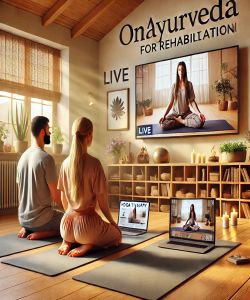
Overview of Yoga Therapy for Rehabilitation
Yoga Therapy for Rehabilitation constitutes a specialised, evidence-informed discipline dedicated to the application of yogic principles and practices to prevent, manage, and ameliorate health conditions and promote functional recovery. It is a distinct clinical modality, fundamentally different from a general yoga class, operating within a biopsychosocial-spiritual framework to address the whole person. This therapeutic approach is not merely a collection of physical exercises but a sophisticated system of self-regulation that integrates tailored physical postures (asana), precise breath control (pranayama), mindfulness, and meditation techniques. Its primary objective is to empower the individual to participate actively in their own healing process. The scope of its application is extensive, encompassing post-operative recovery, management of chronic pain syndromes, rehabilitation from musculoskeletal injuries, support for neurological conditions, and mitigation of the psychological sequelae of trauma and illness. A certified yoga therapist conducts a comprehensive assessment to design a highly individualised programme that respects the client’s specific needs, limitations, and therapeutic goals. This process fosters enhanced interoceptive awareness, improved neuromuscular control, and greater autonomic nervous system regulation. By bridging the gap between mind and body, it addresses the complex interplay of physiological dysfunction and psychological distress that often impedes recovery. It functions as a potent complementary therapy, effectively integrating with conventional medical and allied health interventions such as physiotherapy and psychotherapy to provide a holistic and robust pathway toward restored function, heightened resilience, and a superior quality of life. The practice is grounded in safety, efficacy, and the establishment of a strong therapeutic alliance, ensuring that each intervention is appropriate, progressive, and directed towards tangible, sustainable outcomes. It is, in essence, the strategic deployment of yoga as a clinical tool for profound and lasting rehabilitation.
What is Yoga Therapy for Rehabilitation?
Yoga Therapy for Rehabilitation is the specific and clinical application of the multifaceted tools of yoga to address an individual's physical, mental, and emotional health challenges with the explicit goal of functional recovery and improved well-being. It is a professional practice, delivered by a certified yoga therapist, that moves far beyond the generalised instructions of a group yoga class. The core of this modality lies in its deeply personalised nature; it commences with a rigorous and detailed assessment of the individual’s condition, including their medical history, physical capabilities and limitations, psychological state, and personal goals. Based on this comprehensive evaluation, the therapist designs and implements a bespoke therapeutic programme. This is not simply about prescribing a sequence of postures, but about strategically selecting and adapting a range of yogic practices to meet the unique requirements of the client. It operates on the fundamental principle that the mind, body, and breath are inextricably linked, and that by influencing one, the others can be brought into a state of greater balance and health. This integrative approach is particularly potent in a rehabilitative context where physical injury is often accompanied by significant psychological and emotional distress.
Key components of this therapeutic discipline include:
Individualised Intervention: Every plan is unique, tailored precisely to the client's diagnosis, presentation, and capacity. There is no one-size-fits-all protocol.
Biopsychosocial Model: The therapy acknowledges and addresses the interconnectedness of biological, psychological, and social factors that contribute to a person’s health status.
Client Empowerment: A central tenet is to educate and empower clients with the skills for self-regulation, enabling them to become active agents in their own recovery process rather than passive recipients of treatment.
Holistic Integration: It systematically combines physical postures (asana), breath regulation (pranayama), meditation (dhyana), and yogic philosophy to facilitate healing on multiple levels simultaneously.
Who Needs Yoga Therapy for Rehabilitation?
Individuals recovering from orthopaedic surgery, such as joint replacements, ligament repairs, or spinal procedures. They require a structured, progressive programme to restore range of motion, build functional strength, and manage post-operative pain and swelling in a safe, controlled manner.
Persons afflicted with chronic pain conditions, including but not limited to, non-specific lower back pain, fibromyalgia, arthritis, and neuropathic pain. They need specialised techniques to modulate the nervous system, alter pain perception, and break the cycle of pain-induced stress and muscular tension.
Patients with neurological disorders, such as stroke, multiple sclerosis, Parkinson's disease, or traumatic brain injury. They benefit from adapted practices designed to improve balance, proprioception, motor control, and neuroplasticity, while also managing associated symptoms like spasticity and fatigue.
Individuals managing mental and emotional health challenges that have a strong somatic component, including post-traumatic stress disorder (PTSD), anxiety disorders, and depression. They require trauma-informed approaches that focus on nervous system regulation, interoceptive awareness, and establishing a sense of safety within the body.
Clients with cardiorespiratory conditions, such as chronic obstructive pulmonary disease (COPD), asthma, or those in cardiac rehabilitation programmes. They need specific breathwork (pranayama) and gentle, modified movements to improve respiratory efficiency, cardiovascular endurance, and manage stress.
Individuals undergoing or recovering from cancer treatment. They require supportive therapy to mitigate treatment side effects like fatigue, nausea, and lymphoedema, as well as to address the significant emotional and psychological distress associated with their diagnosis.
Persons with postural dysfunction and repetitive strain injuries resulting from occupational or lifestyle factors. They need targeted interventions to correct musculoskeletal imbalances, retrain movement patterns, and build core stability to prevent recurrence.
Athletes recovering from sports-related injuries. They utilise yoga therapy to facilitate tissue healing, restore optimal biomechanics, enhance mind-body connection for improved performance, and prevent future injuries through increased flexibility and stability.
Origins and Evolution of Yoga Therapy for Rehabilitation
The origins of yoga therapy are deeply embedded within the ancient philosophical traditions of India, where yoga was conceived as a holistic system for harmonising the mind, body, and spirit. Classical texts, most notably the Yoga Sutras of Patanjali, outlined a path to mental quietude and liberation that inherently possessed therapeutic principles. Concepts such as the removal of mental afflictions (kleshas) and the cultivation of a steady, comfortable posture (sthira sukham asanam) provided the philosophical bedrock for using yogic practices to alleviate suffering. Early Hatha yoga texts further detailed physical postures and breathing techniques designed to purify the body and balance its vital energies, laying the practical groundwork for what would later evolve into a formal therapeutic modality. In these early stages, the application was less a clinical science and more a spiritual and holistic art, passed down through a direct lineage from guru to disciple.
The transition towards a more systematised and clinically recognisable form of yoga therapy began in the early 20th century. This evolution was spearheaded by pioneers such as Swami Kuvalayananda, who established research institutions to scientifically investigate the physiological effects of yoga, and Tirumalai Krishnamacharya, who is widely regarded as the architect of modern therapeutic yoga. Krishnamacharya revolutionised the practice by rejecting a standardised approach, instead championing the principle of 'viniyoga'—the idea that yoga must be adapted to the specific needs, capabilities, and goals of the individual. He applied this principle meticulously, designing bespoke practices for his students and clients, effectively creating the first modern yoga therapy clinics. This marked a pivotal shift from a generic, class-based model to a highly personalised, therapeutic application, directly setting the stage for its use in rehabilitation.
The latter half of the 20th century and into the 21st has seen the formalisation and professionalisation of yoga therapy as a distinct discipline. This period has been characterised by the establishment of professional governing bodies, such as the International Association of Yoga Therapists (IAYT), which have instituted rigorous standards for training, certification, and ethical conduct. Concurrently, a substantial and growing body of scientific research has emerged, providing clinical evidence for the efficacy of yoga therapy in a wide range of health conditions. This empirical validation has been crucial for its integration into mainstream healthcare, where it is now increasingly recognised by medical professionals as a credible and potent complementary therapy. Its evolution continues as it refines its methodologies, develops specialised branches for specific conditions, and solidifies its role within integrated rehabilitation programmes worldwide.
Types of Yoga Therapy for Rehabilitation
Musculoskeletal and Orthopaedic Yoga Therapy: This specialisation focuses on the application of yoga for conditions affecting the bones, joints, muscles, and connective tissues. It involves the precise use of adapted physical postures (asana), often supported by props, to improve structural alignment, enhance joint stability, restore functional range of motion, and reduce pain. It is systematically applied in cases of chronic back pain, sciatica, arthritis, recovery from fractures, and post-surgical rehabilitation for procedures such as hip or knee replacements. The primary objective is to retrain movement patterns and rebuild strength safely.
Neurological Yoga Therapy: This is a highly adapted form of therapy designed for individuals with conditions affecting the central and peripheral nervous systems. It addresses the unique challenges of patients with stroke, Parkinson’s disease, multiple sclerosis, and traumatic brain injuries. Techniques are modified to improve balance, coordination, proprioceptive awareness, and motor control. The practice also incorporates significant breathwork and meditation to manage symptoms such as spasticity, fatigue, and the cognitive and emotional sequelae of neurological damage.
Cardiopulmonary Yoga Therapy: This type targets the health of the cardiovascular and respiratory systems. It places a strong emphasis on specific breathing techniques (pranayama) to improve lung capacity, respiratory muscle efficiency, and oxygen saturation. Gentle, modified movements are used to enhance circulation and cardiovascular endurance without placing undue stress on the system. It serves as a vital component of rehabilitation for individuals with conditions like COPD, asthma, and post-cardiac event recovery.
Trauma-Informed Yoga Therapy: This approach is specifically designed to address the physiological and psychological effects of trauma and post-traumatic stress disorder (PTSD). The methodology is grounded in neuroscience and prioritises creating a sense of safety and empowerment for the client. It utilises interoceptive and mindfulness-based practices to help individuals regulate a hyper-aroused nervous system, process somatic memories, and re-establish a healthy connection with their body. The focus is on choice, non-coercion, and titration of experience.
Oncological and Palliative Yoga Therapy: This gentle and supportive application of yoga is tailored for individuals living with cancer or other life-limiting illnesses. The primary goals are not curative but palliative, aiming to manage the side effects of medical treatments, such as pain, fatigue, nausea, and anxiety. The practice helps to improve quality of life, maintain mobility, reduce stress, and provide a source of comfort and mental resilience during a profoundly challenging time.
Benefits of Yoga Therapy for Rehabilitation
Provides a significant reduction in the perception and intensity of chronic and acute pain through mechanisms of nervous system down-regulation and altered neural processing.
Enhances neuromuscular control, proprioception, and interoceptive awareness, leading to improved movement patterns, balance, and a reduced risk of re-injury.
Improves functional mobility by safely increasing joint range of motion, alleviating muscular tension, and restoring flexibility to shortened connective tissues.
Systematically builds targeted muscular strength and endurance, particularly in the core and stabilising muscles essential for postural support and joint integrity.
Facilitates superior autonomic nervous system regulation, increasing vagal tone and mitigating the physiological impact of the chronic stress response that often accompanies injury and illness.
Improves respiratory function and efficiency through the structured practice of specific breathing techniques (pranayama), which directly benefits cardiorespiratory and metabolic health.
Reduces symptoms of anxiety, depression, and post-traumatic stress that are frequently comorbid with physical health conditions, thereby improving overall mental and emotional resilience.
Empowers the individual by providing them with a toolkit of self-regulation strategies, fostering a sense of agency and active participation in their own recovery process.
Enhances sleep quality and duration by calming the nervous system and reducing pain, which is critical for tissue repair and cognitive function during rehabilitation.
Offers a low-impact, highly adaptable modality that can be precisely modified to suit individuals with significant physical limitations, comorbidities, or contraindications to more vigorous exercise.
Promotes neuroplasticity, encouraging the brain and nervous system to form new connections and pathways that support the recovery of motor function and cognitive processing.
Integrates the physical, mental, and emotional aspects of healing, addressing the whole person rather than an isolated symptom, leading to more comprehensive and sustainable recovery outcomes.
Core Principles and Practices of Yoga Therapy for Rehabilitation
Person-Centred Assessment and Application: The foundational principle is that the therapy must be tailored to the individual, not the individual to the therapy. This necessitates a comprehensive initial assessment covering the client's medical history, physical structure, physiological state, cognitive-emotional patterns, and life circumstances. Every practice is then selected and adapted based on this unique profile.
The Primacy of the Therapeutic Relationship: A safe, trusting, and collaborative partnership between the therapist and the client is paramount. This relationship provides the container within which healing can occur, enabling open communication, mutual respect, and the co-creation of therapeutic goals.
Breath as the Central Modality (Pranayama): The breath is recognised as the most direct and potent tool for influencing the autonomic nervous system. Specific breathing techniques are employed as a primary practice to manage pain, regulate emotional states, reduce stress, improve respiratory efficiency, and prepare the mind-body system for movement.
Movement as Functional Re-education (Asana): Physical postures are not used for aesthetic or gymnastic purposes, but as tools for somatic exploration and functional re-patterning. Asana is adapted with meticulous attention to alignment and the use of props to retrain biomechanics, release tension, build stability, and restore healthy movement.
Cultivation of Mindful Awareness (Dhyana): The practice of mindfulness and meditation is integrated to develop the client's capacity for focused, non-judgmental attention. This enhances interoception (the ability to sense the internal state of the body), alters the perception of pain, and reduces emotional reactivity to challenging physical sensations.
Progressive Adaptation and Sequencing (Vinyasa Krama): Interventions are structured in a logical, step-by-step progression. The therapist designs sequences that prepare the body for more challenging practices, ensuring that the client is never pushed beyond their capacity. This principle of 'intelligent sequencing' maximises therapeutic benefit while minimising risk.
Holistic Biopsychosocial-Spiritual Framework: The therapy operates from the understanding that an individual's health is a complex interplay of physical, psychological, social, and existential factors. The practices are designed to address dysfunction across all these domains, recognising that a physical symptom may have roots in emotional distress, or vice-versa.
Client Empowerment through Education: A core practice is to educate the client about their own body and condition. The therapist explains the rationale behind the chosen techniques, empowering the client with the knowledge and skills to develop a sustainable self-care practice and become an active participant in their long-term well-being.
Online Yoga Therapy for Rehabilitation
Unsurpassed Accessibility and Inclusivity: The online delivery model dismantles significant barriers to care. It provides essential therapeutic access to individuals who are geographically isolated, housebound due to severe mobility limitations, immunocompromised, or lack reliable transportation. This ensures continuity of care for populations that might otherwise be completely excluded from rehabilitative services.
Enhanced Client Autonomy and Self-Efficacy: Operating within their own environment compels the client to take a more proactive role in their therapy. They are responsible for preparing their space, arranging props, and engaging with the practice without the possibility of passive reliance on physical adjustments from the therapist. This process inherently cultivates greater self-awareness, responsibility, and a powerful sense of agency in their own healing journey.
Direct Functional Integration into Daily Life: Conducting therapy within the client’s home allows for the direct application and practice of functional movements in the very context where they are needed most. The therapist can guide the client in navigating their own specific environment safely, making the rehabilitation process immediately relevant and transferable to everyday activities, thereby accelerating functional recovery.
Creation of a Secure and Private Therapeutic Space: For many individuals, particularly those dealing with trauma, anxiety, or body image issues, the clinical or studio environment can be intimidating. The privacy and familiarity of their own home can create a sanctuary, reducing hypervigilance and allowing for deeper engagement with the therapeutic process. This sense of safety is critical for effective nervous system regulation and healing.
Consistency and Adherence to Programme: Online sessions eliminate many of the logistical challenges that lead to missed appointments, such as travel time, traffic, or inclement weather. This facility for consistent scheduling improves adherence to the therapeutic programme, which is a critical factor in achieving successful, long-term rehabilitative outcomes. It ensures the therapeutic momentum is maintained without interruption.
Cost-Effectiveness and Resource Efficiency: While not a clinical benefit per se, the reduction in ancillary costs associated with travel, parking, and time away from work makes the therapy more financially sustainable for the client. This practical advantage can enable individuals to commit to a more complete and extended course of therapy than they might otherwise be able to afford.
Yoga Therapy for Rehabilitation Techniques
Step 1: Conduct a Comprehensive Biopsychosocial Assessment. The process commences with a rigorous intake procedure. The therapist gathers detailed information on the client's medical history, diagnosis, current symptoms, and treatment from other healthcare providers. This is supplemented by a functional movement screen to assess range of motion, strength, posture, and breathing patterns. Critically, this phase also involves an in-depth discussion to understand the client's psychological state, lifestyle, support systems, and specific therapeutic goals.
Step 2: Formulate a Bespoke Therapeutic Protocol. Based on the assessment data, the therapist synthesises a highly individualised plan. This involves selecting a precise combination of yogic tools best suited to address the client's unique presentation. This is not a generic sequence but a strategic protocol designed to meet the established goals, manage symptoms, and progressively address underlying dysfunctions.
Step 3: Implement Adapted Physical Postures (Asana) with Proprioceptive Focus. The therapist guides the client through modified physical postures, utilising props such as blocks, bolsters, straps, and chairs to ensure safety and provide support. The verbal cueing is precise, focusing not on achieving a specific shape but on cultivating interoceptive awareness of sensation, alignment, and muscular engagement to retrain dysfunctional neuromuscular patterns.
Step 4: Integrate Prescriptive Breath Regulation (Pranayama). Specific breathing techniques are taught and practised as a core intervention. Depending on the client's needs, techniques may be chosen to down-regulate a hyper-aroused nervous system (e.g., diaphragmatic breathing, extended exhalations) or to gently up-regulate a hypo-aroused system. The breath is used as a direct tool to manage pain, anxiety, and fatigue.
Step 5: Introduce Mindfulness and Meditation Practices. The client is guided in mindfulness techniques to develop non-reactive awareness of physical sensations and thought patterns. This may include body scan meditations or focused attention practices. The objective is to decouple the physical sensation of pain from the emotional response of suffering, thereby altering the client's relationship with their symptoms.
Step 6: Provide Somatic Education and Co-create a Home Practice. Throughout the session, the therapist educates the client on the principles behind the techniques. The session concludes with the collaborative development of a short, manageable home practice for the client to perform independently between sessions. This empowers the client and accelerates the therapeutic process.
Step 7: Engage in Continuous Monitoring and Progressive Refinement. Yoga therapy is an iterative process. Each subsequent session begins with a check-in and re-assessment. The therapist monitors the client's progress and obtains feedback, using this information to progressively refine and adapt the therapeutic protocol to ensure it remains challenging, effective, and aligned with the client’s evolving needs.
Yoga Therapy for Rehabilitation for Adults
Yoga Therapy for Rehabilitation for adults is a sophisticated and highly relevant modality, specifically tailored to address the complex health challenges characteristic of this life stage. The adult demographic frequently presents with a confluence of conditions stemming from occupational stress, sedentary lifestyles, repetitive strain, age-related degenerative changes, and the cumulative impact of past injuries. The therapy moves beyond simplistic exercise prescription to offer a comprehensive system for managing chronic pain, such as non-specific lower back pain or osteoarthritis, which are prevalent in this population. It provides a structured methodology for recovering from orthopaedic surgeries, enabling a return to work and daily function with enhanced resilience. Furthermore, it directly confronts the significant mental and emotional burdens that adults face, including anxiety, burnout, and depression, which are often inextricably linked with physical ailments. The practice empowers adults by teaching them tangible self-regulation skills, shifting them from a position of passive patient to an active agent in their own health management. This is critical for long-term adherence and sustainable well-being. By integrating mindful movement, breath regulation, and stress reduction techniques, it provides a powerful antidote to the high-stress, fast-paced nature of modern adult life. It is not merely about alleviating symptoms but about re-educating the entire neuromuscular and nervous system to function more efficiently and resiliently. The focus is on restoring functional capacity, preventing future decline, and ultimately enhancing the overall quality of life, allowing adults to maintain their independence, continue their professional and personal pursuits, and engage with their lives with greater vitality and less suffering.
Total Duration of Online Yoga Therapy for Rehabilitation
The established industry standard and clinically recommended total duration for a single session of online Yoga Therapy for Rehabilitation is 1 hr. This specific timeframe is not arbitrary but is deliberately structured to maximise therapeutic efficacy while respecting the client's energy reserves, which are often compromised during a period of recovery. The allocation of this 60-minute period is meticulously planned. It typically commences with a dedicated portion for client check-in and subjective assessment, allowing the therapist to gain a precise understanding of the client's current state, including pain levels, energy, and any changes since the last session. This is followed by the core therapeutic practice, which constitutes the largest segment of the hour. This section is a carefully sequenced integration of adapted physical postures (asana), targeted breathwork (pranayama), and mindfulness or meditation techniques, all specifically chosen to address the client’s rehabilitative goals. The final part of the session is reserved for integration, client feedback, and collaborative planning. This includes a period of guided rest to allow the nervous system to assimilate the practice, a discussion of the client's experience, and clear instruction on the bespoke home practice to be followed until the next appointment. This 1 hr structure ensures sufficient time for depth and detail without inducing physical or cognitive fatigue, making it the optimal duration for a focused, safe, and productive therapeutic encounter in the online environment. It provides a complete therapeutic arc, from assessment through intervention to integration, which is essential for achieving tangible and progressive rehabilitative outcomes.
Things to Consider with Yoga Therapy for Rehabilitation
Engaging with Yoga Therapy for Rehabilitation demands a discerning and informed approach, as its efficacy is contingent upon several critical factors. Foremost among these is the imperative to verify the qualifications of the practitioner. It is essential to understand that a yoga therapist is not a standard yoga teacher; they must possess advanced, specialised training and certification from a recognised professional body, such as the International Association of Yoga Therapists (IAYT). This ensures they have the requisite knowledge of anatomy, physiology, pathophysiology, and the clinical application of yogic techniques. Furthermore, prospective clients must be prepared for a collaborative and active process. This is not a passive treatment where something is ‘done to’ the client; it requires full commitment to the practice, both during sessions and with any prescribed home exercises. Realistic expectations are crucial; rehabilitation is a process, not an event, and progress may be non-linear. It is also vital to ensure that yoga therapy is an appropriate part of an integrated care plan. This requires transparent communication between the yoga therapist, the client, and other healthcare providers, such as general practitioners, physiotherapists, or specialists. This collaboration ensures that the therapy complements other treatments, respects any contraindications, and contributes to a cohesive, holistic strategy for recovery. Finally, one must consider the specific suitability of the modality for their condition, understanding that while its scope is broad, it is not a panacea and must be applied judiciously and with professional oversight to guarantee both safety and effectiveness.
Effectiveness of Yoga Therapy for Rehabilitation
The effectiveness of Yoga Therapy for Rehabilitation is robustly supported by a progressively expanding body of peer-reviewed scientific research and extensive clinical application. Its efficacy is not based on anecdotal claims but on measurable physiological and psychological outcomes across a diverse range of conditions. For musculoskeletal rehabilitation, particularly for chronic lower back pain, studies have consistently demonstrated its ability to reduce pain, improve function, and decrease reliance on medication, with outcomes often superior to usual care. The mechanisms underpinning this success are multifaceted, involving the re-patterning of dysfunctional motor control, the enhancement of core stability, and the down-regulation of the central nervous system's pain processing pathways. In neurological rehabilitation, its effectiveness lies in its capacity to promote neuroplasticity, improve proprioception and balance, and manage secondary symptoms like spasticity and fatigue. For mental health, its impact is profound. By directly targeting the autonomic nervous system through breathwork and enhancing interoceptive awareness, it has proven highly effective in reducing symptoms of anxiety, depression, and PTSD by increasing vagal tone and modulating the hypothalamic-pituitary-adrenal (HPA) axis. The power of this modality resides in its integrated, biopsychosocial approach. It does not simply address an isolated anatomical problem but works holistically to restore the dynamic equilibrium between the body's various systems. When delivered by a qualified therapist who can tailor the intervention precisely to the individual, yoga therapy stands as a potent, evidence-informed, and highly effective clinical tool for facilitating profound and sustainable rehabilitation.
Preferred Cautions During Yoga Therapy for Rehabilitation
Extreme diligence and caution are non-negotiable prerequisites for the safe practice of Yoga Therapy for Rehabilitation. The paramount principle is that of non-harming (Ahimsa), which mandates a conservative and vigilant approach at all times. It is absolutely imperative that the therapist obtains a complete and accurate medical history from the client, including all diagnoses, medications, and previous injuries or surgeries. The client, in turn, has a non-delegable responsibility to provide this information with full transparency. Certain conditions demand heightened caution and specific, expert-level modifications. These include, but are not limited to, acute inflammatory conditions, spinal instability (such as spondylolisthesis), severe osteoporosis, unmanaged cardiovascular disease, recent surgery, and neurological conditions with significant balance or sensory deficits. The client must be explicitly instructed to never move into or through sharp, shooting, or electrical pain; the distinction between safe, therapeutic stretching and potentially injurious strain must be clearly established and continuously reinforced. The therapist must operate strictly within their professional scope of practice and competence, demonstrating the professional integrity to refer clients to other medical specialists when a condition or symptom falls outside their area of expertise. Furthermore, caution must be exercised to avoid creating psychological dependency; the ultimate goal is to empower the client towards self-sufficiency. Any application of this therapy without adherence to these stringent cautions is not only unprofessional but fundamentally unsafe and contrary to the core tenets of the discipline.
Yoga Therapy for Rehabilitation Course Outline
Session 1: Comprehensive Assessment and Goal Formulation. In-depth review of medical history, biopsychosocial factors, and chief complaints. Functional movement screening, postural analysis, and breath pattern assessment. Collaborative establishment of clear, measurable, and realistic short-term and long-term therapeutic goals. Introduction to foundational concepts of interoception.
Session 2: Foundational Breathwork and Nervous System Regulation. Introduction to diaphragmatic breathing and basic pranayama techniques designed to down-regulate the sympathetic nervous system. Practice of gentle, supported postures (asana) focused on cultivating somatic awareness rather than achieving a specific form. Education on the connection between breath, stress, and pain.
Session 3: Proprioceptive Training and Stability. Utilisation of props (blocks, chairs, walls) to create safe and stable conditions for exploring movement. Focus on activating and strengthening deep stabilising muscles, particularly around the core and joints relevant to the client’s condition. Introduction to mindful weight-bearing and balance work.
Session 4: Introduction to Functional Movement Patterns. Application of yoga postures to retrain basic functional movements such as squatting, lifting, and reaching. Emphasis on integrating breath with movement to ensure smooth, controlled motion. Focus on correcting dysfunctional biomechanical patterns identified in the initial assessment.
Session 5: Pain Science Education and Management Techniques. Didactic component explaining the modern neuroscience of pain, differentiating between acute and chronic pain mechanisms. Introduction to mindfulness and meditation practices, such as the body scan, specifically to alter the client’s relationship to painful sensations and reduce fear-avoidance behaviours.
Session 6: Enhancing Mobility with Stability. Progressive introduction of postures designed to increase range of motion. The focus remains on maintaining joint stability throughout the range, preventing compensatory movements. Techniques for releasing myofascial tension through gentle, sustained holds are integrated.
Session 7: Building Resilience and Load Management. Gradual and systematic increase in the duration, repetition, or complexity of movements to build tissue resilience and physical endurance. The principles of progressive overload are applied conservatively. Practice of techniques for managing potential flare-ups.
Session 8: Integration and Development of a Self-Sufficient Practice. Review of all learned techniques. Co-creation of a comprehensive, personalised home practice that the client can confidently perform independently. Re-assessment of initial goals, measurement of progress, and formulation of a long-term plan for continued self-management and well-being.
Detailed Objectives with Timeline of Yoga Therapy for Rehabilitation
Phase 1: Acute Management and Stabilisation (Weeks 1-4).
Objective: To reduce acute symptoms (e.g., pain, inflammation, anxiety) by a measurable degree and establish a foundation of safety and awareness.
Timeline Actions: By the end of week 4, the client will be able to independently perform diaphragmatic breathing to manage acute stress or pain, demonstrate understanding of basic postural alignment in static, supported positions, and report a reduction in symptom severity on a standardised scale. The primary focus is on down-regulating the nervous system and preventing further aggravation of the condition.
Phase 2: Restoration of Foundational Function (Weeks 5-12).
Objective: To restore basic functional capacity by improving joint range of motion, activating key stabilising muscles, and enhancing proprioception.
Timeline Actions: By the end of week 12, the client will demonstrate improved range of motion in targeted joints, exhibit proficient activation of core musculature during foundational movements, and show improved balance in simple static postures. The objective is a tangible improvement in the ability to perform basic activities of daily living with less pain and greater control.
Phase 3: Consolidation and Strength Building (Weeks 13-24).
Objective: To build upon restored function by increasing strength, endurance, and the complexity of movement patterns, thereby enhancing physical resilience.
Timeline Actions: By the end of week 24, the client will be able to perform more dynamic and complex sequences of movement with correct form and breath integration. They will demonstrate increased strength and endurance in functional tasks and report greater confidence in their physical capabilities. The therapy will challenge the client’s system progressively to adapt and grow stronger.
Phase 4: Empowerment and Long-Term Self-Management (Beyond Week 24).
Objective: To transition the client from guided therapy to a state of autonomous self-management, equipped with the tools to maintain their health and prevent recurrence.
Timeline Actions: Following week 24, the client will possess a comprehensive, personalised home practice that they can modify as needed. They will demonstrate a thorough understanding of their condition and the principles of their self-care regimen. The therapeutic relationship will shift to a consultative one, with sessions scheduled on an as-needed basis for review and progression. The ultimate objective is durable, long-term functional independence.
Requirements for Taking Online Yoga Therapy for Rehabilitation
A consistent, high-speed, and reliable internet connection is non-negotiable. The service must be capable of supporting high-definition, two-way video streaming without interruption, as lags or disconnections compromise both the safety and efficacy of the session.
A suitable electronic device, such as a laptop, desktop computer, or large tablet, equipped with a high-quality, fully functional webcam and microphone. The device must be positioned so the therapist has a clear, well-lit, full-body view of the client throughout the entire range of movement.
A dedicated, private, and secure physical space. The area must be free of clutter, potential hazards, and distractions. It must be of sufficient size to allow for unimpeded movement in all directions as required by the therapeutic exercises.
Possession of, or the commitment to acquire, the specific yoga props mandated by the therapist. This typically includes a non-slip yoga mat, firm blocks, a strap, and blankets or bolsters. A stable chair without arms is also frequently required for modifications.
The cognitive and physical capacity to understand and implement verbal instructions for setting up technology and arranging the physical space independently. The client must be able to manage their own environment safely without the physical presence of the therapist.
Where applicable, formal medical clearance or a referral from a General Practitioner, physiotherapist, or specialist medical consultant must be provided. This is mandatory for clients with complex, acute, or unstable health conditions to ensure the therapy is appropriate and safe.
An unwavering commitment to providing a complete and transparent medical history and to maintaining open, honest communication with the therapist regarding any new or changing symptoms, sensations, or concerns that arise before or during sessions.
A mature understanding that the online format necessitates a heightened level of personal responsibility for one’s own safety and practice. The client must agree to work within their limits and to provide immediate verbal feedback to the therapist.
Things to Keep in Mind Before Starting Online Yoga Therapy for Rehabilitation
Before commencing an online programme of Yoga Therapy for Rehabilitation, it is imperative to comprehend that this modality demands a significant degree of client autonomy and proactive engagement. The convenience it affords is balanced by an increased responsibility for one's own safety and therapeutic environment. Unlike an in-person session where the therapist can provide tactile cues and physically adjust the environment, the online client must be prepared to be the therapist's hands and eyes in their own space. This requires the ability to precisely articulate physical sensations and to meticulously follow verbal instructions for alignment and prop placement. It is crucial to rigorously vet the therapist’s credentials, ensuring they are not only a certified yoga therapist but also possess specific training and adequate professional indemnity insurance for delivering therapy via telehealth platforms. One must honestly assess their own technological competence and the suitability of their home environment; a poor internet connection or a cluttered, unsafe space will severely undermine the entire therapeutic process. Furthermore, the prospective client must understand that the therapeutic alliance in an online setting is built entirely on a foundation of exceptionally clear and consistent communication. Any reluctance to speak up about discomfort, confusion, or emerging symptoms can lead to ineffective or even harmful outcomes. This is a clinical engagement, not a casual fitness class, and it necessitates the same level of mental focus, commitment, and preparation as attending a formal appointment in a clinical setting.
Qualifications Required to Perform Yoga Therapy for Rehabilitation
The performance of Yoga Therapy for Rehabilitation is a regulated and highly specialised professional activity that demands qualifications far exceeding those of a standard yoga instructor. It is an exacting clinical discipline requiring a sophisticated integration of yogic science with modern medical and psychological knowledge. A practitioner is not qualified to use the title 'Yoga Therapist' or to work in a rehabilitative capacity without having undergone and completed a rigorous, accredited, and comprehensive training programme. The benchmark for such qualification is stringent and is designed to ensure public safety and therapeutic competence. The non-negotiable qualifications required to perform this work professionally and ethically include:
Accredited Certification as a Yoga Therapist (C-IAYT or equivalent): The practitioner must have graduated from a training programme formally accredited by a governing body such as the International Association of Yoga Therapists (IAYT). These programmes typically require a minimum of 800 hours of specialised training, covering in-depth anatomy, physiology, pathophysiology, psychology, client assessment skills, and the therapeutic application of yogic techniques.
Documented and Supervised Clinical Practicum: A significant component of accredited training is the completion of extensive, mentored clinical hours. This ensures the therapist has direct, supervised experience in applying therapeutic yoga to individuals with a diverse array of health conditions in a real-world setting.
In-Depth Knowledge of Contraindications and Scope of Practice: A qualified therapist possesses a thorough understanding of medical conditions and their contraindications for specific yogic practices. They must demonstrate the professional judgment to work within their defined scope of practice and to refer clients to other healthcare professionals when necessary.
Maintenance of Professional Standing: This includes holding adequate professional liability and indemnity insurance, adhering to a strict code of professional ethics, and engaging in ongoing continuing education to remain current with research and best practices in the field.
Without these foundational qualifications, an individual is not equipped to handle the complexities and responsibilities inherent in rehabilitative care.
Online Vs Offline/Onsite Yoga Therapy for Rehabilitation
Online
Online Yoga Therapy for Rehabilitation is delivered remotely via a secure, two-way video conferencing platform. Its defining characteristic is the absence of physical proximity between the therapist and the client. The entire therapeutic process—assessment, instruction, and feedback—is conducted through verbal communication, visual demonstration, and the client's own felt sense (interoception). The primary advantage of this modality is its profound accessibility, removing geographical, mobility, and logistical barriers to care. It fosters a high degree of client autonomy, as the individual must take active responsibility for their environment and the execution of the practices. However, its principal limitation is the inability of the therapist to provide tactile feedback or hands-on adjustments, which can be critical for refining alignment and ensuring safety in complex cases. The effectiveness of the online model is heavily dependent on the client's ability to interpret verbal cues, the quality of the technology, and the strength of the verbally-mediated therapeutic relationship. It is best suited for clients who have a degree of body awareness and can safely manage their own physical space.
Offline/Onsite
Offline, or onsite, Yoga Therapy for Rehabilitation is the traditional model, conducted in a face-to-face setting within a clinic, studio, or private practice. Its key feature is the physical presence of the therapist, which allows for a multi-sensory assessment and intervention. The therapist can directly observe subtle neuromuscular patterns, breathing mechanics, and autonomic responses that may not be apparent on camera. The most significant advantage is the capacity for precise, hands-on guidance and tactile cueing. This allows the therapist to gently guide a client into safer alignment, provide physical support, and apply techniques such as proprioceptive neuromuscular facilitation (PNF). The controlled clinical environment ensures access to a full range of specialised props and equipment. The primary disadvantage is its inherent lack of accessibility for those who are geographically remote or have significant mobility restrictions that make travel difficult. The onsite model provides a more contained and directly supervised therapeutic experience, which can be essential for clients with severe conditions, complex comorbidities, or low initial body awareness.
FAQs About Online Yoga Therapy for Rehabilitation
Question 1. Is online therapy as effective as in-person?
Answer: For many conditions, research indicates that online therapy can be equally effective, provided the client is suitable for the modality and the therapist is skilled in remote delivery. Efficacy is dependent on clear communication and client engagement.
Question 2. What technology do I need?
Answer: You require a reliable, high-speed internet connection and a device (laptop or tablet) with a high-quality camera and microphone.
Question 3. How does the therapist assess me remotely?
Answer: Assessment is conducted through detailed verbal questioning, observation of functional movements on camera, and analysis of your self-reported sensations and experiences.
Question 4. Is it safe without hands-on adjustments?
Answer: Yes, it is safe when conducted by a qualified therapist. Safety is maintained through precise verbal cueing, the use of props for support, and teaching the client to rely on their own body's feedback and to work well within their limits.
Question 5. What conditions can be treated online?
Answer: A wide range, including chronic pain, musculoskeletal injuries, anxiety, and stress-related disorders. Suitability for highly complex or acute neurological or cardiovascular conditions is determined on a case-by-case basis.
Question 6. How should I prepare my space?
Answer: Ensure you have a quiet, private, well-lit space large enough for a yoga mat and unimpeded movement. Remove all clutter and potential hazards.
Question 7. Will the sessions be recorded?
Answer: No. To maintain client confidentiality and privacy, professional ethical standards mandate that clinical therapy sessions are not recorded.
Question 8. What qualifications should the therapist have?
Answer: They must be a Certified Yoga Therapist (e.g., C-IAYT), with specific training and insurance for providing therapy via telehealth platforms.
Question 9. How is my privacy maintained?
Answer: Therapists use secure, encrypted (HIPAA-compliant or equivalent) video conferencing platforms, not standard social media applications, to protect your personal health information.
Question 10. What if I have a technical issue during a session?
Answer: The therapist will have a backup communication plan, such as a telephone call, to resolve the issue or complete the session if the video connection cannot be restored.
Question 11. Can I claim this on my health insurance?
Answer: This depends entirely on your specific insurance provider and policy. It is your responsibility to verify coverage directly with your insurer.
Question 12. What props are essential?
Answer: Typically a non-slip yoga mat, two firm blocks, a strap, and one or two firm blankets. A stable, armless chair is also highly recommended.
Question 13. How is this different from a regular online yoga class?
Answer: This is a private, clinical intervention tailored specifically to your health condition and goals. It is a therapeutic session, not a general fitness class.
Question 14. What is the role of communication in online sessions?
Answer: It is paramount. You must be prepared to provide clear, honest, and immediate verbal feedback about what you are feeling to guide the therapist's instructions.
Question 15. What if my condition worsens?
Answer: You must inform your therapist immediately. They will reassess the plan and, if necessary, refer you back to your primary medical provider for evaluation.
Question 16. How is progress measured online?
Answer: Progress is measured through a combination of functional movement re-assessments, standardised outcome measures (e.g., pain scales), and your subjective reports on symptoms and functional capacity.
Question 17. Is it suitable for a complete beginner with no yoga experience?
Answer: Absolutely. Yoga therapy is designed to meet you exactly where you are. No prior experience is necessary.
Conclusion About Yoga Therapy for Rehabilitation
In conclusion, Yoga Therapy for Rehabilitation stands as a formidable and sophisticated discipline, rigorously bridging the divide between ancient contemplative science and contemporary, evidence-informed clinical practice. It is not a diluted form of exercise but a potent, person-centred therapeutic modality that addresses the complex, interconnected nature of human health. Its fundamental strength lies in its holistic framework, which moves decisively beyond the limitations of purely symptomatic or biomechanical models of care. By systematically integrating mindful movement, breath regulation, and meditative practices, it targets the underlying dysfunctions within the neuromuscular, autonomic nervous, and endocrine systems. It provides a structured pathway for individuals to move from a state of pain, limitation, and distress towards one of functional autonomy, resilience, and enhanced well-being. The practice empowers individuals, equipping them with tangible skills for self-regulation and transforming them into active collaborators in their own recovery. Whether delivered through the immediate, hands-on medium of onsite care or the accessible, empowering modality of online platforms, its core principles remain unwavering. When executed by a highly qualified and certified therapist, Yoga Therapy for Rehabilitation offers a legitimate, powerful, and indispensable component of any comprehensive approach to health, recovery, and the profound optimisation of human potential. It is, unequivocally, a serious and effective tool for lasting change.