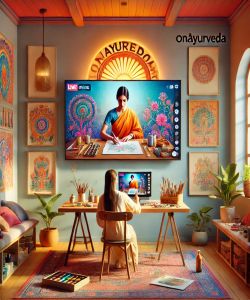
1. Overview of Mindfulness Based Art Therapy
Mindfulness Based Art Therapy (MBAT) amalgamates the principles of mindfulness with the expressive capabilities of art, fostering a therapeutic environment wherein individuals can explore their inner psyche and emotional states through creative mediums. This sophisticated modality enables participants to achieve a heightened state of self-awareness and emotional regulation, utilising art as both a process and product to facilitate psychological healing and personal growth. Grounded in robust psychological theories and validated through empirical research, MBAT serves as an efficacious intervention for a myriad of mental health conditions, offering a non-verbal avenue for self-expression and introspection.
2. What are Mindfulness Based Art Therapy?
Mindfulness Based Art Therapy is an integrative therapeutic approach that combines mindfulness practices with art-making to promote mental well-being and emotional balance. Participants engage in various art forms—such as painting, sculpting, and drawing—while maintaining a mindful state, which involves being fully present and non-judgmentally aware of their thoughts and feelings. This dual focus on mindfulness and creativity allows individuals to externalise their internal experiences, facilitating deeper self-understanding and emotional processing. The therapy can be conducted in individual or group settings, each offering unique benefits tailored to the participant's needs.
3. Who Needs Mindfulness Based Art Therapy?
- Individuals with Anxiety and Depression: MBAT provides a constructive outlet for expressing and managing overwhelming emotions.
- Trauma Survivors: Art-making can help process and integrate traumatic experiences in a safe, controlled environment.
- Those with Stress-Related Disorders: The mindfulness component aids in reducing stress and promoting relaxation.
- People with Low Self-Esteem: Creating art can boost self-confidence and self-worth through accomplishment and self-expression.
- Individuals Seeking Personal Growth: MBAT facilitates deeper self-awareness and emotional intelligence.
- Adolescents with Behavioural Issues: Engaging in art can improve emotional regulation and provide a non-verbal means of communication.
- Elderly with Cognitive Decline: Art therapy can stimulate cognitive functions and provide emotional fulfilment.
4. Origins and Evolution of Mindfulness Based Art Therapy
Mindfulness Based Art Therapy emerged from the confluence of two established therapeutic modalities: mindfulness and art therapy. Art therapy, recognised since the mid-20th century, utilises creative processes to improve mental health. Mindfulness, rooted in ancient Buddhist practices and popularised in Western psychology by figures like Jon Kabat-Zinn, emphasises present-moment awareness. The integration of these practices began in the late 20th century, as therapists recognised the synergistic potential of combining mindfulness' focus on present-moment awareness with art therapy's expressive capabilities. Early pioneers in the field, such as Dr. Laury Rappaport, contributed significantly to the theoretical and practical development of MBAT. Over the decades, empirical research has validated its efficacy, leading to widespread acceptance and application in clinical settings. Today, MBAT is recognised as a robust, evidence-based intervention for various psychological conditions, continually evolving with ongoing research and clinical innovation.
5. Types of Mindfulness Based Art Therapy
- Individual MBAT: One-on-one sessions tailored to the individual's specific needs and therapeutic goals.
- Group MBAT: Conducted in a group setting, fostering a sense of community and shared experience, which can enhance therapeutic outcomes.
- Children’s MBAT: Adapted for younger participants, utilising age-appropriate art materials and mindfulness techniques to address developmental and emotional issues.
- Adolescent MBAT: Focuses on the unique challenges faced by teenagers, such as identity formation and peer pressure, through art and mindfulness.
- Geriatric MBAT: Designed for older adults, addressing issues such as cognitive decline, loneliness, and life transitions with suitable art activities and mindfulness practices.
- Trauma-Informed MBAT: Specifically tailored for trauma survivors, incorporating trauma-sensitive mindfulness and art techniques to facilitate safe emotional expression and processing.
- Online MBAT: Delivered via digital platforms, providing flexibility and accessibility, particularly beneficial for those with mobility issues or living in remote areas.
6. Benefits of Mindfulness Based Art Therapy
- Emotional Regulation: Helps individuals manage and express their emotions healthily.
- Stress Reduction: The combination of mindfulness and art-making promotes relaxation and reduces stress levels.
- Enhanced Self-Awareness: Encourages deeper understanding and acceptance of one’s thoughts and feelings.
- Improved Mental Health: Effective in treating anxiety, depression, and other mental health conditions.
- Cognitive Stimulation: Engages and stimulates cognitive functions, particularly beneficial for elderly participants.
- Creative Expression: Provides a non-verbal means of communication and self-expression.
- Community and Connection: Group sessions foster a sense of belonging and shared experience.
7. Core Principles and Practices of Mindfulness Based Art Therapy
- Mindfulness: Participants are taught to maintain a non-judgmental, present-moment awareness during art-making.
- Non-Verbal Expression: Emphasis on using art as a means of expressing emotions and thoughts that may be difficult to verbalise.
- Therapeutic Alliance: A strong, trusting relationship between the therapist and participant is crucial for effective therapy.
- Safe Space: Creating a physically and emotionally safe environment where participants feel comfortable expressing themselves.
- Process Over Product: Focus on the therapeutic process of creating art rather than the final product.
- Integration of Art and Mindfulness: Seamlessly combining art-making with mindfulness practices to enhance therapeutic outcomes.
- Individualised Approach: Tailoring the therapy to meet the unique needs and goals of each participant.
8. Online Mindfulness Based Art Therapy
- Accessibility: Removes geographical barriers, allowing individuals from diverse locations to participate.
- Flexibility: Participants can engage in therapy from the comfort of their own homes, accommodating various schedules.
- Technology Utilisation: Leverages digital tools and platforms to facilitate interactive and engaging sessions.
- Resource Availability: Participants can easily access a wide range of digital art tools and resources.
- Confidentiality: Ensures privacy and confidentiality through secure online platforms.
- Continuity of Care: Allows for consistent therapy sessions, even during circumstances that may limit physical attendance, such as illness or travel.
- Engagement: Interactive online features can enhance participant engagement and involvement.
9. Mindfulness Based Art Therapy Techniques
- Breathing Exercises: Begin with guided breathing to centre and ground participants.
- Mindful Observation: Encourage participants to observe their surroundings or art materials mindfully before starting.
- Free Drawing: Allow participants to draw freely without a specific goal, focusing on the process.
- Mandala Creation: Guide participants in creating mandalas to promote focus and balance.
- Collage Making: Use pre-cut images and materials to create collages, encouraging exploration of subconscious themes.
- Sculpting with Clay: Engage in three-dimensional art to explore tactile sensations and spatial awareness.
- Reflective Journaling: After art-making, participants write about their experience and emotions, integrating mindfulness and reflection.
10. Mindfulness Based Art Therapy for Adults
Mindfulness Based Art Therapy for adults serves as a potent intervention for addressing a spectrum of psychological and emotional challenges. Adults grappling with stress, anxiety, depression, or trauma can find solace and therapeutic benefit through the dual focus on mindfulness and creative expression. The structured yet flexible nature of MBAT allows adults to explore their inner experiences, fostering greater self-awareness and emotional regulation. Through various art forms—be it painting, sculpting, or drawing—adults can externalise and process complex emotions in a safe, non-judgmental environment. The mindfulness component ensures that participants remain grounded and present, enhancing the therapeutic efficacy of the art-making process. Ultimately, MBAT for adults is not merely a creative outlet but a comprehensive therapeutic modality that promotes mental well-being, personal growth, and emotional resilience.
11. Total Duration of Online Mindfulness Based Art Therapy
The total duration of an Online Mindfulness Based Art Therapy session is precisely 1 hour. This structured timeframe ensures that participants receive a concentrated yet comprehensive therapeutic experience. The hour-long session is meticulously designed to balance mindfulness practices with art-making activities, allowing for adequate time to engage deeply with the therapeutic process while maintaining focus and presence. The standardised duration facilitates consistency and predictability, crucial elements for therapeutic effectiveness and participant engagement.
12. Things to Consider with Mindfulness Based Art Therapy
When engaging in Mindfulness Based Art Therapy, several critical factors must be meticulously considered to ensure the efficacy and safety of the therapeutic process. Firstly, the qualifications and experience of the therapist are paramount; a competent practitioner will adeptly guide participants through both mindfulness and art-making techniques. Secondly, the suitability of the therapy for the individual’s specific mental health needs must be thoroughly assessed; MBAT may not be appropriate for everyone, and a tailored approach is essential. Thirdly, the environment, whether physical or online, must be carefully prepared to foster a sense of safety and comfort. For online sessions, reliable technology and secure platforms are imperative. Additionally, the selection of art materials should be thoughtfully curated to meet the therapeutic goals while ensuring they are safe and appropriate for the participants. Lastly, ongoing assessment and adjustment of the therapeutic approach are necessary to address the evolving needs of the participants and to maximise therapeutic outcomes.
13. Effectiveness of Mindfulness Based Art Therapy
The effectiveness of Mindfulness Based Art Therapy is well-documented and supported by a growing body of empirical research. This integrative therapeutic approach has demonstrated significant benefits in treating various mental health conditions, including anxiety, depression, and trauma. The combination of mindfulness and art-making provides a unique and powerful means of facilitating emotional expression, self-awareness, and psychological healing. Participants often report reduced stress levels, improved emotional regulation, and enhanced self-esteem. The non-verbal nature of art therapy allows individuals to explore and process complex emotions that may be difficult to articulate verbally, while the mindfulness component ensures a grounded and present-focused therapeutic experience. Clinical studies have shown that MBAT can lead to measurable improvements in mental well-being, making it a valuable and evidence-based intervention in the field of psychological therapy.
14. Preferred Cautions During Mindfulness Based Art Therapy
During Mindfulness Based Art Therapy, certain precautions must be rigorously observed to ensure the safety and well-being of participants. Firstly, the therapist must be acutely aware of the emotional and psychological state of each participant, ready to provide additional support or modify activities as needed, particularly when dealing with trauma or severe mental health issues. Secondly, the use of art materials should be carefully monitored to prevent any risk of injury; sharp tools, for instance, should be used with caution and under supervision. Thirdly, participants should be encouraged to express themselves freely but also to recognise their limits; pushing beyond one’s comfort zone should be done gradually and with sensitivity. Additionally, the therapist must maintain a non-judgmental and supportive stance, fostering a safe space for vulnerable emotional expression. For online sessions, technical issues should be anticipated and managed to avoid disruptions. Lastly, confidentiality and privacy must be strictly upheld, especially in group settings, to protect participant trust and comfort.
15. Mindfulness Based Art Therapy Course Outline
- Introduction to Mindfulness and Art Therapy
- Overview of mindfulness principles
- Introduction to art therapy concepts
- Mindfulness Techniques
- Breathing exercises
- Body scan meditation
- Mindful observation
- Art Therapy Techniques
- Introduction to various art materials
- Basic drawing and painting techniques
- Sculpting with clay
- Integration of Mindfulness and Art
- Guided mindfulness while engaging in art-making
- Reflective journaling post-art creation
- Therapeutic Applications
- Using MBAT for anxiety and depression
- MBAT for trauma recovery
- MBAT for personal growth and self-awareness
- Group Dynamics in MBAT
- Facilitating group sessions
- Encouraging shared experiences and support
- Ethical Considerations and Professional Practices
- Maintaining confidentiality
- Professional boundaries
- Continuous professional development
- Practical Sessions
- Hands-on art-making with mindfulness guidance
- Group discussions and feedback
- Evaluation and Assessment
- Assessing participant progress
- Adjusting therapeutic approaches as needed
- Conclusion and Future Directions
- Summarising key learnings
- Exploring advanced MBAT techniques and applications
16. Detailed Objectives with Timeline of Mindfulness Based Art Therapy
- Week 1: Introduction and Foundation
- Objective: Understand the basic principles of mindfulness and art therapy.
- Activities: Introductory lectures, basic mindfulness exercises.
- Week 2: Mindfulness Techniques
- Objective: Master essential mindfulness practices.
- Activities: Breathing exercises, body scan meditation.
- Week 3: Introduction to Art Materials
- Objective: Familiarise with various art materials and tools.
- Activities: Hands-on sessions with different art supplies.
- Week 4: Basic Art Techniques
- Objective: Learn fundamental art-making techniques.
- Activities: Drawing, painting, and sculpting exercises.
- Week 5: Integrating Mindfulness and Art
- Objective: Combine mindfulness practices with art-making.
- Activities: Guided art sessions with mindfulness focus.
- Week 6: Therapeutic Applications
- Objective: Apply MBAT to specific mental health issues.
- Activities: Case studies, role-playing scenarios.
- Week 7: Group Dynamics
- Objective: Understand and facilitate group MBAT sessions.
- Activities: Group art-making, discussion, and feedback.
- Week 8: Ethical and Professional Practices
- Objective: Adhere to ethical standards and professional conduct.
- Activities: Lectures on confidentiality, boundaries, and continuous development.
- Week 9: Practical Application
- Objective: Apply learned techniques in practical, hands-on sessions.
- Activities: Supervised art-making with mindfulness integration.
- Week 10: Evaluation and Conclusion
- Objective: Assess progress and summarise key learnings.
- Activities: Participant evaluations, final discussions, and future directions.
17. Requirements for Taking Online Mindfulness Based Art Therapy
- Stable Internet Connection: Ensure a reliable and fast internet connection to avoid disruptions during sessions.
- Secure Online Platform: Use a reputable and secure video conferencing tool, such as Zoom or Microsoft Teams.
- Art Supplies: Have a basic set of art materials, including paper, pencils, paints, and clay, as specified by the therapist.
- Quiet and Private Space: Designate a quiet, private area free from distractions for focused participation.
- Comfortable Seating: Ensure comfortable seating to maintain posture and comfort during sessions.
- Technical Proficiency: Be familiar with the basic operation of the chosen online platform, including video and audio settings.
- Confidentiality Agreement: Agree to and understand the confidentiality policies to protect personal information and session content.
- Regular Schedule: Commit to a regular, consistent schedule for sessions to maintain therapeutic continuity.
- Open Communication: Be prepared to communicate openly with the therapist about progress, concerns, and feedback.
- Self-Care Plan: Develop a self-care plan to manage any emotional responses that may arise during therapy.
18. Things to Keep in Mind Before Starting Online Mindfulness Based Art Therapy
Before embarking on Online Mindfulness Based Art Therapy, it is imperative to consider several critical factors to ensure a successful and beneficial therapeutic experience. Firstly, assess your technological readiness; ensure you have a stable internet connection and are comfortable using the chosen online platform. Secondly, prepare a dedicated, quiet, and private space where you can engage in therapy without interruptions, fostering a conducive environment for mindfulness and creativity. Thirdly, gather the necessary art supplies as recommended by your therapist, ensuring you have everything needed for the sessions. It is also essential to establish a clear and consistent schedule for your therapy sessions, committing to regular attendance to maintain therapeutic continuity. Additionally, familiarise yourself with the confidentiality policies and agree to them to protect your personal information and session content. Lastly, approach the therapy with an open mind and a willingness to engage fully, understanding that the process may evoke various emotions and that self-care strategies should be in place to manage these responses effectively.
19. Qualifications Required to Perform Mindfulness Based Art Therapy
To perform Mindfulness Based Art Therapy, practitioners must possess a robust combination of educational qualifications, professional certifications, and practical experience. Firstly, a foundational degree in psychology, counselling, art therapy, or a related field is essential. Advanced training in mindfulness practices, such as certification from recognised mindfulness-based programmes like Mindfulness-Based Stress Reduction (MBSR) or Mindfulness-Based Cognitive Therapy (MBCT), is also required. Additionally, specialised training in art therapy, accredited by professional bodies such as the British Association of Art Therapists (BAAT), is crucial. Practitioners should hold relevant professional certifications and be registered with appropriate regulatory bodies to ensure adherence to ethical standards and professional conduct. Continuous professional development through workshops, seminars, and advanced courses is necessary to stay current with the latest research and techniques in MBAT. Lastly, practical experience, preferably under supervision, is vital to develop the skills and confidence needed to effectively guide participants through the integrative process of mindfulness and art therapy.
20. Online Vs Offline/Onsite Mindfulness Based Art Therapy
Online Mindfulness Based Art Therapy
Online Mindfulness Based Art Therapy (MBAT) offers unparalleled accessibility, allowing participants to engage in therapy from the comfort of their own homes. This modality leverages digital platforms to facilitate interactive and engaging sessions, making therapy available to individuals regardless of geographical constraints. Online MBAT also provides flexibility in scheduling, accommodating various time zones and personal commitments. The use of digital art tools and resources can enhance creativity and engagement, and secure online platforms ensure confidentiality and privacy. However, the lack of physical presence may limit the therapeutic alliance and the tactile experience of traditional art materials.
Offline/Onsite Mindfulness Based Art Therapy
Offline or onsite Mindfulness Based Art Therapy provides a more immersive and tactile experience, allowing participants to engage directly with art materials and the physical environment. This modality fosters a stronger therapeutic alliance, as the physical presence of the therapist can enhance trust and rapport. The tactile nature of art-making with traditional materials can be particularly therapeutic, providing a sensory-rich experience that may be lacking in online sessions. Additionally, onsite group sessions can create a sense of community and shared experience, which can be beneficial for participants. However, onsite MBAT may be less accessible for individuals with mobility issues or those living in remote areas, and scheduling can be more rigid.
21. FAQs About Online Mindfulness Based Art Therapy
Questions 1. What is Online Mindfulness Based Art Therapy? Answer: Online Mindfulness Based Art Therapy is a therapeutic approach that combines mindfulness practices with art-making, delivered through digital platforms to provide flexibility and accessibility.
Questions 2. How does Online MBAT differ from traditional MBAT? Answer: Online MBAT is conducted via digital platforms, allowing for remote participation, whereas traditional MBAT is conducted in person, providing a more tactile and immersive experience.
Questions 3. What art materials do I need for Online MBAT? Answer: The required art materials will be specified by your therapist. Typically, basic supplies such as paper, pencils, paints, and clay are used.
Questions 4. Is Online MBAT as effective as traditional MBAT? Answer: Research indicates that Online MBAT can be equally effective, provided the sessions are well-structured and the therapist is qualified.
Questions 5. How do I ensure confidentiality in Online MBAT? Answer: Use secure and reputable video conferencing tools, and ensure you are in a private, quiet space during sessions.
Questions 6. Can children participate in Online MBAT? Answer: Yes, Online MBAT can be adapted for children, with age-appropriate art materials and mindfulness techniques.
Questions 7. What if I experience technical difficulties during an Online MBAT session? Answer: Have a backup plan, such as a phone number to call, and communicate any issues to your therapist promptly.
Questions 8. How do I prepare for an Online MBAT session? Answer: Ensure you have a stable internet connection, gather your art supplies, and set up a quiet, private space.
Questions 9. Can Online MBAT help with specific mental health issues? Answer: Yes, Online MBAT has been shown to be effective in treating anxiety, depression, trauma, and other mental health conditions.
Questions 10. How long are Online MBAT sessions? Answer: Sessions typically last 1 hour, providing a concentrated yet comprehensive therapeutic experience.
Questions 11. What if I feel overwhelmed during an Online MBAT session? Answer: Communicate your feelings to your therapist, who can provide support and adjust the session as needed.
Questions 12. Can I participate in Online MBAT if I have limited art experience? Answer: Yes, MBAT is about the therapeutic process, not artistic skill. Everyone is welcome, regardless of their art experience.
Questions 13. How do I know if Online MBAT is right for me? Answer: Consult with a qualified therapist who can assess your needs and determine if Online MBAT is a suitable intervention.
Questions 14. Are there any age restrictions for Online MBAT? Answer: No, Online MBAT can be adapted for participants of all ages, from children to elderly adults.
Questions 15. Can I access recordings of my Online MBAT sessions? Answer: This depends on the therapist’s policy. Some may allow recordings for personal use, while others may not due to confidentiality concerns.
Questions 16. How do I find a qualified Online MBAT therapist? Answer: Look for therapists who are accredited by professional bodies such as the British Association of Art Therapists (BAAT) and have additional training in mindfulness.
22. Conclusion About Mindfulness Based Art Therapy
Mindfulness Based Art Therapy stands as a formidable and integrative therapeutic approach, seamlessly blending the principles of mindfulness with the expressive power of art. This modality not only addresses a myriad of mental health conditions but also fosters profound personal growth and emotional resilience. Whether delivered online or in a traditional setting, MBAT offers a unique and potent means of facilitating emotional expression, self-awareness, and psychological healing. The structured yet flexible nature of MBAT, coupled with its empirical validation, underscores its efficacy and widespread applicability. As the field continues to evolve with ongoing research and clinical innovation, Mindfulness Based Art Therapy remains a cornerstone of modern psychological intervention, offering a transformative journey towards mental well-being and self-discovery.