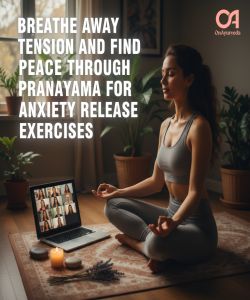
1. Overview of Anxiety Release Exercises
Anxiety Release Exercises constitute a specialised and highly structured somatic modality designed to facilitate the discharge of deep, neurologically-held tension resulting from stress, anxiety, and traumatic experiences. These exercises operate on the fundamental principle that the human body possesses an innate, genetically encoded mechanism for releasing nervous system over-activation through involuntary muscular tremors, a process often suppressed by societal conditioning and conscious control. The primary objective is not to intellectually analyse or emotionally process the source of distress, but rather to engage the body’s own restorative capabilities to down-regulate the autonomic nervous system, specifically transitioning it from a state of sympathetic dominance (fight, flight, or freeze) to parasympathetic dominance (rest and digest). This is achieved through a carefully sequenced series of physical movements and postures that gently induce a safe and controlled neurogenic tremor response, primarily in the psoas muscle and associated muscle groups. The methodology is therefore profoundly physiological, targeting the root of physical tension that underpins and perpetuates psychological anxiety. By directly intervening at the level of the nervous system and musculature, these exercises provide a powerful, non-cognitive pathway to restore homeostatic balance, enhance emotional resilience, and systematically dismantle the physical architecture of chronic stress. The entire framework is built upon a foundation of safety, self-regulation, and controlled somatic release, empowering the individual to actively participate in their own physiological and psychological recovery without reliance on external intervention once the technique is mastered. It represents a paradigm shift from top-down cognitive management to a bottom-up, body-centric approach to resolving ingrained patterns of anxiety and systemic tension.
2. What are Anxiety Release Exercises?
Anxiety Release Exercises are a curated set of physical activities engineered to provoke a natural and therapeutic neurogenic tremor response within the body. This response is a physiological mechanism for discharging excess energy and accumulated stress from the autonomic nervous system. Unlike conventional exercise, the goal is not cardiovascular fitness or muscular strength, but rather the intentional activation of involuntary shaking or vibrating in the muscles as a means of achieving profound nervous system regulation. The core concept posits that stress and trauma are not merely psychological events but are also stored as physical tension deep within the body’s tissues, particularly in the core muscles associated with the primitive fight-or-flight response. These exercises methodically fatigue specific muscle groups to bypass the conscious mind's tendency to inhibit the body's natural tremor reflex. Once initiated, these tremors are not a sign of weakness or fear; on the contrary, they are the body’s organic method of self-healing, releasing tension from the inside out and recalibrating the nervous system back to a state of equilibrium. The process is entirely somatic, meaning it is centred on the body's internal sensations and experiences, rather than on cognitive analysis or emotional catharsis.
Key characteristics include:
- Somatic Focus: The exercises demand an unwavering focus on internal bodily sensations, bypassing intellectual storytelling about the sources of anxiety.
- Physiological Basis: They are grounded in neurobiology and the understanding of the autonomic nervous system’s response to stress and its subsequent release.
- Self-Regulation: A critical component is teaching the individual how to safely initiate, modulate, and conclude the tremor response, ensuring a sense of control and empowerment throughout the practice.
- Restorative Intent: The ultimate aim is to restore the body to a state of calm and balance, thereby reducing the physiological symptoms that fuel psychological anxiety.
3. Who Needs Anxiety Release Exercises?
- Individuals Experiencing Chronic Stress and High-Pressure Occupations: Professionals in fields such as emergency services, military, corporate leadership, and healthcare, who are subject to relentless operational pressures, require a robust physiological tool to discharge accumulated stress and prevent burnout.
- Those with Generalised Anxiety Disorder (GAD) or Panic Disorders: Individuals whose lives are constrained by persistent, pervasive anxiety or the recurrent threat of panic attacks find these exercises essential for managing the physical underpinnings of their condition, thereby reducing symptom severity and frequency.
- Sufferers of Post-Traumatic Stress Disorder (PTSD): Veterans, survivors of accidents, abuse, or natural disasters who carry the physical imprint of trauma benefit immensely. The exercises provide a non-verbal means of releasing deeply stored traumatic shock from the body without necessarily re-living the event cognitively.
- Athletes and Performers: Individuals in performance-based disciplines who experience performance anxiety or who need to optimise their physical and mental recovery can use these techniques to release pre-competition jitters and post-event muscular tension, enhancing overall resilience.
- Persons with Somatic Complaints: Individuals who manifest psychological distress through physical symptoms such as unexplained muscle pain (e.g., fibromyalgia), digestive issues, or chronic fatigue require these exercises to address the root nervous system dysregulation.
- Anyone Seeking Proactive Resilience and Emotional Regulation: Proactive individuals who wish to build a greater capacity to handle life’s stressors before they become chronic issues need these exercises as a preventative mental and physical hygiene practice.
- Individuals Finding Limited Success with Cognitive-Only Therapies: Those for whom traditional talk therapy has not fully resolved the physical symptoms of anxiety require a body-based approach to complement cognitive work and achieve a more integrated state of well-being.
- People with Sleep Difficulties: Individuals whose anxiety manifests as insomnia or disrupted sleep patterns need these exercises to help calm the nervous system before bedtime, facilitating a deeper and more restorative sleep cycle.
4. Origins and Evolution of Anxiety Release Exercises
The conceptual foundations of Anxiety Release Exercises are rooted in a confluence of ancient wisdom and modern neurobiological science. Historically, various cultures and spiritual traditions have recognised and utilised involuntary bodily movements as a component of healing and spiritual practice. Shamanic traditions, certain forms of ecstatic dance, and Pentecostal Christian practices, for instance, have long incorporated tremors and shaking as a form of cathartic release, albeit interpreted through a cultural or religious lens rather than a scientific one. These historical precedents demonstrated an intuitive understanding that the body holds and can release profound emotional energy through physical expression.
The modern, secular evolution of these concepts began in the mid-20th century with the pioneering work of figures like Wilhelm Reich, who explored the concept of "muscular armouring"—the idea that emotional trauma becomes locked in the body as chronic muscular tension. His work, though controversial, laid the groundwork for subsequent somatic psychology movements. The critical turning point came with the development of specific, structured methodologies designed to safely and intentionally induce these release mechanisms. Bioenergetic Analysis, developed by Alexander Lowen, a student of Reich, further refined the connection between physical posture, muscular tension, and psychological states, using physical exercises to unlock emotional expression.
The most direct and refined evolution into what are now commonly understood as Anxiety Release Exercises came through the work of Dr. David Berceli. Drawing on his extensive experience in war-torn and disaster-stricken areas, Berceli observed that humans, like animals in the wild, possess an innate tremor mechanism to discharge the high levels of nervous system arousal following a life-threatening event. He theorised that modern humans have been socialised to suppress this natural healing reflex. From this insight, he developed Tension & Trauma Releasing Exercises (TRE®), a specific, replicable series of exercises designed to reactivate this neurogenic tremor response in a safe and controlled manner. This marked a significant shift from broad somatic theory to a precise, teachable, and accessible technique focused purely on physiological discharge, forming the blueprint for most contemporary Anxiety Release Exercise programmes.
5. Types of Anxiety Release Exercises
The classification of Anxiety Release Exercises is based on their primary mechanism and methodological approach. While many share the goal of somatic discharge, their execution differs significantly.
- Neurogenic Tremor-Inducing Exercises (e.g., TRE®): This is the most direct and well-known type. It involves a specific sequence of seven exercises designed to gently stretch and fatigue key muscle groups, particularly the psoas and hip flexors. This strategic fatiguing safely initiates involuntary neurogenic tremors that reverberate up from the pelvis through the core of the body, releasing deep muscular tension and calming the autonomic nervous system. The focus is entirely on facilitating and sustaining this natural, self-regulating tremor mechanism.
- Bioenergetic Grounding Exercises: Originating from the work of Alexander Lowen, these exercises focus on reconnecting an individual with the physical reality of their body and the ground beneath them. Techniques involve specific stances (e.g., the "bow" or "arch") that create stress in the legs and pelvis, encouraging vibration and the release of muscular "armouring." The objective is to increase energy flow and discharge pent-up emotional energy held as chronic tension, particularly in the lower body.
- Somatic Experiencing (SE™) Titration Techniques: While SE is a broader therapeutic model, it employs specific physical exercises as part of its process. These exercises are not designed to induce a full-body tremor but to help an individual "titrate" or process small, manageable amounts of traumatic energy. This might involve movements that complete a defensive response (e.g., pushing away) or gentle shaking of a limb to release localised activation, all while tracking internal bodily sensations to prevent overwhelm.
- Dynamic Meditation and Cathartic Techniques: Practices like Osho Dynamic Meditation incorporate a phase of chaotic, unstructured, and intense physical activity, including shaking, dancing, and shouting. The aim is to break through conditioned patterns of physical and emotional repression, leading to a cathartic release of tension. This is followed by phases of silence and stillness to integrate the experience. This approach is less controlled and more expressive than neurogenic tremor-inducing exercises.
- Progressive Muscle Relaxation (PMR): This is a more controlled, cognitive-somatic technique. It involves systematically tensing a specific muscle group, holding the tension for a brief period, and then consciously releasing it. While it does not typically induce involuntary tremors, it serves a related purpose by teaching the body the difference between tension and relaxation, thereby discharging residual stress from the musculature.
6. Benefits of Anxiety Release Exercises
- Direct Reduction of Physiological Anxiety Symptoms: The exercises directly target and discharge the muscular tension and nervous system hyper-arousal that form the physical foundation of anxiety, leading to a palpable decrease in symptoms such as restlessness, muscle aches, and a racing heart.
- Restoration of Autonomic Nervous System Balance: By facilitating a shift from a dominant sympathetic (fight-or-flight) state to a parasympathetic (rest-and-digest) state, these exercises promote profound physiological calm and restore homeostatic equilibrium.
- Enhanced Emotional Resilience: Regular practice builds an individual's capacity to manage and recover from stressful events more efficiently. The body learns to discharge stress before it becomes chronic, preventing the accumulation of tension that can lead to emotional fragility.
- Improved Sleep Quality and Onset: By down-regulating the nervous system and releasing physical tension, the exercises effectively prepare the body for rest, combating the hyper-vigilance that frequently underlies insomnia and other sleep disturbances.
- Increased Mind-Body Connection and Interoception: The practice demands a focus on internal bodily sensations, cultivating a heightened awareness of the body’s state (interoception). This strengthens the mind-body link, enabling an individual to recognise and address stress signals earlier.
- Release of Stored Traumatic Stress: For individuals with a history of trauma, these exercises provide a non-verbal, non-cognitive pathway to release the physical imprint of traumatic shock from the body, reducing somatic flashbacks and related symptoms without necessarily requiring verbal processing of the event.
- Empowerment and Self-Regulation: Mastering the ability to self-initiate and manage the body’s natural release mechanism provides a powerful sense of agency and self-reliance in managing one's own well-being, reducing dependency on external coping strategies.
- Reduction in Chronic Pain and Muscular Discomfort: By releasing deep, chronic contraction in muscle groups (particularly the psoas, back, and neck), the exercises can significantly alleviate physical pain that is secondary to or exacerbated by long-term stress and anxiety.
7. Core Principles and Practices of Anxiety Release Exercises
- The Primacy of the Body: The foundational principle is that the body holds a complete record of stress and trauma, often independent of cognitive memory. Lasting anxiety relief, therefore, necessitates direct physiological intervention, treating the body not as a secondary consideration but as the primary locus for healing.
- Innate Healing Mechanisms: The exercises are built upon the conviction that the human organism possesses an innate, genetically encoded reflex for healing and self-regulation—specifically, the neurogenic tremor response. The practice is not about learning a new skill but about reawakening and creating a safe container for this natural process.
- Self-Regulation is Paramount: The individual must remain in complete control at all times. This involves learning to initiate the tremors, but more importantly, how to modulate their intensity and duration, and how to stop them at will. This principle prevents re-traumatisation and builds a sense of safety and empowerment.
- Bottom-Up Processing: The methodology deliberately inverts the traditional top-down (cognitive-to-body) approach. It works from the bottom-up, addressing the physiological dysregulation in the brainstem and limbic system first. The resulting calm and stability then create a more receptive foundation for higher-level cognitive and emotional integration.
- Titration, Not Catharsis: The goal is not overwhelming emotional catharsis, but a gentle and incremental discharge of stored nervous system energy. This practice of "titration" ensures the experience remains within the individual's "window of tolerance," making the process manageable and productive rather than destabilising.
- De-Coupling from Story: The practice actively discourages connecting the physical sensations of release to a specific narrative or memory. The focus must remain steadfastly on the physical sensations themselves—the shaking, tingling, and warming. This prevents the mind from re-activating the stress response by replaying traumatic stories.
- Systematic Muscular Fatigue: The practical application involves a precise sequence of exercises designed to mildly fatigue specific muscle groups. This fatigue is the key that unlocks the door to the involuntary tremor mechanism, temporarily bypassing the brain's conscious and conditioned inhibition of this reflex.
- Integration and Rest: Every session must conclude with a dedicated period of rest and integration. This allows the nervous system to fully absorb the benefits of the release, settle into a new, more regulated baseline, and consolidate the learning from the experience. This phase is as critical as the active exercise phase.
8. Online Anxiety Release Exercises
- Unprecedented Accessibility: The online format dismantles geographical and logistical barriers. Individuals in remote locations, those with mobility issues, or those with demanding schedules can access high-calibre instruction without the necessity of travel, making a powerful somatic tool available to a global audience.
- Creation of a Secure Personal Environment: Engaging in the exercises from one’s own home allows the individual to create an environment of absolute physical and psychological safety. This control over the setting—lighting, temperature, privacy—is paramount for facilitating the vulnerability required for deep somatic release.
- Enhanced Self-Reliance and Agency: The online modality inherently fosters greater self-reliance. Without a practitioner physically present, the individual must learn to trust their own bodily signals and master the principles of self-regulation more robustly. This cultivates a profound sense of empowerment and ownership over the healing process.
- Cost and Time Efficiency: Online delivery eliminates costs and time associated with commuting to a physical location. This makes the practice more sustainable over the long term, encouraging the consistency that is critical for achieving lasting changes in nervous system regulation.
- Discreet and Private Practice: For individuals who feel a sense of stigma or vulnerability around addressing anxiety or trauma, the online format offers complete privacy. They can engage in this deeply personal work without the perceived judgement or observation of others in a group setting.
- Access to Specialised Global Expertise: The digital landscape allows individuals to connect with and learn from leading practitioners and specialists from around the world, rather than being limited to the expertise available in their immediate vicinity. This ensures access to the highest quality and most refined instruction available.
- Flexibility and On-Demand Support: Many online programmes offer a library of recorded sessions and resources. This provides the flexibility to practise at any time that suits the individual's state and schedule, and offers on-demand guidance to reinforce learning between live sessions.
9. Anxiety Release Exercises Techniques
These steps outline a representative technique for initiating a neurogenic tremor response. Strict adherence to the principles of safety and self-regulation is mandatory throughout.
- Step One: Preparation and Grounding: Lie supine on a comfortable, firm surface such as a yoga mat, in a quiet and private space. Bend your knees and place your feet flat on the floor, approximately hip-width apart. Take several deep, diaphragmatic breaths to signal to your nervous system an intention of safety and calm. Consciously scan your body for any areas of pre-existing tension.
- Step Two: Muscular Activation – The Wall Sit: Move to a clear wall and lower yourself into a "wall sit" position, as if sitting in an invisible chair. Your thighs should be as close to parallel with the floor as your capacity allows. Hold this position until you feel a discernible trembling or fatigue in your quadriceps. This is not the therapeutic tremor, but the precursor fatigue. Hold this position only to the point of mild challenge, not exhaustion.
- Step Three: Transition to Supine Position: Carefully and slowly return to the supine position on the floor, once again with knees bent and feet flat. Ensure your lower back is relaxed and resting comfortably against the mat. This transition should be deliberate and unhurried.
- Step Four: Initiating the Tremor – The Butterfly Pose: From the supine position, bring the soles of your feet together and let your knees fall out to the sides into a "butterfly" posture. The feet should be a comfortable distance from your pelvis. This posture gently stretches the adductors and places a mild strain on the psoas muscles.
- Step Five: Modulating the Tremor: Slowly and with precise control, lift your knees approximately one to two inches from the floor. Hold them in this elevated position. It is in this phase that the neurogenic tremors are most likely to begin, originating in the inner thighs and pelvis. To modulate the intensity, experiment with small adjustments: moving the feet closer to or further from the pelvis, or raising or lowering the knees by millimetres. The objective is to find the "sweet spot" that sustains a comfortable, manageable tremor.
- Step Six: Sustaining the Release: Remain in this posture, allowing the tremors to unfold naturally. The tremors may stay in the legs or they may migrate up through the pelvis, into the abdomen, and along the spine. Your role is to be a passive observer, allowing the body’s innate intelligence to guide the process. Focus on your breath and the physical sensations.
- Step Seven: Integration and Conclusion: When you decide to conclude the session, slowly bring your knees together and extend your legs flat onto the mat. Rest in a neutral, supine position for several minutes. This is a critical phase for integration, allowing your nervous system to settle and absorb the benefits of the release. Do not rush this final step.
10. Anxiety Release Exercises for Adults
Anxiety Release Exercises are exceptionally well-suited to the adult population, addressing the cumulative physiological burden of responsibilities, professional pressures, and unresolved life experiences. For adults, chronic anxiety is often not an abstract psychological concept but a tangible, physical reality manifesting as persistent muscle tension, compromised sleep, digestive distress, and a state of perpetual hyper-vigilance. These exercises provide a direct, pragmatic, and non-pathologising tool to dismantle this physical architecture of stress. The adult mind, often heavily conditioned to suppress emotional and physical expressions of distress, can find profound relief in a modality that bypasses the need for cognitive analysis and instead engages the body’s own innate wisdom. The practice demands a mature capacity for self-awareness and self-regulation, skills that adults are uniquely positioned to cultivate. It empowers them to move from a state of passive suffering to one of active participation in their own well-being, providing a tangible method for discharging daily stress before it aggregates into a more serious condition. Furthermore, the exercises can unlock deep-seated tension from past traumas or prolonged periods of hardship, offering a pathway to resolve long-standing somatic patterns that may have been carried for decades. It is a sophisticated form of self-care that respects the complexity of the adult nervous system and provides a sustainable, life-long skill for maintaining physiological and psychological equilibrium in the face of life’s inevitable challenges. The focus on safety, control, and gradual release makes it an appropriate and highly effective intervention for the adult constitution.
11. Total Duration of Online Anxiety Release Exercises
The standard and professionally recommended total duration for a single, complete Online Anxiety Release Exercise session is precisely one hour. This 1 hr timeframe is not arbitrary; it is a meticulously structured duration designed to ensure both safety and efficacy. The session is methodically partitioned to guide the nervous system through a complete cycle of activation, release, and integration. The initial part of the hour is dedicated to orientation, grounding, and a verbal check-in with the facilitator to establish a baseline of safety and intention. Following this, the core of the session involves the execution of the physical exercises themselves, which are performed slowly and deliberately to gently fatigue the muscles and prepare the body for the tremor response. This phase requires sufficient time to avoid rushing, which could otherwise signal a threat to the nervous system. The subsequent phase, the tremor release itself, is given ample space within the 1 hr block to unfold naturally and without pressure. The individual must have time to explore and modulate the tremors, allowing the body’s innate intelligence to direct the release. Critically, the final segment of the hour is reserved for a non-negotiable period of rest and integration. This is when the nervous system recalibrates to a new, calmer baseline. Shortening this 1 hr duration would compromise the entire process, potentially leaving the individual in an unresolved state of activation. It is this complete, one-hour cycle that facilitates a profound and lasting reset of the body’s stress response.
12. Things to Consider with Anxiety Release Exercises
Before embarking on the practice of Anxiety Release Exercises, several critical factors must be rigorously considered to ensure both safety and optimal outcomes. First and foremost, this modality is profoundly physiological and can activate intense bodily sensations. It is therefore not a panacea and is contraindicated for certain individuals without prior professional consultation. Those with a history of severe psychiatric conditions, such as psychosis or complex dissociative disorders, or significant physical health issues, including recent surgery, cardiovascular conditions, or epilepsy, must obtain explicit clearance from a qualified medical or mental health professional. The exercises are designed to release stored tension, and this release can sometimes be accompanied by the emergence of suppressed emotions. An individual must possess a baseline of emotional stability and have adequate support systems in place to navigate any feelings that may surface. It is also imperative to distinguish between a therapeutic tremor and a destabilising abreaction; thus, learning the principles of self-regulation—knowing how to stop or reduce the intensity of the tremors—is not an optional extra, but a fundamental prerequisite. The environment in which one practises must be secure, private, and free from interruption. Finally, while the exercises can be learned and practised independently, initial instruction from a certified practitioner is strongly advised to ensure correct form, understand the core principles, and establish a safe and effective personal practice. Neglecting these considerations transforms a potentially powerful healing tool into a potential risk.
13. Effectiveness of Anxiety Release Exercises
The effectiveness of Anxiety Release Exercises is rooted in their direct, unmediated impact on the human nervous system. Unlike interventions that rely solely on cognitive reframing or emotional processing, these exercises operate at the foundational, physiological level where anxiety and stress are physically encoded. Their efficacy stems from the intentional activation of the neurogenic tremor reflex, an innate mammalian mechanism for discharging excess sympathetic charge and restoring autonomic nervous system balance. By facilitating this release, the exercises systematically dismantle the physical underpinnings of anxiety—the chronic muscle contraction, hyper-vigilance, and hormonal cascade associated with the fight-or-flight response. The result is a measurable reduction in resting levels of stress hormones, a decrease in muscular tension, and a tangible shift towards a state of parasympathetic dominance, which is conducive to rest, recovery, and psychological well-being. The effectiveness is further amplified by the sense of empowerment the practice instils. By learning to safely self-regulate their own nervous system, individuals move from a position of passive victimhood to one of active agency. Anecdotal and qualitative data consistently report significant improvements in sleep quality, emotional resilience, and a reduction in both the frequency and intensity of anxiety symptoms. The exercises are not a cure, but a highly effective management and regulation tool that addresses the root somatic cause of anxiety, leading to profound and sustainable improvements in an individual's quality of life. Their power lies in their simplicity and their direct appeal to the body's own potent, restorative intelligence.
14. Preferred Cautions During Anxiety Release Exercises
It is imperative to approach the practice of Anxiety Release Exercises with unwavering caution and a deep respect for the powerful physiological processes being engaged. The primary directive is absolute adherence to the principle of self-regulation. At any point, if the physical sensations or any accompanying emotional responses feel overwhelming, destabilising, or too intense, the practitioner must immediately cease the tremors. This is accomplished simply by straightening the legs and resting in a neutral position until the nervous system settles. This is not a failure of the process but a successful application of self-care and control. The goal is never to push through discomfort; it is to gently titrate the experience of release within one's window of tolerance. Particular caution must be exercised by individuals with a known history of complex trauma, as the release of deeply held physical tension can sometimes be associated with somatic or emotional flashbacks. For this demographic, practising with the guidance of a trauma-informed certified provider is not merely recommended, but essential. Furthermore, the exercises should never be performed to the point of physical exhaustion. The initial muscle fatigue is a means to an end, not the objective itself. Over-fatiguing the body can introduce unnecessary stress into the system, defeating the purpose of the practice. Finally, avoid creating expectations about what a session "should" look or feel like. The body's response will vary from day to day. A rigid, goal-oriented mindset must be replaced with one of curious, non-judgemental observation.
15. Anxiety Release Exercises Course Outline
1: Theoretical Foundations and Safety Protocols
Introduction to the neurobiology of stress, trauma, and anxiety.
Understanding the autonomic nervous system (sympathetic vs. parasympathetic).
The science of neurogenic tremors: The body’s innate release mechanism.
Core principles: Self-regulation, titration, and creating a safe container.
Contraindications and when to seek professional clearance.
2: Pre-Exercise Preparation and Grounding
Techniques for creating a secure and conducive practice environment.
Diaphragmatic breathing and mindfulness for nervous system down-regulation.
Guided body scan to develop interoceptive awareness and identify baseline tension.
3: Instruction and Execution of the Core Exercises
Step-by-step, guided instruction through each of the preparatory physical exercises.
Emphasis on correct form, posture, and avoiding strain.
Understanding the purpose of each movement in the sequence.
Practice of the exercises to the point of mild muscular fatigue.
4: Initiating and Modulating the Tremor Response
Transitioning from the exercises to the release posture.
Techniques for safely initiating the neurogenic tremor mechanism.
Critical skills for modulating tremor intensity: Finding the "sweet spot."
Learning how to pause and stop the tremors at will to maintain control.
5: The Release Phase – Deepening the Practice
Guidance on navigating the tremor experience: Staying present with physical sensations.
Techniques for allowing the tremors to move naturally through the body.
Managing emotional release and de-coupling sensation from narrative.
Understanding the typical duration and arc of a release session.
6: Integration and Post-Session Care
The non-negotiable importance of the final rest and integration phase.
Techniques for grounding after the tremors have subsided.
Journaling and reflection as tools for consolidating the experience.
Developing a sustainable personal practice schedule for long-term benefit.
16. Detailed Objectives with Timeline of Anxiety Release Exercises
Initial Phase (First Session): Foundational Competency and Safety.
Objective: To comprehend the theoretical framework of somatic release and master the principles of self-regulation. The individual will be able to articulate the role of the autonomic nervous system and the purpose of neurogenic tremors. Critically, they will demonstrate the ability to initiate and, most importantly, cease the tremor response at will, establishing a baseline of absolute control and safety.
Timeline: Achieved by the conclusion of the first guided session.
Developmental Phase (First Month of Practice): Establishment of a Personal Practice.
Objective: To move beyond guided instruction and establish a consistent, independent practice. The individual will become proficient in the entire sequence of exercises, capable of self-initiating a tremor response without external prompting. They will develop greater sensitivity in modulating the intensity and duration of the release, tailoring sessions to their nervous system's daily needs.
Timeline: Achieved within the first four weeks of consistent, twice-weekly practice.
Consolidation Phase (Months Two to Three): Deepening Somatic Awareness.
Objective: To cultivate a highly refined interoceptive awareness. The individual will be able to track the subtle movements of the tremors through the body and recognise how different areas release tension. The focus shifts from the mechanics of the practice to a deeper, non-analytical observation of the body’s innate healing intelligence. The connection between daily stressors and physical tension will become more apparent.
Timeline: Developed and consolidated over the second and third months of regular practice.
Integration Phase (Months Four to Six): Embodiment of Resilience.
Objective: To integrate the benefits of the practice into daily life, resulting in a demonstrably more regulated nervous system. This will manifest as a reduced baseline of anxiety, improved sleep patterns, faster recovery from stressful events, and a greater sense of emotional equilibrium. The exercises become a reliable tool for proactive mental and physical hygiene.
Timeline: Benefits become embodied and automatic within a four-to-six-month period.
Mastery Phase (Beyond Six Months): Autonomous Regulation.
Objective: To achieve a state where the practice is an ingrained, autonomous skill. The individual can quickly and efficiently use the exercises to discharge stress as it arises. The need for the full sequence of preparatory exercises may diminish as the body learns to access the tremor mechanism more directly. The practice becomes a life-long tool for maintaining resilience and well-being.
Timeline: Achieved from six months onwards, representing mastery of the skill.
17. Requirements for Taking Online Anxiety Release Exercises
- A Stable and High-Speed Internet Connection: A reliable, uninterrupted connection is non-negotiable. Any lagging or disconnection during a live guided session can disrupt the process, compromise safety, and undermine the therapeutic container.
- A Functional Computing Device with Camera and Microphone: A laptop, tablet, or desktop computer with a high-quality, functioning webcam and microphone is mandatory. The facilitator must be able to clearly see the participant to monitor for safety and provide feedback on form, and to hear them for verbal check-ins.
- A Private, Secure, and Uninterrupted Physical Space: The participant must secure a room where they will be completely alone and free from any potential interruptions from family, pets, or colleagues for the entire duration of the session. This privacy is essential for feeling safe enough to release control.
- Adequate Physical Space and Appropriate Flooring: The individual requires sufficient floor space to lie down fully with arms and legs extended. The floor should be firm but comfortable; a yoga mat or carpeted floor is ideal. Hard, cold tile is unsuitable.
- A Baseline of Technological Competency: The participant must be comfortable with the basic operation of the video conferencing platform used (e.g., Zoom, Teams). This includes managing their own audio and video settings and being able to position their camera effectively.
- Medical and Psychological Self-Screening: Participants must undertake a frank self-assessment of their physical and mental health. It is a requirement to have acknowledged the contraindications and, if necessary, to have obtained clearance from a medical or mental health professional prior to participation.
- Commitment to the Full Session Duration: A non-negotiable requirement is the commitment to be present and engaged for the entire scheduled time. Arriving late or leaving early is unacceptable as it disrupts the essential arc of activation, release, and integration.
- Appropriate Attire: Loose, unrestrictive clothing that allows for a full range of movement is required. Jeans, belts, or other constricting garments are unsuitable and will impede the process.
18. Things to Keep in Mind Before Starting Online Anxiety Release Exercises
Before commencing any online programme of Anxiety Release Exercises, it is imperative to adopt a mindset of rigorous preparation and informed consent. One must first conduct a thorough self-evaluation to determine suitability. This involves a candid assessment of one's psychological stability and physical health, acknowledging that while these exercises are therapeutic, they are not a substitute for medical or psychiatric care. If there is any history of complex trauma, severe mental illness, or significant physical conditions, seeking prior clearance from a qualified professional is not a suggestion but a mandatory prerequisite for safe engagement. The digital environment demands heightened self-responsibility. One must ensure the chosen physical space is not merely private, but a sanctuary of absolute safety, free from any potential for intrusion for the full duration of the session. The reliability of one's technology is also paramount; a fluctuating internet connection can shatter the fragile container of a guided release session. It is critical to approach the practice without rigid expectations of an immediate, dramatic outcome. The body's response is unique and variable; the process requires patience, curiosity, and a commitment to consistency over intensity. One must fully absorb the core principle of self-regulation, understanding that the power to stop or pause the process at any time is the ultimate safety mechanism. Finally, it is essential to vet the qualifications of the online provider, ensuring they are certified by a reputable governing body and possess the experience to hold a safe, effective, and professional virtual space.
19. Qualifications Required to Perform Anxiety Release Exercises
The facilitation of Anxiety Release Exercises is a professional discipline that demands rigorous, specialised training and certification. It is wholly insufficient for an individual to simply have a personal experience with the practice or a general background in a wellness field. The primary qualification is a formal certification from a recognised and accredited governing body specific to the modality being taught, such as a Certified TRE® Provider for Tension & Trauma Releasing Exercises.
This certification process typically requires the following components:
- Deep Personal Embodiment: A trainee must have undertaken an extensive and well-documented personal practice of the exercises. They must have thoroughly explored the process within their own body, navigated its nuances, and integrated its effects over a significant period.
- Comprehensive Theoretical Knowledge: The provider must demonstrate a robust understanding of the underlying neurobiology, including the functioning of the autonomic nervous system, the polyvagal theory, and the physiology of stress and trauma. They must be able to articulate the science behind the method with clarity and precision.
- Intensive Supervised Training: Certification programmes involve multiple in-person or live-online training s, supervised practice sessions leading individuals and groups, and extensive one-on-one mentorship with a senior trainer. This ensures the trainee can create a safe environment, manage group dynamics, and respond appropriately to a wide range of client responses.
- Ethical Conduct and Scope of Practice: A qualified provider must be bound by a strict code of professional ethics. They must understand the limits of their scope of practice, recognising that they are not psychotherapists (unless dually qualified). They must be able to identify situations that require referral to a mental health or medical professional.
Possessing a pre-existing qualification in a related field such as physiotherapy, psychology, medicine, or social work is highly advantageous and often a prerequisite for entry into a certification programme, as it provides a foundational understanding of the human body and mind. However, it does not replace the need for specific, modality-focused certification.
20. Online Vs Offline/Onsite Anxiety Release Exercises
Online
The online delivery of Anxiety Release Exercises offers unparalleled convenience and accessibility. It eradicates geographical limitations, allowing individuals to access expert instruction from anywhere in the world. This modality places a significant emphasis on self-reliance and personal agency; the participant must take full responsibility for creating their own safe and private environment. This can lead to a more deeply internalised sense of empowerment and mastery over the self-regulation process. The inherent privacy of an online session can be a considerable advantage for those who feel vulnerable or self-conscious, allowing for a release experience free from the perceived observation of others. Furthermore, the cost and time savings from eliminating travel make a consistent, long-term practice more feasible. However, the online format is entirely dependent on technology, and any failure in connection can disrupt the session. The facilitator’s ability to observe subtle physical cues is also mediated through a screen, which can be a limitation compared to in-person observation. The responsibility for ensuring physical safety rests almost entirely with the participant.
Offline/Onsite
The offline, or onsite, format provides a powerful and contained group or individual experience. The facilitator is physically present, able to offer hands-on adjustments (if appropriate and consented to) and to observe the participant's complete physiological response with greater nuance and immediacy. This physical presence can create a potent sense of safety and holding, which may be particularly beneficial for beginners or those with a significant trauma history. The shared energy of a group setting can also be a normalising and validating experience, reducing feelings of isolation. The environment is professionally controlled, eliminating the variables of home-life interruptions or inadequate space. However, the offline model is geographically restrictive, limiting participants to practitioners in their local area. It necessitates travel, which adds to the cost and time commitment. The group setting, while beneficial for some, may feel intimidating or less private for others, potentially inhibiting the release process for more self-conscious individuals. The reliance on a facilitator's physical presence may also slow the development of complete self-reliance in the practice.
21. FAQs About Online Anxiety Release Exercises
Questions 1. Are online sessions as effective as in-person ones? Answer: Yes, for most individuals. The core mechanism of release is physiological and internal. Provided you create a safe space and have a qualified facilitator, the online format can be equally, and sometimes more, effective due to enhanced privacy and comfort.
Questions 2. Is it safe to do these exercises alone via a screen? Answer: It is safe under the guidance of a certified provider. The primary safety rule is learning to self-regulate and stop at will. A qualified facilitator will make this the first and most important lesson.
Questions 3. What technology do I absolutely need? Answer: A device (computer or tablet) with a stable internet connection, a working camera, and a microphone are non-negotiable.
Questions 4. What if I feel overwhelmed during an online session? Answer: The protocol is to immediately communicate with your facilitator and to straighten your legs, which stops the tremors. Your facilitator is trained to guide you back to a state of calm.
Questions 5. Can these exercises cure my anxiety disorder? Answer: They are not a "cure." They are a powerful physiological management tool that addresses the physical symptoms of anxiety, often leading to a dramatic reduction in its impact and a significant increase in resilience.
Questions 6. How is this different from yoga or meditation? Answer: While related, the primary goal here is to induce an involuntary neurogenic tremor for nervous system discharge. Yoga and meditation have broader goals and do not typically focus on intentionally activating this specific reflex.
Questions 7. Do I need to talk about my past or my trauma? Answer: No. This is a key feature. The process is somatic (body-based). The focus is on physical sensations, not on the cognitive story behind them.
Questions 8. What if I don't shake or tremor? Answer: This is not uncommon initially. It can be due to high levels of bodily control or tension. A skilled facilitator can help guide you, and with practice, the body learns to let go.
Questions 9. Is the shaking a sign of fear? Answer: No, it is the opposite. It is a sign that the nervous system feels safe enough to release stored energy. It is a sign of healing, not fear.
Questions 10. How often should I practise? Answer: Initially, once or twice a week is sufficient. Once mastered, it can be used as needed to discharge daily stress.
Questions 11. Can I do this if I have physical limitations? Answer: In many cases, yes. The exercises can be modified. This must be discussed with a certified provider before starting.
Questions 12. Will I feel tired afterwards? Answer: It is common to feel deeply relaxed or mildly tired, similar to after a deep tissue massage. This is a sign of successful nervous system down-regulation.
Questions 13. How do I find a qualified online provider? Answer: Search the official websites of recognised modalities (e.g., TRE®) for their directory of certified providers who offer online sessions.
Questions 14. Is my privacy protected in an online group? Answer: Professional facilitators have strict confidentiality policies. However, you are responsible for ensuring your own physical space is private.
Questions 15. What if I don't have a yoga mat? Answer: A carpeted floor or a soft blanket on a hard floor can work. The key is a surface that is comfortable but firm.
Questions 16. Must my camera be on for the entire session? Answer: Yes. For safety reasons, the facilitator must be able to see you throughout the active part of the session.
22. Conclusion About Anxiety Release Exercises
In conclusion, Anxiety Release Exercises represent a formidable and sophisticated paradigm in the management of stress and psychological distress. They are not a superficial coping mechanism but a profound, body-centric methodology grounded in the firm science of neurobiology. By systematically engaging the body’s innate, yet often dormant, capacity for neurogenic tremoring, this practice directly targets and dismantles the physiological architecture of anxiety. It operates on the unassailable premise that to achieve lasting psychological calm, one must first restore physiological equilibrium. The exercises compel a shift from a state of chronic sympathetic hyper-arousal to one of parasympathetic dominance, effectively resetting the nervous system to a baseline of safety and rest. The empowerment derived from mastering this skill of self-regulation is immense, transforming an individual from a passive recipient of anxious symptoms into an active agent of their own well-being. While caution and professional guidance are paramount, the disciplined application of these techniques offers a robust, sustainable, and non-pharmacological pathway to enhanced resilience, diminished somatic discomfort, and a more integrated and regulated existence. They are an essential tool for any modern adult serious about proactively managing the inescapable pressures of contemporary life and resolving the physical legacy of past adversity. The ultimate value of these exercises lies in their ability to teach the body a language of release that the conscious mind alone cannot speak.