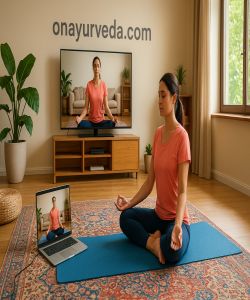
1. Overview of Basic Yoga Asanas
Basic yoga asanas constitute the foundational physical discipline within the comprehensive system of yoga, representing an essential prerequisite for any substantive progress in more advanced practices. Far from being mere stretching exercises or calisthenics, these postures are meticulously designed methodologies for cultivating profound bodily awareness, stability, and control. The primary objective is to achieve a state of Sthira Sukham Asanam—a posture that is both steady and comfortable, thereby training the body and mind to remain poised and undisturbed. This foundational training is not undertaken for aesthetic or purely athletic purposes; its teleological aim is the purification and preparation of the physical vessel to withstand the rigours of prolonged meditation and subtler energetic work. The systematic engagement with basic asanas instils a deep-seated structural integrity, correcting postural imbalances accrued through sedentary lifestyles and repetitive strain. It methodically conditions the neuromuscular system, enhances proprioception, and regulates the autonomic nervous system by integrating conscious breath control with physical form. Each asana is a specific, repeatable experiment in aligning the skeletal structure, engaging musculature with intelligence, and directing consciousness to the present moment. The practice demands an uncompromising focus, transforming the body from a source of distraction and discomfort into a stable, reliable instrument for mental concentration. Consequently, the mastery of these fundamental forms is not a preliminary stage to be rushed through, but rather the very bedrock upon which the entire edifice of yogic attainment is built. It is a rigorous, non-negotiable process of forging a unified, coherent, and highly disciplined mind-body continuum, essential for any individual committed to the authentic path of yoga. This disciplined approach ensures that the practitioner develops the resilience, patience, and somatic intelligence required for deeper internal exploration, making basic asanas the indispensable starting point of a transformative journey.
2. What are Basic Yoga Asanas?
Basic yoga asanas are the fundamental, prescribed physical postures that form the primary component of Hatha Yoga. The Sanskrit word ‘asana’ translates directly as ‘seat’, which in its original context within the Yoga Sutras of Patanjali, referred to a stable and comfortable seated position for meditation. However, in the subsequent evolution of yogic practices, particularly through texts like the Hatha Yoga Pradipika, the term expanded to encompass a wide array of non-seated postures. These are not arbitrary bodily contortions; they are scientifically and systematically structured positions designed to bring the physical body into a state of optimal alignment and health, thereby influencing the mental and energetic systems. They are considered ‘basic’ not because they are simple or trivial, but because they are foundational—the essential building blocks upon which all other physical yoga practices are constructed. A failure to master these core postures renders any attempt at advanced asanas both ineffective and hazardous.
The core identity of a basic asana is defined by several key components that distinguish it from conventional exercise:
- Structural Alignment: Each asana has a precise architectural form. The objective is to align the skeleton in such a way that it is supported with minimal muscular effort, promoting joint health and efficient physiological function. This is a non-negotiable principle of the practice.
- Conscious Breath Integration: The physical posture is inextricably linked with the breath. The quality of the breath—its length, depth, and rhythm—is used to deepen the posture, release tension, and focus the mind. The posture guides the breath, and the breath informs the posture.
- Mindful Presence and Focus (Drishti): A practitioner’s attention is deliberately and consistently directed towards the internal sensations of the body and the flow of the breath. Often, a specific point of gaze (drishti) is prescribed to prevent the mind from wandering, thereby transforming the physical practice into a form of active meditation.
- Steadiness and Comfort (Sthira Sukham): The ultimate aim within any asana is to find a balance between effort and ease. The posture should be held with unwavering stability (sthira) yet without undue strain or aggression (sukham), teaching the practitioner the art of disciplined relaxation.
3. Who Needs Basic Yoga Asanas?
- Individuals Seeking to Establish a Foundational Physical Discipline. Persons who have identified a need for a structured, sustainable, and low-impact physical regimen will find basic asanas indispensable. This practice provides a systematic introduction to bodily mechanics, control, and awareness, establishing a solid base for lifelong physical and mental well-being without the high-impact risks associated with other forms of exercise.
- Personnel in High-Stress Occupations. Professionals operating in demanding environments, such as corporate executives, emergency service workers, and military personnel, require robust tools for stress management and mental resilience. The practice directly addresses the somatic manifestations of stress, regulating the autonomic nervous system and cultivating a state of calm alertness imperative for high-stakes decision-making and performance under pressure.
- Individuals with Sedentary Lifestyles and Associated Postural Imbalances. Those engaged in prolonged periods of sitting, such as office workers and drivers, are susceptible to chronic postural degradation, leading to musculoskeletal pain and dysfunction. Basic asanas systematically counteract these effects by realigning the spine, strengthening core musculature, and restoring balanced patterns of movement.
- Athletes and Physical Performers. Individuals involved in sports, dance, or martial arts require superior flexibility, core stability, balance, and proprioception. Basic asanas serve as a critical complementary training modality, enhancing performance, preventing injury by improving joint mobility and muscular elasticity, and accelerating post-exertion recovery.
- Persons Seeking to Enhance Mental Focus and Concentration. The requirement for unwavering attention to alignment, breath, and sensation during asana practice is a potent form of mindfulness training. This is essential for students, academics, creatives, and any individual whose work demands sustained periods of deep concentration and cognitive clarity.
- Individuals Preparing for Advanced Yogic Practices. It is a non-negotiable prerequisite for anyone aspiring to explore deeper aspects of yoga, such as pranayama (breath control) and dhyana (meditation). Without the stable, disciplined body and focused mind cultivated through basic asanas, any attempt at these subtler practices is premature, ineffective, and potentially destabilising.
- Ageing Populations Seeking to Maintain Mobility and Vitality. The gentle yet profound nature of basic asanas makes them an ideal practice for maintaining joint health, muscle tone, and balance throughout the ageing process. This discipline provides a safe and effective means to preserve functional independence and enhance overall quality of life.
4. Origins and Evolution of Basic Yoga Asanas
The origins of yoga asanas are rooted in the ancient spiritual traditions of India, though their form and function have evolved considerably over millennia. In the foundational text of classical yoga, the Yoga Sutras of Patanjali, compiled around 400 CE, the term ‘asana’ is mentioned but its definition is starkly minimalist. Patanjali defines asana simply as a steady, comfortable seat (Sthira Sukham Asanam), establishing its primary purpose as providing a stable physical base for the higher limbs of yoga: pranayama (breath control), pratyahara (sense withdrawal), and meditation. The emphasis was not on a variety of postures but on the quality of a single, sustained seated position. There is scant evidence in this seminal work for the complex system of physical postures that characterise modern practice. The asana was a means to an end—the stillness of the body facilitating the stillness of the mind.
A significant evolutionary shift occurred during the medieval period with the emergence of Hatha Yoga. Foundational Hatha texts, such as the Hatha Yoga Pradipika (c. 15th century) and the Gheranda Samhita (c. 17th century), began to describe a limited number of non-seated asanas. These texts introduced postures designed not just for meditative stability but for purifying the physical body, balancing its energies (prana), and cultivating physical and esoteric powers (siddhis). The body was no longer viewed as a mere obstacle to be subdued but as a vehicle for transformation. Even so, the number of asanas described was modest by today’s standards, with the Hatha Yoga Pradipika detailing only fifteen. These postures were considered a preparatory stage for the more crucial practices of pranayama and mudra.
The most dramatic evolution, which led directly to the concept of ‘basic asanas’ as we understand them today, took place in the late 19th and early 20th centuries. This period saw a renaissance of physical culture in India, partly in response to British colonialism. Influential figures like Tirumalai Krishnamacharya, often called the ‘father of modern yoga,’ synthesised traditional yogic principles with elements from Indian wrestling and Western gymnastics. He and his prominent students—including K. Pattabhi Jois (founder of Ashtanga Vinyasa Yoga), B.K.S. Iyengar (founder of Iyengar Yoga), and T.K.V. Desikachar—systematised, codified, and popularised a dynamic and physically demanding approach to asana. They developed the extensive repertoires of postures, the precise alignment instructions, and the sequential flows that now form the curriculum of basic yoga taught globally. This modern interpretation transformed asana from a minor component of a spiritual path into a central, health-oriented discipline in its own right.
5. Types of Basic Yoga Asanas
The vast repertoire of yoga asanas can be systematically classified into several fundamental categories based on the body's orientation and the primary intention of the posture. Mastery of examples from each category is essential for a balanced and comprehensive foundational practice.
- Standing Asanas.
- Definition: These are postures performed while standing on one or both feet. They are foundational for developing strength, stability, and stamina. They cultivate a strong connection to the ground, improve posture by aligning the entire body from the feet upwards, and invigorate the system. Examples include Tadasana (Mountain Pose) and Virabhadrasana (Warrior Pose).
- Seated Asanas.
- Definition: These postures are performed while sitting on the floor. They are primarily focused on increasing flexibility in the hips, groin, and hamstrings, as well as promoting an upright and stable spine. Many seated poses are preparatory for pranayama and meditation. Examples include Sukhasana (Easy Pose) and Paschimottanasana (Seated Forward Bend).
- Forward Bending Asanas.
- Definition: Characterised by the flexion of the spine and folding of the torso forwards, these asanas can be performed from standing or seated positions. Their primary function is to stretch the entire posterior chain of the body, from the heels to the neck. They are inherently calming and introspective, helping to soothe the nervous system. Examples include Uttanasana (Standing Forward Bend).
- Backward Bending Asanas.
- Definition: These postures involve the extension of the spine, opening the chest and front of the body. They are powerful, energising poses that counteract the effects of slouching and prolonged sitting. They build strength in the back muscles, increase spinal flexibility, and are considered emotionally uplifting. Examples include Bhujangasana (Cobra Pose).
- Twisting Asanas.
- Definition: Involving the rotation of the spinal column along its vertical axis, these postures are performed in seated, standing, or supine positions. They are critical for maintaining the rotational mobility of the spine, stimulating the abdominal organs through a ‘squeeze and soak’ action, and releasing deep-seated muscular tension around the vertebral column. An example is Ardha Matsyendrasana (Half Lord of the Fishes Pose).
- Balancing Asanas.
- Definition: These require the practitioner to maintain equilibrium on a narrow base of support, typically one foot or the hands. Their purpose is to cultivate intense concentration, physical poise, and mental equanimity. They strengthen stabiliser muscles and significantly enhance proprioceptive awareness. An example is Vrikshasana (Tree Pose).
- Inversions and Reclining Asanas.
- Definition: Inversions place the head below the heart, reversing the effect of gravity on the body, while reclining poses are performed lying on the back (supine) or front (prone). Inversions improve circulation, while reclining poses are typically used for deep relaxation and integration. The most fundamental reclining asana is Savasana (Corpse Pose), the final relaxation posture.
6. Benefits of Basic Yoga Asanas
- Enhancement of Musculoskeletal Integrity. The systematic practice of basic asanas imposes controlled, beneficial stress on the entire musculoskeletal system. This process strengthens bones, improves the tone and endurance of supporting musculature, and increases the functional range of motion in all major joints, thereby mitigating the risk of injury and degenerative conditions.
- Augmentation of Physiological Function. Asanas exert a profound regulatory influence on the body's internal systems. The combination of specific postures and controlled breathing improves circulatory efficiency, enhances respiratory capacity, stimulates digestive and endocrine function, and promotes the detoxification processes of the lymphatic system.
- Development of Proprioceptive and Interoceptive Awareness. The practice demands a continuous, focused attention on the body's position in space (proprioception) and its internal state (interoception). This cultivates a highly refined mind-body connection, leading to superior coordination, balance, and a heightened ability to interpret and respond to the body’s subtle signals.
- Systematic Regulation of the Autonomic Nervous System. Through the deliberate synchronisation of breath and movement, and the emphasis on steadiness and ease, asana practice directly modulates the autonomic nervous system. It facilitates a shift from a state of sympathetic dominance (fight-or-flight) to one of parasympathetic dominance (rest-and-digest), effectively reducing the physiological markers of chronic stress.
- Cultivation of Mental Discipline and Equanimity. Holding a posture, especially a challenging one, requires unwavering concentration and mental fortitude. This trains the mind to remain focused, calm, and stable in the face of physical discomfort and distraction. This cultivated equanimity is a transferable skill, applicable to all aspects of life.
- Correction of Postural Deficiencies. Basic asanas are a powerful corrective modality for the chronic postural misalignments that result from sedentary work and imbalanced lifestyle habits. The practice systematically lengthens shortened muscles and strengthens weakened ones, restoring the spine to its natural curvature and promoting an efficient, upright posture.
- Establishment of a Foundation for Advanced Yogic Practices. The physical stability, mental focus, and disciplined energy cultivated through basic asanas are non-negotiable prerequisites for safely and effectively engaging in the subtler and more potent practices of pranayama (breath control) and dhyana (meditation). The body and mind must first be prepared and purified through this foundational work.
7. Core Principles and Practices of Basic Yoga Asanas
- Sthira Sukham Asanam (Steadiness and Ease). This is the paramount principle, as defined in the Yoga Sutras of Patanjali. An asana must be approached with a dual quality: Sthira, representing stability, firmness, and unwavering intent, and Sukham, signifying comfort, ease, and a lack of aggressive strain. The practice is a continuous search for the dynamic equilibrium between these two opposing forces. Any posture lacking this balance is improperly executed and counterproductive.
- Uncompromising Structural Alignment. Correct anatomical alignment is non-negotiable. Every asana has a precise architecture designed to distribute weight safely through the skeletal system and engage muscles intelligently. This principle demands rigorous attention to the placement of feet, the alignment of joints, the extension of the spine, and the position of the pelvis. Misalignment negates the benefits and is the primary cause of injury.
- Integral Breath Synchronisation. The breath is not an afterthought; it is the engine of the practice. Movement into, out of, and within an asana is governed by the rhythm of conscious, diaphragmatic breathing. The breath initiates and supports the movement, helps to release tension, and provides an anchor for the mind. This integration transforms a series of physical poses into a flowing, meditative experience.
- Mindful Engagement and Internal Focus. The practitioner’s awareness must be withdrawn from external distractions and directed inwards. This involves a moment-to-moment tracking of physical sensations—stretch, strength, resistance—without judgment. The mind's tendency to wander must be relentlessly disciplined and returned to the internal landscape of the body and breath.
- Application of Drishti (Focused Gaze). To aid concentration and promote energetic alignment, a specific point of gaze, or drishti, is often prescribed for each asana. Directing the eyes to a fixed point—such as the tip of the nose, the navel, or the space between the eyebrows—steadies the mind, enhances balance, and deepens the internalising effect of the practice.
- Progressive and Non-Competitive Application. Progress is achieved through consistency and patience, not aggression. The practitioner must respect the body's current limitations, working intelligently at their edge without succumbing to ego or comparing their practice to others. The objective is internal development, not external achievement. The asana is a tool for self-exploration, not a performance.
- Intelligent Use of Counter-Poses and Relaxation. A balanced practice involves sequencing asanas in a logical manner, often employing counter-poses to neutralise the effects of a strong posture. For instance, a deep backbend is followed by a gentle forward bend. The practice must conclude with a period of conscious relaxation in a neutral posture like Savasana (Corpse Pose) to allow the body and nervous system to integrate the work that has been done.
8. Online Basic Yoga Asanas
- Mandatory Self-Discipline and Autonomy. The online environment removes the external accountability of a physical studio and instructor. Success is therefore contingent upon the practitioner’s unwavering commitment to self-discipline. One must possess the internal drive to maintain a consistent schedule, practise with full integrity, and remain focused without direct supervision. This format is fundamentally an exercise in personal responsibility.
- Emphasis on Auditory and Visual Learning. Instruction in an online setting is delivered exclusively through audio-visual channels. The practitioner must develop a heightened ability to translate verbal cues and visual demonstrations into precise physical action. This requires exceptional concentration and the ability to self-assess alignment based on detailed verbal instruction, as direct physical correction is impossible.
- The Non-Negotiable Requirement for a Suitable Environment. The practitioner is solely responsible for creating a safe and conducive practice space. This space must be free from clutter and distractions, possess adequate room for unrestricted movement, and be equipped with a stable, non-slip surface. Failure to secure such an environment compromises both the safety and the efficacy of the practice.
- Accessibility and Location Independence. A primary characteristic of online practice is its liberation from geographical and logistical constraints. It provides access to instruction for individuals in remote locations or those with schedules that preclude attendance at a physical class. This accessibility, however, must not be mistaken for a casual convenience; it demands the same rigour as an in-person session.
- The Imperative of Honouring Bodily Limitations. In the absence of an instructor’s direct observation and feedback, the onus of safety shifts entirely to the individual. The practitioner must cultivate an acute sense of self-awareness and an uncompromising respect for their body’s signals. The temptation to push beyond a safe limit or ignore pain in pursuit of a perceived ideal form is significantly more hazardous in an unsupervised online setting.
- Standardised and Replicable Instruction. Online courses often provide a highly structured and consistent curriculum. Pre-recorded sessions can be revisited, allowing the practitioner to study specific instructions and movements repeatedly. This replicability facilitates methodical learning and mastery of the fundamentals, provided the practitioner applies themselves with diligence.
- Absence of Community and Energetic Exchange. The online format is an inherently solitary pursuit. It lacks the communal energy, shared focus, and subtle group dynamic present in a live class. The practitioner must be capable of generating their own motivation and internal focus without relying on the presence of others to sustain their practice.
9. Basic Yoga Asanas Techniques
The following points detail the precise technique for executing Tadasana (Mountain Pose), the foundational standing asana from which all other standing postures originate. Its apparent simplicity belies a profound and active engagement that is critical to master.
- Establish the Foundation. Stand with the bases of the big toes touching and the heels slightly apart. The feet must be parallel. Deliberately spread the toes and press them firmly and evenly into the floor. Distribute your weight equally across the four corners of each foot: the ball of the big toe, the ball of the little toe, and the inner and outer edges of the heel. This creates a stable, grounded base.
- Engage the Legs. Activate the musculature of the legs by firming the thigh muscles and drawing the kneecaps upward, without locking the knee joints. Engage the quadriceps to lift the front of the thighs. Create a subtle internal rotation of the upper thighs to widen the sit bones, and a grounding action through the heels. The legs must be pillars of strength.
- Align the Pelvis and Torso. Position the pelvis in a neutral alignment, neither tilting forward nor backward. To achieve this, gently lengthen the tailbone toward the floor while lifting the pubic bone towards the navel. This action engages the lower abdomen. From this stable pelvic base, lengthen the entire torso upwards, creating space between the vertebrae. Lift the sternum directly up, away from the navel, broadening the collarbones.
- Position the Arms and Shoulders. Allow the arms to hang alongside the torso, palms facing the thighs or turned slightly forward. Draw the shoulder blades down the back, away from the ears, and gently guide them inwards towards the spine to open the chest. Ensure the shoulders remain broad and are not hunched or rounded forward. The arms are active, with energy extending through to the fingertips.
- Align the Head and Neck. The head must be balanced directly over the centre of the pelvis, not pushed forward or tilted back. The chin should be parallel to the floor, and the back of the neck long. Imagine a string pulling the crown of the head directly upward toward the ceiling, completing the line of vertical extension from the feet.
- Integrate the Gaze and Breath. Soften the gaze and direct it straight ahead towards the horizon (Drishti). The facial muscles, jaw, and tongue should be relaxed. Breathe smoothly and evenly through the nostrils. Hold the posture with active engagement and unwavering stillness, observing the flow of breath and the stability of the body. This is not a passive stance but a vibrant, alert, and fully integrated posture.
10. Basic Yoga Asanas for Adults
The application of basic yoga asanas for the adult population represents a strategic and potent intervention for addressing the specific physiological and psychological challenges that accumulate throughout adult life. For adults, this practice is not a recreational activity but a critical tool for maintaining functional capacity, managing chronic stress, and cultivating mental resilience in the face of escalating professional and personal responsibilities. The adult body is often a repository of postural imbalances, accrued through years of sedentary work, suboptimal ergonomics, and repetitive strain. Basic asanas provide a systematic corrective, methodically realigning the spine, strengthening the core musculature that supports it, and releasing chronic tension in areas such as the neck, shoulders, and lower back. This deliberate re-education of the body’s neuromuscular patterns is essential for mitigating chronic pain and preventing long-term degenerative conditions. Furthermore, unlike high-impact forms of exercise that can be abrasive to ageing joints, the low-impact, weight-bearing nature of asana practice improves bone density and joint health without imposing injurious concussive force. It is a sustainable discipline that can be adapted and continued throughout the entire lifespan. On a psychological level, the adult mind is frequently burdened by relentless cognitive load and the persistent activation of the sympathetic nervous system. The unyielding demand for focus on breath and physical sensation during asana practice forces a cessation of mental rumination, directly downregulating the stress response. This provides a powerful, practical method for discharging accumulated tension and cultivating a state of calm, focused equanimity. It is a proactive modality for preserving not just physical mobility and vitality, but also cognitive clarity and emotional stability, making it an indispensable discipline for the modern adult.
11. Total Duration of Online Basic Yoga Asanas
The prescribed, optimal total duration for a single, complete online session of basic yoga asanas is uncompromisingly fixed at one hour. This specific timeframe is not arbitrary; it is a meticulously structured period designed to ensure comprehensive engagement and maximal physiological and psychological benefit, whilst guarding against the risks of either insufficient stimulus or excessive fatigue. A session of less than this duration is fundamentally inadequate, failing to provide the necessary time to move through the essential phases of the practice with the requisite depth and focus. Conversely, extending the session beyond one hour for a foundational practice risks muscular exhaustion, a decline in concentration, and the potential for improper execution of postures, which can lead to injury. The 1 hr duration is strategically allocated. A typical session must begin with a preparatory phase for centering the mind and warming the musculoskeletal system, preventing injury and preparing the body for more demanding work. The core of the session is dedicated to the systematic practice of the asanas themselves, sequenced logically to create a balanced effect on the body. This central portion requires substantial time to allow for mindful entry into each posture, a period of stable holding to receive its benefits, and a controlled exit. Following the main sequence, a dedicated period for cooling down is imperative, often incorporating counter-poses to neutralise spinal work and gently prepare the body for rest. The final, non-negotiable component of the hour is Savasana (Corpse Pose), a period of profound, conscious relaxation essential for integrating the physical and energetic effects of the practice. Without this integration, much of the benefit is lost. Therefore, the one-hour duration is the standard for a complete, effective, and safe online basic asana session, providing a disciplined container for transformative work.
12. Things to Consider with Basic Yoga Asanas
Before embarking on or during the practice of basic yoga asanas, several critical factors must be rigorously considered to ensure the pursuit is both effective and safe. It is imperative to understand that these postures are not a competitive sport; the primary adversary is one’s own inattention and ego. The practitioner must cultivate an unwavering commitment to non-violence (ahimsa) towards their own body, learning to distinguish intelligently between the challenging sensation of a productive stretch and the sharp, detrimental signal of pain. The latter must be respected without exception. Furthermore, the foundational role of the breath cannot be overstated. A practice performed with shallow, erratic, or held breath is not yoga; it is merely stressful contortion. The breath must remain the constant, steady anchor, guiding movement and stabilising the mind. Consistency of practice is vastly superior to sporadic, intense efforts. The benefits of asana are cumulative, accruing through regular, disciplined application rather than aggressive, infrequent sessions. The practitioner must also acknowledge their own unique anatomical structure. The idealised form of a posture is a template, not a rigid mould into which every body must be forced. The intelligent application of asana involves adapting the posture to one’s own body, not forcing the body to conform to the posture. Finally, it is crucial to recognise that asanas are but one component of the eight-limbed path of yoga. To treat them as a standalone fitness regime is to fundamentally misunderstand their purpose. They are a tool for purifying the body and disciplining the mind, thereby preparing the practitioner for the deeper, more subtle inquiries into the nature of consciousness. This context must always inform the approach to the physical practice.
13. Effectiveness of Basic Yoga Asanas
The effectiveness of basic yoga asanas as a modality for holistic development is unequivocal, provided the practice is executed with discipline, precision, and consistency. Their efficacy is not a matter of belief but a direct consequence of their systematic impact on the human organism at multiple levels. Physiologically, the practice is profoundly effective in re-engineering the body’s structural and functional patterns. By imposing specific, controlled loads on the musculoskeletal system, asanas enhance bone density, increase muscular strength and endurance, and restore optimal range of motion to joints that have become restricted through sedentary habits. This goes far beyond simple flexibility. The practice effectively regulates the autonomic nervous system, guiding it away from a state of chronic sympathetic (fight-or-flight) arousal towards parasympathetic (rest-and-digest) dominance. This is achieved through the powerful combination of mindful movement, deep, rhythmic breathing, and sustained focus, which directly mitigates the somatic markers of stress. Psychologically, their effectiveness lies in the rigorous training of the mind. The unyielding demand to remain present with the physical sensations and the flow of the breath acts as a potent form of mindfulness meditation. This systematically builds the 'muscle' of concentration, enhances interoceptive awareness—the ability to feel one’s own internal state—and cultivates a state of mental equanimity that persists beyond the yoga mat. The practice is, therefore, a highly effective, integrated system for forging a resilient body and a stable, focused mind. Its benefits are not superficial but are deeply embedded in the improved regulation and integration of the practitioner's entire nervous system, making it an exceptionally potent tool for self-mastery.
14. Preferred Cautions During Basic Yoga Asanas
It is imperative that the practice of basic yoga asanas be undertaken with rigorous attention to specific, non-negotiable cautions to prevent injury and ensure the discipline remains beneficial rather than detrimental. The foremost danger is the intrusion of ego, which manifests as a competitive mindset, either with oneself or others. This must be ruthlessly excised from the practice. The body’s limitations on any given day must be respected without judgment or aggression. Pain is not a sign of progress; it is an unequivocal signal to cease or modify the posture immediately. A clear distinction must be made between the intensity of a productive stretch and the sharp, nervy, or tearing sensation of pain. Ignoring this distinction is an act of self-harm. Furthermore, improper alignment presents a significant hazard. Each asana has a specific architecture, and deviating from it, particularly in weight-bearing postures, places undue stress on vulnerable joints like the knees, lower back, and neck. One must never sacrifice structural integrity for a perceived deeper expression of a pose. The breath must also be monitored with vigilance; holding the breath creates tension and strains the cardiovascular system. The breath must flow continuously and smoothly as the life force of the practice. Finally, one must be cautious of practicing on an unsuitable surface or in a cluttered environment where a loss of balance could lead to a fall. The practitioner bears the ultimate responsibility for their own safety. A cavalier or inattentive approach to these fundamental cautions transforms a potent tool for well-being into a mechanism for injury.
15. Basic Yoga Asanas Course Outline
Module 1: Foundational Principles & Embodiment
- Point 1.1: Introduction to the core principles: Sthira (Steadiness), Sukham (Ease), and Ahimsa (Non-harming).
- Point 1.2: The non-negotiable role of diaphragmatic breathing (Ujjayi pranayama initiation).
- Point 1.3: Mastery of foundational postures: Tadasana (Mountain Pose) for alignment and Savasana (Corpse Pose) for conscious relaxation.
- Point 1.4: Introduction to Drishti (gaze point) as a tool for concentration.
Module 2: Establishing Stability through Standing Asanas
- Point 2.1: Cultivating grounding and lower body strength.
- Point 2.2: Detailed technique for Virabhadrasana I & II (Warrior Poses I & II) for strength and stamina.
- Point 2.3: Technique for Trikonasana (Triangle Pose) to develop lateral extension and hamstring flexibility.
- Point 2.4: Introduction to standing balance with Vrikshasana (Tree Pose) to enhance focus and proprioception.
Module 3: Developing Flexibility through Seated & Floor-Based Asanas
- Point 3.1: Principles of safe forward bending and hip opening.
- Point 3.2: Detailed technique for Paschimottanasana (Seated Forward Bend) for hamstring and spinal release.
- Point 3.3: Technique for Baddha Konasana (Bound Angle Pose) to open the hips and groin.
- Point 3.4: Introduction to gentle backbends: Bhujangasana (Cobra Pose) and Setu Bandhasana (Bridge Pose) to strengthen the back and open the chest.
Module 4: Integration, Flow, and Spinal Mobility
- Point 4.1: Introduction to the principle of Vinyasa (linking breath with movement).
- Point 4.2: Practice of the Marjaryasana-Bitilasana (Cat-Cow) sequence for spinal articulation.
- Point 4.3: Technique for introductory spinal twists such as Ardha Matsyendrasana (Half Lord of the Fishes Pose) to enhance spinal mobility and aid digestion.
- Point 4.4: Combining postures into a simple, coherent flow to build rhythmic continuity.
Module 5: Consolidation and Autonomous Practice
- Point 5.1: Refinement of all previously learned asanas with a focus on internal sensation and alignment.
- Point 5.2: Structuring a balanced personal practice session: warm-up, main sequence, cool-down, and final relaxation.
- Point 5.3: Deepening the practice of Savasana for systemic integration and nervous system regulation.
- Point 5.4: Final review and establishing a commitment to consistent, self-directed practice.
16. Detailed Objectives with Timeline of Basic Yoga Asanas
Phase 1: Weeks 1-2 – Foundational Embodiment and Safety
- Objective: To establish an intellectual and somatic understanding of core alignment principles and breath control. The practitioner will be able to execute Tadasana (Mountain Pose) with precise alignment and sustain conscious diaphragmatic breathing throughout a short, simple sequence. The primary outcome is the ability to practise safely and with heightened bodily awareness, distinguishing clearly between productive sensation and pain.
Phase 2: Weeks 3-4 – Cultivation of Stability and Strength
- Objective: To build functional strength and stability, primarily through the mastery of foundational standing asanas. By the end of this phase, the practitioner will be able to hold Virabhadrasana I & II (Warrior Poses) with integrity and steadiness, demonstrating correct knee and pelvic alignment. The objective is to develop the physical stamina and mental fortitude required for sustained holds.
Phase 3: Weeks 5-6 – Development of Flexibility and Range of Motion
- Objective: To safely increase the flexibility of the primary muscle groups, particularly the hamstrings, hips, and spine. The practitioner will achieve a functional and safe expression of Paschimottanasana (Seated Forward Bend) and gentle backbends like Bhujangasana (Cobra Pose). The key outcome is an enhanced range of motion without compromising joint stability.
Phase 4: Weeks 7-8 – Integration and Introduction to Flow
- Objective: To begin integrating postures into a continuous, breath-synchronised sequence (Vinyasa). The practitioner will be able to fluidly transition between complementary poses, such as Cat-Cow, and demonstrate a basic understanding of sequencing. The goal is to shift from static holds to a more dynamic, meditative practice, incorporating twists for spinal health.
Phase 5: Weeks 9-10 – Enhancement of Concentration and Balance
- Objective: To significantly improve mental focus and proprioceptive balance. The practitioner will be able to hold Vrikshasana (Tree Pose) with minimal wavering, utilising a steady Drishti (gaze) and consistent breath. The objective is the tangible development of one-pointed concentration as a direct result of the physical challenge.
Phase 6: Weeks 11-12 – Consolidation and Autonomy
- Objective: To consolidate all learned skills into the ability to perform a balanced, 45-minute basic asana sequence autonomously. The practitioner will be able to self-correct alignment, maintain consistent breath, and conclude with a profound and effective Savasana. The final outcome is the empowerment of the individual to continue a safe, intelligent, and self-reliant personal practice.
17. Requirements for Taking Online Basic Yoga Asanas
A successful and safe engagement with online basic yoga asanas is contingent upon the practitioner’s adherence to a set of non-negotiable requirements. Failure to meet these prerequisites will compromise the integrity and safety of the practice.
- A Stable, Uninterrupted, High-Speed Internet Connection. The instructional medium is entirely digital. Any instability, lagging, or disconnection in the network will disrupt the flow of the class, obscure critical instructions, and create a frustrating, ineffective learning environment. A reliable connection is the absolute bedrock of online practice.
- A Dedicated, Uncluttered, and Safe Physical Space. The practitioner must allocate a specific area solely for their practice. This space must be sufficiently large to allow for full range of motion in all directions without risk of collision with furniture or other objects. It must be clean, quiet, and free from all potential interruptions and distractions for the entire duration of the session.
- Possession of a High-Quality, Non-Slip Yoga Mat. This is not an optional accessory; it is essential safety equipment. A standard rug, towel, or slippery floor surface is unacceptable as it creates a significant risk of slipping and injury, particularly in standing and balancing postures. The mat provides the necessary grip and cushioning for a secure practice.
- Appropriate, Non-Restrictive Attire. Clothing must allow for complete freedom of movement and should not be so loose as to obscure the body’s lines or become entangled. The fabric should be breathable. This is a matter of both comfort and safety, and it enables better self-assessment of alignment.
- A Functional Audio-Visual Device with a Clear Display. The practitioner must be able to clearly see the instructor’s demonstrations and hear their verbal cues without strain. A small phone screen may be inadequate. A laptop, tablet, or television screen is preferred to ensure visual details of alignment are not missed.
- An Unwavering Commitment to Self-Discipline and Honesty. In an online setting, the practitioner is their own primary supervisor. This requires a profound level of self-discipline to show up consistently, and absolute honesty to respect bodily limitations without the external check of an in-person instructor. One must be fully prepared to take complete ownership of their practice and safety.
- A Baseline Level of Physical Health. While adaptable, online basic yoga is not suitable for individuals with severe, acute injuries or complex medical conditions without prior and explicit clearance from a qualified medical professional. The practitioner must be capable of basic movements without significant pain or risk.
18. Things to Keep in Mind Before Starting Online Basic Yoga Asanas
Before commencing an online programme of basic yoga asanas, it is imperative to adopt a specific, disciplined mindset to ensure the endeavour is both fruitful and safe. First, one must set realistic and sober expectations. The online format, for all its convenience, fundamentally lacks the direct, tactile feedback and personalised correction of an in-person instructor. Progress may be more gradual, and the practitioner bears a heightened responsibility for their own learning and safety. Acknowledge this limitation and commit to becoming a more diligent and attentive student of your own body. Secondly, establish an inviolable schedule. Treat online sessions with the same gravity as a fixed, in-person appointment. The temptation to postpone or cancel is greater in a home environment; this must be countered with rigid self-discipline. The space you designate for practice is not merely a physical location but a sanctuary; it must be treated as such, kept clean, and respected as a place for focused work. Furthermore, one must be prepared to listen with an intensity that transcends casual hearing. Verbal cues are your primary tool for alignment. You must learn to translate auditory instruction into precise physical action. Finally, and most critically, you must formally accept that you are the ultimate guardian of your own well-being. The instructor on the screen cannot see your subtle misalignments or feel your internal sensations. You must cultivate an uncompromising internal vigilance, an unwavering commitment to move with intelligence, and the wisdom to retreat from any posture that signals pain. The digital screen creates a barrier; your internal awareness must bridge that gap.
19. Qualifications Required to Perform Basic Yoga Asanas
The safe and effective instruction of basic yoga asanas—the professional performance of teaching—is a serious responsibility that demands rigorous, verifiable qualifications. It is wholly insufficient for an individual to rely on personal practice experience alone. An instructor is a guide responsible for the physical and psychological well-being of their students, and this requires a specific and comprehensive skill set. The baseline qualification is formal certification from a credible, internationally recognised yoga training body, such as those accredited by the Yoga Alliance or an equivalent national organisation. Such certifications are not merely symbolic; they validate that the instructor has completed a structured and extensive training programme covering key areas of competence.
Within this training, several critical components must be mastered:
- Comprehensive Knowledge of Functional Anatomy and Kinesiology: The instructor must possess a deep, practical understanding of the human musculoskeletal system. This includes knowledge of joint mechanics, muscle function, and common postural issues. This is non-negotiable for providing safe alignment cues and offering appropriate modifications for different body types and limitations.
- In-Depth Study of Asana Technique and Pedagogy: The instructor must have mastered not only the physical execution of the asanas but also the art of teaching them. This involves learning how to break down complex postures into accessible steps, use clear and precise language, and structure a class that is logical, balanced, and safe.
- A Solid Grounding in Yogic Philosophy and Ethics: Asanas are part of a broader philosophical system. A qualified instructor must understand the context of the practice, including principles like the Yamas and Niyamas (ethical precepts). This philosophical underpinning informs the tone of the class and ensures the practice is transmitted with integrity, not merely as a physical workout.
- First Aid and Safety Training: A professional instructor must be prepared to handle potential health issues or minor injuries that may arise during a class. Certification in basic first aid and CPR is a marker of professional responsibility.
Without these formal qualifications, an individual purporting to teach is operating outside the accepted standards of the profession, posing a potential risk to the public and devaluing the discipline itself.
20. Online Vs Offline/Onsite Basic Yoga Asanas
Online
The online modality for learning basic yoga asanas is defined by autonomy and accessibility. Its principal advantage is the elimination of geographical and temporal barriers, allowing practitioners to access instruction from any location with a stable internet connection and at times that suit their personal schedule. This format demands a high degree of self-discipline, motivation, and personal responsibility, as the practitioner is entirely accountable for showing up, remaining focused, and ensuring their own safety. The learning process is predominantly visual and auditory, requiring an acute ability to interpret verbal cues and visual demonstrations without the benefit of hands-on correction. This can foster a deep sense of internal awareness and self-reliance. However, the definitive limitation of the online format is the absence of direct, physical feedback from a qualified instructor. Subtle misalignments may go unnoticed and uncorrected, potentially leading to ingrained bad habits or, in a worst-case scenario, injury. The solitary nature of the practice also means the practitioner misses the communal energy and shared experience of a group class, which can be a powerful motivating factor for many. The onus is entirely on the individual to create a conducive and safe practice environment.
Offline/Onsite
The offline, or onsite, experience in a physical studio or shala offers a fundamentally different dynamic. Its paramount advantage is the direct presence of a qualified instructor who can provide immediate, personalised feedback, including verbal cues and, where appropriate, hands-on physical adjustments. This direct supervision significantly enhances safety and can accelerate the learning of precise anatomical alignment. The structured environment of a dedicated yoga space, free from domestic distractions, facilitates deeper concentration. Furthermore, the onsite format fosters a sense of community (sanga). Practising alongside others creates a palpable group energy that can be supportive, inspiring, and foster a sense of accountability. The limitations of the offline model are primarily logistical. Practitioners are bound by a fixed class schedule and the geographical location of the studio, which may present challenges related to travel, time, and cost. The group setting, while beneficial for some, may feel intimidating to others, and the level of individual attention is necessarily divided among all students present. It represents a more structured, supervised, and communal approach to the discipline.
21. FAQs About Online Basic Yoga Asanas
Question 1. Is online yoga genuinely as effective as in-person practice? Answer: Its effectiveness is contingent on the practitioner's discipline. While it lacks physical adjustments, for a self-motivated individual, it can be highly effective for building a consistent and focused personal practice.
Question 2. What equipment is absolutely non-negotiable? Answer: A high-quality, non-slip yoga mat is the single most critical piece of equipment for safety and stability.
Question 3. How do I ensure my alignment is correct without an instructor? Answer: You must develop hyper-attentive listening skills to follow verbal cues precisely. Practising in front of a mirror occasionally can also serve as a useful tool for self-correction.
Question 4. Is it safe to start online if I am a complete beginner? Answer: Yes, provided you choose a reputable course specifically designed for absolute beginners and you commit to moving slowly, cautiously, and with extreme attention to your body’s signals.
Question 5. Can I practise online if I have a pre-existing medical condition or injury? Answer: You must obtain explicit clearance from a qualified medical professional before commencing. An online instructor cannot assess your specific condition.
Question 6. How much space do I actually need? Answer: You need enough space to stretch your arms and legs out fully in all directions from a central point, without making contact with any obstacles.
Question 7. What is the primary difference between yoga asanas and simple stretching? Answer: Asanas integrate conscious breath, mindful focus, and precise alignment. Stretching is a purely physical action. Asana is a holistic, mind-body discipline.
Question 8. How often should I practise online? Answer: Consistency is more important than duration. A disciplined practice of three to four sessions per week is more effective than one aggressive, infrequent session.
Question 9. What if a pose causes pain? Answer: Stop immediately. Pain is a non-negotiable signal to cease the action. Back out of the posture slowly and mindfully.
Question 10. Can I lose weight by practising online basic asanas? Answer: While weight loss is not the primary objective, a consistent and vigorous practice, combined with a disciplined lifestyle, can contribute to a healthy body composition.
Question 11. What does ‘Vinyasa’ mean in an online class context? Answer: Vinyasa refers to the principle of synchronising each movement with either an inhalation or an exhalation, creating a continuous flow.
Question 12. Are pre-recorded or live-streamed classes better? Answer: Pre-recorded classes offer flexibility and repetition. Live-streamed classes provide a sense of real-time community and accountability. The choice depends on your personal requirements.
Question 13. How do I stay motivated when practising alone? Answer: You must cultivate internal discipline. Sticking to a rigid schedule, as you would for an in-person appointment, is the most effective strategy.
Question 14. What is ‘Drishti’ and why is it mentioned? Answer: Drishti is a prescribed point of gaze. It is a technique used to focus the eyes, which in turn stills the mind and enhances concentration and balance.
Question 15. Is it necessary to do the final relaxation, Savasana? Answer: Yes, it is a non-negotiable and critical component. It allows your nervous system to integrate the benefits of the physical practice. Skipping it severely diminishes the effectiveness of the session.
Question 16. What if my mind wanders constantly during the practice? Answer: This is normal. The practice is not to have an empty mind, but to relentlessly and patiently bring your focus back to the breath and body each time it wanders.
22. Conclusion About Basic Yoga Asanas
In conclusion, basic yoga asanas represent a foundational and indispensable discipline, not a simplistic or preliminary stage to be hastily surpassed. They are the rigorous, systematic alphabet upon which the entire language of physical and mental self-mastery is written. To engage with them is to engage in a profound dialogue with one’s own physical structure, nervous system, and patterns of consciousness. Their value is not found in the superficial attainment of complex postures but in the relentless cultivation of stability, awareness, and equanimity within the fundamental forms. The practice demands an uncompromising commitment to precision, patience, and self-honesty, stripping away the ego’s desire for performance and replacing it with an intelligent and respectful exploration of the body’s potential and its limitations. Whether practised in a traditional studio or through a modern digital medium, the core principles remain immutable: the integration of breath, the integrity of alignment, and the unwavering focus of the mind. Far from being a mere system of exercise, basic asanas are a potent, practical philosophy enacted through the body. They are the definitive starting point for any serious student, providing the essential tools to forge a resilient, responsive physical vessel and a steady, disciplined mind, capable of navigating the challenges of both advanced yogic practices and life itself. Their mastery is a testament to discipline, and their consistent application is a direct path to a more integrated and powerful state of being.