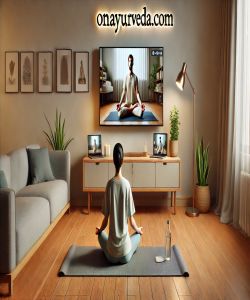
Overview of Breathing Exercises
Breathing exercises have been practiced for centuries and are an essential part of physical, mental, and emotional well-being. Whether incorporated into yoga, meditation, or stress management routines, these simple yet powerful techniques help individuals gain control over their breath, which directly impacts their overall health.
The fundamental goal of breathing exercises is to improve the way we breathe, allowing for deeper, slower, and more mindful inhalation and exhalation. Often, people breathe in shallow and rapid patterns due to stress, anxiety, or poor posture. Over time, these habits can negatively affect oxygen intake and lead to fatigue, mood swings, and reduced focus.
Breathing exercises encourage conscious, controlled breathing, helping to calm the nervous system, improve lung capacity, and reduce tension. They are commonly used in various therapeutic settings to alleviate anxiety, manage panic attacks, reduce high blood pressure, and enhance concentration.
There are different types of breathing exercises, such as diaphragmatic breathing, box breathing, alternate nostril breathing, and the 4-7-8 technique. Each type targets different outcomes—whether it’s for relaxation, energizing the body, or enhancing mindfulness. The beauty of these exercises is that they require no special equipment and can be done anywhere, making them accessible to everyone.
Additionally, breathing exercises have gained attention in sports and athletic performance. Athletes use them to increase endurance, regulate their heart rate, and recover from intense physical exertion. They are also recommended for individuals working long hours in front of computers, as they help release muscle tension and improve oxygen flow to the brain.
In summary, breathing exercises are simple yet effective tools that promote mental clarity, emotional balance, and physical health. Whether you are looking to reduce daily stress or enhance your overall fitness and focus, dedicating just a few minutes to breathing exercises can make a significant difference.
What are Breathing Exercises?
Breathing exercises are specific techniques designed to improve the way we breathe, positively impacting both the body and mind. These exercises involve controlling the breath intentionally, focusing on the rhythm, depth, and duration of inhalation and exhalation. While breathing is an automatic function, breathing exercises help turn it into a mindful practice that can bring about numerous health benefits.
At their core, breathing exercises aim to shift us from shallow, rapid breathing to deep, slow, and intentional breathing patterns. Shallow breathing, often caused by stress or poor posture, restricts the flow of oxygen to the brain and body. Over time, this can lead to fatigue, anxiety, and a lack of focus. Breathing exercises help correct this by increasing lung capacity, improving oxygen supply, and calming the nervous system.
There are many types of breathing exercises, each designed for different purposes. For example, diaphragmatic breathing or belly breathing encourages full oxygen exchange and relaxation. Box breathing is a technique used by athletes and professionals to improve focus and control, where one breathes in for four counts, holds for four counts, exhales for four counts, and holds again for four counts. Alternate nostril breathing is commonly practiced in yoga and is believed to balance the body and mind.
These exercises are also incredibly effective in reducing stress and anxiety. By focusing on the breath, individuals can calm racing thoughts, lower heart rates, and promote a sense of peace. Many therapists and wellness experts recommend breathing exercises to people dealing with panic attacks, insomnia, and chronic stress.
In addition, breathing exercises can improve physical performance and recovery in sports and fitness. They can help lower blood pressure, improve lung efficiency, and enhance mental clarity.
In conclusion, breathing exercises are simple practices that can bring profound changes to one’s physical and mental well-being. They can be performed by anyone, anywhere, and are a natural way to promote relaxation, focus, and better health.
Who Needs Breathing Exercises?
Breathing exercises are beneficial for nearly everyone, regardless of age or lifestyle. In today’s fast-paced world, stress and anxiety are common issues, and proper breathing techniques can help alleviate these problems effectively. But let’s take a closer look at who specifically can benefit the most from breathing exercises.
1. People with Stress and Anxiety:
Breathing exercises are particularly helpful for those experiencing high levels of stress or anxiety. Slow, deep breathing activates the parasympathetic nervous system, helping to calm the mind and reduce anxiety symptoms naturally. People working in high-pressure jobs, students facing exams, or anyone going through emotional challenges can significantly benefit from breathing techniques.
2. Individuals with Respiratory Problems:
Those suffering from asthma, COPD, or other respiratory conditions can improve lung capacity and oxygen intake through regular breathing exercises. Techniques like diaphragmatic breathing and pursed-lip breathing help open the airways and promote better breathing.
3. Athletes and Fitness Enthusiasts:
Athletes use breathing exercises to enhance endurance, focus, and performance. Controlled breathing improves stamina, oxygen efficiency, and recovery time. It also helps manage performance anxiety before competitions.
4. Yoga and Meditation Practitioners:
Breath control (Pranayama) is an integral part of yoga and meditation. People practicing these disciplines use breathing exercises to deepen concentration, balance energy, and achieve mental clarity.
5. Office Workers and Sedentary Individuals:
Long hours of sitting can lead to shallow breathing and poor posture. Simple breathing exercises performed during work breaks can improve oxygen flow, boost energy, and reduce fatigue.
6. Seniors and Aging Adults:
Older adults can maintain lung function and improve relaxation through gentle breathing exercises. It supports cardiovascular health, cognitive function, and overall well-being.
Conclusion:
In summary, breathing exercises are not just for yogis or athletes; they’re essential for anyone who wants to improve physical health, emotional balance, and mental clarity. Incorporating simple breathing techniques into daily routines can offer lasting benefits for everyone.
Origins and Evolution of Breathing Exercises
The practice of breathing exercises has ancient roots and has evolved remarkably over time. Understanding its origins and how it has transformed helps us appreciate its significance in modern health and wellness.
1. Ancient Origins:
The earliest records of breathing exercises come from ancient civilizations. In India, breathing exercises are known as Pranayama, part of the traditional yoga system described in ancient texts like the Yoga Sutras of Patanjali and Hatha Yoga Pradipika. These practices were not just physical but aimed at regulating life energy (prana) to balance the body, mind, and spirit.
In China, Qigong and Tai Chi also integrated mindful breathing as a core component, focusing on harmonizing breath, movement, and mental focus to promote health and longevity. Similarly, ancient Greek and Roman philosophers emphasized breath control as part of physical fitness and emotional stability.
2. Evolution Through History:
As breathing techniques spread across cultures, they took on different forms and purposes. In Buddhist meditation, breath awareness is a foundation for mindfulness and enlightenment. In martial arts, controlled breathing enhances focus, power, and endurance.
During the 19th and 20th centuries, scientific research began to validate these traditional practices. Western medicine recognized the role of deep breathing in stress relief and respiratory health. This led to the development of structured techniques like Buteyko breathing, the Papworth method, and diaphragmatic breathing, widely used today in therapy and wellness routines.
3. Modern Adoption and Expansion:
Today, breathing exercises have been integrated into various fields — from sports training to corporate wellness programs and mental health therapy. Apps and digital tools make guided breathing accessible to everyone. Scientific studies now support its role in lowering blood pressure, reducing anxiety, and improving sleep.
Conclusion:
The origins and evolution of breathing exercises show a fascinating journey from ancient spiritual practices to evidence-based wellness tools. What started in ancient temples and monasteries has now become a universal practice that continues to evolve, adapting to the needs of modern life while staying rooted in timeless wisdom.
Types of Breathing Exercises
Breathing exercises are powerful techniques that help improve mental clarity, reduce stress, and enhance overall health. Here are some of the most popular and effective types of breathing exercises you can easily practice:
1. Diaphragmatic Breathing (Belly Breathing)
This type of breathing focuses on engaging the diaphragm fully. Sit or lie down comfortably, place one hand on your belly, and breathe in deeply through your nose, allowing your belly to rise. Exhale slowly through your mouth. Repeat for 5-10 minutes.
2. Box Breathing (Square Breathing)
Box breathing is widely used for relaxation and focus. Inhale for a count of four, hold your breath for four, exhale for four, and hold again for four. Repeat this cycle several times.
3. Alternate Nostril Breathing (Nadi Shodhana)
This ancient yoga practice helps balance both hemispheres of the brain and calm the mind. Close your right nostril with your thumb, inhale through the left nostril, then close the left nostril and exhale through the right. Continue alternating nostrils.
4. 4-7-8 Breathing
This technique is great for reducing anxiety and improving sleep. Inhale through the nose for 4 counts, hold for 7 counts, and exhale through the mouth for 8 counts. Repeat for four cycles.
5. Pursed-Lip Breathing
This is especially beneficial for people with respiratory conditions. Inhale through the nose and exhale slowly through pursed lips. It helps slow down the breath and improve oxygen exchange.
6. Resonant Breathing (Coherent Breathing)
Inhale for 5 seconds and exhale for 5 seconds. This type of breathing helps regulate heart rate and reduces stress levels.
These breathing exercises are easy to integrate into daily life and can significantly improve your emotional well-being and physical health. Choose one or two techniques that suit your needs and practice regularly for the best results.
Benefits of Breathing Exercises
Breathing exercises are simple yet highly effective practices that offer numerous physical, mental, and emotional benefits. Here’s a detailed look at the key benefits of practicing breathing exercises regularly:
1. Reduces Stress and Anxiety
Breathing exercises help activate the parasympathetic nervous system, which calms the body and reduces stress hormones like cortisol. Techniques like deep belly breathing and 4-7-8 breathing are especially effective.
2. Improves Focus and Concentration
Slowing down and controlling your breath increases oxygen supply to the brain, enhancing clarity and focus. Practices like box breathing are excellent for improving concentration, especially during work or study.
3. Enhances Lung Function
Breathing exercises like pursed-lip breathing and diaphragmatic breathing strengthen the lungs, improve oxygen intake, and are beneficial for people with conditions like asthma or COPD.
4. Boosts Energy Levels
Controlled breathing increases oxygen flow throughout the body, leading to better energy levels and improved vitality. Simple breathwork can help fight fatigue and enhance productivity.
5. Improves Sleep Quality
Breathing techniques such as 4-7-8 breathing help in calming the nervous system and can assist in falling asleep faster and achieving deeper sleep.
6. Supports Emotional Balance
Breath control can help manage mood swings and emotional responses. Regular practice of alternate nostril breathing helps balance both sides of the brain, promoting emotional stability.
7. Lowers Blood Pressure
Practicing slow, deep breathing helps relax blood vessels and reduces blood pressure. This is particularly beneficial for people prone to hypertension.
8. Aids in Detoxification
Proper breathing supports the lymphatic system, helping the body remove toxins more efficiently and keeping the immune system healthy.
9. Enhances Mind-Body Connection
Conscious breathing brings mindfulness and awareness, making it easier to stay present and grounded in the moment.
Core Principles and Practices of Breathing Exercises
Breathing exercises have been practiced for centuries as a vital part of physical, mental, and emotional well-being. Whether part of yoga, meditation, or stress management routines, understanding the core principles and practices of breathing exercises can transform your health and inner peace.
Core Principles of Breathing Exercises
-
Awareness: The first principle is awareness of the breath. Being conscious of inhalation and exhalation helps you control breathing patterns and reduce anxiety.
-
Rhythm and Consistency: Establishing a steady breathing rhythm helps regulate the nervous system. Techniques often focus on slow, deep, and consistent breaths.
-
Balance: Breathing exercises aim to balance oxygen and carbon dioxide levels, maintaining physical equilibrium and enhancing mental clarity.
-
Relaxation: Breathing should feel natural and calming. Overexertion or forced breathing can create tension. The goal is ease and relaxation.
-
Posture: Correct posture ensures unrestricted airflow. Sit or stand straight, keeping the chest open and the abdomen free for diaphragmatic breathing.
Best Practices of Breathing Exercises
-
Start with Simple Techniques: Begin with basic exercises like deep belly breathing or box breathing to build control and comfort.
-
Consistency is Key: Practicing daily, even for 5–10 minutes, provides long-term benefits.
-
Practice in a Calm Environment: Choose a quiet, distraction-free space for better focus and effectiveness.
-
Gradually Increase Intensity: As you become comfortable, introduce advanced techniques like alternate nostril breathing or Kapalabhati.
-
Focus on Breath Retention: Learning to hold your breath briefly between inhalation and exhalation improves lung capacity and mental focus.
In conclusion, the core principles and practices of breathing exercises revolve around awareness, control, and consistency. Practiced regularly, they offer profound improvements in health, emotional balance, and overall wellness.
Online Breathing Exercises
Online breathing exercises have become increasingly popular in recent years, making wellness more accessible than ever before. Whether you're looking to reduce stress, increase focus, or enhance lung health, online platforms offer a variety of guided breathing exercises tailored to your needs.
Benefits of Online Breathing Exercises
-
Convenience: You can practice anytime and anywhere, fitting breathing exercises into even the busiest schedules.
-
Variety of Techniques: Online resources offer techniques ranging from simple deep breathing to advanced pranayama, all with video or audio instructions.
-
Affordable or Free Access: Many apps and websites provide free or low-cost breathing exercise programs.
-
Expert Guidance: Access guidance from experienced instructors who can help correct technique and posture remotely.
-
Progress Tracking: Many platforms allow you to track your progress and set reminders for daily practice.
Popular Online Breathing Exercises
-
Box Breathing: Inhale for 4 counts, hold for 4, exhale for 4, and hold for 4. This simple technique is excellent for calming the mind.
-
Alternate Nostril Breathing (Nadi Shodhana): Balances the brain’s hemispheres and is commonly taught in online yoga and meditation classes.
-
4-7-8 Breathing: Inhale for 4 seconds, hold for 7, and exhale for 8. This exercise is often recommended for sleep improvement.
-
Guided Mindful Breathing: Many online videos and apps offer guided sessions where you simply follow the instructor’s rhythm and cues.
-
Breath Counting Exercises: These help increase concentration and reduce distractions by focusing on counting each breath cycle.
Top Platforms Offering Online Breathing Exercises
-
YouTube channels focused on yoga and wellness
-
Meditation apps like Calm and Headspace
-
Fitness apps with integrated breathwork sessions
-
Dedicated breathwork apps like Breathwrk and Breethe
Breathing Exercises Techniques
Breathing exercises techniques are simple yet powerful ways to improve your overall health and well-being. By practicing these techniques daily, you can reduce stress, improve lung capacity, and boost mental clarity. Whether you're dealing with anxiety or just looking to stay focused, these breathing exercises techniques can make a big difference.
1. Diaphragmatic Breathing (Belly Breathing)
This is one of the most effective breathing exercises techniques. Sit or lie down comfortably, place one hand on your chest and the other on your belly. Inhale deeply through your nose, allowing your belly to rise. Exhale slowly through your mouth, feeling your belly fall. Repeat this for 5-10 minutes daily.
2. Box Breathing Technique
Box breathing is commonly used by athletes and professionals to stay calm under pressure. Inhale through your nose for 4 counts, hold your breath for 4 counts, exhale for 4 counts, and hold again for 4 counts. Repeat for 5 minutes to feel centered and balanced.
3. 4-7-8 Breathing Technique
This technique helps in reducing anxiety and promoting sleep. Inhale for 4 counts, hold the breath for 7 counts, and exhale slowly for 8 counts. Practicing this before bedtime can improve sleep quality.
4. Alternate Nostril Breathing (Nadi Shodhana)
This yoga breathing technique helps balance both sides of the brain. Close your right nostril and inhale through the left. Then close the left nostril and exhale through the right. Repeat for 3-5 minutes.
Benefits of Breathing Exercises Techniques
-
Reduces stress and anxiety
-
Improves focus and concentration
-
Increases lung capacity
-
Enhances emotional control
Incorporating these breathing exercises techniques into your daily routine can improve your mental and physical health naturally. Start with simple techniques and gradually explore more as you become comfortable.
Breathing Exercises for Adults
Breathing exercises for adults are essential for maintaining overall wellness. In today’s fast-paced world, stress, anxiety, and fatigue have become common issues. Simple breathing exercises can help adults reduce stress, improve sleep, and boost energy levels without any equipment or medication.
1. Deep Breathing for Stress Relief
One of the easiest breathing exercises for adults is deep breathing. Sit comfortably, inhale deeply through your nose for 5 seconds, hold your breath for 5 seconds, and exhale slowly for 5 seconds. Repeat this for 5-10 minutes to instantly feel calmer.
2. Pursed-Lip Breathing
This technique is highly recommended for adults who feel shortness of breath. Inhale slowly through your nose and exhale through pursed lips as if blowing out a candle. This improves oxygen exchange and relieves breathlessness.
3. Resonant Breathing
This involves breathing at a rate of 5 breaths per minute. Inhale for 5 counts and exhale for 5 counts. Practicing this regularly helps lower blood pressure and heart rate.
4. Mindful Breathing
Mindful breathing helps adults stay present and reduce anxiety. Focus on each breath without trying to change it. This can be practiced anywhere, whether you are at work, home, or even during travel.
Benefits of Breathing Exercises for Adults
Total Duration of Online Breathing Exercises
In today’s busy world, online breathing exercises have become a convenient and effective way to improve mental clarity, reduce stress, and boost overall health. But one of the most common questions people ask is: What is the ideal total duration for online breathing exercises?
According to health experts and wellness coaches, 1 hour per day is considered an optimal duration for breathing exercises. This 60-minute routine can be broken into smaller, more manageable sessions, such as four sessions of 15 minutes each or two sessions of 30 minutes each. The flexibility allows individuals to fit breathing exercises into their daily routine without feeling overwhelmed.
Benefits of 1 Hour of Daily Breathing Exercises
Practicing breathing exercises for one hour daily can offer several incredible benefits:
-
Improved Lung Capacity: Regular breathing exercises strengthen lung function and enhance oxygen intake.
-
Reduced Anxiety & Stress: Deep breathing techniques calm the nervous system and promote relaxation.
-
Better Focus & Clarity: Regular breathing improves blood circulation, which helps you stay more focused and alert.
-
Detoxification: Conscious breathing helps the body release toxins and improve immunity.
-
Improved Sleep Quality: One hour of daily breathing practice, especially before bedtime, can help regulate sleep patterns.
Recommended Online Breathing Routines
-
Morning Energizing Breathwork (20 minutes)
-
Midday Relaxation Breathing (15 minutes)
-
Evening Deep Breathing & Meditation (25 minutes)
Conclusion
Committing to 1 hour per day for online breathing exercises can transform your mental and physical well-being. Whether you’re a beginner or a regular practitioner, staying consistent is key. Start small and build your routine for lasting results.
Things to Consider With Breathing Exercises
Breathing exercises may seem simple, but practicing them correctly is essential to achieve the desired results. If done improperly, they can cause discomfort or dizziness. Here are the most important things to consider with breathing exercises to maximize benefits and stay safe.
1. Start Slowly and Progress Gradually
Don’t rush. Begin with simple breathing techniques like abdominal breathing or 4-7-8 breathing and then move on to more advanced techniques like Kapalabhati or Bhastrika.
2. Focus on Posture
Your posture plays a significant role in the effectiveness of breathing exercises. Sit straight with your spine erect, shoulders relaxed, and body at ease.
3. Be Consistent
Breathing exercises yield long-term benefits only with consistency. Allocate a fixed time every day to practice.
4. Time and Place Matter
Choose a quiet place and practice preferably in the early morning or before sleep. Avoid distractions for deeper focus.
5. Avoid Overexertion
Listen to your body. If you feel lightheaded, stop and take rest. Breathing exercises should be done within your comfort level.
6. Consult If You Have Health Conditions
People with heart conditions, asthma, or respiratory issues should consult a healthcare provider before starting any new breathing regimen.
7. Practice Mindful Breathing
Be present and fully aware while breathing. Mindful breathing enhances mental relaxation and reduces stress.
Effectiveness of Breathing Exercises
Breathing exercises have been practiced for centuries as a natural way to improve overall health and well-being. The effectiveness of breathing exercises is now well-documented, with studies and personal experiences highlighting their benefits for both mental and physical health.
1. Stress and Anxiety Relief
One of the most significant benefits of breathing exercises is stress reduction. Techniques such as deep breathing, diaphragmatic breathing, and alternate nostril breathing help calm the nervous system. By focusing on slow, intentional breaths, individuals can reduce cortisol levels, lower heart rates, and feel more at ease within minutes.
2. Improved Lung Capacity and Respiratory Health
Breathing exercises can strengthen respiratory muscles and increase lung capacity. Practices like pursed-lip breathing and belly breathing are especially beneficial for individuals with asthma, COPD, or other respiratory issues. Regular practice can improve oxygen intake and help in clearing mucus from the lungs.
3. Enhanced Focus and Concentration
Breathing techniques help in sharpening mental focus. Practices like box breathing and 4-7-8 breathing encourage mindfulness, allowing individuals to reset their minds and concentrate better on tasks, making them excellent tools for professionals and students alike.
4. Cardiovascular Benefits
Controlled breathing exercises can lower blood pressure, improve heart rate variability, and promote better circulation. These cardiovascular improvements are crucial in reducing the risk of heart-related diseases.
5. Emotional Stability and Better Sleep
By reducing stress and calming the nervous system, breathing exercises can lead to more emotional balance and better sleep quality. Techniques like progressive relaxation combined with deep breathing are widely used to combat insomnia.
In conclusion, the effectiveness of breathing exercises spans physical, emotional, and mental well-being. Incorporating just 10 minutes of daily breathing exercises can make a significant difference in one’s overall health.
Preferred Cautions During Breathing Exercises
While breathing exercises are generally safe and beneficial, certain precautions should be taken to ensure they are practiced safely and effectively.
1. Start Slowly and Gradually
Beginners should not force or rush into advanced techniques. Starting with simple exercises like diaphragmatic breathing or equal breathing is recommended. Overexertion can lead to dizziness or hyperventilation, causing discomfort rather than relaxation.
2. Maintain a Comfortable Posture
Posture plays a crucial role in breathing exercises. Always sit or lie in a comfortable position with the spine straight to allow full lung expansion. Poor posture can hinder breathing efficiency and strain the muscles.
3. Avoid Holding Your Breath for Too Long
Some exercises involve breath retention. While these are beneficial when done correctly, holding your breath for too long can cause light-headedness or fainting. Always follow guidance and do not push beyond your limit.
4. Practice on an Empty or Light Stomach
It’s advisable to do breathing exercises on an empty or light stomach. A heavy meal can interfere with diaphragmatic movement and cause discomfort or nausea during practice.
5. Be Cautious if You Have Medical Conditions
Individuals with conditions like hypertension, heart problems, epilepsy, or respiratory issues should consult a healthcare provider before starting any breathing regimen. Some techniques, especially those involving rapid breathing, may not be suitable for everyone.
6. Avoid Overdoing Rapid Breathing Techniques
Exercises like Kapalabhati or Bhastrika should be practiced with care. Overdoing these can cause hyperventilation or induce stress rather than calmness.
7. Practice in a Calm, Clean Environment
Ensure the space is well-ventilated, quiet, and free from distractions to maximize benefits and avoid irritation from pollutants or allergens.
Breathing Exercises Course Outline
Introduction
Breathing exercises are an essential practice for physical, mental, and emotional well-being. A well-designed breathing exercises course provides structured learning for individuals to improve respiratory health, reduce stress, and enhance concentration. Below is a comprehensive breathing exercises course outline to help beginners and intermediate practitioners achieve better health and mindfulness.
Course Outline
Module 1: Introduction to Breathing Exercises
-
What are Breathing Exercises?
-
Importance of Breath Awareness
-
Connection between breath and mind
Module 2: Understanding Anatomy of Breathing
-
Structure of the Respiratory System
-
Diaphragmatic Breathing Explained
-
Benefits of Correct Breathing Posture
Module 3: Basic Breathing Techniques
-
Deep Breathing Techniques
-
Diaphragmatic (Belly) Breathing
-
Equal Breathing (Sama Vritti)
-
Practice sessions
Module 4: Intermediate Breathing Exercises
-
Alternate Nostril Breathing (Nadi Shodhana)
-
Box Breathing (Square Breathing)
-
4-7-8 Relaxation Breathing
-
Guided practice sessions
Module 5: Advanced Breathing Techniques
Module 6: Breathing for Stress Relief and Focus
-
Mindfulness and Breathing
-
Stress Management Through Breath
-
Breathing Exercises for Better Sleep
Module 7: Daily Routine and Maintenance
Conclusion
This breathing exercises course outline ensures a gradual learning curve with clear goals. With daily practice, participants can achieve improved lung capacity, reduced anxiety, and enhanced concentration.
Detailed Objectives with Timeline of Breathing Exercises
Introduction
A breathing exercise program must follow a structured timeline with clear objectives to achieve long-term benefits. Here is a detailed set of objectives with a week-by-week timeline for breathing exercises practice that focuses on progressive learning.
Detailed Objectives with Timeline
Week 1: Awareness and Basic Control
Week 2: Mastering Basic Techniques
Week 3: Introduction to Intermediate Practices
Week 4: Stress Management through Advanced Techniques
Week 5: Enhancing Focus and Sleep Quality
Week 6: Establishing a Long-Term Routine
Requirements for Taking Online Breathing Exercises
Online breathing exercises have become increasingly popular as a simple yet powerful way to manage stress, enhance focus, and improve overall well-being. If you're considering joining online breathing sessions, it’s essential to know the basic requirements to make the most of your practice. Here are the key requirements for taking online breathing exercises:
1. Stable Internet Connection
A smooth and uninterrupted internet connection is crucial. Breathing exercises often rely on guided audio or video instructions. Any disruption can break your focus, so make sure your internet is reliable and fast enough to stream without buffering.
2. Comfortable and Quiet Space
Choose a quiet corner in your home where you won't be disturbed. The space should be clean, ventilated, and free from distractions. A yoga mat or comfortable chair can also help maintain a good posture.
3. Device with Audio and Video
You’ll need a smartphone, tablet, or laptop with a good-quality camera and microphone (if participating in live sessions). Clear audio is especially important to follow the instructor’s guidance precisely.
4. Comfortable Clothing
Wear loose, breathable clothing to allow unrestricted breathing and movement. Tight or uncomfortable outfits can cause discomfort and disrupt your focus.
5. Headphones (Optional but Helpful)
Using headphones can block external noise and help you focus better on the instructor’s voice and any background music that promotes relaxation.
6. Readiness and Positive Mindset
Lastly, a willingness to learn and an open mind are key. Being mentally prepared enhances the effectiveness of your breathing practice.
By fulfilling these basic requirements for taking online breathing exercises, you can ensure a smooth, enriching, and stress-relieving experience from the comfort of your home.
Things to Keep in Mind Before Starting Online Breathing Exercises
Before you start online breathing exercises, it’s important to be aware of certain factors to ensure safety and maximize benefits. While online sessions are convenient, they still require preparation and mindfulness. Here are essential things to keep in mind before starting online breathing exercises:
1. Consult Your Doctor (If Needed)
If you have respiratory issues, heart conditions, or other chronic health concerns, it’s advisable to consult a doctor before starting any breathing exercises.
2. Start with the Basics
Don’t rush into advanced techniques. Begin with basic breathing exercises and gradually move to more complex forms. This helps your body adjust and prevents discomfort.
3. Be Consistent but Gentle
Consistency is key to seeing results, but don’t push too hard. Breathing exercises are about calmness and balance, not exertion.
4. Hydrate and Avoid Heavy Meals
Stay hydrated but avoid heavy meals right before your practice. A light stomach makes breathing exercises more comfortable and effective.
5. Find a Certified Instructor
Ensure the online sessions are led by a certified instructor with experience. This reduces the risk of incorrect practice and potential issues.
6. Set Realistic Goals
Don't expect instant results. Breathing exercises require patience and regular practice. Set achievable goals and track your progress.
7. Check Reviews and Platform Quality
Before joining an online program, check user reviews and platform credibility to avoid poor-quality content or scams.
By keeping these things in mind before starting online breathing exercises, you can ensure a safe, effective, and rewarding wellness journey.
Average Pricing Per Session for Online Breathing Exercises
If you are looking for an affordable and highly beneficial way to improve your mental and physical well-being, online breathing exercises are a fantastic option. Onayurveda offers structured breathing exercise sessions designed for both beginners and experienced practitioners.
Session Details for Onayurveda:
-
Sub Category: Breathing Exercises
-
Format: Both Live Group & One-on-One Sessions
-
Total Duration: 27 Days
-
Total Sessions: 12 Days
-
Days: Saturday, Sunday, and Wednesday
-
Timing Slots: 7:01-7:46 AM and 9:02-9:47 AM
-
Session Duration: 1 Hour
-
Schedule Per Week: 3 Days
-
Total Slots: 20 (with 10 persons per slot)
-
Available Slots: 20
-
Total Price: INR 3500
-
Price Per Session: INR 292
When you consider the value of the training provided by Onayurveda’s expert instructors, the price of INR 292 per session is highly reasonable. Each session is carefully planned, combining deep breathing techniques and practical exercises aimed at reducing stress, enhancing focus, and improving overall respiratory health.
These sessions cater to both group dynamics and personalized one-on-one attention. Whether you join the group session or opt for an individual class, the pricing remains consistent, ensuring affordability for all participants. Booking is simple and can be done online, securing your preferred slot and time. The limited number of participants per slot ensures personalized guidance.
If you are someone looking to manage stress, enhance lung capacity, and boost immunity, investing in breathing exercises through Onayurveda will be a decision that benefits both your body and mind.
Qualifications Required to Perform Breathing Exercises
Performing breathing exercises does not require professional certifications but does involve a certain level of awareness and readiness to practice them safely and effectively. Here are the primary qualifications or prerequisites one should have before beginning breathing exercises:
-
Basic Physical Fitness: Individuals should not have severe respiratory issues without medical advice. Mild to moderate respiratory conditions can benefit from breathing exercises but always under proper guidance.
-
Understanding of Breathing Techniques: Although beginners can start with instructor-led sessions, having basic knowledge of common breathing practices (like diaphragmatic breathing or alternate nostril breathing) can be advantageous.
-
Medical Clearance: People with chronic illnesses or severe cardiac conditions should consult with a healthcare provider before starting any breathing exercise routine.
-
Consistency and Discipline: Breathing exercises yield the best results with regular practice. Having the motivation and commitment to follow through on daily or scheduled sessions is crucial.
-
Comfortable Environment: It’s essential to have a calm, distraction-free space to perform these exercises effectively.
-
Awareness of Body and Mind Connection: Practitioners should be willing to listen to their bodies. If at any time an exercise feels uncomfortable, it’s necessary to stop and rest.
-
Instructor Guidance (Preferred): While not mandatory, learning from a certified yoga or breathing instructor is beneficial. Professional instructors can provide tailored guidance and ensure that breathing techniques are performed correctly.
Online Vs Offline/Onsite Breathing Exercises
When it comes to improving your physical and mental well-being, breathing exercises play a significant role. But in today’s world, you have two major options: online breathing exercises and offline/onsite breathing classes. Both have their unique advantages and limitations. Let’s explore them in detail to help you make an informed decision.
Benefits of Online Breathing Exercises
Online breathing exercises have gained massive popularity, especially after the pandemic. They are convenient and flexible, allowing you to practice from the comfort of your home. Whether you’re a busy professional or a student, online sessions are easily accessible through your phone, laptop, or tablet.
Additionally, you can choose from pre-recorded videos, live interactive sessions, or one-on-one coaching. This flexibility makes it easy to fit breathing exercises into your daily routine. Online sessions often come with a variety of levels and styles, so you can pick according to your comfort and progress gradually.
Downsides of Online Breathing Exercises
However, one limitation of online breathing exercises is the lack of personal supervision. Incorrect posture or technique might go unnoticed, which could reduce the effectiveness or, in some cases, cause discomfort.
Benefits of Offline/Onsite Breathing Exercises
Offline or onsite breathing exercises allow you to learn directly from trained professionals. The instructor can correct your posture, breathing patterns, and rhythm in real-time, ensuring you get the maximum benefit. The physical presence of a coach and fellow learners can also boost motivation and discipline.
Offline classes often help in building a community of like-minded individuals, fostering connections and shared growth.
Downsides of Offline/Onsite Breathing Exercises
However, onsite breathing exercises require you to commute, stick to a fixed schedule, and sometimes pay higher fees compared to online classes. This may not be ideal for people with tight schedules or mobility issues.
Conclusion
Both online and offline breathing exercises have their strengths. If you prefer convenience and flexibility, online breathing exercises are perfect. But if you value personal supervision and live feedback, onsite breathing sessions may be a better choice. Consider your schedule, learning style, and preferences to pick the best option for yourself.
FAQs About Online Breathing Exercises
If you are new to online breathing exercises or have questions before starting, here are some commonly asked questions and their answers:
Q1. Are online breathing exercises effective?
Yes! Online breathing exercises can be highly effective if you follow guided instructions carefully. Many people have reported improvements in stress management, focus, and sleep through regular online practice.
Q2. Do I need any special equipment for online breathing exercises?
No, you don’t need special equipment. All you need is a quiet space, a yoga mat (optional), and a stable internet connection to attend sessions.
Q3. Can beginners join online breathing exercises?
Absolutely. Most online platforms offer beginner-friendly classes that start with simple techniques and gradually progress to advanced levels.
Q4. How much time should I spend on breathing exercises daily?
It depends on your routine, but even 10-15 minutes a day can bring noticeable results. Consistency is more important than duration.
Q5. How do I choose the best online breathing exercise program?
Look for programs led by certified instructors with positive reviews. Free trials, video samples, and user ratings can help you make an informed choice.
Q6. Can I do breathing exercises at any time of the day?
Yes. However, early morning or before bedtime are often considered the best times for maximum relaxation and benefits.
Q7. Will online breathing exercises help reduce anxiety and stress?
Yes, deep breathing techniques have been scientifically proven to reduce cortisol levels and help manage anxiety and stress.
Q8. Are there live online classes available?
Many platforms offer live classes with real-time instructor support, allowing you to interact, ask questions, and receive corrections.
Q9. Is it safe for pregnant women to do online breathing exercises?
Yes, but pregnant women should always consult their healthcare provider before starting and opt for prenatal breathing exercises under expert guidance.
Q10. Can I learn advanced techniques through online classes?
Definitely! Many online breathing exercise platforms offer structured courses from beginner to advanced levels, including pranayama, alternate nostril breathing, and more.
Q11. What if I miss a live session?
Most platforms provide recordings of live sessions, so you can practice later according to your convenience.
Q12. How long does it take to see results from online breathing exercises?
You can start feeling calmer and more focused within a week. For long-term benefits like improved lung capacity and mental clarity, regular practice over a few months is recommended.
Q13. Is it okay to do breathing exercises on an empty stomach?
Yes, it is actually recommended to do breathing exercises on an empty stomach or after a gap of at least 2 hours post-meal.
Q14. Can children participate in online breathing exercises?
Yes, but ensure they follow simple and safe techniques appropriate for their age, under adult supervision.
Q15. How do I stay consistent with online breathing exercises?
Set reminders, schedule your practice time, and keep a journal to track your progress. Consistency will bring better results.
Q16. Are there free online breathing exercise resources available?
Yes! Many platforms and YouTube channels offer free sessions and tutorials for beginners and advanced practitioners.
Q17. Can I combine breathing exercises with yoga or meditation?
Definitely! In fact, combining these practices can amplify their benefits for both body and mind.
Q18. What should I do if I feel dizzy during breathing exercises?
Stop immediately, rest, and breathe normally. If dizziness persists, consult an instructor or healthcare provider.
Q19. Will online breathing exercises help me sleep better?
Yes, calming breathing techniques before bed can promote better sleep and reduce insomnia symptoms.
Q20. Do I need prior experience to start online breathing exercises?
Not at all! Most courses are designed for absolute beginners and gradually move towards intermediate and advanced levels.
Conclusion About Breathing Exercises: Unlocking the Power of Your Breath
Breathing exercises are a powerful, natural tool that can significantly enhance both mental and physical health. While breathing is an involuntary function, consciously controlling it through specific techniques has been shown to improve stress management, focus, energy levels, and overall well-being. The conclusion about breathing exercises is simple yet profound: they are an accessible, effective, and free method to improve health, balance emotions, and enhance quality of life.
Countless studies have proven that regular practice of breathing exercises reduces anxiety, lowers cortisol levels, and brings the body into a state of relaxation. When practiced consistently, breathing exercises not only help to manage stress but also play a significant role in boosting mental clarity. In a world filled with distractions and overwhelming stimuli, focusing on your breath can help bring you back to the present moment, sharpening concentration and reducing mental fatigue.
In addition to mental benefits, breathing exercises improve lung function, support heart health, and increase oxygen delivery throughout the body. Athletes and fitness enthusiasts use specific breathing patterns to enhance endurance and performance. Even for non-athletes, better breathing supports vitality and energy levels, making daily tasks feel easier and more manageable. Moreover, those who suffer from sleep disturbances can find relief through slow, rhythmic breathing before bedtime, helping the body transition into a restful state.
Emotional balance is another key takeaway from breathing exercises. Breath control is directly linked to mood regulation. Techniques such as alternate nostril breathing and box breathing are particularly effective in stabilizing emotions, reducing symptoms of depression, and calming the mind during moments of anger or frustration. This makes breathwork a valuable practice for emotional resilience and inner peace.
One of the greatest advantages of breathing exercises is their simplicity. They can be done anywhere and require no equipment. Whether you are stuck in traffic, preparing for an important meeting, or simply feeling overwhelmed, a few deep, controlled breaths can shift your state of mind and bring instant calmness. Over time, this practice creates long-term mental strength and physical balance.
Breathing exercises also connect us with mindfulness. By focusing on each breath, we become more aware of our body and thoughts, creating a deeper connection between the mind and the present moment. This mindfulness effect helps reduce impulsivity and fosters a sense of control over our reactions, which can benefit both personal and professional relationships.
In conclusion, breathing exercises are more than just a health trend; they are an ancient practice validated by modern science. They offer a holistic approach to well-being, combining physical health, mental clarity, and emotional stability. Whether your goal is to reduce stress, improve sleep, enhance focus, or simply feel more balanced throughout the day, incorporating breathing exercises into your daily routine can lead to transformative results. Start with just a few minutes each day, and over time, you will notice a profound difference in how you feel, think, and respond to the world around you. The simple act of conscious breathing can truly change your life.