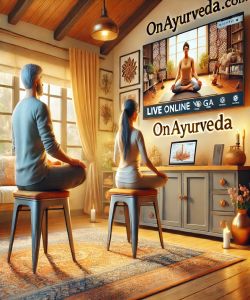
Overview of Chair Yoga
Chair Yoga represents a formidable and highly effective adaptation of classical yoga, meticulously engineered to render its profound benefits accessible to individuals for whom traditional mat-based practice is either impractical or contraindicated. It is not, and must never be mistaken for, a diluted or simplified version of the discipline; rather, it is an intelligent and purposeful modification that preserves the integrity of yogic principles while altering the physical apparatus of their delivery. By utilising a chair as the primary prop, this modality provides essential support for seated postures and a stable anchor for standing poses, thereby systematically removing barriers related to balance, flexibility, and strength. The practice is comprehensive, integrating the foundational pillars of yoga: asana (physical postures), pranayama (breath control), and dhyana (meditation). Its application is remarkably broad, serving populations from older adults seeking to maintain mobility and vitality, to corporate professionals combating the deleterious effects of a sedentary work life, and individuals navigating recovery from injury or managing chronic health conditions. The core objective of Chair Yoga is unambiguous: to cultivate physical resilience, enhance mental clarity, and foster a robust mind-body connection, irrespective of an individual’s age, physical condition, or previous experience with yoga. It stands as a testament to the inherent adaptability of yogic science, proving that the path to well-being is not contingent upon achieving complex postures on the floor, but upon the mindful, disciplined, and correctly aligned application of its core tenets. Through this structured approach, Chair Yoga delivers tangible, measurable improvements in strength, circulation, flexibility, and psychological state, establishing itself as an indispensable and legitimate discipline within the broader landscape of holistic health and wellness. It is a rigorous, demanding, and ultimately transformative practice that commands respect and serious consideration.
What is Chair Yoga?
Chair Yoga is a formal, structured adaptation of classical Hatha yoga that utilises a chair as its central piece of equipment to support, stabilise, and deepen the practice. It is a misconception to view this discipline as mere seated stretching; it is a complete yogic system, rigorously modified to accommodate a wide spectrum of physical capabilities without compromising on its foundational principles. The practice systematically re-engineers traditional asanas (postures) to be performed either entirely seated on the chair, or standing while using the chair for balance and support. This considered modification allows participants to engage in a comprehensive yoga session, accessing the full physiological and psychological benefits, including enhanced flexibility, increased strength, improved proprioception, and stress reduction, without the prerequisite of being able to get up and down from the floor. Consequently, it is an exceptionally inclusive modality.
The core components of a Chair Yoga session are identical to those of a traditional class, underscoring its legitimacy:
Asana Adaptation: Classical poses such as Cat-Cow, Warrior poses, and Triangle pose are intelligently translated for use with the chair. This involves breaking down the posture into its essential biomechanical components and reconstructing it in a way that is safe, stable, and effective for the participant.
Pranayama Integration: Conscious breath control is a non-negotiable element. Specific breathing techniques are taught and synchronised with movement to calm the nervous system, increase oxygenation of the blood, and cultivate focused awareness.
Mindfulness and Meditation: Every session incorporates elements of mindfulness, encouraging a profound connection between mind and body. Classes typically conclude with a seated meditation or a period of quiet reflection, analogous to the Savasana (corpse pose) in a mat-based class.
In essence, Chair Yoga is not a substitute but a valid and powerful alternative, delivering the authentic experience and benefits of yoga through a different, highly accessible medium.
Who Needs Chair Yoga?
Older Adults: This demographic derives unparalleled benefit from Chair Yoga. The practice directly counters age-related declines in muscle mass, bone density, and proprioception. It provides a secure method for enhancing joint mobility, particularly in the hips, spine, and shoulders, and critically, for improving balance, thereby mitigating the substantial risk of falls.
Individuals with Chronic Health Conditions: Those managing conditions such as severe arthritis, osteoporosis, multiple sclerosis, or chronic obstructive pulmonary disease require a form of exercise that is non-impactful yet effective. Chair Yoga meets this need precisely, allowing for the strengthening of supporting muscles and the improvement of circulation without placing undue stress on compromised joints or systems.
Participants in Post-Operative or Injury Rehabilitation: For individuals recovering from surgery or injury, Chair Yoga serves as a crucial bridge back to physical activity. It offers a controlled, safe environment to gently reintroduce movement, improve range of motion, and rebuild strength under strict alignment principles, accelerating a functional and sustainable recovery.
Individuals with Physical Disabilities or Neurological Disorders: Persons with mobility impairments, including wheelchair users or those with conditions like Parkinson's disease, find Chair Yoga to be an empowering and effective discipline. It adapts to their specific capabilities, focusing on improving posture, core strength, and mind-body coordination within a stable framework.
Corporate Professionals and Sedentary Workers: The modern office-bound professional is a prime candidate. Chair Yoga directly addresses the endemic issues of poor posture, repetitive strain injury, and chronic back, neck, and shoulder pain caused by prolonged sitting. It can be practised discretely at a desk, offering a potent tool for stress management and physical realignment during the working day.
Yoga Beginners or Individuals with Obesity: For those intimidated by the physical demands of a standard yoga class or for whom body weight makes mat work challenging, Chair Yoga provides an accessible and dignified entry point. It allows them to learn the fundamental principles of alignment and breathwork in a supportive setting, building confidence and physical capacity.
Origins and Evolution of Chair Yoga
The conception of Chair Yoga cannot be attributed to a single, definitive moment in history but is rather the product of a logical and compassionate evolution within the broader tradition of yoga itself. Its philosophical roots are firmly embedded in the pioneering work of twentieth-century masters such as B.K.S. Iyengar, who revolutionised yoga practice through the systematic use of props—including blocks, belts, and walls—to achieve precise anatomical alignment and make poses accessible to all body types and abilities. This principle of intelligent adaptation is the very bedrock upon which Chair Yoga was built. It emerged not as a new invention, but as a necessary and innovative application of existing yogic science to serve populations that were otherwise excluded from its benefits.
The formalisation of Chair Yoga as a distinct discipline gained significant momentum in the latter decades of the twentieth century. Visionary yoga instructors, often working within senior centres, hospitals, and therapeutic settings, recognised the profound limitations that age, illness, and disability placed upon individuals wishing to practise yoga. One of the most prominent pioneers, Lakshmi Voelker-Binder, developed her ‘Chair Yoga’ programme in the early 1980s, creating a codified system of modified postures designed to meet the specific needs of her students with arthritis. This marked a pivotal shift from ad-hoc modifications to a structured, repeatable, and teachable methodology. Her work, and that of other like-minded instructors, established the legitimacy of the practice and provided a foundational curriculum for its dissemination.
In the contemporary era, the evolution of Chair Yoga has accelerated and diversified. It has expanded far beyond its original therapeutic and geriatric contexts to become a mainstream wellness modality. The corporate world has embraced it as an effective tool to combat the negative health impacts of sedentary office work, with programmes designed to be performed directly at an employee's desk. Furthermore, the rise of digital platforms has propelled Online Chair Yoga into global prominence, offering unprecedented accessibility. This modern iteration is characterised by rigorous instructor certification standards, a growing body of evidence-based research attesting to its efficacy, and a sophisticated understanding of its application for a vast range of physical and psychological objectives. Chair Yoga has evolved from a niche adaptation into a robust, respected, and indispensable discipline.
Types of Chair Yoga
Gentle/Restorative Chair Yoga: This form prioritises deep relaxation, passive stretching, and the release of chronic tension. Poses are held for extended durations with an intense focus on conscious breathing and mindfulness to calm the nervous system. The objective is not muscular exertion but the gentle mobilisation of joints, the lengthening of connective tissues, and the induction of a profound state of physical and mental calm. It is exceptionally well-suited for individuals managing high stress levels, chronic pain, or fatigue.
Active/Dynamic Chair Yoga: In stark contrast to the gentle form, this type incorporates more vigorous and continuous movement to elevate the heart rate and build muscular strength and endurance. It often involves flowing sequences (vinyasa) that transition between seated and standing postures, using the chair as a dynamic prop for support and balance. This style is designed to improve cardiovascular health, enhance coordination, and create a challenging yet safe physical practice for those capable of a higher intensity level.
Therapeutic Chair Yoga: This is a highly specialised application of Chair Yoga, typically delivered by a certified yoga therapist or a physical therapist with advanced yoga training. Sessions are tailored to address specific health conditions, injuries, or rehabilitation goals. The selection of postures, breathing techniques, and meditation practices is precisely calibrated to target symptoms associated with conditions like arthritis, scoliosis, or neurological disorders, functioning as a complementary therapeutic intervention.
Corporate/Workplace Chair Yoga: This modality is specifically engineered for the office environment and is designed to be practised in work attire, often in short, targeted sessions. The focus is exclusively on counteracting the detrimental effects of prolonged sitting, such as poor posture and musculoskeletal strain. Sequences concentrate on releasing tension in the neck, shoulders, back, and hips, and may include simple mindfulness exercises to mitigate workplace stress.
Chair Yoga for Seniors: While older adults can practise any type of Chair Yoga, this designation refers to classes specifically structured around the common physiological changes associated with ageing. The curriculum places a stringent emphasis on improving balance to prevent falls, building bone density through gentle weight-bearing poses, maintaining joint mobility to combat stiffness, and preserving functional strength required for daily activities. Safety and gradual progression are the paramount principles.
Benefits of Chair Yoga
Enhanced Physical Accessibility: The primary benefit is the systematic removal of physical barriers. It provides a viable and rigorous path for individuals with limited mobility, balance issues, chronic illness, or those recovering from injury to fully participate in a comprehensive yoga practice without the challenge of floor-based movements.
Improved Flexibility and Range of Motion: The supported nature of the practice allows for safe and effective stretching of all major muscle groups. It specifically targets areas prone to stiffness, such as the spine, hips, and shoulders, leading to a demonstrable increase in joint mobility and a greater overall range of motion in daily activities.
Increased Muscle Strength and Tone: Chair Yoga is not a passive activity. It incorporates dynamic movements and isometric holds that actively engage and strengthen the muscles of the core, back, legs, and arms. Using the chair for support in standing poses enables safe execution of strengthening postures like Warrior variations, building functional strength.
Superior Balance and Coordination: By providing a stable point of contact, the chair allows participants to safely practise and refine their balance. This directly improves proprioception—the body's awareness of its position in space—which is critical for preventing falls, particularly in older adults or those with neurological conditions.
Reduced Stress and Enhanced Mental Clarity: The practice mandates a deep integration of controlled breathing (pranayama) with physical movement. This combination is a powerful regulator of the autonomic nervous system, proven to decrease physiological markers of stress, lower cortisol levels, and cultivate a state of mental focus and calm.
Improved Circulation: The sequence of movements, from gentle stretches to more active poses, stimulates blood flow throughout the body. This enhanced circulation improves the delivery of oxygen and nutrients to tissues and aids in the removal of metabolic waste, contributing to better cardiovascular health and increased energy levels.
Pain Management and Postural Correction: For individuals with chronic pain from conditions like arthritis or from postural imbalances, Chair Yoga offers significant relief. It strengthens the supporting musculature around affected joints and realigns the spine, alleviating pressure and re-educating the body towards a healthier, more sustainable posture.
Core Principles and Practices of Chair Yoga
The Principle of Adaptation, Not Dilution: The fundamental principle is the intelligent modification of classical yoga asanas to be performed with the support of a chair. This is not a simplification but a sophisticated re-engineering process. Each pose is deconstructed to its core biomechanical purpose and then reconstructed to deliver the same benefit, whether seated or using the chair for balance. The integrity and intention of the posture remain non-negotiable.
The Primacy of Anatomical Alignment and Safety: Correct alignment is paramount to prevent injury and maximise efficacy. The chair is utilised as a tool to achieve and maintain optimal posture, particularly spinal neutrality. Instructors must provide explicit, precise verbal cues to guide participants into safe alignment, ensuring that joints are protected and muscles are engaged correctly throughout every movement. Safety is the unwavering foundation of the practice.
The Integration of Breath (Pranayama) as the Central Driver: Breath is not an afterthought; it is the engine of the practice. Every movement is deliberately synchronised with the breath—typically an inhalation for expansion and an exhalation for contraction or deepening. This conscious linkage, known as vinyasa, transforms the physical movements into a mindful, flowing meditation, directly influencing the nervous system and cultivating interoceptive awareness.
The Cultivation of Mind-Body Connection (Interoception): Chair Yoga rigorously trains the practitioner's ability to sense and interpret the internal state of their body. Participants are constantly directed to observe physical sensations, such as the lengthening of a muscle or the stability of a joint, without judgment. This deepens the connection between the brain and the body, enhancing proprioception and overall body awareness.
The Practice of Functional Movement: The postures and sequences are designed not merely for aesthetic or athletic achievement but for their direct translation into improved daily living. The practice focuses on strengthening muscles and improving mobility patterns that are essential for activities such as standing up, reaching, twisting, and walking, thereby enhancing an individual's independence and quality of life.
The Principle of Progressive Overload and Gradual Progression: The practice is scalable and must be progressive. While it is accessible, it is not perpetually easy. Practitioners are encouraged to work at their own capacity, gradually increasing the duration of holds, the depth of stretches, or the complexity of sequences over time. This ensures continuous development of strength, flexibility, and resilience.
Online Chair Yoga
Unparalleled Accessibility and Convenience: Online Chair Yoga obliterates geographical, logistical, and mobility-related barriers to practice. It provides immediate access to high-calibre instruction for individuals who are homebound, reside in remote areas lacking qualified teachers, or have schedules that preclude attendance at fixed, in-person classes. The practice becomes available on-demand, integrated directly into the participant’s personal environment.
Creation of a Controlled and Private Environment: The home setting offers a sanctuary for practice, free from the perceived judgment or comparison that can arise in a group studio environment. This privacy is particularly beneficial for individuals who are self-conscious about their physical condition, new to yoga, or who require a completely distraction-free space to focus on the subtleties of the mind-body connection.
Extensive Choice and Specialisation: The online domain presents a global marketplace of instructors and methodologies. Participants are empowered to select teachers whose style, specialisation, and level of intensity precisely match their individual needs and objectives, from gentle restorative sessions to dynamic, strength-building classes. This level of choice is rarely available within a single geographical locale.
Fostering of Self-Responsibility and Discipline: In the absence of an instructor for hands-on adjustments, the online practitioner is compelled to cultivate a heightened sense of self-awareness and accountability. They must learn to listen intently to their body, interpret verbal cues with precision, and take ultimate responsibility for their own safety and alignment. This develops deep interoceptive skills and personal discipline.
Requirement for Technical Competence: A non-negotiable prerequisite for a successful online practice is a stable, high-speed internet connection and a suitable device with a clear screen and audio. The practitioner is responsible for establishing a technical setup that ensures the instructional stream is uninterrupted and that they can see and hear the instructor clearly, which is critical for safe and effective practice.
Dependence on Expert Verbal Cueing: The efficacy of Online Chair Yoga hinges on the instructor's ability to deliver exceptionally clear, precise, and descriptive verbal instructions. Lacking the ability to physically adjust students, the instructor must use masterful language to guide participants into correct and safe alignment, describing not just the shape of the pose but also the internal muscular and energetic actions required.
Chair Yoga Techniques
Seated Spinal Flexion and Extension (Cat-Cow):
Step 1: Foundation. Sit upright on the chair with both feet planted firmly on the floor, hip-width apart. Place your hands on your knees, spine in a neutral, elongated position.
Step 2: Extension (Cow Pose). On an inhalation, actively press your chest forward, arching the spine. Draw your shoulder blades together down your back and lift your gaze slightly, creating a concave curve in the spine. Avoid compressing the neck.
Step 3: Flexion (Cat Pose). On an exhalation, round your spine, drawing your navel towards your back. Drop your chin to your chest and allow your shoulders to round forward, creating a convex curve. Feel the stretch between the shoulder blades.
Step 4: Repetition. Continue to flow between these two positions, synchronising each movement precisely with one full breath cycle for several rounds to mobilise the entire length of the spine.
Seated Warrior II (Virabhadrasana II) Variation:
Step 1: Setup. Sit sideways on the chair, so your right hip is against the back of the chair. Extend your right leg forward, with the knee bent and foot flat on the floor.
Step 2: Leg Extension. Extend your left leg straight out behind you, pressing the outer edge of the left foot firmly into the floor, mimicking the back leg of a traditional Warrior II.
Step 3: Upper Body Alignment. Align your torso to face the side wall, not the front of the chair. Extend your arms parallel to the floor, reaching actively in opposite directions. Turn your gaze over your right fingertips.
Step 4: Engagement. Hold the posture, maintaining a strong core, relaxed shoulders, and an active press through both feet. Breathe deeply, then carefully release and repeat on the opposite side.
Chair-Assisted Forward Bend (Uttanasana) Variation:
Step 1: Position. Stand facing the back of your sturdy chair, feet hip-width apart, approximately one to two feet away from the chair.
Step 2: Hinge. Place your hands on the top of the chair back. On an exhalation, hinge forward from your hips, keeping your spine perfectly straight and long.
Step 3: Deepen. Walk your feet back as needed, allowing your torso to lower towards a position parallel with the floor. Keep your arms straight and press your hands into the chair to lengthen the spine and open the shoulders.
Step 4: Hold. Maintain the pose, breathing into the stretch along the hamstrings and the length of your back. To exit, engage your core and walk your feet forward as you lift your torso back to a standing position.
Chair Yoga for Adults
Chair Yoga is a sophisticated and potent modality that is unequivocally suited to the multifaceted demands of modern adulthood. Its application extends far beyond remedial or geriatric contexts, positioning it as a formidable tool for any adult seeking to build and maintain physical and mental resilience. For the vast population of corporate professionals and sedentary workers, it serves as a direct and effective antidote to the debilitating effects of a desk-bound existence. The practice systematically targets and alleviates chronic neck, shoulder, and back pain, corrects postural imbalances, and mitigates the risk of repetitive strain injuries. It offers a practical, time-efficient method to integrate mindful movement into the workday, breaking cycles of physical stagnation and mental fatigue. Furthermore, for adults engaged in athletic pursuits, Chair Yoga functions as an invaluable component of a balanced training regimen. It provides a low-impact method for active recovery, focusing on stretching overworked muscles, improving joint mobility, and enhancing the mind-body connection, which is crucial for peak performance and injury prevention. It is also an intelligent entry point for adults new to exercise or yoga, offering a secure and stable environment to learn foundational principles of alignment and breathwork without the intimidation or physical barriers of a traditional mat class. For any adult navigating the pressures of contemporary life, the practice delivers a powerful dose of stress reduction and mental clarification. The mandated focus on pranayama (breath control) directly regulates the nervous system, fostering a state of calm and focus that is essential for effective functioning. In essence, Chair Yoga is a versatile, rigorous, and highly relevant discipline for the modern adult.
Total Duration of Online Chair Yoga
The definitive and most effective duration for a comprehensive online Chair Yoga session is 1 hr. This specific timeframe is not arbitrary but is methodically structured to ensure the inclusion and proper execution of all essential components of a holistic yoga practice, guaranteeing that the participant receives the maximum physiological and psychological benefits. A session of 1 hr allows for a logical and unhurried progression through the distinct phases of the practice. It commences with a dedicated period for centering and a thorough warm-up, which is critical for preparing the joints and muscles for deeper work and preventing injury. This is followed by the main segment of the session, dedicated to the practice of asanas—both seated and chair-supported standing postures—which constitutes the core of the physical work. The 1 hr structure provides ample time to explore these postures with meticulous attention to alignment, to hold them for a therapeutically effective duration, and to integrate them into flowing sequences. Crucially, this duration also accommodates a significant segment for pranayama, or formal breathing exercises, which are fundamental to the practice's stress-reducing and mind-clarifying effects. The session concludes with a necessary cool-down period and a final relaxation or seated meditation, analogous to savasana, which allows for the integration of the practice's benefits into the nervous system. Any duration significantly less than 1 hr necessitates a compromise, forcing the omission or abbreviation of one or more of these critical elements, thereby diminishing the overall efficacy and integrity of the practice. Therefore, the 1 hr standard must be upheld as the benchmark for a complete and professionally delivered online Chair Yoga class.
Things to Consider with Chair Yoga
Engaging in Chair Yoga demands a serious and disciplined approach, with several non-negotiable considerations to ensure both safety and efficacy. Foremost among these is the selection of the chair itself. The chair is not merely a seat but a critical piece of yoga equipment. It must be unequivocally stable, robust, and completely devoid of wheels. An armless dining chair is often the ideal standard, as arms can obstruct movement during certain postures. The height must allow the participant's feet to rest flat on the floor with their knees bent at a ninety-degree angle, ensuring a grounded and stable foundation. The practice surface is of equal importance; the chair must be placed on a non-slip floor or mat to prevent any possibility of sliding during movement. Beyond the physical setup, a critical consideration is the practitioner's own physical state. It is imperative to engage with the practice from a place of honest self-assessment, respecting the body's current limitations and explicitly avoiding any movement that elicits sharp or shooting pain. The principle of ‘no pain, no gain’ has no place in a mindful yoga practice. Furthermore, while Chair Yoga is highly accessible, it is not a universal panacea. Individuals with severe health conditions, recent surgeries, or acute injuries must secure explicit clearance from a qualified medical professional before commencing practice. Finally, the quality of instruction is paramount. One must seek out a certified instructor with specific training in Chair Yoga, as they possess the requisite knowledge of anatomy, contraindications, and appropriate modifications to guide a safe and beneficial session. A cavalier approach to any of these considerations undermines the integrity of the practice and exposes the participant to unnecessary risk.
Effectiveness of Chair Yoga
The effectiveness of Chair Yoga is an established fact, not a subject for debate. Its efficacy is rooted in the rigorous application of yogic principles, intelligently adapted to a supported format, and its impact is consistently demonstrated across a broad spectrum of physiological and psychological metrics. The practice delivers substantial and measurable improvements in physical function. It has been shown to significantly increase flexibility, particularly in the spine, hips, and shoulders, leading to an enhanced range of motion for daily activities. Muscular strength and endurance are demonstrably improved through the engagement of the core, back, and leg muscles in both seated and chair-supported standing postures. Critically, its effectiveness in improving balance and proprioception is well-documented, directly translating to a reduced risk of falls, a major health concern for ageing populations and those with neurological conditions. From a therapeutic standpoint, Chair Yoga is a potent tool for pain management, providing tangible relief for individuals with chronic conditions such as arthritis by strengthening supporting muscles and improving joint lubrication through gentle movement. Psychologically, its effectiveness is equally profound. The disciplined integration of pranayama (breath control) and mindfulness directly down-regulates the sympathetic nervous system, leading to quantifiable reductions in stress, anxiety, and symptoms of depression. The practice cultivates mental focus and clarity, offering a powerful method for managing the cognitive demands of modern life. In summary, the effectiveness of Chair Yoga is not a lesser version of mat yoga's benefits; it is the delivery of the same core benefits through a different, highly accessible, and profoundly impactful modality.
Preferred Cautions During Chair Yoga
Adherence to strict safety protocols during the practice of Chair Yoga is non-negotiable and must be approached with the utmost seriousness. Before commencing any programme, consultation with a medical doctor or physiotherapist is an absolute imperative, particularly for individuals with pre-existing medical conditions such as cardiovascular disease, severe osteoporosis, glaucoma, or recent surgical histories. This professional consultation is not a mere formality but a critical step in risk assessment. The choice of equipment demands uncompromising caution: the chair must be structurally sound, stable, and completely stationary. Under no circumstances should a chair with wheels, such as an office chair, or any unsteady piece of furniture be used, as this presents a significant and unacceptable risk of accident. During the practice itself, the practitioner must cultivate an unwavering state of self-awareness. It is essential to move slowly and mindfully, paying close attention to the body's signals. Any posture or movement that causes sharp, stabbing, or electrical pain must be ceased immediately and without hesitation. The objective is to work within a range of sensation that is challenging yet safe, not to push into the territory of pain. Overstretching, particularly of cold muscles or compromised joints, must be diligently avoided. Furthermore, individuals with conditions like high or low blood pressure must be cautious with postures that involve significant changes in head level relative to the heart, such as forward bends, and should always perform transitions slowly. A cavalier disregard for these cautions transforms a beneficial practice into a potentially hazardous activity.
Chair Yoga Course Outline
Module 1: Foundational Principles and Safety Protocols
Introduction to the philosophy of Chair Yoga as an adaptive, not a simplified, practice.
Detailed instruction on selecting a proper chair and setting up a safe practice space.
Core alignment principles: establishing a stable base, elongating the spine, and understanding neutral posture.
Mastery of foundational diaphragmatic breathing (pranayama).
Module 2: Seated Asanas for Spinal Health and Upper Body Mobility
Systematic exploration of seated postures designed to mobilise the entire spinal column, including Seated Cat-Cow, gentle twists, and lateral bends.
Techniques for releasing tension in the neck, shoulders, and upper back.
Introduction to asanas that improve posture and strengthen the core musculature from a seated position.
Module 3: Seated Asanas for Hip, Leg, and Foot Articulation
Focus on increasing the range of motion in the hip joints through seated postures like Pigeon Pose and Lizard Pose variations.
Exercises to strengthen the quadriceps, hamstrings, and gluteal muscles.
Detailed work on ankle and foot mobility, crucial for balance and circulation.
Module 4: Standing and Balance Poses with Chair Support
Introduction to standing postures using the chair for unwavering support and alignment feedback.
Mastery of foundational poses such as Mountain Pose, Chair Pose, and Warrior variations.
Specific balance-enhancing exercises designed to improve proprioception and reduce fall risk.
Module 5: Integration, Flow, and Dynamic Movement
Learning to link postures together into simple, flowing sequences (vinyasa), synchronising movement with breath.
Practising smooth and safe transitions between seated and standing positions.
Introduction of more dynamic movements to build cardiovascular endurance and coordination within a safe framework.
Module 6: Mindfulness, Meditation, and Final Relaxation
Deepening the practice of mindfulness through guided body scans and sensory awareness exercises.
Instruction in formal seated meditation techniques to cultivate mental clarity and calm.
Mastery of the final relaxation phase (Savasana variation), allowing for the complete integration of the practice's physical and mental benefits.
Detailed Objectives with Timeline of Chair Yoga
Weeks 1-2: Establishment of Foundational Competency.
Objective: The participant will master the fundamental principles of safe practice, including correct chair setup, core postural alignment in a seated position, and the technique of diaphragmatic breathing.
Measurable Outcome: By the end of this period, the participant will be able to independently establish a safe practice environment and demonstrate the ability to synchronise basic spinal movements (Seated Cat-Cow) with their breath for a continuous two-minute period.
Weeks 3-4: Development of Upper Body and Core Stability.
Objective: To systematically increase mobility in the thoracic spine and shoulder girdle, and to build foundational core strength.
Measurable Outcome: The participant will demonstrate improved range of motion in seated spinal twists and lateral bends. They will be able to maintain a neutral, elongated spine while performing seated leg lifts, indicating increased core engagement.
Weeks 5-6: Enhancement of Lower Body Strength and Hip Mobility.
Objective: To improve the strength of the major leg muscle groups and increase the functional range of motion in the hip joints.
Measurable Outcome: The participant will be able to execute chair-supported standing postures, such as Warrior II, holding the position with correct form and stability for a minimum of five full breaths. They will also demonstrate increased ease in seated hip-opening postures.
Weeks 7-8: Cultivation of Balance and Proprioceptive Awareness.
Objective: To significantly enhance balance and the body's spatial awareness through dedicated chair-supported balance exercises.
Measurable Outcome: The participant will demonstrate the ability to perform a chair-supported Tree Pose, maintaining balance on one leg for a progressively longer duration, showing a quantifiable improvement in stability from their initial baseline.
Weeks 9-10: Integration of Dynamic Flow and Mindfulness.
Objective: To integrate postures into simple, flowing sequences (vinyasa) and to deepen the practice of mindfulness.
Measurable Outcome: The participant will be able to smoothly transition between a series of three linked postures, maintaining continuous breath synchronisation. They will also be able to sustain focus during a five-minute guided seated meditation.
By Course Completion (End of Week 12): Attainment of Practice Autonomy.
Objective: To possess the knowledge and confidence to safely practise a balanced, self-guided Chair Yoga routine.
Measurable Outcome: The participant will be able to design and execute a 20-minute personal practice that incorporates warm-ups, seated and standing poses, and a concluding relaxation, demonstrating a comprehensive understanding of the principles learned.
Requirements for Taking Online Chair Yoga
A Regulation Chair: A non-negotiable requirement is a robust, highly stable, four-legged chair without arms or wheels. The chair’s height must permit the user to sit with their spine erect and both feet placed firmly and flatly upon the floor, with knees bent at a ninety-degree angle. This is a critical safety and alignment requirement.
Uninterrupted, High-Speed Internet Connectivity: A reliable broadband internet connection is mandatory. The video and audio stream from the instructor must be received without buffering or disconnection to ensure that crucial safety cues and alignment instructions are not missed. Intermittent connectivity poses a direct risk to the practitioner.
A Suitable Electronic Device: A laptop, desktop computer, or large tablet is required. A device with a screen large enough to clearly see the instructor's demonstrations is essential. The device must possess a functional camera, enabling the instructor, where applicable, to observe the participant's form and provide specific verbal corrections.
Sufficient and Uncluttered Physical Space: The participant must allocate a dedicated practice area. This space must be large enough to accommodate the chair and allow for the full extension of arms and legs in all directions without obstruction from furniture or other hazards. The area must be clear, clean, and well-lit.
Appropriate, Non-Restrictive Attire: Clothing must allow for a complete and uninhibited range of motion. It should be comfortable and not excessively loose, which could risk snagging on the chair. Footwear should be removed to allow for proper articulation of the feet and a secure connection to the floor.
A Commitment to Personal Accountability: The online environment necessitates a high degree of self-responsibility. The participant must commit to listening with intense focus, interpreting verbal cues accurately, and monitoring their own body for signals of pain or discomfort. They must accept the responsibility for maintaining their own safety in the absence of in-person, hands-on adjustments.
Things to Keep in Mind Before Starting Online Chair Yoga
Before embarking on an online Chair Yoga programme, a rigorous and discerning mindset is essential. This is not a passive viewing activity but an active engagement that demands preparation and commitment. First and foremost, conduct thorough due diligence on the instructor and the platform. Verify the instructor’s credentials, ensuring they hold a specific and reputable certification in Chair Yoga, not just a general yoga qualification. Investigate their experience with your specific demographic or condition. Secondly, one must commit to creating a sanctified practice space. This involves more than simply clearing a physical area; it means establishing a consistent time and environment free from domestic and digital distractions. Inform household members of your session times to prevent interruptions. Turn off notifications on all electronic devices. This discipline is crucial for achieving the meditative and focused state required for a beneficial practice. Critically, you must accept the heightened responsibility for your own physical safety. In the online format, the instructor cannot provide tactile feedback or hands-on adjustments. Therefore, you must cultivate an acute sense of interoception—the ability to listen to your body’s internal signals—and adhere unflinchingly to the principle of moving without pain. You are the final arbiter of your own safety. Finally, approach the practice with a beginner's mind, regardless of previous experience. Be prepared to learn new ways of moving and to respect the unique demands and subtleties of practising with a chair. A prepared, disciplined, and responsible approach is the only acceptable way to begin.
Qualifications Required to Perform Chair Yoga
The instruction of Chair Yoga is a specialised discipline that demands qualifications far exceeding those of a standard yoga teacher. It is a profound disservice to participants, and a significant professional liability, to assume that any certified yoga instructor is automatically competent to lead this practice. The responsibility of guiding individuals, many of whom have specific health concerns and physical limitations, requires a distinct and advanced skill set. The non-negotiable qualifications for an individual to perform or instruct Chair Yoga competently and safely are as follows:
Foundational Yoga Certification: The absolute minimum prerequisite is a 200-hour Registered Yoga Teacher (RYT-200) certification, or an equivalent qualification, from a credible, internationally recognised yoga alliance or school. This establishes a baseline understanding of yoga philosophy, asana, anatomy, and teaching methodology.
Specialised Certification in Chair Yoga: This is the most critical credential. The instructor must have completed a comprehensive, dedicated certification programme in Chair Yoga. Such a course must cover topics including the biomechanics of seated postures, appropriate contraindications and modifications for a vast range of health conditions (e.g., arthritis, osteoporosis, heart conditions), and specific techniques for safely teaching balance and standing poses with chair support.
Advanced Anatomical and Physiological Knowledge: A profound, practical understanding of anatomy, kinesiology, and the physiology of ageing and common chronic illnesses is imperative. The instructor must be able to assess a client's needs and intelligently adapt the practice to their specific anatomical and pathological landscape.
Demonstrable Practical Experience: Theoretical knowledge is insufficient. A qualified instructor must possess significant, verifiable experience working directly with the target populations for Chair Yoga, such as older adults, individuals with disabilities, or those in a therapeutic or corporate wellness setting.
These qualifications are not merely recommendations; they are the essential pillars that ensure an instructor can provide a practice that is not only effective but, most importantly, fundamentally safe.
Online Vs Offline/Onsite Chair Yoga
Online
The online delivery of Chair Yoga is defined by its unparalleled accessibility and convenience. It effectively removes geographical and mobility barriers, granting access to individuals who are homebound, live in remote areas, or cannot travel to a physical studio. This format offers an extensive, often global, choice of instructors and specialised class types, allowing participants to find a perfect match for their specific needs and preferences. The privacy of the home environment is a significant advantage, fostering a sense of safety and reducing the self-consciousness that can inhibit beginners or those with physical challenges in a group setting. However, this modality demands a high degree of self-discipline and personal accountability. The participant is solely responsible for creating a safe, distraction-free environment and for cultivating the interoceptive awareness needed to avoid injury in the absence of hands-on adjustments. Furthermore, it is entirely dependent on the reliability of technology, requiring a stable internet connection and suitable hardware for a successful experience. The online format excels in empowering the individual but requires them to assume greater responsibility for their practice.
Offline/Onsite
Offline, or onsite, Chair Yoga provides distinct advantages centred on direct human interaction and environmental control. The foremost benefit is the physical presence of a qualified instructor who can provide immediate, personalised verbal feedback and safe, effective hands-on adjustments to correct alignment and deepen postures. This direct guidance can accelerate learning and significantly enhance safety. The group setting fosters a sense of community and shared experience, which can be highly motivating and reduce feelings of isolation, a particularly important factor for many participants. An onsite class takes place in a dedicated studio space, which is professionally prepared to be safe, clean, and free from the domestic distractions inherent in a home practice. This allows for a more immersive and focused experience. The primary limitations of the offline model are logistical. It is bound by a fixed schedule and geographical location, requiring participants to commute, which can be a significant barrier for those with mobility issues or time constraints. The choice of instructors and class times is also limited to what is available locally. The offline format excels in providing community and expert physical guidance but at the cost of convenience and flexibility.
FAQs About Online Chair Yoga
Question 1. Is Online Chair Yoga a ‘real’ workout?
Answer: Yes. It is a legitimate and rigorous form of physical exercise. Depending on the style, it can significantly improve strength, flexibility, balance, and even cardiovascular health. It is not a passive activity.
Question 2. Do I need a special, expensive chair?
Answer: No. You need a sturdy, stable, armless chair without wheels. A standard dining chair is typically sufficient. Stability is the only non-negotiable requirement.
Question 3. What if I have a serious medical condition?
Answer: It is imperative that you consult your medical doctor or a relevant healthcare professional for clearance before beginning any new exercise programme, including Online Chair Yoga.
Question 4. Can I lose weight by practising Online Chair Yoga?
Answer: While any physical activity contributes to calorie expenditure, Chair Yoga's primary objectives are strength, mobility, and stress reduction, not weight loss. It can, however, be a valuable component of a broader weight management strategy.
Question 5. How is this different from simply stretching in a chair?
Answer: Chair Yoga is a holistic system that integrates physical postures (asana) with controlled breathing (pranayama) and mindfulness. It is a structured discipline, whereas simple stretching is not.
Question 6. What should I wear for an online class?
Answer: Wear comfortable, non-restrictive clothing that allows for a full range of movement.
Question 7. Is it suitable for absolute beginners with no yoga experience?
Answer: Yes, it is an ideal and highly accessible entry point into the practice of yoga.
Question 8. How will the instructor correct my form online?
Answer: A skilled online instructor uses precise, detailed verbal cues and visual demonstrations to guide you into correct alignment. They may also ask you to position your camera so they can observe and offer specific feedback.
Question 9. What technology is required?
Answer: You need a reliable, high-speed internet connection and a device such as a laptop, tablet, or computer with a screen large enough to see the instructor clearly.
Question 10. Can I participate if I am a wheelchair user?
Answer: Absolutely. Many Chair Yoga postures can be adapted for individuals in wheelchairs. Seek an instructor experienced in working with this specific need.
Question 11. Is Online Chair Yoga only for older adults?
Answer: No. It is highly beneficial for office workers, individuals with injuries, and anyone seeking a supported, low-impact form of exercise and stress management.
Question 12. How frequently should I practise?
Answer: For tangible benefits, a consistent practice of two to three sessions per week is recommended.
Question 13. What if I miss a live online class?
Answer: Many online platforms offer recordings of live classes, allowing you to practise at a time that is convenient for you.
Question 14. Is it effective for stress and anxiety relief?
Answer: Yes. The focus on breathwork and mindfulness is a powerful, evidence-based method for calming the nervous system and reducing stress.
Question 15. Can it improve my posture?
Answer: Yes. A primary focus of the practice is strengthening the core and back muscles and realigning the spine, which directly leads to improved posture.
Question 16. Will I need any other equipment or props?
Answer: Generally, only the chair is required. Some instructors may occasionally suggest using items like a cushion for support or a belt/scarf for stretching.
Question 17. How do I choose the right class or instructor?
Answer: Research their qualifications, ensuring they have specific certification in Chair Yoga. Look for experience with your demographic and, if possible, take a trial class.
Conclusion About Chair Yoga
In conclusion, Chair Yoga must be recognised not as a concessionary or diluted form of yoga, but as a sophisticated, potent, and indispensable discipline in its own right. Its defining characteristic is not compromise, but intelligent adaptation. By systematically utilising a chair as a primary prop, it preserves the profound integrity of classical yogic principles—the union of movement, breath, and mindfulness—while masterfully dismantling the physical barriers that exclude vast segments of the population from traditional practice. Its value is unequivocal, delivering quantifiable improvements in physical strength, flexibility, balance, and cardiovascular health, alongside profound benefits to mental clarity and emotional regulation. It serves as a powerful therapeutic tool for managing chronic conditions, a vital modality for maintaining functional independence in ageing populations, and an effective antidote to the sedentary stresses of modern corporate life. To underestimate its rigour or its transformative potential is a fundamental misjudgment of its purpose and power. Chair Yoga stands as a testament to the inherent inclusivity and evolutionary capacity of the yogic tradition, asserting with uncompromising clarity that the path to well-being is accessible to every body, provided the approach is guided by knowledge, safety, and respect. It is, and will continue to be, an essential and respected component of the global health and wellness landscape.