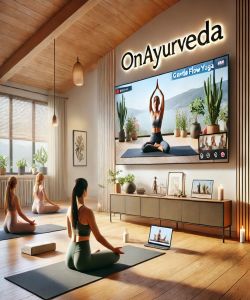
1. Overview of Gentle Flow Yoga
Gentle Flow Yoga constitutes a deliberate and systematically structured iteration of modern postural yoga, meticulously designed to prioritise safety, accessibility, and mindful integration of breath with movement. It unequivocally rejects the high-impact, athletically demanding paradigms of more vigorous Vinyasa styles, establishing instead a therapeutic and restorative domain of practice. The fundamental tenet of this discipline is the cultivation of a seamless, uninterrupted sequence of classical asanas (postures), transitioned between with conscious control and deliberate slowness. This methodology mandates that each movement originates from and is synchronised with the practitioner’s breath, transforming the physical practice into a dynamic meditation. The 'flow' element, or Vinyasa, is preserved, but its execution is tempered, its pace moderated, and its intensity scaled to accommodate individuals with physical limitations, those recovering from injury, or practitioners seeking a less strenuous yet equally profound experience. It is not merely a simplified version of a more complex practice; it is a distinct modality with its own rigorous principles. The core objective extends beyond mere physical flexibility or strength; it is a holistic discipline aimed at regulating the autonomic nervous system, mitigating stress through focused proprioceptive and interoceptive awareness, and enhancing mental clarity. This approach therefore serves as a potent tool for somatic re-education, guiding practitioners to develop a more intelligent and compassionate relationship with their own physical and psychological constitution. It is, in essence, a sophisticated system for cultivating somatic intelligence and emotional equilibrium through controlled, breath-led motion, making it a cornerstone of contemporary therapeutic and wellness-oriented yoga applications. The practice is demanding not in its physical extremity, but in the sustained mental focus it requires.
2. What are Gentle Flow Yoga?
Gentle Flow Yoga is a specific application of Vinyasa yoga, which is itself characterised by the synchronisation of breath and movement. However, where a standard Vinyasa class may emphasise cardiovascular intensity and complex, physically demanding sequences, Gentle Flow Yoga deliberately moderates these elements to create a more accessible, introspective, and restorative experience. It is a practice defined by fluid, graceful transitions between foundational yoga postures (asanas), executed at a significantly slower and more mindful pace. The "flow" denotes that the postures are not held in isolation for extended periods as in static Hatha yoga, but are instead linked together in a continuous, dance-like sequence. The "gentle" qualifier is the critical distinction, mandating that the practice avoids high-impact movements, extreme ranges of motion, and postures that place undue stress on the joints, such as the wrists, shoulders, and lower back.
The core components of a Gentle Flow Yoga session are threefold:
- Asana: The physical postures are typically foundational and can be readily modified. Poses like Cat-Cow, Downward-Facing Dog, Warrior I, and Triangle Pose are common, but they are entered and exited with meticulous attention to alignment and bodily sensation, preventing strain.
- Pranayama: Breath control is not merely an accompaniment but the very engine of the practice. Each movement is cued by either an inhalation or an exhalation, fostering a deep connection between mind and body and promoting a state of calm alertness by influencing the parasympathetic nervous system.
- Dhyana: While not a separate activity, a state of meditation is cultivated throughout the practice. The continuous focus required to link breath with slow movement anchors the mind in the present moment, discouraging mental distraction and fostering a state of mindful awareness.
Ultimately, Gentle Flow Yoga is not a concession for those unable to perform other styles; it is a complete and robust practice in its own right, engineered to deliver the benefits of yoga without the associated risks of overexertion or injury.
3. Who Needs Gentle Flow Yoga?
- Individuals in Physical Rehabilitation or Recovery: Practitioners recovering from injury, surgery, or chronic physical ailments require a modality that supports healing without imposing further stress. Gentle Flow Yoga provides controlled, low-impact movement that enhances circulation, restores range of motion, and rebuilds proprioceptive awareness in a manner that is both safe and effective. It is a prescriptive adjunct to formal physiotherapy.
- Seniors and the Ageing Population: This demographic confronts challenges such as decreased bone density, joint stiffness, and diminished balance. The practice directly addresses these concerns by promoting joint mobility, improving stability through targeted muscular engagement, and enhancing balance, thereby mitigating the risk of falls and supporting functional independence.
- Practitioners with Chronic Stress or Anxiety Disorders: The core emphasis on breath-synchronised movement directly engages the autonomic nervous system. By promoting the parasympathetic (rest-and-digest) response, it acts as a powerful non-pharmacological intervention for down-regulating the physiological symptoms of stress, such as elevated cortisol levels and hypertension.
- Beginners to Yoga: Individuals new to yoga require a foundational understanding of alignment, breathwork, and body awareness. Gentle Flow provides an ideal entry point, deconstructing the core components of Vinyasa in a comprehensible and non-intimidating format, building a solid and safe base for any future practice.
- Pregnant and Postnatal Women: The practice is eminently adaptable to the significant physiological changes during and after pregnancy. With appropriate modifications, it helps manage discomfort, maintain pelvic floor integrity, and provides a crucial tool for mental and emotional regulation during a period of profound transition.
- Individuals with Sedentary Lifestyles: Office workers or those with limited daily activity often suffer from postural imbalances, muscular atrophy, and mental fatigue. Gentle Flow counters these effects by mobilising the spine, releasing tension in the hips and shoulders, and providing a mental reset from cognitive overload.
- Athletes on Recovery Days: For individuals engaged in high-intensity training, this practice serves as an essential tool for active recovery. It facilitates the release of muscular tension, improves flexibility, and enhances mind-muscle connection without taxing the body, thereby accelerating tissue repair and preventing overtraining.
4. Origins and Evolution of Gentle Flow Yoga
The genesis of Gentle Flow Yoga is not attributable to a single founder or ancient text but is rather a modern, adaptive evolution rooted in two primary lineages of classical yoga: Hatha and Vinyasa. Its origins are a direct response to the specific needs and limitations of a contemporary Western audience, representing a deliberate refinement of more ancient and austere practices.
Historically, Hatha yoga, as outlined in texts like the Hatha Yoga Pradipika, focused on the mastery of individual postures (asanas) held for sustained periods, coupled with rigorous breath control (pranayama) to purify the body and prepare the mind for higher states of meditation. This static, alignment-focused approach forms the structural bedrock of the postures utilised in Gentle Flow. The emphasis on anatomical integrity and holding postures to build awareness is a direct inheritance from the Hatha tradition.
The "flow" or Vinyasa component traces its more immediate ancestry to the dynamic, sequence-based systems popularised in the early 20th century by Tirumalai Krishnamacharya, often hailed as the father of modern yoga. His teachings, which he adapted for various students including K. Pattabhi Jois (founder of Ashtanga Vinyasa Yoga) and B.K.S. Iyengar, emphasised the linking of postures with the breath in a continuous stream of movement. Ashtanga, in particular, codified this into a vigorous, athletic, and unvarying sequence.
Gentle Flow Yoga emerged as a necessary synthesis and modification of these two parent styles. As yoga’s popularity surged in the West, it became apparent that the demanding nature of Ashtanga or the fast pace of many commercial Vinyasa classes was unsuitable, and in some cases hazardous, for a significant portion of the population. Instructors and therapeutic practitioners began to consciously decelerate the pace of Vinyasa, stripping away the advanced, high-impact postures and placing a heightened emphasis on the therapeutic and meditative qualities of the practice. This evolution was driven by a demand for a yoga that could serve not just the young and athletic, but also seniors, individuals with chronic pain, those recovering from injury, and people seeking stress reduction over a purely physical workout. It represents a maturation of the practice, adapting ancient principles to the modern imperatives of inclusivity, safety, and holistic well-being.
5. Types of Gentle Flow Yoga
- Restorative Flow: This type represents the gentlest iteration of the practice. It amalgamates the slow, mindful transitions of Gentle Flow with the core principles of Restorative Yoga. Sequences are minimal and heavily supported by props such as bolsters, blocks, and blankets. The objective is not muscular effort but profound passive release. Each posture, though linked by a slow breath-led transition, is held for a longer duration to allow the nervous system to down-regulate completely. It is fundamentally a practice of active relaxation, designed for deep somatic and mental recuperation.
- Therapeutic Gentle Flow: This is a highly specialised and targeted application, often designed by an instructor with advanced training in yoga therapy or physiotherapy. Sequences are explicitly constructed to address specific physical conditions, such as chronic lower back pain, sciatica, or shoulder impingement. Pose selection and sequencing are clinical in their precision, aimed at re-establishing functional movement patterns, releasing specific areas of chronic tension, and strengthening stabilising muscles around vulnerable joints. It is prescriptive and goal-oriented.
- Mindful Slow Flow: This variant places the primary emphasis on the meditative aspect of the practice, using the physical movements as a vehicle for cultivating deep, present-moment awareness (mindfulness). The pace is exceptionally slow and deliberate, with verbal cues directing the practitioner’s attention inward towards subtle bodily sensations, the texture of the breath, and the emergent flow of thoughts and emotions. The goal is less about achieving a particular physical shape and more about training the mind through the discipline of focused somatic attention.
- Gentle Vinyasa for Seniors: Specifically adapted for the physiological realities of ageing, this type prioritises balance, joint mobility, and the preservation of bone density. It often incorporates chair-based modifications for standing poses to ensure stability and safety. Transitions are simplified and methodical, and the practice avoids any poses that could compromise joint integrity or cardiovascular health. The focus is squarely on maintaining functional independence and vitality.
- Unheated Slow Burn Flow: Contrasting with the popular 'hot yoga' styles, this type is practised in a room-temperature environment to prevent overheating and dehydration, which can be a risk for some individuals. The 'burn' is not from external heat but from the deep, controlled muscular engagement required by the slow, deliberate movements. It builds internal heat (tapas) methodically, fostering strength and stability without the external stressor of a heated room, making it a more broadly accessible form of strength-building flow.
6. Benefits of Gentle Flow Yoga
- Enhanced Joint Mobility and Safety: By eschewing high-impact and extreme ranges of motion, the practice focuses on moving joints through their full, safe, and functional capacity. The slow, controlled nature of the movements lubricates the joints with synovial fluid and gently increases flexibility in the surrounding connective tissues without the risk of destabilisation or strain.
- Systematic Stress and Anxiety Reduction: The mandated synchronisation of breath with movement directly stimulates the vagus nerve and activates the parasympathetic nervous system. This physiological shift counteracts the body's chronic fight-or-flight response, leading to a measurable decrease in cortisol levels, heart rate, and blood pressure, thereby mitigating the somatic symptoms of stress.
- Improved Proprioceptive and Interoceptive Awareness: The practice demands a heightened state of internal focus. Practitioners are continuously guided to observe the position of their body in space (proprioception) and to feel internal sensations (interoception). This cultivated awareness translates into improved posture, balance, and a more intuitive understanding of the body's signals, preventing future injuries.
- Increased Muscular Strength and Endurance: The slowness of the practice is deceptive. Holding postures and transitioning between them with control requires significant muscular engagement and builds endurance in the stabilising muscles of the core, back, and legs. It develops functional strength that supports the skeletal system without creating bulk.
- Improved Respiratory Function: A core tenet is conscious breath control (pranayama). The practice trains the practitioner to utilise their full diaphragmatic capacity, leading to more efficient oxygen exchange, increased lung volume, and a calmer, more regulated breathing pattern that persists outside of the practice itself.
- Enhanced Mental Clarity and Focus: By anchoring the mind to the physical sensations of the breath and body, Gentle Flow acts as a form of moving meditation. This sustained, single-pointed focus trains the brain's executive functions, improving concentration, reducing mental clutter, and fostering a state of calm alertness.
- Greater Accessibility and Inclusivity: Its inherent adaptability makes the profound benefits of yoga available to populations who are often excluded from more athletic styles. This includes seniors, individuals with chronic conditions, those in rehabilitation, and absolute beginners, promoting wellness across a broader demographic spectrum.
7. Core Principles and Practices of Gentle Flow Yoga
- Breath-Movement Synchronisation (Vinyasa): This is the non-negotiable, foundational principle. Every movement is inextricably linked to and initiated by either an inhalation or an exhalation. An inhalation typically accompanies expansive or upward movements (e.g., lifting the arms), while an exhalation accompanies contracting or grounding movements (e.g., folding forward). This transforms the practice from mere physical exercise into a rhythmic, meditative experience that directly regulates the nervous system.
- Mindful Pacing and Deliberate Slowness: The practice mandates a slow, controlled, and conscious tempo. Speed is sacrificed for precision and awareness. This deliberate pacing ensures that transitions between postures are as important as the postures themselves, allowing the practitioner to feel the full trajectory of each movement and preventing the use of momentum, which can lead to injury. It forces muscular control and heightens somatic feedback.
- Ahimsa (Non-Harming) in Application: A central tenet is the cultivation of self-compassion and the avoidance of pain or strain. Practitioners are rigorously instructed to honour their body's limitations and to never force a posture beyond a point of gentle, productive sensation. Pain is viewed not as a goal to be pushed through, but as a critical signal to modify or retreat from the pose. This principle ensures the practice remains therapeutic and sustainable.
- Prioritisation of Stability over Flexibility: While flexibility may be a welcome outcome, it is not the primary objective. The core focus is on establishing a stable and well-aligned foundation in each posture. Muscular engagement to support the joints is emphasised over achieving extreme ranges of motion. This ensures that mobility is developed on a foundation of strength, preventing hypermobility and joint instability.
- Utilisation of Modifications and Props: The practice actively encourages the use of props such as blocks, bolsters, straps, and blankets. These tools are not seen as crutches for beginners but as intelligent instruments for customising the practice to any individual's unique anatomy and needs. They facilitate proper alignment, provide support, and allow for deeper release, making the benefits of the postures accessible to all bodies.
- Cultivation of Interoceptive Awareness: Practitioners are constantly cued to direct their attention inward, observing the subtle and gross sensations within the body. This practice of "feeling from the inside out" develops a sophisticated level of bodily intelligence, allowing the practitioner to make intuitive, moment-to-moment adjustments that enhance safety and efficacy. It is the practice of listening to the body's intrinsic wisdom.
8. Online Gentle Flow Yoga
- Unparalleled Accessibility and Convenience: The online modality removes geographical and logistical barriers to practice. It grants individuals in remote locations, or those with demanding schedules, access to high-calibre instruction. The need for travel is eliminated, allowing practice to be seamlessly integrated into a daily routine with maximum efficiency. This democratises access to a vital wellness tool.
- Creation of a Controlled, Personalised Environment: Practising from a private space allows the individual to exert absolute control over their environment. Factors such as lighting, temperature, and ambient sound can be tailored to personal preference, creating a sanctuary free from the potential distractions or social pressures of a public studio. This fosters a deeper state of introspection and focus.
- Enhanced Self-Reliance and Bodily Autonomy: In the absence of an instructor for hands-on adjustments, the practitioner is compelled to cultivate a heightened sense of interoceptive awareness. They must learn to interpret their body's signals with greater acuity and take full ownership of their alignment and safety. This fosters a robust sense of self-reliance and deepens the mind-body connection in a uniquely powerful way.
- Freedom from Comparison and Self-Consciousness: The private nature of online practice eliminates the element of social comparison that can be prevalent and intimidating in a group setting. This allows practitioners, particularly beginners, to explore movements and modifications without fear of judgement, fostering a more authentic and less performance-oriented engagement with the practice.
- Repeatability and Pacing Control: Digital classes can be paused, rewound, and replayed. This enables the practitioner to deconstruct complex instructions or revisit specific segments of the class at their own pace. This facility for repetition is an invaluable tool for mastering alignment cues and understanding the nuances of the practice in a way that is not possible in a live, flowing class.
- Access to a Global Roster of Specialised Instructors: The online format provides access to a diverse and global network of instructors who specialise in Gentle Flow and its therapeutic applications. A practitioner is no longer limited to the expertise available in their immediate locality but can seek out and learn from leading authorities in the field, irrespective of physical distance.
9. Gentle Flow Yoga Techniques
- Establishing the Foundational Breath (Ujjayi Pranayama): Commence in a stable, seated position. Inhale deeply through the nostrils. As you exhale through the nostrils, gently constrict the back of the throat (the glottis) to create a soft, audible, oceanic sound. Maintain this gentle constriction on both the inhalation and exhalation. This technique heats the body internally and provides an auditory anchor for the mind throughout the practice. This is the metronome for the entire flow.
- Initiating Movement from the Core (Spinal Articulation): From a tabletop position (on hands and knees), synchronise spinal movement with the Ujjayi breath. On an inhalation, drop the belly, lift the chest and tailbone into Cow Pose (Bitilasana). On the exhalation, round the spine towards the ceiling, tucking the chin and tailbone into Cat Pose (Marjaryasana). Execute this transition with deliberate slowness, ensuring the movement ripples through the spine vertebra by vertebra. This is the fundamental technique for linking breath to motion.
- Transitioning from Kneeling to Standing (Lunge Sequence): From the tabletop position, step the right foot forward between the hands into a Low Lunge. On an inhalation, engage the core and lift the torso, sweeping the arms overhead. On an exhalation, release the hands back down to frame the front foot. On the next inhalation, tuck the back toes and lift the back knee, rising into a High Lunge. On the exhalation, ground through the feet. This sequence teaches controlled, stable transitions between different levels.
- Flowing Through a Modified Sun Salutation (Surya Namaskar A): From a standing position (Tadasana), inhale and sweep the arms overhead. Exhale and hinge at the hips, folding forward with a flat back (Uttanasana), bending the knees as required. Inhale to a halfway lift, elongating the spine. Exhale, step back to Plank Pose, and immediately lower the knees, chest, and chin to the mat. Inhale, slide forward into a low Cobra Pose (Bhujangasana), keeping the hips grounded. Exhale, press back through hands and knees into Downward-Facing Dog (Adho Mukha Svanasana). Hold for several breaths before proceeding.
- Integrating Standing Poses (Warrior II Flow): From Downward-Facing Dog, inhale and step the right foot forward between the hands. Pivot the back heel down and, on the same inhalation, cartwheel the arms open to Warrior II (Virabhadrasana II). Exhale and settle into the pose, ensuring stability. Inhale, straighten the front leg and reach forward. Exhale, hinge into Triangle Pose (Trikonasana). Inhale, reverse the Warrior. Each movement is a distinct event cued by a single breath, demanding precise muscular control.
10. Gentle Flow Yoga for Adults
Gentle Flow Yoga is an unequivocally superior modality for the adult population, addressing the specific physiological and psychological challenges that accrue with age and modern life. Its methodology is not an accommodation but a strategic response to the adult condition. For the adult body, often conditioned by years of sedentary work, postural neglect, or repetitive strain, the practice offers a systematic process of somatic re-education. It counters the shortening of hip flexors and the weakening of the posterior chain by guiding the body through intelligent, full-range movements that restore functional balance between agonist and antagonist muscle groups. Unlike high-impact exercises that can exacerbate joint degradation, the slow, controlled nature of Gentle Flow lubricates the joints, preserves cartilage, and builds supportive musculature around vulnerable areas like the knees, hips, and vertebral column. This focus on joint integrity and stability is paramount for long-term physical autonomy. Furthermore, the discipline directly confronts the pervasive issue of chronic stress in adult life. The mandated fusion of breathwork and mindful movement serves as a potent antidote to a perpetually activated sympathetic nervous system. It is a training ground for down-regulation, providing adults with a tangible, self-administered tool to mitigate anxiety, improve sleep quality, and enhance cognitive function by reducing mental clutter. The practice demands a level of mental focus and introspection that builds resilience, offering a structured sanctuary from the relentless cognitive and emotional demands of professional and personal responsibilities. It is, therefore, not merely a form of gentle exercise but a comprehensive system for maintaining and enhancing physical vitality and mental equilibrium throughout the adult years.
11. Total Duration of Online Gentle Flow Yoga
The standard, and indeed optimal, total duration for an online Gentle Flow Yoga session is rigorously structured to be 1 hr. This specific timeframe is not arbitrary; it is a deliberately calibrated duration designed to facilitate a comprehensive and effective practice without inducing fatigue or becoming logistically prohibitive for the practitioner. The 1 hr allocation is meticulously partitioned to ensure that every critical component of the discipline receives adequate attention. A typical session commences with a preliminary phase of grounding and breath awareness (pranayama), which establishes the requisite mental focus and prepares the body for movement. This is followed by a period of gentle, systematic warm-ups, focusing on spinal articulation and joint mobilisation to ensure the body is safely prepared for the main sequence. The core of the 1 hr session is dedicated to the 'flow' itself—a seamless, intelligently sequenced series of foundational asanas linked by the breath. This segment is paced to be challenging in its demand for control and awareness, yet remains gentle and therapeutic. Following the peak of the flow, a significant portion of the time is reserved for a cooling-down phase, which includes deeper, passive stretches to enhance flexibility and release residual tension. The final, and arguably most crucial, segment of the 1 hr is dedicated to Savasana (Corpse Pose), a period of complete stillness that allows for the physiological and neurological integration of the practice's benefits. This structure ensures that a practitioner moves from preparation to peak practice, and then to integration and deep rest, all within a contained and efficient timeframe. A duration shorter than this would compromise the integrity of this essential arc, while a longer session could prove unsustainable for many individuals for whom the practice is specifically designed.
12. Things to Consider with Gentle Flow Yoga
Prior to engaging in Gentle Flow Yoga, a practitioner must conduct a rigorous and honest self-assessment. It is imperative to recognise that 'gentle' does not equate to 'devoid of effort' or 'free from risk'. The primary consideration must be one’s own physical constitution and any pre-existing medical conditions. Individuals with acute injuries, such as disc herniation, severe inflammation, or recent surgical intervention, must secure explicit clearance from a qualified medical professional before commencing practice. Similarly, those with chronic conditions like osteoporosis, arthritis, or cardiovascular disease must approach the practice with heightened awareness and a commitment to utilising necessary modifications. The qualification and expertise of the instructor are of paramount importance. One must verify that the instructor possesses not only a baseline yoga certification but also specialised training in anatomy, therapeutic applications, and adaptive yoga. An unqualified instructor can inadvertently cause harm, even within a gentle context. Furthermore, the practitioner must abandon any ego-driven ambition to achieve specific postural aesthetics. The objective of this practice is internal sensation and somatic intelligence, not external form. A willingness to embrace props, to modify poses, and to prioritise safety and comfort over perceived advancement is a non-negotiable prerequisite. Finally, one must set realistic expectations. The benefits of Gentle Flow Yoga are profound but cumulative. Consistency and patience are more valuable than sporadic, intense effort. The practice is a long-term strategy for well-being, not a quick fix for chronic issues, and this mature perspective is essential for a sustainable and rewarding engagement.
13. Effectiveness of Gentle Flow Yoga
The effectiveness of Gentle Flow Yoga is unequivocal and multifaceted, grounded in its direct and measurable impact on the body's key physiological and neurological systems. Its efficacy is not a matter of subjective feeling but of demonstrable biological response. On a neuromuscular level, the practice is highly effective at re-patterning dysfunctional movement habits and correcting postural imbalances. The slow, controlled execution of asanas builds endurance in deep stabilising muscles, particularly those of the core and spine, which are crucial for long-term structural integrity. This methodical strengthening provides robust support for the skeletal system and alleviates chronic pain stemming from muscular weakness or imbalance. From a nervous system perspective, its effectiveness is profound. The consistent synchronisation of deep, diaphragmatic breathing with mindful movement is a powerful modulator of the autonomic nervous system. It actively stimulates the vagus nerve, shifting the body from a state of sympathetic (fight-or-flight) dominance to one of parasympathetic (rest-and-digest) activation. This results in decreased levels of the stress hormone cortisol, a lower resting heart rate, reduced blood pressure, and an overall reduction in the physiological markers of chronic stress. This makes it an exceptionally potent tool for managing anxiety and improving emotional regulation. Furthermore, its emphasis on interoception—the sensing of the body's internal state—enhances mind-body connectivity. This heightened somatic awareness allows for more intuitive self-regulation and a greater capacity to identify and respond to the body's needs, proving its effectiveness as a holistic and preventative healthcare discipline. The practice works because it systematically addresses the interconnectedness of body, breath, and mind.
14. Preferred Cautions During Gentle Flow Yoga
It is imperative that all practitioners adhere to a stringent set of cautions to ensure the practice remains therapeutic and free from the risk of injury. These are not suggestions but operational mandates. Firstly, any practitioner with pre-existing spinal conditions, including but not limited to disc herniation, spondylolisthesis, or sciatica, must exercise extreme vigilance. Forward folds must be executed with bent knees and a neutral spine, and any twisting motions must originate from the thoracic spine, not the lumbar region, to prevent exacerbation of the condition. Secondly, individuals with glaucoma or high blood pressure must avoid or significantly modify all inversions, including Downward-Facing Dog, where the head is positioned below the heart. Such postures can dangerously increase intraocular and cranial pressure. Thirdly, during pregnancy, all deep twists, prone postures (lying on the stomach), and intense abdominal work must be eliminated entirely. Poses should be modified to create space for the abdomen, and balance must be prioritised as the centre of gravity shifts. Fourthly, hypermobility is a serious consideration; individuals with overly flexible joints must focus on muscular engagement and stability, consciously avoiding locking joints or sinking into their end range of motion, which can lead to ligamentous strain and long-term instability. Finally, the principle of Ahimsa (non-harming) must be rigorously applied. Any sensation of sharp, shooting, or electrical pain is an absolute and immediate signal to cease the posture. Pushing through pain is a direct contravention of the practice’s core tenets and will invariably lead to harm. Self-governance and an unwavering commitment to safety are non-negotiable.
15. Gentle Flow Yoga Course Outline
1: Foundational Principles and Breath Integration
Introduction to the core philosophy of Gentle Flow: Ahimsa (non-harming) and mindful movement.
Mastery of Diaphragmatic Breathing and introduction to Ujjayi Pranayama (Victorious Breath) as the primary anchor for practice.
Practice of foundational seated and supine postures to establish a baseline of body awareness.
Initial integration of breath with simple spinal movements (Cat-Cow).
2: Establishing Stability and Alignment
Focus on foundational standing postures: Tadasana (Mountain Pose), and the principles of grounding through the feet.
Deconstruction of key standing poses (Warrior I, Warrior II) with an emphasis on pelvic and knee alignment.
Introduction to the use of props (blocks, straps) to support safe and effective alignment.
Practice of simple, breath-synchronised transitions between standing poses.
3: Cultivating Fluidity and Flow
Introduction to the structure of a modified Sun Salutation (Surya Namaskar).
Linking a series of foundational postures into a continuous, slow-paced sequence.
Emphasis on smooth, controlled transitions as a meditative practice in itself.
Refining the synchronisation of Ujjayi breath with a more complex series of movements.
4: Deepening Interoception and Release
Introduction to gentle hip-opening and hamstring-release postures.
Exploration of gentle backbends (e.g., Cobra, Bridge Pose) with a focus on spinal safety.
Practice of holding postures for a slightly longer duration to cultivate deeper somatic awareness.
Introduction to simple balancing poses to enhance focus and proprioception.
5: Integration and Restorative Practice
Practice of a full, integrated Gentle Flow sequence combining elements from all previous s.
Introduction to basic restorative postures using bolsters and blankets for profound relaxation.
Guidance on the importance and technique of Savasana (Corpse Pose) for neurological integration.
Developing a personal practice: guidance on how to safely sequence and modify for individual needs.
16. Detailed Objectives with Timeline of Gentle Flow Yoga
Phase One: Initial Four Sessions (Foundational Acclimatisation)
Objective: To establish unwavering competence in diaphragmatic breathing and the basic mechanics of Ujjayi Pranayama. The practitioner will be able to maintain a consistent, audible breath throughout simple sequences.
Objective: To demonstrate a functional understanding of neutral alignment in foundational postures, including Tadasana, Tabletop, and basic seated positions.
Objective: To achieve successful synchronisation of breath and movement in the Cat-Cow spinal flexion and extension sequence, executing it with deliberate control.
Phase Two: Median Four Sessions (Integration and Application)
Objective: To execute a modified Sun Salutation sequence from memory, demonstrating safe alignment in each component posture (e.g., maintaining a flat back in halfway lift, safe shoulder position in Cobra).
Objective: To transition smoothly and with stability between key standing postures, such as Warrior I and Warrior II, without losing balance or breath connection.
Objective: To demonstrate the correct and effective use of at least two props (e.g., blocks under hands in a forward fold, a strap for hamstring stretches) to support personal anatomical needs.
Phase Three: Final Four Sessions (Autonomy and Refinement)
Objective: To independently modify postures based on personal sensation and an understanding of core safety principles (e.g., bending knees to protect the lower back).
Objective: To sustain single-pointed focus and interoceptive awareness for the duration of a continuous 20-minute flow sequence, minimising mental distraction.
Objective: To demonstrate the ability to self-regulate intensity, consciously choosing to soften or deepen a posture based on the body’s feedback rather than external instruction.
Objective (Upon Completion): To possess the knowledge and somatic intelligence to safely engage in any foundational Gentle Flow class or to begin developing a short, safe personal practice, fully understanding the principles of breath-led movement, alignment, and self-modification.
17. Requirements for Taking Online Gentle Flow Yoga
- Requisite Technology and Connectivity: The practitioner must possess a reliable computing device (laptop, tablet, or desktop computer) with a functional camera and microphone. A stable, high-speed internet connection is non-negotiable to ensure uninterrupted audio and visual streaming, which is critical for receiving clear instruction and preventing frustrating disruptions to the flow of the practice.
- Dedicated and Uncluttered Physical Space: A clear, private, and safe area for practice is mandatory. The space must be large enough to accommodate the full wingspan of the arms and length of the body on a yoga mat without obstruction. This environment must be free from potential hazards, foot traffic, and significant background noise to facilitate the necessary level of focus and introspection.
- Standard Yoga Equipment: The practitioner is required to have a non-slip yoga mat as a minimum. It is strongly mandated that they also procure a standard set of yoga props, including two foam or cork blocks, one sturdy strap, and at least one firm blanket. A bolster is highly recommended. These are not optional accessories but essential tools for ensuring safety, proper alignment, and accessibility of the postures.
- Appropriate Attire: Clothing must be comfortable and allow for a full and unrestricted range of motion. It should not be excessively loose, as this can obscure the view of the body’s alignment for both the practitioner and, if applicable, the instructor, and can become entangled during movement.
- Commitment to Self-Regulation and Safety: The practitioner must possess the maturity and personal discipline to function autonomously. This includes the ability to listen intently to verbal cues, to honestly assess one's own physical limitations, and to take personal responsibility for modifying or abstaining from postures as needed. An unwavering commitment to prioritising safety over ambition is an essential prerequisite for online practice.
- Physical Pre-Clearance: For any individual with a known medical condition, injury, or who is currently pregnant, documented clearance from a qualified healthcare provider is an absolute requirement before commencing any online physical practice.
18. Things to Keep in Mind Before Starting Online Gentle Flow Yoga
Before commencing an online Gentle Flow Yoga practice, it is imperative to adopt a mindset of rigorous self-discipline and heightened self-awareness. The digital environment, while convenient, fundamentally shifts the locus of responsibility for safety and integrity squarely onto the practitioner. One must proactively engineer a dedicated practice space, transforming a corner of a room into a sanctuary, free from the intrusions of daily life, notifications, and domestic distractions. This act of creating a sacred space is not trivial; it is a critical prerequisite for cultivating the deep focus the discipline demands. Furthermore, you must prepare to become your own primary instructor in a tactile sense. Without the physical presence of a teacher to provide hands-on adjustments, your capacity for interoception—the ability to feel and interpret your body's internal signals—must be deliberately sharpened. This requires unwavering honesty about your physical limitations and a complete rejection of any ego-driven impulse to push into pain or mimic a form that your body is not prepared for. You must learn to trust the wisdom of your own sensations above the visual image on the screen. It is also crucial to vet the credentials of the online instructor with exacting standards, ensuring they possess specialised knowledge in anatomy and therapeutic yoga. Finally, commit to the process with consistency. The profound benefits of this practice are unlocked not through sporadic, intense sessions, but through the cumulative effect of regular, mindful engagement. Your commitment must be to the process itself, not to a predetermined outcome.
19. Qualifications Required to Perform Gentle Flow Yoga
The performance and instruction of Gentle Flow Yoga demand a level of qualification that extends significantly beyond a superficial or standard certification. It is a professional mandate that an instructor possesses a robust and verifiable educational background specifically tailored to the therapeutic and adaptive nature of this practice. The baseline credential is a foundational certification from a recognised yoga governing body, but this is merely the starting point. The truly qualified professional will have augmented this with advanced, specialised training. Key qualifications include:
- Registered Yoga Teacher (RYT) at the 200-hour level as an absolute minimum; an RYT-500 designation is strongly preferred. This demonstrates a comprehensive immersion in the principles of yoga philosophy, ethics, anatomy, and teaching methodology.
- Specialised Certification in Therapeutic or Restorative Yoga. This is a non-negotiable requirement. Such training equips the instructor with the nuanced understanding of how to adapt yoga for individuals with specific health conditions, injuries, and physical limitations. It provides the knowledge to sequence classes for therapeutic outcomes rather than purely for fitness.
- In-depth, verifiable training in functional anatomy, physiology, and biomechanics. The instructor must be able to articulate not just what a pose is, but precisely why it is being performed, which muscles are being engaged or released, and what the potential contraindications are for different body types and conditions.
- Demonstrable and significant teaching experience, specifically with gentle, senior, or beginner populations. Theoretical knowledge must be supported by extensive practical application. A qualified instructor will have a proven track record of successfully and safely guiding diverse bodies through this practice.
An individual who simply slows down a standard Vinyasa class without this specialised knowledge is not qualified to teach Gentle Flow. The discipline requires a clinical precision and a deep understanding of contraindications, modifications, and the profound impact of the practice on the nervous system. The practitioner’s safety and well-being depend entirely on the instructor’s advanced and specific expertise.
20. Online Vs Offline/Onsite Gentle Flow Yoga
Online
The online modality for Gentle Flow Yoga offers a paradigm of supreme convenience and personal autonomy. Its primary advantage is the complete eradication of geographical and scheduling constraints, providing practitioners with access to specialised instructors from a global pool. The practice environment is entirely within the practitioner's control, allowing for the curation of a personal sanctuary free from the social dynamics, perceived competition, or potential distractions of a public studio. This privacy can foster a deeper introspective state and reduce self-consciousness, which is particularly beneficial for beginners. The online format also necessitates a higher degree of self-reliance. The practitioner is compelled to cultivate acute interoceptive awareness and take full ownership of their alignment and safety, as direct physical adjustments from an instructor are impossible. This can lead to a more profound and embodied understanding of the practice. Furthermore, the ability to replay sessions allows for a level of repetition and detailed study that is unavailable in a live class, facilitating mastery of complex cues and sequences.
Offline
The offline, or onsite, practice of Gentle Flow Yoga provides an experience rich in communal energy and direct, expert feedback. The presence of a qualified instructor in the room is its most significant asset. This allows for immediate, precise verbal cueing tailored to what the instructor observes, as well as the potential for skilled, consensual hands-on adjustments that can correct subtle misalignments and provide a deeper understanding of a posture. This direct feedback loop is invaluable for safety and accelerated learning. The shared space generates a tangible sense of community and collective energy (sangha), which many find supportive and motivating. Practising alongside others creates a focused, dedicated container for the experience, free from the potential domestic distractions of a home environment. The studio also provides access to a full range of high-quality props and a space specifically designed for yoga, which may be superior to what a practitioner can create at home. The key trade-off is the loss of convenience and the potential for social dynamics to influence the individual's practice.
21. FAQs About Online Gentle Flow Yoga
Question 1. Is online Gentle Flow Yoga effective without hands-on adjustments? Answer: Yes. Its effectiveness shifts to a reliance on precise verbal cueing from the instructor and heightened interoceptive awareness from the practitioner, fostering greater self-reliance.
Question 2. What technology is essential? Answer: A stable internet connection and a device with a clear screen and camera are non-negotiable.
Question 3. I am a complete beginner. Is online suitable? Answer: Yes, provided you choose a class specifically designated for beginners and an instructor skilled in clear, detailed verbal instruction.
Question 4. What if I have an injury? Answer: You must obtain medical clearance first. Inform the instructor before the class begins and be prepared to self-modify rigorously.
Question 5. Do I truly need props? Answer: Yes. Props like blocks and blankets are not optional; they are essential tools for safety and proper alignment, especially in an online setting.
Question 6. How much space do I need? Answer: A space at least the length and width of your yoga mat with arms outstretched to all sides, free of any obstructions.
Question 7. Will I build strength? Answer: Absolutely. The slow, controlled movements build significant muscular endurance and functional strength.
Question 8. How do I stay motivated at home? Answer: Schedule your classes as immutable appointments and create a dedicated, appealing practice space to signal to your brain it is time to focus.
Question 9. Can the instructor see me? Answer: In live classes, yes, if your camera is on. This is recommended for receiving personalised feedback.
Question 10. What is the main difference from a regular Vinyasa class? Answer: The pace is significantly slower, and the focus is on mindful transitions and accessibility, not athletic intensity.
Question 11. Is it just stretching? Answer: No. It is an integrated practice of strength building, mobility, breath control, and mindfulness.
Question 12. What if I get distracted at home? Answer: This is part of the practice. Acknowledge the distraction and firmly guide your focus back to the breath and body. This builds mental discipline.
Question 13. Are pre-recorded or live classes better? Answer: Live classes offer community and real-time feedback. Pre-recorded classes offer ultimate flexibility. A combination can be ideal.
Question 14. How do I choose a good online instructor? Answer: Verify their credentials, look for specialisations in gentle or therapeutic yoga, and take a trial class to assess their cueing style.
Question 15. Is it a cardiovascular workout? Answer: No. Its primary focus is on the nervous system, muscular control, and mobility, not on elevating the heart rate for extended periods.
Question 16. Can I practise daily? Answer: Yes, the gentle nature of the practice makes it suitable and beneficial for daily engagement.
22. Conclusion About Gentle Flow Yoga
In conclusion, Gentle Flow Yoga stands as a sophisticated, intelligent, and indispensable modality within the contemporary landscape of health and wellness. It must be definitively understood not as a diluted or simplistic form of yoga, but as a purposeful and potent discipline engineered for accessibility, safety, and profound therapeutic effect. Its core methodology—the uncompromising synchronisation of deliberate movement with conscious breath—provides a direct and powerful mechanism for regulating the autonomic nervous system, making it an exceptional tool for mitigating the pervasive impacts of chronic stress and anxiety. The practice systematically builds functional strength, enhances joint mobility, and cultivates a deep and nuanced awareness of the body, thereby serving as a robust preventative measure against injury and the degradations of a sedentary lifestyle. Its inherent adaptability makes it uniquely suited to serve populations often excluded from more aggressive physical disciplines, including seniors, individuals in rehabilitation, and those with chronic conditions. Gentle Flow Yoga, therefore, transcends the category of mere exercise. It is a rigorous practice of moving meditation, a system for developing somatic intelligence, and a practical application of the principle of non-harming (Ahimsa). Its value is not in the extremity of its postures but in the depth of focus it demands and the sustainable, holistic well-being it delivers. It is a mature, necessary evolution of yoga, perfectly aligned with the pressing physical and mental health imperatives of the modern world.