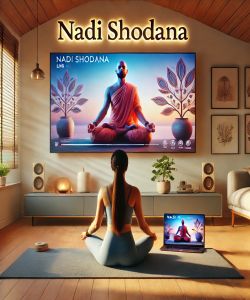
Overview of Nadi Shodana
Nadi Shodana represents a cornerstone of classical yogic pranayama, a sophisticated and systematic breathing technique engineered for profound physiological and psychological regulation. Its fundamental purpose is the purification and harmonisation of the principal energy channels, or ‘nadis’, within the subtle body, primarily the Ida and Pingala nadis, which are analogous to the dual aspects of the autonomic nervous system. By meticulously controlling the breath through alternate nostrils, the practitioner systematically balances the flow of prana, or life-force energy, thereby directly influencing the sympathetic and parasympathetic nervous systems. This disciplined practice transcends mere respiratory exercise; it is a powerful modality for calming the mind, clarifying thought processes, and preparing the consciousness for deeper states of meditation and introspection. Its effects are not transient but cumulative, fostering a state of sustained neurological equilibrium, enhanced respiratory efficiency, and profound internal stillness. The technique demands precision, patience, and unwavering focus, serving as a direct mechanism for mastering the autonomic functions of the body and achieving a state of homeostatic balance. As a foundational practice within Hatha yoga, its mastery is considered an essential prerequisite for advancing into more subtle and potent forms of energy control and spiritual exploration. It is, therefore, not simply a breathing exercise but a critical tool for self-regulation, mental fortitude, and the deliberate cultivation of a tranquil and centred state of being. The disciplined application of Nadi Shodana engenders a resilient nervous system, capable of withstanding external pressures while maintaining internal composure, marking it as an indispensable discipline for any serious practitioner seeking to integrate mind, body, and breath into a cohesive and functional whole. The practice is a testament to the yogic principle that control of the breath is synonymous with control of the mind itself.
What is Nadi Shodana?
Nadi Shodana is a specific and highly structured form of pranayama, or yogic breath control, whose name is derived from Sanskrit. The term itself elucidates its primary function: ‘Nadi’ translates to ‘channel’ or ‘flow’, referring to the network of subtle energy pathways that permeate the body, while ‘Shodana’ means ‘purification’ or ‘cleansing’. Consequently, Nadi Shodana is literally the practice of purifying the energy channels. It is most commonly referred to as Alternate Nostril Breathing, a description that accurately outlines its core mechanic but fails to capture its profound depth and purpose. The technique involves the sequential and controlled inhalation and exhalation of breath through one nostril at a time, while the other is gently occluded. This methodical alternation is designed to directly influence and balance the two dominant energy channels that originate at the base of the spine and terminate in the nostrils:
Ida Nadi: This channel, terminating at the left nostril, is associated with the lunar, cooling, and feminine energies. It corresponds to the parasympathetic nervous system, which governs the body's 'rest and digest' functions, promoting calmness, introspection, and mental relaxation.
Pingala Nadi: Terminating at the right nostril, this channel is linked to the solar, heating, and masculine energies. It corresponds to the sympathetic nervous system, which controls the 'fight or flight' response, governing physical activity, external focus, and metabolic energy.
The central objective of Nadi Shodana is to balance the flow of prana between these two opposing yet complementary channels. An imbalance, where one nadi is overactive, is believed to lead to physical, mental, and emotional disturbances. By regulating the breath through each nostril, the practice systematically harmonises the autonomic nervous system, synchronises the left and right hemispheres of the brain, and facilitates the optimal flow of energy throughout the entire pranic network. This purification and balancing process prepares the body and mind for higher states of awareness, making it an essential preparatory practice for deep meditation and the awakening of the central energy channel, the Sushumna Nadi.
Who Needs Nadi Shodana?
Individuals Experiencing Heightened Stress and Anxiety: Those subjected to persistent psychological pressure or who exhibit symptoms of chronic stress and anxiety require this practice. Nadi Shodana directly engages the parasympathetic nervous system, down-regulating the ‘fight or flight’ response and inducing a state of physiological and mental calm, thereby mitigating the corrosive effects of cortisol and adrenaline.
Professionals in High-Pressure Environments: Executives, emergency service personnel, and other professionals operating in demanding roles must maintain cognitive clarity under duress. The practice enhances focus, improves emotional regulation, and promotes executive functions such as decision-making and problem-solving by balancing the brain's hemispheres and calming the central nervous system.
Practitioners Seeking to Deepen Meditative States: For individuals engaged in meditation, a scattered and agitated mind is the primary obstacle. Nadi Shodana serves as an indispensable preparatory technique, systematically stilling mental fluctuations (vrittis) and cultivating the single-pointed concentration (dharana) necessary for profound and effective meditative practice.
Those Requiring Enhanced Respiratory Function: Individuals with suboptimal breathing patterns, shallow breathers, or athletes seeking to improve respiratory efficiency and vital capacity will find the practice invaluable. It trains the respiratory muscles, promotes full diaphragmatic breathing, and optimises the exchange of oxygen and carbon dioxide at a cellular level.
Persons with Disrupted Sleep Patterns: Individuals suffering from insomnia or poor-quality sleep require tools to regulate their circadian rhythms and prepare the body for rest. Practised before sleep, Nadi Shodana calms the nervous system, reduces mental rumination, and facilitates a smoother transition into deep, restorative sleep cycles.
Individuals Seeking Greater Emotional Equilibrium: Those prone to mood swings, irritability, or emotional reactivity need a mechanism for self-regulation. By harmonising the body's energetic and nervous systems, Nadi Shodana fosters a stable internal environment, promoting emotional resilience and a more measured response to external stimuli.
Origins and Evolution of Nadi Shodana
The origins of Nadi Shodana are firmly rooted in the classical texts of Hatha yoga, which codify the practices aimed at purifying the physical and subtle bodies to prepare for higher states of consciousness. Its earliest comprehensive descriptions are found in seminal yogic treatises such as the Hatha Yoga Pradipika and the Gheranda Samhita, composed several centuries ago. In these foundational texts, Nadi Shodana is not presented as a mere relaxation technique but as a critical and non-negotiable step in the rigorous process of pranayama. Its primary, original purpose was unequivocally spiritual: the purification of the 72,000 nadis, or energy channels, was deemed essential for the awakening of Kundalini, the dormant spiritual energy, and its subsequent ascent through the central channel, the Sushumna Nadi. Without this purification, the flow of prana would remain obstructed, rendering advanced yogic practices both ineffective and potentially hazardous.
Historically, the practice was taught directly from guru to disciple, often involving complex ratios of inhalation, retention, and exhalation, and was integrated with the use of bandhas (energetic locks) and mantras. The emphasis was on meticulous precision and unwavering discipline, with the ultimate goal being the attainment of Samadhi, or enlightenment. The technique was part of a holistic system wherein ethics (yamas and niyamas), posture (asana), and breath control (pranayama) were interwoven stages of a singular path.
In its evolution into the modern era, Nadi Shodana has undergone a significant process of adaptation and secularisation. Twentieth-century yoga masters, such as Swami Sivananda and B.K.S. Iyengar, were instrumental in demystifying the practice and presenting it to a global audience, often highlighting its therapeutic and health-promoting benefits alongside its spiritual significance. This transition saw a simplification of the more esoteric aspects of the technique, making it accessible to lay practitioners outside of a monastic or ashram environment. More recently, the evolution has continued through the lens of modern science. Medical and neurological research has begun to validate the profound effects of alternate nostril breathing on the autonomic nervous system, brainwave patterns, and cardiovascular health. This has led to its integration into clinical settings, corporate wellness programmes, and stress management protocols, often stripped entirely of its spiritual context and presented purely as a powerful bio-hacking tool for mental and physiological regulation. Thus, Nadi Shodana has evolved from a guarded esoteric practice into a widely recognised and scientifically scrutinised technique for well-being.
Types of Nadi Shodana
The practice of Nadi Shodana is not a monolithic technique but exists in several distinct forms, which are introduced progressively as the practitioner's capacity and control develop. Each type builds upon the last, introducing new elements to deepen the physiological and pranic effects.
Anuloma Viloma (Basic Nadi Shodana): This is the foundational form of the practice, suitable for all beginners. It involves the basic mechanic of alternate nostril breathing without any intentional retention of the breath (Kumbhaka). The practitioner inhales through one nostril and immediately exhales through the opposite, followed by an inhalation through that same nostril and exhalation through the first. The focus is purely on establishing a smooth, silent, and rhythmic flow of breath, equalising the duration of the inhalation and exhalation (Sama Vritti). Its primary purpose is to familiarise the practitioner with the technique and begin the initial balancing of the Ida and Pingala nadis.
Nadi Shodana with Antar Kumbhaka (Internal Breath Retention): This intermediate variation is the classical form of the practice. After inhaling through one nostril, the practitioner closes both nostrils and retains the breath for a specified duration before exhaling through the opposite side. This introduction of Antar Kumbhaka significantly amplifies the practice's effects. It increases the absorption of prana, builds internal heat, and exerts a more powerful influence on the autonomic nervous system. This stage requires careful guidance and should only be attempted after mastering the basic form, as improper retention can cause strain.
Nadi Shodana with Antar and Bahir Kumbhaka (Internal and External Retention): This is an advanced form of the practice. It incorporates both internal retention after the inhalation (Antar Kumbhaka) and external retention after the exhalation (Bahir Kumbhaka). After exhaling completely, the practitioner holds the breath out for a specific count before inhaling through the opposite nostril. This addition of external retention is highly potent, creating a profound state of stillness and intensifying the purification process. It demands significant respiratory control and should only be undertaken by experienced practitioners under expert supervision.
Nadi Shodana with Bandhas and Ratios (Advanced Energetic Practice): The most advanced level integrates energetic locks (Bandhas), such as Mula Bandha (root lock) and Jalandhara Bandha (throat lock), during breath retention. Furthermore, it employs specific, unequal ratios (Vishama Vritti) for inhalation, retention, and exhalation (e.g., 1:4:2). This form transforms the practice from a primarily physiological exercise into a powerful tool for directing prana and awakening higher states of consciousness. This is the technique in its most esoteric and powerful form, intended for dedicated yogis.
Benefits of Nadi Shodana
Harmonises the Autonomic Nervous System: Systematically balances the activity of the sympathetic (fight-or-flight) and parasympathetic (rest-and-digest) nervous systems, inducing a state of deep physiological equilibrium and reducing the chronic impact of stress.
Enhances Respiratory Function and Efficiency: Promotes deep, diaphragmatic breathing, increasing vital lung capacity and improving the efficiency of gaseous exchange. It cleanses the respiratory passages and strengthens the muscles associated with breathing.
Synchronises Cerebral Hemispheres: The alternating pattern of breathing is demonstrated to balance the activity between the left and right hemispheres of the brain, leading to improved cognitive function, enhanced focus, emotional stability, and greater mental clarity.
Reduces Stress and Anxiety Levels: By directly activating the parasympathetic nervous system, the practice significantly lowers levels of stress hormones such as cortisol, calms the mind, and alleviates symptoms associated with anxiety and mental agitation.
Improves Cardiovascular Health: Regular practice contributes to the regulation of heart rate and blood pressure. By reducing stress and improving oxygenation, it supports overall cardiovascular function and resilience.
Purifies Subtle Energy Channels: In accordance with yogic physiology, the practice cleanses and purifies the nadis (energy channels), removing pranic blockages and facilitating the smooth and balanced flow of life-force energy throughout the body.
Prepares the Mind for Meditation: It is an unparalleled preparatory technique for deep meditation. By stilling the fluctuations of the mind and fostering a state of single-pointed concentration, it allows the practitioner to enter meditative states more easily and profoundly.
Promotes Emotional Regulation: By fostering a state of internal balance, Nadi Shodana provides a powerful tool for managing emotional reactivity. It creates a buffer between stimulus and response, allowing for more measured and conscious emotional expression.
Supports Detoxification Processes: The deep, controlled breathing enhances lymphatic circulation and the elimination of metabolic waste products and toxins from the body, supporting overall cellular health.
Core Principles and Practices of Nadi Shodana
Stable and Erect Posture (Asana): The practitioner must assume a comfortable, stable, seated posture with the spine fully erect and elongated. Positions such as Sukhasana (Easy Pose) or Padmasana (Lotus Pose) are traditional. A misaligned or slumped spine impedes the flow of breath and prana, compromising the technique's efficacy. The body must remain still throughout the practice.
Precise Hand Gesture (Mudra): The right hand must be used to regulate the flow of breath through the nostrils, employing the Vishnu Mudra. In this mudra, the index and middle fingers are folded down to the base of the thumb. The thumb is used to close the right nostril, and the ring and little fingers are used to close the left nostril. This specific hand position is non-negotiable for the formal practice.
Controlled and Silent Breathing: The breath must be absolutely smooth, subtle, and silent. There must be no sound or force during inhalation or exhalation. The control must originate from the diaphragm, not from the chest or throat. Any jerking, gasping, or strained breathing indicates a loss of control and negates the benefits of the practice.
Systematic Alternation: The sequence of breathing is rigorously defined and must be adhered to without deviation. A full round consists of an inhalation through the left nostril, exhalation through the right, inhalation through the right, and finally, exhalation through the left. This systematic pattern is fundamental to balancing the Ida and Pingala nadis.
Focused Awareness (Dharana): The practitioner's mind must be fully engaged and focused on the practice. Awareness should be directed towards the sensation of the breath as it flows through the nasal passages and the precise count of each phase of the breath cycle. A wandering mind renders the practice a purely mechanical and ineffective exercise.
Progressive Introduction of Retention and Ratios: Beginners must commence with simple alternate nostril breathing without breath retention (Kumbhaka). Only after mastery of this foundation can internal retention be introduced, followed by external retention and specific breath ratios (e.g., 1:4:2). This principle of gradual progression is imperative to avoid placing undue strain on the respiratory and nervous systems.
Consistency of Practice: The cumulative benefits of Nadi Shodana are realised through regular, daily practice, not through sporadic, lengthy sessions. A short, consistent daily discipline is infinitely more potent than infrequent and intensive efforts. It should ideally be practised on an empty stomach, typically in the early morning.
Online Nadi Shodana
Unparalleled Accessibility and Geographic Independence: Online instruction removes all geographical barriers, granting individuals access to highly qualified and specialised instructors from anywhere in the world. A practitioner is no longer limited by the expertise available in their immediate locality but can connect with a master teacher whose lineage and style align with their specific goals. This democratises access to authentic instruction.
Structured and Consistent Learning Environment: A formal online course provides a structured, progressive curriculum that ensures foundational principles are mastered before advancing to more complex techniques like breath retention or specific ratios. This systematic approach, delivered consistently through a digital platform, prevents the haphazard learning that often occurs with self-study and ensures a safe, logical progression.
Enhanced Comfort and Privacy: Practising within one's own private space eliminates the potential for self-consciousness or distraction that can arise in a group setting. This personal sanctuary fosters a deeper level of introspection and concentration, allowing the practitioner to focus entirely on the subtleties of the breath without external disturbances or social pressures.
Convenience and Integration into Daily Life: Online sessions offer superior scheduling flexibility, allowing individuals to integrate this potent practice into their lives without the logistical burdens of travel time and commuting to a physical studio. This convenience is a critical factor in establishing the daily consistency that is essential for realising the cumulative benefits of Nadi Shodana.
Resource Availability and Reinforcement: Digital platforms often provide supplementary materials, including recorded sessions for review, theoretical documents, and guided audio practices. This allows the practitioner to revisit instructions and practise independently with accurate guidance between live sessions, significantly reinforcing the learning process and deepening their understanding.
Personalised Feedback through Technology: Contrary to assumptions, one-on-one online sessions can offer highly focused and personalised feedback. With clear audio-visual technology, a skilled instructor can observe the practitioner's posture, listen for the quality of their breath, and provide precise, real-time corrections, ensuring the technique is performed with the required integrity and safety.
Nadi Shodana Techniques
The execution of Nadi Shodana demands unwavering precision and adherence to a prescribed methodology. The following steps delineate the foundational technique, which must be mastered before any advanced variations are attempted.
Step One: Assume a Stable Posture.
Sit in a comfortable, cross-legged position such as Sukhasana or Siddhasana, ensuring the spine is fully erect, the shoulders are relaxed, and the head is aligned with the spine. The hands should rest on the knees, palms facing upwards or downwards. Close your eyes and allow the body to become perfectly still.
Step Two: Adopt the Vishnu Mudra.
Raise your right hand. Fold the index and middle fingers into the palm so they rest at the base of the thumb. The thumb, ring finger, and little finger should remain extended. This specific hand configuration is the Vishnu Mudra, used to regulate the nostrils.
Step Three: Prepare for the First Round.
Bring the right hand towards your face. Take a deep, preparatory breath in and out through both nostrils. At the end of the exhalation, gently close the right nostril with the pad of your right thumb.
Step Four: Inhale Through the Left Nostril.
Inhale slowly, deeply, and silently through the open left nostril. The breath must be smooth and controlled, originating from the diaphragm. Fill the lungs completely but without any strain. A standard count of four is a suitable starting point.
Step Five: Exhale Through the Right Nostril.
After the inhalation is complete, gently close the left nostril using your ring and little fingers, simultaneously releasing the pressure from your thumb on the right nostril. Exhale slowly and completely through the now open right nostril. The exhalation should be at least as long as the inhalation, aiming for a count of four or longer.
Step Six: Inhale Through the Right Nostril.
Keeping the left nostril closed, inhale slowly and deeply through the right nostril, maintaining the same smooth and silent quality of breath as before, to the same count of four.
Step Seven: Complete the Round by Exhaling Through the Left Nostril.
After the inhalation is complete, close the right nostril with your thumb and release the left nostril. Exhale fully and slowly through the left nostril to the same count. This entire sequence constitutes one complete round of Nadi Shodana. Continue for a minimum of five to ten rounds, maintaining unbroken focus.
Nadi Shodana for Adults
Nadi Shodana is a singularly potent discipline for the modern adult, offering a direct and effective antidote to the pervasive challenges of contemporary life. For the adult mind, often besieged by professional demands, financial pressures, and relentless digital stimuli, the practice serves as a non-negotiable tool for neurological down-regulation. It is not a passive relaxation method but an active intervention that systematically calms the sympathetic nervous system's chronic 'fight or flight' state, which is a hallmark of adult stress. By enforcing a slow, deliberate rhythm of breathing, it interrupts the cycle of anxiety and mental rumination, fostering the mental clarity required for complex problem-solving and effective decision-making. Furthermore, for an adult physiology that may be compromised by a sedentary lifestyle and suboptimal breathing habits, Nadi Shodana functions as a powerful form of respiratory recalibration. It re-engages the diaphragm, increases vital lung capacity, and optimises blood oxygenation, thereby enhancing overall vitality and cognitive function. The practice also provides a crucial mechanism for emotional regulation, an essential skill for navigating interpersonal relationships and professional hierarchies. By creating a state of internal equilibrium, it allows the adult to respond to external triggers with measured composure rather than reactive emotion. It is a mature practice for a mature mind, demanding a level of discipline and self-awareness that adults are uniquely positioned to cultivate. It offers a tangible method for taking command of one's own internal state, moving from being a passive recipient of stress to an active architect of one's own composure and resilience. For the adult, it is a pragmatic and powerful strategy for maintaining peak performance, mental fortitude, and physiological balance in a world that consistently seeks to undermine them.
Total Duration of Online Nadi Shodana
A comprehensive and professionally conducted online Nadi Shodana session is structured to a total duration of 1 hr. This specific timeframe is not arbitrary but is meticulously designed to ensure a holistic and effective learning experience that extends beyond the mere mechanical practice of the technique itself. The 1 hr duration is imperative to accommodate all necessary components for safe, deep, and integrated practice. A typical session is systematically partitioned to include a preliminary phase of grounding and gentle physical preparation, ensuring the practitioner is physically settled and mentally receptive. This is followed by a detailed theoretical component, where the instructor clarifies the principles, purpose, and subtle aspects of the technique, which is critical for an online format where physical demonstration is limited. The core of the 1 hr session is dedicated to the guided practice of Nadi Shodana itself, allowing sufficient time for multiple rounds, potential introduction of new elements like breath retention, and focused observation by the instructor. This extended practice period is vital for the practitioner to move beyond conscious effort and begin to experience the technique's deeper neurological and pranic effects. Following the active practice, a crucial period of integration is required, often involving quiet observation or a short Savasana (Corpse Pose), allowing the nervous system to absorb and normalise the changes induced by the pranayama. The final segment of the 1 hr is allocated for direct interaction, feedback, and the addressing of any specific questions or difficulties encountered by the practitioner. This complete structure, which can only be properly executed within a 1 hr timeframe, transforms the session from a simple exercise into a profound educational and transformative experience. Anything less would be an abridged and incomplete disservice to the practice.
Things to Consider with Nadi Shodana
Before and during the engagement with Nadi Shodana, several critical factors must be rigorously considered to ensure both the safety and efficacy of the practice. It is imperative to approach this technique not as a trivial breathing game but as a potent physiological intervention. The practice must always be performed on an empty or near-empty stomach, with a minimum interval of three to four hours after a substantial meal, to prevent discomfort and allow for full diaphragmatic movement. The choice of environment is paramount; a quiet, clean, and well-ventilated space, free from distractions, is non-negotiable for facilitating the required level of concentration. Consistency must be prioritised over intensity or duration. A short, disciplined daily practice yields far greater cumulative benefits than sporadic, lengthy sessions. Practitioners must remain acutely aware of their own physical and mental state, immediately ceasing the practice if any signs of dizziness, light-headedness, headache, or undue anxiety arise. The breath must never be forced. Any strain, particularly during the introduction of breath retention (Kumbhaka), is a clear indication that one is exceeding their current capacity and must revert to a more basic form of the practice. Furthermore, individuals with specific medical conditions, such as severe respiratory ailments, uncontrolled high blood pressure, or significant cardiovascular issues, must seek guidance from a qualified medical professional before commencing. The guidance of a competent and experienced instructor is not a luxury but a necessity, particularly when advancing beyond the basic technique, to ensure correct form and safe progression. Self-discipline is the foundation, but it must be tempered with self-awareness and respect for the body's limits.
Effectiveness of Nadi Shodana
The effectiveness of Nadi Shodana is both profound and empirically verifiable, extending far beyond the esoteric claims of ancient yogic texts. Its potency lies in its direct and systematic influence on the autonomic nervous system, the primary regulatory mechanism of the body's involuntary functions. By controlling the breath through alternate nostrils, the practice creates a rhythmic oscillation that directly balances the sympathetic (activating) and parasympathetic (calming) branches of the nervous system. This is not a matter of belief but of physiological reality. The immediate result is a measurable reduction in heart rate, a lowering of blood pressure, and a decrease in the production of stress hormones like cortisol, leading to a tangible state of deep relaxation and mental quietude. On a neurological level, Nadi Shodana has been demonstrated to promote hemispheric synchronization, fostering a state of whole-brain functioning. This balancing of the left and right cerebral hemispheres correlates with enhanced cognitive abilities, including improved focus, greater emotional stability, and heightened creative problem-solving skills. The practice is also exceptionally effective as a tool for respiratory re-education, correcting shallow, inefficient breathing patterns and optimising oxygen uptake and carbon dioxide elimination. This improved gaseous exchange enhances cellular respiration and overall vitality. Its cumulative effectiveness is seen in the development of a resilient nervous system, one that is less prone to hyper-reactivity and better equipped to handle external stressors. Therefore, the effectiveness of Nadi Shodana is not abstract; it is a direct consequence of its ability to fundamentally recalibrate the body's core physiological and neurological systems, making it one of the most powerful self-regulation techniques available.
Preferred Cautions During Nadi Shodana
It is imperative that the practice of Nadi Shodana be approached with a stringent and uncompromising adherence to specific cautions to prevent adverse effects. This technique, while beneficial, is a powerful intervention and must be treated with respect. Under no circumstances should the breath be forced, strained, or pushed beyond its natural capacity. Any sensation of gasping for air, dizziness, or pressure in the head is an unequivocal signal to cease the practice immediately and rest. Individuals with uncontrolled high blood pressure or significant cardiovascular conditions must exercise extreme caution, particularly with the introduction of breath retention (Kumbhaka), which can temporarily elevate blood pressure. For such individuals, the practice should be restricted to simple alternate breathing without any holds, and only under the guidance of a highly qualified instructor who is aware of their condition. Similarly, those with acute respiratory illnesses such as asthma, bronchitis, or a severe cold or flu must abstain from the practice until they have fully recovered, as it can exacerbate their symptoms. The practice is strictly contraindicated during a fever. Pregnant individuals should also seek expert medical and yogic guidance, as advanced forms involving prolonged retention are generally not recommended. It is a fundamental rule that one must listen to the body’s intrinsic feedback. Any form of discomfort is a clear directive to reduce the intensity or duration. Ignoring these signals in pursuit of a preconceived goal is not discipline; it is recklessness and counterproductive to the very purpose of the practice, which is to create harmony, not strain.
Nadi Shodana Course Outline
Module 1: Foundational Theory and Principles
Introduction to Pranayama: The Science of Breath Control.
The Yogic Concept of Prana, Nadis (Ida, Pingala, Sushumna), and the Subtle Body.
Physiological Impact: The Autonomic Nervous System and Brain Hemispheres.
The Importance of Posture (Asana) and Hand Gesture (Mudra).
Module 2: Preparatory Practices and Breath Awareness
Establishing a Stable Seated Posture: Spinal Alignment and Physical Stillness.
Diaphragmatic Breathing: Mastering the Foundation of All Pranayama.
Techniques for Cultivating Breath Awareness and Sensitivity.
Introduction to Vishnu Mudra: Correct Hand and Finger Placement.
Module 3: The Core Technique of Nadi Shodana (Anuloma Viloma)
Step-by-Step Instruction in Alternate Nostril Breathing without Retention.
Establishing a Smooth, Silent, and Rhythmic Breath Flow.
The Principle of Sama Vritti: Equalising the Inhalation and Exhalation.
Guided Practice Sessions and Troubleshooting Common Errors.
Module 4: Introduction to Internal Breath Retention (Antar Kumbhaka)
The Theory and Purpose of Kumbhaka.
Safety Protocols and Contraindications for Breath Retention.
Technique for Incorporating a Short, Comfortable Pause After Inhalation.
Progressive Guidance on Extending the Duration of Retention Safely.
Module 5: Advanced Refinements and Energetic Locks
Introduction to Vishama Vritti: Exploring Unequal Breath Ratios (e.g., 1:2, 1:4:2).
The Theory and Practice of Jalandhara Bandha (Throat Lock) during Retention.
Understanding the Integration of Mula Bandha (Root Lock) for Advanced Practitioners.
Note: This module is for experienced practitioners only.
Module 6: Integration and Establishing a Personal Practice
Structuring a Personal Daily Nadi Shodana Routine.
Integrating Nadi Shodana as a Preparation for Meditation.
Techniques for Post-Practice Integration and Observation of Effects.
Long-Term Progression and Deepening the Practice.
Detailed Objectives with Timeline of Nadi Shodana
Initial Phase (Weeks 1–4): Foundational Competence and Routine Establishment
Objective: To achieve complete technical mastery of the basic Nadi Shodana technique (Anuloma Viloma) without breath retention. This includes correct posture, hand mudra, and a smooth, silent breath flow. The practitioner will establish a consistent daily practice of at least ten rounds.
Timeline: By the end of the first month, the practice should feel natural and integrated, with a noticeable initial calming effect on the nervous system.
Developmental Phase (Months 2–3): Increased Capacity and Introduction to Retention
Objective: To significantly increase breath capacity and control, and to safely introduce and normalise the practice of internal breath retention (Antar Kumbhaka) for a short, comfortable duration. The practitioner will begin working with a basic 1:1:1 or 1:1:2 ratio (inhale:hold:exhale).
Timeline: Within this period, the practitioner should be able to comfortably hold the breath without strain and will begin to experience more profound states of mental stillness and reduced baseline anxiety.
Consolidation Phase (Months 4–6): Refinement of Retention and Ratios
Objective: To consolidate the practice with internal retention, gradually and safely increasing the duration of the hold. The practitioner will begin to explore more advanced breath ratios, such as 1:2:2 or 1:4:2, under guidance, thereby deepening the physiological impact.
Timeline: By the six-month mark, the practitioner will possess a high degree of respiratory control. The benefits of enhanced focus, emotional equilibrium, and cognitive clarity will become consistently apparent in daily life.
Advanced Phase (Months 7–12): Integration of Advanced Techniques
Objective: For dedicated practitioners, this phase involves the introduction of external breath retention (Bahir Kumbhaka) and the integration of energetic locks (Bandhas) during retention periods. The focus shifts from technique to the subtle energetic effects of the practice.
Timeline: By the end of the first year, the practitioner will have transformed Nadi Shodana from a simple technique into a potent tool for deep internal work, using it effectively to prepare for profound meditative states.
Mastery Phase (Ongoing): Autonomous Practice and Integration
Objective: To integrate Nadi Shodana as a core, intuitive component of one's personal wellness and spiritual discipline. The practitioner becomes self-sufficient, able to adapt the practice (ratios, duration, intensity) to their specific daily needs.
Timeline: This is a lifelong stage where the practice becomes a fundamental and indispensable tool for maintaining lifelong mental and physiological homeostasis.
Requirements for Taking Online Nadi Shodana
To engage effectively and professionally in an online Nadi Shodana course, the following requirements are not optional suggestions but mandatory prerequisites for participation.
A High-Speed, Stable Internet Connection: A reliable and uninterrupted broadband connection is non-negotiable. Any latency, buffering, or connection loss will disrupt the subtle and continuous nature of the guided practice and compromise the integrity of the instruction.
A Functional Computing Device with High-Quality Peripherals: A laptop, tablet, or desktop computer with a clear, high-resolution webcam and a sensitive microphone is essential. The instructor must be able to visually assess your posture and audibly discern the quality of your breath for safety and accurate guidance.
A Dedicated, Private, and Uninterrupted Space: The practitioner must secure a physical space that is quiet, clean, and entirely free from the possibility of interruption from other people, pets, or background noise for the full duration of the session. This is an absolute requirement for achieving the necessary concentration.
Appropriate and Unrestrictive Attire: Clothing must be comfortable and allow for complete freedom of movement, particularly around the abdomen and chest, to facilitate full diaphragmatic breathing. It must be modest and professional in appearance.
Essential Yogic Props: The practitioner must possess a yoga mat and a firm cushion or block (such as a zafu or bolster) to sit on. These are not accessories but necessary tools to ensure a stable, erect posture can be maintained without physical strain throughout the practice.
Commitment to Punctuality and Full Engagement: Participants are required to log in several minutes before the scheduled start time to resolve any technical issues. Once the session begins, there must be a firm commitment to remain present and engaged, with all other applications, devices, and potential distractions disabled.
A Non-Negotiable Commitment to Personal Accountability: In an online setting, the onus is on the practitioner to honestly communicate any physical limitations or discomfort to the instructor and to practise with self-awareness and integrity, without pushing beyond their safe capacity.
Things to Keep in Mind Before Starting Online Nadi Shodana
Before commencing any online Nadi Shodana programme, a disciplined and discerning approach is imperative. The digital landscape is populated with instructors of vastly different calibre, and rigorous due diligence is the practitioner's first responsibility. It is essential to thoroughly investigate the credentials, lineage, and experience of any potential instructor. Seek out those with formal certifications in pranayama from recognised institutions and with a substantial history of dedicated personal practice and teaching. Do not be swayed by superficial marketing. Furthermore, one must recognise that the online format demands a higher degree of personal discipline and self-motivation than an in-person class. The onus for creating a sacred and distraction-free environment falls entirely upon you. You must proactively ensure your technological setup—internet connection, camera, and microphone—is tested and fully functional well in advance of any session to prevent disruptive technical failures. It is also your duty to communicate transparently and proactively with the instructor before the course begins, disclosing any pre-existing health conditions, particularly respiratory or cardiovascular issues, so that they can provide appropriate modifications and safety guidance. Finally, understand that while online instruction offers immense convenience, it cannot replicate the subtle energetic exchange or the immediate, hands-on physical adjustments of an on-site class. One must therefore enter the process with realistic expectations and a heightened sense of self-awareness, taking full responsibility for one's own practice and safety within the provided expert framework.
Qualifications Required to Perform Nadi Shodana
The instruction and guidance of Nadi Shodana is a serious responsibility that must not be undertaken by unqualified or inexperienced individuals. To perform this role competently and safely, a teacher must possess a specific and robust set of qualifications that go far beyond a superficial understanding of the technique. The absolute minimum requirement is a formal certification from a recognised and reputable yoga school, typically at an advanced level (e.g., RYT-500 or equivalent) with a specific and documented specialisation in pranayama. This formal training ensures a thorough grounding in anatomy, physiology, and yogic philosophy. However, certification alone is insufficient. A truly qualified instructor must also demonstrate:
A Long-Standing Personal Practice: It is impossible to guide others through the subtleties of a pranayama practice without having navigated them oneself over many years. The instructor must have a deep, personal, and consistent Nadi Shodana practice as a non-negotiable foundation of their expertise.
In-Depth Knowledge of Respiratory Anatomy and Physiology: The instructor must possess a comprehensive understanding of the mechanics of breathing, the function of the diaphragm, the autonomic nervous system, and the cardiovascular system. This knowledge is critical for providing safe instruction and understanding contraindications.
Proficiency in Identifying and Correcting Errors: A qualified teacher can discern subtle errors in a student's practice—such as a noisy breath, facial tension, or improper posture—and provide clear, concise instructions for correction, even in an online setting.
A Thorough Understanding of Contraindications and Modifications: The instructor must be fully aware of the conditions for which Nadi Shodana may be unsuitable or require significant modification (e.g., high blood pressure, pregnancy, anxiety disorders) and have the competence to adapt the practice accordingly for individual needs.
Without this combination of formal training, deep personal experience, and specific technical knowledge, an individual is not qualified to lead others in this powerful practice.
Online Vs Offline/Onsite Nadi Shodana
Online
The primary advantage of engaging with Nadi Shodana instruction online is its unparalleled accessibility and convenience. Geographical constraints are rendered irrelevant, providing practitioners with access to a global pool of elite, specialised instructors who would otherwise be unreachable. This allows for a precise matching of teacher expertise to student needs, irrespective of location. The online format offers superior scheduling flexibility, enabling the seamless integration of practice into demanding professional and personal lives without the added time and cost of commuting. Furthermore, practising within the privacy and comfort of one's own home can be highly conducive to the introspective nature of pranayama, eliminating potential distractions or self-consciousness associated with a group studio environment. Digital platforms also facilitate the provision of supplementary learning resources, such as recorded sessions and theoretical notes, which can be reviewed at leisure to reinforce understanding. However, the online modality demands a higher degree of self-discipline from the practitioner to create a focused environment and relies heavily on the quality of technology. The instructor’s ability to make subtle physical corrections is inherently limited.
Offline/Onsite
The offline, or onsite, instructional setting offers a distinct set of powerful advantages. The most significant of these is the immediacy and precision of feedback. An instructor present in the same room can provide direct, hands-on adjustments to posture and can perceive the subtlest nuances in a student's breath and energy that are simply not transmissible through a screen. This ensures a level of technical refinement that is challenging to achieve remotely. The collective energy of a group (satsang) practising together can create a potent, supportive, and focused atmosphere that deepens the individual's experience. An onsite environment removes all domestic distractions, creating a dedicated, sanctified space for practice that encourages a deeper level of commitment and presence. It also fosters a direct and personal relationship between the instructor and the student, which can be crucial for long-term guidance and mentorship. The disadvantages lie in the logistical requirements: geographical limitation to local instructors, fixed class schedules, and the time and expense associated with travel.
FAQs About Online Nadi Shodana
Question 1. Is online Nadi Shodana safe for an absolute beginner?
Answer: Yes, provided it is taught by a qualified and experienced instructor in a live, interactive session. A competent teacher will begin with the most basic form and provide real-time feedback to ensure safety and correct technique.
Question 2. What technology do I absolutely need?
Answer: A device with a stable internet connection, a high-quality webcam, and a clear microphone. These are non-negotiable for the instructor to guide you effectively.
Question 3. Can an instructor really correct my breathing online?
Answer: Yes. A skilled instructor can assess your posture visually and listen intently to the sound and rhythm of your breath to identify issues like strain, shallowness, or noise, providing precise verbal cues for correction.
Question 4. What if I feel dizzy during the online session?
Answer: You must stop the practice immediately, resume normal breathing, and inform your instructor using the microphone. This is a crucial safety protocol.
Question 5. How long before a session should I avoid eating?
Answer: It is imperative to have an empty stomach. A minimum of three to four hours should pass after a main meal.
Question 6. What is the best time of day to practise online?
Answer: Early morning is traditionally considered ideal as the mind is clearer and the atmosphere is calm. However, consistency is more important than timing.
Question 7. Can I practise with a cold or blocked nose?
Answer: No. The practice is contraindicated if the nasal passages are blocked. You must wait until you are fully recovered.
Question 8. Will I need any special equipment?
Answer: Yes. A yoga mat for a stable base and a firm cushion or block to sit on to maintain an erect spine are essential requirements.
Question 9. Are recorded sessions as good as live ones?
Answer: No. Recorded sessions are useful for supplementary practice but lack the critical element of live, personalised feedback and safety monitoring.
Question 10. How do I choose a qualified online instructor?
Answer: Scrutinise their credentials. Look for advanced certifications (e.g., RYT-500) with a specialisation in pranayama from a recognised yoga institution and evidence of extensive teaching experience.
Question 11. Can Nadi Shodana help with my anxiety?
Answer: The practice is highly effective at calming the nervous system and is widely used as a tool to manage symptoms of stress and anxiety.
Question 12. Do I need to be flexible to do Nadi Shodana?
Answer: No. The only physical requirement is the ability to sit upright comfortably, which can be achieved with the support of cushions or even a chair.
Question 13. How many times a week should I attend an online class?
Answer: One or two live instructional classes per week are sufficient for learning, but they must be supplemented by your own short, daily personal practice.
Question 14. Is it better to have my camera on or off?
Answer: Your camera must be on. It is a mandatory requirement for any responsible instructor to visually monitor your posture and practice for safety.
Question 15. What if my house is noisy?
Answer: It is your responsibility to secure a quiet, private space. If this is not possible, you should not enrol in a live online course, as it will disrupt your practice and potentially the class.
Question 16. Can I practise Nadi Shodana if I have high blood pressure?
Answer: You must consult your doctor first. If approved, you must inform your instructor and only practise the basic form without any breath retention.
Conclusion About Nadi Shodana
In conclusion, Nadi Shodana stands as a paramount and indispensable discipline within the sophisticated science of pranayama. It is far more than a simple respiratory exercise; it is a potent and precise technology for the systematic purification of the body's subtle energy channels and the deliberate regulation of the autonomic nervous system. Its dual capacity to induce profound states of mental tranquillity while simultaneously optimising core physiological functions marks it as a uniquely effective tool for achieving holistic balance. The methodical alternation of breath serves as a direct interface with the deepest regulatory systems of the human organism, harmonising the opposing forces of the sympathetic and parasympathetic nervous systems and synchronising the hemispheres of the brain. The mastery of this technique engenders not only a state of immediate calm but also cultivates long-term neurological resilience, enhanced cognitive function, and profound emotional equilibrium. Whether approached for its scientifically validated therapeutic benefits or for its traditional role as a gateway to deeper meditative states, its relevance is undiminished. Nadi Shodana is a testament to the yogic principle that through the conscious control of the breath, one gains ultimate command over the mind and body. It is a foundational, powerful, and enduring practice for any individual committed to the serious pursuit of self-mastery, stability, and inner silence.