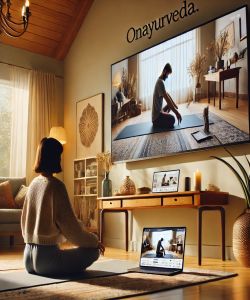
Overview of Postpartum Yoga
Postpartum yoga constitutes a highly specialised and targeted discipline, engineered explicitly for the unique physiological and psychological requirements of the postnatal period. It is not merely a gentler version of a standard yoga practice; rather, it is a therapeutic modality designed to facilitate a systematic and safe recovery following the immense stresses of pregnancy and childbirth. The practice rigorously addresses the profound changes the body undergoes, focusing on the rehabilitation of the pelvic floor, the realignment of the spine and pelvis, and the controlled re-engagement of the abdominal musculature, particularly in cases of diastasis recti. Beyond the purely physical, its scope extends to providing critical emotional and mental support during a time of significant transition and potential vulnerability. Through a structured integration of modified asanas (postures), pranayama (breathing techniques), and meditative practices, postpartum yoga provides a robust framework for restoring strength, stability, and a sense of internal equilibrium. It commands a deep respect for the body’s healing timeline, eschewing aggressive or high-impact movements in favour of mindful, anatomically intelligent sequencing. This discipline serves as a foundational tool, empowering individuals to navigate the postpartum landscape with increased resilience, physical integrity, and psychological fortitude. It is an essential, not an ancillary, component of comprehensive postnatal care, providing a structured pathway from the immediate aftermath of birth towards a state of renewed and sustainable wellbeing. The inherent principles of this practice demand a deliberate and informed approach, ensuring that every movement and breath contributes directly to the restorative process, making it an indispensable resource for postpartum recovery.
What is Postpartum Yoga?
Postpartum yoga is a definitive, purpose-driven practice meticulously adapted to support the body’s recovery journey after childbirth. It is fundamentally distinct from general yoga, as its primary mandate is restorative and rehabilitative, not performance-oriented. The entire framework is built upon anatomical intelligence and a profound understanding of the postnatal body’s specific vulnerabilities and needs. The practice places uncompromising emphasis on several key areas that are fundamentally altered by pregnancy and delivery. Firstly, it focuses on the systematic reconditioning of the pelvic floor muscles, which are subjected to immense strain, to restore tone and function, thereby mitigating issues such as incontinence and prolapse. Secondly, it employs targeted techniques to address the abdominal wall, carefully promoting the healing of diastasis recti—the separation of the rectus abdominis muscles—through controlled core activations rather than conventional, and potentially damaging, abdominal exercises. Thirdly, postpartum yoga works to correct postural misalignments that develop during pregnancy, such as an exaggerated lumbar curve, by strengthening the posterior chain muscles, including the glutes and back extensors, whilst releasing tension in the chest and shoulders, often exacerbated by feeding and carrying a newborn. Furthermore, the practice integrates specific pranayama techniques designed to calm the nervous system, combat fatigue, and manage the emotional fluctuations common in the postpartum period. It provides a sanctioned space for new mothers to reconnect with their bodies in a non-judgemental, supportive manner, fostering a sense of ownership and confidence in their physical and mental resilience during a period of profound change.
Who Needs Postpartum Yoga?
Individuals who have recently given birth, irrespective of the delivery method (vaginal or caesarean section), requiring a structured and safe method for physical recovery. Medical clearance to commence gentle exercise is a non-negotiable prerequisite.
Persons experiencing pelvic floor dysfunction post-delivery, including but not limited to stress urinary incontinence, pelvic organ prolapse, or a general sensation of pelvic instability and weakness.
Individuals diagnosed with or suspecting the presence of diastasis recti, the separation of the abdominal muscles, who require specialised, non-injurious techniques to facilitate the closure and strengthening of the abdominal wall.
Mothers suffering from common postnatal musculoskeletal complaints, such as lower back pain, sciatica, sacroiliac joint discomfort, and significant postural imbalances resulting from the biomechanical shifts of pregnancy and the new demands of infant care.
Individuals experiencing heightened levels of stress, anxiety, or symptoms of postnatal depression. The practice provides regulatory breathing techniques and mindful focus to help manage and alleviate these psychological burdens.
New mothers grappling with significant fatigue and sleep deprivation, who require a restorative practice that energises the body without depleting finite energy reserves.
Persons seeking to re-establish a connection with their own body after the transformative experience of childbirth, fostering a sense of control, acceptance, and positive body image during a period of physical change.
Individuals who wish to rebuild foundational strength and stability in a progressive and anatomically sound manner before returning to more vigorous or high-impact forms of exercise.
Mothers who feel isolated and desire a supportive, non-competitive environment to focus on their own wellbeing, even if practised online, creating a dedicated time for self-care.
Any postpartum individual committed to a proactive and holistic approach to their long-term health, recognising that a properly managed recovery is critical for future physical resilience and function.
Origins and Evolution of Postpartum Yoga
The conceptual underpinnings of postpartum yoga are deeply rooted in the ancient traditions of classical yoga, which have long recognised the distinct physiological stages of a woman's life. Whilst traditional yogic texts may not have codified a practice labelled "postpartum yoga" in the modern sense, the principles of ahimsa (non-harming), mindful movement, and pranayama (breath control) provided a natural foundation for restorative practices. Ancient systems of medicine, such as Ayurveda, have always emphasised a specific period of rest and rejuvenation for new mothers, known as the 'sacred window', and yogic practices were often integrated into this holistic recovery model. The emphasis was on gentle movements, nourishment, and practices that balanced the body's energies, or doshas, after the depleting process of childbirth.
The evolution into a distinct, formalised discipline is a more recent phenomenon, emerging primarily in the West during the latter half of the twentieth century. This development was driven by a confluence of factors: a growing appreciation for yoga's therapeutic benefits, an increased focus on women's health, and a medical community that began to recognise the importance of specialised postnatal physical therapy. Pioneers in the field of yoga for women's health started to systematically adapt traditional asanas to address the specific anatomical and physiological realities of the postpartum body. They rigorously analysed which postures were beneficial and, critically, which were contraindicated, particularly concerning the pelvic floor and abdominal wall.
In the contemporary era, postpartum yoga has undergone further refinement, heavily informed by modern physiotherapy, biomechanics, and perinatal psychology. The practice is no longer a generic, gentle flow but a highly technical and evidence-informed modality. Instructors are now expected to possess detailed knowledge of conditions like diastasis recti, pelvic organ prolapse, and the hormonal landscape of the postnatal period. The integration of trauma-informed principles has also become paramount, acknowledging that childbirth can be a psychologically challenging experience. This modern iteration of postpartum yoga represents a sophisticated synthesis of ancient wisdom and contemporary scientific understanding, offering a comprehensive and indispensable tool for recovery in the modern world.
Types of Postpartum Yoga
Restorative Postpartum Yoga: This is the most gentle and foundational form, designed for the immediate postpartum period once medical clearance is granted. It places absolute emphasis on relaxation and passive stretching. The practice utilises an extensive array of props such as bolsters, blankets, and blocks to support the body completely in each posture. Poses are held for extended durations to encourage the nervous system to shift into a parasympathetic (rest and digest) state, facilitating deep healing, reducing stress hormones, and combating profound fatigue without exerting the body.
Hatha-Based Postpartum Yoga: This type provides a more structured, yet still gentle, introduction to re-engaging the body. It focuses on fundamental, static postures (asanas) linked with conscious breathing (pranayama). The pace is deliberately slow and methodical, allowing for a meticulous focus on pelvic and spinal alignment, the initial re-engagement of the deep core muscles, and the release of tension in common areas like the shoulders, neck, and lower back. It serves as a critical bridge from purely restorative work to more dynamic movement.
Pelvic Floor and Core Reintegration Yoga: This is a highly specialised and technical form of postpartum yoga that concentrates almost exclusively on the rehabilitation of the deep core canister, which includes the diaphragm, transverse abdominis, multifidus, and pelvic floor muscles. It employs subtle, targeted micro-movements and breath-cued activations rather than traditional yoga poses. The objective is precise muscular re-education to restore synergistic function, essential for addressing diastasis recti and pelvic floor dysfunction.
Vinyasa-Modified Postpartum Yoga: Suited for individuals further along in their recovery, this type introduces a gentle, continuous flow, linking movement with breath. All transitions and postures are rigorously modified to be safe for the postnatal body. High-impact movements, deep twists, and strong forward folds are strictly prohibited. The focus is on building stamina, improving circulation, and reintroducing more dynamic strength work in a controlled, progressive manner, ensuring the core and pelvic floor are supported throughout.
Benefits of Postpartum Yoga
Facilitates Physical Healing and Rehabilitation: Systematically targets and aids the recovery of the pelvic floor and abdominal muscles, promoting the healing of diastasis recti and restoring core stability.
Corrects Postural Misalignments: Actively works to realign the spine and pelvis, counteracting the postural shifts of pregnancy and alleviating associated chronic pain in the back, neck, and shoulders.
Enhances Muscular Strength and Tone: Safely and progressively rebuilds strength in the entire body, particularly the glutes, back, and legs, which are essential for supporting the demands of motherhood without injury.
Improves Mental and Emotional Wellbeing: Utilises controlled breathing (pranayama) and mindfulness to down-regulate the nervous system, effectively reducing symptoms of stress, anxiety, and postnatal depression.
Increases Energy Levels and Reduces Fatigue: Combats the profound exhaustion of the postpartum period through restorative postures and improved circulation, providing sustainable energy rather than depleting it.
Promotes Hormonal Balance: The calming effects of the practice can help to regulate the endocrine system, mitigating the dramatic hormonal fluctuations that occur after childbirth.
Fosters a Deeper Body Connection: Provides a dedicated opportunity to reconnect with and appreciate the postpartum body, fostering a positive self-image and a sense of empowerment.
Relieves Physical Tension and Discomfort: Releases tightness in areas commonly strained by feeding and carrying an infant, such as the upper back, chest, and hips.
Improves Sleep Quality: The relaxation techniques and calming influence on the nervous system can lead to more restful and restorative sleep, even when sleep is interrupted.
Provides a Safe Pathway to Further Exercise: Establishes a solid foundation of core stability and body awareness, ensuring a safer and more effective return to more vigorous physical activities when the time is right.
Core Principles and Practices of Postpartum Yoga
Primacy of the Breath (Pranayama): The practice is anchored in diaphragmatic breathing. This is not optional; it is fundamental. Proper breathing mechanics are taught to re-engage the deep core system, regulate the nervous system, and oxygenate tissues for healing. Breath is the initiator of all movement.
Pelvic Floor Rehabilitation: There is a relentless focus on re-educating the pelvic floor muscles. This involves not only strengthening (concentric and eccentric contractions) but, critically, also learning to release and relax these muscles, as postpartum hypertonicity is a common dysfunction. Kegels are integrated with a whole-body, breath-led approach.
Core Reintegration, Not Obliteration: The principle is to heal the core from the inside out. This strictly prohibits any movements that cause intra-abdominal pressure to bulge outwards, such as crunches or full planks. The focus is on activating the transverse abdominis in coordination with the breath and pelvic floor to support the healing of diastasis recti.
Postural Realignment and Stability: Every posture and sequence is designed to correct the common postural shifts of pregnancy, such as anterior pelvic tilt and thoracic kyphosis. Strengthening the posterior chain (glutes, hamstrings, back muscles) and opening the anterior chain (chest, hip flexors) is a constant, underlying theme.
Ahimsa (Non-Harming) and Bodily Respect: The postpartum body is a healing body. The principle of non-harming is absolute. Pushing through pain is forbidden. Participants are commanded to listen to their body’s signals and to respect its unique timeline for recovery, avoiding all comparison and competitive mindsets.
Gradual Progression: The practice must be progressive. It begins with foundational stability and breathwork, gradually layering on more complexity and load only when the underlying systems are robust. Attempting advanced postures prematurely is a direct violation of this principle and risks significant injury.
Mindfulness and Interoception: Participants are trained to cultivate interoception—the ability to sense the internal state of the body. This heightened awareness is crucial for making safe and effective choices during practice and for managing the psychological challenges of the postpartum period.
Rest and Restoration: The value of rest is not underestimated; it is an active component of the practice. Savasana (corpse pose) and other restorative postures are non-negotiable elements, facilitating deep nervous system regulation, which is essential for physical and emotional healing.
Online Postpartum Yoga
Unparalleled Accessibility and Convenience: The online format eradicates logistical barriers. It eliminates the need for travel, childcare arrangements, and adherence to a fixed studio schedule. This allows the postpartum individual to engage with the practice at times that are genuinely feasible, such as during an infant's nap, thereby ensuring consistency which is critical for effective recovery.
Absolute Privacy and a Non-Judgemental Environment: The home setting provides a secure, private space free from perceived judgement or comparison. This is paramount for individuals who may feel vulnerable or self-conscious about their postpartum body or their current physical capabilities, fostering an environment where the focus remains solely on personal healing and practice.
Cost-Effectiveness and Resource Efficiency: Online platforms typically offer a more financially viable alternative to in-person studio memberships. This removes a significant barrier to entry, making specialised, high-quality instruction accessible to a broader demographic without compromising on the expertise provided.
Self-Paced Learning and Repetition: Online courses grant the user complete control over the pace of their learning. Sessions can be paused, rewound, and repeated as many times as necessary to master a particular technique or posture. This capacity for repetition is invaluable for re-establishing neuromuscular connections in the core and pelvic floor.
Access to Elite, Specialised Instructors: The digital domain transcends geographical limitations. It allows individuals in remote or underserved areas to access instruction from highly qualified, world-class specialists in postpartum yoga, an opportunity that would otherwise be unavailable.
Creation of a Personalised Practice Sanctuary: Participants can tailor their environment to their exact needs—controlling lighting, temperature, and sound—to create an optimal sanctuary for relaxation and focus. This level of environmental control enhances the meditative and restorative aspects of the practice.
Integration into the Realities of New Parenthood: The flexibility of the online format means the practice can be integrated seamlessly into the unpredictable rhythm of life with a newborn. A session can be started, paused to attend to the baby, and then resumed, ensuring that self-care is not entirely sacrificed to the demands of infant care.
Postpartum Yoga Techniques
Step One: Foundational Breathwork (Diaphragmatic Breathing): Commence in a supported, comfortable position, either seated or supine with knees bent. Place one hand on the chest and the other on the abdomen. Inhale deeply through the nose, directing the breath downwards so that the abdominal hand rises whilst the chest hand remains relatively still. As you exhale, gently draw the navel towards the spine, feeling the abdomen fall. This technique is the non-negotiable foundation for re-engaging the deep core.
Step Two: Pelvic Floor Activation (Breath-Cued Kegels): Coordinate pelvic floor engagement with the established diaphragmatic breath. On the exhale, gently lift and draw the pelvic floor muscles inwards and upwards, as if stopping the flow of urine and wind simultaneously. On the inhale, completely release and relax the pelvic floor, allowing it to descend back to its resting state. The release phase is as critical as the contraction.
Step Three: Gentle Pelvic Mobilisation: Lying supine with knees bent and feet flat, perform gentle pelvic tilts. On an exhale, press the lower back into the mat, tilting the pubic bone towards the navel. On an inhale, release and create a small arch in the lower back, tilting the tailbone down. This mobilises the lumbar spine and pelvis and begins to integrate core activation with movement.
Step Four: Modified Asanas for Stability and Release: Progress to basic, highly modified postures. A supported Bridge Pose (Setu Bandhasana) to activate the glutes and posterior chain. Cat-Cow Pose (Marjaryasana-Bitilasana) on all fours to promote spinal flexibility. Gentle hip-opening postures like Supported Bound Angle Pose (Supta Baddha Konasana) to release tension. All movements must be slow, controlled, and synchronised with the breath.
Step Five: Core Reintegration Exercises: Introduce specific movements to heal diastasis recti. Techniques such as heel slides, bent-knee fallouts, and toe taps are performed from a supine position, maintaining a neutral spine and ensuring the transverse abdominis is engaged on the exhale to prevent abdominal doming.
Step Six: Postural Re-education and Strengthening: Focus on postures that strengthen the upper back and open the chest to counteract the "nursing posture." Employ poses like a modified Cobra Pose (Bhujangasana) and gentle arm movements with resistance bands to strengthen the rhomboids and mid-trapezius muscles.
Step Seven: Guided Relaxation (Savasana): Conclude every session with a mandatory period of deep rest in Savasana, often supported with bolsters and blankets. This allows the nervous system to integrate the work, facilitates cellular repair, and provides profound mental and physical restoration.
Postpartum Yoga for Adults
Postpartum yoga is an exclusively adult-centric discipline, meticulously engineered for the individual who has undergone the physiological and psychological rigours of pregnancy and childbirth. Its application is specific and its audience is non-negotiably the postpartum adult, as the entire curriculum of movement, breathwork, and mindful practice is predicated on addressing the distinct anatomical changes and recovery requirements of this demographic. The practice commands a level of maturity, body awareness, and self-regulation that is characteristic of adult learning. Participants must be capable of processing and applying complex anatomical cues, particularly those relating to the subtle yet critical activation of the deep core and pelvic floor musculature. Furthermore, they are required to exercise a high degree of personal responsibility, honouring the principle of ahimsa (non-harming) by respecting their body's limits and consciously avoiding movements that could cause injury or impede healing. This is not a playful or generalised form of yoga; it is a targeted, therapeutic intervention. The emotional and psychological components of the practice, which address themes of identity shift, anxiety, and the immense responsibility of new parenthood, are also profoundly adult in nature. The practice provides a structured forum for adults to navigate this complex life transition, equipping them with coping mechanisms and a resilient mindset. It serves as a critical tool for self-care and personal restoration, empowering adults to rebuild their physical foundation so they can meet the relentless demands of caring for a dependent with greater strength, stability, and equanimity. The focus is unequivocally on the adult's recovery, recognising that their wellbeing is the bedrock upon which the new family unit is built.
Total Duration of Online Postpartum Yoga
The total duration of a standard online postpartum yoga session is rigorously structured to be 1 hr. This specific timeframe is not arbitrary; it is a deliberately calculated duration designed to maximise therapeutic benefit whilst respecting the significant time constraints and energy limitations faced by a postpartum individual. A session of 1 hr allows for a comprehensive and unhurried progression through all essential components of the practice without inducing fatigue. It provides sufficient time for an initial centring and breathwork phase to calm the nervous system, followed by a thorough warm-up to prepare the body’s tissues for movement. The main body of the session, dedicated to targeted rehabilitative exercises and modified asanas, can be explored with the requisite focus on precision and mindful execution. Critically, the 1 hr duration also guarantees that a substantial and non-negotiable period is allocated at the conclusion for deep relaxation and Savasana, which is paramount for nervous system regulation and the integration of the practice’s benefits. A shorter session would necessitate compromising on one of these vital elements, thereby diminishing the overall efficacy. Conversely, a longer session risks becoming physically draining and logistically impractical for a new parent. Therefore, the 1 hr structure represents the optimal balance, delivering a potent, holistic, and complete therapeutic experience within a manageable and sustainable timeframe, ensuring the practice remains an accessible and effective tool for recovery.
Things to Consider with Postpartum Yoga
It is imperative to approach postpartum yoga with a high degree of diligence and an uncompromising commitment to safety. The first and most critical consideration is obtaining explicit medical clearance from a healthcare professional, such as a general practitioner or an obstetrician, before commencing any form of physical activity. This is not a mere formality; it is an essential safeguard to ensure the body is ready for exercise, particularly following a caesarean section or a complicated delivery. Secondly, one must select an instructor with bona fide, specialised qualifications in prenatal and postpartum yoga. A general yoga teacher is not equipped to handle the specific contraindications and requirements of the postnatal body; expert knowledge of conditions like diastasis recti and pelvic floor dysfunction is non-negotiable. Furthermore, it is crucial to manage personal expectations. The objective is healing and restoration, not a rapid return to pre-pregnancy physique or fitness levels. Progress will be incremental, and comparison to others or to one's former self is a counterproductive exercise that must be consciously rejected. The individual must cultivate a profound sense of interoception—the ability to listen to and respect the body's signals—and be prepared to modify or cease any movement that elicits pain, discomfort, or a sensation of straining in the pelvic or abdominal region. Finally, consistency must be prioritised over intensity. Short, regular sessions are substantially more beneficial and sustainable than infrequent, overly ambitious ones. This disciplined, informed, and patient approach is the only acceptable pathway to a safe and effective recovery.
Effectiveness of Postpartum Yoga
The effectiveness of postpartum yoga as a restorative modality is unequivocal and multifaceted, provided it is practised correctly under qualified guidance. Its efficacy stems from its holistic and highly targeted approach to postnatal recovery. Physiologically, it is exceptionally effective at addressing the core physical challenges of the postpartum period. Through a systematic regimen of breath-coordinated movements, it facilitates the rehabilitation of the pelvic floor, measurably improving tone and function and thereby mitigating issues like stress incontinence. It provides one of the safest and most effective methods for promoting the healing of diastasis recti, focusing on the re-engagement of the transverse abdominis to restore integrity to the abdominal wall. Its emphasis on postural realignment and the strengthening of the posterior chain is directly effective in alleviating the chronic back pain that afflicts a significant proportion of postpartum individuals. Psychologically, its effectiveness is just as pronounced. The integration of pranayama and mindfulness practices has a potent down-regulating effect on the sympathetic nervous system, actively combating the pervasive stress, anxiety, and emotional lability of the 'fourth trimester'. This regulation of the nervous system is not a peripheral benefit; it is central to the healing process, creating the internal environment necessary for physical repair. By empowering individuals with tools to manage both their physical and emotional wellbeing, postpartum yoga proves to be a robustly effective intervention, fostering a faster, more integrated, and more resilient recovery than would be achieved through passive rest or unstructured, generalised exercise alone.
Preferred Cautions During Postpartum Yoga
An unyielding adherence to specific cautions is mandatory during the practice of postpartum yoga to prevent injury and ensure the process remains purely therapeutic. It is absolutely forbidden to engage in any exercise that creates forward, forceful pressure on the abdominal midline, as this will exacerbate diastasis recti; this prohibition includes, but is not limited to, traditional crunches, sit-ups, and unmodified full plank positions. Any posture that causes the abdomen to bulge or "dome" must be ceased immediately and modified. Deep, unsupported backbends are to be avoided, as the abdominal muscles are not yet prepared to provide the requisite stability, risking lumbar spine strain. Similarly, intense, unsupported twisting postures are contraindicated, as they can place undue stress on the still-recovering linea alba and sacroiliac joints, which remain lax due to the hormone relaxin. High-impact movements, such as jumping or jarring transitions, are strictly off-limits until the pelvic floor has regained sufficient strength and integrity to manage such loads. Overstretching must be actively guarded against; relaxin can persist in the system for several months postpartum, creating joint instability and a deceptive sense of flexibility which can easily lead to strains and ligament damage. Pain is a non-negotiable stop signal, not a challenge to be overcome. Any sensation of sharp, shooting, or persistent pain, particularly in the pelvis, back, or abdomen, dictates an immediate cessation of the activity. Finally, one must proceed with extreme caution if experiencing any signs of pelvic floor dysfunction, such as leaking or a feeling of heaviness, and seek guidance from a specialised physiotherapist. Ignoring these cautions is an act of profound negligence.
Postpartum Yoga Course Outline
Module 1: The Foundation – Reconnection and Breath (Weeks 1-2)
Point 1.1: Introduction to diaphragmatic breathing and its role in core and pelvic floor function.
Point 1.2: Practice of deep, restorative postures using props for full body support.
Point 1.3: Cultivation of interoception and mindful body awareness.
Point 1.4: Initial, gentle pelvic floor activations (contractions and, critically, relaxations) coordinated with the breath.
Module 2: Core Reintegration and Pelvic Stability (Weeks 3-4)
Point 2.1: Systematic introduction to transverse abdominis (TVA) activation.
Point 2.2: Application of core engagement in basic, supine movements (e.g., heel slides, bent-knee fallouts).
Point 2.3: Focus on pelvic and spinal alignment in static holds (e.g., supported Bridge Pose).
Point 2.4: Introduction to safe movements for addressing diastasis recti.
Module 3: Building Foundational Strength (Weeks 5-6)
Point 3.1: Strengthening the posterior chain: glute activation and gentle back-strengthening exercises.
Point 3.2: Postural correction: asanas designed to open the chest and strengthen the upper back.
Point 3.3: Introduction to stable, weight-bearing postures (e.g., modified Cat-Cow, supported lunges).
Point 3.4: Gradual increase in the duration of posture holds to build muscular endurance.
Module 4: Dynamic Integration and Stamina (Weeks 7-8)
Point 4.1: Introduction to gentle, modified Vinyasa flow sequences.
Point 4.2: Practice of linking movement with breath in a more continuous manner.
Point 4.3: Integration of core and pelvic floor support throughout more dynamic transitions.
Point 4.4: Development of strategies for safely progressing the practice and preparing for a return to more general forms of exercise.
Module 5: Sustaining the Practice (Ongoing)
Point 5.1: Advanced techniques for core stability in more challenging postures.
Point 5.2: Exploration of pranayama techniques for stress management and energy.
Point 5.3: Guidance on adapting the practice to the evolving needs of the body and motherhood.
Point 5.4: Establishment of a consistent, long-term self-practice for sustained wellbeing.
Detailed Objectives with Timeline of Postpartum Yoga
Phase 1: Immediate Postpartum (Weeks 0-6; pending medical clearance)
Objective: By the culmination of this initial phase, the participant shall demonstrate proficient diaphragmatic breathing and the ability to consciously relax the body and nervous system in supported, restorative postures. Focus is on healing, not exercise.
Phase 2: Foundational Re-engagement (Weeks 6-10)
Objective: The participant shall achieve consistent and correct co-activation of the pelvic floor and transverse abdominis with the exhale.
Objective: The participant will be able to maintain a neutral pelvic alignment during basic supine exercises (e.g., heel slides) without abdominal doming, demonstrating foundational core control.
Phase 3: Stability and Strength Building (Weeks 10-16)
Objective: The participant will demonstrate improved posterior chain strength, evidenced by the ability to hold a properly aligned Bridge Pose for multiple breaths while maintaining core and glute engagement.
Objective: The participant shall exhibit noticeable improvements in posture, with a reduction in upper back rounding and anterior pelvic tilt, through targeted strengthening and stretching.
Objective: The participant will be able to execute basic standing postures (e.g., modified Warrior poses) with stability and correct alignment, indicating enhanced proprioception and muscular control.
Phase 4: Integration and Dynamic Movement (Weeks 16-24)
Objective: The participant shall be able to transition smoothly through a short, modified Vinyasa flow, maintaining breath-movement synchronicity and continuous core engagement without compromising form or stability.
Objective: The participant will demonstrate the ability to self-modify postures according to their body's daily feedback, showing a mature understanding of the practice's principles.
Phase 5: Transition to General Practice (6+ Months Postpartum)
Objective: By the end of six months, the participant shall possess the requisite foundational strength, stability, and body awareness to begin a safe and informed transition back to general yoga classes or other forms of more vigorous exercise, equipped with the knowledge to protect their core and pelvic floor.
Requirements for Taking Online Postpartum Yoga
Medical Clearance: A non-negotiable, formal authorisation from a qualified healthcare professional (GP, obstetrician, or physiotherapist) confirming that it is safe to commence gentle, postnatal-specific exercise.
Reliable Internet Connection: A stable, high-speed internet connection is mandatory to ensure uninterrupted streaming of the class, preventing loss of crucial instruction and maintaining the flow of the session.
Appropriate Electronic Device: A laptop, tablet, or computer with a screen of sufficient size to clearly view the instructor’s demonstrations. Using a small smartphone is strongly discouraged as it compromises the ability to observe fine anatomical details.
Dedicated and Safe Practice Space: A clear, uncluttered area large enough to accommodate a yoga mat and allow for full range of motion without risk of collision or injury. This space must be private and free from significant interruption for the duration of the class.
Essential Yoga Equipment: A standard, non-slip yoga mat is the minimum requirement. It is highly recommended to also have access to props, including two yoga blocks, a firm bolster (or several dense pillows), and one or two blankets to facilitate modifications and support restorative postures.
Appropriate Attire: Comfortable, non-restrictive clothing that allows for a full range of movement and enables the participant to feel at ease.
Commitment to Self-Responsibility: A mature and unwavering commitment to listening to one’s own body. The participant must accept full responsibility for working within their personal limits, modifying as needed, and stopping immediately if any pain or discomfort arises, as the instructor cannot provide hands-on adjustments.
Sufficient Hydration: Access to water before and after the session to maintain adequate hydration levels.
Things to Keep in Mind Before Starting Online Postpartum Yoga
Before commencing an online postpartum yoga programme, it is imperative to adopt a mindset of profound self-responsibility and realistic expectation. The virtual environment, whilst convenient, places the onus of safety squarely upon the participant. You must internalise the fact that the instructor cannot see your every micro-movement or provide tactile feedback; therefore, your capacity to listen to your body’s signals is not merely a suggestion but a critical safety mandate. This requires cultivating a state of heightened interoception, recognising the difference between the sensation of muscle engagement and the signal of pain or strain, and having the discipline to retreat from a posture immediately if any warning signs arise. It is essential to meticulously prepare your practice space beforehand, ensuring it is a sanctuary free from physical hazards and, as much as possible, from interruptions, to allow for the deep focus this rehabilitative work demands. One must also rigorously vet the credentials of the online instructor, ensuring they possess specialised, certified training in postpartum yoga, not just a general yoga qualification. Finally, you must release any attachment to a pre-pregnancy identity or physical capability. This is a journey of healing and rediscovery, not a race. Progress will be non-linear. Embracing this process with patience, consistency, and self-compassion is the only viable path to a successful and beneficial online practice. Your commitment must be to the integrity of your recovery above all else.
Qualifications Required to Perform Postpartum Yoga
The performance and instruction of postpartum yoga demand a level of expertise that far exceeds standard yoga teacher training. It is a specialised field requiring dedicated, advanced qualifications to ensure the practice is delivered safely and effectively. The baseline, non-negotiable qualification is a foundational certification from a reputable, accredited yoga school, typically designated as an RYT-200 (Registered Yoga Teacher, 200 hours) or equivalent. However, this is merely the prerequisite. The essential qualification is the completion of a comprehensive, specialised training programme in Prenatal and Postnatal Yoga. Such a programme must provide in-depth, evidence-based education on the following critical areas:
Postpartum Anatomy and Physiology: A detailed understanding of the physiological changes that occur during and after pregnancy, including the musculoskeletal system, the endocrine (hormonal) system, and the cardiovascular system.
Pelvic Floor Health: Expert knowledge of the anatomy and function of the pelvic floor muscles, common postpartum dysfunctions (such as incontinence and prolapse), and specific techniques for both strengthening and, crucially, releasing these muscles.
Diastasis Recti: A thorough understanding of the mechanism of abdominal separation, methods for assessment, and a clear protocol of safe and effective exercises for rehabilitation. This must include explicit knowledge of contraindicated movements that can worsen the condition.
Contraindications and Modifications: The ability to identify and apply specific contraindications for the postnatal period and to skilfully modify traditional yoga postures to make them safe and beneficial.
Psychological Considerations: Training in the emotional and psychological landscape of the postpartum period, including awareness of postnatal anxiety and depression, and the ability to hold space in a compassionate and trauma-informed manner.
An instructor without these verified, specialised qualifications is not equipped to guide a postpartum individual and poses a significant risk. The responsibility lies with the practitioner to demand and verify these credentials before entrusting an instructor with their recovery.
Online Vs Offline/Onsite Postpartum Yoga
Online
The online modality of postpartum yoga is defined by its supreme convenience and accessibility. It entirely removes the logistical burdens of travel and scheduling, empowering the individual to integrate the practice into the unpredictable timetable of new parenthood. This format offers absolute privacy, creating a sanctuary where a participant can focus on their recovery without feeling self-conscious or compared to others. It is often a more cost-effective option and provides access to a global pool of specialised instructors, irrespective of the participant's geographical location. The ability to pause, rewind, and repeat sessions facilitates a self-paced, mastery-oriented learning process. However, the online format’s primary limitation is the absence of direct, physical interaction. The instructor cannot provide hands-on adjustments to correct alignment, and the participant must bear a higher degree of self-responsibility for safety. Furthermore, the sense of community, whilst possible to cultivate in virtual forums, is inherently different from the shared energy and camaraderie of an in-person class.
Offline/Onsite
Offline, or onsite, postpartum yoga provides an experience anchored in direct human connection and personalised attention. The foremost advantage is the instructor's ability to provide immediate, hands-on adjustments and verbal cues based on direct observation, which can significantly enhance safety and the correct execution of postures. This in-person environment fosters a powerful sense of community and shared experience among participants, which can be a vital source of support during the often-isolating postpartum period. Attending a class at a specific time and location imposes a structure that can be beneficial for accountability. The principal disadvantages are logistical. Onsite classes demand travel, adherence to a fixed schedule, and often require separate childcare arrangements, which can be formidable barriers for new parents. They can be more expensive than online alternatives and are limited by the availability of qualified local instructors. The environment is also less private, which may be a concern for some individuals.
FAQs About Online Postpartum Yoga
Question 1. When is it safe to start online postpartum yoga?
Answer: You must obtain explicit medical clearance from your healthcare provider. This is typically around six weeks postpartum for a vaginal birth and eight to ten weeks for a caesarean section, but it is entirely dependent on your individual recovery.
Question 2. Is it suitable after a caesarean section?
Answer: Yes, it is highly beneficial, but the approach must be modified. The initial focus will be on gentle breathing, scar tissue mobilisation (once cleared), and very gradual core reintegration, avoiding any direct strain on the incision.
Question 3. Do I need previous yoga experience?
Answer: No. Postpartum yoga is designed for the postnatal body, and a qualified instructor will teach all techniques from a foundational level. It is a new practice for everyone, regardless of prior experience.
Question 4. What technology do I require?
Answer: A device with a stable internet connection and a screen large enough to see the instructor clearly, such as a laptop or tablet, is required.
Question 5. What if I have diastasis recti?
Answer: A properly designed online postpartum yoga course is one of the safest and most effective ways to address diastasis recti, as it focuses on deep core activation rather than damaging conventional abdominal exercises.
Question 6. What equipment is essential?
Answer: A non-slip yoga mat is the minimum. However, props like blocks, a bolster, and blankets are strongly recommended for support and modification.
Question 7. How is an online class different from a pre-recorded video?
Answer: A live online class allows for real-time interaction, questions, and some level of personalised feedback, whereas a pre-recorded video does not.
Question 8. Can I practice if I am feeling exhausted?
Answer: Absolutely. The practice, particularly in the early stages, is designed to be restorative and energising, not depleting. The focus on breathwork and gentle movement can help combat fatigue.
Question 9. What if my baby needs me during the class?
Answer: This is the primary benefit of the online format. You have the complete freedom to pause the session to attend to your baby and resume when you are able.
Question 10. Is it effective for pelvic floor issues?
Answer: Yes. It is highly effective as it teaches the proper technique for both contracting and, critically, relaxing the pelvic floor muscles in coordination with the breath.
Question 11. Will this practice help me lose weight?
Answer: Whilst it supports overall health and muscle toning, the primary objective is healing and rehabilitation, not weight loss. Weight loss may be a secondary outcome of a consistent practice and a healthy lifestyle.
Question 12. How do I know if I am doing the poses correctly without hands-on adjustments?
Answer: A skilled online instructor provides exceptionally clear, detailed verbal cues. You must also develop your interoception—your ability to feel what is happening inside your body—to self-correct.
Question 13. What should I do if a movement causes pain?
Answer: You must stop immediately. Pain is a signal to cease the activity. Never push through pain in postpartum recovery.
Question 14. How often should I practice?
Answer: Consistency is more important than duration. Aim for two to three dedicated sessions per week, supplemented with short, daily breathwork or core activation exercises.
Question 15. Can online yoga replace physiotherapy?
Answer: No. If you have a specific, diagnosed condition like severe diastasis recti or pelvic organ prolapse, postpartum yoga should be seen as a powerful complement to, not a replacement for, treatment from a specialised women's health physiotherapist.
Question 16. Will I feel isolated practicing online?
Answer: Many online programmes foster community through private forums or group chats, allowing you to connect with other participants and the instructor outside of class time.
Conclusion About Postpartum Yoga
In conclusion, postpartum yoga stands as a critical and indispensable modality for recovery, not as an elective wellness activity. Its rigorous, anatomically intelligent framework provides a definitive pathway for addressing the profound physical and psychological sequelae of childbirth. The practice is not a mere modification of general yoga; it is a distinct discipline engineered with uncompromising precision to rehabilitate the pelvic floor, safely reintegrate the core musculature, correct debilitating postural imbalances, and regulate the often-turbulent emotional state of the postpartum period. It commands a methodical, patient, and informed approach, prioritising long-term healing and functional integrity over superficial aesthetic goals. Whether engaged in online for its unparalleled accessibility or onsite for its direct, hands-on guidance, the core principles remain immutable: breathe with intention, move with intelligence, and respect the body’s innate timeline for restoration. To neglect such a targeted and effective tool is to leave a significant component of postpartum recovery to chance. Therefore, postpartum yoga must be regarded as an essential standard of care, empowering individuals to rebuild their strength and resilience from the inside out, thereby establishing a robust foundation for their own enduring health and for the demanding journey of motherhood ahead. It is, in essence, a foundational investment in long-term wellbeing.