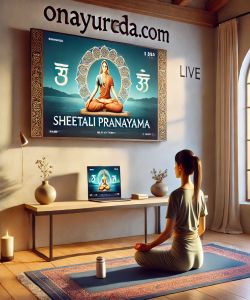
Overview of Sheetali Pranayama
Sheetali Pranayama represents a highly specialised and potent discipline within the extensive corpus of yogic breathing techniques. Its designation, derived from the Sanskrit root ‘Sheetal’ which translates to ‘cool’ or ‘calm’, provides a precise indication of its primary function: the systematic reduction of metabolic heat and the induction of profound tranquillity throughout the practitioner's physiological and psychological systems. This is not a mere deep breathing exercise; it is a sophisticated method of autonomic nervous system regulation, specifically designed to activate the parasympathetic response, which governs the body's 'rest and digest' functions. The core mechanism involves a unique mode of inhalation, drawing air across a moistened, curled tongue, which facilitates a tangible cooling effect via evaporative principles before the breath enters the respiratory tract. This practice is traditionally prescribed to pacify conditions of excess ‘Pitta’—the Ayurvedic bio-energetic principle associated with heat, inflammation, and intensity. Consequently, its application extends beyond simple thermoregulation to address a spectrum of psychophysiological imbalances, including mental agitation, stress-induced hypertension, and certain inflammatory conditions. The practice demands considerable precision, postural integrity, and mindful awareness, positioning it as an intermediate to advanced technique. Its mastery signifies a practitioner's developed capacity to wield the breath not just as a life-sustaining function but as a formidable instrument for achieving and maintaining internal homeostasis, emotional equilibrium, and a state of heightened, yet serene, consciousness. It is, in essence, a direct and powerful intervention for controlling the internal environment in defiance of external or internal stressors, making it an indispensable tool for the serious yogic practitioner.
What is Sheetali Pranayama?
Sheetali Pranayama is a specific and deliberate yogic breathing technique engineered for its cooling, calming, and pacifying effects upon the human system. The name itself, ‘Sheetali’, is derived from Sanskrit and is unequivocally translated as ‘the cooling one’, which directly articulates its principal purpose. The fundamental characteristic that distinguishes this pranayama from all others is its unique method of inhalation (puraka). The practitioner extends the tongue from the mouth, curling its lateral edges upwards to form a narrow tube or channel. The inhalation is then executed slowly and deeply through this lingual tube, creating a distinct hissing sound as the air is drawn across the moist surface of the tongue. This action employs the physical principle of evaporative cooling, where the incoming air is significantly cooled and humidified before it proceeds into the pharynx and the deeper respiratory system. Following the inhalation, the breath is typically retained (kumbhaka) for a period, allowing the cooling and calming effect of the prana-laden air to permeate the body. The practice concludes with a slow, controlled exhalation (rechaka) through both nostrils.
From a traditional yogic and Ayurvedic perspective, Sheetali Pranayama is the definitive practice for pacifying an aggravated Pitta dosha, which is the energetic force associated with heat, fire, metabolism, and transformation. An excess of Pitta can manifest as physical inflammation, acid indigestion, skin rashes, and as psychological states of anger, irritability, and impatience. By systematically introducing a cooling quality into the body-mind complex, Sheetali directly counteracts these imbalances, restoring a state of physiological and emotional equilibrium. It is therefore not simply a breathing exercise but a targeted therapeutic intervention for heat-related disorders and mental agitation.
Who Needs Sheetali Pranayama?
Individuals with Excess Physiological Heat: Persons who consistently experience symptoms of internal heat, such as acid reflux, gastric ulcers, skin inflammations like acne or rosacea, and a general feeling of being overheated, will find this practice directly addresses the root thermogenic imbalance. It is a primary tool for systemic cooling.
Those Prone to Anger and Irritability: This pranayama is prescribed for individuals with a volatile temperament. By calming the nervous system and cooling the body, it directly mitigates the physiological underpinnings of anger, frustration, and impatience, fostering a state of emotional equanimity.
Practitioners Experiencing Mental Agitation and Anxiety: For those whose minds are characterised by excessive thought traffic, restlessness, and anxiety, Sheetali provides an immediate and tangible calming effect. It shifts the autonomic nervous system towards a parasympathetic dominant state, reducing the physiological symptoms of stress.
Persons with Stress-Induced Hypertension: By activating the body's relaxation response, this technique can contribute to the management of high blood pressure, particularly when its origins are linked to chronic stress and a hyper-reactive sympathetic nervous system. It is a non-pharmacological adjunct for nervous system regulation.
Individuals in Hot Climates or Post-Strenuous Activity: The practice serves as a functional tool for thermoregulation. It is exceptionally effective for cooling the body down after vigorous physical exertion or during periods of high ambient temperature, thereby preventing heat-related fatigue and stress.
Those Seeking to Control Thirst and Hunger: Classical yogic texts assert that Sheetali Pranayama can assuage feelings of thirst and hunger. It is therefore useful for practitioners engaged in disciplines requiring periods of fasting or for managing cravings by pacifying the internal fires (Agni) that drive them.
Yogis Preparing for Deep Meditation: As a preparatory practice (pratyahara), Sheetali is invaluable. It stills the body, quiets the mind, and draws the senses inward, creating the ideal internal environment conducive to profound states of concentration (dharana) and meditation (dhyana).
Origins and Evolution of Sheetali Pranayama
The origins of Sheetali Pranayama are firmly rooted in the classical texts of Hatha Yoga, where it is documented as a significant and powerful technique for pranic and physiological control. Its most authoritative and ancient descriptions are found in seminal treatises such as the Hatha Yoga Pradipika, compiled by Swami Svatmarama in the 15th century, and the Gheranda Samhita, a 17th-century text. Within these foundational works, Sheetali is not presented as a mere breathing exercise but as a sophisticated practice for achieving specific, advanced yogic goals. It is described as a conqueror of ailments, a vanquisher of hunger and thirst, and an antidote to poisons. The original context was one of mastery over the body’s elemental forces, with the practitioner learning to manipulate the internal environment to achieve states of health and consciousness beyond the reach of an ordinary individual. Its inclusion in these core texts solidifies its status as an authentic and integral component of the traditional Hatha Yoga system, intended for serious practitioners seeking profound self-mastery.
The evolution of Sheetali Pranayama has seen it transition from the esoteric confines of monastic and ascetic practice into the mainstream of modern global yoga and therapeutic wellness. While its classical purpose remains intact, its interpretation and application have expanded considerably. In the 20th and 21st centuries, as yoga became a global phenomenon, teachers and exponents began to frame its benefits in terms more accessible to the contemporary layperson. The emphasis shifted from conquering poisons and hunger to more immediate and relatable concerns such as managing stress, reducing anxiety, and counteracting the effects of a fast-paced, high-pressure lifestyle.
Furthermore, the practice has come under the scrutiny of modern scientific inquiry. Its effects are no longer solely described in the traditional language of prana and doshas but are now also articulated through the lens of psychophysiology and neuroscience. Researchers have investigated its impact on the autonomic nervous system, heart rate variability, galvanic skin response, and brainwave patterns. This scientific validation has added a new layer of legitimacy and understanding, allowing Sheetali to be integrated into clinical and therapeutic settings as a complementary mind-body intervention for conditions like hypertension and anxiety disorders. This evolution marks a journey from a secret yogic technique to a scientifically-examined tool for holistic health and well-being, while still honouring its powerful traditional roots.
Types of Sheetali Pranayama
While Sheetali Pranayama is a highly specific technique, its direct functional counterpart and a closely related practice are often taught in conjunction, forming a small, specialised category of yogic cooling breaths.
Sheetali Pranayama: This is the classical and primary form of the cooling breath. Its execution is defined by the unique formation of the tongue. The practitioner must possess the genetic ability to extend the tongue and curl its lateral edges upwards, creating a distinct channel or tube. The inhalation is performed slowly and audibly through this lingual tube, directly drawing cooled and moistened air into the body. This is the most direct and potent method for achieving the eponymous ‘Sheetali’ effect, targeting the reduction of internal heat and pacification of the nervous system. Its mastery is considered a benchmark in the control of pranic currents related to temperature and emotional regulation. It is the archetypal cooling pranayama.
Sitkari Pranayama: This practice is the essential and universally recognised alternative for individuals who are genetically unable to curl their tongue to perform classical Sheetali. Sitkari, meaning ‘hissing’, achieves an almost identical physiological outcome through a different oral mechanism. The practitioner lightly brings the upper and lower sets of teeth together, separating the lips to expose them. The tongue is placed flat, just behind the teeth. The inhalation is then drawn through the gaps in the teeth, creating a distinct hissing sound. This method also cools and moistens the incoming air, activating the parasympathetic nervous system and reducing body heat. Sitkari is not considered a lesser practice, but a direct equivalent, ensuring the benefits of cooling pranayama are accessible to all practitioners, irrespective of their genetic predisposition for tongue curling.
Kaki Mudra Pranayama: This technique, involving the ‘crow’s beak gesture’ (Kaki Mudra), is another related cooling practice, though its mechanism is subtler. The practitioner purses the lips to form a small, tight ‘O’ shape, resembling the beak of a crow. The inhalation is then performed slowly and deliberately through this small aperture. While it does not provide the same intense, direct cooling sensation as Sheetali or Sitkari, it promotes a gentle calming effect and can also help in reducing body temperature. It is often used as a preparatory or milder alternative in the family of cooling breaths, focusing equally on the concentration required to maintain the mudra and the quality of the breath itself.
Benefits of Sheetali Pranayama
Systemic Thermoregulation: Directly and effectively reduces core body temperature. This practice is a primary yogic tool for combating excess internal heat, alleviating symptoms associated with hot flushes, fever, and conditions of an inflammatory nature.
Pacification of the Nervous System: Induces a profound state of calm by powerfully stimulating the parasympathetic nervous system. This directly counteracts the physiological stress response, mitigating feelings of anxiety, mental agitation, and nervous tension.
Management of Hypertension: By calming the mind and relaxing the body, the practice contributes to the lowering of high blood pressure, particularly when the condition is exacerbated by chronic stress and a hyperactive sympathetic state.
Alleviation of Acid-Related Disorders: Traditionally used to pacify excess Pitta dosha, it helps in managing conditions such as acid indigestion, heartburn, and gastric ulcers by creating a cooling and soothing internal environment.
Control over Thirst and Hunger: Classical texts assert that consistent practice assuages the sensations of thirst and hunger. This makes it a valuable technique for disciplines involving fasting or for managing cravings and regulating appetite.
Promotion of Emotional Equilibrium: It is highly effective in cooling heated emotions. The practice is prescribed for individuals prone to anger, frustration, and irritability, helping to cultivate a more patient and balanced emotional state.
Enhancement of Skin Health: By purifying the blood and reducing internal heat, which is often a contributing factor to skin inflammations, Sheetali can lead to a clearer and healthier complexion, alleviating conditions like acne and rashes.
Inducement of Muscular Relaxation: The calming effect on the nervous system extends to the musculature, helping to release tension held within the body and promoting a state of deep physical restfulness.
Preparation for Meditative States: The practice is an exceptional preparatory technique for deep meditation. It effectively stills the mind, quiets the body’s restlessness, and facilitates the withdrawal of the senses (pratyahara), creating an ideal internal state for concentration.
Core Principles and Practices of Sheetali Pranayama
Postural Foundation (Asana): The practice must be executed from a stable, erect, and comfortable seated meditation posture, such as Padmasana (Lotus Pose), Siddhasana (Accomplished Pose), or Sukhasana (Easy Pose). The spine must remain fully erect to facilitate the unrestricted flow of breath and prana through the central channel (Sushumna Nadi). A compromised posture will impede the diaphragm and obstruct the technique's effectiveness.
Lingual Lock (Jihva Mudra): The defining principle is the precise formation of the tongue. It must be extended comfortably from the mouth and its lateral edges curled upward to form a distinct tube. This is not a passive gesture but an active mudra that channels the incoming breath. For those unable to perform this, the alternative principle of Sitkari (hissing through the teeth) must be employed with equal precision.
Controlled Inhalation (Puraka): The inhalation must be slow, deep, and continuous, drawn exclusively through the channel of the tongue (or teeth in Sitkari). The practitioner should aim for a smooth, uninterrupted flow of air, producing a distinct hissing sound. The objective is to fill the lungs completely, from the diaphragm to the clavicle, without any strain.
Conscious Breath Retention (Antara Kumbhaka): Following the full inhalation, the tongue is retracted, the mouth is closed, and the breath is held. This retention phase is critical for the absorption and distribution of the cooled prana throughout the system. It should only be held for a duration that remains entirely comfortable, without inducing any tension or gasp reflex upon exhalation. The application of Jalandhara Bandha (Chin Lock) is often integrated here to regulate pressure and deepen the effect.
Regulated Exhalation (Rechaka): After the period of retention, the chin lock (if applied) is released, and the exhalation is performed slowly and with complete control through both nostrils. The exhalation should ideally be longer than the inhalation, ensuring the full release of air and promoting a deeper state of relaxation.
Progressive Application: A practitioner must not begin with extended retentions or a high number of repetitions. The core principle of practice is gradual and systematic progression. One must first master the mechanics of the breath cycle and only then begin to incrementally increase the number of rounds and the duration of the retention, always prioritising quality and stability over quantity.
Online Sheetali Pranayama
Unrestricted Geographical Access: Online platforms dismantle geographical barriers, providing practitioners with the opportunity to learn Sheetali Pranayama from highly qualified and authoritative instructors located anywhere in the world. This democratises access to specialised knowledge that was previously restricted to those in proximity to specific yoga centres or ashrams.
Enhanced Learning Flexibility: The digital format offers unparalleled flexibility in scheduling. Practitioners can engage with live sessions or recorded materials at times that align with their personal and professional commitments, fostering greater consistency in practice which is paramount for mastering pranayama.
Structured and Repeatable Instruction: Online courses provide a meticulously structured curriculum. Complex concepts and techniques are broken down into digestible modules. The ability to pause, rewind, and re-watch instructional videos allows the practitioner to study the fine details of the tongue formation and breathing rhythm repeatedly until they are fully assimilated, a benefit not readily available in a live group class.
Creation of a Personalised Practice Sanctuary: Learning online necessitates that the practitioner takes full responsibility for creating their own practice space. This encourages the cultivation of a quiet, clean, and sacred environment within one's own home, which deepens the personal commitment and internalisation of the practice.
Direct Visual Demonstration: High-definition video allows for clear, close-up demonstrations of the precise tongue and mouth positions (Jihva Mudra for Sheetali, or the dental contact for Sitkari). This visual clarity can often surpass what is observable in a large, crowded offline class, ensuring technical accuracy.
Anonymity and Reduced Self-Consciousness: For individuals who may feel self-conscious or intimidated in a group setting, the relative anonymity of an online class can be liberating. It allows them to focus entirely on the internal experience of the breath without the distraction of social comparison or performance anxiety, leading to a more authentic practice.
Access to a Wider Community: Digital platforms often include forums, group chats, and community pages. These features connect practitioners from diverse backgrounds, creating a global support network for sharing experiences, asking questions, and maintaining motivation on the yogic path.
Sheetali Pranayama Techniques
Establish the Foundation: Assume a stable and erect seated meditation posture. Ensure the spine is aligned, the shoulders are relaxed away from the ears, and the hands are resting comfortably on the knees in either Jnana or Chin mudra. Close the eyes and take several moments to centre the mind and become aware of the natural rhythm of your breath.
Prepare the Lingual Channel: Open your mouth and extend your tongue outwards without straining. Deliberately curl the sides of the tongue upwards and inwards, forming a distinct tube or straw-like channel. If you are genetically unable to perform this, prepare for the alternative technique, Sitkari, by gently closing the teeth and parting the lips.
Execute the Cooling Inhalation (Puraka): Through the tube of the tongue (or the gaps between the teeth for Sitkari), inhale slowly, deeply, and continuously. Draw the air in as if sipping it through a straw. The inhalation should be audible, producing a gentle hissing sound. Feel the cool sensation of the breath as it passes over the tongue and into the throat. Fill the lungs completely from the bottom up without creating any tension in the chest or abdomen.
Seal and Retain the Breath (Antara Kumbhaka): Once the inhalation is complete, retract the tongue and close the mouth firmly but gently. Lower the chin towards the chest to engage Jalandhara Bandha (the Chin Lock). Retain the breath for a duration that is completely comfortable and free of strain. Focus your awareness on the sensation of coolness and stillness within.
Execute the Controlled Exhalation (Rechaka): When you are ready to exhale, first release the Chin Lock by lifting the head back to a neutral position. Then, exhale slowly and smoothly through both nostrils. The exhalation should be controlled and, if possible, longer in duration than the inhalation. Ensure the release of air is total and complete.
Complete the Cycle and Repeat: This entire sequence—inhalation through the tongue, retention with chin lock, and exhalation through the nostrils—constitutes one complete round of Sheetali Pranayama. After completing the exhalation, pause briefly before commencing the next round. Begin with 5-7 rounds and gradually increase the number over time as your capacity develops, always maintaining a state of calm awareness.
Sheetali Pranayama for Adults
Sheetali Pranayama presents itself as a uniquely potent and relevant discipline for the modern adult navigating the complexities of contemporary life. The adult experience is frequently characterised by chronic stress, professional pressures, and the mental and emotional burdens of significant responsibilities. These factors often manifest physiologically as a hyper-stimulated sympathetic nervous system—the ‘fight or flight’ response—leading to conditions such as hypertension, anxiety, insomnia, and burnout. Sheetali Pranayama serves as a direct and powerful antidote to this state of systemic agitation. It is not a passive relaxation method but an active, conscious intervention that enables an adult to seize control of their own autonomic nervous system. By deliberately engaging the cooling mechanism of the practice, the practitioner can methodically shift their physiological state from one of high alert to one of deep parasympathetic calm. This capacity for self-regulation is an invaluable asset, providing a non-pharmacological means to manage stress in real-time. Furthermore, the practice addresses the ‘heated’ emotions—anger, frustration, impatience—that frequently arise from professional and personal conflicts. For the mature practitioner, Sheetali is more than a breathing exercise; it is a sophisticated tool for maintaining emotional equilibrium and mental clarity amidst chaos. It fosters a state of cool-headedness, allowing for more rational decision-making and improved interpersonal dynamics. Its ability to pacify and focus the mind also makes it an essential preparatory technique for adults seeking to establish or deepen a meditation practice, transforming a restless mind into one capable of profound stillness and introspection.
Total Duration of Online Sheetali Pranayama
A comprehensive and professionally structured online session dedicated to the instruction and practice of Sheetali Pranayama is optimally contained within a total duration of 1 hr. This timeframe is not arbitrary; it is a deliberately calculated period that allows for a complete and holistic engagement with the practice, ensuring both safety and efficacy for the remote practitioner. The session must be meticulously segmented to facilitate a progressive journey into the technique. An initial portion is dedicated to establishing the correct physical foundation, guiding the practitioner into a stable and aligned seated posture, and leading a brief period of centering and breath awareness to prepare the mind. Following this, a significant segment must be allocated to preparatory exercises, which may include gentle neck and shoulder movements to release tension, and basic diaphragmatic breathing drills to ensure the primary respiratory muscle is engaged correctly. The central and most substantial part of the 1 hr duration is devoted to the core instruction and guided practice of Sheetali itself. This includes detailed, close-up demonstrations of the tongue formation, a breakdown of the inhalation-retention-exhalation cycle, and several rounds of guided practice, often with progressively longer holds as appropriate. A critical component following the main practice is a period of integration, typically involving a short Savasana (Corpse Pose), allowing the nervous system to fully absorb the calming and cooling effects of the pranayama. The final segment of the hour is reserved for theoretical consolidation and interactive feedback, where the instructor can address common challenges, answer participant questions, and provide guidance for establishing a safe and consistent personal practice. Thus, the 1 hr duration is the requisite time to deliver a responsible, thorough, and impactful learning experience.
Things to Consider with Sheetali Pranayama
Engaging in the practice of Sheetali Pranayama demands a high degree of mindfulness and a thorough consideration of several critical factors to ensure its application is both beneficial and safe. Foremost among these is the practitioner's underlying physical constitution and current state of health. This technique is specifically contraindicated for individuals suffering from low blood pressure, as its potent calming effects can exacerbate the condition, potentially leading to dizziness or fainting. Similarly, those with respiratory ailments such as asthma, bronchitis, or a high presence of phlegm and mucus must abstain from this practice, as the cooling and moistening effect can aggravate these conditions. Chronic constipation is another contraindication, as Sheetali's cooling nature can dampen the digestive fire (Agni), further slowing a sluggish metabolism. The external environment in which one practices is of paramount importance; it is imperative to avoid performing Sheetali in cold, damp, or polluted settings. Inhaling cold or contaminated air directly through the mouth bypasses the natural filtration and warming mechanism of the nasal passages, posing a significant risk to respiratory health. Furthermore, one must be aware of the genetic inability of a substantial portion of the population to curl the tongue. For these individuals, forcing the tongue is futile and potentially injurious. They must instead adopt the recognised alternative, Sitkari Pranayama, to achieve the same cooling benefits. Finally, the guidance of a qualified instructor is not a mere recommendation but a necessity, particularly for beginners, to ensure correct technique, appropriate duration, and to avoid the common pitfall of straining or forcing the breath, which negates the intended benefits and can destabilise the nervous system.
Effectiveness of Sheetali Pranayama
The effectiveness of Sheetali Pranayama is not a matter of esoteric belief but a demonstrable psychophysiological reality grounded in its direct impact on the human autonomic nervous system and thermoregulatory mechanisms. Its efficacy is rooted in a clear and observable chain of causation. The act of inhaling slowly and deeply across the moist surface of the tongue initiates evaporative cooling, tangibly lowering the temperature of the air entering the body. This initial sensory input signals the brain's regulatory centres, primarily the hypothalamus, to initiate a systemic cooling response. More profoundly, this specific mode of breathing acts as a powerful stimulant for the parasympathetic nervous system, the branch of the autonomic system responsible for the 'rest and digest' response. This activation directly counteracts the hyper-aroused state of the sympathetic 'fight or flight' system, which is chronically overactive in individuals experiencing stress, anxiety, and anger. The measurable outcomes of this parasympathetic dominance include a reduction in heart rate, a decrease in blood pressure, and an increase in heart rate variability—a key indicator of cardiovascular health and stress resilience. Psychologically, this physiological shift manifests as a profound sense of calm, a reduction in mental chatter, and enhanced emotional equanimity. The practice is therefore unequivocally effective as a tool for managing states of physical and mental overheating. When performed correctly and consistently, Sheetali Pranayama is a potent, reliable, and non-invasive method for self-regulating one's internal state, proving its value as a premier technique for achieving homeostatic balance and mental tranquillity.
Preferred Cautions During Sheetali Pranayama
It is imperative that the practice of Sheetali Pranayama be approached with rigorous adherence to a strict set of cautions, as improper application can yield adverse effects. This technique is absolutely contraindicated and must be avoided without exception by any individual diagnosed with low blood pressure, as its inherent systemic-calming properties can dangerously lower it further. Practitioners suffering from any form of respiratory disorder, including but not limited to asthma, bronchitis, or the presence of excessive phlegm, are commanded to abstain from this practice. The direct inhalation of cooled, moist air can severely aggravate such conditions. Furthermore, individuals experiencing chronic constipation must not perform Sheetali, as its cooling effect on the metabolic system can suppress the digestive fire (Agni) and worsen digestive sluggishness. The practice is to be ceased immediately if any sensation of dizziness, light-headedness, or nausea occurs. Under no circumstances should the breath be forced or the retention (kumbhaka) be extended to the point of strain; such actions are counterproductive and harmful to the nervous system. It is also a strict requirement that this pranayama only be performed in a clean, warm, and well-ventilated environment. Practicing in a cold, windy, or polluted atmosphere is forbidden, as it exposes the lungs to unfiltered and potentially harmful elements. Pregnant individuals should only undertake this practice after consulting with both a medical professional and a highly experienced, certified yoga therapist. These cautions are not suggestions; they are non-negotiable prerequisites for the safe and effective practice of this powerful technique.
Sheetali Pranayama Course Outline
Module 1: Theoretical Foundations of Pranayama:
Introduction to the concept of Prana (vital life force).
The role of pranayama within the eight limbs of yoga.
Classification of pranayama: heating, cooling, and balancing techniques.
Specific theory of Sheetali: Its purpose, traditional context from classical texts (Hatha Yoga Pradipika), and its relationship with the Pitta dosha in Ayurveda.
Module 2: Essential Preparatory Disciplines:
Mastery of a stable and sustainable seated posture (Asana): Detailed workshop on Siddhasana, Sukhasana, and the use of props for spinal alignment.
Cultivating Diaphragmatic Awareness: Foundational breathwork to ensure correct use of the primary respiratory muscle, distinguishing it from shallow chest breathing.
Techniques for bodily stillness and mental focus.
Module 3: The Core Mechanics of Sheetali Pranayama:
Detailed, step-by-step instruction on the formation of the lingual tube (Jihva Mudra).
The anatomy and physiology of the cooling inhalation (Puraka).
Coordination of the breath with the retraction of the tongue and closing of the mouth.
Guided practice focusing exclusively on the inhalation and exhalation cycle, without retention.
Module 4: Introduction to Sitkari Pranayama:
Instruction on Sitkari as the mandatory alternative for those unable to curl the tongue.
The precise technique of inhalation through the teeth.
Comparative analysis of the felt sense of Sheetali versus Sitkari.
Guided practice of Sitkari Pranayama.
Module 5: Integrating Breath Retention and Energetic Locks:
The principle and purpose of Antara Kumbhaka (internal breath retention).
Safe and systematic introduction to holding the breath post-inhalation.
Detailed instruction and application of Jalandhara Bandha (the Chin Lock) during retention to regulate pranic flow and pressure.
Guided practice integrating the full sequence: Puraka, Kumbhaka with Bandha, and Rechaka.
Module 6: Advanced Practice and Integration:
Structuring a personal practice: Determining the appropriate number of rounds and frequency.
Techniques for progressively and safely increasing the duration of breath retention.
Integrating Sheetali into a broader yoga practice, specifically as a preparation for meditation (Dhyana).
Discussion of contraindications, cautions, and lifestyle integration.
Detailed Objectives with Timeline of Sheetali Pranayama
Weeks 1-2: Foundational Competence and Postural Stability:
Objective: To achieve and sustain a correct, erect, and comfortable seated meditation posture for a minimum of ten minutes without physical distress. The practitioner will master the fundamental mechanics of diaphragmatic breathing, demonstrating visible abdominal expansion on inhalation and contraction on exhalation. They will also achieve the correct tongue formation for Sheetali or the tooth/lip position for Sitkari, and be able to perform 5-7 rounds of the basic inhalation/exhalation cycle with a smooth, controlled rhythm.
Weeks 3-4: Rhythmic Proficiency and Introduction to Retention:
Objective: To consolidate the breathing rhythm, establishing a consistent and effortless flow. The practitioner will increase their capacity to 15-20 rounds per session without fatigue. They will be introduced to the concept of Antara Kumbhaka (internal retention) and will demonstrate the ability to hold the breath for a short, comfortable period (a count of 3-5 seconds) after inhalation without inducing any physical or mental strain.
Weeks 5-6: Integration of Jalandhara Bandha and Extended Retention:
Objective: To correctly and seamlessly integrate the application of Jalandhara Bandha (Chin Lock) during the retention phase. The practitioner will demonstrate a clear understanding of its application and release. They will work on extending the duration of comfortable breath retention, aiming for a simple ratio such as 1:1:2 (e.g., 4-second inhale, 4-second hold, 8-second exhale), prioritising comfort over duration.
Weeks 7-8: Subjective Mastery and Autonomic Regulation:
Objective: To move beyond mechanical execution to a subjective experience of the pranayama's effects. The practitioner will be able to report a tangible and consistent cooling and calming sensation during and after practice. They will demonstrate the ability to use the technique proactively to down-regulate the nervous system in response to minor daily stressors, proving an understanding of its practical application for emotional and physiological self-regulation. By this stage, a consistent daily practice routine should be firmly established.
Requirements for Taking Online Sheetali Pranayama
Unyielding Personal Commitment: The foremost requirement is a serious and unwavering commitment to consistent, disciplined practice. The practitioner must understand that progress in pranayama is a direct result of regular application, not sporadic effort.
A Secure and Conducive Environment: The practitioner is solely responsible for securing a private, quiet, and clean space that is entirely free from interruptions or distractions for the full duration of each session. This space must be well-ventilated but free from cold drafts.
Adequate Technological Infrastructure: A reliable, high-speed internet connection is non-negotiable to ensure uninterrupted participation in live sessions and smooth streaming of instructional materials. A functional device (computer, tablet) with a high-quality camera and microphone is mandatory for two-way communication and for the instructor to visually assess posture and technique where required.
Essential Practice Equipment: The practitioner must possess a yoga mat and appropriate postural support, such as a firm meditation cushion (zafu), bolster, or yoga blocks. These are not optional accessories; they are essential tools for maintaining the required spinal alignment and stability.
Physiological Self-Declaration: Prior to commencement, the practitioner must conduct a rigorous self-assessment and formally declare that they do not suffer from any of the primary contraindications for this practice. This includes, but is not limited to, low blood pressure, asthma, bronchitis, chronic constipation, or conditions involving excessive mucus.
Willingness to Adhere to Instruction: The practitioner must agree to follow the instructor's guidance with precision and without deviation. This includes respecting the prescribed number of rounds, adhering to the principles of safe breath retention, and immediately ceasing the practice if adverse symptoms appear. An attitude of humility and receptivity is required.
Things to Keep in Mind Before Starting Online Sheetali Pranayama
Before embarking on the study of Sheetali Pranayama through an online medium, it is imperative to adopt a mindset of heightened personal responsibility and critical discernment. The digital environment, while convenient, places the onus of safety and environmental control squarely upon the practitioner. One must rigorously vet the credentials and lineage of the online instructor; verify their advanced qualifications in pranayama specifically, not just general yoga, to ensure the instruction is authentic, safe, and deeply informed. It is crucial to understand that remote instruction inherently lacks the capacity for the instructor to provide tactile feedback or make subtle physical adjustments to your posture. This necessitates that you, the student, cultivate a superior level of proprioceptive awareness and an uncompromising honesty in self-assessment. You are responsible for creating your sanctuary of practice—a space that is not merely quiet, but energetically clean and secure from any potential disruption. Furthermore, you must approach the practice with an understanding of its potency. This is not a casual relaxation technique to be trifled with. You must commit to a thorough self-screening for all contraindications—low blood pressure, respiratory issues, and others—and accept that the final responsibility for your well-being rests with you alone. The online format demands a greater degree of self-discipline and internal motivation than a group class, requiring a solemn commitment to consistent, focused practice even in the absence of external accountability.
Qualifications Required to Perform Sheetali Pranayama
The authority to guide or instruct others in a potent technique such as Sheetali Pranayama is not a privilege to be taken lightly; it is a profound responsibility that demands a rigorous and multi-faceted set of qualifications. Merely possessing a basic yoga teacher certificate is grossly insufficient. A qualified instructor must demonstrate a level of mastery that transcends superficial knowledge, built upon a foundation of deep theoretical understanding, extensive personal experience, and a sophisticated awareness of human physiology. The absolute minimum credentials required include:
Advanced Certification in Pranayama: The instructor must hold a specialised, advanced certification in pranayama from a reputable and recognised yogic institution or lineage. This training must go far beyond the introductory modules included in standard 200-hour teacher training courses, covering the intricate theory, techniques, and contraindications of a wide range of pranayama practices.
Substantial and Sustained Personal Practice: There is no substitute for direct, long-term personal experience. A credible instructor must have maintained a dedicated, consistent, and disciplined personal practice of Sheetali and other advanced pranayamas for many years. This embodied knowledge allows them to teach from a place of authentic understanding rather than from rote memorisation of a textbook.
In-Depth Knowledge of Anatomy and Physiology: A commanding grasp of the human respiratory, nervous, and cardiovascular systems is non-negotiable. The instructor must be able to articulate precisely how Sheetali Pranayama affects the autonomic nervous system, blood pressure, and metabolic processes, and must understand the physiological basis for every contraindication.
Proficiency in Screening and Modification: The instructor must possess the critical skill of effectively screening students for contraindications. They must be capable of identifying individuals for whom the practice would be unsuitable and have the knowledge to offer appropriate and safe alternatives, such as Sitkari Pranayama.
Ultimately, the qualification is a synthesis of formal training and deep, lived experience. Any instructor lacking this synthesis is not fit to guide others in this powerful discipline.
Online Vs Offline/Onsite Sheetali Pranayama
Online
The primary advantage of engaging with Sheetali Pranayama in an online format is its unparalleled accessibility. It eliminates all geographical and logistical constraints, granting practitioners access to elite, specialist instructors from any location in the world. This modality offers supreme flexibility, allowing the individual to integrate practice into their life according to their own schedule, rather than being bound by the fixed timetable of a physical studio. The digital format facilitates focused, repeatable learning; a student can review recorded instructions on the precise and subtle mechanics of the tongue-curling (Jihva Mudra) and breath control as many times as necessary to achieve mastery. This self-paced, focused environment can reduce the performance anxiety some feel in a group setting. However, the online format demands a high degree of self-discipline and personal accountability. The most significant limitation is the absence of direct, in-person feedback. An instructor cannot provide hands-on postural adjustments or immediately perceive subtle signs of strain or incorrect breathing, placing the entire burden of safety and correct execution on the practitioner’s self-awareness. Technological failures can also disrupt the sanctity of the practice environment.
Offline/Onsite
The defining strength of offline, or onsite, instruction is the presence and direct guidance of a qualified teacher. This allows for immediate, personalised feedback, including physical adjustments to posture and real-time correction of breathing technique. The instructor can observe the student’s subtle physiological responses and tailor the guidance accordingly, creating a uniquely safe and supportive learning environment. Furthermore, practicing within a dedicated space (a shala or studio) and as part of a group (satsang) creates a powerful, focused, and collective energy that can deepen the practitioner's experience and commitment. The immersive nature of an in-person class removes the distractions of the home environment. The disadvantages, however, are significant. Offline learning is inherently restrictive, limited by geographical proximity to a qualified teacher, the fixed schedule of the class, and often, a higher financial cost. Travel time and logistical planning are necessary burdens. A practitioner’s choice of instructor is limited to their local area, which may not include a true specialist in advanced pranayama techniques like Sheetali.
FAQs About Online Sheetali Pranayama
Question 1. What if I am genetically unable to curl my tongue?
Answer: You must practise the recognised alternative, Sitkari Pranayama, which involves inhaling through closed teeth. A qualified online instructor will teach both methods.
Question 2. Is practising daily a requirement?
Answer: Yes. For tangible and lasting benefits, a consistent, daily practice is mandated. Sporadic practice yields negligible results.
Question 3. Can I practise Sheetali after eating a meal?
Answer: No. All pranayama must be performed on an empty stomach. A minimum of three to four hours should elapse after a substantial meal.
Question 4. What is the hissing sound I am supposed to make?
Answer: It is the natural sound of air passing with slight friction through the tube of the tongue (for Sheetali) or the gaps in the teeth (for Sitkari). It should be gentle, not forced.
Question 5. Will this practice help me to sleep better?
Answer: Its profound calming effect on the nervous system can be highly conducive to improving sleep quality, particularly if practised in the evening.
Question 6. How many rounds should a beginner perform?
Answer: A beginner should start with no more than 7-10 rounds and focus on perfecting the technique before increasing the number.
Question 7. Is it safe to hold my breath during the practice?
Answer: Breath retention (Kumbhaka) should only be introduced after mastering the basic breath cycle and under expert guidance. Never force it.
Question 8. Can Sheetali help with my acid reflux?
Answer: Due to its cooling and Pitta-pacifying nature, it is traditionally used for such conditions. However, it is not a substitute for medical advice.
Question 9. Why must I exhale through the nose and not the mouth?
Answer: Exhaling through the nostrils completes the energetic circuit correctly, conserves prana, and maintains the internal calm generated during the practice.
Question 10. Can this practice make me feel dizzy?
Answer: If you feel dizzy, you are likely breathing too forcefully or holding the breath for too long. Cease immediately and consult your instructor.
Question 11. Must I sit on the floor to practise?
Answer: A stable, erect spine is the priority. If sitting on the floor is not possible, you may sit upright on a firm chair with your feet flat on the ground.
Question 12. Is this a religious practice?
Answer: No. It is a psychophysiological technique from the science of yoga, focused on breath and nervous system regulation.
Question 13. How long will it take to notice the benefits?
Answer: The immediate calming effect is often felt from the very first session. Deeper, lasting benefits accrue with consistent daily practice over several weeks.
Question 14. Can I practise in an air-conditioned room?
Answer: It is not ideal. A naturally ventilated, clean room at a comfortable temperature is preferred. Avoid cold drafts.
Question 15. What is Jalandhara Bandha?
Answer: It is the ‘Chin Lock’, an energetic lock applied during breath retention to regulate pranic flow. It is an advanced component that must be taught by a qualified instructor.
Question 16. Can children practise Sheetali Pranayama?
Answer: Generally, advanced pranayama with breath retention is not recommended for young children. Simple, natural breathing is more appropriate.
Conclusion About Sheetali Pranayama
In conclusion, Sheetali Pranayama must be recognised not as a simple breathing exercise but as a formidable and highly specialised instrument of self-regulation. Its value is unequivocally established by its direct and potent capacity to modulate the autonomic nervous system, systematically shifting the practitioner from a state of stress-induced sympathetic agitation to one of profound parasympathetic calm. The practice represents a sophisticated application of yogic science, utilising a unique physiological mechanism—inhalation through the curled tongue—to achieve a tangible and systemic cooling effect. This makes it an indispensable tool in the modern context, serving as a powerful, non-pharmacological intervention for managing the pervasive conditions of chronic stress, anxiety, and emotional volatility that define contemporary life. Beyond its immediate therapeutic benefits, Sheetali serves as a critical gateway to deeper states of yogic practice, acting as a powerful aid to pratyahara (sense withdrawal) and creating the internal stillness required for effective concentration and meditation. Its mastery is indicative of a practitioner’s progress from being a passive subject of their internal states to an active architect of their own physiological and psychological environment. Therefore, Sheetali Pranayama stands as a testament to the depth and efficacy of the Hatha Yoga tradition, offering a direct path to achieving internal homeostasis, emotional equilibrium, and a serene, focused mind.