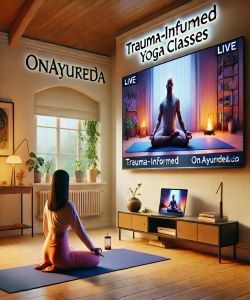
Overview of Trauma-Informed Yoga Classes
Trauma-Informed Yoga constitutes a highly specialised, somatically-focused modality designed explicitly to address the physiological and psychological sequelae of trauma. It operates on the fundamental premise that traumatic experiences are stored not only in the mind but are profoundly embedded within the body's nervous system, musculature, and cellular memory. Consequently, this practice diverges sharply from conventional, performance-oriented yoga by prioritising internal experience—interoception—over external aesthetic form. The core objective is not the achievement of complex postures but the cultivation of a safe, predictable environment wherein participants can begin to re-establish a sense of agency and connection with their physical selves. This is achieved through a meticulously curated methodology that emphasises choice, invitational language, and the absence of physical assists or corrections, thereby empowering the individual to reclaim ownership of their body and its movements. The facilitator’s role is to act as a guide, creating a container of stability that supports nervous system regulation and helps to mitigate the hyperarousal or hypoarousal states characteristic of a trauma response. By integrating mindful breathing, gentle movement, and grounding techniques, Trauma-Informed Yoga provides a structured pathway for individuals to safely explore physical sensations, build tolerance for somatic experiences, and gradually rewrite the body's ingrained patterns of threat and fear. It is not a replacement for clinical psychotherapy but serves as a powerful adjunctive practice, facilitating a holistic integration of mind and body that is critical for profound and sustainable healing. This approach is unequivocally grounded in neurobiology and an understanding of how trauma impacts the brain, making it a deliberate and evidence-informed intervention rather than a mere adaptation of standard yoga practice.
What are Trauma-Informed Yoga Classes?
Trauma-Informed Yoga Classes are a specialised application of yogic principles and practices, re-envisioned through the lens of trauma theory, neurobiology, and attachment theory. Their primary function is to create a physically and emotionally secure environment for individuals who have experienced trauma, enabling them to engage with their bodies in a controlled and empowered manner. Unlike standard yoga sessions, the focus is not on physical prowess, flexibility, or achieving a specific aesthetic in a posture. Instead, the entire practice is oriented towards facilitating self-regulation, enhancing somatic awareness, and rebuilding a positive relationship with a body that may feel like a source of pain or betrayal.
This modality is characterised by several key distinctions:
Invitational Language: All instructions are offered as suggestions, not commands. Phrases such as “you might consider” or “if it feels right for you” are used to cede complete control to the participant, reinforcing their autonomy.
Emphasis on Choice: Participants are consistently reminded of their right to choose how, or even if, they move. They are empowered to modify postures, rest, or opt out of any part of the practice without justification. This directly counteracts the powerlessness often experienced during traumatic events.
Absence of Physical Adjustments: Facilitators do not perform hands-on assists. This policy is non-negotiable, as unsolicited physical contact can be profoundly triggering for trauma survivors, constituting a breach of physical boundaries.
Focus on Interoception: The practice guides individuals to turn their attention inward, noticing internal physical sensations—such as the feeling of their breath, the contact of their feet on the ground, or the subtle stretch in a muscle—without judgment. This develops the capacity to be present with bodily experience.
Predictability and Structure: Classes follow a consistent and clearly communicated structure, minimising surprises that could activate a threat response. The environment is kept stable and grounding to support the nervous system.
Who Needs Trauma-Informed Yoga Classes?
Individuals with Diagnosed Post-Traumatic Stress Disorder (PTSD) or Complex PTSD (C-PTSD): These participants require a therapeutic container that directly addresses the somatic manifestations of trauma, such as hypervigilance, dissociation, and nervous system dysregulation, which standard yoga classes are ill-equipped to handle.
Survivors of Interpersonal Violence: This includes survivors of childhood abuse, sexual assault, and domestic violence. For this cohort, the practice provides a critical opportunity to reclaim bodily autonomy, rebuild trust in their physical self, and process somatic memories in a safe, non-threatening context.
Military Veterans and Active-Duty Personnel: Individuals exposed to the extreme stressors of combat and operational duties benefit from a structured practice that helps down-regulate a chronically activated sympathetic nervous system and addresses the physical armouring associated with constant threat awareness.
First Responders and Frontline Workers: Police officers, firefighters, paramedics, and emergency healthcare professionals who experience cumulative stress and vicarious trauma require a modality that specifically targets the physiological toll of their occupations, offering tools for somatic release and nervous system reset.
Refugees and Displaced Persons: Populations who have endured war, political persecution, or forced migration benefit from a non-verbal, body-based approach that transcends language and cultural barriers, providing a means to process profound loss and instability.
Individuals with a History of Medical Trauma: Those who have undergone invasive or life-threatening medical procedures can use this practice to reconnect with a body that has been a site of pain and helplessness, fostering a renewed sense of safety and control.
Persons Experiencing Chronic Stress, Anxiety, or Dissociative Disorders: While not always stemming from a single-incident trauma, these conditions often share the same root of nervous system dysregulation. The grounding and interoceptive techniques are directly applicable to managing these symptoms.
Individuals in Recovery from Substance Use Disorders: As substance abuse is frequently co-morbid with trauma, this practice offers a non-pharmacological tool for managing cravings, developing emotional regulation skills, and building distress tolerance by connecting with the body in a mindful, sober state.
Origins and Evolution of Trauma-Informed Yoga Classes
The genesis of Trauma-Informed Yoga is not rooted in a single event but represents a convergence of disciplines that gained momentum in the late 20th and early 21st centuries. Its foundations lie in the burgeoning field of trauma studies, particularly the work of seminal figures like Bessel van der Kolk, whose research powerfully articulated that the impacts of trauma are stored somatically. His assertion that “the body keeps the score” provided the crucial theoretical underpinning, shifting the focus of trauma treatment beyond purely cognitive and talk-based therapies towards body-centric interventions. This scientific validation created the necessary space for ancient contemplative practices like yoga to be re-examined as potential clinical tools.
Simultaneously, pioneers in somatic psychology, such as Peter Levine (Somatic Experiencing) and Pat Ogden (Sensorimotor Psychotherapy), were developing frameworks that emphasised the body’s innate capacity to heal from trauma through mindful attention to physical sensation and the completion of thwarted defensive responses. These methodologies provided a language and a structured approach for working with trauma held in the nervous system. Early innovators in the yoga community began to integrate these psychological principles into their teaching, recognising that a conventional yoga class could inadvertently be re-traumatising for survivors due to its emphasis on authority, physical adjustments, and potentially triggering environments or postures.
This led to the development of specific, codified models. David Emerson, in collaboration with Bessel van der Kolk’s Trauma Center, was instrumental in creating Trauma Center Trauma-Sensitive Yoga (TCTSY), one of the first evidence-based, manualised programmes. This model systematically stripped away potentially harmful elements of standard yoga and codified the core principles of safety, choice, and interoception. Since then, the field has evolved and diversified, with numerous other models and training programmes emerging. The evolution continues as our understanding of neurobiology, polyvagal theory, and social justice deepens, leading to more nuanced applications that consider systemic and collective trauma, ensuring the practice remains a responsive, effective, and ethically grounded modality for healing.
Types of Trauma-Informed Yoga Classes
Trauma Center Trauma-Sensitive Yoga (TCTSY): This is a rigorously researched, evidence-based clinical intervention developed at the Center for Trauma and Embodiment. It is an adjunctive treatment for complex trauma and PTSD. TCTSY is characterised by a complete absence of physical assists, a highly structured sequence, and a singular focus on interoception—the internal sensing of the body. The language is purely invitational, and the practice is designed to give participants opportunities to practise making choices for their own body.
Mindful Resilience for Trauma Recovery: This approach, often used with veterans and first responders, integrates principles of trauma-informed yoga with mindfulness-based stress reduction (MBSR) and specific resilience-building skills. The focus is on providing practical tools for nervous system regulation that can be used both on and off the mat. It may include more explicit psychoeducation about the physiological effects of trauma and stress.
Somatic-Based Trauma-Informed Yoga: This type draws heavily from somatic psychology disciplines like Somatic Experiencing®. The emphasis is on gently and safely exploring physical sensations (sensation tracking), pendulation (moving between a state of activation and a state of calm), and titration (experiencing small, manageable amounts of distress). The goal is to help the nervous system process and discharge stored traumatic energy.
Chair-Based Trauma-Informed Yoga: This modality is specifically adapted for individuals with physical limitations, mobility challenges, or for whom practising on the floor feels too vulnerable. All movements and breathing exercises are performed while seated or using a chair for support. It ensures accessibility and maintains the core principles of safety and choice, making it suitable for hospital settings, elderly populations, or those with severe physical deconditioning.
Restorative Trauma-Informed Yoga: This style utilises extensive props such as bolsters, blankets, and blocks to support the body in gentle, passive postures held for extended periods. In a trauma-informed context, the focus is on creating a profound sense of safety and allowing the nervous system to shift into a deep parasympathetic (rest-and-digest) state. Choice in propping and duration is paramount to prevent feelings of being trapped or helpless.
Benefits of Trauma-Informed Yoga Classes
Enhanced Nervous System Regulation: Provides direct, practical tools to consciously shift from a sympathetic (fight-or-flight) state to a parasympathetic (rest-and-digest) state, reducing chronic hypervigilance and physiological arousal.
Increased Interoceptive Awareness: Cultivates the ability to notice and interpret internal bodily sensations with curiosity rather than fear, which is a core capacity diminished by trauma. This is fundamental to emotional recognition and regulation.
Re-establishment of Bodily Autonomy and Agency: The consistent emphasis on choice, consent, and self-determined movement directly counteracts the experience of powerlessness inherent in trauma, allowing participants to reclaim ownership of their physical selves.
Reduction in PTSD Symptomology: Empirical evidence demonstrates a significant decrease in symptoms of post-traumatic stress, including intrusive thoughts, flashbacks, and avoidance behaviours, by addressing the somatic underpinnings of the condition.
Improved Distress Tolerance: Gradually and safely exposes participants to physical sensations, building their capacity to remain present with discomfort without becoming overwhelmed or resorting to dissociative coping mechanisms.
Fostering a Sense of Embodiment: Supports individuals in moving from a state of dissociation or alienation from their body to a feeling of being safely "at home" within it, facilitating a more integrated sense of self.
Decreased Somatic Complaints: By addressing the physical tension and armouring where trauma is held, participants often report a reduction in chronic pain, muscular tension, and other stress-related physical symptoms.
Development of Grounding Skills: Teaches effective techniques to anchor oneself in the present moment, using the physical senses and the body’s connection to the earth to interrupt cycles of anxiety, panic, or dissociation.
Creation of a Safe Relational Context: Offers a non-judgmental, predictable, and secure environment to experience safe connection with a facilitator and potentially a group, challenging trauma-related beliefs about trust and safety in relationships.
Empowerment Through Self-Efficacy: By successfully using the techniques to self-regulate and manage somatic experiences within the class, participants build confidence in their ability to manage their responses outside the class, fostering long-term resilience.
Core Principles and Practices of Trauma-Informed Yoga Classes
Prioritisation of Safety: The absolute, non-negotiable foundation is the creation of a physically, emotionally, and psychologically safe environment. This includes ensuring predictability in class structure, maintaining a calm and stable physical space, and using language and actions that are consistently non-threatening and affirming.
Emphasis on Choice and Agency: Every aspect of the practice is optional. Facilitators use invitational language (e.g., “You have the option to…”, “Invite your awareness to…”) rather than direct commands. Participants are explicitly empowered to make choices about their body, including how they move, whether they move, and when they rest, thereby restoring a sense of personal control.
Cultivation of Interoception: The primary focus is shifted from the external appearance of a yoga posture (proprioception) to the internal, felt experience (interoception). Participants are guided to notice subtle internal sensations, such as breath, temperature, and muscle engagement, without judgment. This practice rebuilds the neural pathways for self-awareness.
Invitational and Non-Coercive Language: The facilitator’s language is meticulously curated to be suggestive and empowering. There is a complete absence of authoritative or prescriptive instructions. This linguistic approach respects the survivor’s autonomy and avoids replicating power dynamics that may be reminiscent of past trauma.
No Physical Assists or Adjustments: To honour physical boundaries and prevent potential re-traumatisation, facilitators never initiate physical contact. The participant’s personal space is sacrosanct. The practice must remain a completely hands-off modality.
Focus on the Present Moment: The practice is grounded in the here-and-now. Participants are guided to connect with the present moment through their physical sensations and breath. This serves as an anchor, providing a direct antidote to the intrusive memories of the past or anxieties about the future that characterise post-traumatic stress.
Trauma-Informed Form and Sequencing: Forms are selected and sequenced to be grounding and stabilising. Potentially vulnerable or triggering postures (e.g., deep backbends, certain hip openers, or poses that obscure one’s view of the room) are often avoided or heavily modified. Rhythmic, repetitive movements are favoured to soothe the nervous system.
Facilitator as a Secure Attachment Figure: The instructor embodies qualities of a secure attachment figure: they are predictable, consistent, attuned, and non-judgmental. Their role is not to "fix" but to bear witness and co-regulate, creating a safe relational field that facilitates healing.
Online Trauma-Informed Yoga Classes
Enhanced Accessibility and Safety: The online format removes significant barriers to entry. Participants can engage from the physical safety and privacy of their own homes, an environment over which they have complete control. This is critically important for individuals for whom leaving home, entering a new space, or being in a group setting is a source of profound anxiety or hypervigilance.
Increased Participant Agency: The digital interface inherently provides participants with a higher degree of control. They have the power to turn their camera off for complete privacy, manage their own sound levels, and physically leave the session at any moment without disruption or explanation. This level of autonomy is paramount and directly supports the core principles of the practice.
Controlled Sensory Environment: A significant benefit is the ability for the participant to curate their own sensory experience. They can control lighting, temperature, sound, and scent, eliminating potential triggers that might be present in a public studio. This minimises the cognitive load of scanning a new environment for threats, allowing for deeper engagement with the practice itself.
Anonymity and Reduced Social Pressure: For many trauma survivors, the prospect of being seen or perceived by others is intensely stressful. The online setting can offer a degree of anonymity that fosters a greater sense of security. It removes the element of social comparison and performance anxiety that can be present in an in-person group, allowing the focus to remain entirely on internal experience.
Facilitation of Consistency: Online classes offer greater flexibility in scheduling and eliminate travel time, making it easier for participants to maintain a consistent practice. This regularity is crucial for building new neural pathways and developing the skills of self-regulation over time. Consistency provides the predictability that the traumatised nervous system requires to begin to feel safe.
Global Access to Specialised Facilitators: The online platform transcends geographical limitations, allowing individuals in remote or underserved areas to access highly qualified and experienced Trauma-Informed Yoga facilitators. This ensures that expert guidance is not restricted to those living in major metropolitan centres where such specialised services are more readily available.
Trauma-Informed Yoga Classes Techniques
Establishing the Container: The session commences with a clear and explicit orientation. The facilitator states the purpose of the practice, outlines the structure of the session, and reiterates the core principles of choice and autonomy. This creates a predictable and safe framework, assuring participants that they are in control and know exactly what to expect.
Invitational Cueing: Every instruction is framed as a suggestion, not a command. The facilitator uses phrases like, “When you are ready, you might explore…” or “An option here is to…”. This technique continuously transfers power to the participant, reinforcing their agency and right to self-determination in every moment.
External and Internal Orienting: The practice begins by guiding participants to orient to their external environment using their senses (e.g., noticing objects in the room, feeling the air temperature). This is followed by a gentle invitation to orient internally (e.g., noticing the sensation of breath or the feeling of feet on the floor). This process grounds the individual in the present moment and affirms physical safety.
Offering Graded Choices: Throughout the practice, the facilitator offers multiple options for every movement or shape. For example, “You might keep your hands on your legs, or perhaps extend them outwards, or maybe another position feels right for you.” This goes beyond a simple “do it or don’t,” providing a spectrum of choices that encourages active engagement with one’s own experience.
Titration and Pendulation: The practice is designed to introduce sensation in small, manageable increments (titration). The facilitator deliberately guides the class to move between a moment of gentle activation (e.g., a mild stretch) and a moment of rest or neutrality (pendulation). This rhythmically engages and disengages the nervous system, building its capacity for resilience and self-regulation without becoming overwhelmed.
Emphasising Felt Sense over Form: The facilitator’s cues direct attention away from the aesthetic appearance of a posture and towards the internal, somatic experience. Questions like, “What do you notice in your shoulders right now?” are used to foster interoceptive awareness. The goal is the feeling of the shape, not the shape itself.
Mindful Transition and Closure: Transitions between movements are slow and deliberate. The class concludes with a structured grounding practice, ensuring participants feel stable and present before ending the session. This prevents an abrupt exit from an introspective state and supports a smooth transition back into their day.
Trauma-Informed Yoga Classes for Adults
Trauma-Informed Yoga for adults is a sophisticated, non-prescriptive modality meticulously designed to address the complex and deeply ingrained impact of adverse experiences on the adult nervous system, psyche, and somatic self. The practice acknowledges that adults present with a lifetime of layered experiences, established coping mechanisms, and often, a profound disconnection from a body that has been a repository of chronic stress, pain, or threat. Therefore, the approach must be unequivocally respectful, collaborative, and empowering. It is predicated on the understanding that the adult participant possesses the innate wisdom to guide their own healing journey; the facilitator’s role is simply to create the conditions under which that wisdom can safely emerge. This involves a rigorous application of invitational language, offering a constant stream of choices that affirm the individual’s autonomy—a direct and powerful antidote to the helplessness that defines trauma. For the adult survivor, whose sense of self and trust may have been systematically eroded, the practice provides a structured, predictable environment to experiment with self-regulation, to notice physical sensations without being overwhelmed, and to gradually rebuild a relationship with their body based on curiosity rather than fear. The focus is on functionality and internal experience, not on performance or flexibility, thereby dismantling any potential for shame or self-judgment. By providing tangible tools for grounding and nervous system modulation, the practice equips adults with practical skills to manage symptoms of anxiety, dissociation, and hypervigilance in their daily lives, fostering a sustainable sense of agency and resilience.
Total Duration of Online Trauma-Informed Yoga Classes
The total duration of an online Trauma-Informed Yoga class is deliberately and precisely structured to last for 1 hr. This specific timeframe is not arbitrary; it is a clinically informed decision designed to maximise therapeutic benefit whilst minimising the potential for overstimulation or somatic overwhelm, which are significant risks when working with trauma survivors in a remote setting. A session shorter than this duration would be insufficient to adequately establish a sense of safety, guide participants through a meaningful arc of practice, and ensure a thorough grounding and integration process at the conclusion. Conversely, a session extending beyond 1 hr substantially increases the risk of fatigue, cognitive overload, and the emergence of dysregulating somatic material that can be difficult for a participant to manage alone in their home environment following the class. The 1 hr container is optimal. It allows for a distinct beginning phase dedicated to orienting and grounding, a middle phase for gentle movement and interoceptive exploration, and a crucial concluding phase for rest, integration, and a final grounding exercise to ensure the participant feels fully present and stable before signing off. This structure provides a predictable and manageable rhythm that supports the nervous system’s need for safety and consistency. It is a duration that respects the participant’s capacity and energy, making the practice sustainable and effective as a regular, long-term therapeutic support. The integrity of this 1 hr boundary is a key component of the safe and predictable container that is fundamental to the entire trauma-informed approach.
Things to Consider with Trauma-Informed Yoga Classes
Engaging with Trauma-Informed Yoga necessitates a deliberate and informed mindset, as it is a specialised intervention, not a conventional fitness activity. It is critical to understand that this practice is not a panacea or a replacement for professional psychotherapy; it is most effective when utilised as a complementary, adjunctive modality within a broader framework of care. Prospective participants must recognise that the process can be challenging, as it involves turning attention towards the body, which for many survivors is the very locus of traumatic memory and sensation. The emergence of difficult emotions, physical discomfort, or dissociative responses is a possible and normal part of the process, and readiness to engage with this possibility is essential. The choice of facilitator is paramount; one must verify that the instructor possesses certified, in-depth training specifically in trauma-informed yoga from a reputable organisation, not merely a standard yoga teacher certification. The environment, whether online or in-person, must feel subjectively safe to the individual. Furthermore, it is important to relinquish any expectations of a typical yoga class. The pace is slow, the focus is internal, and the goal is not physical achievement but the cultivation of self-awareness and regulation. Individuals must be prepared to grant themselves permission to opt out, to rest, and to honour their body’s signals above any external instruction. This practice demands a commitment to self-compassion and patience, acknowledging that healing is a non-linear process.
Effectiveness of Trauma-Informed Yoga Classes
The effectiveness of Trauma-Informed Yoga as an adjunctive treatment for trauma, particularly for complex and developmental trauma, is robustly supported by a growing body of empirical research and extensive clinical reporting. Its efficacy stems from its direct engagement with the physiological and neurological underpinnings of post-traumatic stress. Unlike traditional talk therapies that primarily target the cognitive, top-down processing centres of the brain (like the prefrontal cortex), this somatic modality works from the bottom-up, targeting the brainstem and limbic system where the trauma response is encoded. By utilising mindful movement, breathwork, and interoceptive focus, the practice directly impacts the autonomic nervous system, helping to down-regulate the chronic hyperarousal of the sympathetic nervous system and activate the restorative capacity of the parasympathetic nervous system. Studies, including randomised controlled trials, have demonstrated statistically significant reductions in the symptoms of Post-Traumatic Stress Disorder (PTSD) among participants, comparable and in some cases superior to established psychopharmacological interventions. The effectiveness is particularly noted in its ability to decrease intrusive symptoms and hypervigilance while increasing emotional regulation and body awareness. Participants consistently report an enhanced sense of agency, a decrease in dissociative experiences, and an improved ability to tolerate distress. This is not merely anecdotal; it is a measurable outcome of a practice that systematically rebuilds the neural pathways for self-regulation and safety, proving it to be a valid and powerful component of a holistic approach to trauma recovery.
Preferred Cautions During Trauma-Informed Yoga Classes
It is imperative that participants and facilitators exercise rigorous caution throughout any Trauma-Informed Yoga session to preserve the integrity of the therapeutic container. The primary caution is the absolute prohibition of any form of re-traumatisation. This mandates that the facilitator remains hyper-vigilant to the group’s energy and their own language, ensuring it remains consistently invitational and non-coercive. There must be a conscious avoidance of any postures, breathing techniques (pranayama), or guided meditations that are known to be potentially activating; these include intense breath retention, deep and vulnerable backbends, or visualizations that could trigger intrusive imagery. Another critical caution is against pushing or striving. The participant must be continuously reminded to honour their body's limits and signals, prioritising safety over any perceived goal of the posture. This practice is not about "pushing through" discomfort, which can reinforce harmful trauma-related patterns of ignoring one’s own needs. Caution must also be exercised regarding emotional expression; while emotions may arise, the class is not a group therapy session for processing them verbally. The facilitator’s role is to help the participant stay grounded in their physical sensations, not to act as a psychotherapist. Furthermore, in an online setting, extreme caution must be taken to ensure participant privacy and to have a clear protocol for what to do if a participant appears distressed. The facilitator must be prepared to guide them back to the present moment using grounding cues, rather than trying to diagnose or resolve the issue remotely.
Trauma-Informed Yoga Classes Course Outline
Module 1: Foundations and Orientation
Introduction to the principles of Trauma-Informed Yoga.
Establishing the therapeutic container: safety, confidentiality, and choice.
Explicit instruction on the right to opt-out and modify.
Introduction to orienting and grounding techniques.
Module 2: Thematic Exploration of Choice and Agency
Practice sequences designed around making simple, clear choices.
Focus on invitational language and its internalisation.
Exploration of movement with an emphasis on self-determination.
Introduction to noticing bodily "yes" and "no" signals.
Module 3: Cultivating Interoceptive Awareness
Practices dedicated to noticing internal sensations (e.g., warmth, tingling, pressure).
Guidance on observing sensation without judgment or narrative.
Gentle movements designed to highlight specific areas of the body for focused, mindful attention.
Module 4: Rhythm and Self-Regulation
Introduction to rhythmic, repetitive movements to soothe the nervous system.
Exploration of natural breath rhythms without forced control.
Practices that involve pendulation: moving between gentle activation and rest to build nervous system resilience.
Module 5: Exploring Forms and Shapes
Engagement with simple, grounding yoga forms (not advanced postures).
Emphasis on stability and connection to the ground.
Guidance on adapting forms to suit individual bodies and needs, reinforcing agency.
Module 6: Boundaries and Personal Space
Somatic exercises focused on sensing one's own physical space.
Movements that explore extending and retracting limbs with awareness.
Reinforcement of the hands-off policy and the sanctity of personal boundaries.
Module 7: Building Distress Tolerance
Practices involving noticing and staying present with mild discomfort (e.g., a gentle stretch).
Techniques for grounding oneself when feeling activated.
Titrated exposure to sensation to expand the window of tolerance.
Module 8: Integration and Transition
Focus on integrating the practice into daily life.
Review of key self-regulation and grounding tools.
Structured closing practice to ensure participants feel stable and present before concluding the course.
Detailed Objectives with Timeline of Trauma-Informed Yoga Classes
Weeks 1-2: Objective - Establish Safety and Foundational Skills.
Participants will be able to articulate the core principle of "choice" in the context of the practice.
Participants will demonstrate the ability to use at least two distinct grounding techniques (e.g., noticing feet on the floor, feeling the support of a chair) to anchor themselves in the present moment when prompted.
Participants will establish a baseline comfort level with the facilitator and the class structure, understanding the predictability of the session format.
Weeks 3-4: Objective - Develop Interoceptive Awareness.
Participants will be able to identify and name at least three different internal, non-emotive physical sensations (e.g., "stretch," "warmth," "pressure") during the practice.
Participants will demonstrate the capacity to follow invitational cues to direct their attention to a specific body part and notice the sensations present without needing to change them.
Participants will begin to make active, conscious choices about modifying postures based on their internal experience, rather than passively following instructions.
Weeks 5-6: Objective - Enhance Self-Regulation Capacity.
Participants will demonstrate an understanding of rhythmic movement as a tool for soothing the nervous system by actively engaging in these practices.
Participants will show an increased ability to stay present with mild physical discomfort, utilising breath and grounding as resources, without resorting to immediate dissociation or avoidance.
Participants will be able to notice the signs of their own nervous system activation (hyper- or hypo-arousal) and make a conscious choice to shift their practice (e.g., rest, lessen intensity) in response.
Weeks 7-8: Objective - Consolidate Agency and Integration.
Participants will consistently and independently make choices throughout the class that support their sense of well-being and safety.
Participants will be able to articulate how one or more skills learned in the class (e.g., grounding, mindful breathing) can be applied outside of the session to manage stress or triggers.
Participants will report an improved sense of connection to, and/or reduced animosity towards, their physical body, demonstrating a foundational shift in their embodied experience.
Requirements for Taking Online Trauma-Informed Yoga Classes
A Secure and Private Physical Space: Participants must have access to a location where they will not be interrupted or overheard for the entire duration of the class. This is non-negotiable for creating the necessary sense of safety and confidentiality.
A Stable Internet Connection: A reliable, high-speed internet connection is mandatory to ensure consistent participation without the dysregulating effect of technological disruptions, such as freezing video or dropped audio.
A Functional Electronic Device: A computer, tablet, or smartphone with a functional camera and microphone is required. While keeping the camera on is not compulsory, the device must have the capability should the participant choose to use it, and audio must be clear.
Basic Technological Proficiency: The individual must possess the fundamental skills to operate the designated video conferencing platform (e.g., Zoom), including the ability to mute/unmute their microphone and turn their camera on/off. This ensures they can manage their own level of privacy and participation.
Adequate Physical Room for Movement: Participants must have sufficient clear floor space to move their body safely as invited by the practice. This includes enough room to stretch their arms and legs without encountering obstacles.
Commitment to Non-Interruption: The participant must commit to silencing all other notifications and devices and arranging their schedule to prevent interruptions from other people, pets, or work obligations during the session.
Appropriate Attire: Comfortable, non-restrictive clothing that allows for a full range of gentle movement is required.
Emotional and Psychological Readiness: Participants must have a baseline level of emotional stability and preferably be engaged with, or have access to, professional mental health support. This is not a primary clinical intervention and requires participants to have other resources for processing any difficult material that may arise.
Things to Keep in Mind Before Starting Online Trauma-Informed Yoga Classes
Before commencing an online Trauma-Informed Yoga class, it is crucial to adopt a specific and realistic mindset. One must fundamentally understand that this is a therapeutic process, not a fitness regimen. Success is not measured by physical flexibility or the ability to perform postures, but by the internal cultivation of safety, awareness, and self-regulation. It is essential to manage expectations; healing is non-linear, and progress will involve periods of challenge as well as ease. The participant must be prepared to assume full responsibility for their physical and emotional safety within their own environment. This includes proactively curating a private, secure space and having a personal plan for self-care after the session, particularly if difficult emotions or sensations arise. It is vital to recognise the limitations of the online format; the facilitator cannot provide the same level of immediate, in-person support as they could in a studio. Therefore, the participant must feel confident in their own ability to stay grounded or have external resources they can contact if needed. One must commit to honouring the principle of choice absolutely, giving oneself unconditional permission to rest, to stop, or to leave the virtual session at any point without judgment. This practice demands radical self-compassion and a willingness to be with one's own experience, exactly as it is, moment by moment. Approaching the practice with this informed perspective is not merely helpful; it is a prerequisite for meaningful and safe engagement.
Qualifications Required to Perform Trauma-Informed Yoga Classes
The qualifications required to perform and facilitate Trauma-Informed Yoga classes are rigorous and extend far beyond a standard yoga teacher certification. A baseline qualification is indeed a foundational yoga teacher training certificate (typically 200 hours or more), which provides essential knowledge of asana, anatomy, and pedagogy. However, this is merely the prerequisite and is wholly insufficient on its own. The critical, non-negotiable qualification is the completion of a comprehensive, in-depth certification programme specifically in trauma-informed or trauma-sensitive yoga.
Such specialised training programmes must include:
Advanced Study of Trauma Theory: The facilitator must possess a deep, academic understanding of neurobiology, particularly how trauma, chronic stress, and attachment disruption impact the brain, the autonomic nervous system (including polyvagal theory), and the endocrine system.
Somatic Psychology Principles: Training must include education in body-based (somatic) approaches to healing, understanding concepts like dissociation, hyper/hypo-arousal, the window of tolerance, titration, and pendulation.
Specific Methodological Training: The facilitator must be trained in the precise, non-coercive language, sequencing, and environmental setup that define this modality. This includes extensive practice in using invitational cues and understanding which postures and practices to avoid.
Ethics and Scope of Practice: The qualification must include robust training on professional ethics, understanding boundaries, and recognising the limits of their role. A facilitator must know when and how to refer a participant to a licensed mental health professional and must never operate outside their scope of practice by attempting to provide psychotherapy.
Furthermore, credible facilitators often possess adjacent qualifications or extensive experience in fields such as mental health counselling, social work, or clinical psychology. A commitment to ongoing supervision or consultation with a senior practitioner or mental health professional is also the mark of a qualified and ethical facilitator.
Online Vs Offline/Onsite Trauma-Informed Yoga Classes
Online
The online delivery of Trauma-Informed Yoga offers a unique set of advantages centred on participant control and accessibility. The primary benefit is the safety and familiarity of one's own home, which eliminates the potential activation associated with travelling to, and navigating, a new and unfamiliar public space. Participants have absolute sovereignty over their environment—controlling lighting, temperature, sound, and visual stimuli. This modality provides an unparalleled level of agency; an individual can choose to turn their camera off for complete privacy, manage their own audio, and depart the session instantaneously and without social friction if they feel overwhelmed. This format can significantly lower the barrier to entry for individuals with severe anxiety, agoraphobia, or mobility issues. It removes the social pressure and perceived scrutiny of a group setting, allowing the focus to remain purely internal. However, the online format is not without its limitations. The facilitator’s ability to sense the subtle energetic and somatic cues of the participants is diminished, and providing immediate co-regulating support in moments of distress is more challenging. Technological failures can also be a source of dysregulation.
Offline/Onsite
Offline, or onsite, classes provide a different but equally valid therapeutic container. The key advantage is the physical presence of the facilitator, whose embodied calm and attunement can serve as a powerful external regulator for the participants' nervous systems. The shared experience within a dedicated, intentionally curated safe space can foster a sense of community and common humanity, which can be profoundly healing and combat the isolation that often accompanies trauma. In an onsite setting, the facilitator can more readily perceive when a participant may be struggling and can offer subtle verbal cues to guide them back to a state of regulation. The absence of technological barriers ensures a smoother, more contained experience. The drawbacks, however, relate to the very nature of a public space. For some, the act of travelling, entering a studio, and sharing space with others can be inherently activating. There is less individual control over the environment, and the sense of privacy is reduced. The commitment to attending in person may also present a significant logistical or psychological hurdle for many potential participants.
FAQs About Online Trauma-Informed Yoga Classes
Question 1. What exactly is this?
Answer: It is a specialised yoga practice focused on nervous system regulation and safety for trauma survivors, delivered via a secure online platform.
Question 2. Is this a replacement for therapy?
Answer: No. It is a complementary, body-based practice intended to be an adjunct to, not a substitute for, professional mental health treatment.
Question 3. Do I need any yoga experience?
Answer: No. The practice is designed for all levels and requires no prior knowledge of yoga. The focus is internal, not on performance.
Question 4. Must I have my camera on?
Answer: No. You have complete control over your camera. Keeping it off is a perfectly acceptable and respected choice.
Question 5. What if I become emotional during the class?
Answer: This is a possibility. The facilitator will guide you with grounding techniques to stay present with the physical sensations, not to process the emotion verbally.
Question 6. Will the facilitator give me physical corrections?
Answer: No. There are absolutely no physical assists or corrections in this modality, whether online or offline.
Question 7. What kind of movements will we do?
Answer: The movements are gentle, slow, and repetitive. The focus is on grounding and stability, not on complex or challenging postures.
Question 8. What should I wear?
Answer: Wear comfortable, non-restrictive clothing that allows you to move and breathe easily.
Question 9. What equipment do I need?
Answer: A yoga mat is helpful but not essential. A chair and perhaps a blanket or cushion for comfort are often used.
Question 10. How is this different from a regular online yoga class?
Answer: The language is invitational, you have total choice, there are no hands-on assists, and the goal is safety and regulation, not fitness.
Question 11. Is the session confidential?
Answer: Yes. Facilitators are bound by strict codes of confidentiality. Recording of sessions is prohibited to protect all participants.
Question 12. Do I have to talk or share anything?
Answer: No. There is no requirement for participants to speak or share their personal experiences.
Question 13. What if I need to leave mid-session?
Answer: You are empowered to leave at any time for any reason, without needing to provide an explanation.
Question 14. Can I just lie down and rest for the whole class?
Answer: Yes. Resting is always presented as a valid and honourable choice throughout the entire session.
Question 15. Is it suitable for physical injuries?
Answer: You must consult your medical professional. The practice is gentle, but you are responsible for honouring your body's physical limitations.
Question 16. How does it help with trauma?
Answer: It helps regulate the nervous system and allows you to rebuild a safe relationship with your body.
Question 17. Will I have to do any specific breathing exercises?
Answer: You will be invited to notice your natural breath, but there are no forceful or controlling breathing techniques (pranayama) used.
Conclusion About Trauma-Informed Yoga Classes
In conclusion, Trauma-Informed Yoga stands as a potent, necessary, and rigorously defined somatic intervention within the landscape of trauma treatment. It is not a casual rebranding of yoga but a fundamental re-engineering of the practice, grounded firmly in the neurobiological understanding of how traumatic stress is encoded in the body. By systematically dismantling the hierarchical and performance-based elements of conventional yoga and replacing them with an unwavering commitment to safety, choice, and interoceptive awareness, it creates a unique therapeutic container. Within this container, individuals are empowered to move beyond the cyclical patterns of hyper-arousal and dissociation that define the post-traumatic condition. The practice provides a structured, repeatable method for re-negotiating the relationship with a body that may have been a source of terror or shame, transforming it into a resource for grounding and resilience. Its efficacy as an adjunctive therapy is substantiated by both clinical evidence and its alignment with modern somatic psychology. It offers a non-verbal, bottom-up pathway to healing that powerfully complements traditional top-down psychotherapeutic approaches. Ultimately, Trauma-Informed Yoga is an indispensable tool that honours the body's innate intelligence and provides a pragmatic, respectful, and effective means for survivors to reclaim their physical agency and move towards a more integrated and embodied state of being.