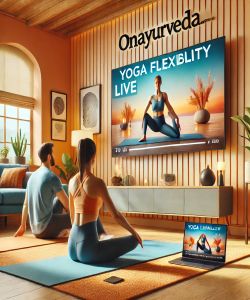
Overview of Yoga Flexibility
Yoga flexibility is a rigorous and systematic discipline, fundamentally misunderstood as the mere pursuit of physical contortion. It is, in reality, the intelligent cultivation of an optimal range of motion across all major joint complexes, underpinned by stability, strength, and profound neuromuscular awareness. This practice transcends simple stretching; it is a holistic methodology for deconstructing chronic tension patterns, rehydrating fascial networks, and enhancing the functional capacity of the entire musculoskeletal system. The objective is not hypermobility, which is a state of joint instability, but rather the establishment of a resilient and pliable physical structure capable of moving with efficiency, power, and grace. Through the precise application of asana (postures), pranayama (breath control), and dharana (concentration), the practitioner systematically conditions the body to release stored restrictions, thereby reducing the risk of injury, improving posture, and optimising physiological processes such as circulation and nervous system regulation. This is not a passive activity but an assertive engagement with the body’s limitations, demanding intelligence, discipline, and an unwavering commitment to self-awareness. It is the methodical reclamation of the body’s innate potential for movement, liberating it from the constraints imposed by a sedentary lifestyle, repetitive strain, or past trauma. The development of physical pliability is inextricably linked to mental and emotional resilience, fostering a state of integrated well-being where the body is not an obstacle but a highly-tuned instrument for navigating the demands of life. This is the true mandate of yoga flexibility: to forge a body that is responsive, strong, and intelligently adaptable, serving as a stable foundation for a focused and resilient mind.
What is Yoga Flexibility?
Yoga flexibility represents a sophisticated and multidimensional approach to enhancing the body’s range of motion, extending far beyond the rudimentary concept of stretching. It is the conscious and controlled exploration of the body's capacity to move through its complete anatomical potential without incurring damage or instability. This discipline is not concerned with achieving superficial aesthetic shapes but with fostering deep, functional mobility that supports overall health and physical competency. It involves a dynamic interplay between the nervous system, muscles, and connective tissues, particularly the fascia, which is the web of tissue that envelops and connects every structure within the body. True yogic flexibility is therefore a process of re-educating the body at a cellular and neurological level.
This re-education is achieved through several distinct yet interconnected modalities:
Neuromuscular Repatterning: Yoga actively recalibrates the stretch reflex, a protective mechanism that causes muscles to contract when they are stretched too quickly or too far. Through slow, mindful movement and sustained holds, coordinated with deep, controlled breathing, the practitioner trains the nervous system to permit a greater and safer range of motion.
Fascial Remodelling: Much of what is perceived as muscular tightness is, in fact, restriction within the fascial matrix. The sustained pressures and varied vectors of force applied during yoga asanas help to hydrate, release, and realign these fascial tissues, restoring their natural glide and elasticity. This process addresses restrictions on a systemic level, rather than isolating individual muscles.
Development of Active and Passive Range of Motion: Yoga cultivates both static-passive flexibility, where an external force (such as gravity or a prop) is used to hold a stretch, and static-active flexibility, which requires engaging opposing muscle groups to deepen a stretch. It also heavily utilises dynamic flexibility, which involves moving a joint through its full range of motion with control, thereby building strength and stability alongside pliability.
In essence, yoga flexibility is an intelligent dialogue with the body, employing breath, awareness, and precise physical forms to unlock inherent mobility, dissolve chronic holding patterns, and build a truly resilient and capable physical structure.
Who Needs Yoga Flexibility?
Sedentary Professionals: Individuals confined to desk-based roles for extended periods are primary candidates. Prolonged sitting fosters significant muscular imbalances, primarily shortening the hip flexors, hamstrings, and pectoral muscles, whilst weakening the glutes and core stabilisers. This directly leads to postural degradation, chronic lower back pain, and restricted spinal mobility. A dedicated yoga flexibility practice is not a luxury but a critical corrective intervention to counteract these detrimental occupational effects and restore functional movement patterns.
Athletes and Physically Active Individuals: Those engaged in sports and rigorous physical training require yoga flexibility as an essential component of their conditioning and recovery regimen. Repetitive athletic movements create specific, often asymmetrical, patterns of tightness and strength. Yoga serves to balance the body, increase joint range of motion for improved performance and power output, and significantly reduce the incidence of career-threatening injuries such as muscle tears and ligament sprains by enhancing tissue compliance.
The Ageing Population: As the body ages, a natural decline in soft tissue elasticity, joint lubrication, and muscle mass occurs, leading to progressive stiffness and a reduced capacity for daily activities. Yoga flexibility provides a low-impact, highly adaptable method to combat this process. It helps maintain joint health, preserves functional independence, improves balance to prevent falls, and manages the chronic aches and pains associated with age-related conditions like arthritis.
Individuals Undergoing Physical Rehabilitation: For those recovering from injury or surgery, yoga flexibility, when guided by a qualified instructor in consultation with a medical professional, offers a powerful tool for restoring mobility. It provides a controlled and mindful approach to re-establishing movement patterns, breaking down scar tissue, and rebuilding strength and proprioception in the affected area, thereby accelerating a complete and robust recovery.
Persons Experiencing Chronic Stress and Tension: Mental and emotional stress manifest physically as muscular armouring, particularly in the neck, shoulders, and back. This chronic contraction restricts movement and perpetuates the stress cycle. Yoga flexibility directly addresses this psychosomatic link, using breathwork and sustained postures to release deep-seated physical tension, down-regulate the sympathetic nervous system, and promote a state of profound relaxation and mental clarity.
Origins and Evolution of Yoga Flexibility
The emphasis on physical flexibility within yoga has undergone a profound transformation from its ancient origins to its contemporary expression. In classical yogic texts, such as the Hatha Yoga Pradipika, the physical postures, or asanas, were not pursued as an end in themselves. Their primary function was to prepare the body for prolonged periods of seated meditation. The goal was to eliminate physical discomfort and restlessness—the primary obstacles to deep concentration. Flexibility was therefore a utilitarian requirement for spiritual practice, intended to cultivate a body that was stable, healthy, and free from distraction. The asanas described were often rudimentary by modern standards, focused on creating a steady and comfortable seat (sthira sukham asanam) and purifying the body’s energy channels (nadis).
The evolution towards a more gymnastic and flexibility-focused practice began in the late 19th and early 20th centuries. This shift was heavily influenced by the cross-pollination of Indian ascetic practices with Western physical culture, including gymnastics and bodybuilding, which were gaining popularity under the British Raj. Indian innovators sought to revitalise Hatha yoga, framing it as a robust system for physical and national health. Figures such as Tirumalai Krishnamacharya, often called the father of modern yoga, played a pivotal role in this synthesis. He developed dynamic, physically demanding sequences of postures, borrowing from traditional asana, Indian wrestling exercises, and Western gymnastics, and tailored them to the needs of his students.
His most famous students—Pattabhi Jois (founder of Ashtanga Vinyasa Yoga), B.K.S. Iyengar (founder of Iyengar Yoga), and T.K.V. Desikachar—further propagated and diversified this physical focus. Jois emphasised a vigorous, flowing sequence, whilst Iyengar developed a meticulous system focused on precise anatomical alignment and the use of props to achieve deeper and safer expressions of postures. It was through their work, and its subsequent transmission to the West, that the image of the hyper-flexible yogi became popularised. This contemporary iteration, whilst delivering significant physical benefits, represents a marked departure from yoga’s original meditative purpose, placing a strong, and at times excessive, emphasis on the cultivation of extreme physical pliability as a primary marker of progress and proficiency in the practice.
Types of Yoga Flexibility
Static-Passive Flexibility: This is the most widely recognised form of flexibility training within yoga. It involves assuming a posture and holding it for a sustained period, typically for multiple breaths, whilst relaxing the muscles being stretched. The force required to create the stretch is external, originating from gravity, the floor, a prop such as a strap or block, or manual assistance from an instructor. Poses like Paschimottanasana (Seated Forward Bend) or Baddha Konasana (Bound Angle Pose), where gravity assists in deepening the posture, are prime examples. Its primary function is to calm the nervous system and allow for the gradual lengthening of muscle and connective tissue.
Static-Active Flexibility: This type requires the practitioner to assume and hold a stretched position using only the tension of the agonist muscles (the muscles responsible for the movement). The antagonist muscles (the muscles being stretched) are relaxed and lengthened. An example would be holding a leg straight out in front of the body without any support, using the strength of the quadriceps and hip flexors to stretch the hamstrings. This method is highly effective for building strength at the end range of motion, which is crucial for joint stability and control, preventing the instability associated with hypermobility.
Dynamic Flexibility: This involves moving parts of the body through their full range of motion in a controlled and deliberate manner. It is not to be confused with uncontrolled, bouncing movements. The vinyasa flow style of yoga, where movement is synchronised with breath in sequences like Surya Namaskar (Sun Salutation), is a clear demonstration of dynamic flexibility. This approach warms the muscles and connective tissues, improves circulation, and enhances neuromuscular coordination, preparing the body for more demanding static holds. It develops functional mobility that is directly transferable to everyday activities and athletic performance.
Proprioceptive Neuromuscular Facilitation (PNF) Flexibility: Whilst a clinical technique, its principles are frequently integrated into advanced yoga practice and adjustments. PNF typically involves a contract-relax sequence: the target muscle is first stretched passively, then isometrically contracted against resistance for several seconds, and finally relaxed and stretched further. In a yoga context, this might involve an instructor providing resistance in a pose like Supta Padangusthasana (Reclining Hand-to-Big-Toe Pose). This method effectively ‘tricks’ the nervous system’s protective stretch reflex, specifically the Golgi tendon organ, allowing for a deeper and more immediate increase in range of motion.
Benefits of Yoga Flexibility
Enhanced Range of Motion: Systematically increases the functional mobility of all major joint complexes, including the hips, shoulders, and spine. This allows for greater freedom of movement in daily activities and athletic pursuits, reducing the sensation of physical restriction and stiffness.
Significant Reduction in Injury Risk: Pliable, well-conditioned muscles and connective tissues are less susceptible to strains, sprains, and tears. By improving tissue compliance and elasticity, yoga flexibility ensures that the body can more effectively absorb and distribute forces encountered during dynamic activity, acting as a crucial preventative measure.
Improved Postural Alignment: Directly counteracts the detrimental effects of prolonged sitting and poor habitual postures. By lengthening chronically tight muscles (such as hamstrings and hip flexors) and facilitating the activation of underused muscles, it helps restore the natural and efficient curvature of the spine, reducing chronic back, neck, and shoulder pain.
Decreased Muscle Soreness and Improved Recovery: Promotes increased blood flow and lymphatic circulation to muscle tissues. This enhanced circulation delivers vital oxygen and nutrients whilst efficiently removing metabolic waste products, such as lactic acid, thereby accelerating post-exercise recovery and alleviating delayed onset muscle soreness (DOMS).
Optimised Athletic Performance: A greater range of motion translates directly to improved physical output. Athletes can achieve more efficient movement patterns, generate greater force and power, and execute technical skills with superior form and precision. Flexibility is a foundational physical attribute that underpins peak performance across all sports.
Regulation of the Nervous System: The practice of holding stretches in conjunction with deep, diaphragmatic breathing has a profound down-regulating effect on the sympathetic nervous system (the ‘fight or flight’ response) and stimulates the parasympathetic nervous system (the ‘rest and digest’ response). This leads to a measurable reduction in stress, anxiety, and physiological tension.
Enhanced Body Awareness (Proprioception): The intense focus required to navigate complex postures cultivates a heightened sense of the body’s position in space. This improved proprioception is critical for balance, coordination, and the prevention of falls and injuries, creating a more intelligent and responsive physical self.
Core Principles and Practices of Yoga Flexibility
Ahimsa (Non-Harming): This is the paramount principle. The pursuit of flexibility must be executed with absolute respect for the body’s current limitations. The practitioner is mandated to distinguish between the productive discomfort of a stretching muscle and the sharp, injurious pain signaling tissue damage. Progress is achieved through patient, consistent application of stress, never through aggressive force or ego-driven ambition. Pushing beyond a safe edge constitutes a violation of this core tenet and inevitably leads to injury.
Sthira Sukham Asanam (Steadiness and Ease): Every posture must embody a dynamic balance between effort (Sthira) and ease (Sukha). In flexibility work, this means actively engaging stabilising muscles to support the joints whilst simultaneously allowing the target muscles and connective tissues to release and lengthen. Finding this equilibrium prevents muscular guarding and allows the nervous system to permit a deeper, more authentic release. A stretch achieved through struggle and strain is counterproductive.
Pranayama (Breath Control): The breath is the primary tool for navigating and deepening flexibility. A slow, deep, and consistent Ujjayi or diaphragmatic breath calms the sympathetic nervous system, reducing the body’s protective stretch reflex. The exhalation is specifically utilised to release muscular tension and move further into a posture, whilst the inhalation can be used to create space and length. Synchronising movement with breath is non-negotiable for safe and effective practice.
Dharana (Concentration) and Interoception: Effective flexibility development requires an unwavering, internal focus. The practitioner must direct their full attention to the physical sensations within the body, monitoring the quality, location, and intensity of the stretch. This heightened internal awareness, or interoception, allows for constant micro-adjustments to alignment and intensity, ensuring the practice remains safe and maximally effective. It is the antithesis of mindless or distracted stretching.
Consistency over Intensity: Sporadic, aggressive stretching sessions are ineffective and dangerous. The physiological adaptations required for a lasting increase in flexibility—including fascial remodelling and neuromuscular repatterning—occur in response to consistent, regular stimuli. A disciplined practice of moderate intensity performed several times per week will yield far superior and more sustainable results than infrequent, overly ambitious attempts to force progress.
Bandha Engagement (Energy Locks): The subtle engagement of the core energy locks—Mula Bandha (root lock) and Uddiyana Bandha (abdominal lock)—is critical. These create core stability, particularly around the lumbar spine and pelvis, providing a solid foundation from which to stretch the limbs safely. They prevent energy leakage and protect vulnerable areas like the lower back from overstretching or compression in deep forward bends and backbends.
Online Yoga Flexibility
Unparalleled Accessibility and Autonomy: The online format eradicates geographical and logistical barriers to practice. It grants practitioners absolute autonomy over their schedule, enabling them to engage in a dedicated flexibility session at any time, from any location with an internet connection. This eliminates travel time and the constraints of a fixed studio timetable, fostering greater consistency which is paramount for tangible progress.
Cultivation of Intrinsic Motivation and Self-Discipline: Without the external accountability of a physical class and instructor, the onus of responsibility rests squarely on the practitioner. The online environment demands and cultivates a high degree of self-discipline, internal motivation, and commitment. This fosters a more profound sense of ownership over one’s practice and progress, transforming it into a truly personal discipline rather than a passively attended activity.
Creation of a Controlled and Private Practice Environment: Practitioners can construct an ideal environment tailored to their specific needs, free from the potential distractions or perceived social pressures of a public studio. This privacy can be particularly beneficial for beginners or those who are self-conscious, allowing them to explore their physical limitations without fear of judgment, which in turn facilitates a deeper and more honest practice.
Access to a Global Roster of Elite Instructors: The digital domain provides access to a vast and diverse pool of highly specialised instructors from around the world. A practitioner is no longer limited to the expertise available in their immediate locality. They can seek out and learn from leading authorities in anatomy, biomechanics, and specific yoga lineages, receiving world-class instruction that might otherwise be entirely inaccessible.
Necessity for Heightened Proprioception and Self-Awareness: The absence of hands-on adjustments from an instructor compels the online practitioner to develop a superior level of body awareness. They must learn to interpret verbal cues with precision and to feel for correct alignment from within. This mandatory cultivation of interoception—the ability to sense the internal state of the body—is an invaluable skill that leads to a more intelligent, safer, and ultimately more effective long-term practice.
Affordability and Resource Availability: Online platforms frequently offer a more cost-effective model than traditional studio memberships. Furthermore, they provide vast libraries of on-demand content, allowing practitioners to repeat classes, focus on specific body parts, or select sessions of varying lengths and intensities to suit their daily needs, offering a level of customisation and repetition that is impractical in a live studio setting.
Yoga Flexibility Techniques
Systematic Warm-Up: Initiate the practice with a mandatory phase of dynamic movement to increase core body temperature and enhance circulation to the muscles and connective tissues. This is not optional. Execute several rounds of Surya Namaskar (Sun Salutation) or a sequence of Cat-Cow, spinal rolls, and controlled leg swings. The objective is to prepare the tissues for the demands of deeper stretching, ensuring they are pliable and responsive, thereby minimising the risk of a cold-muscle injury.
Isolate and Engage Supporting Musculature: Before entering the peak of a stretch, consciously identify and engage the muscles that stabilise the surrounding joints. For example, in a hamstring stretch like Ardha Hanumanasana (Half Splits), actively press the front heel into the mat and engage the quadriceps. This technique, known as reciprocal inhibition, signals the antagonist muscle (the hamstring) to relax more deeply, permitting a safer and more effective stretch.
Utilise Breath as the Primary Tool for Release: Coordinate every movement with the breath with absolute precision. Use the inhalation to create space and length, particularly along the spine. Use the full, slow exhalation as the gateway to deepen the stretch. The nervous system is directly linked to the breath cycle; a calm, extended exhalation signals safety to the brain, which in turn reduces the protective tension (stretch reflex) in the target muscles, allowing them to release.
Implement Sustained Static Holds: Once the appropriate depth is reached, maintain the posture in complete stillness for a significant duration, typically ranging from thirty seconds to several minutes. This sustained hold provides the necessary time for the viscoelastic properties of the connective tissue (fascia) to respond and for the Golgi tendon organ to inhibit muscle contraction. During the hold, remain mentally engaged, directing the breath to the area of sensation and maintaining muscular engagement for stability.
Execute a Controlled and Mindful Exit: Releasing a deep stretch is as critical as entering it. Exit the posture slowly and deliberately, often on an inhalation. Avoid any sudden, ballistic, or reactive movements, as the muscles are in a lengthened and vulnerable state. A rushed exit can easily lead to a strain or cramp. The release must be performed with the same level of control and awareness as the entry and the hold.
Apply Counter-Postures for Neuromuscular Balance: Immediately following an intense stretch or a series of postures targeting one area, perform a counter-pose. This involves taking the joint and muscles in the opposite direction to neutralise the stress and restore balance. For example, after a deep backbend like Ustrasana (Camel Pose), a gentle forward bend like Balasana (Child’s Pose) is essential. This re-establishes neuromuscular equilibrium and prevents residual strain.
Yoga Flexibility for Adults
A dedicated yoga flexibility practice is a non-negotiable requirement for the modern adult, serving as a powerful antidote to the physical and mental stressors of contemporary life. For many, adulthood is characterised by prolonged periods of sedentary behaviour, particularly in professional contexts, which leads to a predictable and debilitating pattern of muscular shortening and postural decay. Chronically tight hip flexors, hamstrings, and pectoral muscles, coupled with a weakened core and inactive glutes, create a cascade of musculoskeletal issues, from chronic lower back pain to tension headaches. Yoga flexibility systematically targets and deconstructs these ingrained patterns, using precise postures to lengthen shortened tissues and reawaken dormant ones, thereby restoring functional movement and biomechanical integrity. Furthermore, age-related decline in tissue elasticity and joint lubrication is not an inevitability but a condition that can be effectively managed and mitigated. A consistent practice maintains synovial fluid production, preserves the compliance of ligaments and tendons, and ensures that the body retains its capacity for fluid, pain-free movement well into later life. It is a proactive strategy for preserving independence and quality of life. The emphasis for adults must be on functional flexibility—the range of motion required for daily tasks—rather than on gymnastic contortion. Utilising props such as blocks and straps is not a sign of weakness but an indication of intelligent practice, allowing for safe alignment and a more effective, targeted stretch. Beyond the purely physical, the practice offers an essential sanctuary for mental decompression, using breathwork and focused awareness to down-regulate a nervous system chronically overstimulated by professional and personal demands.
Total Duration of Online Yoga Flexibility
The designated and effective total duration for a comprehensive online yoga flexibility session is precisely 1 hr. This timeframe is not arbitrary; it is the minimum required to execute all necessary components of a safe, intelligent, and impactful practice without compromise. A session of less than 1 hr necessitates rushing through critical phases or omitting them entirely, which significantly increases the risk of injury and diminishes the physiological benefits. The structure of this 1 hr session is non-negotiable and must be rigorously adhered to. It commences with a dedicated warm-up period of approximately ten to fifteen minutes, involving dynamic movements such as sun salutations or cat-cow variations to elevate core temperature and prepare the musculature and connective tissues for deeper work. Following this, the core of the practice, lasting thirty to forty minutes, is dedicated to the main sequence of asanas. This segment systematically targets the major muscle groups, moving through a logical progression of postures that build upon one another to achieve optimal release and range of motion. The final ten to fifteen minutes are reserved for a crucial cool-down phase, which includes gentle counter-postures to neutralise the spine and balance the body’s energy, followed by Savasana (Corpse Pose). This concluding relaxation period is mandatory; it allows the nervous system to integrate the work, consolidate neuromuscular learning, and transition from a state of active engagement to one of profound rest and recovery. To truncate this 1 hr structure is to fundamentally misunderstand the physiological and neurological processes involved in developing lasting flexibility and to engage in an activity that is, at best, ineffective and, at worst, actively harmful.
Things to Consider with Yoga Flexibility
Engaging in a yoga flexibility practice requires a high degree of intelligence and discernment, as the line between beneficial tissue stimulation and detrimental joint destabilisation is a fine one. It is imperative to understand that flexibility and hypermobility are not synonymous. Flexibility is the controlled, functional range of motion of a joint, supported by adequate muscular strength. Hypermobility, conversely, is a state of excessive joint laxity, often due to ligamentous insufficiency, which can lead to instability and a heightened risk of dislocation and chronic pain. The pursuit of extreme flexibility without the concurrent development of stabilising strength is a reckless and ill-advised endeavour. Practitioners must therefore integrate strength-building elements into their routine to ensure that newly acquired range of motion is fully supported and controlled. Furthermore, progress is inherently non-linear and deeply personal; comparison to others is a futile and ego-driven distraction that often precipitates injury. The practitioner must cultivate profound interoception—an acute awareness of internal bodily sensations—to differentiate between the productive discomfort of a releasing muscle and the sharp, signalling pain of tissue damage. Pushing through the latter is an act of self-harm. The use of props like blocks and straps should be viewed not as a crutch, but as an essential tool for maintaining anatomical integrity and achieving a more effective stretch by bringing the floor closer or extending one's reach, thereby preventing the compensation and misalignment that occurs when the body is forced into a shape it is not prepared for. Patience and consistency are the true agents of change, not brute force or ambition.
Effectiveness of Yoga Flexibility
The effectiveness of yoga flexibility as a modality for enhancing range of motion, reducing injury risk, and improving overall physical function is unequivocal and grounded in established principles of human physiology and neuroscience. When practiced with discipline and precision, its efficacy is not a matter of belief but of biomechanical and neurological fact. The practice operates on multiple levels simultaneously. Mechanically, the sustained holds of static postures apply a low-load, long-duration stress to the dense connective tissues, particularly fascia. This stimulates cellular responses that, over time, remodel the fascial matrix, breaking down adhesions and restoring its hydrated, pliable state. On a neuromuscular level, the slow, controlled entry into stretches, paired with deep, diaphragmatic breathing, actively down-regulates the sympathetic nervous system and mitigates the protective stretch reflex. This process re-educates the nervous system, resetting the baseline for what it perceives as a safe range of motion and allowing for lasting increases in muscle length. Proprioceptive feedback from nerve endings within the muscles and tendons is refined, leading to greater body awareness and motor control. The integration of active and dynamic flexibility techniques further ensures that this newfound range is not merely passive but is supported by functional strength. Consequently, the results are not temporary or superficial; they represent a fundamental repatterning of the body’s physical structure and its neural control systems. For any individual committed to its core principles, a consistent yoga flexibility practice will invariably yield profound, measurable, and lasting improvements in physical capacity and resilience.
Preferred Cautions During Yoga Flexibility
The practice of yoga flexibility demands an uncompromising and vigilant approach to personal safety. The practitioner bears ultimate responsibility for their physical well-being and must adhere to a strict set of non-negotiable cautions. The primary directive is the absolute avoidance of sharp, shooting, burning, or electrical pain sensations. Such feelings are unequivocal signals of nerve impingement or imminent tissue damage and require immediate and intelligent retreat from the posture. Distinguishing between the dull, productive ache of a muscle releasing and the damaging signal of pain is a critical and non-delegable skill. Under no circumstances should ballistic stretching—bouncing or forcing oneself into a position—be employed. This archaic and dangerous method triggers a powerful protective contraction (the stretch reflex) and is a primary cause of muscle tears. Furthermore, joints must never be hyperextended or allowed to sink into a position of laxity; always maintain a micro-bend in the elbows and knees to ensure that the supporting musculature remains engaged and the joint capsule and ligaments are protected from strain. Individuals with pre-existing hypermobility must be particularly cautious, focusing more on strengthening at the end of their range of motion rather than pushing for more length. Props are not optional aids for beginners; they are essential tools for maintaining structural integrity for all levels of practitioner. Forcing the body into a shape without proper support leads to compensation in other areas, typically the lumbar spine, and is a direct path to chronic injury. The ego has no place in this practice; listen to the body’s feedback with authority and respect its limitations on any given day.
Yoga Flexibility Course Outline
Module 1: Foundational Principles and Safety Protocols
Defining functional flexibility versus hypermobility.
Mastering the distinction between productive stretch and injurious pain.
Core principles: Ahimsa (non-harming), Sthira Sukham Asanam (steadiness and ease).
Correct and intelligent use of props: blocks, straps, and bolsters for maintaining alignment.
Contraindications and modifications for common physical limitations.
Module 2: The Science of Breath (Pranayama) for Release
Anatomy of the breath: Diaphragmatic breathing versus chest breathing.
Ujjayi Pranayama: Technique for nervous system regulation.
Synchronising breath with movement (Vinyasa).
Utilising the exhalation to overcome the stretch reflex and deepen postures safely.
Module 3: Unlocking the Hips and Hamstrings
Anatomy of the pelvic girdle and posterior chain.
Systematic progression of postures for hip flexors, adductors, abductors, and external rotators.
Safe and effective techniques for lengthening the hamstrings without compromising the lumbar spine.
Sequences for addressing sciatica and piriformis syndrome.
Module 4: Cultivating Spinal Mobility and Shoulder Opening
The six movements of the spine: flexion, extension, lateral flexion, and rotation.
Postures for decompressing the vertebral column and hydrating spinal discs.
Anatomy of the shoulder girdle.
Techniques for releasing chronic tension in the neck, trapezius, and pectoral muscles.
Module 5: Integrating Dynamic and Static Flexibility
Understanding the roles of different flexibility types.
Constructing warm-up sequences using dynamic stretching.
Transitioning effectively from dynamic flow into sustained static holds.
Developing active flexibility: building strength at the end range of motion.
Module 6: Advanced Postures and Intelligent Progression
Deconstructing complex postures (e.g., splits, deep backbends) into preparatory components.
Principles of sequencing for safely approaching and entering advanced asanas.
Techniques for maintaining stability and integrity in extreme ranges of motion.
Developing a mature practice focused on refinement over acquisition.
Module 7: Designing a Sustainable Personal Practice
Assessing personal needs and creating targeted flexibility routines.
Strategies for maintaining consistency and motivation.
Integrating flexibility work into a broader wellness or athletic regimen.
The long-term vision: flexibility as a lifelong discipline for health and resilience.
Detailed Objectives with Timeline of Yoga Flexibility
Phase 1: Foundation and Acclimatisation (Weeks 1-4)
Objective: To establish a consistent practice schedule of no fewer than three sessions per week and to master the foundational principles of safe stretching.
Timeline: By the end of this initial month, the practitioner will demonstrate proficient use of props for alignment, exhibit consistent diaphragmatic breathing throughout practice, and understand the critical difference between productive discomfort and pain. Tangible flexibility gains are not the primary objective; neurological adaptation and safe patterning are.
Phase 2: Neuromuscular Adaptation (Weeks 5-12)
Objective: To achieve measurable increases in passive and active range of motion in the major muscle groups, particularly the hamstrings, hip flexors, and shoulder girdle.
Timeline: During this phase, the practitioner will focus on increasing the duration of static holds. By the end of the third month, they should be able to hold foundational poses like Paschimottanasana (Seated Forward Bend) and Gomukhasana (Cow Face Pose) with correct alignment and a calm nervous system, and notice a distinct improvement in functional movements outside of practice.
Phase 3: Consolidation and Strength Integration (Months 4-6)
Objective: To build strength and stability to support the newly acquired flexibility, preventing joint instability.
Timeline: The practitioner will introduce more static-active and dynamic strength-based postures that challenge the end range of motion. By the six-month mark, they will demonstrate improved control and reduced shaking in challenging holds, indicating that the nervous system and musculature have fully adapted to and can support the new physical capacity.
Phase 4: Refinement and Deepening (Months 7-12)
Objective: To refine alignment in all postures and begin the intelligent exploration of more complex asanas. The focus shifts from gaining range to mastering the quality of movement and awareness within that range.
Timeline: In this period, progress is measured not in inches but in the subtlety of alignment and the depth of internal awareness. By the end of the first year, the practitioner will have a deeply ingrained, self-sufficient practice, capable of intuitively modifying postures and sequencing to meet their body's daily needs.
Phase 5: Lifelong Practice (Ongoing)
Objective: To maintain and subtly enhance flexibility as a core component of long-term health and well-being, adapting the practice to life's changing demands.
Timeline: This is the mastery stage, where flexibility is no longer a goal to be achieved but a state to be maintained. The practitioner uses the discipline as a diagnostic tool for physical and mental well-being, consistently applying its principles for sustained vitality.
Requirements for Taking Online Yoga Flexibility
Uninterrupted, High-Speed Internet Connectivity: A stable and robust broadband connection is non-negotiable. Intermittent service, buffering, or poor resolution compromises the ability to follow visual cues and absorb instruction, rendering the session ineffective and potentially unsafe.
A Suitable Digital Interface: The practitioner must possess a device—be it a laptop, tablet, or large monitor—with a screen of sufficient size and clarity to discern the fine details of the instructor’s alignment and demonstrations. Relying on a small mobile phone screen is inadequate and unacceptable.
A Designated and Uncluttered Practice Space: A specific area must be allocated for practice. This space must be quiet, private, and free of physical hazards and distractions. It requires sufficient floor space to accommodate the full length and width of a yoga mat with ample room for unrestricted movement of the limbs in all directions.
Mandatory Professional-Grade Equipment: The following items are not optional accessories but required tools for a safe and effective practice:
A high-quality, non-slip yoga mat.
Two dense foam or cork yoga blocks.
A non-elastic yoga strap, at least eight feet in length.
A firm bolster or several dense blankets for support in restorative postures.
Unyielding Personal Discipline and Commitment: The online format demands a high degree of self-motivation. The practitioner is solely responsible for scheduling sessions, eliminating distractions, and committing to the practice without the external pressure of a studio environment.
Heightened Self-Awareness and Bodily Intelligence: In the absence of hands-on adjustments, the practitioner must cultivate an acute ability to self-assess their alignment and honour their physical limitations. This requires honesty, patience, and a willingness to prioritise safety over the depth of a posture.
Appropriate Attire: Clothing must be comfortable, non-restrictive, and allow for a full range of motion. It should not be so loose as to obscure the body’s lines or become entangled during movement.
Things to Keep in Mind Before Starting Online Yoga Flexibility
Before embarking on any online yoga flexibility programme, a rigorous and honest self-assessment is mandatory. This is not a casual endeavour to be initiated on a whim. Firstly, securing clearance from a qualified medical professional is an absolute prerequisite, particularly for individuals with pre-existing injuries, chronic health conditions, or musculoskeletal disorders such as herniated discs or joint instability. Proceeding without such consultation is irresponsible. Secondly, the selection of an instructor demands meticulous vetting. The digital landscape is saturated with unqualified personalities; it is imperative to choose a teacher with verifiable, advanced certifications (RYT-500 or equivalent), a deep understanding of anatomy and biomechanics, and extensive teaching experience. Scrutinise their credentials, not their social media following. Thirdly, one must dismantle any pre-conceived, ego-driven expectations of rapid progress or the attainment of extreme postures. True flexibility is cultivated over months and years of consistent, intelligent work. Impatience is the most direct path to injury. Finally, and most critically, the practitioner must fully accept that in the online environment, they are the ultimate guardian of their own safety. The absence of a physically present instructor to provide hands-on corrections places the entire burden of awareness, restraint, and intelligent modification upon the individual. You must be prepared to listen intently to your body’s signals and to back away from any sensation that registers as sharp, electrical, or otherwise injurious, regardless of the instructor's cues for the general class.
Qualifications Required to Perform Yoga Flexibility
The instruction of yoga flexibility is a professional responsibility that demands a rigorous and verifiable set of qualifications; it is not a domain for the amateur enthusiast or the newly certified. The baseline, non-negotiable credential for an instructor is a foundational certification from a globally recognised registering body. However, this is merely the starting point. A truly qualified instructor who specialises in the nuances of flexibility must possess a portfolio of credentials and experience that demonstrates a profound and sophisticated understanding of the human body. This includes, but is not limited to:
Advanced Certification: A foundational 200-hour certificate is insufficient. A credible instructor will hold an advanced 500-hour certification (RYT-500) or higher, indicating a greater depth of study in technique, philosophy, and teaching methodology.
Specialised Anatomical and Biomechanical Training: A generic understanding of anatomy is inadequate. The instructor must have undertaken specific, in-depth training in functional anatomy, kinesiology, and biomechanics as they relate to stretching, loaded mobility, and fascial science. This knowledge is essential for providing safe, effective cues and for understanding contraindications.
Demonstrable and Extensive Teaching Experience: There is no substitute for practical, hands-on teaching experience accumulated over several years. This experience hones the instructor's ability to observe different body types, anticipate common alignment errors, and communicate complex instructions with clarity and precision, particularly through the limited medium of a screen.
A Deep and Sustained Personal Practice: An instructor can only guide others as far as they have travelled themselves. A dedicated, long-term personal practice is essential for an authentic and embodied understanding of the physical and mental challenges involved in cultivating flexibility.
First Aid and CPR Certification: As a matter of professional diligence and duty of care, every instructor, whether online or in-person, must be certified in basic first aid and cardiopulmonary resuscitation.
An individual lacking this comprehensive background is not qualified to guide others through the potent and potentially hazardous discipline of deep flexibility work.
Online Vs Offline/Onsite Yoga Flexibility
Online
The online modality for yoga flexibility is defined by its autonomy and accessibility. Its primary advantage is the complete eradication of logistical constraints; the practitioner is not bound by geography, travel time, or a fixed studio schedule. This allows for a level of consistency that is often difficult to maintain with in-person classes. The practitioner has access to a global pool of elite instructors, enabling them to study with specialists they would otherwise never encounter. Furthermore, the privacy of the home environment can be conducive to a more focused and less self-conscious practice, free from the social dynamics or perceived competition of a group setting. However, this autonomy comes with significant responsibilities. The most profound disadvantage is the lack of physical feedback and hands-on adjustments from a qualified instructor. The student is solely responsible for interpreting verbal cues and ensuring correct alignment, which heightens the risk of forming bad habits or sustaining injury, especially for beginners. It demands an exceptional degree of self-discipline, motivation, and pre-existing body awareness to be truly safe and effective.
Offline/Onsite
The offline, or in-person, experience provides a structured and supportive environment that is fundamentally different. Its principal strength lies in the direct presence of the instructor. This allows for immediate, personalised feedback, including crucial hands-on adjustments that can correct subtle but significant misalignments, thereby maximising the effectiveness of a posture and preventing injury. The energy of a group setting can be highly motivating, fostering a sense of community and shared purpose. A dedicated studio space is designed to be free from the distractions of home, facilitating deeper immersion in the practice. The disadvantages are primarily logistical. The practitioner is subject to a fixed class schedule, the costs are typically higher, and the choice of instructors is limited to those in the immediate geographical area. The presence of others can also be a source of distraction or self-consciousness for some individuals. Ultimately, the offline environment prioritises guided safety and community, whilst the online environment prioritises convenience and personal autonomy.
FAQs About Online Yoga Flexibility
Question 1. Is online yoga flexibility safe for a complete beginner?
Answer: It can be, but it demands extreme caution. A beginner must choose a course specifically designed for foundational levels and an instructor known for precise, detailed verbal cueing. The beginner bears full responsibility for not pushing beyond their limits.
Question 2. Do I need to be flexible to start?
Answer: No. That is a fundamental misconception. The practice is designed to develop flexibility, not to require it as a prerequisite. You start from your current physical state.
Question 3. What equipment is absolutely non-negotiable?
Answer: A non-slip yoga mat, two yoga blocks, and a yoga strap. These are not accessories; they are essential tools for safety and correct alignment.
Question 4. How can I avoid injury without a teacher present?
Answer: Prioritise body awareness over the depth of the pose. Never move into sharp pain. Use props generously. Exit any posture that feels unstable or causes injurious sensation immediately.
Question 5. How often should I practice to see results?
Answer: Consistency is more important than duration. A minimum of three dedicated sessions per week is required for tangible, lasting physiological adaptation.
Question 6. Can I ask the instructor questions during an online class?
Answer: This depends on the platform. Live-streamed classes often have a chat function for questions before or after the session. Pre-recorded classes do not offer this interaction.
Question 7. What if my internet connection fails mid-session?
Answer: You must have a plan. Either stop your practice safely or continue with poses you know well. Never attempt new or challenging postures without visual guidance.
Question 8. Is an online course as effective as an in-person class?
Answer: It can be highly effective for a disciplined, self-aware individual. However, it cannot replicate the benefit of hands-on adjustments provided in an in-person setting.
Question 9. How do I choose a qualified online instructor?
Answer: Verify their credentials. Look for advanced certifications (RYT-500 or higher), specialisation in anatomy, and years of teaching experience. Avoid instructors focused solely on aesthetics.
Question 10. Can online yoga help with my lower back pain?
Answer: It can be highly beneficial if done correctly, but you must first consult a medical professional to diagnose the cause of your pain. Certain conditions can be exacerbated by incorrect stretching.
Question 11. What is the ideal time of day to practice?
Answer: This is personal, but many find muscles are more pliable later in the day. The most important factor is choosing a time you can consistently commit to.
Question 12. Should I eat before practicing?
Answer: Practice on a relatively empty stomach. Avoid heavy meals for at least two to three hours before a session.
Question 13. What if a pose feels impossible?
Answer: Use modifications and props. The goal is to feel the intended stretch in the target area, not to replicate the exact shape of the instructor.
Question 14. How long does it take to become flexible?
Answer: There is no endpoint. It is a continuous process. Noticeable improvements can be felt within weeks, but significant changes take months and years of consistent practice.
Question 15. Can I practice if I am pregnant?
Answer: You must consult your doctor and only take specialised prenatal yoga classes, whether online or in-person. A general flexibility class is not appropriate.
Question 16. Will this practice make my joints unstable?
Answer: Not if you practice intelligently by building strength alongside flexibility. Avoid pushing into hypermobility and always engage supporting muscles.
Conclusion About Yoga Flexibility
In conclusion, yoga flexibility must be definitively understood not as the pursuit of aesthetic contortion but as a sophisticated and demanding discipline for the optimisation of the human machine. It is a systematic method for deconstructing physical limitations, re-establishing functional range of motion, and cultivating a body that is both powerful and pliable. The practice is an assertive dialogue with the body’s tissues and its controlling nervous system, demanding intelligence, unwavering consistency, and an absolute rejection of ego. Its principles are grounded in physiological reality, leveraging breath and precise alignment to elicit profound and lasting adaptations in the musculoskeletal and fascial systems. Whether pursued in a traditional studio or through the autonomous medium of an online platform, the core tenets remain immutable: safety is paramount, awareness is the primary tool, and progress is the meticulous result of disciplined effort over time, not of brute force. To engage with this practice is to undertake a commitment to physical excellence and resilience, forging a body that is not a source of limitation but a highly-tuned, capable instrument, fully prepared to meet physical challenges with grace and competence. It is, therefore, far more than simple stretching; it is a foundational pillar of profound and enduring well-being.