1. Overview of Yoga For 7 Chakras
Yoga for the Seven Chakras is an uncompromising and systematic discipline designed to purify, balance, and activate the primary energy centres within the human subtle body. It is not a casual form of exercise but a profound methodology for orchestrating the flow of prana, or life force energy, along the spinal axis, where these seven vortices of power are located. This practice mandates a rigorous integration of physical postures (asana), controlled breathing techniques (pranayama), specific sound vibrations (mantra), hand gestures (mudra), and focused meditation (dhyana). Each element is meticulously selected and sequenced to target a specific chakra, from the foundational Muladhara at the base of the spine to the transcendent Sahasrara at the crown of the head. The ultimate objective is to dismantle energetic blockages, which are understood to be the root cause of physical ailments, emotional turbulence, and mental stagnation. By systematically addressing each chakra, the practitioner cultivates a state of profound equilibrium, leading to heightened awareness, enhanced vitality, and a formidable sense of inner authority. This is not a path of mere physical conditioning; it is a direct and assertive engagement with the body’s energetic architecture, demanding discipline, intention, and an unwavering commitment to self-mastery. The practice functions as a holistic recalibration, ensuring that the physical, mental, and energetic dimensions of the self are brought into a state of powerful, resonant alignment, fostering a foundation of unshakeable stability and clarity. It is, in essence, the science of optimising human potential from its most fundamental energetic blueprint.
2. What are Yoga For 7 Chakras?
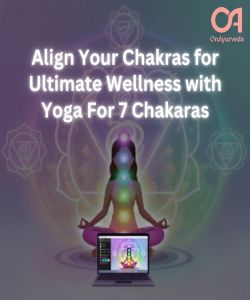
Yoga for the Seven Chakras is a highly specialised and targeted application of yogic science. It is a structured practice that utilises the core tools of yoga to influence the seven primary chakras, which are understood in yogic anatomy as spinning wheels or vortices of subtle energy. These centres are not physical entities but are critical junctions within the body's energy grid, known as the nadi system, through which life force energy, or prana, flows. The practice is predicated on the principle that the state of these chakras directly impacts one's physical health, emotional stability, and psychological clarity. When a chakra is blocked, underactive, or overactive, it manifests as dysfunction in the corresponding area of life.
The seven principal chakras addressed are:
- Muladhara (Root Chakra): Located at the base of the spine, it governs our sense of security, stability, and fundamental survival instincts.
- Svadhisthana (Sacral Chakra): Situated in the lower abdomen, it is the centre of creativity, emotional expression, and pleasure.
- Manipura (Solar Plexus Chakra): Found in the upper abdomen, it is the seat of personal power, self-esteem, and willpower.
- Anahata (Heart Chakra): Located at the centre of the chest, it governs love, compassion, connection, and interpersonal relationships.
- Vishuddha (Throat Chakra): Situated at the throat, it is the centre for communication, self-expression, and the articulation of truth.
- Ajna (Third Eye Chakra): Found between the eyebrows, it governs intuition, foresight, imagination, and wisdom.
- Sahasrara (Crown Chakra): Located at the very top of the head, it represents our connection to pure consciousness, spirituality, and enlightenment.
Yoga for the Seven Chakras, therefore, is a methodical process of using specific asanas, pranayama, and meditative techniques to cleanse, stimulate, and harmonise each of these energy centres in a deliberate and sequential manner.
3. Who Needs Yoga For 7 Chakras?
- Individuals experiencing chronic emotional dysregulation or persistent psychological states such as anxiety, apathy, or lack of motivation. This practice provides a systematic framework for identifying and rectifying the energetic imbalances that are the root cause of such disturbances, enforcing a return to a state of emotional equilibrium.
- Professionals and leaders seeking to amplify their focus, decisiveness, and executive presence. By targeting the Manipura (Solar Plexus) and Ajna (Third Eye) chakras, this discipline cultivates the inner power, clarity, and intuition necessary for effective command and strategic thinking.
- Those grappling with a profound sense of disconnection from their physical body or a lack of grounding in their own life. The focus on the Muladhara (Root Chakra) is specifically designed to re-establish a powerful connection to one’s physical existence and create an unshakeable foundation of stability and security.
- Artists, creators, and innovators suffering from creative blocks or a diminished capacity for inspiration. The work on the Svadhisthana (Sacral Chakra) directly stimulates the flow of creative energy, dismantling the obstructions that impede original thought and fluid expression.
- Individuals who struggle with authentic self-expression, fear of public speaking, or the inability to articulate their truth. The practice’s emphasis on the Vishuddha (Throat Chakra) is non-negotiable for anyone who must communicate with clarity, conviction, and authority.
- Anyone feeling spiritually adrift or seeking a deeper, more tangible connection to their inner self and the larger fabric of existence. The progressive work through the upper chakras, culminating in the Sahasrara (Crown), provides a structured pathway towards heightened consciousness and purpose.
- Practitioners of physical disciplines who have reached a plateau. This yoga provides the missing energetic dimension, unlocking new levels of performance by ensuring the subtle body’s framework is as robust and aligned as the physical one.
4. Origins and Evolution of Yoga For 7 Chakras
The conceptual framework of Yoga for the Seven Chakras is rooted in the ancient esoteric traditions of India, with its earliest philosophical underpinnings found in the Vedas and later, more explicitly, in the Upanishads. These foundational texts first articulated the existence of a vital life force, prana, and a network of energy channels, nadis, through which it flows. However, the systematic codification of the chakra system as it is widely understood today emerged from the Tantric traditions, which flourished between the 5th and 12th centuries CE. It was within Tantra that the idea of the body as a microcosm of the universe was fully developed, with the chakras representing crucial nexuses of consciousness and energy along the central channel, the Sushumna nadi.
Key texts, such as the Sat-Cakra-Nirupana (Description of the Six Chakras) and the Padaka-Pancaka, composed in the 16th century, provided detailed descriptions of each chakra, including its location, associated element, colour, deity, and bija (seed) mantra. These texts were not intended for the general populace but were esoteric manuals for initiates, detailing practices to awaken the dormant spiritual energy, Kundalini, coiled at the base of the spine and guide it upwards through each chakra to achieve enlightenment. This form of yoga was intensely rigorous, secretive, and required the direct guidance of a qualified guru.
The evolution of this practice into its modern form began in the late 19th and early 20th centuries with the translation of these texts and their introduction to the West by figures such as Sir John Woodroffe (Arthur Avalon). This exposure led to a degree of popularisation and, in some cases, oversimplification. However, contemporary, authoritative forms of Yoga for the Seven Chakras represent a powerful reintegration. They combine the authentic, subtle-body focus of classical Tantra and Hatha Yoga with a modern, systematic understanding of anatomy and physiology, making the profound practice of energetic alignment accessible yet demanding for the dedicated modern practitioner, preserving its core integrity and transformative power.
5. Types of Yoga For 7 Chakras
The practice of Yoga for the Seven Chakras is not a singular, monolithic style but rather a focused application that can be approached through several distinct yogic methodologies. Each type utilises a different emphasis to achieve the same fundamental goal: the balancing and activation of the chakra system.
- Hatha Yoga Approach: This is the most foundational approach. It emphasises the deliberate and sustained holding of specific static postures (asanas). Each asana is chosen for its ability to apply pressure, create space, or direct blood and energy flow to the physical location of a particular chakra. For instance, standing and grounding postures for Muladhara, or deep backbends for Anahata. The pace is slow and methodical, demanding immense physical and mental stillness to allow the practitioner to concentrate intensely on the target energy centre.
- Vinyasa Flow Approach: This type synchronises breath with dynamic, flowing movement. A sequence is intelligently crafted to move energy systematically up the spinal column, moving from postures that ground the root chakra to those that open the crown. The continuous movement, or vinyasa, is designed to generate heat and purify the energy channels (nadis), facilitating a smoother, more powerful flow of prana through the chakras. It is physically demanding and requires a high degree of coordination.
- Kundalini Yoga Approach: This is a highly prescriptive and potent system. It uses specific sets of exercises known as kriyas, which combine repetitive movements, powerful breathing techniques (like Breath of Fire), mantra chanting, mudras, and meditation. Each kriya is precisely designed to produce a specific energetic outcome, often with a direct focus on awakening the Kundalini energy at the base of the spine and moving it through the chakra system.
- Yin Yoga Approach: This is a passive, contemplative practice. It involves holding floor-based postures for extended periods, typically several minutes at a time. The aim is to stress the deeper connective tissues, such as ligaments and fascia, which correspond to the meridian lines of traditional Chinese medicine and the nadis of yogic anatomy. This deep, sustained pressure helps to release profound energetic blockages within the chakras.
- Mantra and Sound Healing Approach: This methodology places primary emphasis on vibration. It focuses on the chanting of bija (seed) mantras—single-syllable sounds that are said to resonate at the specific frequency of each chakra (e.g., LAM for Muladhara, VAM for Svadhisthana). The practice may also incorporate singing bowls or other instruments to amplify these resonant frequencies, cleansing and tuning the chakras through sound.
6. Benefits of Yoga For 7 Chakras
- Systematic Dismantling of Energetic Blockages: The practice provides a direct and methodical approach to identifying and clearing obstructions in the body’s subtle energy channels, which are the underlying cause of many physical and psychological ailments. This leads to a profound and lasting sense of internal freedom and flow.
- Enhanced Emotional Regulation and Stability: By directly addressing the energy centres responsible for emotional states—such as the sacral and heart chakras—the practitioner gains a superior capacity to manage and neutralise emotional turbulence. This cultivates a state of unshakeable equanimity, regardless of external circumstances.
- Amplified Personal Power and Willpower: The specific focus on the Manipura chakra, the body’s power centre, systematically builds self-esteem, discipline, and the force of will required to execute goals and assert oneself with confidence and authority.
- Increased Physical Vitality and Resilience: The harmonisation of the chakra system ensures that prana, or life force energy, is distributed efficiently throughout the entire physical body. This results in greater stamina, improved physiological function, and a more robust state of overall health.
- Cultivation of Profound Mental Clarity and Intuition: The activation of the upper chakras, particularly the Ajna (Third Eye) and Sahasrara (Crown), sharpens the intellect, enhances concentration, and opens the faculties of intuition and higher awareness, leading to superior decision-making and insight.
- Improved Communication and Authentic Self-Expression: Through dedicated work on the Vishuddha (Throat Chakra), the practitioner develops the ability to communicate their truth with absolute clarity, confidence, and impact, dissolving fears related to self-expression and public articulation.
- Deepened Mind-Body-Spirit Integration: This discipline enforces a powerful connection between the physical form, the mental state, and the energetic blueprint. It moves beyond superficial exercise to create a holistic and integrated state of being, where all aspects of the self function in powerful, resonant harmony.
7. Core Principles and Practices of Yoga For 7 Chakras
- Chakra-Specific Asana (Postures): The cornerstone of the practice is the selection and execution of physical postures designed to directly influence a specific chakra. This is achieved through compression, stretching, or twisting movements that stimulate the nerve plexuses, endocrine glands, and energetic location associated with each centre. For example, Bridge Pose (Setu Bandhasana) for the throat chakra, and Warrior poses (Virabhadrasana) for the solar plexus. The postures must be held with unwavering stability and focused awareness.
- Targeted Pranayama (Breath Control): Breath is the primary vehicle for directing prana (life force). Specific breathing techniques are employed to either activate or soothe a chakra. For instance, Kapalabhati (Skull Shining Breath) can be used to energise the Manipura chakra, while Nadi Shodhana (Alternate Nostril Breathing) is employed to balance the entire energetic system and calm the Ajna chakra.
- Bija Mantra Japa (Seed Sound Repetition): Every chakra possesses a unique vibrational frequency, articulated through a single-syllable seed mantra. The practice mandates the repetitive chanting of these mantras (e.g., YAM for Anahata, RAM for Manipura) either aloud or internally. This resonance actively purifies and tunes the corresponding energy centre, breaking up stagnant energy.
- Dharana (Concentration) and Dhyana (Meditation): A non-negotiable principle is the disciplined focusing of the mind. The practitioner must direct their full concentration onto the physical location of the chakra being worked. This is often combined with visualisation of the chakra’s associated colour, element, or symbol. This mental focus is what transforms a physical posture into a profound energetic act.
- Mudra (Energetic Seals): Specific hand gestures are utilised to direct the flow of prana within the body. Mudras create a closed energetic circuit, preventing the dissipation of life force and channelling it towards the intended chakra. For example, Gyan Mudra for the upper chakras or Prithvi Mudra for the root chakra.
- Sankalpa (Intention): Every practice session must be initiated with a clear, powerful, and resolved intention. This sankalpa acts as the guiding intelligence for the energy being mobilised, ensuring that the practice is purposeful and its effects are directed towards a specific, desired outcome of balancing or healing.
8. Online Yoga For 7 Chakras
- Creation of a Controlled and Sanctified Space: The online format mandates that the practitioner assumes full responsibility for their environment. This is not a disadvantage but a core strength. It forces the individual to consciously create a dedicated, sacred space for practice, free from the unpredictable distractions and social dynamics of a public studio. This self-curated sanctuary enhances focus and deepens the internal experience, making the practice more potent and personal.
- Unparalleled Consistency and Discipline: Online practice removes all logistical barriers to consistency. Without the need for travel or adherence to external schedules, the practitioner can integrate this rigorous discipline into their life with unwavering regularity. This fosters a level of self-reliance and personal discipline that is fundamental to achieving meaningful progress in balancing the energetic body. The onus of commitment rests squarely on the individual, forging a stronger character.
- Heightened Inner Awareness and Proprioception: In the absence of an instructor for physical adjustments, the practitioner is compelled to develop a superior level of internal awareness. One must learn to listen intently to the body's subtle signals and self-correct alignment. This cultivates a profound and intimate connection with one's own physical and energetic anatomy, moving beyond reliance on external validation to a state of complete self-possession and bodily intelligence.
- Absolute Focus on Energetic Sensation: The physical separation from a group environment eliminates performance anxiety and the tendency to compare oneself to others. This allows the practitioner's full attention to be directed inward, toward the subtle sensations of prana moving within the chakras. The practice becomes less about the external appearance of a posture and entirely about its internal, energetic effect, which is the ultimate purpose of this form of yoga.
- Accessibility to Authoritative, Specialised Instruction: The digital domain provides access to highly specialised instructors who possess deep, authentic knowledge of chakra theory and subtle body anatomy, regardless of geographical constraints. This allows the discerning practitioner to bypass generic local classes and engage directly with true experts who can provide the precise, authoritative guidance required for this advanced and demanding practice.
9. Yoga For 7 Chakaras Techniques
This sequence presents a methodical approach to activating and balancing the Anahata (Heart Chakra), the centre of compassion, connection, and love. Each step is deliberate and must be executed with full presence and intention.
- Step 1: Centring and Intention (Sankalpa): Assume a comfortable, seated posture with a long, straight spine. Close the eyes. Direct your awareness to the physical centre of your chest. Take several deep, calming breaths. Formulate a clear and potent intention for your practice, such as: "I open myself to unconditional love and connection." Hold this intention firmly in your mind.
- Step 2: Pranayama for Anahata (Heart-Centred Breathing): Place one hand over the heart centre. Inhale deeply, imagining you are drawing breath directly into your heart, expanding the chest in all directions. As you exhale, release the breath slowly and completely from the same point. Visualise a vibrant green light at your heart centre, growing brighter with each inhalation and radiating outwards with each exhalation. Continue for several rounds, establishing a rhythmic, expansive breath.
- Step 3: Asana Activation – Dynamic Phase: Move to a tabletop position. Begin a sequence of Cat-Cow (Marjaryasana-Bitilasana), deliberately exaggerating the arching of the upper back and the opening of the chest. Synchronise the movement precisely with your breath. The purpose is to create mobility and warmth around the thoracic spine, the physical location of the Anahata chakra.
- Step 4: Asana Activation – Static Holding: Execute a series of heart-opening postures.
- Cobra Pose (Bhujangasana): Lying on your stomach, press into your hands to lift the chest, drawing the shoulder blades together. Hold the pose, directing your breath into the front of the chest.
- Camel Pose (Ustrasana): Kneeling, place hands on the lower back and arch backwards, lifting the heart towards the sky. This is an intense heart-opener and must be approached with control.
- Melting Heart Pose (Anahatasana): From tabletop, walk the hands forward while keeping the hips over the knees, allowing the chest and forehead to rest on the floor.
- Step 5: Bija Mantra Chanting: Return to a comfortable seated position. Close your eyes and focus your entire awareness on the heart centre. Begin to chant the bija mantra for Anahata, "YAM" (pronounced 'yum'). Feel the vibration resonating directly in your chest cavity. Chant with conviction and clarity for a sustained period.
- Step 6: Meditative Absorption and Integration: Lie down in Savasana (Corpse Pose). Release all effort. Allow the energy and sensations generated in the heart centre to permeate your entire being. Rest in silence, observing the effects of the practice without judgment.
10. Yoga For 7 Chakras for Adults
Yoga for the Seven Chakras is an exceptionally potent discipline for adults, as it directly addresses the complex energetic and psychological patterns accumulated over years of life experience. Adulthood is often characterised by entrenched habits, emotional armouring, and specific life challenges related to career, relationships, and personal identity. This practice offers a systematic and uncompromising toolkit for dismantling these hardened structures. For the professional contending with immense pressure, targeted work on the Manipura (Solar Plexus) chakra builds the resilience and willpower necessary to command respect and execute decisions with authority. For the individual navigating the complexities of long-term partnerships or parental responsibilities, balancing the Anahata (Heart) and Svadhisthana (Sacral) chakras is critical for maintaining compassion, emotional fluidity, and healthy relational boundaries. Furthermore, as adults confront existential questions of purpose and meaning, the practice provides a structured pathway for inner exploration. Activating the Ajna (Third Eye) and Sahasrara (Crown) chakras cultivates the intuition and higher awareness needed to gain clarity on one’s life path. Unlike more generalised wellness activities, this yoga is not a passive pursuit; it demands introspection and a willingness to confront one's own energetic blockages head-on. It is a mature practice for those who are no longer content with surface-level solutions and are prepared to engage in the rigorous work of profound self-recalibration. It empowers adults to take definitive control of their energetic health, transforming years of accumulated baggage into a foundation of wisdom, stability, and authentic power.
11. Total Duration of Online Yoga For 7 Chakras
The total duration of a standard online session is rigorously structured to be one hour (1 hr). This timeframe is not arbitrary; it is a deliberately calibrated period sufficient to conduct a comprehensive and impactful practice without inducing energetic exhaustion or mental fatigue. Within this sixty-minute container, every moment is utilised with precision and purpose. The session is methodically segmented to ensure a holistic engagement with the chosen chakra or the entire energetic system. A typical structure will dedicate an initial portion to grounding, intention setting (Sankalpa), and preparatory pranayama to focus the mind and awaken the subtle body. The central, most substantial part of the hour is devoted to the meticulous practice of asana, moving through postures specifically sequenced to cleanse, stimulate, and balance the target energy centres. Following the peak of the physical practice, a dedicated period is allocated for deeper energetic work, such as the chanting of bija mantras or focused chakra meditation. The session concludes with a non-negotiable period of integration in Savasana (Corpse Pose), allowing the nervous system to absorb the benefits of the practice and the energetic shifts to settle. This one-hour format enforces discipline and respect for the process, ensuring that the practitioner engages fully and receives a complete, potent, and balanced energetic recalibration in every single session. There is no room for superfluous activity; the one-hour duration is a testament to the efficiency and power of a well-structured and authoritatively guided practice.
12. Things to Consider with Yoga For 7 Chakras
Engaging with Yoga for the Seven Chakras requires a degree of maturity and discernment far beyond that needed for conventional physical exercise. It is imperative to understand that this is a potent practice of energetic manipulation, and its effects are profound and far-reaching. One must consider that activating these energy centres can bring suppressed emotions, unresolved psychological patterns, and latent memories to the surface. The practitioner must be prepared to confront this material with stability and without being overwhelmed; this is not a practice for the emotionally volatile or the psychologically fragile without proper guidance. Furthermore, the concept of sequential balancing is critical. A haphazard or imbalanced focus—for example, excessively stimulating the upper chakras without a solid foundation in the lower ones—can lead to a state of being ungrounded, disconnected, or 'spaced out'. A systematic, grounded approach, typically starting from the root and working upwards, is non-negotiable for safe and effective progress. The practitioner must also divest themselves of the expectation of immediate, spectacular results. The work of clearing and balancing energy channels that have been conditioned for decades is a gradual, methodical process. It demands patience, unwavering consistency, and a commitment to the practice for its own sake, not for the pursuit of mystical phenomena. Finally, the choice of instructor is of paramount importance. One must seek a guide who possesses not just a superficial knowledge of the chakras but a deep, experiential understanding of subtle body anatomy and energetic dynamics.
13. Effectiveness of Yoga For 7 Chakras
The effectiveness of Yoga for the Seven Chakras is unequivocal, provided it is undertaken with the requisite discipline, intention, and correct understanding. Its efficacy is not a matter of belief but of direct, empirical experience rooted in its systematic approach to the human energetic system. The practice is effective because it operates on a fundamental principle: that physical, emotional, and mental dysfunction are symptoms of underlying energetic imbalance. By addressing the root cause within the chakras, rather than merely managing the symptoms, it facilitates profound and lasting transformation. The targeted use of asana, pranayama, and mantra creates specific physiological and vibrational shifts that directly impact the nerve plexuses and endocrine glands associated with each chakra, thereby regulating hormonal balance and nervous system function. This results in tangible improvements, such as reduced stress, enhanced emotional stability, and increased physical vitality. On a more subtle level, its effectiveness lies in its capacity to heighten self-awareness. The practitioner is forced to turn their attention inward, becoming acutely sensitive to their own energetic state. This cultivated awareness is, in itself, a powerful tool for self-regulation and healing. The practice systematically dismantles the energetic armour that limits human potential, leading to measurable increases in mental clarity, personal power, and creative expression. The effectiveness of this discipline is therefore not a promise but a direct consequence of its rigorous methodology, demanding commitment but delivering a comprehensive recalibration of one’s entire being.
14. Preferred Cautions During Yoga For 7 Chakras
Engaging in this potent practice demands an uncompromising adherence to specific cautions to ensure both safety and efficacy. It must be unequivocally understood that this is not a casual physical activity; it is a direct intervention in the body’s subtle energetic anatomy, and recklessness will not be tolerated. Foremost, one must never force a posture. The ego’s desire to achieve a perfect external form at the expense of internal alignment is the most common and dangerous pitfall. Physical injury is a direct consequence of such imprudence, but more critically, it creates energetic disruption. The principle of ahimsa, or non-harm, applies first and foremost to oneself. Secondly, a systematic and grounded approach is non-negotiable. An undisciplined focus on activating the upper chakras without first establishing a powerful and stable foundation in the lower three—Muladhara, Svadhisthana, and Manipura—is a recipe for energetic and psychological instability. This can manifest as spaciness, anxiety, and a dangerous disconnection from reality. The energy must be drawn upwards from a firm base. Furthermore, practitioners, especially those with a history of trauma or significant psychological issues, must proceed with extreme caution and preferably under the direct supervision of a highly qualified instructor who also has trauma-informed training. The release of stored energetic blockages can trigger intense emotional and psychological catharsis, which requires a stable container to process safely. Finally, one must resist the temptation to overdo the practice. Rest and integration are as critical as the active work. Pushing the system too hard, too fast, leads to energetic burnout, not enlightenment.
15. Yoga For 7 Chakras Course Outline
1: Foundation and Grounding – The Root Chakra (Muladhara)
Principle: Establishing Security, Stability, and Physical Connection.
Practices: Grounding standing postures (e.g., Tadasana, Virabhadrasana I), seated forward folds, Mula Bandha (Root Lock) introduction, chanting the Bija Mantra LAM.
Theory: Anatomy of the pelvic floor, the adrenal glands, and the fight-or-flight response.
2: Fluidity and Creation – The Sacral Chakra (Svadhisthana)
Principle: Unlocking Emotional Expression, Creativity, and Pleasure.
Practices: Hip-opening postures (e.g., Baddha Konasana, Pigeon Pose), fluid Vinyasa sequences, pelvic circles, chanting the Bija Mantra VAM.
Theory: The role of the reproductive organs, the lumbar plexus, and the management of emotional energy.
3: Power and Transformation – The Solar Plexus Chakra (Manipura)
Principle: Cultivating Willpower, Self-Esteem, and Personal Authority.
Practices: Core-strengthening postures (e.g., Navasana), dynamic twists, Kapalabhati pranayama (Skull Shining Breath), chanting the Bija Mantra RAM.
Theory: The digestive system, the pancreas, and the metabolism of both food and experiences.
4: Compassion and Connection – The Heart Chakra (Anahata)
Principle: Fostering Love, Forgiveness, and Interpersonal Harmony.
Practices: Chest-opening backbends (e.g., Ustrasana, Bhujangasana), restorative postures, expansive breathing techniques, chanting the Bija Mantra YAM.
Theory: The circulatory and respiratory systems, the thymus gland, and the concept of energetic balance.
5: Truth and Expression – The Throat Chakra (Vishuddha)
Principle: Mastering Authentic Communication and Self-Expression.
Practices: Neck stretches, Shoulder Stand (Salamba Sarvangasana), Fish Pose (Matsyasana), Ujjayi pranayama, chanting the Bija Mantra HAM.
Theory: The thyroid and parathyroid glands, the cervical plexus, and the power of vibration.
6: Intuition and Insight – The Third Eye Chakra (Ajna)
Principle: Developing Wisdom, Foresight, and Inner Vision.
Practices: Child's Pose with forehead pressure, focused meditation (Trataka), Nadi Shodhana pranayama (Alternate Nostril Breathing), chanting the Bija Mantra OM.
Theory: The pituitary gland, the optic chiasm, and the nature of consciousness.
7: Consciousness and Transcendence – The Crown Chakra (Sahasrara)
Principle: Cultivating a Connection to Universal Consciousness.
Practices: Headstand (Sirsasana) or preparatory poses, silent meditation, deep Savasana. The focus shifts from sound to silence.
Theory: The pineal gland, the cerebral cortex, and states of higher awareness.
8: Integration and Harmonisation
Principle: Weaving the System Together.
Practices: A full-spectrum practice flowing through all seven chakras, advanced pranayama, and extended meditation to balance the entire energetic column.
16. Detailed Objectives with Timeline of Yoga For 7 Chakaras
Phase 1: Foundation and Stabilisation (Initial Period)
Objective: To establish an unshakeable foundation in the physical and energetic body by systematically grounding the Muladhara (Root) chakra. The practitioner will achieve mastery of foundational standing postures, develop a tangible sense of physical stability, and mitigate feelings of anxiety and insecurity.
Timeline: This phase is non-negotiable and primary. The practitioner must demonstrate consistent stability before progressing.
Phase 2: Emotional and Creative Mobilisation (Subsequent Period)
Objective: To unlock and regulate the flow of emotional and creative energy through the Svadhisthana (Sacral) chakra. The practitioner will increase flexibility in the hips and pelvis, and demonstrate an enhanced capacity for emotional expression without dysregulation. Creative blockages will be addressed and dismantled.
Timeline: Follows the successful completion of Phase 1.
Phase 3: Cultivation of Personal Power (Intermediate Period)
Objective: To build and consolidate personal power, willpower, and self-discipline by activating the Manipura (Solar Plexus) chakra. The practitioner will develop significant core strength, improve digestive function, and report a measurable increase in confidence and the ability to execute tasks.
Timeline: Undertaken once emotional energies from Phase 2 are sufficiently balanced.
Phase 4: Expansion into Compassion and Connection (Intermediate-Advanced Period)
Objective: To open the Anahata (Heart) and Vishuddha (Throat) chakras, fostering compassion, authentic communication, and healthy interpersonal connections. The practitioner will achieve greater mobility in the thoracic spine and neck, and demonstrate an improved ability to express their truth clearly and listen actively.
Timeline: Requires the firm foundation of personal power established in Phase 3.
Phase 5: Development of Higher Awareness (Advanced Period)
Objective: To awaken the higher faculties of intuition, insight, and wisdom by stimulating the Ajna (Third Eye) chakra. The practitioner will master concentration techniques and advanced pranayama, reporting heightened clarity of thought and a stronger connection to their intuitive sense.
Timeline: Only accessible after the lower five centres are in a state of relative harmony.
Phase 6: Integration and Transcendence (Ongoing Practice)
Objective: To harmonise the entire chakra system and cultivate a connection to higher consciousness through the Sahasrara (Crown) chakra. This is not a final destination but an ongoing objective of integrating all aspects of the self into a unified, resonant whole.
Timeline: This is the continuous, lifelong work of the dedicated practitioner.
17. Requirements for Taking Online Yoga For 7 Chakras
- Unwavering Self-Discipline and Commitment: The practitioner must possess a non-negotiable commitment to consistent practice. The online format demands a high degree of self-motivation, as there is no external authority to enforce attendance. A sporadic approach is utterly ineffective.
- A Dedicated and Uncluttered Physical Space: A specific area must be designated for the practice. This space must be clean, quiet, and free from all potential distractions, including electronic devices not being used for the session, family members, and pets. This is a non-negotiable requirement for creating the necessary focused environment.
- Stable and High-Quality Technical Setup: A reliable high-speed internet connection is imperative. The device used—be it a laptop, tablet, or computer—must have a screen large enough and audio clear enough to follow instruction without strain. Technical failures are the practitioner’s responsibility to mitigate.
- A Foundational Level of Bodily Awareness: While expertise is not required, a basic understanding of one's own physical limitations is essential. The practitioner must be able to listen to their body and differentiate between challenging muscular engagement and the pain of potential injury, especially in the absence of in-person adjustments.
- Possession of Basic Yoga Equipment: A high-quality yoga mat is the absolute minimum. Depending on the instructor's methodology, the possession of props such as yoga blocks, a bolster, and a blanket is often required to support correct alignment and facilitate deeper release in certain postures.
- An Attitude of Receptivity and Introspection: The practitioner must be willing to turn their focus inward. This is not a competitive sport or a purely physical workout. It requires a mature willingness to observe one's own internal states—be they physical, emotional, or energetic—without judgment.
- Absolute Respect for the Instructor's Guidance: The practitioner must follow the instructions given with precision and trust in the structured methodology being presented. Attempting to modify the practice based on personal whim or ego undermines the integrity of the sequence and its intended energetic effect.
18. Things to Keep in Mind Before Starting Online Yoga For 7 Chakras
Before embarking on the rigorous discipline of online Yoga for the Seven Chakras, a frank and realistic self-assessment is imperative. You must understand that you are not simply signing up for an exercise class; you are committing to a structured process of profound energetic and psychological work. It is crucial to acknowledge that the online format places the burden of responsibility squarely upon your shoulders. You are the sole custodian of your practice space, your consistency, and your safety. There will be no instructor to physically adjust your posture or to shield you from the distractions of your own home; this demands a level of maturity and self-discipline that is non-negotiable. Be prepared for the emergence of suppressed emotional content. This practice is designed to dislodge energetic blockages, and these are often tied to unresolved feelings or memories. You must be prepared to face this internal landscape with equanimity and have the resources, whether through the practice itself or other support systems, to process what arises. Abandon any preconceived notions of what the practice 'should' feel like. The journey is uniquely individual; sensations will vary from intense and powerful to subtle and almost imperceptible. Chasing spectacular experiences is a futile distraction from the real, methodical work. Finally, vet your instructor with uncompromising diligence. Ensure they possess deep, authentic knowledge of subtle body anatomy and are not merely repeating popularised, superficial information. Your guide's expertise is the critical variable in an online setting.
19. Qualifications Required to Perform Yoga For 7 Chakras
The authority to guide others through the potent practice of Yoga for the Seven Chakras is not conferred lightly. It demands qualifications that extend far beyond a standard, entry-level yoga teacher certification. A practitioner claiming to teach this discipline must demonstrate a profound and integrated mastery of both its theoretical underpinnings and its practical application. Superficial knowledge is insufficient and, frankly, hazardous. The non-negotiable qualifications include:
- Advanced Certification in Yoga: A foundational 200-hour certification is merely the prerequisite starting point. A legitimate instructor must possess advanced training (e.g., a 300-hour or 500-hour certification) that includes deep, specialised s on subtle body anatomy, prana, the nadi system, and the chakra system itself.
- Verifiable, In-Depth Study of Yogic and Tantric Philosophy: The instructor must have undertaken rigorous study of the primary source texts or be part of a lineage that transmits this knowledge authentically. This includes a working knowledge of texts like the Yoga Sutras of Patanjali, the Hatha Yoga Pradipika, and relevant Tantras that detail the chakra system, such as the Sat-Cakra-Nirupana.
- A Demonstrable Personal Practice: This qualification is paramount and non-negotiable. The instructor cannot teach what they do not embody. They must have a long-standing, dedicated, and profound personal practice focused on this specific work. Their guidance must stem from direct, experiential knowledge, not just intellectual understanding.
- Expertise in Advanced Pranayama and Meditation Techniques: The ability to safely and effectively teach powerful breathing techniques and focused concentration methods is critical. This requires specific training in pranayama and meditation, understanding their physiological and energetic effects and contraindications.
A truly qualified instructor synthesises these elements into a cohesive, safe, and transformative teaching methodology. They are not merely fitness instructors; they are custodians of a powerful esoteric science and must carry that responsibility with the utmost integrity.
20. Online Vs Offline/Onsite Yoga For 7 Chakras
Online
The online modality for this practice places an uncompromising emphasis on personal autonomy and internal discipline. The primary advantage is the practitioner’s absolute control over their environment, enabling the creation of a private, sanctified space free from the social energies and distractions inherent in a group setting. This solitude forces a deeper level of introspection and self-reliance, compelling the practitioner to cultivate a heightened sensitivity to their own energetic and physical alignment without dependence on external cues. Online practice demands and therefore forges a robust sense of self-responsibility. It offers unparalleled accessibility to highly specialised, world-class instructors, removing all geographical limitations. The practitioner is no longer restricted to local availability but can seek out true masters of the discipline. The consistency of the practice is also enhanced, as logistical hurdles like travel time are eliminated, allowing for a more rigorous and unwavering personal schedule. The focus shifts entirely from the external appearance of the practice to the internal, felt experience, which is the ultimate goal of chakra work.
Offline/Onsite
The offline, or onsite, experience offers a different set of powerful dynamics. Its most significant asset is the physical presence of a qualified instructor who can provide immediate, hands-on adjustments and verbal cues. This direct feedback can be invaluable for refining physical alignment (asana) and ensuring safety, particularly for those newer to yoga. The collective energy of a group, known as sangha, can also be a potent force. Practising within a focused group can amplify the energetic field, creating a palpable sense of shared intention and support that can deepen the individual’s experience. There is an accountability inherent in attending a physical class that can be motivating for individuals who struggle with self-discipline. The instructor can directly observe the students' energy and adjust the pace or focus of the class in real-time. This modality provides a communal container for the practice, which some find grounding and essential for processing the powerful energies that can be released.
21. FAQs About Online Yoga For 7 Chakras
Question 1. What exactly is a chakra? Answer: A chakra is a vortex or spinning centre of subtle life force energy (prana) located along the central energy channel of the body. These are not physical organs but are key points in the energetic anatomy that govern specific psychological and physiological functions.
Question 2. Do I need to be a yoga expert to start? Answer: No, but a foundational level of physical fitness and bodily awareness is required. The key requirement is not expertise but a serious, disciplined mindset.
Question 3. What equipment is essential for an online class? Answer: A non-slip yoga mat is non-negotiable. Often, two yoga blocks, a bolster, and a blanket are also required for proper support and alignment. This should be confirmed prior to commencing.
Question 4. Is online practice as effective as in-person? Answer: Its effectiveness is different but can be more potent for the disciplined individual. It forces greater self-reliance and internal focus, which is the core of the practice.
Question 5. Can I focus on just one chakra that I feel is blocked? Answer: While you can bring special attention to one chakra, a balanced practice that addresses the entire system is imperative for holistic and stable progress. Focusing exclusively on one area can create further imbalance.
Question 6. How do I know if my chakras are blocked? Answer: Blockages manifest as patterns in your life. For example, a blocked throat chakra may manifest as a fear of speaking your truth. A blocked root chakra may manifest as chronic financial insecurity or anxiety.
Question 7. Is this practice religious? Answer: No. It originates from Indian philosophical and spiritual traditions, but it is a practice of personal energetic science. It can be undertaken by individuals of any or no religious belief system.
Question 8. What if I feel strong emotions during the practice? Answer: This is a normal and expected part of the process. The practice is designed to release stored energy, which is often emotional. The instruction is to observe the emotion without judgment, breathe through it, and allow it to pass.
Question 9. How quickly will I see results? Answer: This is not a quick fix. Abandon the expectation of rapid results. Consistent, dedicated practice will yield gradual but profound and lasting shifts.
Question 10. Is it safe to practise without an instructor physically present? Answer: It is safe for the responsible and attentive practitioner. You must listen to your body, never push into pain, and follow instructions precisely.
Question 11. What is a bija mantra? Answer: It is a single-syllable seed sound that vibrates at the specific frequency of a particular chakra. Chanting it helps to purify and activate that energy centre.
Question 12. Can this practice help with physical pain? Answer: By addressing the energetic root cause of physical issues, many practitioners report a significant reduction in physical ailments, but it is not a direct substitute for medical treatment.
Question 13. How do I choose a good online instructor? Answer: Look for advanced qualifications (beyond 200hr), deep knowledge of subtle anatomy, and a clear, authoritative teaching style. Avoid instructors who focus only on the physical aspects.
Question 14. Will this practice make me 'spaced out'? Answer: A properly structured practice will make you more grounded, not less. Feeling 'spaced out' is a sign of an imbalanced practice, often from over-emphasising the upper chakras without a solid foundation.
Question 15. What if I am not flexible? Answer: Flexibility is a result of the practice, not a prerequisite. The focus is on the internal energetic work, not on achieving extreme postures.
Question 16. How often should I practise? Answer: Consistency is more important than duration. A dedicated practice of three to four times per week is a strong standard to maintain.
22. Conclusion About Yoga For 7 Chakras
In conclusion, Yoga for the Seven Chakras stands as a rigorous and formidable discipline of self-mastery, fundamentally distinct from mainstream fitness or relaxation paradigms. It is a precise, systematic science of energetic architecture, demanding unwavering commitment, intellectual seriousness, and profound introspection from its practitioners. This path is not for the dabbler or the faint of heart; it is for the individual who is prepared to take absolute ownership of their physical, emotional, and psychological well-being by addressing it at its energetic source. The practice mandates a holistic integration of asana, pranayama, mantra, and meditation, not as disparate elements, but as a unified toolkit for the deliberate recalibration of the human energy system. Its objective is unequivocal: to dismantle the deep-seated energetic blockages that impede human potential and to cultivate a state of powerful, resonant alignment. Whether pursued online, which forges autonomy, or onsite, which offers direct guidance, the core principles remain unchanged. The successful practitioner emerges not merely stronger or more flexible, but with a heightened sense of inner authority, emotional equanimity, and a lucid awareness that permeates every facet of their existence. It is, ultimately, a direct and uncompromising path to reclaiming one’s innate power and living from a place of unshakeable internal coherence.