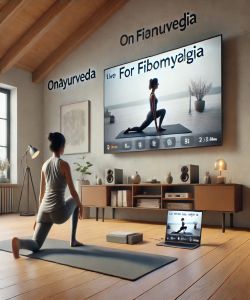
Overview of Yoga for Fibromyalgia
Yoga for Fibromyalgia represents a highly specialised, non-pharmacological intervention engineered to address the complex symptomatology of this chronic condition. It is not a diluted form of conventional yoga; rather, it is a strategic and adaptive methodology focused explicitly on mitigating the central nervous system hypersensitivity, widespread musculoskeletal pain, and profound fatigue that define the fibromyalgia experience. This discipline leverages a curated selection of yogic tools—including modified physical postures (asana), controlled breathing techniques (pranayama), and deep meditative practices (dhyana)—to systematically down-regulate an overactive stress response and retrain the body's perception of pain. The fundamental objective is to empower the individual with a robust toolkit for self-management, shifting the locus of control from the condition to the practitioner. Unlike generalised exercise regimens that can often trigger post-exertional malaise, this form of yoga is meticulously paced and tailored to respect the fluctuating energy levels and pain thresholds inherent to fibromyalgia. It operates on the core principle of interoception—the cultivation of a heightened awareness of internal bodily sensations—enabling participants to discern between productive physical sensation and the warning signals of overexertion. This approach fosters a renewed sense of trust in one's body, which is frequently eroded by the unpredictable nature of chronic pain. By integrating gentle movement to maintain joint mobility and muscle pliability with profound relaxation to restore neurological and endocrine balance, Yoga for Fibromyalgia provides a comprehensive, holistic framework. It is a rigorous, self-directed practice aimed at reclaiming functional capacity, enhancing psychological resilience, and fundamentally improving the overall quality of life for individuals navigating the relentless challenges of fibromyalgia. It is, in essence, a reclamation of physical and mental sovereignty from the grip of chronic illness, demanding discipline, awareness, and a resolute commitment to self-care.
What is Yoga for Fibromyalgia?
Yoga for Fibromyalgia is a precisely adapted therapeutic modality designed to directly confront the multifaceted challenges of a complex chronic pain syndrome. It must not be mistaken for a standard, fitness-oriented yoga class. Instead, it is a methodical application of yogic principles, specifically modified to be accessible and beneficial for individuals experiencing heightened pain sensitivity, persistent fatigue, cognitive disruption, and autonomic nervous system dysregulation. The practice fundamentally reorients the goals of yoga away from achieving complex postures and towards cultivating profound self-awareness and nervous system regulation.
The core components of this specialised practice include:
Adapted Asana (Physical Postures): All postures are modified to eliminate strain and prevent overstretching, which can exacerbate symptoms. The focus is on gentle, supported movements that enhance mobility, release muscular tension, and improve proprioception without triggering a pain flare. Props such as bolsters, blocks, and blankets are used extensively to ensure the body is held securely, allowing for deep release without physical effort.
Targeted Pranayama (Breathing Techniques): Breathwork is central to the practice. Techniques are selected to calm the sympathetic nervous system (the ‘fight or flight’ response) and activate the parasympathetic nervous system (the ‘rest and digest’ response). This has a direct impact on reducing the physiological stress that amplifies pain perception in fibromyalgia.
Mindfulness and Meditation: A significant emphasis is placed on mindfulness, training the individual to observe sensations, thoughts, and emotions without judgement. This practice is critical for breaking the cycle of pain, anxiety, and catastrophic thinking that often accompanies fibromyalgia. Guided relaxation techniques, such as yoga nidra, are employed to facilitate deep rest that is often more restorative than conventional sleep.
Ultimately, Yoga for Fibromyalgia is a systematic re-education of the mind-body connection. It provides a structured framework within which an individual can learn to listen to their body’s signals, manage their energy resources effectively, and actively participate in modulating their own pain experience. It is a proactive, empowering discipline of self-regulation.
Who Needs Yoga for Fibromyalgia?
Individuals Formally Diagnosed with Fibromyalgia: This is the primary cohort for whom this practice is engineered. Any individual possessing a clinical diagnosis of fibromyalgia, who experiences the characteristic widespread pain, tender points, persistent fatigue, and cognitive difficulties, stands to gain substantial benefit. The protocol is designed to directly address this specific and complex symptom profile, offering a targeted management strategy where generalised approaches frequently fail or cause harm.
Sufferers of Chronic, Widespread Musculoskeletal Pain: Those who endure persistent, non-specific musculoskeletal pain and sensitivity, even without a formal fibromyalgia diagnosis, are prime candidates. The practice's emphasis on gentle mobilisation, nervous system calming, and non-judgemental body awareness provides a potent methodology for managing pain that is amplified by central sensitisation, a key mechanism in such conditions.
Individuals with Severe Chronic Fatigue and Post-Exertional Malaise: A defining feature of fibromyalgia is debilitating fatigue that is worsened by physical or mental exertion. This yoga discipline is structured to honour and manage limited energy reserves. It teaches individuals how to engage in beneficial movement without crossing the threshold into post-exertional symptom exacerbation, making it essential for those for whom conventional exercise is contraindicated.
Those Experiencing ‘Fibro Fog’ and Cognitive Disruption: The practice's strong focus on mindfulness, single-pointed concentration through breathwork, and meditative stillness directly counters the cognitive symptoms of fibromyalgia. Individuals struggling with memory, focus, and mental clarity will find these techniques instrumental in regaining a sense of cognitive control and sharpness.
People with Co-morbid Anxiety, Depression, and Sleep Disorders: Fibromyalgia is intrinsically linked to psychological distress and profoundly disrupted sleep. The deep relaxation and parasympathetic nervous system activation inherent in this practice are specifically targeted at mitigating anxiety, elevating mood, and promoting the restorative rest that is crucial for symptom management and overall well-being. This intervention provides a necessary tool for emotional and psychological self-regulation.
Origins and Evolution of Yoga for Fibromyalgia
The application of yoga as a therapeutic intervention for fibromyalgia is a modern development, born from the broader movement of yoga therapy that gained prominence in the latter half of the twentieth century. While the foundational principles of yoga trace back thousands of years to ancient India, its classical form was not designed to address specific clinical pathologies as they are understood in contemporary medicine. The original intent was spiritual development, utilising physical and mental disciplines to achieve a state of enlightenment. The evolution towards a targeted therapy for fibromyalgia represents a sophisticated fusion of ancient wisdom with modern neuroscientific and clinical understanding.
The initial transition began as Western medicine started to recognise the limitations of a purely biomedical model for treating chronic conditions. Pioneers in the fields of mind-body medicine and yoga therapy began to deconstruct the holistic practices of yoga, examining the specific physiological and psychological effects of its constituent parts—asana, pranayama, and meditation. They observed that certain practices had a demonstrable effect on the autonomic nervous system, hormonal regulation, and brain activity. This empirical approach laid the groundwork for adapting yoga for specific health challenges, moving it from a generalised wellness practice to a precise therapeutic tool.
The specific adaptation for fibromyalgia accelerated as the understanding of the condition itself evolved. Initially dismissed as a psychosomatic disorder, fibromyalgia became recognised as a legitimate neurosensory condition characterised by central sensitisation—a state of persistent nervous system hyper-reactivity. This understanding was the critical link. Researchers and specialist yoga therapists realised that the very mechanisms yoga influences—nervous system regulation, stress response modulation, and interoceptive awareness—were the exact mechanisms that are dysfunctional in fibromyalgia. Consequently, they began to systematically refine the practice, stripping away physically demanding or potentially overstimulating elements. They curated gentle, restorative postures, emphasised slow, diaphragmatic breathing, and prioritised mindfulness to directly target central sensitisation. This evolution has resulted in a highly specialised, evidence-informed discipline that stands as a testament to the intelligent adaptation of an ancient practice to meet the pressing needs of a modern chronic illness.
Types of Yoga for Fibromyalgia
Restorative Yoga: This is arguably the most critical and suitable style for individuals with fibromyalgia. Its defining characteristic is the complete support of the body through the extensive use of props such as bolsters, blankets, and blocks. Postures are held for extended periods, but the body remains entirely passive. The objective is not to stretch or strengthen, but to create the conditions for the nervous system to shift from a state of sympathetic arousal (fight-or-flight) to one of deep parasympathetic rest (rest-and-digest). This directly counters the chronic nervous system over-activation that drives many fibromyalgia symptoms, facilitating profound physical and mental relaxation.
Gentle Hatha Yoga: A heavily modified version of classical Hatha yoga is also appropriate. This involves basic, foundational postures performed with extreme slowness and a sharp focus on mindful awareness. Transitions between poses are deliberate and unhurried. The emphasis is on gentle mobilisation of the joints and a mild release of muscular tension, rather than deep stretching or building strength. Each movement is synchronised with the breath, which helps to maintain a calm and centred state, preventing the overexertion that can trigger a symptom flare.
Yin Yoga (with significant modifications): Yin yoga targets the deep connective tissues by holding passive floor-based poses for several minutes. For fibromyalgia, this must be approached with extreme caution and expert guidance. The duration of holds must be significantly shortened, and the intensity of sensation must be kept to an absolute minimum. When applied correctly, a modified Yin practice can help to improve flexibility and hydrate the fascia, but it carries a higher risk of overstimulation if not adapted with precision for a hypersensitive system.
Chair Yoga: This is an essential variant for individuals experiencing severe fatigue, balance issues, or intense pain that makes mat-based practice inaccessible. The chair provides stable support, allowing for the practice of modified postures, breathwork, and meditation from a seated or supported standing position. It ensures that the benefits of yoga remain available even on days when symptoms are particularly debilitating, promoting consistency which is key to long-term management.
Benefits of Yoga for Fibromyalgia
Direct Modulation of the Central Nervous System: The practice systematically activates the parasympathetic nervous system through targeted breathwork and deep relaxation techniques. This directly counteracts the state of chronic sympathetic hyper-arousal, or ‘fight-or-flight’ mode, which is a core physiological driver of fibromyalgia. This down-regulation reduces the baseline level of stress hormones and quiets the overactive neural pathways that amplify pain signals.
Reduction in Perceived Pain and Muscular Tension: Gentle, mindful movements and supported postures help to release chronic muscle contracture without causing the micro-trauma associated with strenuous exercise. By increasing body awareness (interoception), individuals learn to differentiate between harmful and non-harmful sensations, which can change their relationship to and perception of pain, reducing its intensity and associated distress.
Improved Sleep Quality and Restoration: Fibromyalgia is characterised by non-restorative sleep. The deep relaxation and nervous system calming induced by this practice, particularly techniques like yoga nidra (yogic sleep), are instrumental in improving sleep latency, duration, and quality. Better sleep is fundamental to pain reduction, cognitive function, and daytime energy levels.
Enhanced Functional Movement and Mobility: The gentle, repetitive movements lubricate joints and maintain the pliability of soft tissues. This counteracts the stiffness and reduced range of motion that result from pain and inactivity, improving an individual's ability to perform daily activities with greater ease and less discomfort.
Increased Energy and Mitigation of Fatigue: By teaching precise energy management (pacing) and providing deep, cellular-level rest that is more effective than sleep alone, the practice helps to restore and conserve vital energy. This directly addresses the profound fatigue that is a hallmark of the condition, enabling greater participation in life.
Improved Cognitive Function and Mental Clarity: The mindfulness and concentration components of the practice are a direct antidote to ‘fibro fog’. By training the mind to remain focused and present, individuals experience enhanced clarity, improved memory, and a greater ability to concentrate, combating the cognitive disruption caused by the condition.
Greater Psychological Resilience and Emotional Regulation: The practice provides powerful tools for managing the anxiety, frustration, and depression that frequently accompany chronic pain. It fosters a sense of self-efficacy and control, empowering individuals and reducing feelings of helplessness, thereby building the mental fortitude required to navigate the challenges of living with fibromyalgia.
Core Principles and Practices of Yoga for Fibromyalgia
Ahimsa (Non-Harming): This is the paramount principle. The practitioner must make an unwavering commitment to avoiding any movement, posture, or duration of practice that causes a flare-up of pain or fatigue. The 'no pain, no gain' philosophy is aggressively rejected. Every action is evaluated through the lens of whether it is kind and supportive to a sensitised system. This requires abandoning ambition and ego in favour of radical self-care and listening intently to the body's signals.
Pratyahara (Withdrawal of the Senses): This principle is practised to calm an overstimulated nervous system. The practice environment is controlled to be quiet, dimly lit, and free from distractions. During the practice, attention is deliberately and repeatedly drawn inwards, away from external stimuli and towards the subtle sensations of the breath and the body. This reduces sensory overload, a common trigger for fibromyalgia symptoms.
Mindful Awareness (Dharana): Every moment of the practice is an exercise in focused, non-judgemental awareness. The practitioner is guided to pay close attention to physical sensations, the flow of breath, and the activity of the mind. This cultivates interoception—the ability to feel and understand what is happening inside the body. This skill is critical for recognising the early warning signs of overexertion and for disentangling the experience of pain from the emotional reaction to it.
Breath as Primary Anchor (Pranayama): The breath is the central tool for regulating the autonomic nervous system. The core practice is slow, gentle, diaphragmatic breathing. The exhalation is often subtly extended to maximise the relaxation response (parasympathetic activation). The breath is used as a constant point of focus to steady the mind and as a gauge of exertion; if the breath becomes strained or shallow, it is an absolute signal to reduce intensity.
Stability over Flexibility (Sthira Sukham Asanam): The goal of the physical postures (asana) is not to achieve extreme ranges of motion. Instead, the focus is on creating a sense of stability, groundedness, and ease. Extensive use of props (bolsters, blankets, blocks) is a standard practice to support the body completely. This allows muscles to release tension without active stretching, which can be injurious to sensitive tissues. The practice prioritises feeling safe and supported over achieving a particular shape.
Pacing and Energy Conservation: The entire practice is structured around the principle of energy management. Sessions are deliberately paced to avoid cumulative fatigue. Rest is integrated throughout the practice, not just at the end. The individual learns to approach all movements with an attitude of conserving, rather than expending, energy, a skill that must be transferred to all activities of daily living.
Online Yoga for Fibromyalgia
Absolute Environmental Control: The online format grants the participant complete and non-negotiable authority over their practice environment. This is not a trivial convenience; it is a clinical necessity for a hypersensitive system. The individual can control the lighting, temperature, and sound levels to eliminate potential sensory triggers. There are no external distractions, no social pressures, and no unpredictable elements of a public studio, creating a sanctuary conducive to deep nervous system regulation.
Eradication of Travel-Related Stress and Fatigue: Commuting to a physical location represents a significant expenditure of limited energy resources for someone with fibromyalgia. The preparation, the journey, and the subsequent recovery can often negate any benefit derived from the class itself. The online modality removes this substantial barrier entirely, preserving the individual’s energy for the practice itself and ensuring that the benefits are retained.
Unconditional Permission for Self-Pacing and Modification: In an online setting, the pressure to ‘keep up’ is eliminated. The participant can pause, rest, or opt out of any part of the practice without fear of judgement or disruption to others. This fosters a profound sense of agency and encourages adherence to the core principle of non-harming (Ahimsa). It empowers the individual to truly listen to their body’s needs in real-time, which is the cornerstone of effective fibromyalgia management.
Enhanced Privacy and Reduced Self-Consciousness: Chronic illness can profoundly impact one's relationship with their body. The privacy of an online class allows individuals to explore movement and rest without the self-consciousness that can arise in a group setting. This psychological safety is crucial for releasing physical and emotional tension and for being fully present with one's own experience, which is essential for therapeutic benefit.
Accessibility and Consistency: Online platforms make specialised instruction accessible to individuals who are geographically isolated, housebound due to severe symptoms, or who lack access to qualified local instructors. This ensures that a consistent practice can be maintained, which is fundamental for achieving long-term improvements in symptom management. Consistency, not intensity, is the key to progress, and the online format is the most reliable enabler of that consistency.
Yoga for Fibromyalgia Techniques
Conscious Diaphragmatic Breathing:
Step 1: Assume a fully supported position, either lying on your back with knees bent or propped up with bolsters (Savasana), or seated comfortably in a chair with your spine straight.
Step 2: Place one hand on your upper chest and the other on your abdomen, just below the ribcage. Close your eyes and bring your full attention to the sensation of your breath.
Step 3: Inhale slowly and gently through your nose, directing the breath down into your abdomen. The hand on your abdomen should rise noticeably, while the hand on your chest remains relatively still.
Step 4: Exhale slowly and completely through your nose or pursed lips. Feel the hand on your abdomen gently fall as the naval draws back towards the spine.
Step 5: Continue this pattern for several minutes, focusing on making the breath smooth, quiet, and effortless. Do not force the breath; simply guide it. This technique is the foundation for calming the nervous system.
Supported Reclining Bound Angle Pose (Supta Baddha Konasana):
Step 1: Place a bolster or a stack of firm blankets lengthwise on your mat. Sit on the floor at the base of the bolster.
Step 2: Bring the soles of your feet together, allowing your knees to fall out to the sides. Place yoga blocks or cushions under each knee and thigh to ensure the hips and groin are completely supported and free from any straining sensation.
Step 3: Using your hands for support, gently recline back until your spine and head are fully resting on the bolster. Ensure your neck is comfortable and your chin is not jutting upwards.
Step 4: Rest your arms out to the sides, palms facing up, at a comfortable distance from your body. Make any final adjustments to the props to ensure you feel 100% supported.
Step 5: Close your eyes and bring your attention to your diaphragmatic breath. Remain in this posture for an extended period, allowing the body to release tension passively into the support of the props. This pose gently opens the hips and chest while promoting a profound state of relaxation.
Gentle Cat-Cow Mobilisation (Marjaryasana-Bitilasana):
Step 1: Come onto your hands and knees on a padded surface, with your wrists directly under your shoulders and your knees directly under your hips. If your wrists are sensitive, perform this movement in a supported seated position in a chair.
Step 2: Inhale as you gently drop your belly towards the floor, lifting your chest and tailbone towards the ceiling. Keep your neck long and avoid compressing the vertebrae. This is the Cow pose.
Step 3: Exhale as you press into your hands, rounding your spine towards the ceiling and tucking your chin towards your chest. This is the Cat pose.
Step 4: Flow between these two positions with extreme slowness, synchronising each movement precisely with your breath. The movement should be initiated from the pelvis and ripple through the spine.
Step 5: Focus on the sensation of mobilising the vertebrae. This is not a stretch, but a gentle flossing of the spine to improve mobility and release stiffness.
Yoga for Fibromyalgia for Adults
The application of yoga for adults with fibromyalgia must be approached with a gravitas that acknowledges the profound and long-standing impact of the condition. For an adult, fibromyalgia is not a new or temporary inconvenience; it is often a chronic reality that has systematically eroded physical function, professional capacity, social engagement, and psychological well-being over many years. Therefore, this therapeutic yoga is not merely a set of exercises but a strategic re-engagement with a body that may be perceived as adversarial or broken. The practice must directly address the complex layers of an adult's experience: the cumulative effect of years of pain, the deep-seated patterns of muscle guarding, the learned helplessness, and the pervasive anxiety about symptom exacerbation. It demands a mature, intelligent, and highly individualised approach. The emphasis shifts decisively away from any notion of physical prowess and focuses instead on cultivating deep interoceptive awareness, allowing the adult to become an expert in their own unique physiology. It is a process of learning to decode the body's subtle signals, distinguishing between the sensations of gentle, therapeutic movement and the precursors of a pain flare. This practice for adults is fundamentally about reclamation—reclaiming a sense of safety within one’s own skin, reclaiming agency over one's own well-being, and reclaiming the ability to engage in life in a meaningful way despite the presence of chronic symptoms. It provides a structured, non-judgemental framework for navigating the fluctuations of the condition, fostering a resilience that extends far beyond the yoga mat and into the complex demands of adult life, work, and relationships. It is a serious, disciplined tool for self-mastery in the face of persistent adversity.
Total Duration of Online Yoga for Fibromyalgia
The total duration of an online Yoga for Fibromyalgia session is rigorously standardised to a maximum of 1 hr. This timeframe is not arbitrary; it is a clinical imperative dictated by the unique physiological constraints of the condition, specifically the prevalence of post-exertional malaise and profound fatigue. Exceeding this 1 hr duration poses a significant and unacceptable risk of overwhelming a hypersensitive nervous system and depleting finite energy reserves, which would be counterproductive and potentially harmful. The structure within this 1 hr is meticulously planned to maximise therapeutic benefit while minimising metabolic and neurological cost. The session begins with an extended period of grounding and breath awareness, allowing the participant to transition from daily activities and settle their system. This is followed by a phase of exceptionally gentle, mindful mobilisation, where the movements are slow, deliberate, and designed to warm the tissues without inducing fatigue. The central portion of the practice involves a small number of fully supported restorative postures, which form the core of the therapeutic intervention by facilitating deep nervous system down-regulation. Crucially, a significant portion of the latter part of the 1 hr session is dedicated to deep relaxation practices, such as a guided body scan or yoga nidra, which are profoundly restorative and essential for consolidating the benefits of the preceding movements. The session concludes with a period of silent integration, allowing the nervous system to recalibrate before the individual transitions back to their daily environment. This strict 1 hr container ensures that the practice remains a source of healing and energy restoration, rather than becoming another source of depletion. It is a disciplined framework that respects the body's limits and prioritises sustainable, long-term management over short-term, intensive effort, making every minute of the session count towards a therapeutic outcome.
Things to Consider with Yoga for Fibromyalgia
Before embarking on a course of Yoga for Fibromyalgia, several critical factors must be rigorously considered to ensure safety and efficacy. First and foremost, securing formal medical clearance is non-negotiable. A dialogue with one's general practitioner or rheumatologist is essential to confirm that there are no co-existing conditions or contraindications that would make even gentle yoga inadvisable. This is a foundational step of responsible self-care. Secondly, the selection of an instructor is of paramount importance. It is imperative to seek out a professional with specific, verifiable qualifications and extensive experience in therapeutic yoga for chronic pain conditions, not a general fitness-oriented yoga teacher. Their understanding of fibromyalgia's pathology and their ability to adapt the practice with precision are the determinants of a positive outcome. Furthermore, one must cultivate a mindset of radical patience and abandon all preconceived notions of what a yoga practice should look like. Progress will be non-linear, with periods of advancement and unavoidable setbacks. The goal is not mastery of postures but the consistent application of mindful awareness and self-compassion. The individual must be prepared to prioritise consistency over intensity, understanding that a short, gentle practice performed regularly is infinitely more valuable than sporadic, overly ambitious sessions that lead to flare-ups. Finally, it is crucial to assemble the necessary props—such as bolsters, blankets, and blocks—before commencing. These are not optional accessories; they are essential tools that provide the support required to practise safely and effectively, allowing the body to release tension and the nervous system to settle. Ignoring these considerations is to proceed without due diligence, risking injury and disillusionment.
Effectiveness of Yoga for Fibromyalgia
The effectiveness of Yoga for Fibromyalgia, when executed correctly by a qualified instructor and practised with disciplined consistency, is substantial and multifaceted. Its efficacy is not rooted in a singular mechanism but in its synergistic impact on the neuro-physiological and psychological systems that are dysregulated in this condition. On a physiological level, the practice has a direct, down-regulating effect on the autonomic nervous system. The deliberate emphasis on slow, diaphragmatic breathing and restorative postures systematically deactivates the sympathetic (fight-or-flight) response and activates the parasympathetic (rest-and-digest) response. This process reduces circulating stress hormones like cortisol, lowers heart rate and blood pressure, and helps to quiet the overactive neural pathways in the brain that amplify pain signals—a core mechanism known as central sensitisation. Physically, the gentle, mindful movements improve joint mobility, reduce muscle stiffness, and enhance proprioception without triggering the post-exertional malaise that plagues sufferers. Psychologically, the consistent practice of mindfulness is profoundly effective. It trains the individual to observe their pain without the automatic cascade of fear, anxiety, and catastrophic thinking that typically magnifies suffering. This cognitive defusion creates a mental space between the sensation of pain and the emotional reaction to it, fundamentally altering the individual’s experience of their condition. This cultivates a powerful sense of self-efficacy, shifting the person from a passive victim of their symptoms to an active participant in their own management. While it is not a cure, this specialised yoga is a formidable non-pharmacological strategy that demonstrably reduces pain intensity, improves sleep, lessens fatigue, and enhances overall quality of life, making it an indispensable tool for long-term self-management.
Preferred Cautions During Yoga for Fibromyalgia
An unyielding state of vigilance is mandatory throughout any engagement with Yoga for Fibromyalgia. The primary directive is the absolute avoidance of overstretching. The connective tissues and muscles of individuals with fibromyalgia are highly sensitised, and what might be perceived as a mild stretch for a healthy person can cause micro-trauma and a significant post-practice flare-up of pain and inflammation. The objective is to move towards the very first whisper of sensation and then retreat slightly, never pushing into a deep stretch. Any sharp, shooting, or burning pain is an unequivocal command to cease the movement immediately and withdraw. The popular maxim 'no pain, no gain' is not only irrelevant here; it is a dangerous falsehood. The practitioner must also be hyper-aware of the insidious nature of delayed-onset symptom exacerbation. It is common to feel fine during the practice itself, only to experience a severe increase in pain and fatigue 24 to 48 hours later. This demands a conservative and incremental approach, starting with sessions of shorter duration and minimal intensity, and only gradually increasing as tolerance is established over weeks, not days. Furthermore, a state of competitive or comparative thinking must be ruthlessly suppressed. Comparing one's ability to a previous day's performance, or to any external standard, is a direct path to overexertion and injury. Each session must be treated as a unique event, dictated entirely by the body's capacity on that specific day. Finally, practitioners must exercise extreme caution with forward folds and any postures that place strain on the neck and upper back, as these are common areas of extreme tenderness and trigger points. Every movement must be deliberate, slow, and executed with a level of mindful self-monitoring that is nothing less than absolute.
Yoga for Fibromyalgia Course Outline
Module 1: Foundational Principles and Breath Regulation
Introduction to the core principles: Ahimsa (non-harming) and Sthira/Sukha (stability/ease).
Establishing a baseline: Body scan and initial symptom assessment.
Mastering diaphragmatic breathing: The primary tool for nervous system regulation.
Techniques for calming the sympathetic nervous system through extended exhalation.
Module 2: Grounding and Proprioceptive Awareness
Introduction to the essential use of props for complete support.
Seated and supine postures focused on establishing a felt sense of stability and safety.
Mindful focus on the points of contact between the body and the floor/props.
Techniques to enhance proprioception and interoception (internal body awareness).
Module 3: Gentle Spinal and Joint Mobilisation
Executing gentle, breath-synchronised movements for the spine (e.g., modified Cat-Cow).
Slow, deliberate mobilisation of major joints (shoulders, hips, ankles) within a pain-free range.
Focus on lubricating the joints and releasing stiffness, not on stretching.
Introduction to chair-based modifications for all mobilisation exercises.
Module 4: Introduction to Restorative Postures
The theory and practice of deep, supported rest.
Mastering a foundational restorative posture: Supported Reclining Pose (Supta Baddha Konasana).
Learning to remain in stillness for extended periods without physical or mental agitation.
Techniques for releasing muscular tension passively.
Module 5: Managing Fatigue and Conserving Energy
The principles of pacing and energy management within the yoga practice.
Constructive rest positions for use during and outside of formal practice.
Introduction to Yoga Nidra (Yogic Sleep) as a tool for profound restoration.
Strategies for adapting the practice for low-energy days.
Module 6: Integrating Mindfulness and Emotional Regulation
Mindfulness techniques for working with difficult sensations and emotions.
Practices for cultivating self-compassion and acceptance.
Using the practice as a tool to manage anxiety and low mood.
Developing a sustainable, independent home practice and integrating principles into daily life.
Detailed Objectives with Timeline of Yoga for Fibromyalgia
Within the First Fortnight:
Objective: To establish mastery of diaphragmatic breathing as a primary tool for self-regulation. The participant will be able to initiate a calming breath pattern consciously in response to rising stress or pain, independent of a formal practice session.
Objective: To develop a foundational level of interoceptive awareness. The participant will be able to identify and articulate subtle bodily sensations, distinguishing between muscular tension, nerve sensation, and joint stiffness, without automatic judgement or fear.
Within the First Month:
Objective: To demonstrate the ability to self-modify all postures and movements to remain entirely within a pain-free zone. The participant will confidently use props to eliminate all physical strain and will have internalised the principle of non-harming (Ahimsa).
Objective: To achieve a measurable improvement in sleep latency. The participant will report an ability to fall asleep with greater ease on at least half the nights of the week, utilising pre-sleep relaxation and breathing techniques learned in the course.
Within Two Months:
Objective: To exhibit a noticeable reduction in morning stiffness. The participant will be able to perform a short, gentle morning mobilisation routine and report a decreased time required to feel functional for the day.
Objective: To build the capacity for deep rest. The participant will be able to remain in a fully supported restorative posture for a minimum continuous period, experiencing a state of profound relaxation without significant physical or mental fidgeting.
Within Three Months:
Objective: To demonstrate enhanced energy management skills. The participant will be able to identify their personal limits more accurately and structure their daily activities to avoid the boom-bust cycle, showing a reduction in the frequency of post-exertional flare-ups.
Objective: To report a discernible reduction in the affective component of pain. While the sensory component of pain may still be present, the participant will report a decreased level of emotional distress, fear, and anxiety associated with their physical symptoms, indicating improved psychological resilience.
Requirements for Taking Online Yoga for Fibromyalgia
Absolute Medical Clearance: It is a non-negotiable prerequisite that every participant must first consult with their primary healthcare provider or specialist (e.g., a rheumatologist) to obtain explicit clearance for engaging in this specific, gentle form of yoga. This ensures the programme is appropriate and safe for their individual health profile.
Unwavering Personal Commitment: The participant must possess a resolute commitment to consistency and patience. This is not a passive treatment but an active practice of self-management. A willingness to engage regularly, to follow instructions with precision, and to accept a non-linear path of progress is mandatory for success.
Stable and Reliable Technology: A functional desktop computer, laptop, or tablet with a camera and microphone is essential. A high-speed, uninterrupted internet connection is required to ensure smooth video and audio streaming, which is critical for receiving clear instruction and maintaining the immersive, calming nature of the session.
A Dedicated and Controlled Practice Space: The participant must designate a private, quiet, and consistently available space for their practice. This area must be large enough to accommodate a yoga mat with ample room to move without obstruction. It must be a sanctuary, free from household traffic, interruptions, and excessive sensory stimuli.
A Comprehensive Set of Essential Props: This is not optional. The participant must acquire, prior to the first session, the following standard yoga props: one yoga mat, two yoga blocks (cork or foam), one firm yoga bolster (rectangular or cylindrical), and at least two to three dense blankets. These are clinical tools required for providing the necessary support to practise safely and effectively.
Appropriate Attire: The participant must wear comfortable, non-restrictive clothing that allows for a full, albeit gentle, range of movement. The fabric should be breathable and free of any constricting elements such as tight waistbands or zips that could cause physical discomfort during practice.
Things to Keep in Mind Before Starting Online Yoga for Fibromyalgia
Before commencing your first online Yoga for Fibromyalgia session, a period of meticulous preparation is not just recommended; it is imperative for ensuring the safety and efficacy of the practice. First, you must rigorously prepare your designated physical space. This extends beyond simply unrolling a mat. You are required to create a sanctuary, a controlled environment where your nervous system can feel secure. This means ensuring the room is at a comfortable temperature, the lighting is subdued, and you have communicated unequivocally to other household members that you are not to be disturbed for the entire duration of the session. All necessary props—bolster, blocks, blankets—must be within immediate arm's reach to avoid disruptive movements while transitioning between postures. Secondly, a mental and physical transition period is critical. Do not expect to move directly from a stressful work task or a hectic household chore into a state of deep calm. You must allocate at least fifteen minutes prior to the session start time to disengage from external stimuli. This involves silencing all electronic devices, perhaps changing into your practice clothes, and sitting quietly to allow your mind and body to begin to settle. It is also your responsibility to ensure your technology is functioning correctly well before the class begins—test your camera, microphone, and internet connection to prevent technical issues from disrupting the therapeutic container of the session. Finally, you must enter the practice with a clear and realistic intention. Your goal is not to perform, achieve, or push, but to listen, support, and nurture. This mindset is the most crucial prerequisite of all.
Qualifications Required to Perform Yoga for Fibromyalgia
The instruction of Yoga for Fibromyalgia is a serious therapeutic undertaking that demands qualifications far exceeding those of a standard yoga teacher. It is a specialised discipline requiring a deep, integrated understanding of chronic pain pathology, trauma-informed principles, and advanced adaptive yoga techniques. An instructor without this specific expertise is not merely ill-equipped; they are a potential liability to the vulnerable individuals they purport to serve. The minimum acceptable credentials for an instructor in this field must therefore be comprehensive and verifiable.
An appropriately qualified professional will possess:
A Foundational, High-Level Yoga Certification: This typically means a minimum of an RYT-500 designation from a recognised body like Yoga Alliance, indicating extensive training in asana, anatomy, physiology, and philosophy. A basic 200-hour certification is wholly insufficient for this work.
Specialised, Advanced Training in Yoga Therapy or Therapeutic Yoga: This is the most critical component. The instructor must have completed a rigorous, dedicated training programme in applying yoga as a therapeutic modality. This training must have included modules specifically on managing chronic pain, autonomic nervous system dysregulation, and neurological conditions.
Verifiable Experience and Training in Working with Fibromyalgia and Chronic Pain Populations: The instructor must be able to provide evidence of direct experience and, ideally, further specialised workshops or certifications focused explicitly on conditions like fibromyalgia, chronic fatigue syndrome, or central sensitisation.
Trauma-Informed Certification or Training: Given the strong correlation between trauma and chronic pain conditions, a thorough understanding of trauma-informed principles is non-negotiable. The instructor must be skilled in creating a safe environment, using invitational language, and avoiding potential triggers.
An individual who holds only a generic fitness or yoga certification is unqualified to lead this practice. The responsibility lies with the participant to demand evidence of these advanced qualifications before entrusting their well-being to an instructor.
Online Vs Offline/Onsite Yoga for Fibromyalgia
Online
The online modality for Yoga for Fibromyalgia presents a superior and strategically advantageous framework for most individuals with this condition. Its primary strength lies in the absolute control it affords the participant over their environment, a critical factor for managing a hypersensitive system. The ability to regulate temperature, light, and sound eliminates potential sensory triggers that are unavoidable in a public space. Furthermore, the online format entirely removes the significant physical and energetic cost of travel. For a person with finite energy reserves, commuting to a studio can induce the very fatigue and pain the practice aims to alleviate, a paradox that renders the onsite experience counterproductive. Privacy is another key advantage; the online space allows for uninhibited exploration of movement and rest without the psychological pressure of social comparison or self-consciousness. It fosters a deeper internal focus (Pratyahara), which is central to the therapeutic process. The participant can pause, modify, or rest at any moment without disrupting the class, ensuring adherence to the paramount principle of self-regulation and non-harm. This format empowers the individual, placing them in the position of ultimate authority over their own practice and well-being, which is essential for long-term management.
Offline/Onsite
While the online format holds distinct advantages, an offline or onsite class led by a highly specialised instructor does offer certain benefits, albeit with significant caveats. The primary benefit of an in-person setting is the potential for tactile feedback and hands-on adjustments from the instructor. A skilled teacher can provide subtle physical cues that can enhance proprioception and ensure safe alignment, which can be difficult to replicate through a screen. Additionally, the communal aspect of an onsite class can provide a sense of shared experience and community, which may combat the isolation that often accompanies chronic illness. However, this is a double-edged sword. The presence of others can also introduce social pressure to perform or push beyond one's limits. The sensory environment of a studio—unfamiliar scents, music, temperature fluctuations, and the movement of others—can be intensely overstimulating for a sensitised nervous system. The logistical and physical demands of attending a class in person, as mentioned, remain a formidable barrier. Therefore, while onsite classes have a potential role, they require an exceptional instructor and a highly controlled, predictable environment to be considered a viable and safe alternative to the superior control offered by the online modality.
FAQs About Online Yoga for Fibromyalgia
Question 1. Is this just gentle stretching?
Answer: No. It is a comprehensive mind-body discipline focused on nervous system regulation, pain management, and mindful awareness, using techniques far beyond simple stretching.
Question 2. Do I need to be flexible?
Answer: Absolutely not. Flexibility is not a goal. The focus is on stability, gentle mobilisation, and creating a sense of ease, not on achieving specific ranges of motion.
Question 3. What if I am in too much pain to practise?
Answer: The practice is designed to be adapted. On high-pain days, the practice can consist solely of gentle breathing and guided relaxation, which can be done from a bed or chair.
Question 4. Will the instructor see me?
Answer: Yes, a two-way camera is typically required so the instructor can offer verbal guidance and ensure your safety.
Question 5. How is this different from a regular online yoga class?
Answer: It is entirely different. The pacing is extremely slow, props are used for total support, and every technique is specifically chosen to calm a hypersensitive nervous system, unlike a fitness-oriented class.
Question 6. Can this cure my fibromyalgia?
Answer: No. It is not a cure. It is a powerful, non-pharmacological strategy for managing symptoms, improving function, and enhancing quality of life.
Question 7. What props are absolutely essential?
Answer: A mat, two blocks, a bolster, and several blankets are non-negotiable tools for safe and effective practice.
Question 8. What if I fall asleep during relaxation?
Answer: This is common and indicates a profound need for rest. It is considered a successful outcome.
Question 9. How quickly will I see results?
Answer: Progress is gradual and non-linear. Some may feel subtle benefits immediately, while for others it may take several weeks of consistent practice.
Question 10. Can I do this if I have other health conditions?
Answer: You must receive explicit medical clearance from your doctor, discussing all health conditions before you begin.
Question 11. Is it suitable for all ages?
Answer: Yes, the practice is highly adaptable and can be modified for adults of any age and ability level.
Question 12. What if a pose causes pain?
Answer: You must stop immediately. The core principle is non-harming. The instructor will provide an alternative or guide you into a resting posture.
Question 13. How often should I practise?
Answer: Consistency is key. Short, regular sessions (e.g., 20-30 minutes, 3-4 times a week) are more effective than one long, infrequent session.
Question 14. Will this help my ‘fibro fog’?
Answer: Yes, the mindfulness and concentration components are specifically designed to improve mental clarity and focus.
Question 15. Do I need prior yoga experience?
Answer: No. This practice is designed for absolute beginners and is tailored to the specific needs of fibromyalgia.
Question 16. What if I don't have a quiet space at home?
Answer: Creating a quiet, private space is a mandatory requirement for the practice to be effective and safe.
Question 17. Is chanting or spirituality involved?
Answer: Typically, these therapeutic classes are secular and focus on the practical, physiological, and psychological benefits, omitting spiritual elements.
Conclusion About Yoga for Fibromyalgia
In conclusion, Yoga for Fibromyalgia stands as a formidable and intelligent discipline of self-management, meticulously engineered for the unique challenges of this complex condition. It must be unequivocally understood not as a passive remedy or a cure, but as a proactive, non-pharmacological strategy that empowers the individual to reclaim a significant measure of control over their physiology and well-being. The practice systematically dismantles the destructive feedback loops between the nervous system, the body, and the mind that perpetuate the cycle of pain, fatigue, and distress. By prioritising nervous system regulation over physical performance, and mindful awareness over ambitious stretching, it offers a sustainable path towards mitigating symptoms and improving functional capacity. It demands a radical shift in perspective—from fighting the body to collaborating with it, from pushing through pain to listening to its wisdom. The disciplined, consistent application of these specialised techniques provides a robust toolkit for navigating the inherent fluctuations of fibromyalgia with greater resilience and less suffering. It is a rigorous, evidence-informed intervention that fosters self-efficacy, reduces dependency on external treatments, and ultimately improves the fundamental quality of an individual's life. For those willing to engage with its principles with seriousness and consistency, it represents not merely an exercise, but a profound and transformative practice of reclaiming one's life from the grip of chronic illness. It is, in its most potent form, an act of sovereignty.