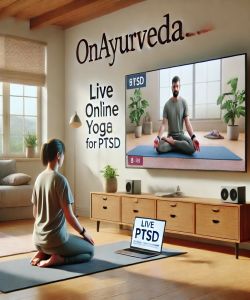
Overview of Yoga for PTSD
Yoga for Post-Traumatic Stress Disorder (PTSD) constitutes a highly specialised, somatic-based intervention meticulously designed to address the profound physiological and psychological dysregulation inherent in trauma. It is imperative to distinguish this modality from conventional, fitness-oriented yoga; its fundamental purpose is not physical exertion but the systematic re-establishment of a safe and reliable connection between the mind and body. Trauma frequently severs this connection, leaving individuals in a state of hypervigilance, dissociation, or chronic physical tension, effectively trapping the traumatic experience within the body’s tissues and nervous system. This specialised practice operates on the principle of interoception—the capacity to sense and interpret internal bodily signals—which is often severely compromised in those with PTSD. Through a rigorously controlled sequence of gentle physical forms (asanas), controlled breathing exercises (pranayama), and mindful awareness, the practice provides a structured environment for participants to safely explore physical sensations without being overwhelmed. The methodology is unequivocally trauma-informed, meaning every instruction, movement, and moment of stillness is offered as a choice, not a command. This emphasis on agency and empowerment is central to its therapeutic efficacy, as it directly counteracts the powerlessness experienced during trauma. The practice is not a panacea but a robust adjunctive therapy, engineered to work alongside traditional psychotherapeutic approaches by directly targeting the somatic imprint of trauma, thereby facilitating a more integrated and enduring recovery process. It is a disciplined, body-centric approach aimed at reclaiming the self from the neurological chaos of PTSD, fostering resilience, and restoring a sense of embodied safety that talk therapy alone may not be able to access or resolve.
What is Yoga for PTSD?
Yoga for Post-Traumatic Stress Disorder (PTSD) is a clinical, body-oriented therapeutic modality specifically adapted to meet the complex needs of individuals who have experienced trauma. It fundamentally diverges from standard yoga classes by prioritising internal experience and psychological safety over physical performance or achieving specific postures. The core objective is to help individuals cultivate a greater sense of awareness and control over their own bodies and nervous systems, which are often left in a state of persistent dysregulation following a traumatic event. This is not yoga as exercise; it is yoga as a somatic intervention. The practice is grounded in the principles of trauma-informed care, which acknowledge the pervasive impact of trauma and are structured to avoid re-traumatisation at all costs.
Key components that define this specialised practice include:
Invitational Language: All instructions are offered as suggestions or invitations, never as commands. Phrases such as "if you feel comfortable" or "you might consider" are used to empower the participant, giving them full agency over their body and their experience. This directly counters the loss of control inherent in trauma.
Emphasis on Interoception: The practice is heavily focused on developing interoceptive awareness—the ability to notice and interpret internal bodily sensations, such as heart rate, muscle tension, and breath. Participants are guided to observe these sensations without judgement, helping them to differentiate between trauma-related physiological responses and present-moment reality.
Absence of Physical Adjustments: Instructors do not perform hands-on assists or corrections. This is a non-negotiable boundary established to ensure the participant’s physical and psychological safety, as unexpected touch can be profoundly triggering for trauma survivors. The individual's own felt sense is the ultimate authority.
Predictability and Structure: Sessions are highly structured and predictable. The sequence of movements and the environment are kept consistent to create a stable and safe container for the therapeutic process, reducing the potential for anxiety or hypervigilance.
Focus on Grounding: Techniques are employed throughout the practice to help participants feel a stable connection to the ground and present in their environment, providing an anchor to reality when feelings of dissociation or overwhelm arise.
Who Needs Yoga for PTSD?
Individuals with Diagnosed PTSD: This intervention is explicitly designed for individuals who meet the clinical criteria for Post-Traumatic Stress Disorder. This includes those experiencing intrusive memories, avoidance of trauma-related stimuli, negative alterations in mood and cognition, and marked changes in arousal and reactivity. The practice directly targets the somatic underpinnings of these symptoms.
Survivors of Single-Incident Trauma: Persons who have endured a specific, overwhelming event, such as a serious accident, physical or sexual assault, natural disaster, or combat experience, require this modality. It helps to process and release the physiological "armouring" and nervous system dysregulation that becomes ingrained following such an acute shock to the system.
Individuals with Complex PTSD (C-PTSD): Those who have been subjected to prolonged, repeated, or developmental trauma, such as chronic childhood abuse, domestic violence, or captivity, will find this approach essential. C-PTSD involves deeper disruptions in self-concept and relational abilities, and this body-based work is critical for rebuilding a fundamental sense of internal safety and self-worth.
Veterans and First Responders: Military personnel, police officers, firefighters, and paramedics are populations with a high prevalence of trauma exposure. This form of yoga provides a non-pathologising and highly effective tool for managing the cumulative stress and specific traumatic imprints associated with their professional duties, addressing hypervigilance and moral injury.
Those Unresponsive to Conventional Psychotherapy: A significant cohort of trauma survivors find that traditional talk-based therapies are insufficient or, in some cases, re-traumatising. For individuals who struggle to verbalise their experience or who remain locked in a state of physiological distress, this somatic approach provides a vital, non-verbal pathway to healing by working directly with the body's trauma response.
Individuals Experiencing Dissociation and Somatisation: Persons whose trauma manifests as a disconnection from their body, feelings of unreality (derealisation), or unexplained physical symptoms (somatisation) are prime candidates. The practice is engineered to gently and safely re-establish the mind-body connection and improve interoceptive awareness, directly counteracting these debilitating symptoms.
Origins and Evolution of Yoga for PTSD
The application of yoga as a therapeutic intervention for Post-Traumatic Stress Disorder is a contemporary synthesis, yet its roots are anchored in ancient yogic philosophy and modern neuroscience. Historically, yoga has always been a practice of uniting the mind, body, and spirit, with classical texts like the Yoga Sutras of Patanjali outlining a systematic path to quiet the fluctuations of the mind. These foundational principles, focused on self-regulation, mindfulness (dhyana), and breath control (pranayama), provide the ancient philosophical bedrock for the modern modality. The emphasis was always on internal awareness and mastery over one’s own state of being, a concept directly relevant to the chaos of PTSD.
The evolution into a formalised therapeutic tool began in the late 20th century, propelled by a paradigm shift in the Western understanding of trauma. Pioneering researchers and clinicians, most notably Bessel van der Kolk, began to articulate with scientific rigour how trauma is not merely a memory stored in the brain but a deeply visceral, physiological imprint held within the body. Their work demonstrated that traumatic experiences fundamentally alter the nervous system, leading to chronic states of hyperarousal or hypoarousal. This "body-up" perspective illuminated the limitations of purely cognitive, "top-down" therapies that failed to address the somatic legacy of trauma. It became evident that for healing to be comprehensive, the body had to be directly engaged in the therapeutic process.
This confluence of ancient practice and modern trauma theory gave rise to what is now known as trauma-informed or trauma-sensitive yoga. In the early 2000s, specific, evidence-based protocols were developed and tested in clinical settings. These protocols systematically stripped away elements of conventional yoga that could be triggering—such as rapid movements, forceful instructions, hands-on adjustments, and specific spiritual terminologies—and replaced them with a framework built entirely around safety, choice, and interoception. The evolution has been one of careful adaptation and clinical validation, transforming an ancient discipline into a precise, secular, and highly effective somatic intervention for one of the most challenging mental health conditions. It represents a mature and sophisticated integration of Eastern wisdom and Western clinical science.
Types of Yoga for PTSD
Trauma-Center Trauma-Sensitive Yoga (TCTSY): This is the most rigorously researched and evidence-based model, developed at the Center for Trauma and Embodiment in the United States. TCTSY is a clinical intervention grounded in trauma theory, attachment theory, and neuroscience. Its methodology is precise, focusing entirely on providing participants with opportunities to notice bodily sensations (interoception) and make choices about their movements in an environment of complete non-judgement. There are no physical adjustments, the language is purely invitational, and the instructor practises alongside the participants to foster a shared, authentic experience. It is an adjunctive treatment for complex trauma and PTSD, not a general wellness practice.
Hatha Yoga (Trauma-Informed Adaptation): A trauma-informed adaptation of Hatha yoga utilises the foundational practice of holding static postures to build awareness. In this context, the focus is not on perfecting the pose but on observing the sensations that arise while holding it. The pace is deliberately slow and methodical, allowing ample time for internal processing. All instructions are modified to be invitational, and challenging poses that might induce a stress response, such as deep backbends or complex inversions, are typically omitted or offered with extensive modifications that prioritise stability and grounding.
Restorative Yoga (Trauma-Informed Adaptation): This modality is adapted to support deep nervous system regulation. It involves using props like bolsters, blankets, and blocks to completely support the body in gentle, passive stretches for extended periods. For a trauma survivor, this practice is meticulously curated to feel safe and non-threatening. The emphasis is on cultivating a sense of being held and secure, allowing the parasympathetic nervous system (the "rest and digest" system) to become engaged. This directly counteracts the sympathetic nervous system's "fight or flight" state, which is chronically activated in PTSD.
Yoga Nidra (Trauma-Informed Adaptation): Also known as yogic sleep, Yoga Nidra is a guided meditation practice conducted in a resting posture. In a trauma-informed context, the script is carefully designed to avoid potentially triggering imagery or language. It systematically guides the participant's awareness through different parts of the body (a body scan), which helps to re-establish neural pathways for bodily awareness without requiring movement. It is an exceptionally powerful tool for managing hypervigilance and insomnia, common symptoms of PTSD, by promoting profound relaxation in a structured and controlled manner.
Benefits of Yoga for PTSD
Reduction in Physiological Hyperarousal: Directly mitigates the chronic "fight, flight, or freeze" response by teaching self-regulation through controlled breathing (pranayama) and mindful movement. This leads to a measurable decrease in symptoms like exaggerated startle responses, irritability, and hypervigilance.
Enhanced Interoceptive Awareness: Systematically rebuilds the capacity to notice, tolerate, and interpret internal bodily sensations. This is a critical skill for individuals with PTSD, who often experience either a numbing disconnection from their body or are overwhelmed by physical sensations, allowing for better emotional differentiation and regulation.
Re-establishment of Bodily Agency and Empowerment: The practice is founded on the principle of choice. By consistently being offered choices about how, when, and if to move, participants reclaim a sense of control over their own bodies, directly counteracting the profound powerlessness experienced during trauma.
Improved Affect Regulation: By creating a link between physical sensations and emotional states in a safe environment, the practice enhances an individual's ability to manage and modulate intense emotions. It provides tangible, body-based tools to anchor oneself during moments of emotional dysregulation.
Decreased Dissociative Experiences: The consistent focus on grounding techniques and present-moment bodily awareness serves as a powerful antidote to dissociation. It helps individuals to remain connected to the present and their physical self, reducing episodes of derealisation and depersonalisation.
Cultivation of Embodied Self-Compassion: Through the non-judgemental framework of the practice, individuals learn to approach their physical and emotional experiences with curiosity and kindness rather than criticism. This fosters a more compassionate relationship with a body that may have been a source of pain or shame.
Release of Stored Somatic Tension: Trauma is often held in the body as chronic muscular tension or "armouring." The gentle, sustained postures and mindful movements facilitate the gradual release of this deeply held physical stress, alleviating associated chronic pain and discomfort.
Improved Sleep Quality: By down-regulating the nervous system and reducing the physiological symptoms of anxiety and hypervigilance, the practice is highly effective in combating the insomnia and nightmares that frequently plague individuals with PTSD.
Core Principles and Practices of Yoga for PTSD
Unwavering Focus on Safety: The primary principle is the creation of a physically and psychologically safe environment. This is non-negotiable. Every aspect of the session, from the physical layout of the space (ensuring clear exits and personal space) to the language used, is meticulously designed to minimise potential triggers and avoid any form of re-traumatisation. Predictability, consistency, and transparent communication are paramount.
The Primacy of Choice and Agency: All instructions are presented as invitations or options, not as commands. The participant is explicitly and repeatedly acknowledged as the ultimate authority over their own body and experience. The language used—such as "you might explore," "an option is to," or "notice what it feels like to"—empowers the individual to make choices, a direct antidote to the helplessness inherent in trauma.
Development of Interoception: The core practice is the cultivation of interoceptive awareness. Participants are guided to notice internal bodily sensations (e.g., the feeling of the feet on the floor, the rhythm of the breath, the sensation of a muscle stretching) in the present moment, without any requirement to change or judge them. This practice rebuilds the mind-body connection that trauma severs.
Practising in the Present Moment: The methodology is rooted in mindfulness, relentlessly bringing the participant's attention back to their current, tangible experience. The focus is on "what is happening now" within one's own body, which serves as an anchor to reality and a powerful tool to disengage from intrusive traumatic memories or anxious future-oriented thoughts.
No Physical Adjustments or Assists: Instructors must never initiate physical contact to correct or deepen a posture. Unexpected touch can be profoundly dysregulating for a trauma survivor. The integrity of the participant's personal physical space is respected at all times, reinforcing boundaries and safety.
Shared Authentic Experience: The instructor does not assume a hierarchical, authoritarian role. Instead, they facilitate a shared experience, often practising the forms alongside the participants. This non-hierarchical dynamic fosters an atmosphere of equality and mutual respect, which is crucial for building the therapeutic alliance necessary for this work.
Emphasis on Rhythm and Repetition: The use of rhythmic, predictable, and repetitive movements helps to regulate a dysregulated nervous system. The brain's lower, more primitive regions, which are most impacted by trauma, respond positively to rhythm. This can have a profoundly calming and organising effect on the participant's internal state.
Online Yoga for PTSD
Creation of a Secure Personal Environment: The online format grants the participant absolute control over their physical space. They can choose the lighting, temperature, and sound, and ensure their environment is free from potential triggers. This ability to curate a personally safe and private container is a significant advantage, as the familiarity of one's own home can lower the baseline of hypervigilance often experienced in external settings.
Enhanced Sense of Agency and Control: Engaging from a personal space via a screen provides a distinct layer of psychological distance and control. The participant retains the power to turn off their camera, mute their microphone, or leave the session instantaneously and without explanation if they feel overwhelmed. This ultimate control over participation directly reinforces the core therapeutic goal of restoring agency.
Increased Accessibility and Reduced Barriers: Online delivery removes significant logistical and psychological barriers to access. Individuals in remote locations, those with mobility issues, or those whose PTSD symptoms (e.g., agoraphobia, severe social anxiety) make attending in-person sessions prohibitively difficult can access this critical support from a secure location.
Mitigation of Social Anxiety and Comparison: The group dynamic in an in-person class can be intimidating, potentially activating feelings of social threat or self-consciousness. The online format allows the participant to focus entirely on their internal experience without the perceived pressure of being observed by others or the tendency to compare their practice to that of their peers. The focus remains internal, which is the entire point of the modality.
Anonymity and Privacy: For many trauma survivors, particularly those dealing with shame or stigma, the anonymity afforded by an online platform is crucial. It allows them to seek help without having to navigate the social dynamics of a physical studio or clinic, preserving their privacy and making the initial step of engagement feel far less daunting.
Consistent and Predictable Access: Online sessions are less susceptible to external disruptions such as inclement weather or transport issues. This consistency allows for the establishment of a reliable and predictable routine, which is fundamentally important for nervous system regulation and building a stable therapeutic practice.
Yoga for PTSD Techniques
Step One: Establishing a Grounded Presence. The practice must begin with an explicit focus on grounding. The instructor will invite the participant to notice the points of contact between their body and the surface supporting it—the feet on the floor, the sit bones on a chair or cushion. This technique serves as an immediate anchor to the present moment and physical reality, directly counteracting feelings of dissociation or floating anxiety. The invitation might be: "If you are willing, bring your awareness to the sensation of your feet on the floor. Notice the texture, the temperature, the sense of support."
Step Two: Initiating Mindful Breath Awareness (Pranayama). The focus then shifts to the breath, but without any instruction to change or control it. The invitation is simply to notice the natural rhythm of inhalation and exhalation. For example: "You might notice the air entering your nostrils and the subtle movement of your chest or abdomen." This non-intrusive approach to breathwork prevents the anxiety that forced breathing techniques can induce in trauma survivors, gently re-establishing a connection to this vital life rhythm.
Step Three: Engaging in Gentle, Choice-Based Movement (Asana). A sequence of simple, accessible physical forms is offered. Each movement is presented as a choice. For instance, when introducing a gentle spinal twist, the instructor would say, "An option here is to explore a gentle twist to one side, moving only as far as feels appropriate for your body today." The emphasis is on slow, mindful transitions between forms, allowing the participant to track their physical sensations throughout the movement.
Step Four: Cultivating Interoceptive Focus. Throughout each form and transition, the instructor's language continuously directs the participant's attention inward. Prompts are used to encourage curiosity about physical sensations, such as "What do you notice in your shoulders right now?" or "Can you sense the feeling of stretch along the side of your body?" This is the core practice of rebuilding the mind-body connection, moment by moment.
Step Five: Concluding with a Supported, Modified Rest (Savasana). The practice concludes not with a traditional, vulnerable Savasana (lying flat on the back), but with a range of options for rest. Participants might be invited to lie down with their knees bent, rest in a chair, or even remain standing. The choice is paramount. This final phase is crucial for integrating the experience and allowing the nervous system to settle in a position that feels unequivocally safe.
Yoga for PTSD for Adults
Yoga for PTSD for adults is a highly structured, non-coercive somatic therapy designed to address the mature nervous system's response to trauma. Unlike interventions for children, the adult modality presumes a complex history and a more deeply ingrained set of physiological and psychological coping mechanisms, such as chronic muscle armouring, established dissociative patterns, and cognitive-emotional loops of anxiety and depression. The practice therefore operates with the explicit understanding that the adult participant brings a lifetime of experience into the session. Its core function is to provide a meticulously controlled environment where adults can safely dismantle these maladaptive survival responses. The invitational language and emphasis on choice are not mere courtesies; they are fundamental clinical tools that directly challenge the powerlessness and loss of agency that are central to the adult experience of trauma. The techniques focus on re-establishing interoceptive awareness, allowing the adult to distinguish between the body's memory of a past threat and the tangible safety of the present moment. This is critical for adults whose professional or personal lives are continually undermined by hypervigilance and emotional dysregulation. The practice offers them concrete, self-administered tools for nervous system regulation that can be employed outside the session, fostering a sense of self-efficacy and independence in managing their symptoms. It respects the adult's capacity for self-awareness while acknowledging that trauma has profoundly compromised the very systems required for it. It is not about achieving flexibility or strength, but about methodically reclaiming ownership of a body that may have felt like an adversary for decades, thereby restoring a foundation of internal stability upon which further psychological healing can be built.
Total Duration of Online Yoga for PTSD
The standard, clinically validated protocol for a single online session of Yoga for Post-Traumatic Stress Disorder is rigorously structured to last for a total duration of 1 hr. This specific timeframe is not arbitrary; it is deliberately calibrated to maximise therapeutic efficacy while minimising the risk of overwhelm or fatigue, which can be significant for individuals with dysregulated nervous systems. A session shorter than this duration would not provide sufficient time to move through the essential phases of the practice: the initial grounding and orientation, the gentle movement sequence designed to build interoceptive awareness, and the crucial concluding phase of integration and supported rest. Conversely, extending the session beyond this timeframe risks cognitive and somatic exhaustion, which could potentially be counter-therapeutic and dysregulating for a trauma survivor. Within this 1 hr container, the practitioner can establish a sense of safety and predictability, guide the participant through a meaningful exploration of choice-based movement, and ensure a gradual, controlled return to a state of rest. The consistency of this duration from one session to the next is itself a therapeutic element, creating a reliable and predictable structure that helps to calm a hypervigilant nervous system. It is a precisely engineered window of time, sufficient to engage in the deep work of somatic reconnection without depleting the finite energetic and emotional resources of the participant. Any significant deviation from this established timeframe would compromise the integrity and safety of the intervention, transforming it from a targeted therapeutic modality into an unstructured and potentially hazardous activity.
Things to Consider with Yoga for PTSD
Engaging with Yoga for PTSD demands a robust and informed consideration of its specific nature and purpose. It is imperative to recognise that this is not a recreational activity or a standard fitness class; it is a clinical intervention designed to interface directly with the physiological and neurological underpinnings of trauma. Consequently, the selection of a properly qualified facilitator is non-negotiable. The practitioner must possess extensive, specialised training in trauma theory, neurobiology, and the precise, safety-oriented protocols of this modality. A standard yoga teacher certification is grossly insufficient and potentially dangerous in this context. Prospective participants must understand that the process may be challenging. The practice of tuning into bodily sensations can, at times, bring uncomfortable or distressing feelings to the surface. This is a normal part of the therapeutic process, but it requires a commitment to proceed with self-compassion and a readiness to utilise the provided tools for grounding and self-regulation. Furthermore, this practice should not be viewed as a standalone cure for PTSD. It is most effective when utilised as an adjunctive therapy, integrated within a comprehensive treatment plan that may include psychotherapy, such as Trauma-Focused CBT or EMDR, and psychiatric consultation where necessary. Its role is to address the somatic components of trauma that talk therapy may not reach, not to replace it. A clear-headed assessment of one’s own readiness and support systems is essential before commencing.
Effectiveness of Yoga for PTSD
The effectiveness of Yoga for PTSD, particularly evidence-based models like Trauma-Center Trauma-Sensitive Yoga (TCTSY), is substantiated by a growing body of rigorous clinical research. Its efficacy lies in its direct engagement with the somatic legacy of trauma, an area that traditional cognitive therapies often fail to adequately address. Studies have consistently demonstrated that participation in this specialised yoga can lead to a significant reduction in the core symptoms of PTSD, including intrusive thoughts, hyperarousal, and avoidance behaviours. This is achieved by systematically down-regulating the sympathetic nervous system's chronic "fight-or-flight" response and enhancing the function of the parasympathetic nervous system, which promotes rest and regulation. The practice's unwavering focus on interoception—the ability to sense the internal state of the body—is critical to its success. By safely re-establishing this mind-body connection, individuals regain the ability to differentiate between a trauma-triggered physiological response and present-moment reality, a fundamental step in reclaiming a sense of internal safety. Furthermore, research highlights its effectiveness in improving affect regulation, reducing dissociation, and enhancing overall emotional well-being. The emphasis on choice and agency directly counteracts the profound sense of powerlessness that defines traumatic experiences, fostering a renewed sense of self-efficacy and control. When delivered by a qualified facilitator as part of a comprehensive treatment plan, Yoga for PTSD is not merely a complementary activity but a potent, evidence-based somatic intervention that produces measurable and enduring neurophysiological changes, making it a vital component in the effective treatment of trauma.
Preferred Cautions During Yoga for PTSD
It is imperative that any engagement with Yoga for PTSD be approached with unwavering caution and a clear understanding of its potential risks when improperly managed. This is not a benign physical exercise; it is a deep somatic intervention that interfaces directly with trauma stored in the nervous system. The primary caution is against participation with an unqualified instructor. A standard yoga teacher, regardless of experience in general yoga, is not equipped to handle the complex dynamics of trauma. Facilitation requires specialised, in-depth training in trauma-informed care, neurobiology, and the specific non-coercive language and methods of this modality. Failure to ensure this qualification presents a tangible risk of re-traumatisation. Participants must be cautioned to honour their own physical and emotional boundaries at all times, without exception. The internal pressure to "do the pose correctly" or push through discomfort must be actively resisted. Any sensation of sharp pain, dizziness, or a sudden spike in anxiety is a definitive signal to cease the movement and return to a state of grounding. Furthermore, participants should be cautious about comparing their experience to others or to a preconceived notion of what the practice "should" feel like. The experience is profoundly individual. The practice is an exploration, not a performance, and the goal is internal awareness, not external achievement. Finally, this modality must be approached with the caution that it can surface difficult emotions and physical sensations. It is therefore highly advisable that participants have adequate psychological support systems in place, such as a therapist, to help process any material that may arise.
Yoga for PTSD Course Outline
Module 1: Foundations of Safety and Grounding
Introduction to the principles of trauma-informed practice: choice, agency, and interoception.
Practice in establishing a safe and controlled personal space.
Core techniques for grounding: noticing points of contact, feeling physical support.
Introduction to mindful breath awareness without control or alteration.
Module 2: Exploring Movement with Choice
Introduction to simple, seated, and standing forms.
Emphasis on invitational language and exploring movement within a personal range of motion.
Practices focused on symmetrical and asymmetrical movements to build body awareness.
Techniques for noticing and responding to bodily signals of comfort and discomfort.
Module 3: Cultivating Interoceptive Awareness
Deeper focus on tracking internal physical sensations during stillness and movement.
Practices designed to notice subtle shifts in muscle tension, temperature, and balance.
Introduction to dynamic forms, linking breath and gentle movement in a rhythmic, self-regulated manner.
Exploration of making active choices based on internal feedback.
Module 4: Building Nervous System Regulation
Introduction to practices that gently stimulate and then soothe the nervous system.
Techniques for managing moments of heightened activation or dissociation during the practice.
Exploration of balance and stability forms to enhance concentration and presence.
Use of repetition and rhythm to create a predictable and calming experience.
Module 5: Integration and Embodied Rest
Practices that integrate the principles from previous modules into a cohesive flow.
Exploration of choice-based resting postures (modified Savasana), using props for support.
Guided practice in transitioning from movement to stillness with awareness.
Strategies for taking the principles of grounding and self-regulation off the mat and into daily life.
Detailed Objectives with Timeline of Yoga for PTSD
Weeks 1-2: Objective - Establish Foundational Safety and Present-Moment Orientation.
The participant will be able to identify and verbalise three personal grounding techniques (e.g., feeling feet on the floor, noticing the support of a chair).
The participant will demonstrate the ability to engage in mindful breath awareness for a sustained period without experiencing significant distress.
The participant will understand and begin to apply the principle of choice, actively opting in or out of suggested movements.
Weeks 3-4: Objective - Develop Basic Interoceptive Vocabulary and Bodily Agency.
The participant will be able to identify and name at least two different physical sensations (e.g., "stretch," "warmth," "tingling") during a simple yoga form.
The participant will demonstrate an increased capacity to make autonomous choices about their movement, such as modifying the range or intensity of a posture based on internal feedback.
The participant will report a subjective decrease in feelings of disconnection from their body during the practice sessions.
Weeks 5-6: Objective - Enhance Affect Regulation and Tolerate Greater Sensation.
The participant will demonstrate the ability to use grounding techniques to manage moments of mild emotional or physiological activation that may arise during the practice.
The participant will be able to sustain focus on internal sensations for longer durations, even when those sensations are neutral or mildly challenging.
The participant will report an emerging sense of curiosity towards their bodily experience, as opposed to fear or avoidance.
Weeks 7-8: Objective - Integrate Skills and Foster Self-Efficacy.
The participant will be able to independently initiate a short sequence of gentle, self-directed movements guided by their own bodily awareness.
The participant will report an increased ability to recognise the early warning signs of nervous system dysregulation in their daily life.
The participant will articulate how the principles of choice and mindful awareness learned in the sessions can be applied to situations outside of the yoga practice, demonstrating skill transference.
Requirements for Taking Online Yoga for PTSD
A Secure, Private, and Uninterrupted Physical Space: It is mandatory for the participant to have access to a location where they will not be disturbed for the full duration of the session. This space must feel psychologically safe and be free from potential intrusions that could disrupt the therapeutic process.
A Stable Internet Connection and Functional Device: Consistent and reliable high-speed internet is non-negotiable to ensure the session proceeds without technical disruptions, which can be highly dysregulating. The participant must have a computer, tablet, or smartphone with a functional camera and microphone.
Basic Technological Proficiency: The participant must possess the fundamental ability to operate the required video conferencing software (e.g., Zoom, Teams). This includes joining a meeting, controlling their own microphone and camera, and troubleshooting minor connectivity issues.
Appropriate Attire and Minimal Equipment: Participants must wear comfortable, non-restrictive clothing that allows for a full range of gentle movement. While extensive equipment is not required, a yoga mat is highly recommended. Access to common household items like cushions or blankets for support is also beneficial.
Commitment to a Safe and Sober State: It is an absolute requirement that the participant be sober and not under the influence of alcohol or non-prescribed drugs before and during the session. Engaging in this deep somatic work requires full cognitive and emotional presence.
Concurrent Psychological Support: While not always mandatory, it is strongly recommended that the participant be engaged with a qualified mental health professional concurrently. This ensures they have a dedicated resource to process any challenging emotions or memories that may surface as a result of the practice.
Willingness to Engage with the Core Principles: The participant must enter the practice with a willingness to engage with its foundational principles of choice, self-compassion, and non-judgemental awareness. An expectation of a fitness-based or goal-oriented class is counterproductive and must be relinquished.
Things to Keep in Mind Before Starting Online Yoga for PTSD
Before commencing an online Yoga for PTSD programme, it is imperative to adopt a mindset of rigorous preparation and realistic expectation. This is not a passive undertaking; it is an active engagement with the deepest strata of your being. You must first ensure the sanctity of your environment. Your chosen space must be an absolute sanctuary, free from any potential for interruption or intrusion, as predictability and safety are the bedrock of this work. Critically evaluate the facilitator's qualifications; they must possess explicit, verifiable certification in trauma-informed yoga, not merely a general teaching credential. You must also conduct an honest self-assessment of your technological setup. A fluctuating internet connection or inadequate device will not only frustrate but actively undermine the therapeutic container by creating anxiety and unpredictability. Prepare to feel uncomfortable. The objective is to reconnect with a body from which you may be profoundly alienated, and this process of re-acquaintance can unearth challenging physical sensations and emotions. This is a sign that the work is proceeding, not failing. It is crucial to understand that progress is not linear. There will be sessions that feel powerful and integrating, and others that feel difficult or stagnant. This is the nature of trauma recovery. Relinquish any notion of performance or perfection. Your only obligation is to remain present and honour your own experience, moment by moment. This practice is an adjunct to, not a replacement for, comprehensive clinical care; ensure you have robust psychological support systems in place before you begin this demanding but potentially transformative work.
Qualifications Required to Perform Yoga for PTSD
The qualifications required to perform or facilitate Yoga for PTSD are rigorously specific and extend far beyond a standard yoga teacher certification. A facilitator in this field must be considered a specialised clinical practitioner, not a fitness instructor. The foundational requirement is an initial, comprehensive yoga teacher training certificate (typically 200 hours or more), which provides the basic grammar of asana, pranayama, and teaching methodology. However, this is merely the prerequisite. The essential, non-negotiable qualification is advanced, in-depth training and certification specifically in trauma-informed or trauma-sensitive yoga.
This specialised training must encompass the following core competencies:
Trauma Theory and Neurobiology: A deep, working knowledge of the neurobiological impact of trauma on the brain, nervous system, and body. This includes understanding concepts such as hyperarousal, hypoarousal, dissociation, and the function of the vagus nerve.
The Principles of Trauma-Informed Care: Comprehensive training in creating physically and psychologically safe environments, understanding the dynamics of power and control, and mastering the use of non-coercive, invitational language.
Somatic Psychology: An understanding of how trauma is held in the body and the principles of body-up processing. This includes familiarity with the work of key figures in the field of somatic trauma therapy.
Specific Methodological Protocols: Certification in an established, evidence-based modality such as Trauma-Center Trauma-Sensitive Yoga (TCTSY) is the gold standard. This ensures the facilitator is trained in a specific, clinically tested protocol that prioritises safety above all else.
Ethical Boundaries and Scope of Practice: A clear understanding that they are a facilitator of a somatic modality, not a psychotherapist. They must know when and how to refer a client to a mental health professional and must operate strictly within their professional scope.
A facilitator without this constellation of advanced qualifications is not only ill-equipped but poses a significant risk of re-traumatising vulnerable individuals.
Online Vs Offline/Onsite Yoga for PTSD
Online
The online delivery of Yoga for PTSD offers a unique set of advantages rooted in control and accessibility. Its primary benefit is the absolute authority it grants the participant over their own environment. From a secure, familiar space, the individual can curate every sensory detail—lighting, sound, temperature—thereby minimising external triggers and lowering the baseline of hypervigilance. This modality provides an unparalleled level of agency; the participant can disable their camera for privacy, mute their audio, or leave the session instantaneously without social friction, directly reinforcing the therapeutic goal of empowerment. It removes geographical and logistical barriers, making the practice accessible to those in remote areas, with mobility limitations, or whose symptoms, such as agoraphobia, make leaving home prohibitively difficult. The psychological distance afforded by the screen can also reduce the social anxiety and perceived scrutiny that may arise in a group setting, allowing for a more deeply internalised and less self-conscious experience. The focus remains squarely on one's own felt sense, free from the distraction of comparison.
Offline/Onsite
Offline, or onsite, delivery provides a different but equally valid set of therapeutic benefits centred on presence and co-regulation. The physical presence of a skilled, grounded facilitator offers a powerful opportunity for nervous system co-regulation, where the instructor's calm demeanour can have a tangible settling effect on the participants. Being in a dedicated, neutral space, away from the potential triggers and responsibilities of home, can create a more potent therapeutic container, signalling to the nervous system that this time is explicitly for healing. The shared experience of practising in a room with others, while potentially challenging for some, can also foster a profound sense of community and shared humanity, combating the isolation that so often accompanies trauma. Direct, in-person instruction allows the facilitator to be more attuned to the subtle, non-verbal cues of the group and to adjust the practice in real-time. The energy of a shared, silent, and safe space is a powerful element that cannot be fully replicated through a digital interface.
FAQs About Online Yoga for PTSD
Question 1. What is the primary goal of this type of yoga?
Answer: The primary goal is to help you build a safe relationship with your body through mindful movement and breath, thereby reducing symptoms of PTSD.
Question 2. Do I need any previous yoga experience?
Answer: No. This practice is designed for all levels and requires absolutely no prior experience. It is not about flexibility or performance.
Question 3. Will I have to turn my camera on?
Answer: No. The choice to have your camera on or off is entirely yours and will be respected at all times.
Question 4. What equipment do I need?
Answer: A mat is helpful but not essential. You will only need a stable internet connection, a device, and a private space.
Question 5. How is this different from a regular online yoga class?
Answer: It is a clinical intervention focused on internal sensation and choice. It uses invitational language, avoids hands-on adjustments (which is not applicable online anyway), and prioritises your sense of safety over all else.
Question 6. Will I have to talk about my trauma?
Answer: Absolutely not. This is a non-verbal, body-based practice. There is no requirement to share any personal history.
Question 7. Is this a replacement for therapy?
Answer: No. It is designed as an adjunctive treatment to work alongside, not replace, traditional psychotherapy.
Question 8. What if I feel overwhelmed during a session?
Answer: You are in complete control. You are encouraged to stop, rest, or leave the session at any time without needing to provide a reason.
Question 9. Are the sessions physically demanding?
Answer: No. The movements are gentle, slow, and accessible, designed to build awareness, not to be a workout.
Question 10. How long is a typical session?
Answer: Sessions are structured to be a consistent length, typically one hour, to ensure predictability.
Question 11. Is the practice religious or spiritual?
Answer: No. This is a secular, clinical modality based on neuroscience and trauma theory.
Question 12. What if I have physical limitations or injuries?
Answer: The practice is highly adaptable. You are always invited to modify movements or rest as needed to honour your body's needs.
Question 13. Will this cure my PTSD?
Answer: It is a powerful tool for symptom management and recovery, but it is not presented as a standalone "cure." It is one component of a comprehensive healing process.
Question 14. What qualifications should the instructor have?
Answer: They must have specialised certification in trauma-informed yoga, in addition to a basic yoga teaching certificate.
Question 15. Can I join from any location?
Answer: Yes, provided you have a stable internet connection and a private space where you will not be disturbed.
Question 16. What if I miss a session?
Answer: Consistency is beneficial, but there is no penalty for missing a session. You can rejoin when you are able.
Question 17. Is there interaction with other participants?
Answer: Interaction is typically minimal to non-existent to maintain a focus on individual, internal experience.
Conclusion About Yoga for PTSD
In conclusion, Yoga for Post-Traumatic Stress Disorder stands as a formidable and essential somatic intervention, meticulously engineered to address the profound neurophysiological disruption that trauma inflicts upon the human body. It is a discipline that must be definitively separated from the mainstream perception of yoga as a form of physical fitness or spiritual pursuit. Its clinical efficacy is rooted in an evidence-based framework that integrates modern neuroscience with the core yogic principles of interoception, mindfulness, and self-regulation. The practice operates on the non-negotiable tenets of safety, choice, and agency, providing a structured, predictable container wherein individuals can begin the arduous process of safely re-inhabiting a body that has been rendered alien or hostile by traumatic experience. It is not a passive treatment but an active process of reclaiming the self from the inside out. By directly targeting the dysregulated nervous system and rebuilding the severed connection between mind and body, it provides a critical pathway to healing that is often inaccessible through purely cognitive therapeutic modalities. While not a panacea, its role as a powerful adjunctive therapy is undeniable. It equips individuals with tangible, self-empowering tools to manage debilitating symptoms, fostering a resilience and an embodied sense of peace that are fundamental to any meaningful and enduring recovery from Post-Traumatic Stress Disorder.