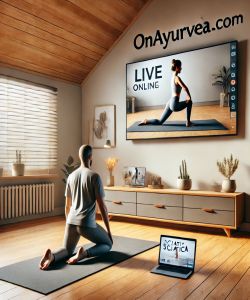
Overview of Yoga for Sciatica
Yoga for Sciatica constitutes a highly specialised and systematic application of yogic principles, postures, and breathing techniques designed explicitly to address the symptoms and underlying causes of sciatic nerve pain. This is not a generalised wellness practice; it is a targeted therapeutic intervention. The methodology is predicated on a precise biomechanical understanding of sciatica, which typically originates from compression or irritation of the sciatic nerve, often due to a herniated lumbar disc, spinal stenosis, or muscular tension, most notably from the piriformis muscle. The practice employs a curated selection of asanas (postures) that work to create space within the lumbar spine, thereby decompressing the affected nerve root, and to lengthen and release the specific muscles of the hips, glutes, and legs that can impinge upon the nerve pathway. Core tenets of the practice include immaculate attention to alignment to prevent further aggravation, the cultivation of core strength to stabilise and support the lower back, and the use of pranayama (controlled breathing) to down-regulate the nervous system’s pain response and mitigate the muscle guarding that frequently accompanies chronic discomfort. It is a disciplined, non-invasive modality demanding profound body awareness and a commitment to gradual, intelligent movement. The ultimate objective extends beyond temporary symptomatic relief; it is to re-establish correct postural patterns, restore functional mobility, and empower the individual with the physical and mental tools to manage their condition proactively. This approach fundamentally reframes the body not as a source of pain, but as an adaptable system capable of healing and resilience when guided by precise and informed practice. It is a rigorous, anatomically-informed discipline that commands respect for the body's structural integrity while systematically working to dismantle the patterns of tension and compression that give rise to sciatic pain.
What is Yoga for Sciatica?
Yoga for Sciatica is a therapeutic modality that methodically utilises specific yoga postures, breathing exercises, and mindfulness techniques to alleviate the pain and dysfunction associated with sciatic nerve impingement. It operates on the fundamental principle that sciatic pain is often a symptom of underlying biomechanical imbalances, such as muscular tightness or spinal compression. The practice is therefore prescriptive and highly specific, moving beyond the scope of a general yoga class to focus intensely on the anatomical structures directly implicated in the condition. It is a disciplined approach that seeks to decompress the sciatic nerve by targeting the root causes of its irritation. This is achieved through a multi-faceted strategy that combines stretching, strengthening, and postural re-education into a cohesive system. The practice is inherently adaptive, requiring postures to be modified to suit the individual’s precise condition and tolerance levels, ensuring that the intervention remains therapeutic rather than aggravational.
The core components of this practice can be articulated as follows:
Targeted Stretching: The practice prioritises asanas that specifically lengthen the muscles which, when tight, can contribute to sciatic nerve compression. This primarily includes the piriformis, hamstrings, and gluteal muscles. Poses are held for extended periods in a static manner to encourage deep fascial release and reduce muscular tension on the nerve.
Spinal Decompression: A crucial element involves postures and movements designed to create intervertebral space, particularly in the lumbar region. Gentle tractioning and elongation of the spine help to alleviate pressure on the nerve roots exiting the spinal column, which is a common origin of sciatic pain.
Core Stabilisation: The methodology incorporates strengthening exercises for the deep core musculature, including the transverse abdominis and multifidus. A strong, stable core provides essential support for the lumbar spine, reducing excessive load and preventing the micro-movements that can irritate the nerve.
Neuromuscular Re-education: Through mindful practice and a focus on precise alignment, individuals learn to correct dysfunctional movement patterns and postural habits that contribute to their condition. This fosters enhanced proprioception and body awareness, which are critical for long-term management and prevention of recurrence.
Who Needs Yoga for Sciatica?
Individuals with a Clinical Diagnosis of Piriformis Syndrome. This protocol is essential for those whose sciatic pain is determined to originate from the compression of the sciatic nerve by a tight or spasming piriformis muscle. The targeted stretches and release techniques are specifically designed to address this muscular impingement directly at its source.
Patients with Lumbar Disc Herniation. For individuals suffering from sciatica caused by a bulging or herniated disc in the lower back, this practice provides non-invasive techniques for spinal decompression. The carefully selected postures aim to create space between the vertebrae, potentially reducing pressure from the disc onto the adjacent nerve root.
Persons Experiencing Chronic Lower Back Pain with Radiculopathy. Anyone who suffers from persistent lower back pain that radiates down the posterior or lateral aspect of the leg, consistent with the sciatic nerve pathway, requires this intervention to address the full kinetic chain of dysfunction, from the lumbar spine to the lower limb.
Those with Degenerative Disc Disease or Spinal Stenosis. This practice offers a management strategy for individuals with age-related or degenerative spinal conditions that narrow the spaces within the spine. Gentle mobilisation and strengthening exercises can improve support and function, potentially alleviating nerve compression symptoms.
Individuals Seeking Non-Pharmacological Pain Management. This is a mandatory consideration for those who wish to reduce their reliance on analgesics or other medications for pain control. It provides a structured, self-empowering method for managing symptoms through physical movement and nervous system regulation.
Post-Surgical Rehabilitation Patients. Under strict medical guidance, individuals recovering from spinal surgery may be directed towards this gentle, modified practice to restore flexibility, build foundational strength, and prevent the build-up of scar tissue that could lead to future nerve-related issues.
Adults with Sedentary Occupations or Lifestyles. Office workers and others who remain seated for prolonged periods are prime candidates. This practice directly counteracts the negative effects of sustained sitting, such as shortened hip flexors and weak gluteal muscles, which are significant contributing factors to lower back and sciatic pain.
Athletes Requiring Enhanced Hip Mobility and Gluteal Function. Sportspeople in disciplines that demand powerful hip extension and rotation can develop muscular imbalances that lead to sciatica. This yoga protocol serves as both a corrective and preventative measure to ensure balanced musculoskeletal function.
Origins and Evolution of Yoga for Sciatica
The application of yoga as a targeted therapy for sciatica is a modern development, born from the synthesis of ancient yogic principles with contemporary anatomical and medical science. The origins of yoga itself, dating back thousands of years in ancient India, were not prescriptive for specific pathologies in the modern clinical sense. Traditional yoga, as outlined in texts such as the Yoga Sutras of Patanjali, was a holistic system aimed at achieving mental and spiritual liberation, with the physical postures (asanas) serving as one component to prepare the body for meditation and cultivate overall health and discipline. The focus was on systemic balance and energy flow, not on the biomechanical correction of a specific nerve impingement syndrome. The postures were developed through empirical observation of their effects on the body and mind, creating a robust system for general physical well-being.
The evolution towards a therapeutic specialisation began in the 20th century, particularly with the work of pioneers like B.K.S. Iyengar. His meticulous, alignment-focused approach and innovative use of props to support the body in anatomically precise positions laid the groundwork for modern yoga therapy. This movement shifted the practice from being purely traditional to being rigorously analytical. Instructors began to study the musculoskeletal effects of each asana in detail, understanding how a specific pose could lengthen a particular muscle, decompress a specific joint, or strengthen a key stabilising group. This anatomical precision allowed for the adaptation of yoga to address specific physical ailments, moving it into the realm of complementary medicine.
The final stage of this evolution has seen the emergence of highly specialised protocols such as Yoga for Sciatica. This contemporary practice is informed by clinical research and a deep understanding of the pathophysiology of sciatic nerve pain. Modern yoga therapists and qualified instructors now deconstruct the condition into its common causes—such as piriformis syndrome or lumbar disc herniation—and prescribe specific sequences of asanas, pranayama, and relaxation techniques to target these root causes. Postures are selected or modified based on their proven ability to decompress the lumbar spine, release the piriformis muscle, and strengthen the core stabilisers. This represents the culmination of yoga's journey: from an ancient spiritual discipline to a sophisticated, evidence-informed therapeutic modality capable of addressing complex musculoskeletal conditions with precision and efficacy.
Types of Yoga for Sciatica
Hatha Yoga. This is the foundational form from which many other styles derive. For sciatica, a modified Hatha practice is paramount. It involves holding basic postures (asanas) for several breaths, focusing on static stretching and correct alignment. Its slow, deliberate pace allows individuals to develop profound body awareness, learning to distinguish between therapeutic stretching and pain-inducing strain. The emphasis is on gentle, sustained release rather than dynamic flow, making it an ideal starting point for managing sciatic pain.
Restorative Yoga. This practice is explicitly therapeutic and passive. It utilises an array of props such as bolsters, blankets, and blocks to support the body completely in comfortable, gentle postures. Poses are held for extended periods, often five minutes or more. For sciatica, this allows for the deep, passive release of tension in the lumbar spine, hips, and piriformis without muscular effort. It is exceptionally effective at calming the nervous system, reducing the heightened pain sensitivity and muscle guarding that often accompany chronic nerve irritation.
Iyengar Yoga. Characterised by its rigorous focus on precise anatomical alignment and the extensive use of props. This method is exceptionally well-suited for sciatica because it enforces safe and optimal joint and muscle positioning. An Iyengar-trained instructor can guide a student to modify postures with meticulous detail, ensuring the spine is elongated and the hips are positioned to alleviate nerve compression. The intellectual rigour and precision of this style minimise the risk of injury and maximise the therapeutic benefit of each pose.
Yin Yoga. This style targets the deep connective tissues, or fascia, rather than the muscles. It involves holding passive floor-based poses for long durations, typically three to five minutes. For sciatica, specific Yin poses that target the hip and pelvic region can be highly effective in releasing long-held tension in the fascia surrounding the piriformis and other deep hip rotators. However, it demands extreme caution and expert guidance, as overstretching can be detrimental. It is appropriate only for certain types of sciatica and requires a high degree of mindfulness.
Chair Yoga. An essential modification for individuals with acute pain, limited mobility, or balance issues. This practice adapts traditional yoga poses so they can be performed while seated or using a chair for support. It makes the benefits of yoga accessible, allowing for gentle hip-opening and spinal-mobilising movements without the strain of standing or floor-based postures. It is a critical tool for maintaining movement and preventing deconditioning during acute phases of sciatica.
Benefits of Yoga for Sciatica
Targeted Pain Alleviation: Directly reduces sciatic pain by employing specific postures that stretch and release the piriformis and gluteal muscles, which are common culprits in compressing the sciatic nerve. This provides direct, mechanistic relief from muscular impingement.
Spinal Decompression: Creates intervertebral space, particularly in the lumbar region, through gentle traction and elongation techniques. This relieves pressure on nerve roots that may be compressed by bulging discs or spinal stenosis, addressing a primary cause of sciatica.
Enhanced Muscular Flexibility: Systematically increases the flexibility of the hamstrings, hip flexors, and external hip rotators. Tightness in these muscle groups can alter pelvic alignment and increase strain on the lower back, contributing to sciatic symptoms.
Core Strength and Stability: Develops strength in the deep abdominal and back muscles that form the body’s core. A robust and stable core provides essential support for the lumbar spine, reducing mechanical stress and preventing the micro-movements that can aggravate nerve irritation.
Improved Posture and Alignment: Fosters a heightened awareness of body mechanics, leading to the correction of poor postural habits in sitting, standing, and walking. Proper alignment distributes weight correctly through the spine and pelvis, preventing the recurrence of sciatic flare-ups.
Reduction of Inflammation: Promotes increased blood flow and circulation to the affected areas. This enhanced circulation can help to flush out inflammatory substances and deliver oxygen and nutrients, facilitating the healing of irritated tissues surrounding the sciatic nerve.
Nervous System Regulation: Utilises controlled breathing (pranayama) and mindfulness to down-regulate the sympathetic nervous system (the 'fight-or-flight' response) and activate the parasympathetic nervous system (the 'rest-and-digest' response). This reduces overall stress, lowers pain perception, and helps to break the chronic pain cycle.
Increased Body Awareness (Proprioception): Cultivates a deep, internal sense of the body’s position and movement. This enhanced awareness enables individuals to identify and avoid movements and positions that trigger their pain, empowering them to take an active role in their own recovery and long-term management.
Functional Mobility Restoration: Moves beyond simple pain relief to restore and improve functional movement patterns. By strengthening and stretching the relevant muscle groups, it helps individuals return to daily activities with greater ease, confidence, and a reduced risk of re-injury.
Core Principles and Practices of Yoga for Sciatica
Prioritise Non-Aggravation (Ahimsa): The foremost principle is the absolute avoidance of pain. The practitioner must learn to differentiate between the sensation of a productive muscular stretch and the sharp, shooting, or tingling pain indicative of nerve irritation. Any movement that elicits or exacerbates sciatic symptoms must be immediately ceased and modified. This principle is non-negotiable.
Emphasise Spinal Elongation: Every posture and transition must be executed with the intention of creating length in the spine. This axial extension is critical for decompressing the lumbar vertebrae and relieving pressure on the intervertebral discs and nerve roots. This is achieved through active engagement of the core and a conscious lifting of the torso away from the pelvis.
Master Breath Control (Pranayama): The breath is the primary tool for managing pain and releasing tension. Practice must be synchronised with deep, diaphragmatic breathing. Inhalations are typically used to create length and space, while exhalations are used to deepen into a stretch or release muscular holding patterns. Controlled breathing also calms the nervous system, mitigating the body’s stress response to pain.
Cultivate Meticulous Alignment: Precision in every posture is paramount to ensure that stress is taken off the lumbar spine and sciatic nerve. This involves conscious positioning of the pelvis, spine, and limbs. For example, ensuring the knees are aligned with the ankles in standing poses or maintaining a neutral pelvis in supine stretches prevents compensatory movements that could be harmful.
Utilise Props for Support and Modification: The intelligent use of props such as blocks, bolsters, straps, and blankets is not optional but integral to the practice. Props provide support to help maintain correct alignment, allow for the passive release of deep-seated tension, and modify postures to make them accessible and safe for an individual experiencing acute pain or limited flexibility.
Develop Core Stabilisation: The practice must include specific work to strengthen the deep stabilising muscles of the core, including the transverse abdominis and multifidus. A strong, stable core acts as a natural corset, supporting the lumbar spine, reducing excessive load, and preventing injurious movements. This is fundamental for long-term prevention.
Practise with Mindful Awareness: The individual must remain fully present and attuned to the body’s feedback throughout the practice. This internal focus, or interoception, is essential for identifying the subtle onset of nerve-related sensations and adjusting accordingly. It transforms the practice from a mere set of physical exercises into a disciplined dialogue with the body.
Online Yoga for Sciatica
Unparalleled Accessibility and Convenience: The online format removes geographical and logistical barriers to accessing specialised instruction. Individuals in remote locations or with mobility limitations that make travel to a physical studio prohibitive can engage in a therapeutic practice from their own premises, ensuring consistency which is critical for effective management.
Enhanced Privacy and Reduced Self-Consciousness: Practising in a private environment eliminates the potential for comparison or self-consciousness that can arise in a group class setting. This is particularly important when dealing with a painful condition, as it allows the individual to focus entirely on their own body’s signals and limitations without external distraction or perceived pressure.
Absolute Control Over the Therapeutic Environment: The practitioner has complete authority to modify their surroundings to be maximally conducive to healing. This includes controlling the temperature, lighting, and ambient sound, as well as ensuring the space is free from interruptions. This level of environmental control optimises comfort and facilitates deeper relaxation and focus.
Self-Paced Learning and Repetition: Online platforms typically offer pre-recorded sessions, allowing the user to pause, rewind, and repeat instructions as many times as necessary to master a particular technique or posture safely. This capacity for repetition is invaluable for instilling correct form and for progressing at a pace dictated solely by one's own body, not by the flow of a group class.
Access to Niche Expertise: The digital realm provides access to a global pool of highly specialised instructors who focus specifically on yoga for therapeutic applications like sciatica. An individual is no longer limited to the expertise available in their immediate locality and can seek out a teacher with verifiable qualifications and extensive experience in this precise area.
Financial and Time Efficiency: Online yoga eliminates costs and time associated with commuting to a studio. This makes the practice more sustainable from both a financial and a scheduling perspective, increasing the likelihood of long-term adherence to a therapeutic routine that is essential for lasting results.
Empowerment and Personal Responsibility: The online modality inherently requires a higher degree of self-monitoring and discipline. This fosters a greater sense of personal responsibility for one's own well-being and a deeper, more intuitive understanding of one's physical boundaries, which are crucial skills for the long-term management of any chronic condition.
Yoga for Sciatica Techniques
Reclining Pigeon Pose (Supta Kapotasana) for Piriformis Release:
Step 1: Lie supine on a firm surface, with both knees bent and feet flat on the floor, hip-width apart. Ensure the lower back is neutral, not pressed flat nor excessively arched.
Step 2: Cross the right ankle over the left thigh, just below the knee. Keep the right foot actively flexed to protect the knee joint. This is the starting position.
Step 3: If a sufficient stretch is felt in the right glute and hip, remain here. To deepen, slowly draw the left knee in towards the chest.
Step 4: Thread the right arm through the space created by the legs and interlace the fingers with the left hand either behind the left thigh or over the left shin.
Step 5: Use the arms to gently guide the left leg closer to the torso, increasing the stretch in the right piriformis. Maintain the stretch for 30-60 seconds, breathing deeply and ensuring no sharp pain is elicited. Release and repeat on the opposite side.
Cat-Cow Stretch (Marjaryasana-Bitilasana) for Spinal Mobilisation:
Step 1: Begin on all fours in a tabletop position. Wrists should be directly under the shoulders, and knees directly under the hips. The spine should be in a neutral, long position.
Step 2: On an inhalation, begin the 'Cow' phase. Drop the belly towards the floor, lift the chest and tailbone towards the ceiling, and look slightly forward, creating a gentle arch in the spine. Avoid collapsing in the lower back.
Step 3: On an exhalation, transition to the 'Cat' phase. Press firmly into the hands, round the spine towards the ceiling, tuck the tailbone under, and release the head towards the floor.
Step 4: Continue flowing between these two positions, synchronising each movement precisely with the breath. The movement should be slow, deliberate, and originate from the pelvis, rippling up the spine. Perform 10-15 cycles.
Sphinx Pose (Salamba Bhujangasana) for Gentle Lumbar Extension:
Step 1: Lie prone on the mat with legs extended straight behind, hip-width apart.
Step 2: Position the elbows directly under the shoulders and the forearms parallel on the floor in front of you.
Step 3: Press firmly into the forearms and the palms of the hands to lift the head and chest off the floor, creating a gentle backbend.
Step 4: Keep the neck long, as an extension of the spine. Press the pubic bone gently into the floor to stabilise the lower back.
Step 5: Hold for 1-3 minutes, breathing steadily. The sensation should be one of mild compression in the lumbar spine, not pain. To exit, gently lower the torso and head back to the floor.
Yoga for Sciatica for Adults
The application of yoga for sciatica in adults demands a mature, intelligent, and highly individualised approach, fundamentally distinct from general fitness-oriented practices. For the adult population, particularly those contending with age-related degenerative changes, occupational strain, or comorbidities, the practice must be re-contextualised as a precise therapeutic tool rather than a pursuit of advanced physical postures. The primary objective is not aesthetic form but functional restoration and pain management. Consequently, the emphasis shifts unequivocally towards stability, safety, and sustainability. Modifications are not a concession but a core requirement; the use of chairs, walls, blocks, and bolsters is standard procedure to ensure that the lumbar spine and sciatic nerve are never compromised. The adult practitioner must be guided to cultivate a profound sense of interoception—an acute internal awareness—to distinguish authoritatively between the discomfort of a therapeutic stretch and the hazardous signal of nerve impingement. This disciplined self-monitoring supersedes any external instruction. The practice must also directly counteract the prevalent musculoskeletal imbalances of adult life, such as weakened gluteal muscles and tight hip flexors resulting from prolonged sitting. Therefore, sequences are strategically designed to reactivate dormant stabilising muscles and lengthen chronically shortened ones. The psychological dimension is equally critical; the practice provides adults with a non-pharmacological method for managing the stress and anxiety that frequently accompany chronic pain, fostering a sense of agency and self-efficacy in their own healthcare. It is a methodical re-education of the body and mind, focused on building long-term resilience and maintaining independent, pain-free mobility throughout adult life.
Total Duration of Online Yoga for Sciatica
The stipulated total duration for an online Yoga for Sciatica session is precisely 1 hr. This temporal framework is not arbitrary but is a clinically informed prescription designed to maximise therapeutic efficacy while minimising the risk of fatigue or over-exertion, which could prove counterproductive and exacerbate sciatic symptoms. The 1 hr duration facilitates a structured and comprehensive protocol that allows for a necessary sequence of distinct phases, each critical to the overall therapeutic outcome. A session commences with a preparatory phase of approximately ten to fifteen minutes dedicated to centring, diaphragmatic breathing, and gentle mobilisation. This initial period is essential for calming the central nervous system, reducing baseline muscle tension, and safely preparing the joints and soft tissues for the more targeted work to follow. The central, most substantial portion of the 1 hr session, lasting around thirty to thirty-five minutes, is dedicated to the core therapeutic content: the meticulous execution of specific asanas chosen to decompress the lumbar spine and release tension in the piriformis, gluteal, and hamstring muscles. This segment requires sufficient time to enter, hold, and exit each posture with the requisite control and mindfulness. The subsequent phase, a cool-down of ten minutes, involves restorative postures and gentle counter-stretches to neutralise the spine and integrate the benefits of the preceding work. The final five to ten minutes of the 1 hr period are reserved for Savasana (corpse pose), a state of complete relaxation that is vital for allowing the nervous system to consolidate the neuromuscular re-patterning and down-regulate pain signals. Adherence to this 1 hr structure ensures that the practice is a complete therapeutic arc—from preparation through intervention to integration and recovery—providing a potent and safe dose of targeted movement.
Things to Consider with Yoga for Sciatica
Prior to engaging in any yoga protocol for sciatica, it is imperative to approach the endeavour with stringent diligence and a comprehensive understanding of its contraindications and requirements. Firstly, obtaining an accurate medical diagnosis is non-negotiable. Sciatica is a symptom, not a standalone condition, and its root cause—be it a herniated disc, spinal stenosis, piriformis syndrome, or another pathology—must be professionally identified. Attempting to self-treat without this crucial information is reckless and can lead to a significant worsening of the condition. Secondly, the practitioner must cultivate an unwavering commitment to listening to their body’s signals, distinguishing with absolute clarity between the sensation of a deep muscular stretch and the sharp, radiating, or tingling pain that signifies nerve irritation. The latter is an unequivocal command to cease the movement immediately. The principle of ‘no pain, no gain’ is not only irrelevant but dangerously inappropriate in this context. Furthermore, one must recognise that not all yoga is suitable. Dynamic, fast-paced styles such as Ashtanga or Power Yoga, as well as postures involving deep forward folds with straight legs or extreme spinal twisting, must be strictly avoided as they can place hazardous pressure on the lumbar spine and sciatic nerve. The selection of a qualified instructor with specific training in therapeutic yoga and a demonstrable knowledge of spinal anatomy is of paramount importance. Finally, it is crucial to manage expectations; yoga for sciatica is a methodical, long-term management strategy, not an instantaneous cure. Progress may be non-linear, and consistency, patience, and precision are the true determinants of a successful outcome.
Effectiveness of Yoga for Sciatica
The effectiveness of Yoga for Sciatica as a therapeutic intervention is potent and multi-faceted, grounded in sound biomechanical and neurological principles. Its efficacy stems from its direct and systematic approach to addressing the primary root causes of sciatic nerve compression. By focusing on specific asanas, the practice mechanically lengthens and releases the piriformis, gluteal, and hamstring muscles. When these muscles are chronically tight, they can physically impinge upon the sciatic nerve, and their release provides immediate and direct relief from this source of pressure. Concurrently, the practice employs postures and movements that promote axial extension and gentle traction of the lumbar spine. This action of creating intervertebral space can decompress the nerve roots as they exit the spinal column, alleviating the pain that originates from conditions such as disc herniation or spinal stenosis. Beyond these direct mechanical interventions, the practice is highly effective due to its emphasis on strengthening the deep core musculature. A strong, stable core provides a natural corset of support for the lower back, reducing aberrant movements and mechanical stress on the spinal structures, which is critical for preventing recurrence. Furthermore, the integration of controlled breathing and mindfulness actively down-regulates the central nervous system’s response to pain. This helps to break the chronic pain cycle, where pain leads to muscle guarding and stress, which in turn exacerbates pain. The cumulative effect is not merely symptomatic relief but a fundamental re-education of the body's postural and movement patterns, leading to sustained functional improvement and long-term resilience against sciatic episodes.
Preferred Cautions During Yoga for Sciatica
Extreme caution is not merely advised; it is mandated throughout any yoga practice undertaken for sciatica. The practitioner must operate under a strict, unyielding set of safety protocols to prevent exacerbation of the condition. First and foremost, you will immediately cease any posture or movement that elicits sharp, shooting, electric, or tingling pain along the sciatic nerve pathway. This is a non-negotiable stop signal from the nervous system that must be obeyed without hesitation or attempts to “push through”. Avoid all deep forward-bending postures with straight legs, such as a traditional Paschimottanasana (Seated Forward Bend), as this action places significant tensile stress on the sciatic nerve and can acutely aggravate it. Similarly, you must refrain from any aggressive or deep twisting actions of the lumbar spine, which can compress the intervertebral discs and irritate the nerve roots. All ballistic or bouncing movements (dynamic stretching) are strictly prohibited; movements must be slow, deliberate, and meticulously controlled. Ensure that you never hold your breath during a stretch, as this increases muscular tension and intra-abdominal pressure. The breath must remain fluid and continuous to facilitate relaxation and release. Do not allow ambition or ego to dictate the depth of a pose; the objective is therapeutic release, not the achievement of an aesthetic shape. Prioritise spinal length over the depth of a stretch in every single posture. Finally, if you are experiencing an acute, inflammatory phase of sciatica, you must restrict your practice to the most gentle restorative poses and breathing exercises only, or cease physical practice altogether until the acute phase subsides, pending medical advice.
Yoga for Sciatica Course Outline
Module One: Foundational Principles and Safety Protocols
Objective: To establish a comprehensive understanding of the condition and the core principles of safe practice.
Content: Anatomy of the sciatic nerve pathway; common causes of sciatica; the cardinal rule of non-aggravation; differentiating nerve pain from muscle stretch; introduction to diaphragmatic breathing for pain management.
Key Practices: Conscious breathing exercises; gentle pelvic tilts.
Module Two: Gentle Mobilisation and Spinal Decompression
Objective: To safely introduce movement to the spine and hips to reduce stiffness and create space.
Content: The importance of axial extension; techniques for gentle lumbar traction; coordinating breath with spinal movement.
Key Practices: Cat-Cow Stretch (Marjaryasana-Bitilasana); Supine Knee-to-Chest (Apanasana); gentle supine twists with bent knees.
Module Three: Targeting the Piriformis and Deep Hip Rotators
Objective: To specifically address muscular tension in the piriformis and surrounding muscles that can impinge on the sciatic nerve.
Content: Anatomy of the deep hip rotators; techniques for safe and effective stretching of the piriformis muscle.
Key Practices: Reclining Pigeon Pose (Supta Kapotasana); Seated Pigeon Pose variations (using a chair); Eye of the Needle Pose.
Module Four: Hamstring and Gluteal Lengthening
Objective: To release tension in the posterior chain, which can affect pelvic alignment and exacerbate lower back strain.
Content: Safe methods for stretching the hamstrings without stressing the lumbar spine or sciatic nerve.
Key Practices: Supine Hamstring Stretch with a strap; Supported Bridge Pose (Setu Bandhasana) for gluteal activation and lengthening.
Module Five: Core Stabilisation for Lumbar Support
Objective: To build foundational strength in the deep core muscles to support and protect the lower back.
Content: Activating the transverse abdominis; understanding the role of the multifidus muscles; integrating core engagement into all movements.
Key Practices: Bird-Dog Pose (Parsva Balasana); Forearm Plank modifications; Dead Bug exercise.
Module Six: Restorative Practices for Nervous System Regulation
Objective: To utilise passive postures to calm the nervous system, reduce pain perception, and facilitate deep healing.
Content: The role of the parasympathetic nervous system in recovery; using props for complete support.
Key Practices: Supported Legs-Up-the-Wall Pose (Viparita Karani); Supported Reclining Bound Angle Pose (Supta Baddha Konasana); extended Savasana.
Detailed Objectives with Timeline of Yoga for Sciatica
Weeks 1-2: Symptom Management and Foundational Safety.
Objective: To reduce the intensity of acute pain and establish a baseline of safe movement. The primary goal is to master diaphragmatic breathing to regulate the nervous system’s pain response and to perform gentle mobilisations without triggering sciatic symptoms. The individual will learn to accurately identify the difference between productive stretch and nerve pain, establishing the non-negotiable principle of non-aggravation.
Timeline Benchmark: By the end of week two, the practitioner will be able to perform a 15-20 minute daily routine of breathing and gentle pelvic/spinal movements with no increase in sciatic pain.
Weeks 3-4: Targeted Muscular Release and Flexibility.
Objective: To begin systematically releasing tension in the key muscles implicated in sciatica, primarily the piriformis and gluteals. The focus shifts to introducing and holding static stretches like Reclining Pigeon Pose, using props to ensure correct and safe alignment. The goal is a measurable reduction in muscular tightness around the hip and pelvis.
Timeline Benchmark: By the end of week four, a noticeable increase in hip range of motion should be observed, and pain originating from muscular tightness should be demonstrably reduced.
Weeks 5-6: Building Core Stability and Spinal Support.
Objective: To activate and strengthen the deep core muscles (transverse abdominis, multifidus) that stabilise the lumbar spine. This phase introduces foundational core exercises that do not flex or compromise the lower back. The goal is to build endurance in these stabilising muscles to provide a natural support system for the spine.
Timeline Benchmark: By the end of week six, the practitioner will be able to hold a modified forearm plank for a sustained period and maintain core engagement during transitional movements, reporting a greater sense of stability in the lower back.
Weeks 7-8: Integration and Postural Re-education.
Objective: To integrate the gains in flexibility and strength into improved functional movement and posture. The focus is on applying the principles of core support and neutral spinal alignment to daily activities such as sitting, standing, and lifting. The practice becomes more about conscious movement throughout the day, not just on the mat.
Timeline Benchmark: By the end of week eight, the individual will demonstrate improved postural awareness and possess the tools to self-correct alignment, leading to a significant reduction in the frequency and intensity of sciatic flare-ups and the confidence to manage the condition independently.
Requirements for Taking Online Yoga for Sciatica
Prior Medical Clearance: It is an absolute, non-negotiable prerequisite to have received a formal medical diagnosis for the cause of your sciatica from a qualified healthcare professional. You must be cleared by your physician or physical therapist for gentle, modified yoga practice. Self-diagnosis is unacceptable.
A High-Speed, Stable Internet Connection: The online instruction must be received without interruption. A lagging or freezing video feed can cause a practitioner to miss crucial alignment cues or safety instructions, posing a significant risk of injury. A reliable connection is a matter of safety.
A Suitable Electronic Device with a Clear Display: A laptop, tablet, or television screen of sufficient size is required to clearly view the instructor’s demonstrations. Attempting to follow instruction on a small mobile phone screen is inadequate and will compromise your ability to replicate correct form and alignment.
A Dedicated and Uncluttered Practice Space: You must allocate a specific area for your practice that is free from furniture, hazards, and distractions. The space must be large enough to accommodate a yoga mat and allow for full extension of your limbs in all directions without obstruction.
Essential Yoga Equipment: This is not optional. You must possess a non-slip yoga mat, two foam or cork yoga blocks, a yoga strap (or a non-stretchy belt), and one or two firm blankets or a bolster. These props are integral to modifying postures safely and achieving therapeutic release.
Commitment to Uninterrupted Practice Time: You are required to schedule and commit to sessions at a time when you will not be disturbed. The practice demands your full mental focus and concentration on bodily sensations. External interruptions will detract from the therapeutic efficacy and safety of the session.
The Capacity for Disciplined Self-Monitoring: In the absence of a physically present instructor for hands-on adjustments, the onus of safety falls entirely on you. You must possess the maturity and discipline to listen intently to your body, to respect its limitations, and to adhere strictly to the principle of avoiding any pain-inducing movements.
Things to Keep in Mind Before Starting Online Yoga for Sciatica
Before commencing an online yoga regimen for sciatica, it is critical to adopt a mindset of extreme diligence, personal responsibility, and realistic expectation. You are not simply participating in an exercise class; you are undertaking a self-directed therapeutic intervention where you are the primary guardian of your own safety. Understand that the instructor on the screen cannot see your subtle misalignments or feel your physical sensations. Therefore, your ability to interpret their verbal cues and translate them into safe, precise movements is paramount. You must discard any ego or ambition related to achieving a certain posture and instead cultivate a deep, internal focus on the sensations within your own body. Your primary objective is not to replicate the instructor’s form perfectly but to find the version of the posture that provides therapeutic benefit to your unique condition without crossing the threshold into pain. This requires unwavering honesty with yourself. Furthermore, recognise that progress will likely be non-linear; there will be days of improvement and days of regression. Consistency and patience are your most powerful allies. Do not expect an instantaneous cure. You must be prepared to commit to a regular, methodical practice, understanding that the benefits are cumulative and are realised through persistent, intelligent effort over time. The online format offers great convenience, but this convenience is balanced by the demand for a higher level of self-awareness and discipline than would be required in an in-person setting. Your success is contingent on this disciplined engagement.
Qualifications Required to Perform Yoga for Sciatica
The instruction of Yoga for Sciatica is a specialised therapeutic discipline that demands credentials far exceeding those of a standard yoga teacher. It is a serious error to assume that any certified instructor is qualified to guide individuals with this specific, and often delicate, medical condition. The practitioner must be a highly trained professional who possesses a deep and integrated knowledge of anatomy, pathology, and therapeutic application. An individual entrusted with this work must hold qualifications that demonstrate a capacity for clinical reasoning and risk assessment.
The essential qualifications include, but are not limited to:
Advanced Foundational Training: A minimum of a 500-hour advanced yoga teacher training certification (RYT-500 or equivalent) is the baseline requirement. This ensures a comprehensive understanding of asana, pranayama, and teaching methodology that a 200-hour certification does not provide.
Specialised Certification in Yoga Therapy: The most critical credential is a formal qualification from a recognised Yoga Therapy program, such as one accredited by the International Association of Yoga Therapists (IAYT). This training specifically focuses on applying yogic techniques to address physical and mental health conditions, including comprehensive education on musculoskeletal pathologies like sciatica.
In-depth Knowledge of Anatomy, Kinesiology, and Pathophysiology: The instructor must demonstrate a profound, clinical-grade understanding of the musculoskeletal and nervous systems, particularly the anatomy of the lumbosacral plexus, the biomechanics of the spine and pelvis, and the specific mechanisms of sciatic nerve impingement (e.g., disc herniation vs. piriformis syndrome).
Verifiable Experience and Supervised Clinical Practice: The instructor must have a proven track record of working safely and effectively with clients presenting with spinal conditions and chronic pain. This experience should ideally include hours of supervised work or mentorship under a more senior yoga therapist or healthcare professional.
Without this combination of advanced general training, specific therapeutic certification, deep scientific knowledge, and practical experience, an instructor is not equipped to provide safe or effective guidance for sciatica and may pose a significant risk to the client's well-being.
Online Vs Offline/Onsite Yoga for Sciatica
Online
The online modality for Yoga for Sciatica offers distinct advantages centered on accessibility and individual control. Its primary strength lies in its convenience, eliminating geographical, scheduling, and mobility constraints that might otherwise prevent an individual from seeking specialised instruction. A practitioner can engage with a world-class therapeutic specialist from their own home, ensuring consistency of practice which is vital for long-term management. The privacy of the home environment is another significant benefit, as it removes any potential self-consciousness or pressure to keep up with others, allowing the individual to focus exclusively on their own body's feedback. This modality also fosters a greater sense of self-reliance and body awareness, as the practitioner must learn to interpret verbal cues and monitor their own sensations without the safety net of physical adjustments.
However, the online format has inherent limitations. The most critical drawback is the absence of hands-on adjustments from a qualified instructor. A teacher cannot provide the tactile feedback needed to correct subtle but potentially harmful misalignments. This places the full responsibility for safety on the practitioner, who may not yet have the proprioceptive awareness to accurately assess their own form. There is also a risk of misinterpreting instructions, and the lack of immediate, personalised feedback can slow down the learning process or, in a worst-case scenario, lead to an exacerbation of the condition.
Offline/Onsite
Offline, or in-person, instruction provides a level of safety and precision that is difficult to replicate online. The foremost advantage is the ability of the instructor to provide direct, hands-on physical adjustments. This tactile guidance is invaluable for teaching correct alignment, ensuring that postures are executed in a way that is therapeutically effective and maximally safe for the lumbar spine and sciatic nerve. The instructor can also offer immediate, tailored verbal feedback based on direct observation of the student's body. The group setting, if small and specialised, can provide a sense of community and shared experience, which can be psychologically supportive. Furthermore, an onsite studio is equipped with the necessary props, and the instructor can guide their optimal use for each individual.
The disadvantages of the offline model are primarily logistical. It demands physical travel to a specific location at a fixed time, which may be difficult for those with acute pain, mobility issues, or demanding schedules. Classes can be more expensive than online alternatives, and finding a truly qualified instructor with specific expertise in sciatica within one's local area can be a significant challenge. For some, the public nature of a class can also be a source of anxiety or distraction, detracting from the deep internal focus required for therapeutic practice.
FAQs About Online Yoga for Sciatica
Question 1. Is online yoga for sciatica safe without an instructor physically present?
Answer: It can be safe, provided you have prior medical clearance, follow a program designed by a qualified therapeutic specialist, and adhere with absolute discipline to the principle of never moving into sharp pain. The responsibility for safety is entirely yours.
Question 2. What if a pose increases my pain?
Answer: Cease the pose immediately and without hesitation. This is a non-negotiable rule. Gently back out of the position and rest.
Question 3. How often should I practise?
Answer: Consistency is key. A short, gentle practice of 20-30 minutes daily is often more effective than one long, intense session per week.
Question 4. Do I need a specific diagnosis before I start?
Answer: Yes. A professional medical diagnosis of the cause of your sciatica is an absolute prerequisite.
Question 5. Can yoga cure my sciatica?
Answer: Yoga does not "cure" conditions but is a highly effective management modality. It can alleviate symptoms, address root muscular and postural causes, and significantly reduce the frequency and severity of flare-ups.
Question 6. What equipment is essential?
Answer: A non-slip yoga mat, two blocks, a strap, and a bolster or firm blanket are mandatory for safe and effective practice.
Question 7. Can I do this during an acute flare-up?
Answer: During an acute, highly inflammatory phase, physical practice should be limited to very gentle breathing exercises and restorative poses only, or ceased entirely, pending medical advice.
Question 8. Are all yoga styles suitable?
Answer: No. Fast-paced, dynamic styles (Vinyasa, Ashtanga) and postures involving deep forward folds or intense twists must be strictly avoided.
Question 9. How long until I see results?
Answer: This varies significantly. Some may feel relief after the first session, while for others, it may take several weeks of consistent practice to notice a substantial change.
Question 10. Should I use heat or ice before practice?
Answer: Consult your healthcare provider. Generally, gentle heat can help relax muscles before practice, but it is not universally recommended.
Question 11. What is the most important pose for sciatica?
Answer: There is no single "most important" pose. A balanced approach targeting the piriformis, hamstrings, and core stability is necessary. The Reclining Pigeon pose is often highly effective.
Question 12. Can I practise if I have had back surgery?
Answer: Only with explicit clearance and guidance from your surgeon and physical therapist.
Question 13. What if I am not flexible?
Answer: This practice is not about flexibility but about therapeutic release. Props are used to make poses accessible to all levels of flexibility.
Question 14. Will I need to continue the practice forever?
Answer: To prevent recurrence, it is highly advisable to incorporate the core principles and key exercises into a long-term maintenance routine.
Question 15. Can I just follow a generic video online?
Answer: It is strongly discouraged. You require a program specifically and intelligently designed for sciatica by a qualified professional to ensure safety and efficacy.
Question 16. Does breathing really make a difference?
Answer: Yes. Controlled, diaphragmatic breathing is a critical tool for calming the nervous system, which directly impacts pain perception and muscle tension.
Conclusion About Yoga for Sciatica
In conclusion, Yoga for Sciatica stands as a formidable and highly sophisticated therapeutic discipline. It is a rigorous, non-invasive modality that transcends the limitations of a general wellness practice to offer a targeted, biomechanically-informed solution for the management of sciatic nerve pain. Its efficacy is rooted in a multi-pronged strategy that simultaneously addresses the condition's primary mechanical and neurological drivers. Through the precise application of asanas, it systematically releases muscular impingement from structures like the piriformis, while creating essential decompression within the lumbar spine to alleviate nerve root irritation. Crucially, it extends beyond mere symptomatic relief by methodically building core strength and stability, thereby creating a resilient, supportive structure that mitigates the risk of recurrence. The mandatory integration of pranayama and mindful awareness equips the individual with the tools to regulate their own nervous system, breaking the debilitating cycle of pain and stress. When approached with the requisite discipline, respect for anatomical principles, and an unwavering adherence to safety protocols under qualified guidance, Yoga for Sciatica is not merely a set of exercises. It is a comprehensive system of neuromuscular re-education that empowers individuals to reclaim functional mobility, dismantle patterns of chronic pain, and assert proactive control over their physical well-being. It is, therefore, an essential and potent component of any intelligent, long-term strategy for managing sciatica.